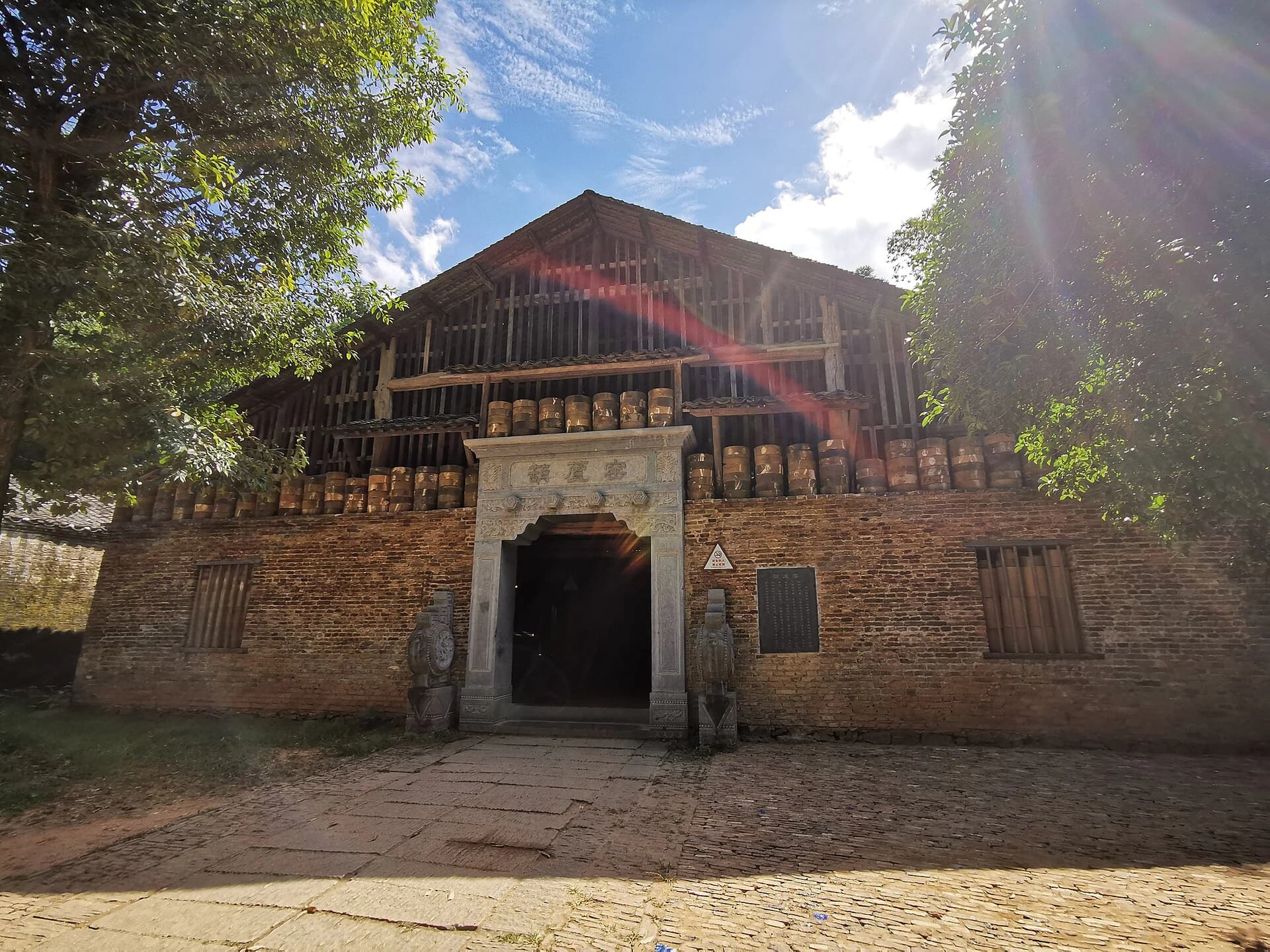
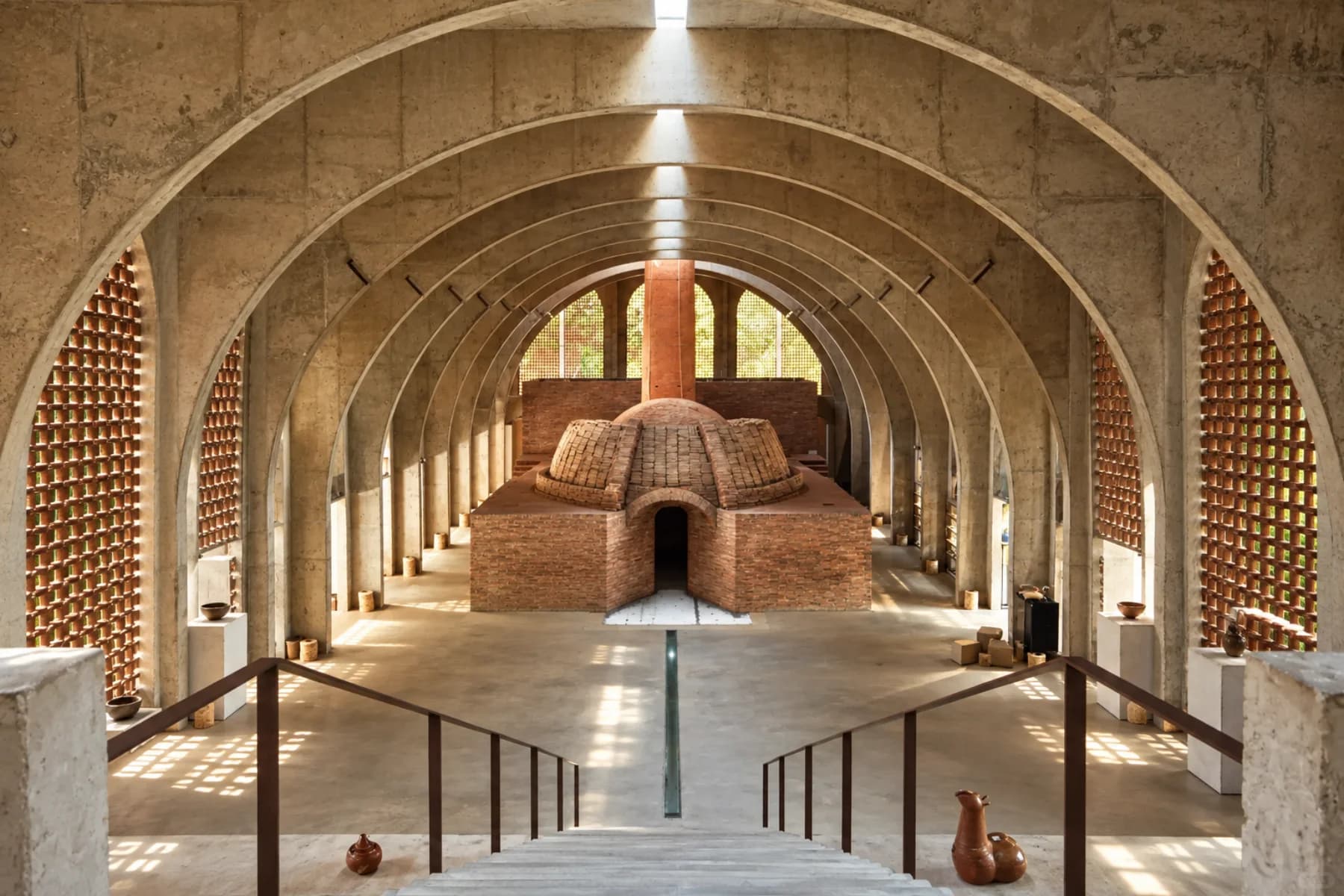
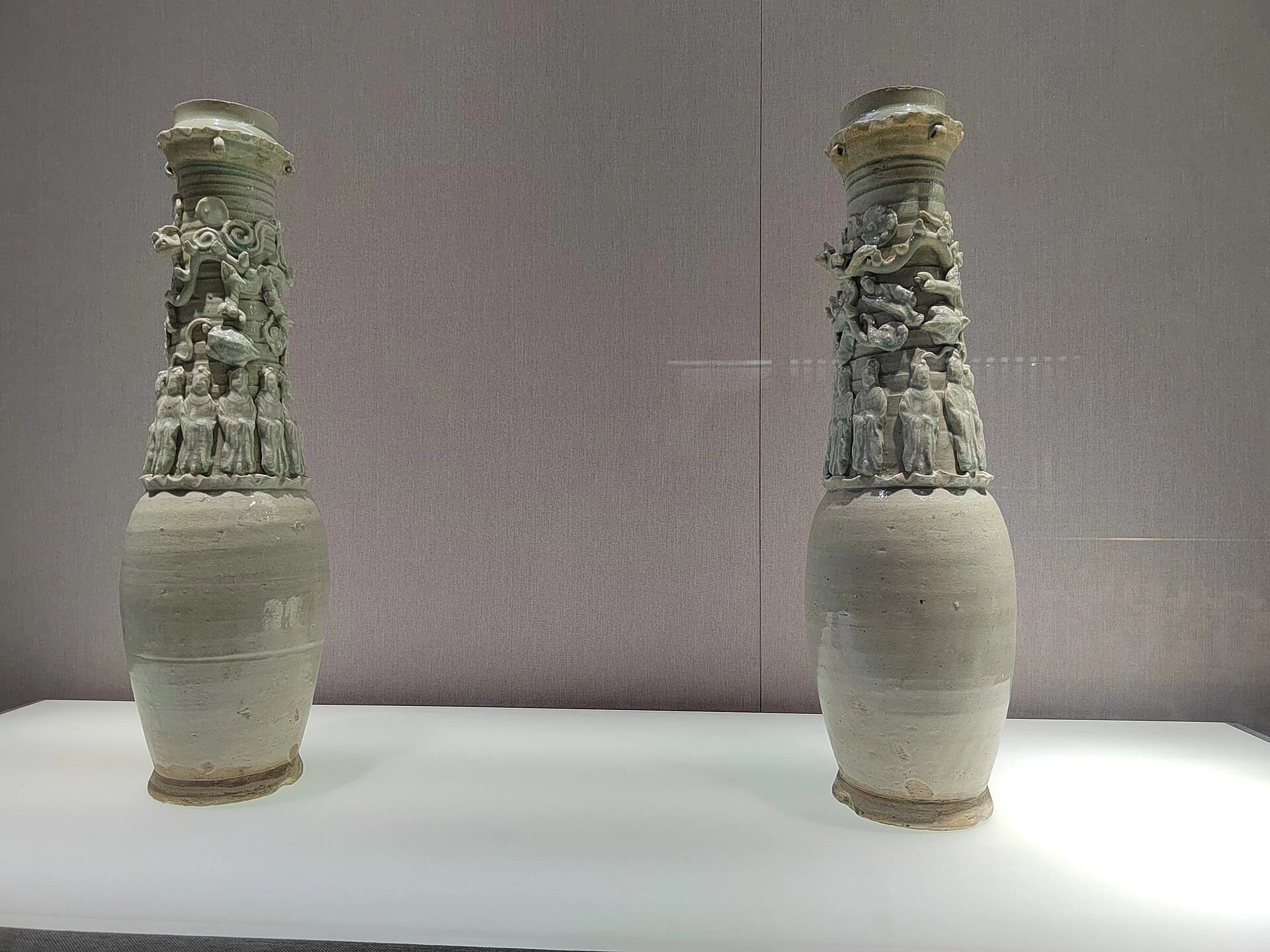
Gaoling Kaolin Heritage
Gaoling (高岭) gives Jingdezhen’s porcelain story its missing beginning: clay extraction, selection, processing and transport. The useful visit is not a generic “China Village” photo stop. It is a verified heritage sequence that connects material and movement while staying out of unsigned pits, slopes and excavation areas.
Why it matters
Kaolin became an internationally used material name, but the landscape is more informative than the word. Field reports and current heritage research point to mining traces, processing relationships, stone haul routes and river transport. Together they explain how a remote resource entered a large urban production system.
The 2026 UNESCO property is serial. Gaoling clay-mining, processing and transport remains are part of that wider production-chain story, but component maps—not a tourism brand—decide exactly which sites and boundaries carry World Heritage status.
Separate two visitor identities
AMap identifies Gaoling China Village visitor centre (Gaoling China Village Visitor Centre — open in AMap) and Gaoling National Mine Park (Gaoling National Mine Park — open in AMap) as separate places. It estimates about 8.3 km / 15 minutes by car between them; the 8.4 km walk would take roughly 1 hour 52 minutes and should not be treated as a continuous heritage trail.
Confirm which place your ticket, guide or vehicle serves. A bus-stop label containing a suspended-route notice does not prove that a visitor shuttle operates today.
A safe interpretation sequence
- Begin at a staffed public entrance. Obtain the current map and ask which heritage areas are open.
- Identify the material. Learn what was extracted and how impurities, grain and processing affected ceramic bodies.
- Follow processing, not a dramatic pit. Washing, crushing, settling, drying and storage relationships can explain more than entering a scar in the hillside.
- Read transport evidence. Stone-paved haul routes and water connections show how heavy raw material moved toward production centres.
- End before the landscape becomes unsigned. No photograph justifies leaving the managed route.
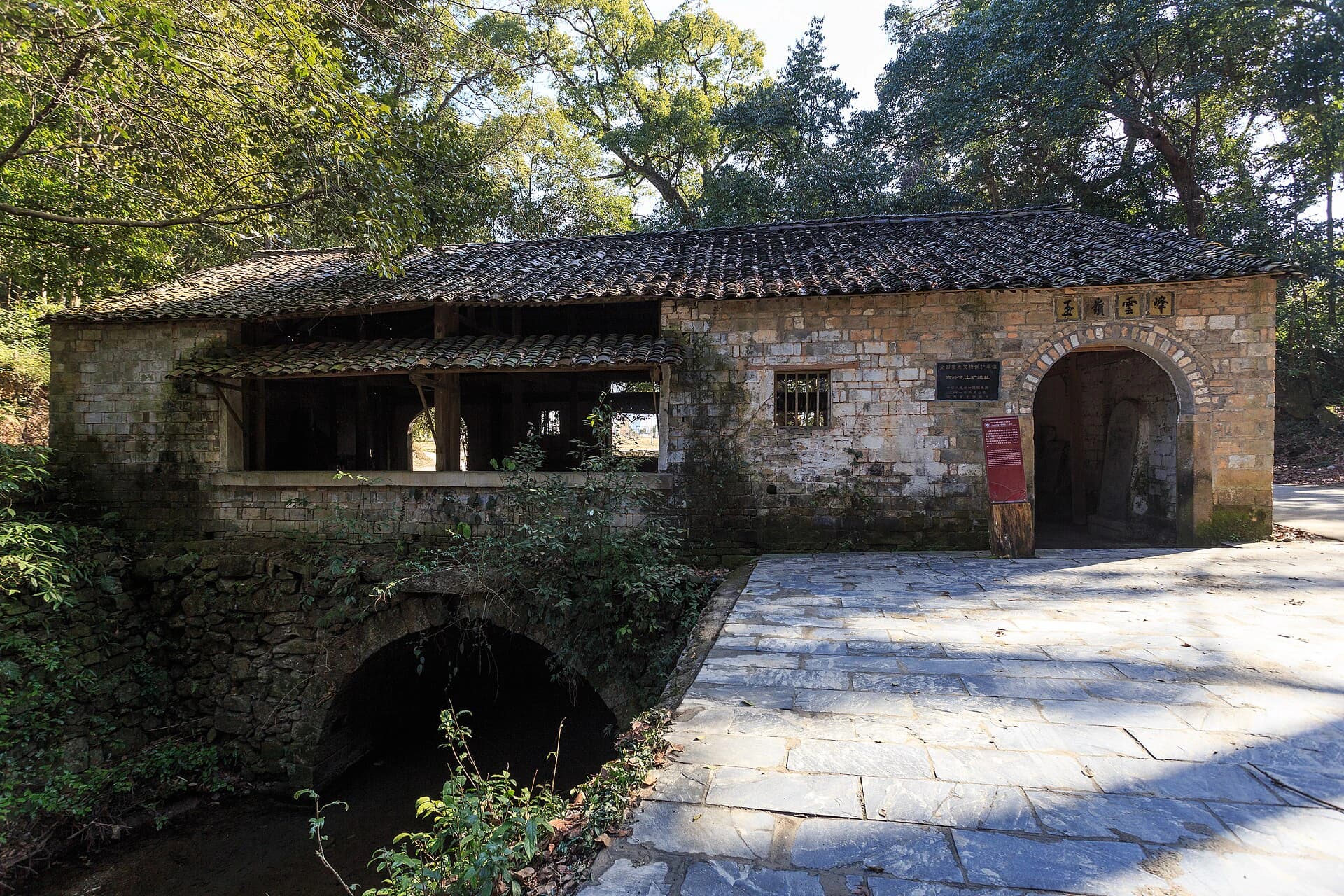
Photo: Zhangzhugang · Source · CC BY-SA 4.0
Transport and combinations
AMap estimates Gaoling Mine Park to Yaoli Ancient Town at about 14.8 km / 26 minutes by car. The mapped public-transport option takes about 2 hours 26 minutes and includes roughly 4.1 km of walking. A combined day therefore needs a confirmed vehicle or operator.
Protect the return before leaving Jingdezhen. Check rain, heat, slope and trail conditions, and do not assume that a festival shuttle or older visitor report remains current.
Verdict
Gaoling is for travellers who want to understand why porcelain production began with geology, labour and transport. Skip it if access is unstaffed, the route is unclear or you only want a quick market-and-museum weekend.