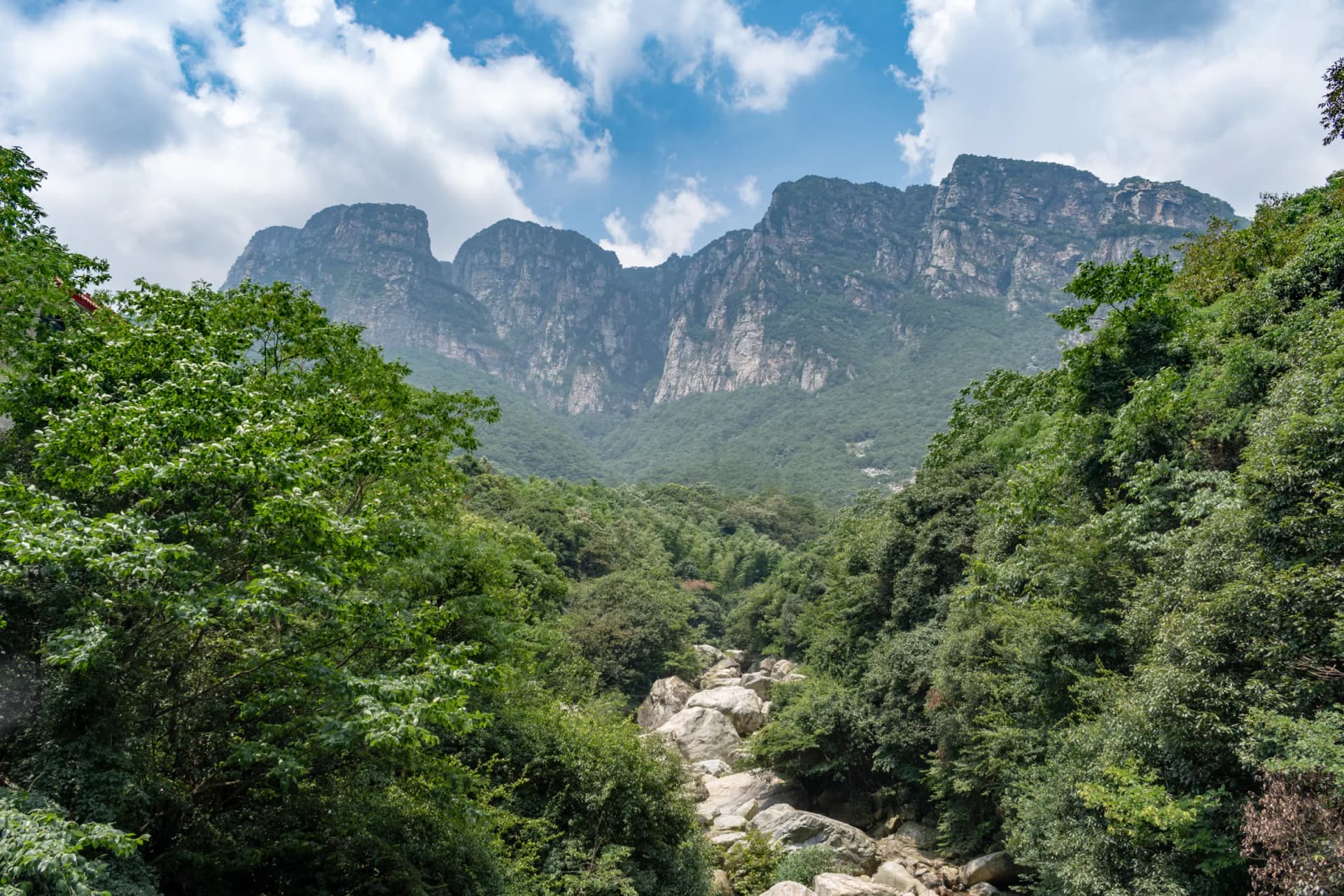
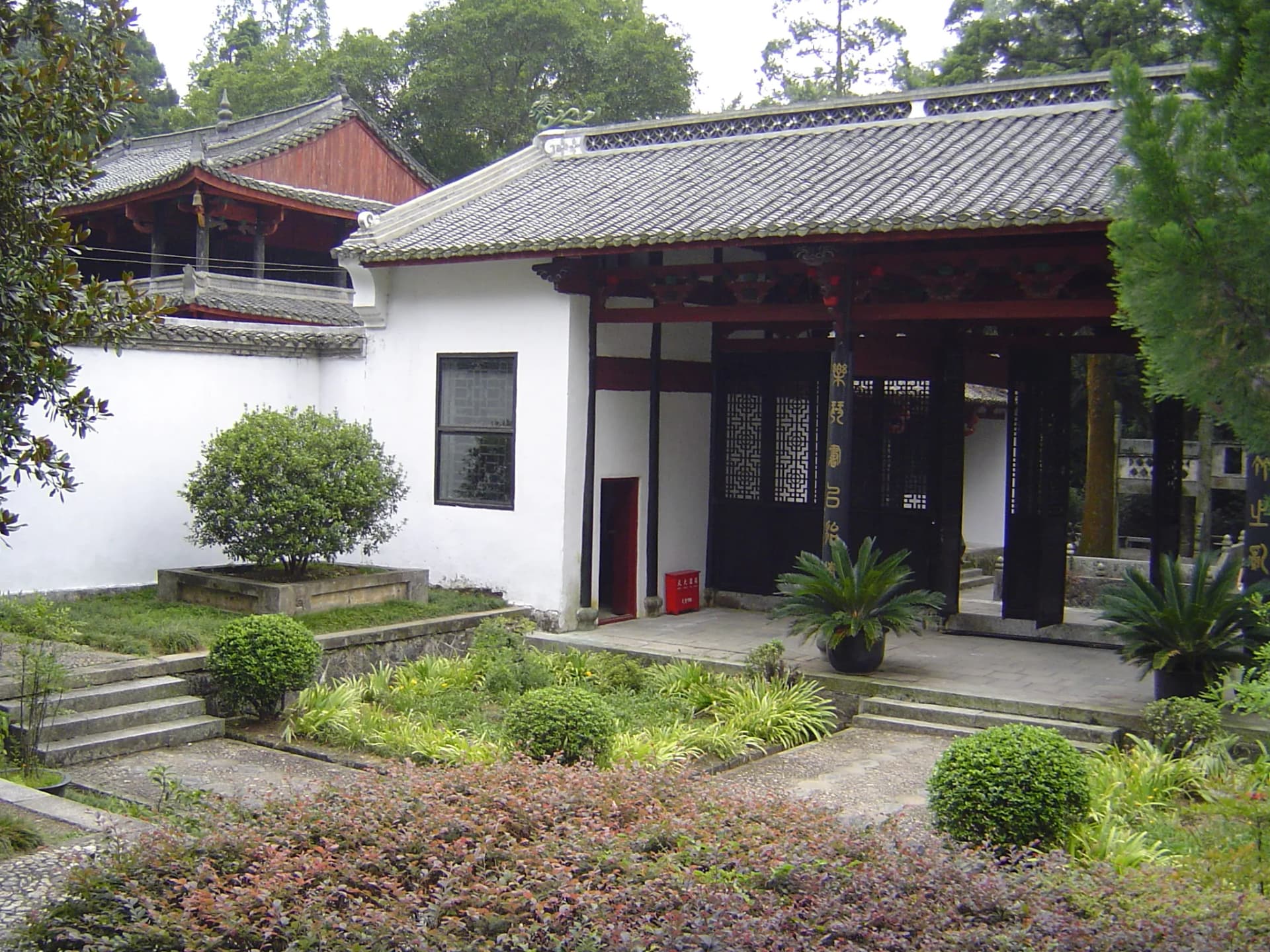
Sandiequan Waterfall
Sandiequan Waterfall (三叠泉) reveals its successive falls through a steep landscape. Reaching the lower viewpoint involves a long stepped descent, so plan the return before deciding how far to go.
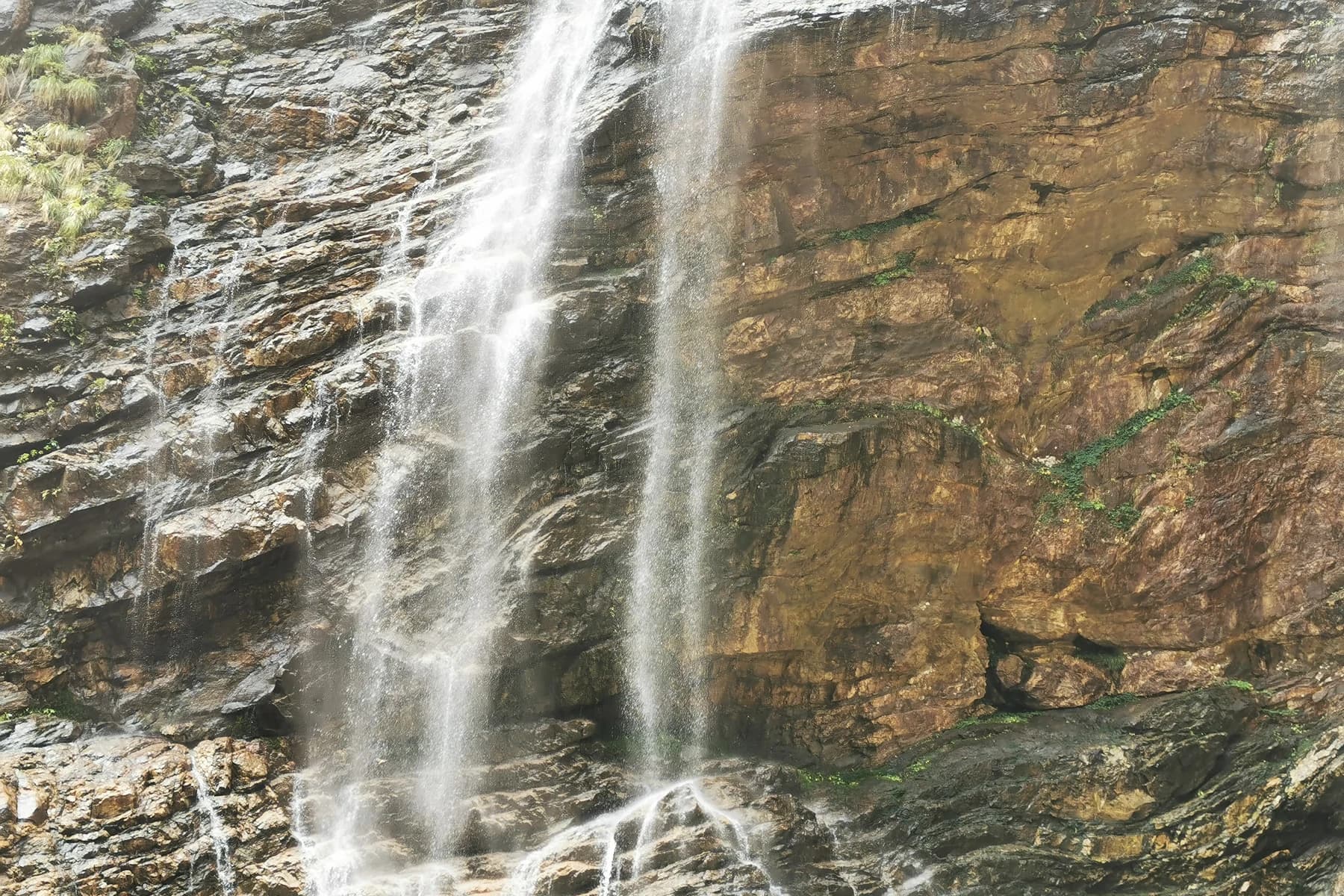
Photo: Liuxingy · Source · CC BY-SA 4.0
How to visit
Use the current transport to the trailhead, descend to intermediate viewpoints and decide there whether to continue. Confirm how you will return before descending; do not assume paid transport bypasses the steep staircase.
There are different ways to approach Sandiequan within a wider Lushan trip. Some visitors come from the mountain scenic area and return uphill; others use an eastern approach connected to the lower area. They are not interchangeable shortcuts. Tell the ticket or transport staff where you need to finish and whether you must return to a hotel on the mountain before committing to the descent.
The small rail or internal vehicle sometimes shown in itineraries only reduces part of the approach. It does not remove the long stair section between the upper trail and the main waterfall viewpoint. Buy it for transport convenience, not as an accessibility solution.
Plan the outing around the return climb
At the trailhead, confirm whether your chosen route returns to the same point and how it connects with the last transport to your base. Then set a turnaround time that leaves room for rests. The waterfall is the reason to descend, but the way back is part of the visit, not an extra task to solve at the bottom.
Go steadily through the stepped sections, use the handrail where available and stop at designated viewpoints instead of resting across the narrow flow of people. Carry water within easy reach. A hot climb can be tiring even when the waterfall area feels cool; leave energy for the ascent and the transfer afterwards.
At each major viewpoint, check legs, breathing, weather and the time remaining. The lowest or closest view is not mandatory. Travellers with knee problems, heart or respiratory limitations, or strong difficulty on repeated stairs should choose an upper viewpoint or a different Lushan outing after seeking appropriate medical advice.
Treat Sandiequan as the main physical outing of the day. A meal and recovery near your base make a better finish than immediately adding another distant hill or heritage site.
What changes the experience
Water volume changes sharply with rain and season. Crowded wet stairs, uphill return and a final bus make this more demanding than a short waterfall stop.
After heavy rain, the falls may be stronger but the route may also close for flooding, rockfall or lightning risk. Fog can limit wider views while spray makes steps slick. In winter, ice changes the task entirely. Use the dated scenic-area notice, not yesterday's photograph, to decide whether the route is suitable.
What to carry
Wear shoes with dependable tread and clothing that can handle spray and changing temperature. Bring water, a small energy snack, rain protection that leaves hands free and any essential medication. Trekking poles help only if you already know how to use them on crowded stairs; they must not become a hazard to people passing.
Keep luggage off this route. If transferring between bases, confirm staffed storage before arrival rather than assuming the trailhead accepts large bags. Mobile signal and battery should support navigation, but keep the name of your accommodation and the final transport point written in Chinese.
Tickets and access
Check the official open trail, internal transport and last return on the day. Do not attempt the full route in thunderstorms, ice, poor footwear or with a tight train connection. Check the current official source before setting out.
Admission to the wider Lushan scenic area, Sandiequan access and internal transport can appear as separate components. Ask exactly what your current ticket covers and whether leaving through a different gate affects re-entry. A vague “Lushan ticket” does not settle the return route.
Fit it into the trip
Use the Lushan core route for another day with shorter viewpoints and architectural choices. The White Deer Cave Academy is below the main mountain circuit and needs a separate transport decision. Return to the Lushan guide to plan the remaining stay.