Tengwang Pavilion
Tengwang Pavilion is one of Nanchang's defining landmarks, but the present building is the latest in a long sequence of destruction and reconstruction. Nanchang's official history describes it as the twenty-ninth reconstruction, completed in 1989. Read the building as a modern reconstruction carrying a much older literary and civic memory.
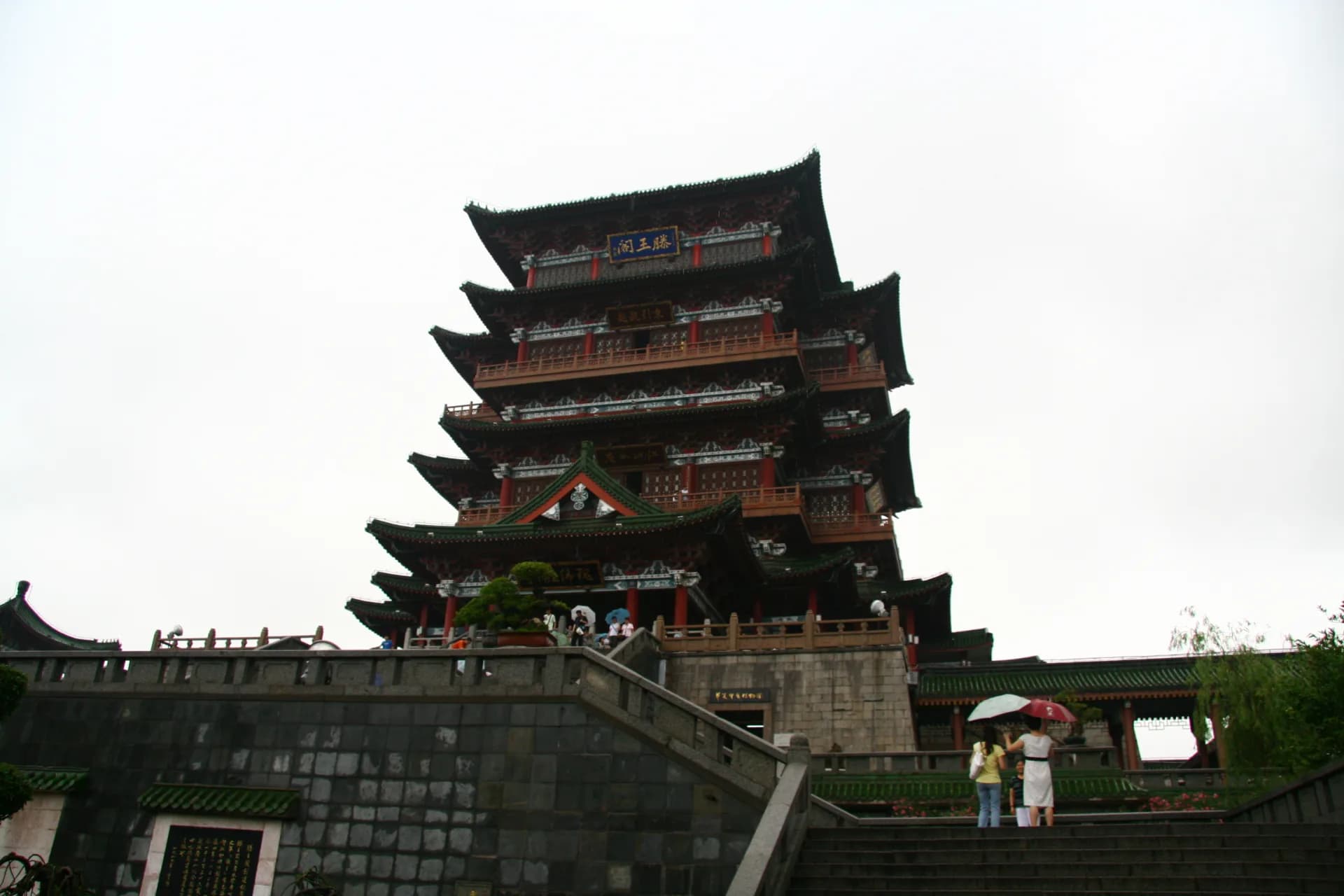
Photograph: Jorge Cacho, public domain, via Wikimedia Commons.
The literary reason to visit
Wang Bo's celebrated preface gave the pavilion enduring cultural importance. Read a reliable translation or short introduction before climbing so the river, city and upper-level views carry meaning beyond architecture. Separate the historical pavilion tradition from claims about original fabric in the current structure.
You do not need to memorize the text. Bring three ideas: the work was composed for a gathering; it moves between the scale of the landscape and the uncertainty of human fortune; and its lines shaped how later generations imagined the pavilion. On site, look for where interpretation connects the poem, the Gan River and successive rebuilding.
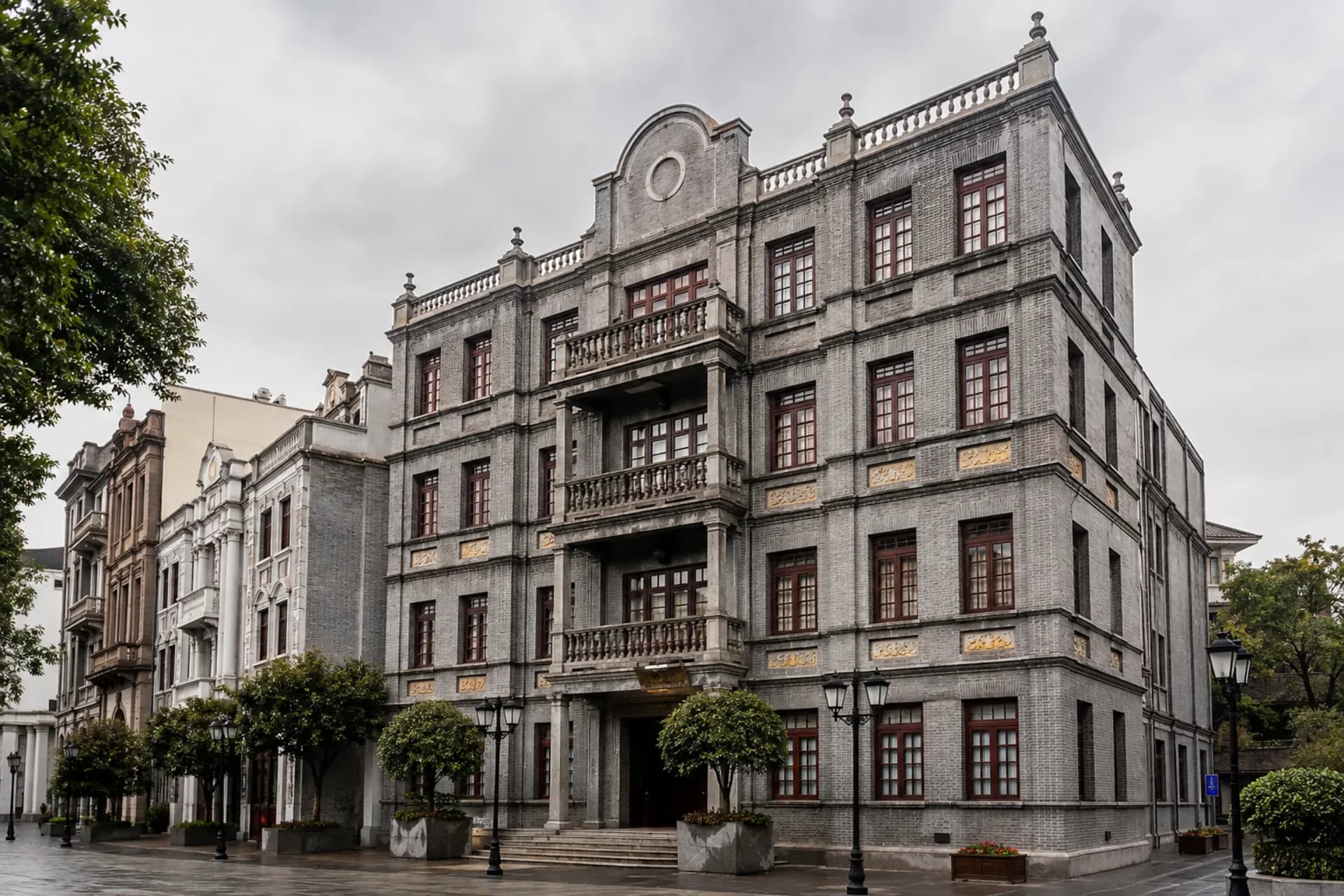
Treat plaques claiming a precise continuity with the Tang structure carefully. The location, name and literary memory endure, while the visible building belongs to a modern reconstruction project based on historical research and later architectural choices.
Admission and identity document
Use the official Tengwang Pavilion channel for the current dated product, opening period and entry rules. The current 2026 notice requires real-name ticketing and the original matching identity document. Foreign-passport visitors should use the supported passport field or staffed service window published for the date. Avoid resellers that cannot state the exact product or document path.
Day admission, night admission and a performance can be different products. Check the included zones, assigned time, last entry and whether re-entry is allowed before paying.
A higher-priced product should clearly identify a performance, evening program, guide or another inclusion. It should not merely promise to bypass real-name controls. Keep the booking confirmation and original passport available until entry is complete.
A focused visit
Allow 90–150 minutes for the building, exhibitions and views, then walk one Gan River segment. Lifts, closed floors and performance access can change. Follow the posted circulation and do not promise a sunset view when weather, crowd control or the booked slot says otherwise.
Begin with the ground-level history, then move upward selectively. Use one or two river-facing levels to compare the modern city with the literary landscape, and give the top accessible view enough time rather than stopping at every souvenir or photo point. On the way down, choose one exhibition that explains reconstruction or Wang Bo's text.
The lift can reduce part of the climb, but queues, thresholds and internal stairs may remain. Visitors needing step-free access should ask which levels and exterior viewpoints are reachable before buying a special program.
Hot, wet or windy weather changes the exposed riverfront experience. Move the indoor visit into the hottest period and keep the river walk flexible.
For a simple half day, visit the pavilion, walk north or south along one open riverfront section and stop for a meal. Do not cross multiple bridges or chase every skyline viewpoint unless that is the main photographic goal. At night, use a known pickup point and treat lighting as an atmosphere bonus, not proof that the interior remains open.
Pair the pavilion with an urban or literary theme. The August 1 Uprising Memorial needs its own reservation and a different historical mindset; placing both in one day works only with a long break and no tight evening product.