August 1 Uprising Memorial
The memorial explains the Nanchang Uprising of 1927 and its place in the history of the Chinese Communist movement and the People's Liberation Army. It is a political and military-history museum; allow time to read chronology, participants, later interpretation and the historic setting.
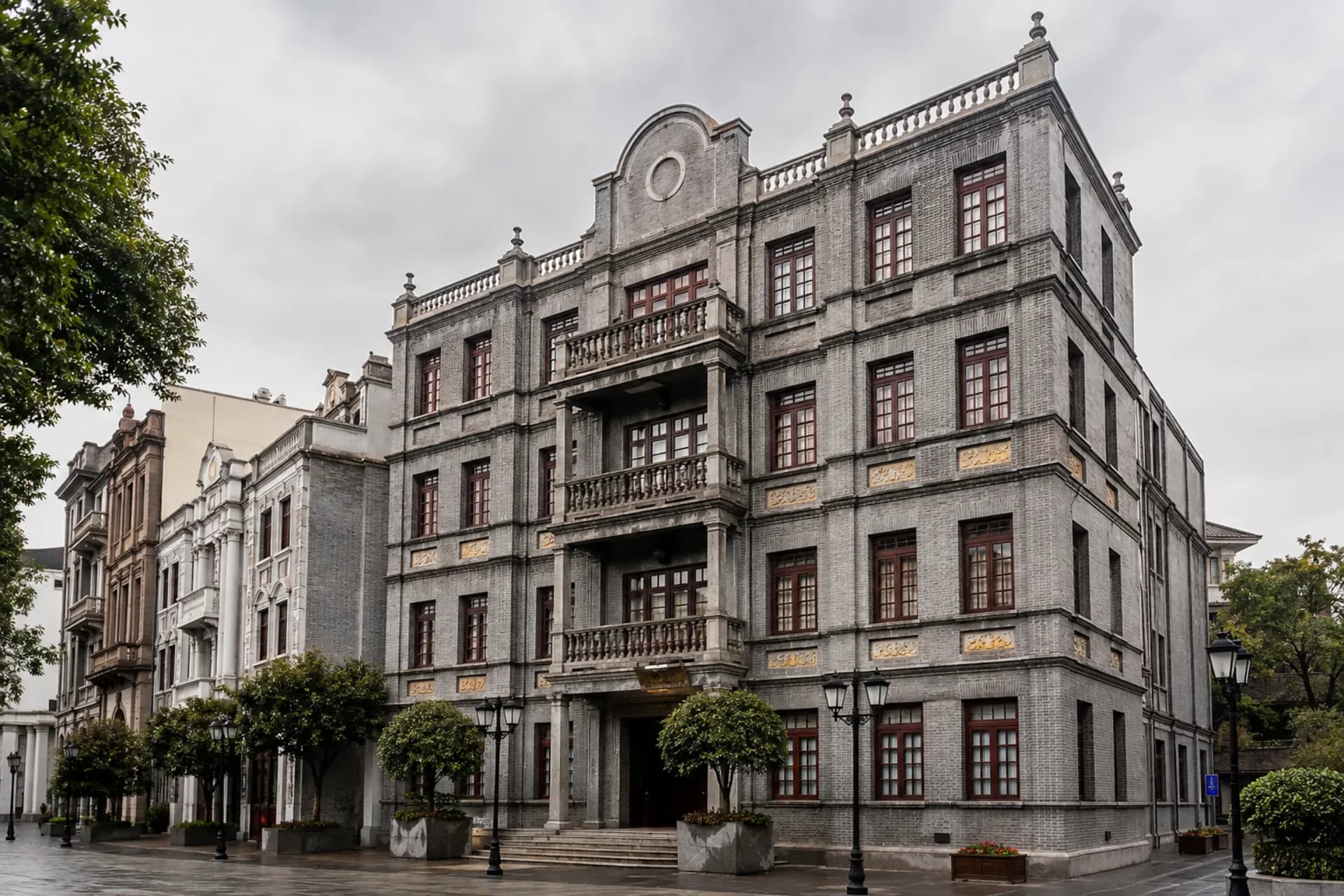
This illustrative hall does not reproduce the current museum facade, galleries or collection.
Reserve the exact venue
The current museum announcement describes free, real-name advance booking and supports passports among the accepted documents. Use the museum's live official account or staffed channel for the date, closed day, booking window and foreign-document procedure, and carry the original document used.
The broader August 1 memorial group includes several historic sites. Do not assume every building is open, reached through the same entrance or covered by one reservation. Secure the main museum first, then add one nearby site whose current access is confirmed.
The main exhibition and the former headquarters site serve different purposes: one supplies a curated historical account, while the historic building adds place and scale. If time or access permits only one, choose the main museum for the most complete first explanation. A map pin labelled with “August 1” may instead point to a square, monument or another component of the memorial network.
A 90–150 minute route
Begin with the dated sequence of events, then examine how the uprising is presented through objects, documents and reconstructed spaces. Choose one later-history or commemoration section rather than rushing every display. Translation coverage may vary, so a short English historical overview prepared in advance can help.
Use four questions to keep the visit coherent: what political and military conditions preceded the uprising; who took part; what happened in Nanchang and immediately afterward; and how the event was later commemorated. Distinguish contemporary documents and objects from later reproductions, reconstructions and interpretive artworks.
The museum's political terminology can be dense. Photograph labels only where allowed, then translate the title, date and object type rather than feeding an entire gallery into a translation app. This produces a more reliable understanding and keeps you from blocking cases.
Time the old-centre route
Allow roughly two hours on site plus entry procedures. If adding one associated historic building, confirm its closing time before the main museum visit so it does not become an accidental race. A nearby meal and short street walk fit better than crossing Nanchang for another fixed reservation.
The memorial is an indoor option for heat or rain, but holiday demand can make reservation availability the limiting factor. If no official slot remains, use the surrounding old centre and return on another date; a third-party “reservation service” cannot legitimately create capacity beyond the museum's control.
Visitor conduct
This is a commemorative site. Keep voices low, follow photography restrictions and do not pose on protected structures or in front of solemn displays. Large luggage, tripods and food may be restricted. Leave margin for security and the correct entrance.
Accessibility varies between the modern exhibition building and protected historic structures. Ask for the current lift or reduced-step route at the entrance. Do not assume that a free ticket means every associated room has identical physical access.
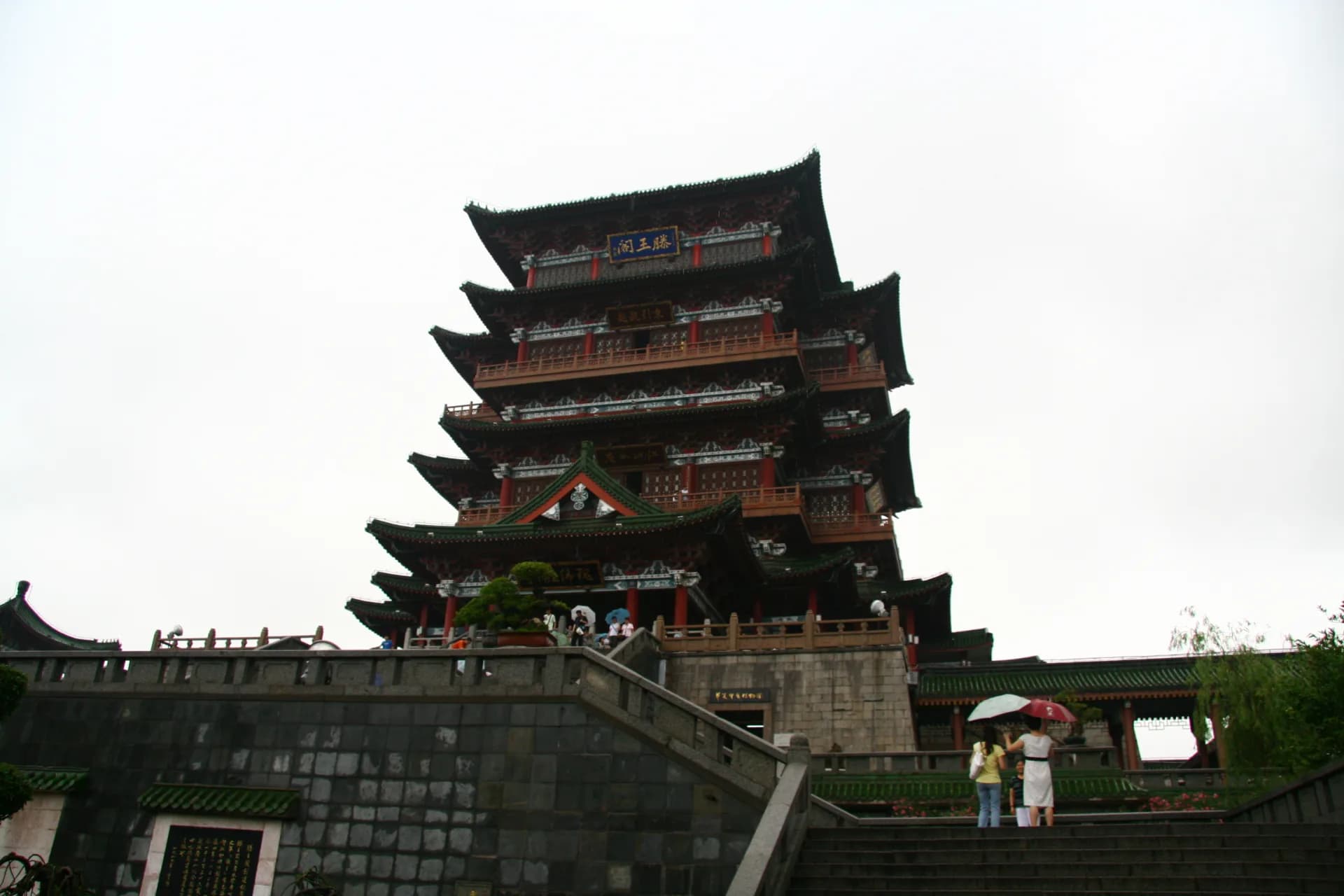
Combine it with one old-center walk, then place Tengwang Pavilion in another half day to avoid a rushed cross-city checklist.
See Nanchang's official cultural-bureau background on the memorial.