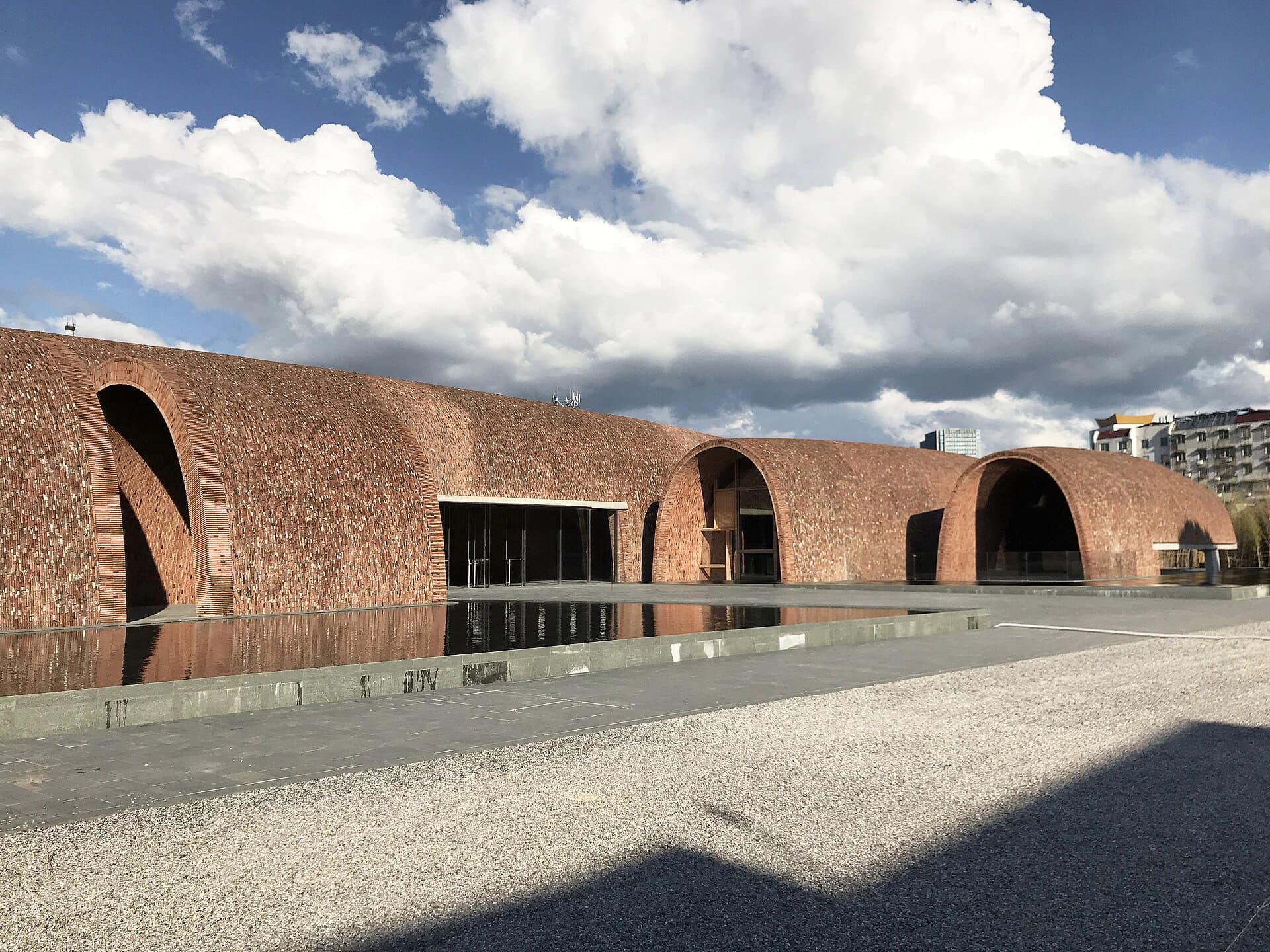
Real brick-vault architecture at Jingdezhen Imperial Kiln Museum

Photo: Zhu Pei · Source · CC BY-SA 4.0

Itinerary · 2 days

Jingdezhen in 2 Days: Museum, Kiln Process and Ceramic Design

Follow porcelain from museum chronology and kiln process to contemporary industrial reuse and the imperial-production core—without repeating interchangeable markets.

  1. 1

    Day 1

    2 stops

    1. Jingdezhen North Railway Station → China Ceramics Museum · 13.1km

      About 20 min by car in the 27 August 2026 AMap model; the mapped bus took 55 min and included 1.65km of walking

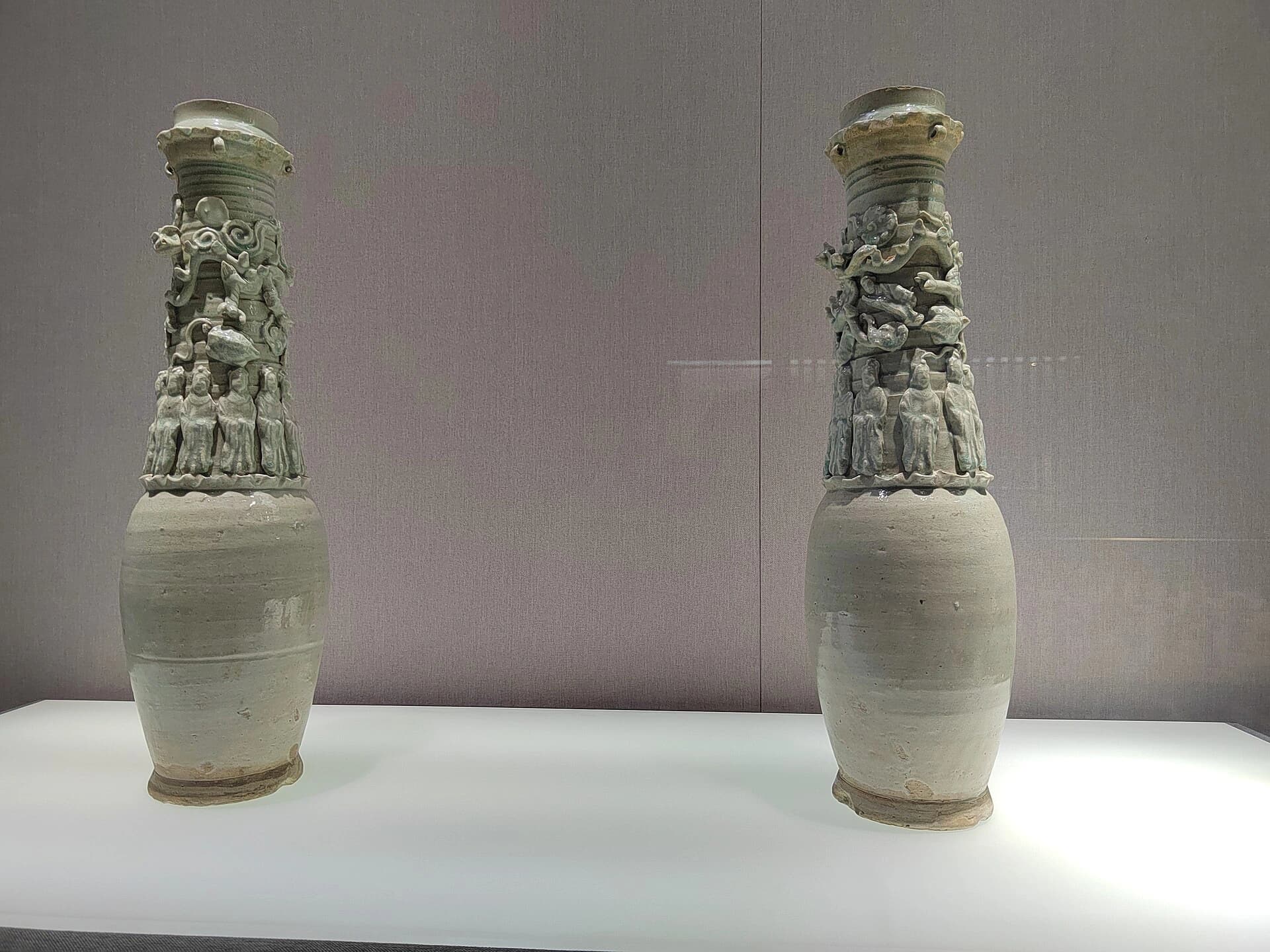
    2. China Ceramics Museum Production-History Route
      Use the principal museum for chronology, materials, kiln change and object comparison—not a queue built around one viral Luohan. Choose a level-4-up chronological route or a lower-effort level-7-down highlights route only after admission is secured. The 31 March 2026 notice names the Changyou Jingdezhen mini-program, rejects walk-ins and describes physical mainland-ID entry; it does not establish a foreign-passport path. Confirm the live reservation field or staffed fallback directly, then protect enough gallery time to make the next process stop meaningful.

      Jingdezhen China Ceramics Museum, Zijing North Road, Changjiang District, Jingdezhen
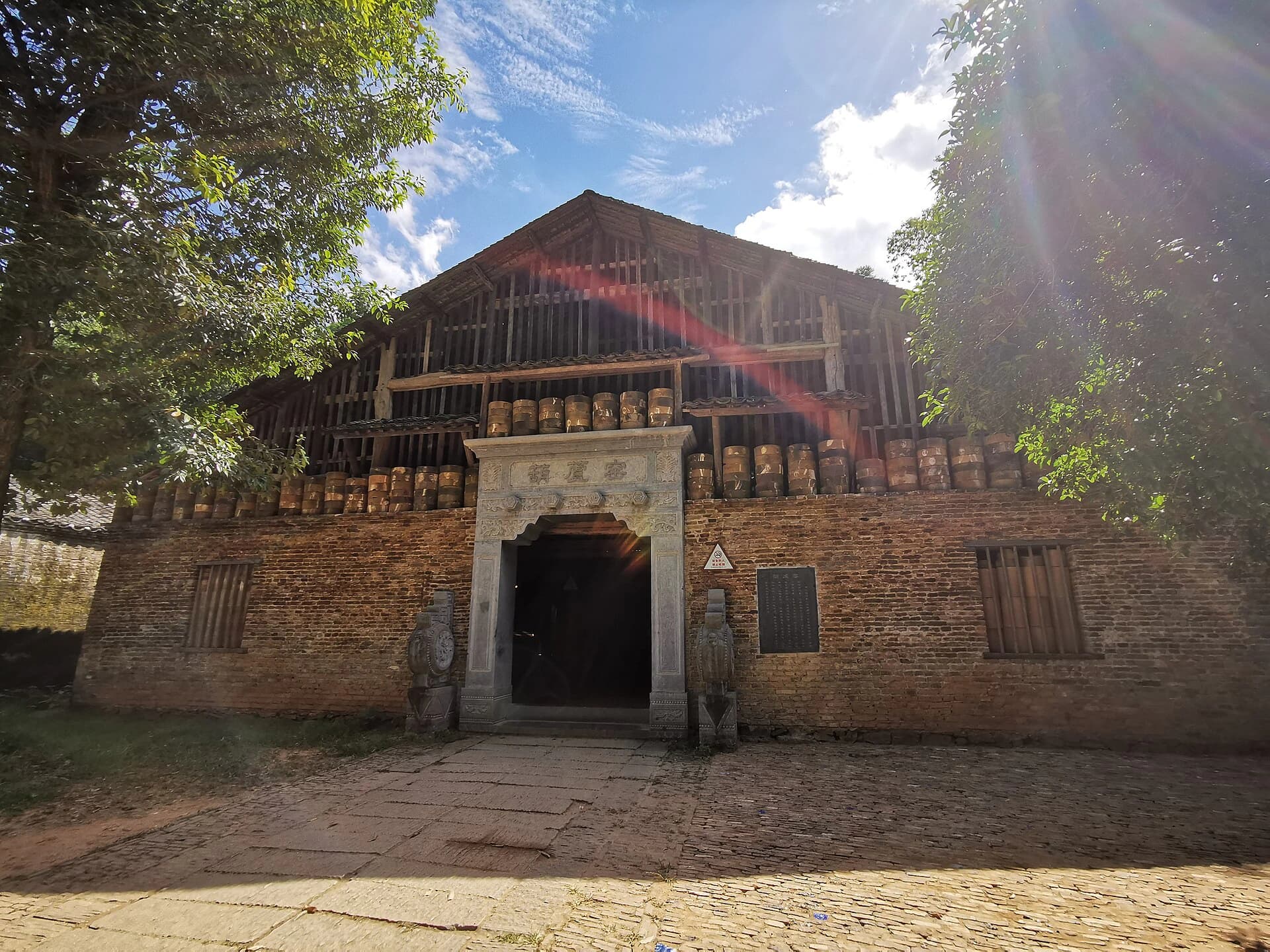
      Photo: 沈澄心 · Source · CC0 1.0

    3. China Ceramics Museum → Ancient Kiln Folk Customs Area · 4.3km

      About 12 min by car in the 27 August 2026 AMap model; walking was 2.5km / 34 min before any on-site distance

    4. Ancient Kiln Making-Process Sequence
      Translate the museum chronology into a visible sequence of forming, decorating, glazing, loading and firing. Separate protected or older fabric from reconstructed kilns, demonstrations, staged performance and retail; the venue is an interpretation product, not one untouched historic workshop. Check the official day programme and any midday gap rather than promising a firing or artisan demonstration. Never approach heat, tools or an operating kiln outside the supervised visitor route, and cut the retail layer first when the museum has run long.

      Ancient Kiln Folk Customs Expo Area, Cidu Avenue, Changjiang District, Jingdezhen

      Photo: Liuxingy · Source · CC BY-SA 4.0

  2. 2

    Day 2

    2 stops

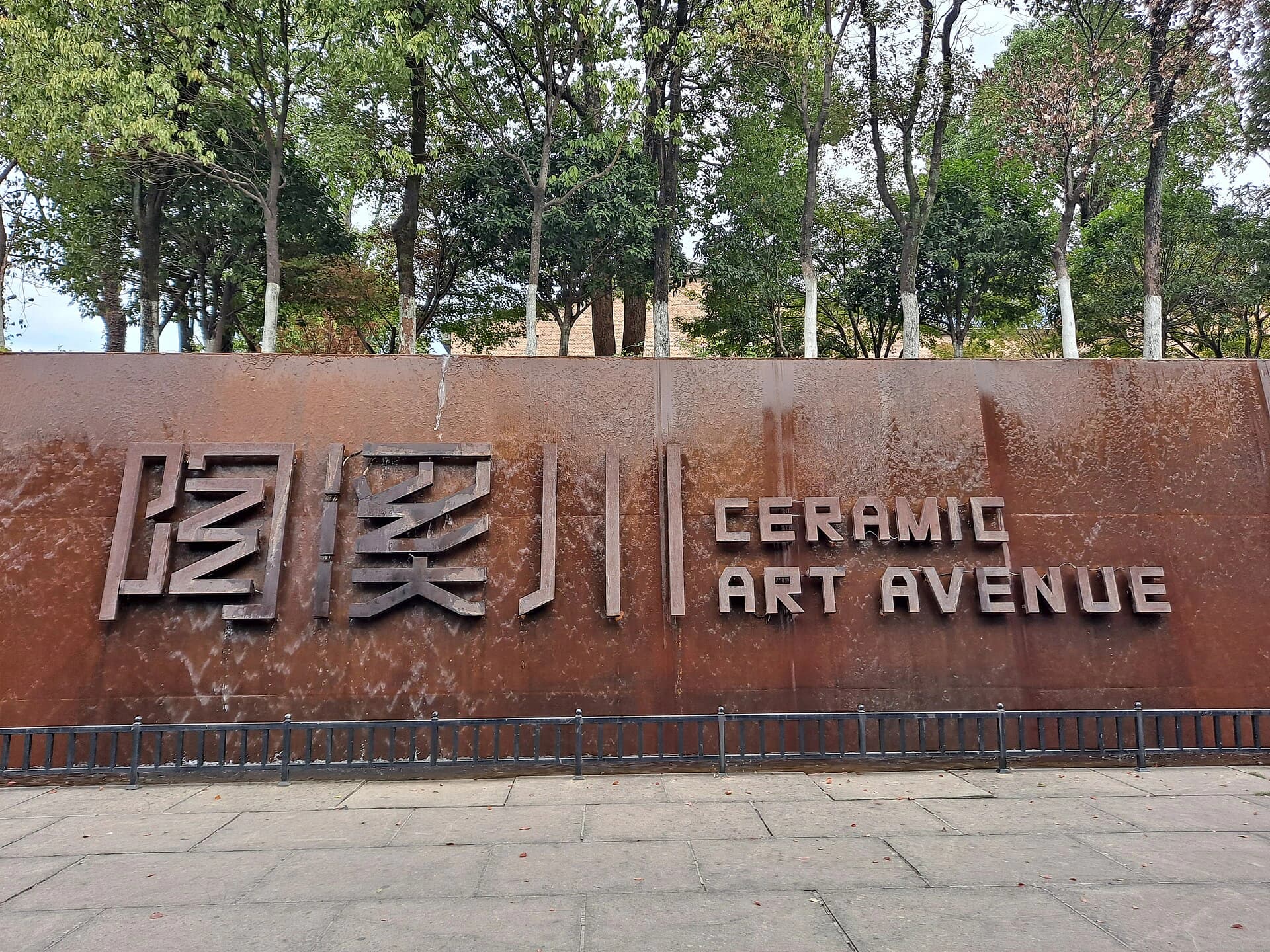
    1. Taoxichuan Industrial-Reuse and Design Route
      Read the former Universe Porcelain Factory as industrial architecture adapted for museums, galleries, studios, training, retail and dining. Give the visit a current purpose—one verified exhibition, creator programme or design comparison—rather than assuming a standing weekend market. District branding does not prove that a piece is local-made, handmade, food-safe or artist-signed. Compare maker, material, firing, glaze use, defects, invoice, packing and return terms before purchasing, and leave generic market stock when it duplicates another stop.

      Taoxichuan Ceramic Art Avenue, Xinchang West Road, Zhushan District, Jingdezhen

      Photo: EditQ · Source · CC BY-SA 4.0

    2. Taoxichuan Ceramic Art Avenue → Taoyangli Historic District · 4.4km

      About 12 min by car in the 27 August 2026 AMap model; walking was 2.8km / 38 min and the mapped bus took 41 min

    3. Taoyangli and Imperial Kiln Late-Day Route
      Finish with the imperial-production core: archaeological kiln remains, the brick-vault Imperial Kiln Museum and selected historic lanes. These related layers can have different entrances, tickets, reservation rules and operating windows; use the exact live booking boundary rather than treating the whole district as permanently open. The site is one component of Jingdezhen's serial World Heritage property, not proof that every nearby shop or lane is inscribed. Night lighting, digital experiences, markets and hotel access are separate products; keep the archaeology and museum even when the evening layer is unavailable.

      Taoyangli Historical and Cultural Tourism Area, Zhushan District, Jingdezhen

      Photo: Zhu Pei · Source · CC BY-SA 4.0