Taoyangli and Imperial Kiln Museum
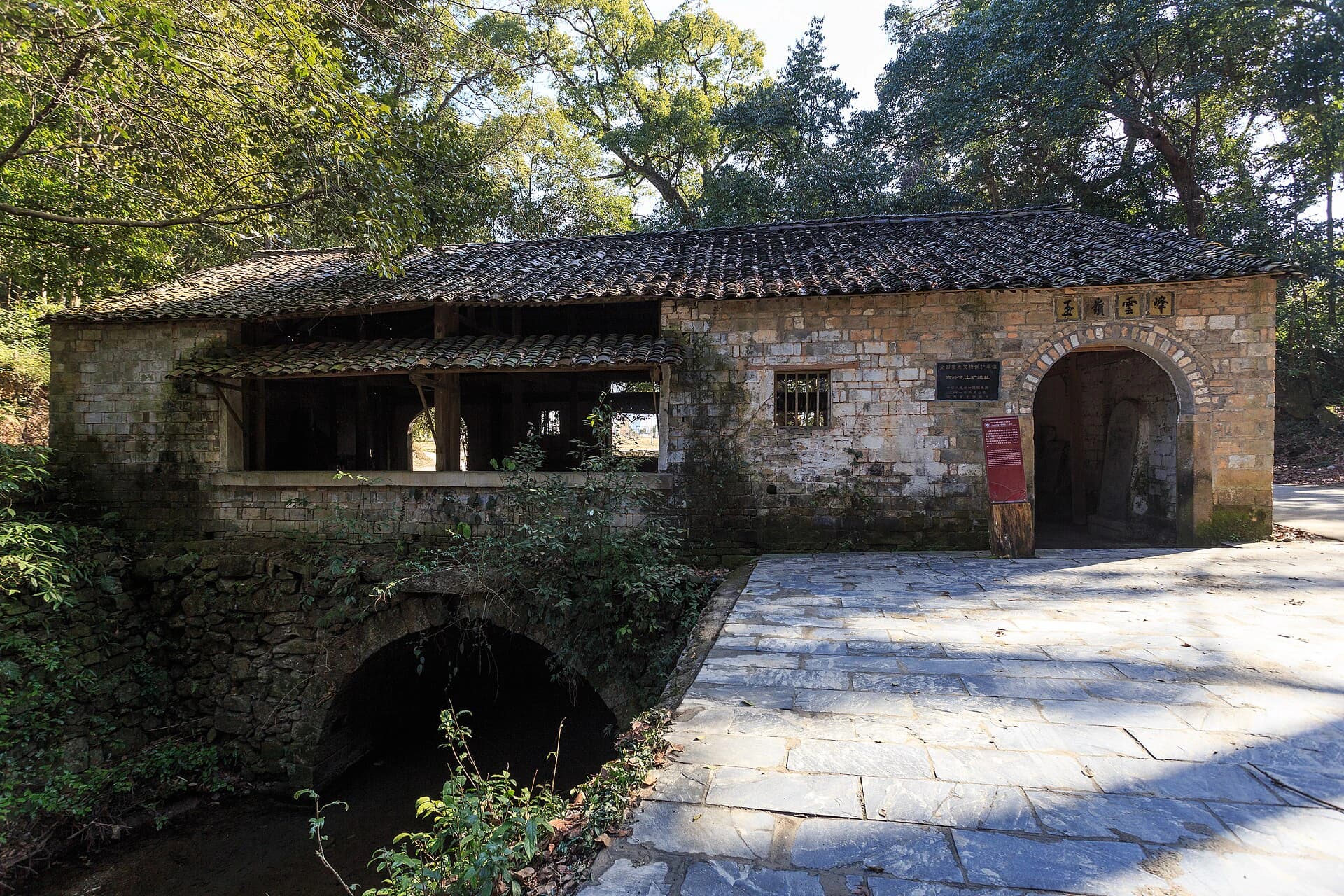
Taoyangli (陶阳里) is the strongest urban starting point for Jingdezhen’s imperial-production story. It combines archaeological kiln remains, historic lanes, a living neighbourhood, the brick-vault Imperial Kiln Museum and changing commercial or digital experiences. Those layers are related, but they are not one permanently open product.
Is it worth a special visit?
Yes for archaeology, architecture and the organization of imperial porcelain production. This is the old-city stop that best connects kiln remains, discarded porcelain, workshops, lanes and the Imperial Kiln Museum into one story. It is less useful if you want a broad chronological survey of finished ceramics; give that job to the China Ceramics Museum.
This town-area production centre is one component of the five-part World Heritage property inscribed in 2026. Do not describe every nearby shop or contemporary market as UNESCO heritage.
Choose morning depth or late-day atmosphere
Go in the morning if working craft spaces and archaeological context matter most. Multiple visitors report that the lanes are calmer earlier, while access to a workshop or demonstration can end before the district’s night-time activity begins. Treat any demonstration as conditional: production, firing and conservation work can close a room without closing the wider site.
Go in the late afternoon if the museum’s brick vaults and the transition into evening are the main attraction. Allow enough daylight for the kiln remains and lanes before the lights become the focus. A night-only visit is visually appealing, but it can reduce a production landscape to an architecture stop and may miss workshops or archaeological areas.
Allow about two hours for the compact heritage circuit and three to four hours if you read the museum carefully, enter side lanes and continue to Zhongshan Pedestrian Street. Those are planning ranges rather than a promise that every workshop will be open.
A practical east-to-south route
- Enter at the gate named on your booking. For the clearest one-way walk, use the East Gate when current access allows. Taoyangli and the Imperial Kiln Museum have separate visitor identities and may use different reservations or ticket boundaries.
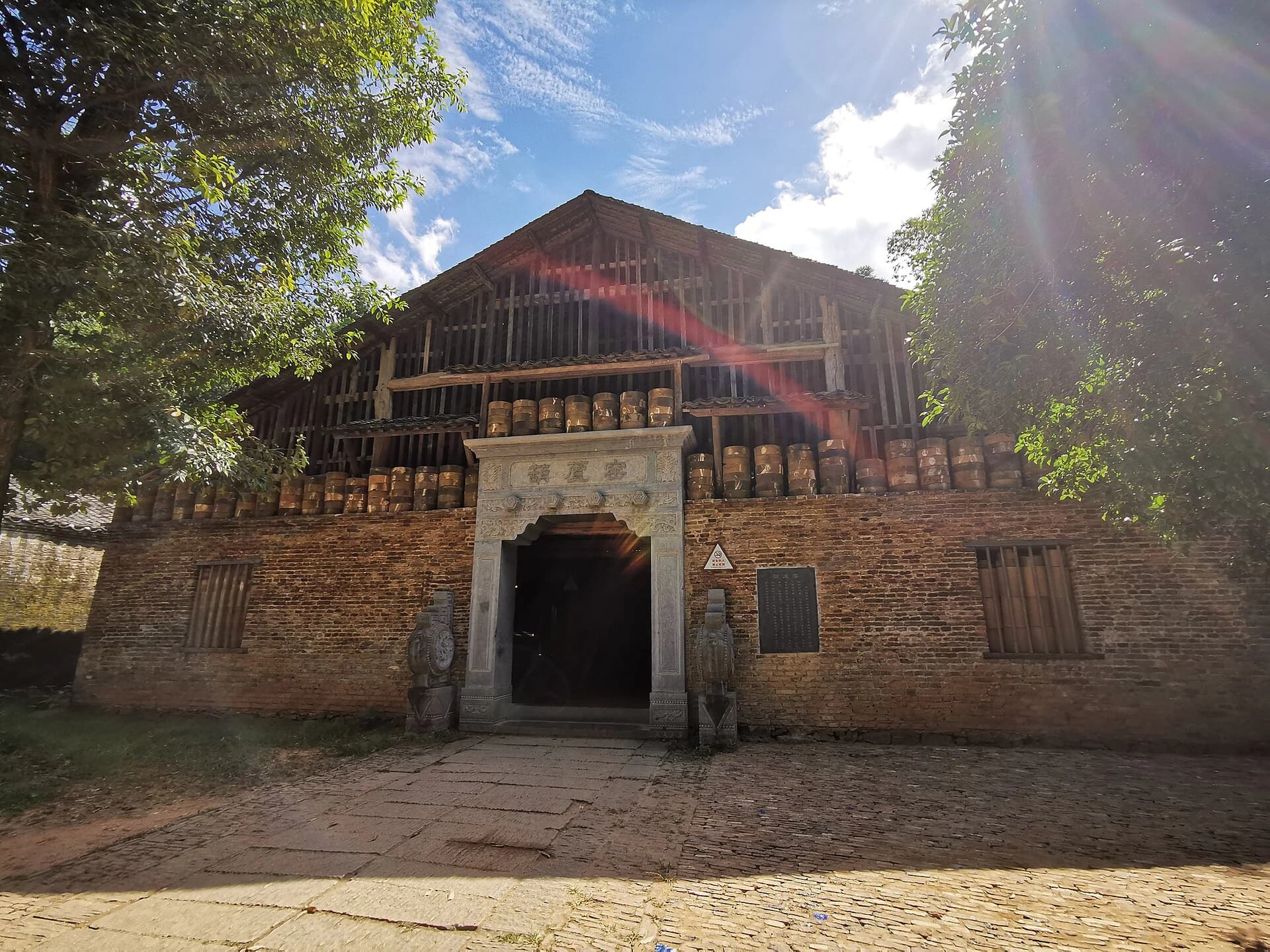
- Check Xu Family Kiln before committing time elsewhere. If the craft space is operating, watch how forming, trimming and decoration divide the work. If it is closed for firing, production or conservation, continue without waiting; the archaeological route still works.
- Use Yanghua Alley and the surviving lanes as evidence. Look beyond restored shopfronts for the tight relationship among homes, workshops and movement of people and materials. Keep residential thresholds private.
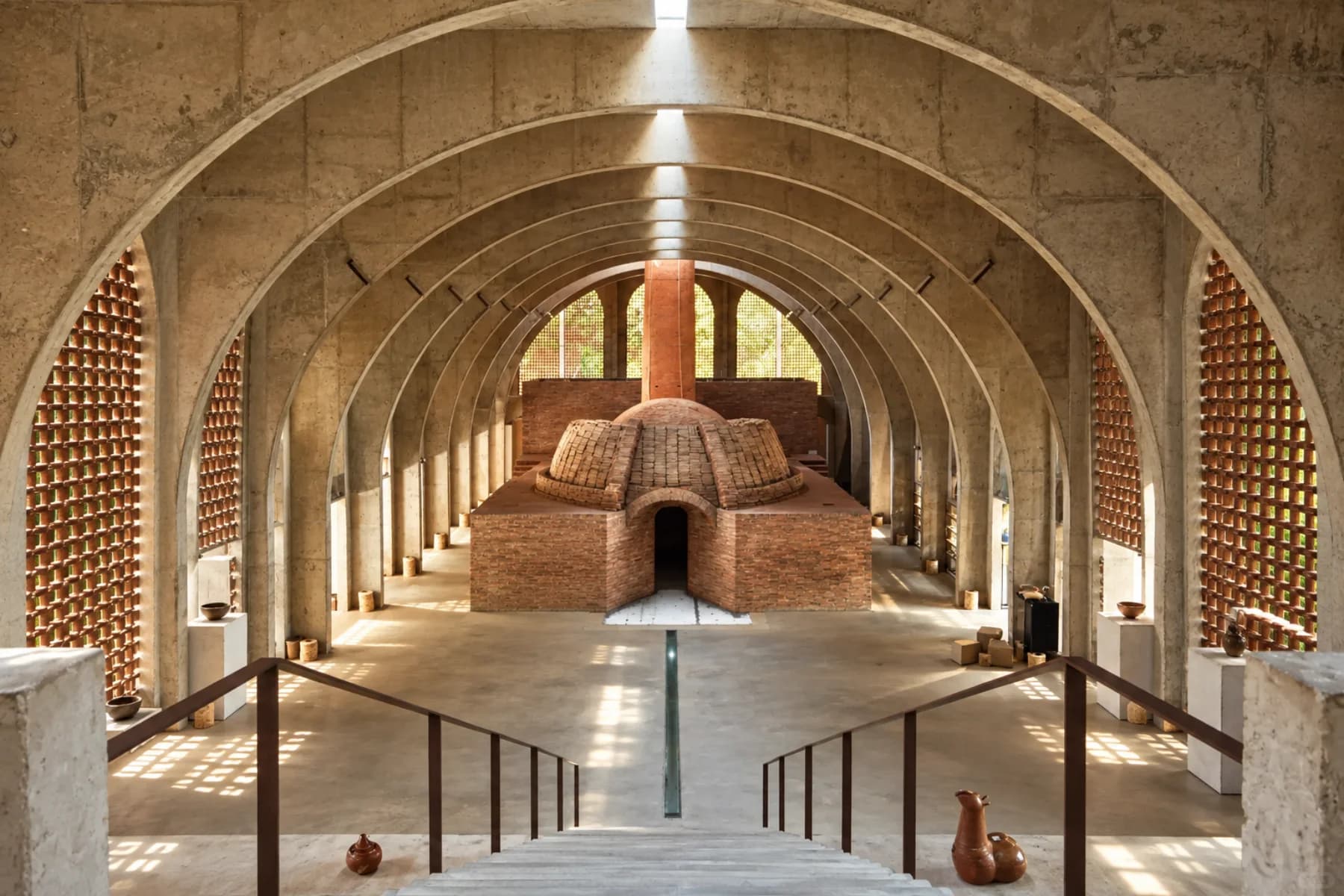
- Enter the Imperial Kiln Museum after the outdoor context. Read the repeated brick vaults as a contemporary response to kiln forms, then use the displays to connect fragments and excavated material with imperial selection and quality control. The building is not a preserved historic kiln.
- Continue toward Longzhu Pavilion and the southern remains. Longzhu Pavilion is an orientation landmark; the more important heritage task is to compare the formal imperial centre with the kiln foundations and porcelain deposits around it. Add Youtao Ling Shrine when open if you want the craft community’s commemorative layer.
- Finish at the South Gate or extend through the lanes. The South Gate gives a clean finish. If signs and access permit, the Pengjia Shangnong lane connection leads toward Zhongshan Pedestrian Street and avoids an unnecessary loop around the perimeter.
If energy or time runs short, keep Xu Family Kiln, the archaeological remains and the museum; cut contemporary retail spaces and the street extension first.
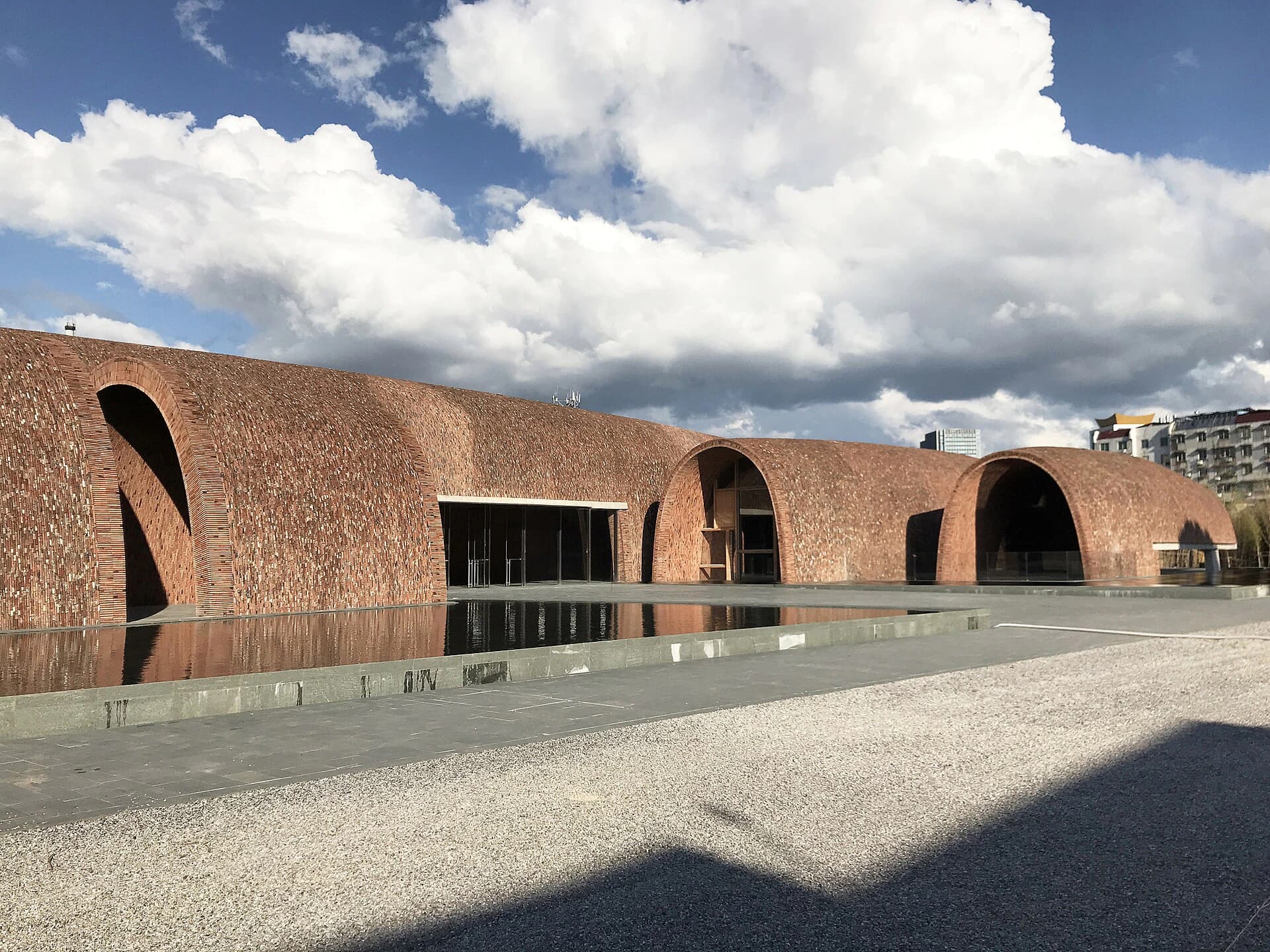
Photo: Zhu Pei · Source · CC BY-SA 4.0
How to read the site, not just photograph it
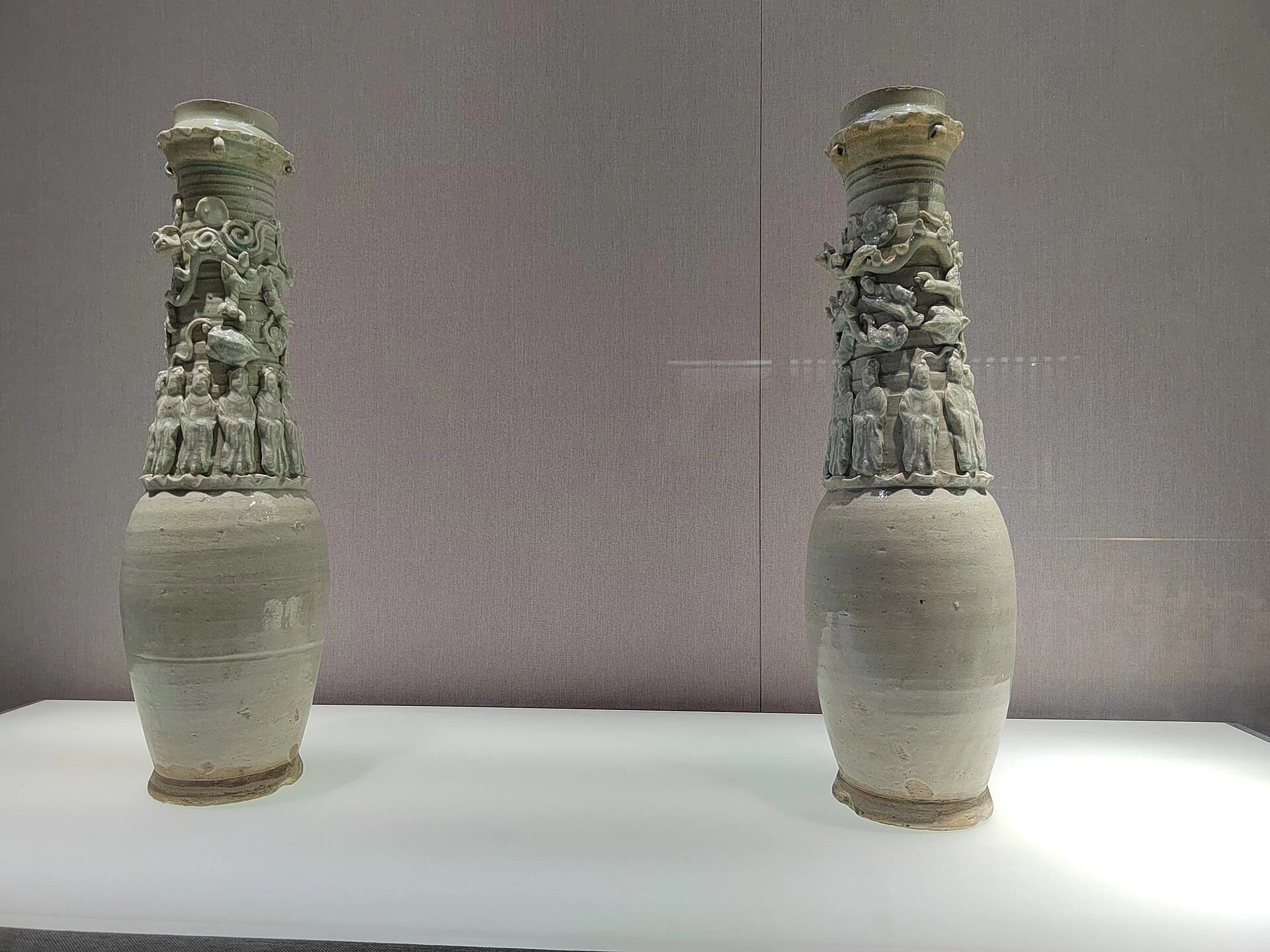
The broken and discarded porcelain is part of the explanation, not background rubble. It shows the scale of production and the strict selection that separated acceptable imperial wares from failed pieces. Around it, kiln sites, workshops, guild and merchant activity reveal an industry organized across the town rather than a single royal workshop. This wider production system is the distinctive reason to visit Taoyangli.
Inside the museum, compare three things instead of trying to photograph every vault: how the arches control light, how the building changes level around archaeological ground, and how views reopen toward the older city. This gives the architecture a purpose and keeps a short visit coherent.
What visitors commonly get wrong
The museum building often becomes the only objective, while the archaeology and lanes are rushed. Reverse that priority: the building is most meaningful after you understand why kilns, labour, waste, transport and imperial control occupied this part of the city. Visitors who primarily want representative masterpieces and a longer history of Chinese ceramics should still reserve separate time for the China Ceramics Museum.
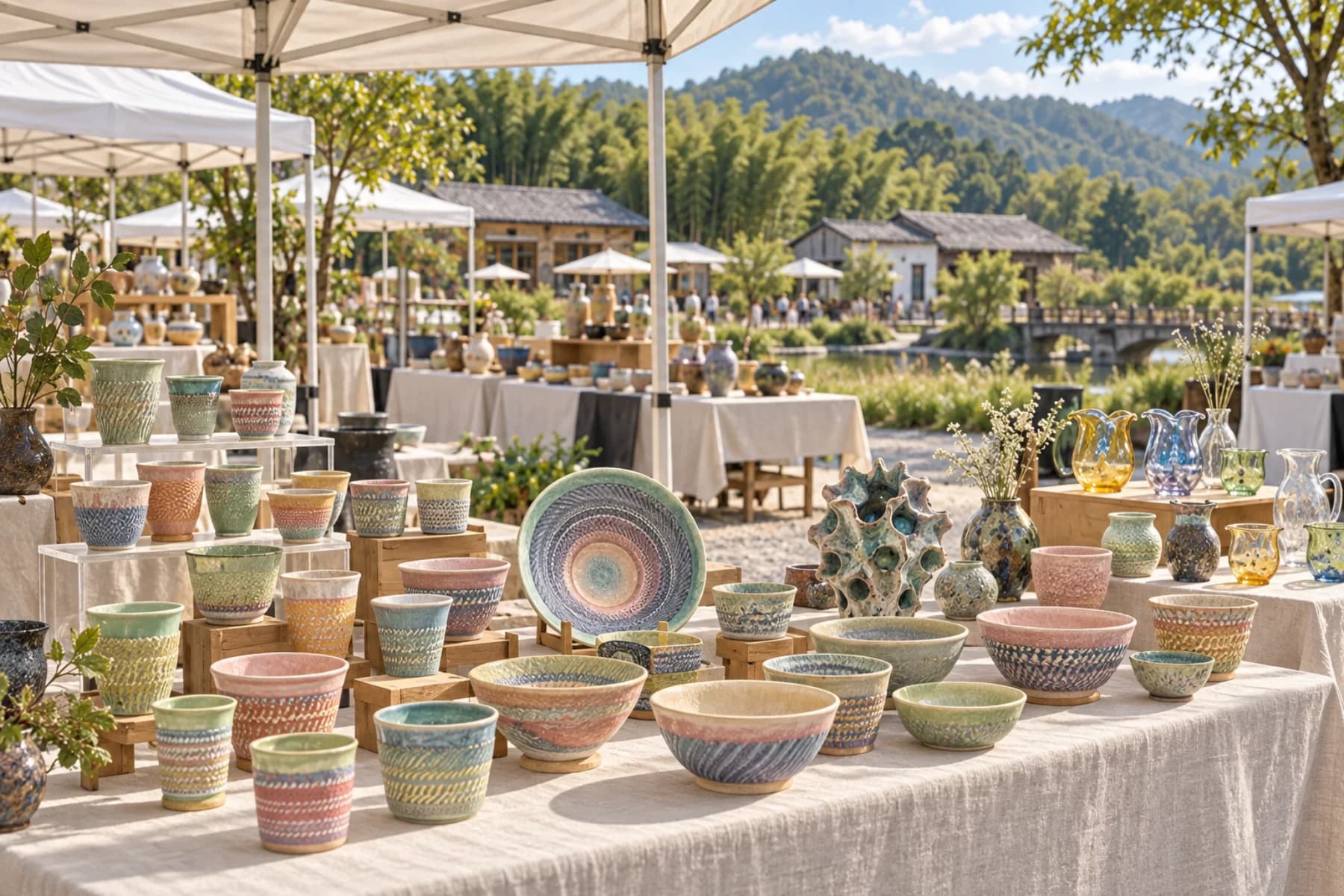
Crowded festival photographs also create a false expectation of a standing market. Treat every market, workshop and night event as dated programming. A discounted commercial bundle never overrides the current official entrance and conservation notice.
Getting there and pairing it
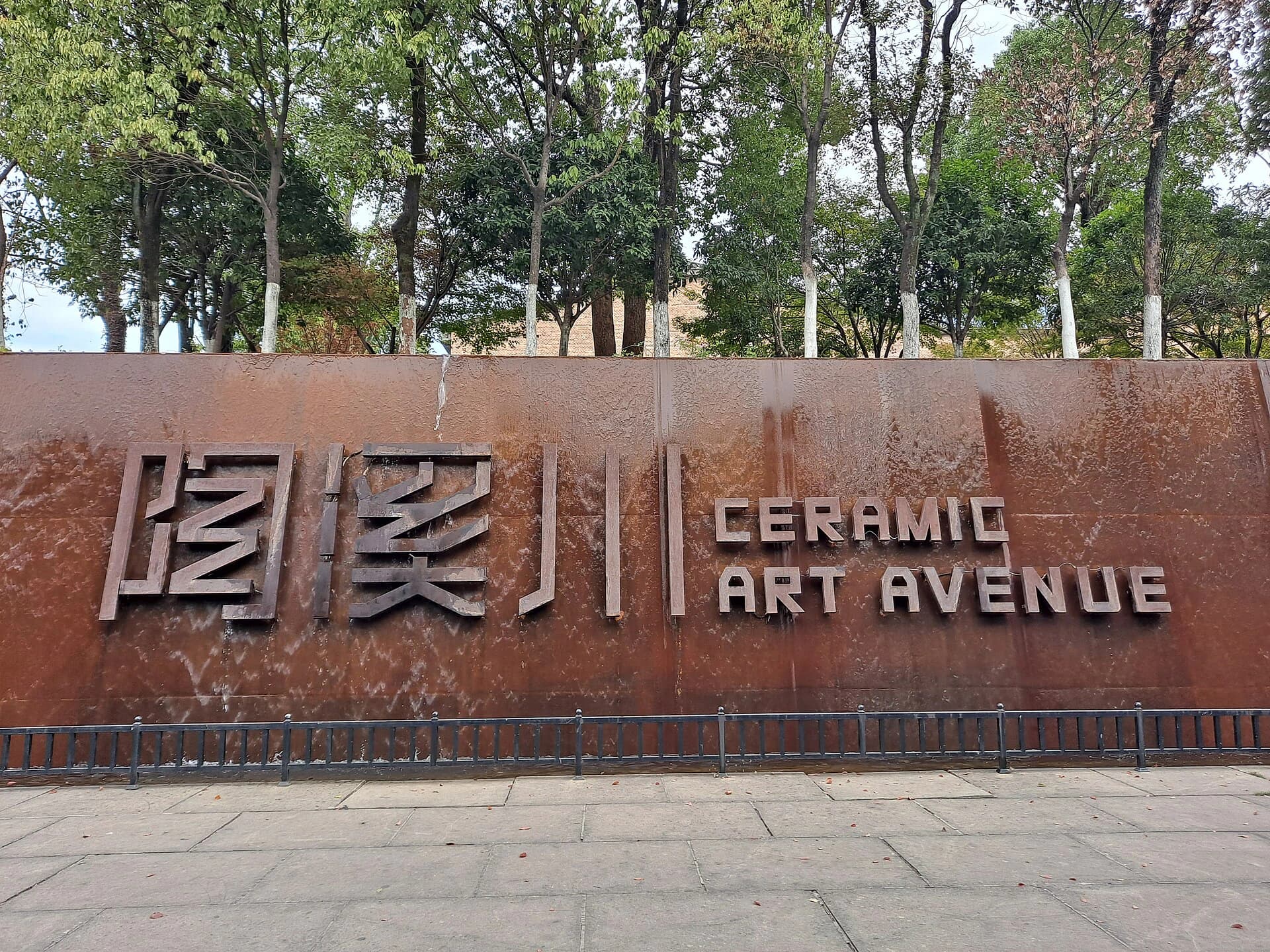
Search AMap for 陶阳里历史文化旅游区 (Taoyangli Historic District — open in AMap) or 御窑博物馆 (Imperial Kiln Museum — open in AMap), depending on the entrance named by your booking.
Taoxichuan is not next door: AMap estimates 2.8 km / 38 minutes on foot, 5.7 km / 35 minutes by bus or about 4 km / 21 minutes by car. In heat, rain or after buying ceramics, use a vehicle. The pairing works best as imperial production in late afternoon followed by a verified contemporary programme at Taoxichuan. For a tighter plan, stay in the old city and continue to Zhongshan Pedestrian Street instead.
Before you go
- The museum currently publishes Tuesday–Sunday opening from 09:00 to 22:00, with last entry at 21:30. Check the official Imperial Kiln Museum website again before travel because special events and gallery controls can change this schedule.
- Confirm the Taoyangli scenic-area ticket separately; a museum reservation does not by itself prove access through every scenic-area gate.
- Carry the original document used for booking.
- Expect conservation or construction boundaries to change.
- Do not photograph residents, workshop interiors or makers without permission.
- For a bookable product, the site’s shared booking panel checks Trip.com first; official access rules still control entry.