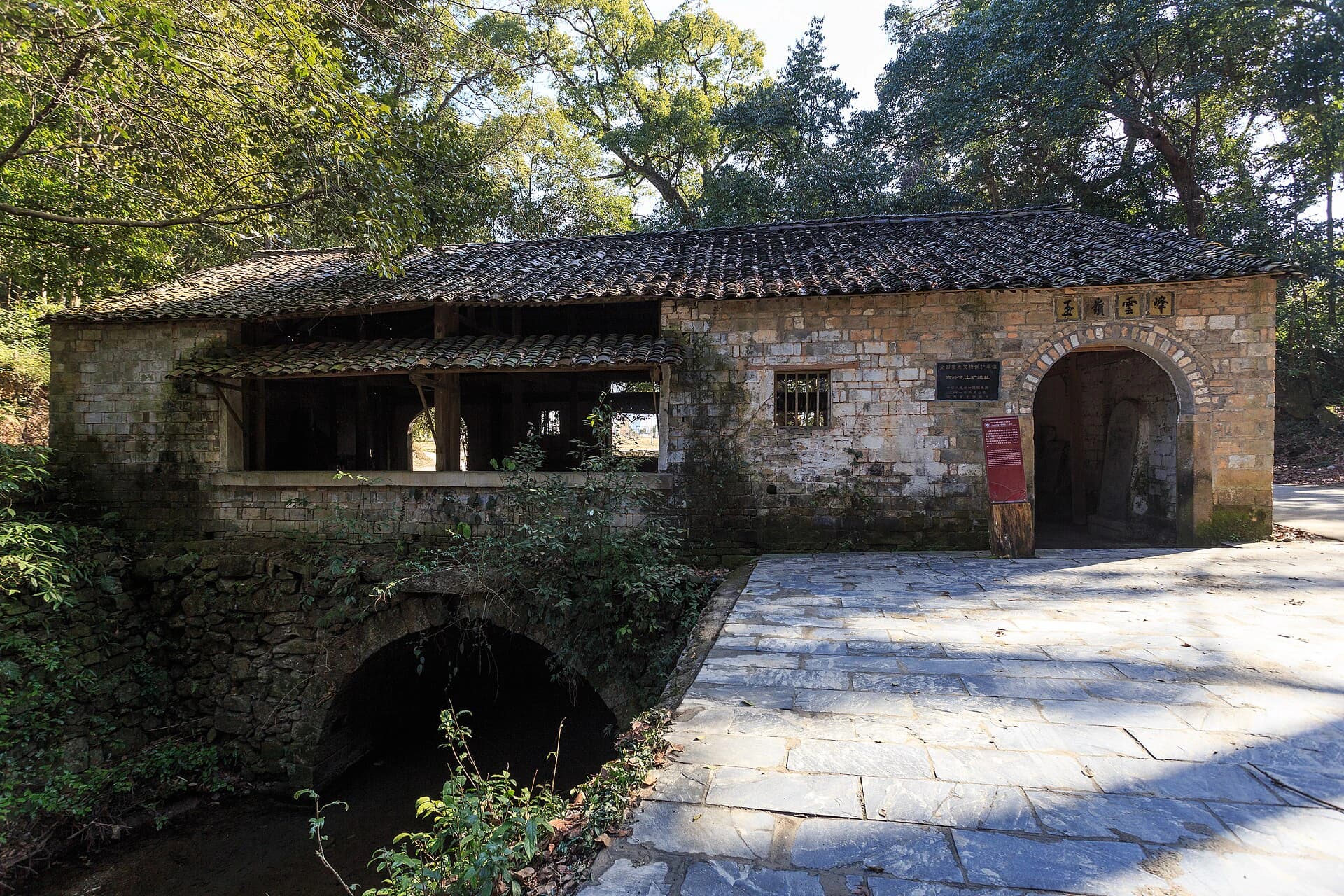
Ancient Kiln Folk Customs Area
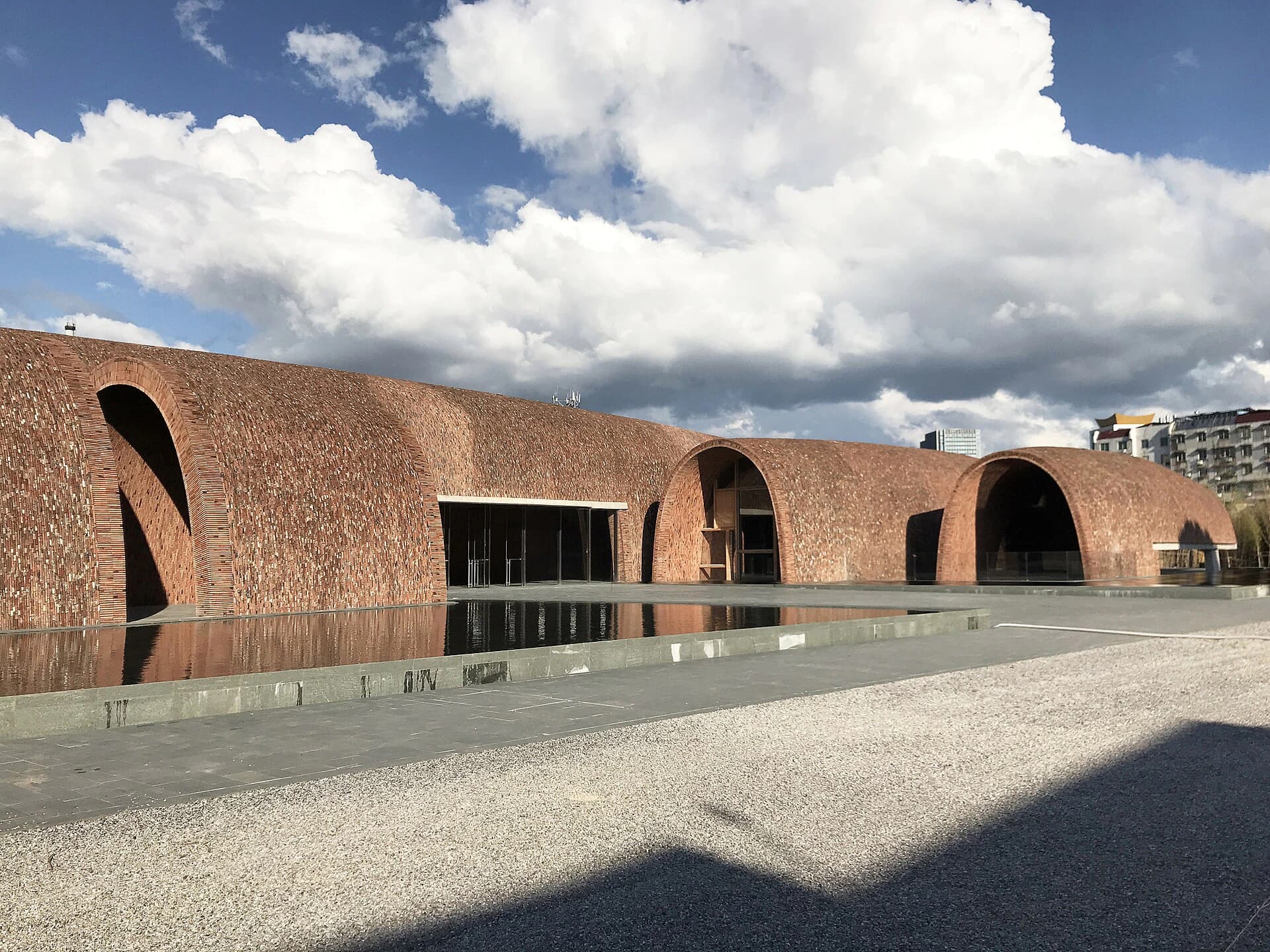
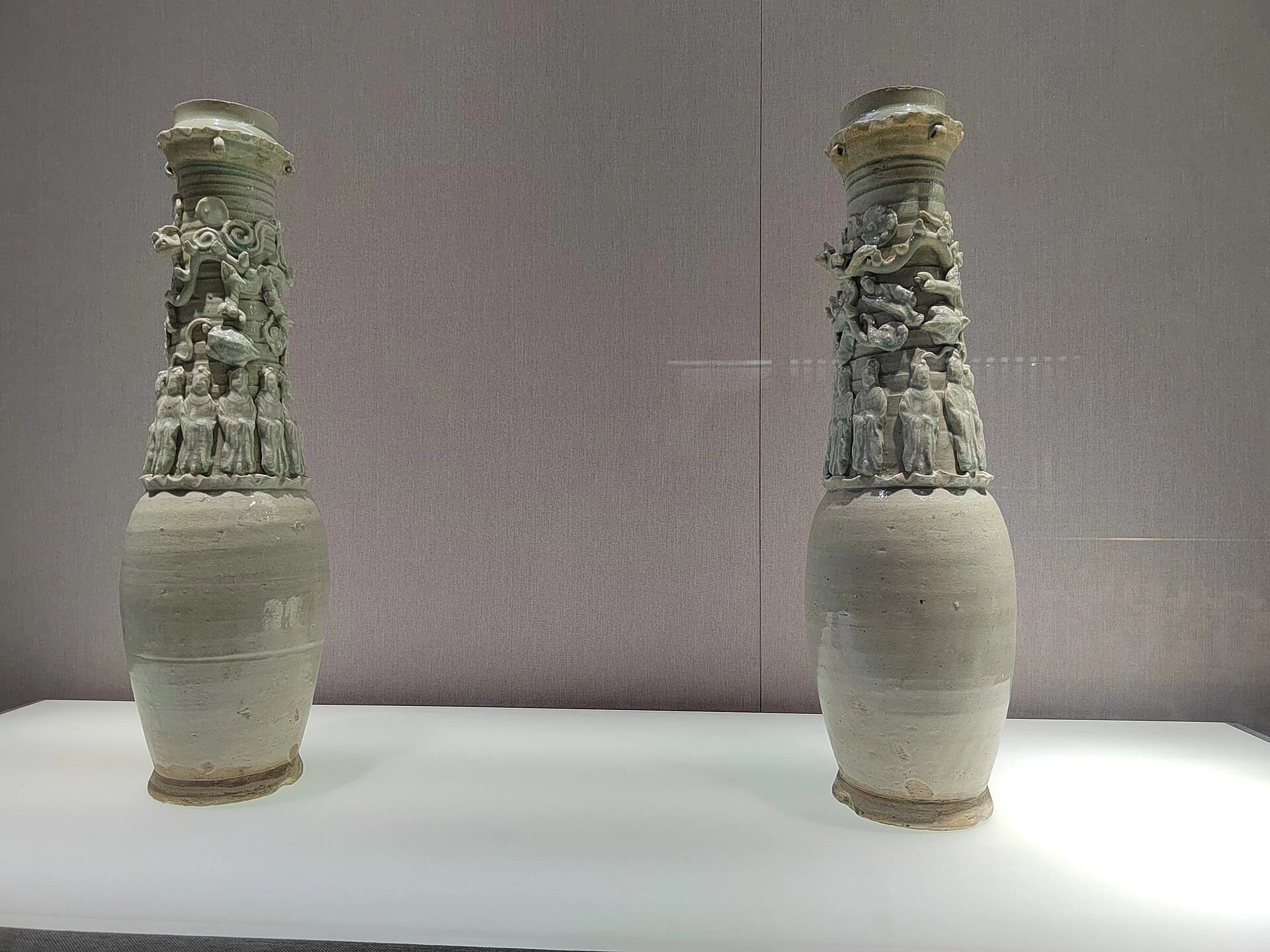
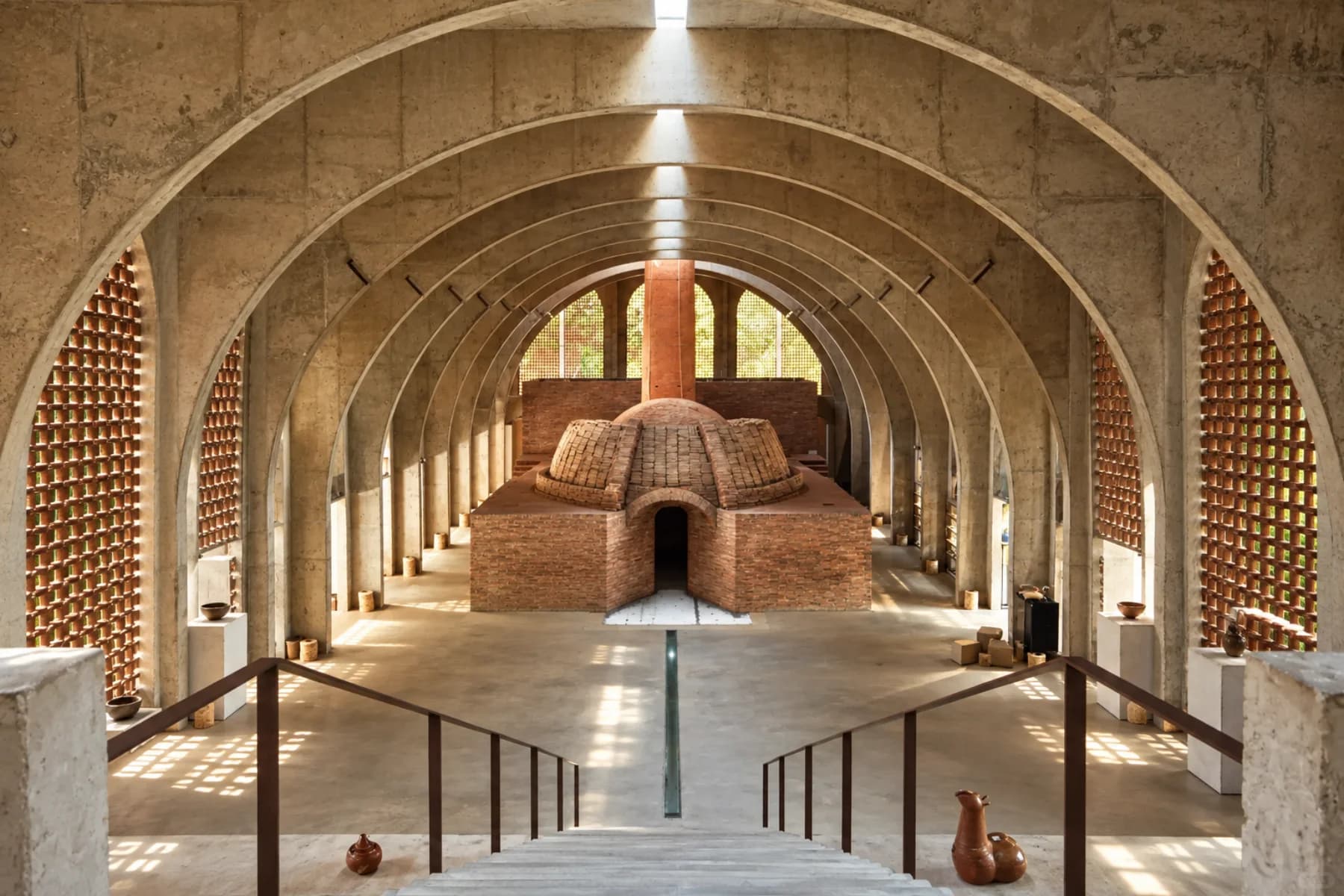
The Ancient Kiln Folk Customs Expo Area (古窑民俗博览区) turns porcelain making into a visible two-to-three-hour sequence. Kiln architecture, forming and decorating demonstrations, firing interpretation and craft displays make it especially useful after the China Ceramics Museum or for families who learn best by watching a process unfold.
Is it worth visiting?
Go when you want museum knowledge translated into tools, spaces and moving demonstrations. The route remains useful even when one performance changes, while a specific firing should be treated as a bonus confirmed on the day's program.
Recent visitors repeatedly valued seeing processes in motion, but also reported outdoor heat and a midday pause in worker demonstrations. The official day-of schedule must control your route.
A process-first 2–3 hour route
- Start with raw clay and forming. Identify what is shaped by hand, wheel, mould or another method, and ask how today's interpretation relates to historic production.
- Follow drying and decorating. Ask which steps are interpretive demonstrations and which are active production.
- Study kiln structure before a show. Look at firebox, chamber, loading logic, ventilation and fuel story from the permitted boundary.
- Attend one confirmed demonstration. Arrive before the published time and accept that heat, maintenance or production needs can change it.
- Finish with retail. Ask where and how an object was made if you want the purchase to connect directly to the process you just saw.
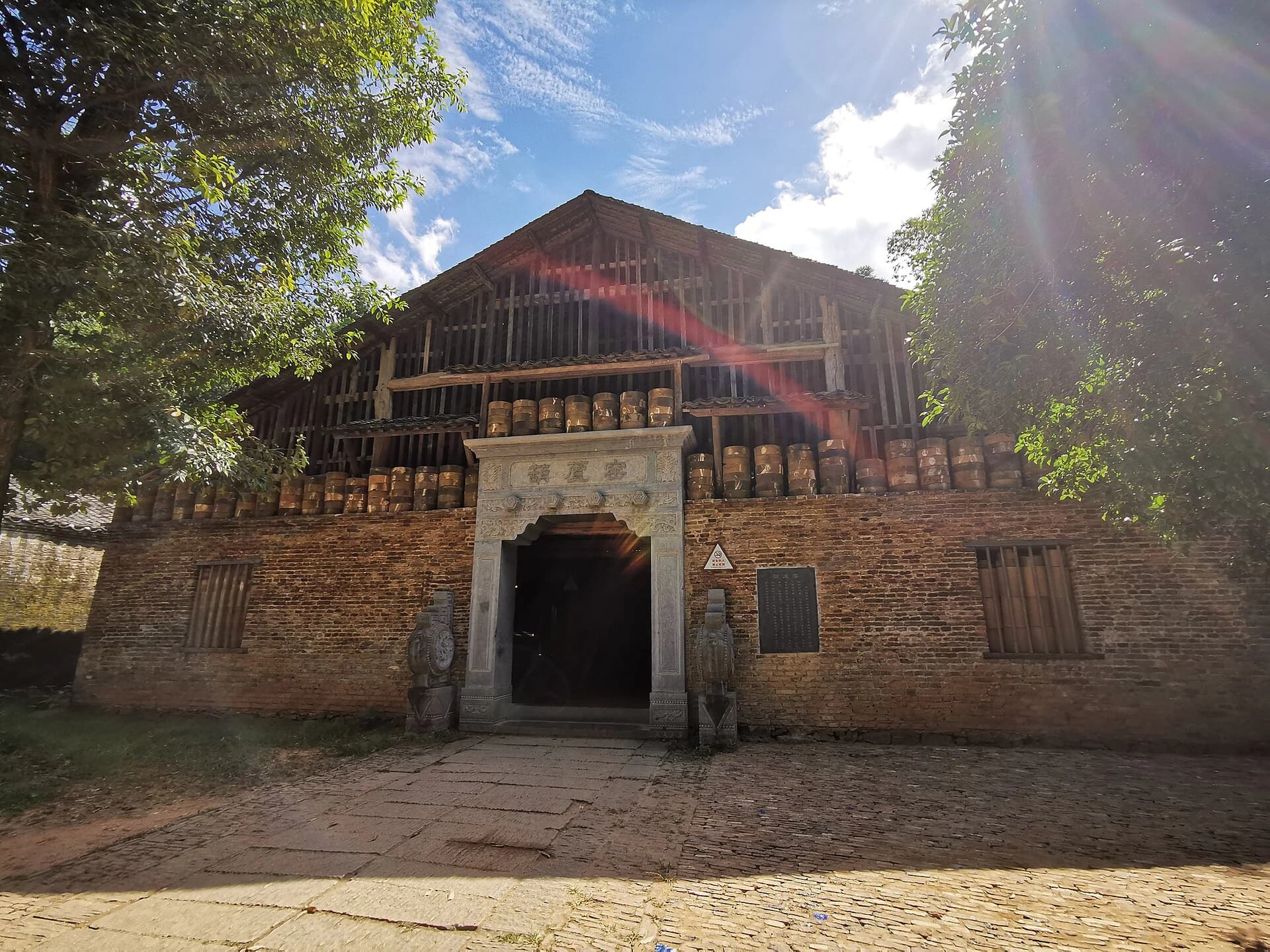
Photo: Liuxingy · Source · CC BY-SA 4.0
Historic, reconstructed and staged layers
Ask what is original fabric, what has been reconstructed for interpretation and what is a modern performance. “Traditional” does not mean every building, costume or firing programme has operated continuously in its present form.
Never approach a hot kiln, cross a barrier or join forming, firing or tool use without explicit supervision. Smoke, radiant heat, uneven paving and outdoor exposure matter more than getting close for a photograph.
Getting there and pairing it
Use Ancient Kiln Folk Customs Area — open in AMap. The China Ceramics Museum is about 4.3 km / 17 minutes by car or 2.5 km / 34 minutes on foot. Museum first and process second creates the clearest west-side half or full day, provided the museum reservation is confirmed.
Before you go
- Check current opening, last ticket, admission, passport handling and the demonstration timetable.
- Choose a morning or later-afternoon slot when live process is the main reason to visit; demonstrations may pause around midday.
- Bring water and sun or rain protection; much of the value is outdoors.
- Confirm any firing program directly for your date.
Verdict
The area is most rewarding when you follow porcelain from material to kiln and compare interpretation with active technique. Pair it with the museum for Jingdezhen's clearest production-focused day.