Lushan Core Route
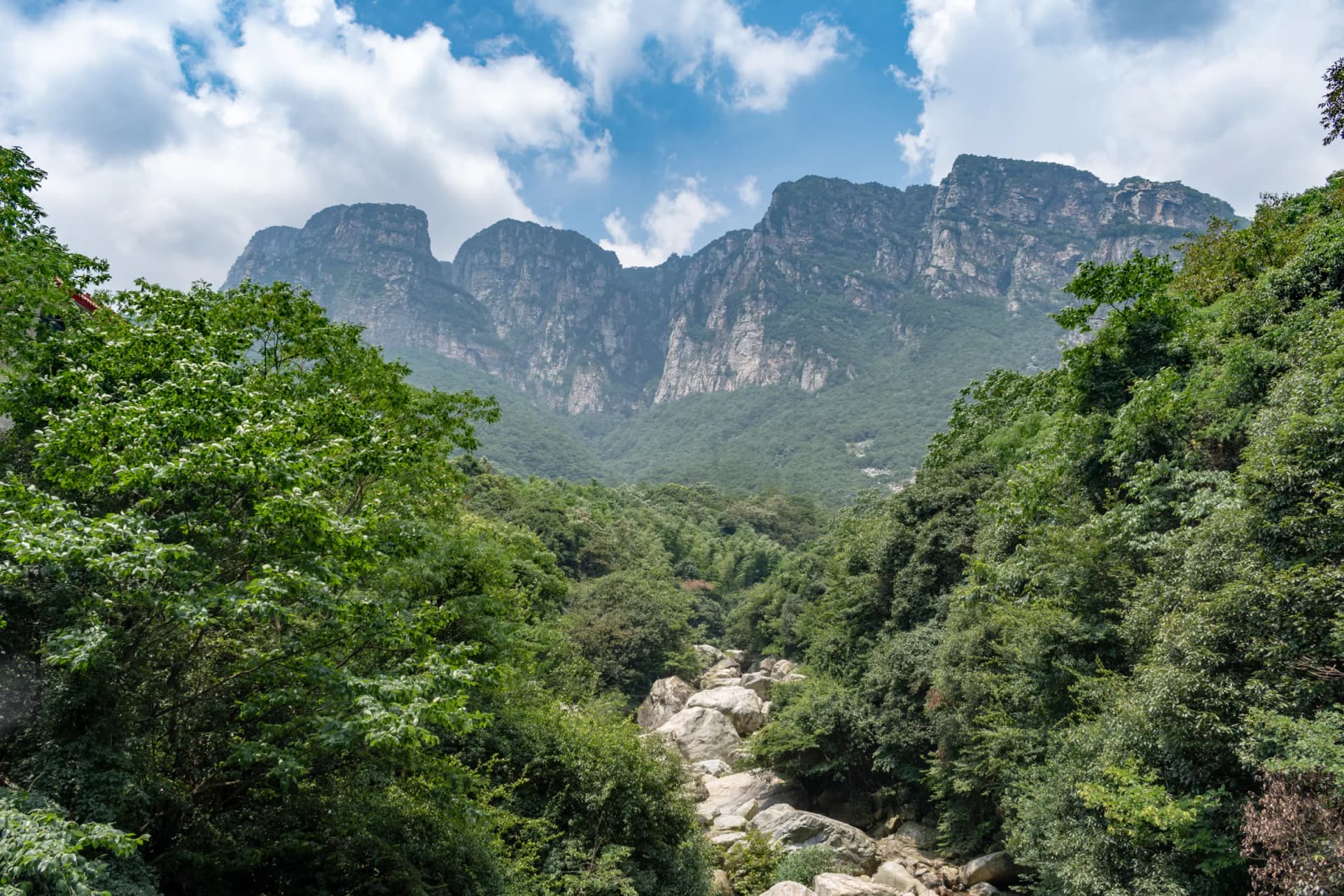
Mount Lushan is not a single summit trail. The core scenic area spreads ridges, lakes, villas, historic meeting sites and steep waterfall approaches around Guling Town (牯岭镇). A first visit goes better when you choose between the gentler west line, the strenuous east line, or a two-day split—before buying transport.
Recent visitors repeatedly describe Lushan as confusing and warn against stacking every famous name into one day. That is the right warning. Scenic buses reduce road distance, but they do not remove walking, stairs, queues or the need to return before the last service.
First understand the three separate products
Core-area admission opens the named scenic areas covered by the ticket on its valid dates. It does not automatically include every cableway, funicular or attraction inside and below the mountain.
The ascent gets you to Guling by the Lushan transport cableway or a controlled mountain-road transfer through a visitor centre. The correct choice depends on arrival station, weather, luggage and traffic controls.
The on-mountain sightseeing bus links the spread-out stops after you reach the core. Lushan City information lists 23 stops and a directional detail that catches visitors: Zhengjie historically departed toward the east line while Huiyuan Road Intersection served the west line, with a short walk between them. Treat the current app, station board and red-vest staff as controlling because routes and holiday operations change.
Compare the exact Lushan National Park shelf on Trip.com, then verify the dated ticket, passport handling, ascent, sightseeing-bus validity and closure notices through the official Lushan channel or 400-900-6162. A product titled “Lushan ticket” may cover only one of those layers.
Option 1: the easier west-line day
Choose the west line for a first day, mixed mobility, uncertain visibility or a late arrival. From Guling, use the current bus direction to reach Ruqin Lake (如琴湖) and Flower Path (花径), then continue through the Jinxiu Valley (锦绣谷) cliff-and-forest walk toward Immortal Cave (仙人洞) if surfaces are safe.
The strength is variety rather than one heroic summit: lake, designed landscape, valley edge, cultural inscriptions and a return to town. Do not keep extending to every west-line name. Pick a turnaround that preserves daylight and a reliable bus connection back to Guling.
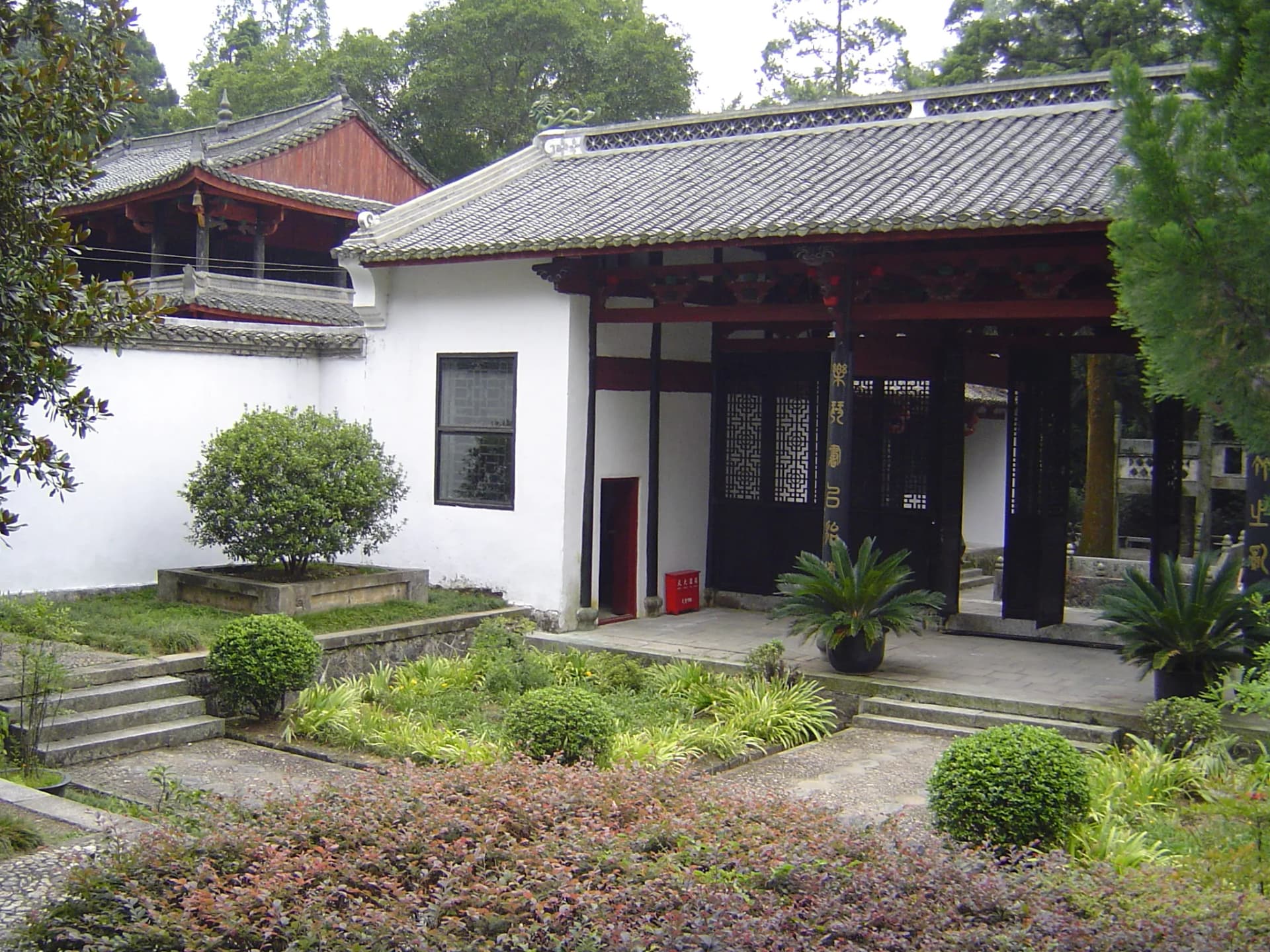
If fog removes the valley views, shift time to a villa or historic building that is confirmed open that day. Lushan's UNESCO value is a cultural landscape, not only distant peaks: religious sites, villas, paths and modern political history all sit within the mountain setting. Verify individual building hours and Monday closures rather than assuming the general mountain ticket guarantees entry.
Option 2: the strenuous east-line day
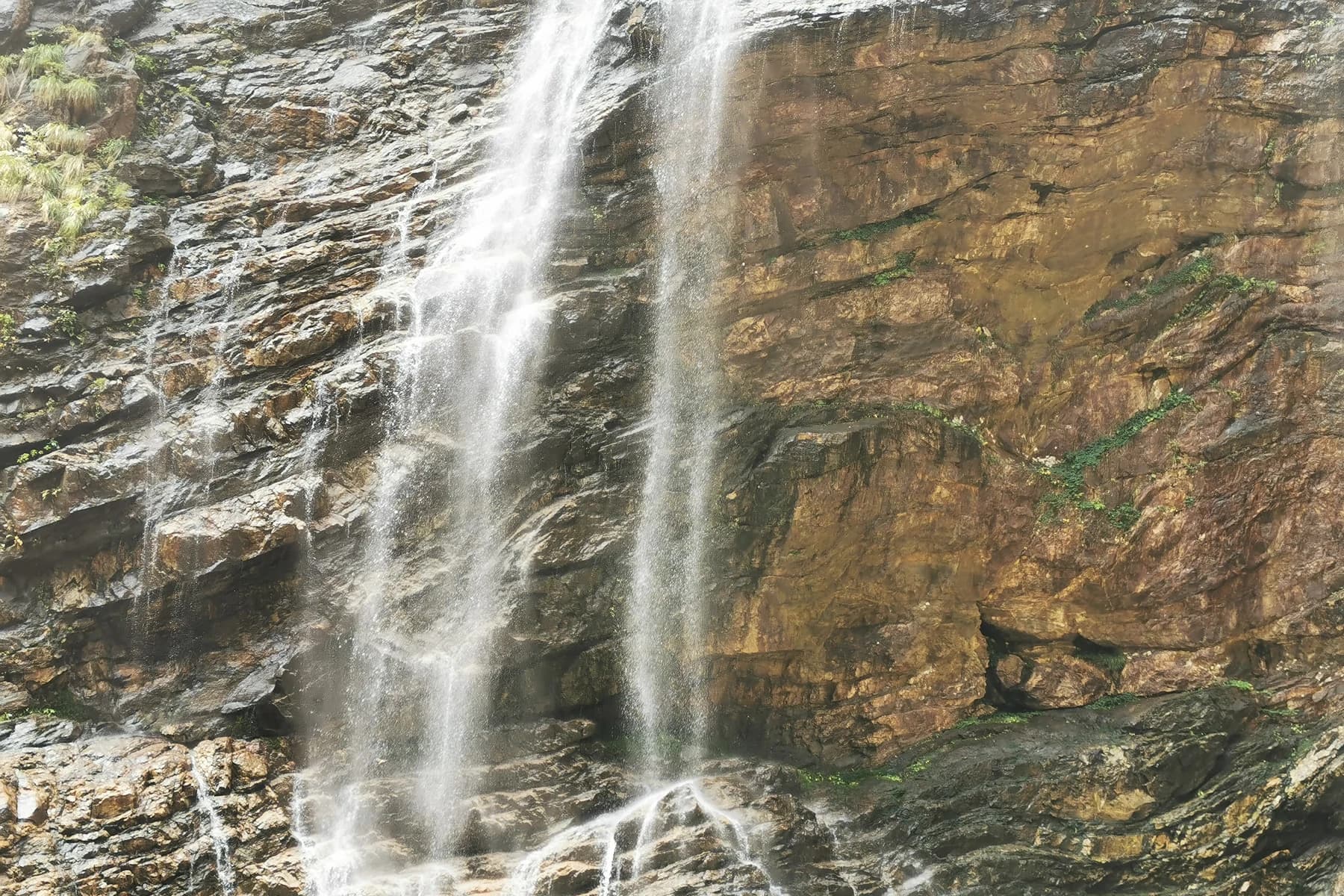
Choose the east line only with an early start and strong legs. Hanpokou (含鄱口), Wulao Peaks (五老峰) and Sandiequan Waterfall are often grouped on maps, but each adds ascent, descent and bus dependence. Doing all three fully is a serious day, not the second half of an easy loop.
A practical version selects one major effort. Walk part of Wulao Peaks and return, or make Sandiequan the principal descent-and-climb commitment. Low cloud can erase Hanpokou's long view; waterfall flow and stair conditions change after rain. If weather is poor, do not keep descending merely because the ticket is paid.
Sandiequan also creates an exit-choice problem: the route approached from the mountain core and the route from the East Gate do not produce the same return. Decide whether you must sleep in Guling, exit below, or collect luggage before starting. The separate Sandiequan guide explains that decision in detail.
Option 3: a balanced two-day split
For most first-time visitors, two nights around Guling or one full arrival afternoon plus another day creates a better trip:
- Day 1: settle in Guling, then Ruqin Lake, Flower Path and a bounded Jinxiu Valley walk; use remaining time for one verified-open villa or historic site.
- Day 2: choose Hanpokou plus a limited Wulao walk, or make Sandiequan the sole major effort. Return for luggage before the transport deadline.
Do not put White Deer Cave Academy into a gap on this on-mountain plan. It sits at the southeast foot of Lushan and needs a separate road connection. Recent visitors who attempted multiple foot-of-mountain attractions in one day found even two substantial stops tiring.
Choose the base before the route
Guling is the functional on-mountain base for meals, hotels and bus transfers. Check the property's exact pin against the sightseeing-bus stop or cableway upper station; “in Lushan” can also mean Lushan City below the mountain.
If arriving with luggage, confirm whether the lower cableway terminal, North or South Gate transfer fits your railway station. Mountain roads cause motion sickness and can enter traffic-control periods; the cableway can also suspend in severe weather. Keep the hotel name, Chinese address and phone offline, and do not schedule a tight onward train after the last scenic stop.
Let weather redesign the day
Cloud is part of Lushan, but rain, lightning, wind, ice and poor visibility change safety. Pack a waterproof layer, grippy shoes and a warm layer even when the city below is hot. Stone paths and leaf-covered steps become slick; winter ice can stop buses.
Check three things each morning: live visibility, the last service from your final stop and temporary trail or building closures. Then choose the west, east or cultural branch. A short coherent route in moving cloud is a better Lushan day than a long checklist spent waiting for buses.