Sanbao Ceramic Valley
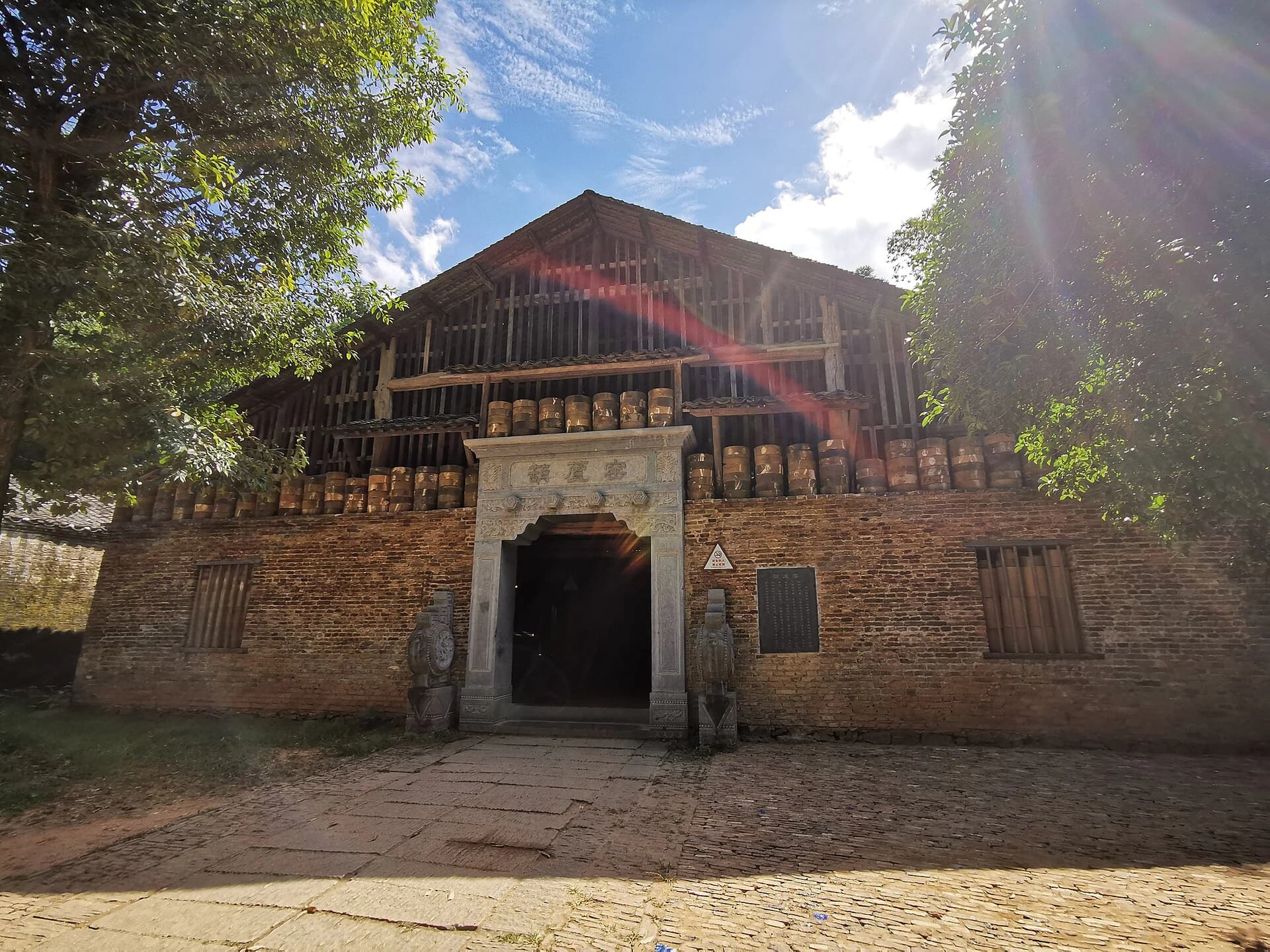
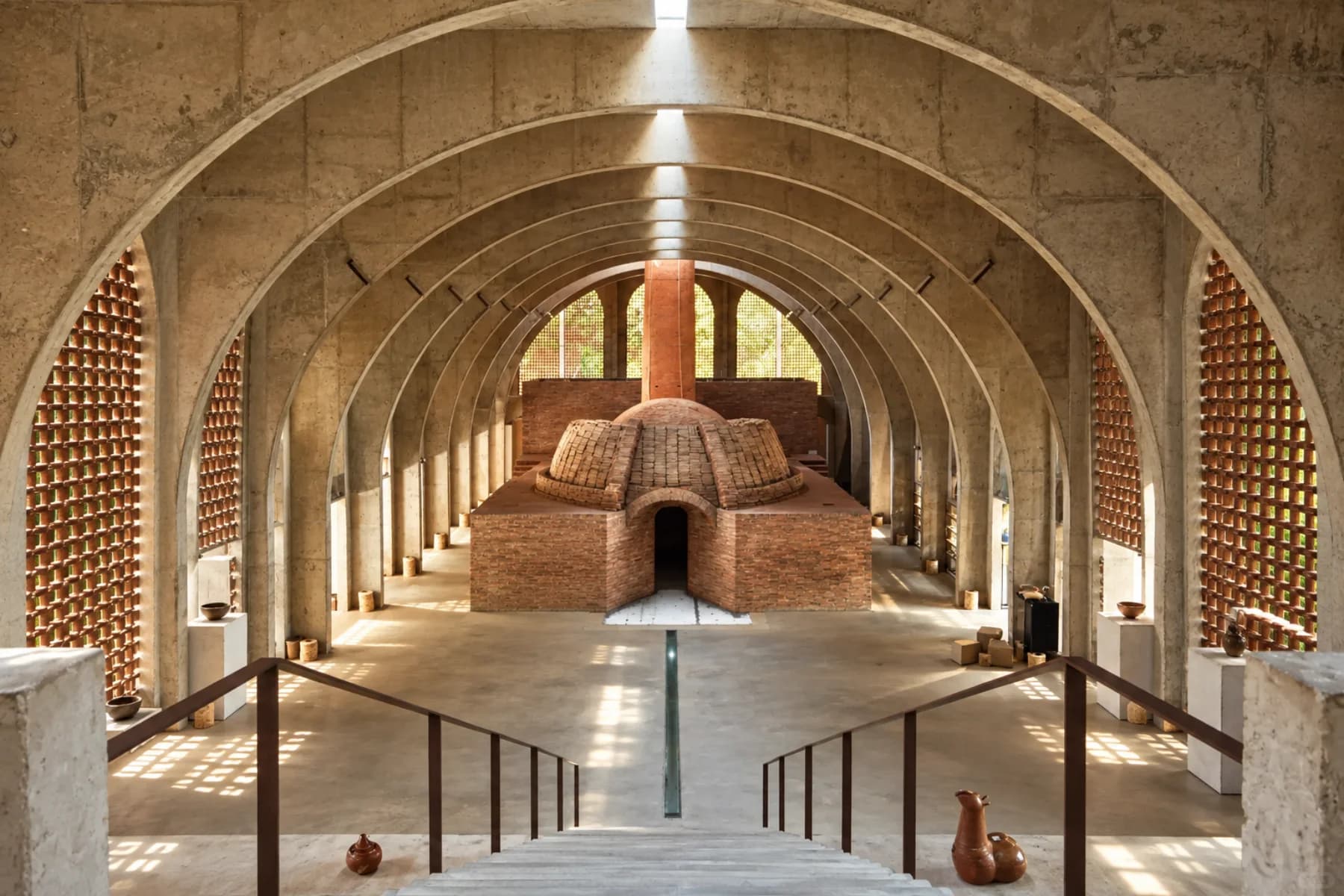
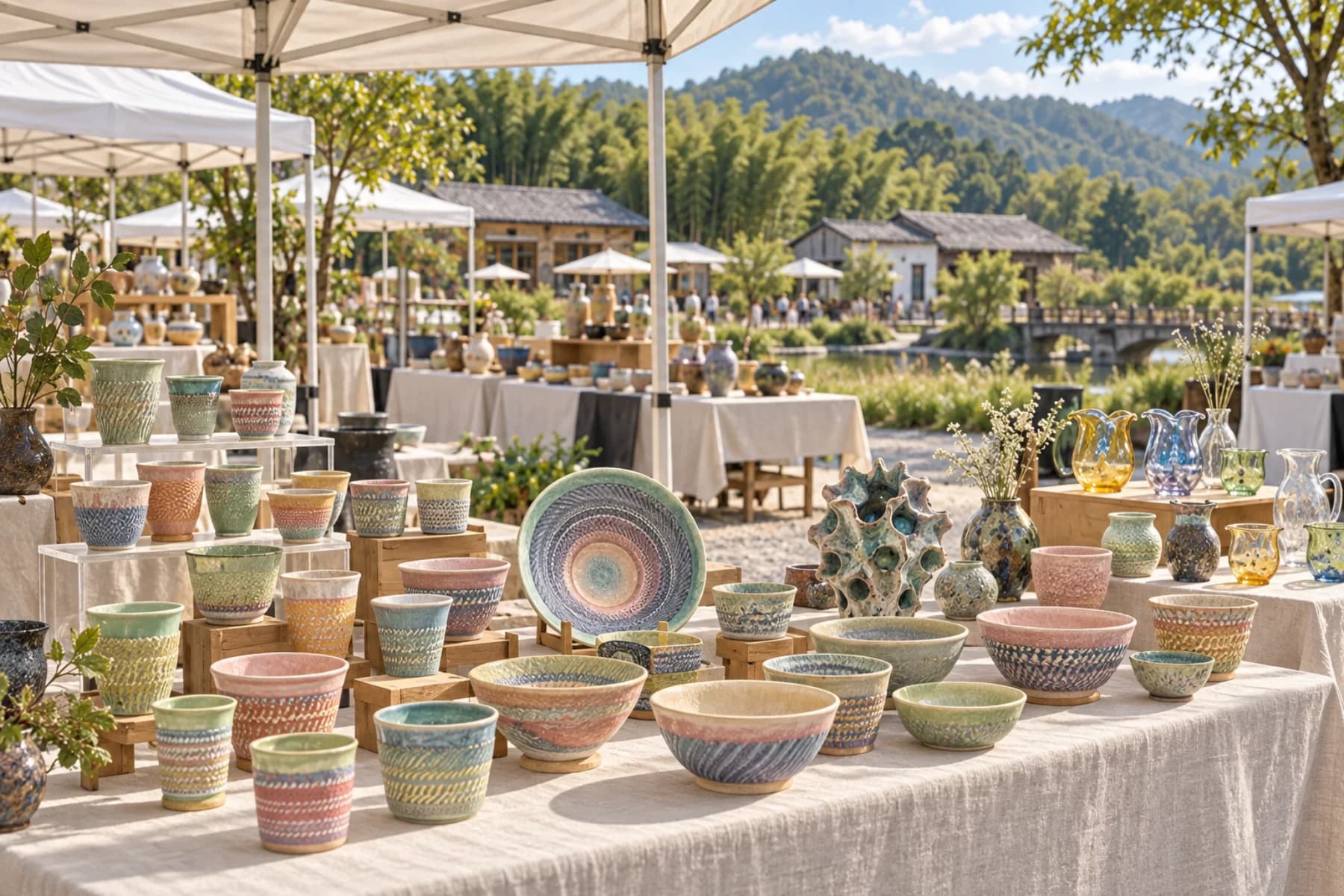
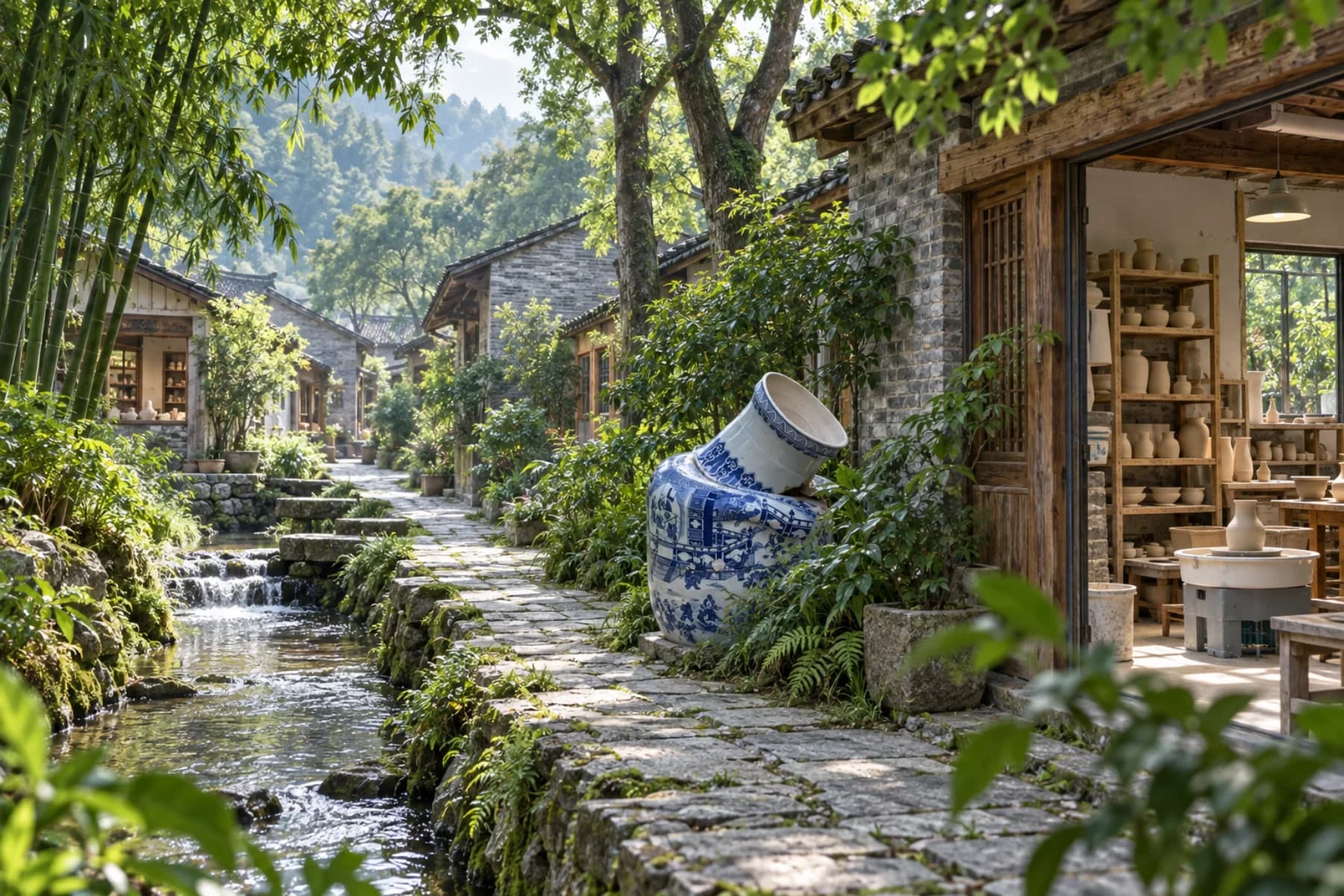
Sanbao Ceramic Valley (三宝瓷谷) is an open, lived-in creative district stretched along a narrow road at Jingdezhen's green southeastern edge. Public art clusters, museums, cafés and pottery experiences sit beside private studios, homes and working kilns. The valley is free to enter, but individual venues set their own hours and fees. Its appeal is real; so are the distances and transport friction.
Should you go?
Go if you want a slower half-day built around one public art venue or a confirmed pottery session. Skip it on a rushed first visit if your plan is only to reproduce a dozen social-media photos. Recent visitors repeatedly reported congestion, temporary vehicle controls, crowded photo installations and difficulty summoning a return car from deep inside the valley.
The district runs for roughly 5–6 km. It is not one compact “village attraction,” and the map pin called Sanbao International Pottery Village marks only one venue near the deeper end. Walking the entire road in summer heat is a poor default.
Choose one of two useful anchors
For a first visit, use Sanbaopeng Art Cluster (三宝蓬艺术聚落) as the main anchor. Jingdezhen's current city guide highlights its shaded art spaces and the surrounding Langlangping area. Open the verified Sanbaopeng pin in AMap, then verify the exact museum, shop or workshop you want inside the cluster; “the district is open” does not mean every door is open.
For a deeper ceramics-focused visit, choose Sanbao International Pottery Village and its museum only after confirming public access and hours. It is a distinct institution, not the entrance to everything in Sanbao. Do not add it merely because the pin appears on the same road.
One anchor plus one nearby stop produces a coherent visit. Three distant cafés, two photo installations and a pottery class create a transport problem disguised as an itinerary.
A practical three-hour route
- Enter via the current visitor or shuttle arrangement and go directly to your chosen anchor.
- Spend 60–90 minutes on one exhibition, maker space or pre-booked pottery activity.
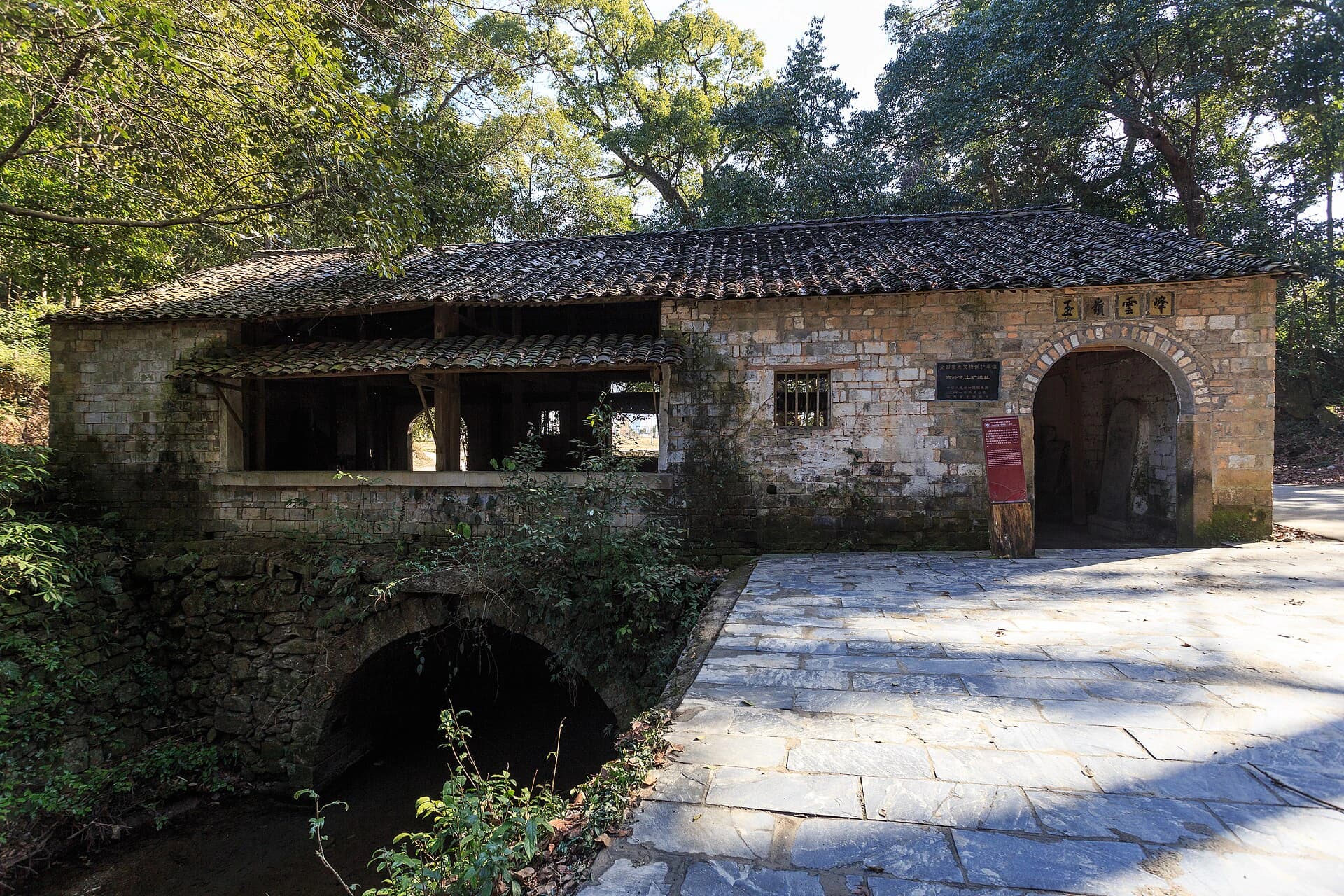
- Walk only the adjacent public stretch, using the stream, old walls and workshops as context rather than chasing every pin.
- Take one seated break near a known pickup or shuttle stop.
- Turn back before the evening exit rush.
For pottery, reserve enough time for instruction and ask whether firing and shipping are included. A freshly thrown object cannot normally travel home immediately. For galleries, confirm whether photography is allowed. An open gate or lit workshop is not an invitation into a private studio.
Traffic controls change the correct plan
Sanbao has one constrained road, so authorities can introduce temporary controls during summer weekends and public holidays. Official notices have previously limited outside motor vehicles and added dedicated parking, tourist buses or valley shuttles. August–September 2026 visitor reports describe active drop-off points and a hop-on shuttle, but reported fares and operating hours differ by service.
That means there is no honest year-round promise of “CNY 15 unlimited rides” or “drive straight to the end.” On the morning of your visit, check the latest municipal or district notice and ask your accommodation to confirm:
- whether cars, ride-hailing vehicles and outside e-bikes may enter;
- which parking area and transfer point are active;
- the shuttle fare, route, final departure and re-boarding rule;
- where ride-hailing pickups are permitted on exit.
During controls, use the official transfer arrangement even if an old map route suggests driving through. If there is no clear return, shorten the visit to the entrance-side cluster.
From Taoxichuan
AMap currently estimates 7.1 km / 23 minutes by car from Taoxichuan to Sanbaopeng. Its mapped public-transport route is about 1 hour 11 minutes, with several buses but little walking. Live congestion or a control point can make either estimate obsolete at the last kilometre.
If ordinary cars are admitted, ask the driver to wait or agree on a precise public return landmark. If they are not, switch to the designated parking and shuttle instead of bargaining for an unofficial vehicle. Save the anchor's Chinese name and phone number offline; “Sanbao Village” alone can send a driver to the wrong end.
What not to build the visit around
Viral ceramic installations change, close for renovation or accumulate long queues. One widely shared “frustration bottle” photo stop was reported closed for upgrading in 2026. Treat installations as incidental discoveries, not guaranteed attractions.
Do not enter streams after rain, climb kiln structures or use unsigned lanes as shortcuts. Bring water, sun and rain protection, and a charged phone. Keep voices and cameras restrained around residences and working studios.
Best pairing
Pair Sanbao with one flexible urban stop. An early valley visit followed by Taoxichuan works because the evening district stays useful even if Sanbao transport runs late. Avoid combining Sanbao with multiple markets, Taoyangli and a museum reservation on the same day.
Verdict
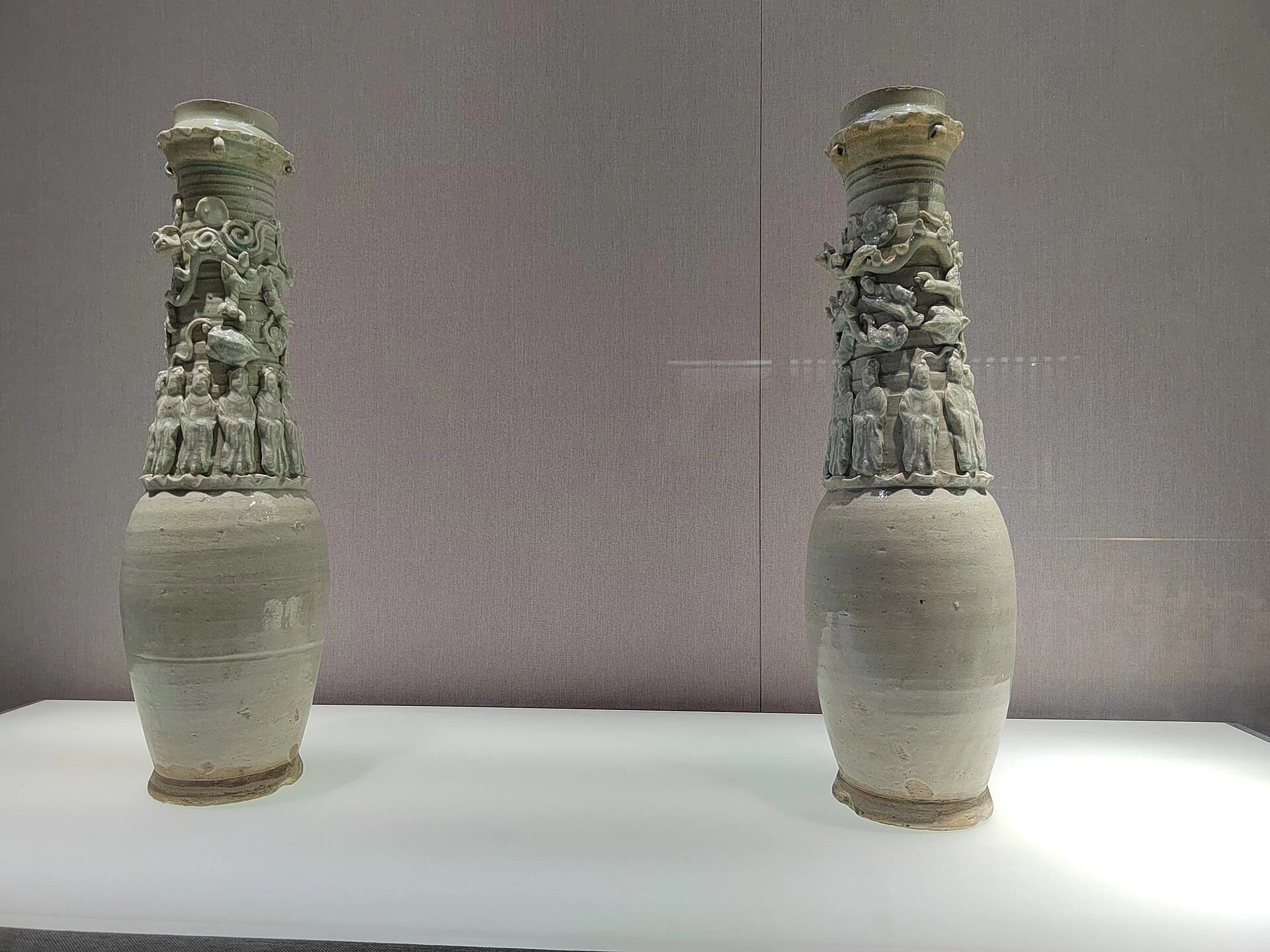
Sanbao is best understood as a long creative valley, not a single attraction. Pick one verified public anchor, check the day's traffic arrangement and secure the exit before going deep. That structure leaves room for the quiet streamside studios and ceramics culture that make the valley worth visiting in the first place.