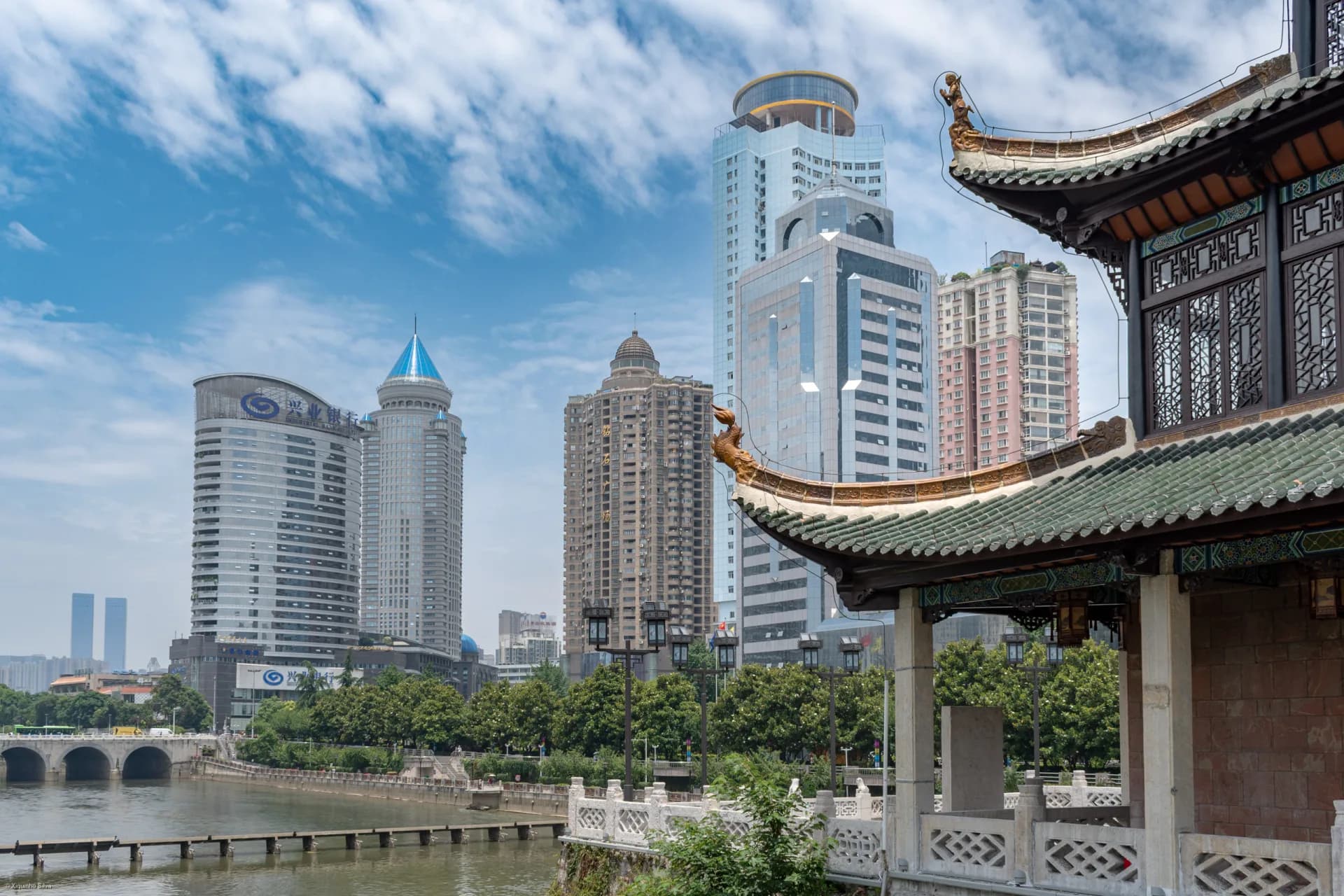
Guizhou
Guiyang connects Guizhou's scattered landscapes, but the best places are not compact day trips from one hotel. A first route usually combines Huangguoshu Waterfall from Anshun, Libo's karst water and one southeast Guizhou chapter such as Xijiang, Langde, Zhaoxing or Zhenyuan. Fanjing Mountain and Xingyi are separate extensions.
Choose your region
- Classic seven-day route: Guiyang–Anshun–Libo–southeast Guizhou.
- Southwest route: Guiyang or Anshun to Xingyi for Wanfenglin and Maling River Canyon; allow 3–4 extra days.
- Northeast route: Tongren and Fanjing Mountain, with a weather buffer and early start.
- Village-focused route: choose two communities with different architecture and cultural context instead of collecting every staged night view.
How many days
Five days allow Guiyang, Huangguoshu and Libo. Seven days can add one Miao or Dong village and Zhenyuan. Ten days make room for Xingyi or Fanjing Mountain, but not both comfortably. Transfer days count as real days: scenic entrances may remain far from the railway station.
Bases and route
Stay in Guiyang for arrival, food and transport. Use Anshun or Huangguoshu for an early waterfall start. Stay by the correct Libo gate when the park is central to the trip. Kaili is a transport base for southeast Guizhou; Xijiang, Zhaoxing and Zhenyuan each provide a different overnight experience.
Seven-day first route
- Arrive in Guiyang and keep the old-city evening light.
- Visit Guiyang's museum, river or karst cluster.
- Travel to Huangguoshu and reserve a full day for its main sectors.
- Continue to Libo and stay near the planned gate.
- Explore Xiaoqikong using park transport and a weather-adjusted walking route.
- Move to one southeast Guizhou base and spend the night.
- Continue to Zhenyuan or return through Kaili/Guiyang.
The water color at Libo changes after rain, and the volume at waterfalls changes by season. Build the trip around the landscape, not a guaranteed social-media color.
When to visit
Late spring through autumn brings green scenery and stronger water flow, along with humidity and rain. Summer is a popular escape from hotter lowland cities. Winter is quieter but some villages and mountain areas feel cold and damp. Check flood, trail and transport notices after heavy rain.
Getting there and around
Guiyang is the principal air and rail hub. Fast rail reaches Anshun, Libo-area gateways, Kaili, Tongren and Xingyi, but scenic buses or drivers complete the route. Direct tourist buses can reduce transfers; verify the current operator, exact pickup point and arrival gate.
Where to stay
Reduce hotel moves by using two-night bases. In villages, check how far the room lies from the vehicle drop-off and whether stairs are involved. A panoramic hillside room may be inconvenient with luggage. Near Huangguoshu or Xiaoqikong, early access often matters more than nightlife.
What to book first
Reserve long-distance rail, Huangguoshu and Xiaoqikong entry, scarce mountain slots and village hotels first. Then arrange the road transfers between scenic regions. Recheck rain and park operations before departure.
Compare Guizhou hotels on Trip.com and check China train tickets.