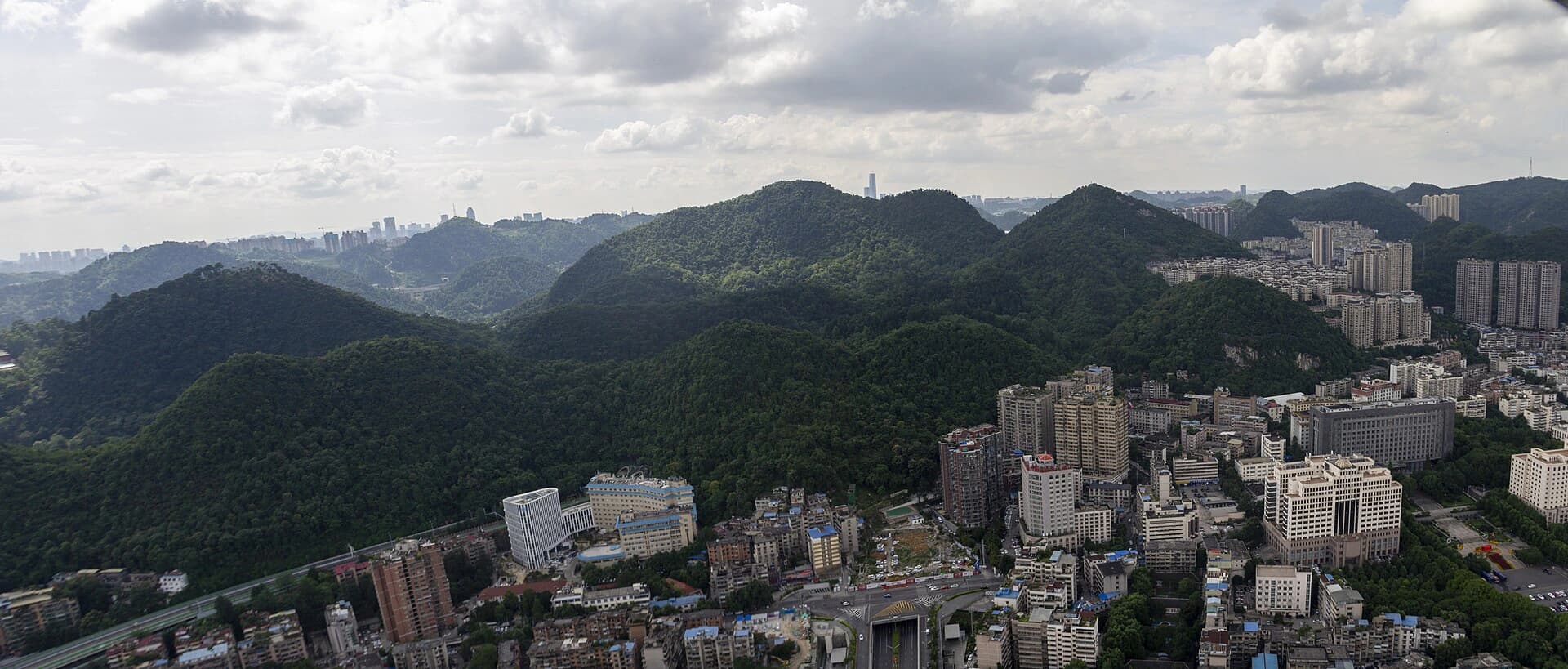
Nanjiang Grand Canyon
Nanjiang's ordinary scenic route and its commercial rafting products are different decisions. The canyon can be a nature day without rafting; adding moving water changes the risk, equipment, eligibility, insurance and return logistics.
Recent visitor reports describe multiple rafting intensities, capsizes, lost phones, weak changing facilities, high-water cancellation and visitors stranded without an easy return. Those accounts do not prove the same conditions every day. They do prove that rafting must be evaluated as a live, operator-controlled activity—not advertised as a casual add-on to a walking ticket.
Use Nanjiang Grand Canyon Scenic Area for general arrival. The separate rafting departure point is a different destination. AMap estimates 59.6 km / 1 hour 8 minutes by car from Guiyang North and returned no transit option. Confirm a round-trip vehicle in writing.
Tickets and the basic sightseeing decision
The current government price schedule lists ¥60 for general scenic-area admission, ¥50 for the concession rate and ¥20 for a round-trip internal transport service. These figures describe the regulated scenic-area baseline, not a rafting package. A rafting checkout must state the exact course, included gear, insurance and transfers separately.
Choose sightseeing when the goal is canyon scenery, when river conditions are uncertain or when anyone in the group does not actively want the water product. At the visitor centre, ask which trail sections, viewing platforms and internal vehicles are open and how the return works. “Scenic area open” does not necessarily mean every riverside path is safe after heavy rain.
Allow most of a day from Guiyang even for the non-rafting visit. The road transfer, internal movement and return buffer matter more than the raw walking distance.
Raft only after every gate passes
On the same day, confirm all of the following with the active operator:
- the exact rafting course and intensity—not merely a product called “Nanjiang rafting”;
- river level, weather and the final go/no-go decision time;
- age, height, weight, swimming and health restrictions;
- approved helmet and correctly fitted flotation gear;
- guide ratio, rescue cover and emergency communication;
- what the insurance covers and excludes;
- changing rooms, dry storage, showers and the return shuttle;
- cancellation and refund rules if the river closes after you travel from Guiyang.
Leave phones, jewellery, glasses and valuables in secure storage unless the operator provides equipment specifically approved for the activity. A waterproof pouch prevents splashes; it does not make an unsecured phone safe during a capsize. A valid advance ticket also does not prove the river will open.
Transport is part of the safety plan
Do not arrive by an unconfirmed one-way ride-hail. Mobile coverage, demand and pickup access can differ at the end of the route, and a weather cancellation may release many visitors at once. Agree on the exact pickup point and waiting arrangement with a driver before departure. If a package claims to include a shuttle, identify whether it is only internal transport or the full return to Guiyang.
Build at least an hour of buffer before any train, flight or fixed evening booking. Wet clothes, queues and a delayed return are predictable possibilities, not exceptional bad luck.
What to bring
For sightseeing, use shoes with traction, sun/rain protection, water and a small dry bag. For rafting, follow the operator's clothing rules and bring a complete dry change, secure footwear and any required identification. Do not wear loose sandals or improvise around an equipment rule.
If any gate is unclear, use the sightseeing route or postpone. Do not enter closed water, improvise a route or rely on a one-way ride-hail.
Verdict
Potentially rewarding as a pre-arranged canyon day. The ¥60/¥50 scenic ticket and ¥20 internal return transport are not a rafting promise. Raft only when the exact product, operator, river, equipment, rescue, insurance and full return all pass a same-day check—and never place it before an inflexible onward journey.