Qianling Mountain Park
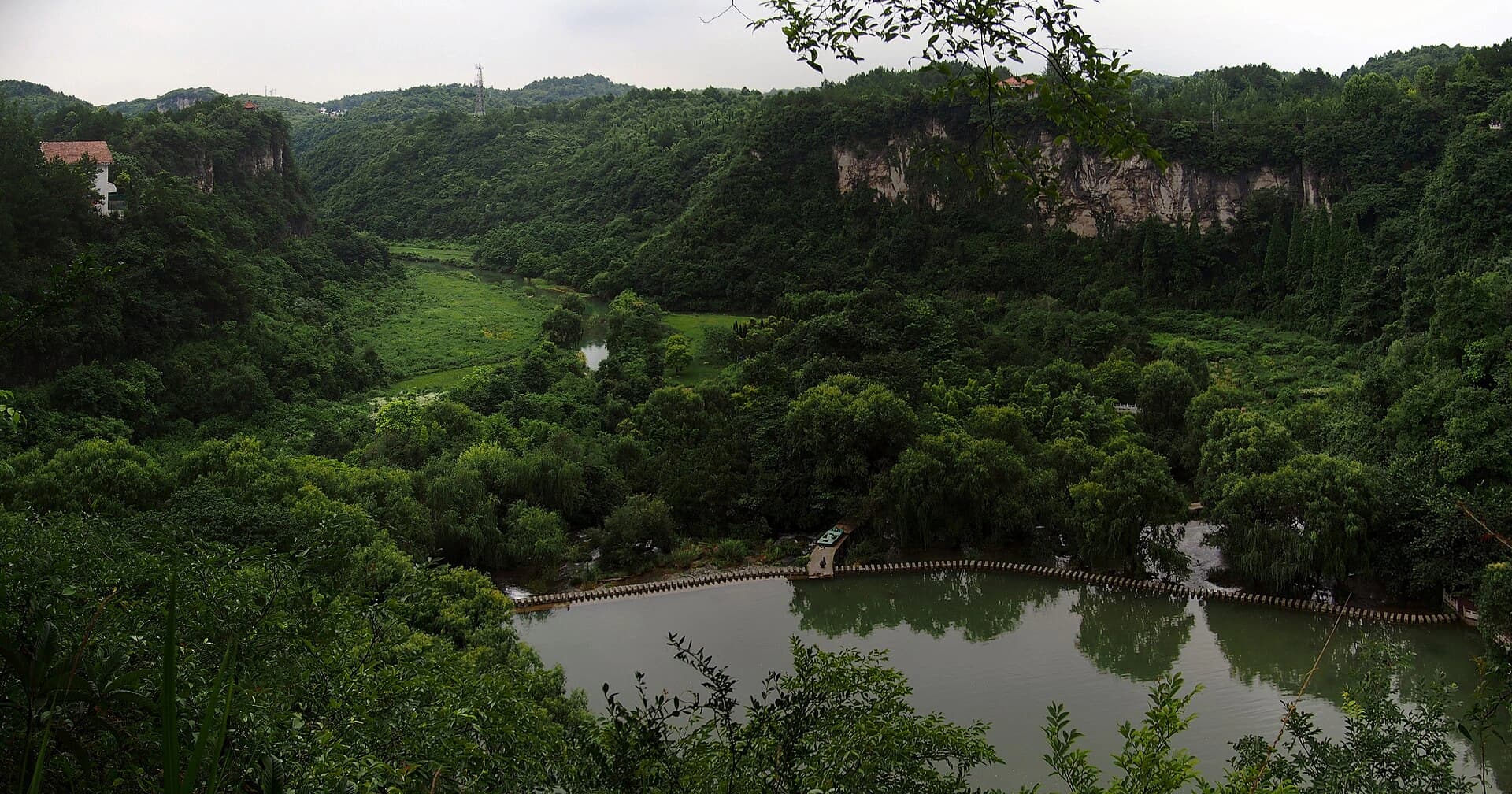
Qianling Mountain is a large urban park rising immediately above Guiyang. It contains wooded paths, viewpoints, Hongfu Temple, lake areas, separately controlled zoo or animal facilities and free-ranging rhesus macaques. Those elements do not form one simple loop, and seeing macaques is never permission to feed or approach them.
Allow two hours for a focused route and three to four hours for a slower scenic and temple visit. Choose the route before arrival: the main side is stronger for elevation, temple and landscape, while East Gate is the efficient choice reported for a shorter macaque-focused visit.
Current entry: free, reserved and time-slotted
Park admission is free, but the park's April 2026 notice requires an advance real-name reservation. Since May 1, the official channels are the verified “Qianling Mountain Park” WeChat account and the Guikehui mini-program; older Meituan reservation instructions are no longer current. Published daily entry hours are 07:00–20:00.
The reservation flow issues a QR code and is designed to accept Chinese identity cards at the gate. Foreign visitors should try the official name/document fields, carry the original passport and call the park before arrival if the form does not accept it. Do not pay a third party for “priority admission”: the park has warned that unofficial ticket or fast-entry offers are false.
Hongfu Temple, cable transport, boats and other commercial services remain separately charged. Free park admission does not include them or prove that they operate that day.
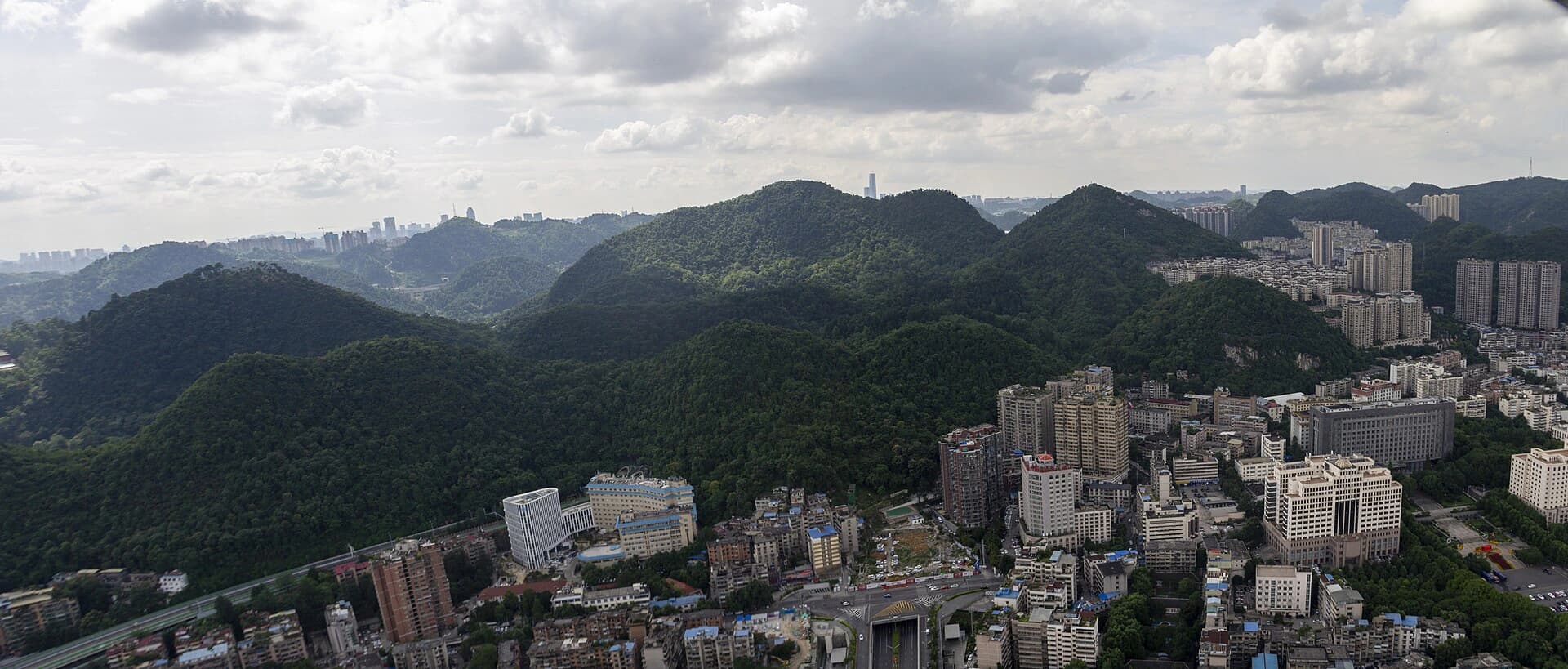
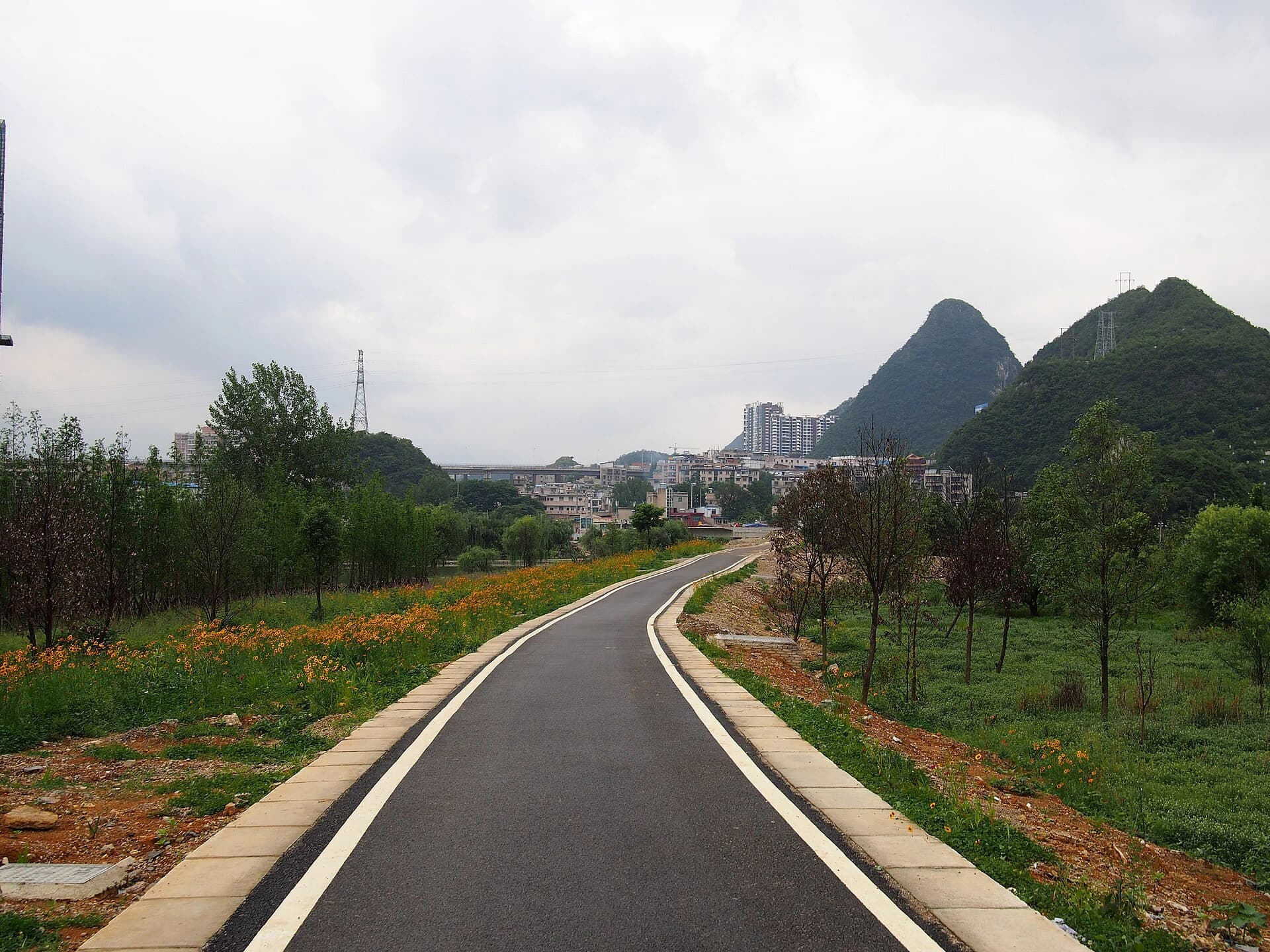
Photo: 維基小霸王 · Source · CC BY-SA 4.0
Route 1: main-side scenery and Hongfu Temple
Choose this route when the mountain, temple and city views matter more than reaching macaque areas quickly. Expect sustained slopes and stairs. Lower park sections may be manageable for some strollers or limited-mobility visitors, but that does not make the viewpoint or temple route step-free.
Use Qianling Mountain Park on AMap for park identity. The official July 2026 visitor information sends the main-side visitor to Qianling Mountain Park station, Metro Line 3, Exit C. Confirm the operating entrance at the station rather than following a parking pin: AMap's search for South Gate returned a suspended underground parking point, not a dependable visitor entrance.
At Hongfu Temple, remember that this is an active religious space. Keep voices low, do not block worshippers, follow current photography rules and treat incense or commercial services as optional rather than part of admission.
Route 2: East Gate macaque-focused visit
Use the East Gate ticket office on AMap when your priority is a shorter approach to areas where macaques are commonly encountered. Early arrival reduces heat and crowd pressure, but animals move freely and no route guarantees a sighting.
This route is not a petting-zoo visit. If the path becomes crowded or animals gather around food, wait at a distance or turn back. Do not surround an animal for photographs.
Extending the East Gate walk
Several September 2026 visitors describe East Gate → macaque area → optional zoo/pandas → Hongfu Temple → South Gate as a practical two-to-three-hour direction with less backtracking than returning to the east. Treat it as an optional longer combination, after confirming the animal facilities and connecting paths are open. Follow signs for the facilities you actually want; a parked fire engine or an informal stair shortcut from an old post is not a dependable navigation point.
Make the temple decision after the animal area. If everyone still wants more walking, continue toward Hongfu Temple and decide on the descent there. The cableway is not necessarily a lift waiting beside the temple: visitor accounts describe additional climbing to reach it, and disagree sharply about queues. Walking down also includes slopes and steps. Confirm the current walking exit and cableway access before choosing, particularly with tired children or sore knees.
This is not a guaranteed 90-minute outing. Recent east-to-south reports range from roughly two to three hours; another visitor using a cableway-first route spent nearly five hours overall, including a long queue. For the shorter plan, keep one priority, leave out the temple extension when needed, and arrange pickup at the exit you actually use. Macaques were reportedly less visible in the midday heat, while panda and macaque activity varies on every visit—do not wait for an animal to follow a timetable from a post.
Macaque safety is non-negotiable
Recent visitors repeatedly describe yoghurt, plastic bags, bottles and other items being grabbed; one September report describes a bottle being taken and another describes a macaque grabbing a child's clothing. The correct response is prevention, not confrontation:
- never feed, touch, threaten, tease or pose closely with a macaque;
- carry no visible food or sweet drink and do not open snacks on the route;
- close every zip, secure phones and keep loose objects out of reach;
- give mothers, infants and groups a wide path;
- do not stare, wave objects, chase an animal or try to retrieve food by force;
- follow staff immediately when an area is being cleared.
If a macaque bites or scratches anyone, wash the wound thoroughly as soon as possible and seek prompt professional medical assessment. Do not dismiss a small scratch because the animal looked healthy.
Children need an adult within reach. A stroller snack tray, transparent food bag or bottle can attract attention even when the child is not actively feeding wildlife.
Park, temple, zoo and boats are separate decisions
The current park reservation proves free park admission, not the foreign-passport path or the status of every component. Temple access, zoo or panda areas, lake boats and cable transport may have different hours, closures, documents and charges.
Before arrival, decide which one or two components matter. A sensible first visit is either:
- scenery + temple, cutting animal facilities if stairs or heat consume the morning; or
- East Gate + macaque-safe walk, cutting the summit and zoo rather than racing through every component.
Never promise panda visibility, boat operation or a cable ride. Animals can be off view, and transport or water products can stop for weather or maintenance.
Weather, surfaces and accessibility
Rain makes stone, moss and steps slippery and can change where macaques gather. In hot weather, an early start matters more than completing a summit checklist. Carry water inside a closed bag and drink only after checking that wildlife is not within reach.
For lower-effort access, ask staff which entrance and lower paths are open that day. Verify wheelchair or stroller suitability component by component; the park's urban location does not make its mountain routes accessible.
How it fits into a Guiyang day
Use Qianling as the main half-day job, followed by rest or a meal. Jiaxiu Pavilion is not next door: AMap planning estimates roughly 4.4 km / 26 minutes by car or 3.9 km / 52 minutes on foot, and central traffic can lengthen either choice.
The Guanshanhu museums sit in another sector. Pairing one museum with Qianling can work only for energetic visitors with confirmed entry; it is not a relaxed default.
What to verify that day
- operating entrance and any passport or reservation requirement;
- open path, temple, zoo/panda, boat and cable components;
- weather, maintenance and crowd controls;
- current wildlife warnings and staff-managed closures;
- the exit and ride-hailing pickup point, which may differ from the entrance.
Verdict
Qianling is one of Guiyang's strongest city experiences when treated as a mountain habitat rather than an animal-photo stop. Choose one route, protect bags and children, follow strict no-feed rules and cut the summit before fatigue creates unsafe decisions.