Beijing
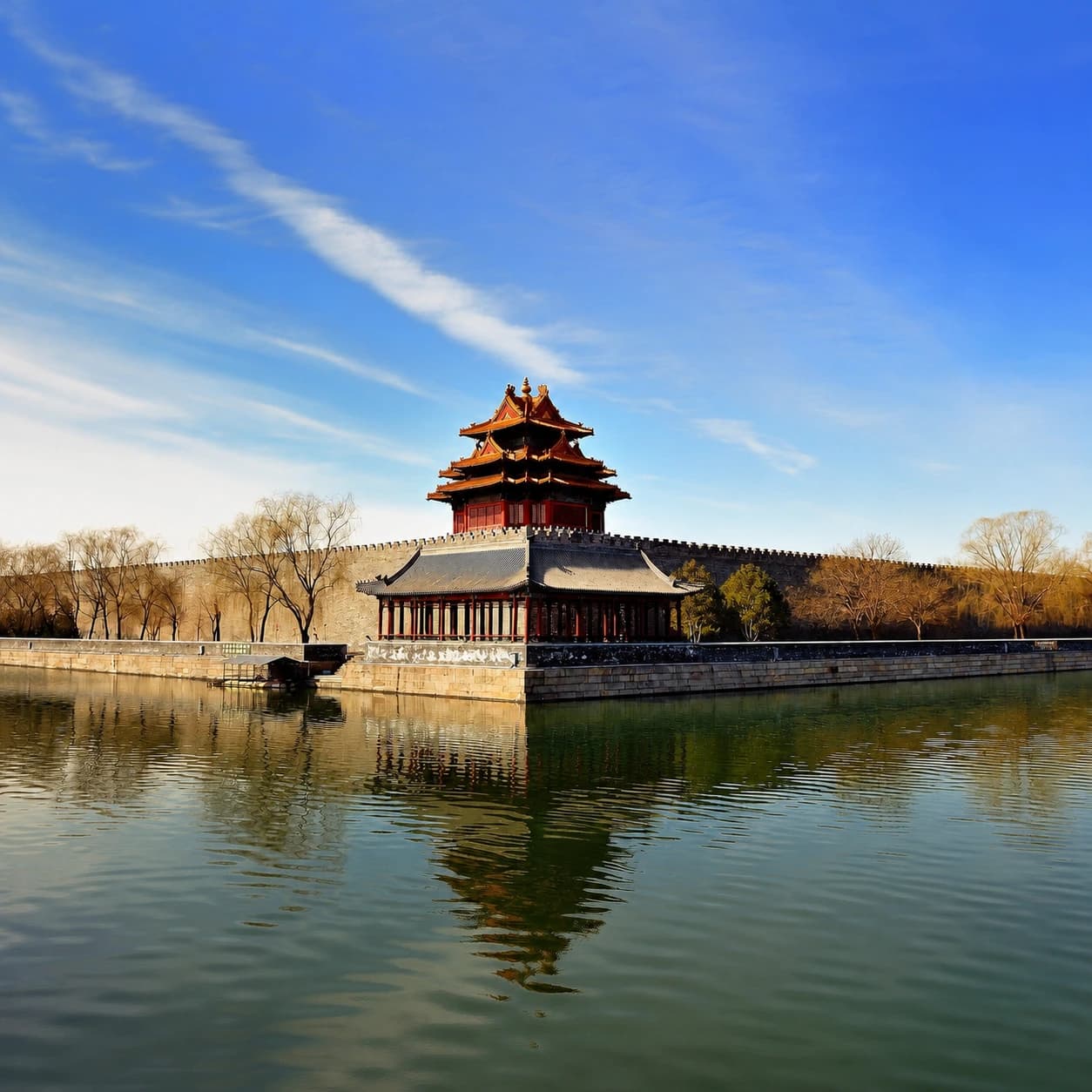
Beijing rewards smart geographic planning. The imperial central axis, northwest royal gardens, northern temples, and outlying Great Wall sections each require distinct logistics; a map that looks deceptively compact can still conceal lengthy security checkpoints, strictly one-way entry circuits, and an hour or more of cross-city transit.
For a first visit, secure high-demand, fixed-date tickets first, then arrange flexible parks, hutongs, and dining around them. The Forbidden City, Tiananmen Square, and major national museums each require separate reservations across different platforms. Always carry the original physical passport used for each booking and save offline screenshots of your confirmation details in case mobile reception is weak.
Which Route Fits?
- Choose the three-day classic route if your schedule is tight and visiting the Great Wall is essential. Day three is packed and energetic; feel free to drop Qianmen if summer heat, fatigue, or traffic slows you down.
- Choose the comprehensive four-day route for deeper exploration of central Beijing at a more balanced, comfortable pace.
- Add a fifth day for in-depth museum visits, exploring the Summer Palace at leisure, or discovering additional hutongs and temples—rather than cramming another distant headline sight into an already full schedule.
Book in This Order
- Forbidden City: Fixed-date ticket releases and strict physical passport matching make this the trip's most critical booking constraint.
- Tiananmen Square: Requires a separate, mandatory reservation when crossing the square; factor in thorough security checks well ahead of your Forbidden City entry slot.
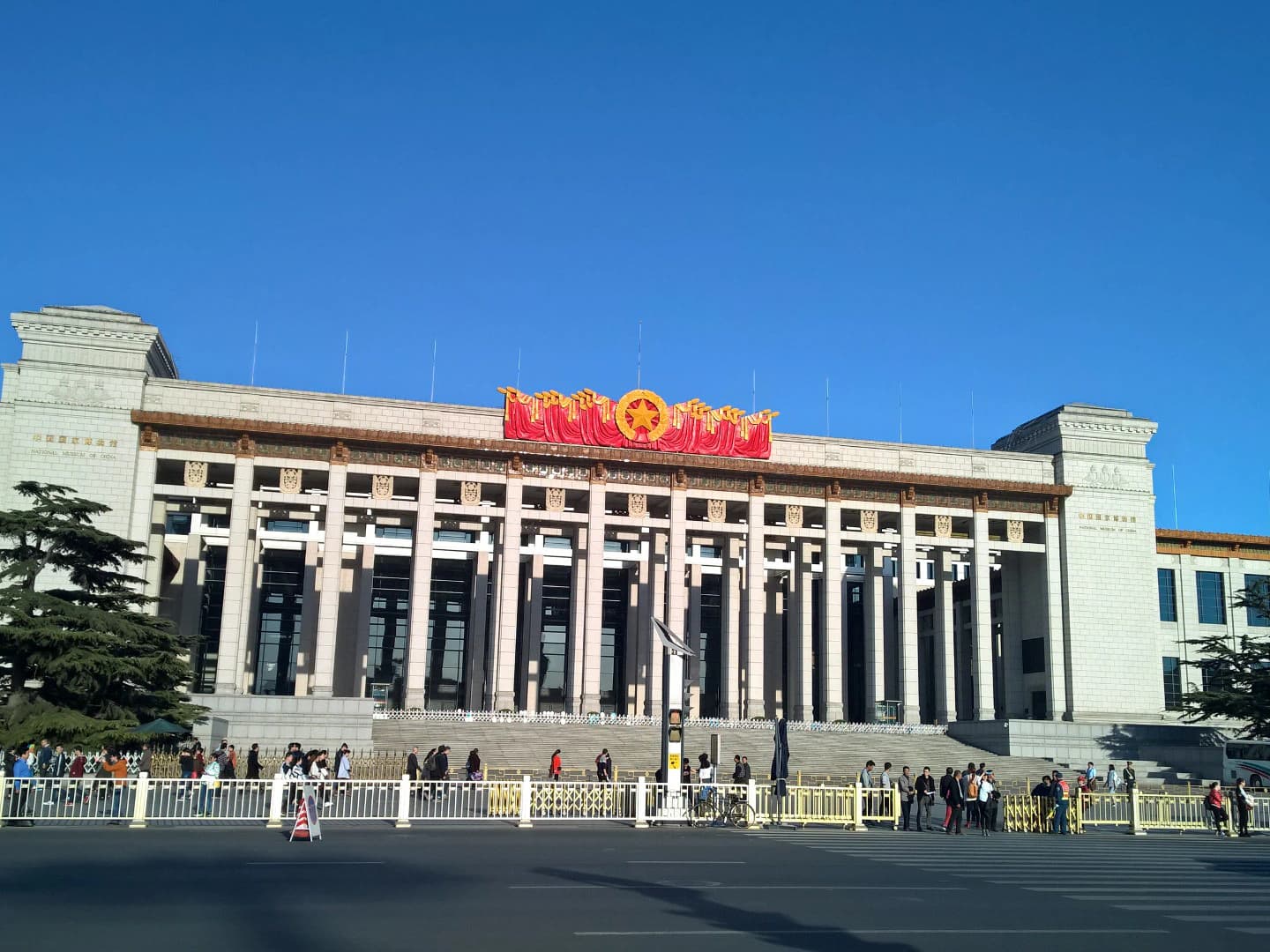
- National Museum and timed museums: Reserve well in advance and limit yourself to one major museum per day to avoid burnout.
- Great Wall transport and cable car tickets: Confirm the exact section (e.g., Mutianyu vs. Badaling), specific departure/return points, and cable car inclusions rather than booking a vague "Great Wall tour."
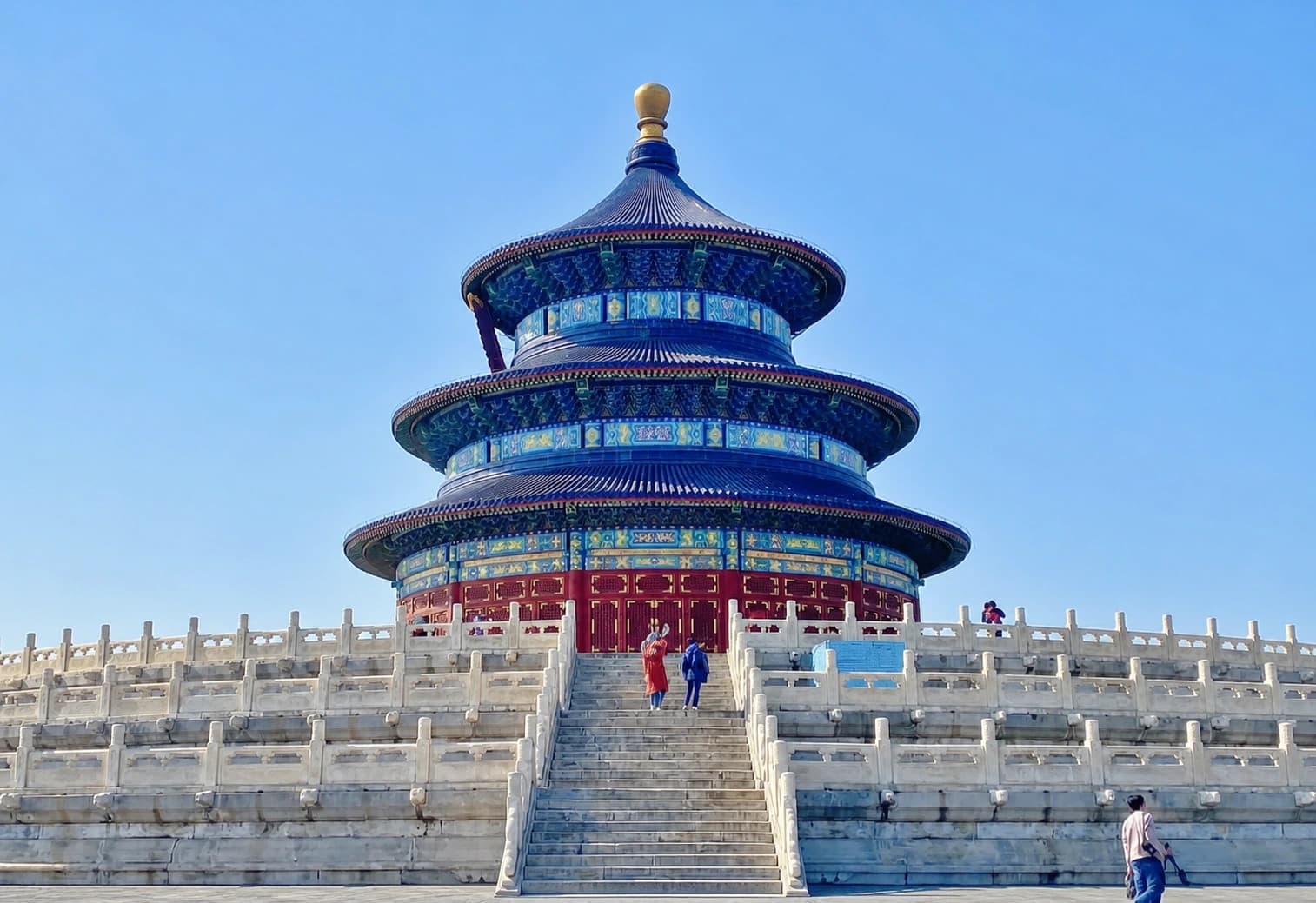
- Summer Palace and Temple of Heaven: Check whether you need general admission or an all-inclusive combo ticket (through-ticket) to access interior sights, and check seasonal operating hours.
When booking a third-party package, verify exactly what it includes: admission, reservation assistance, round-trip transport, professional guiding, or only a suggested route. When a suitable tracked product exists, Trip.com is the preferred commercial option, but official venue notices and same-day controls still determine admission.
Classic Attractions
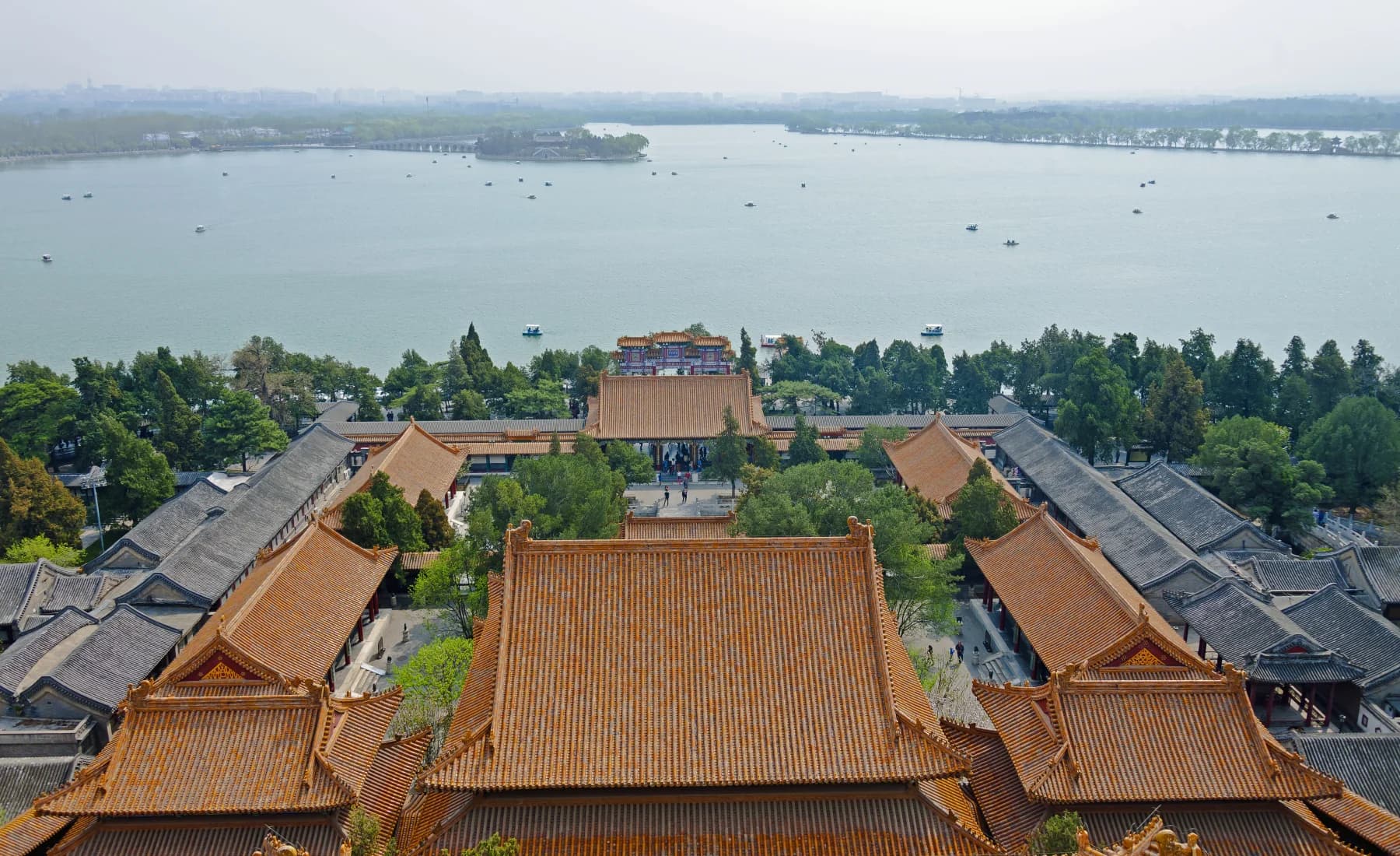
The strongest first-time combinations are:
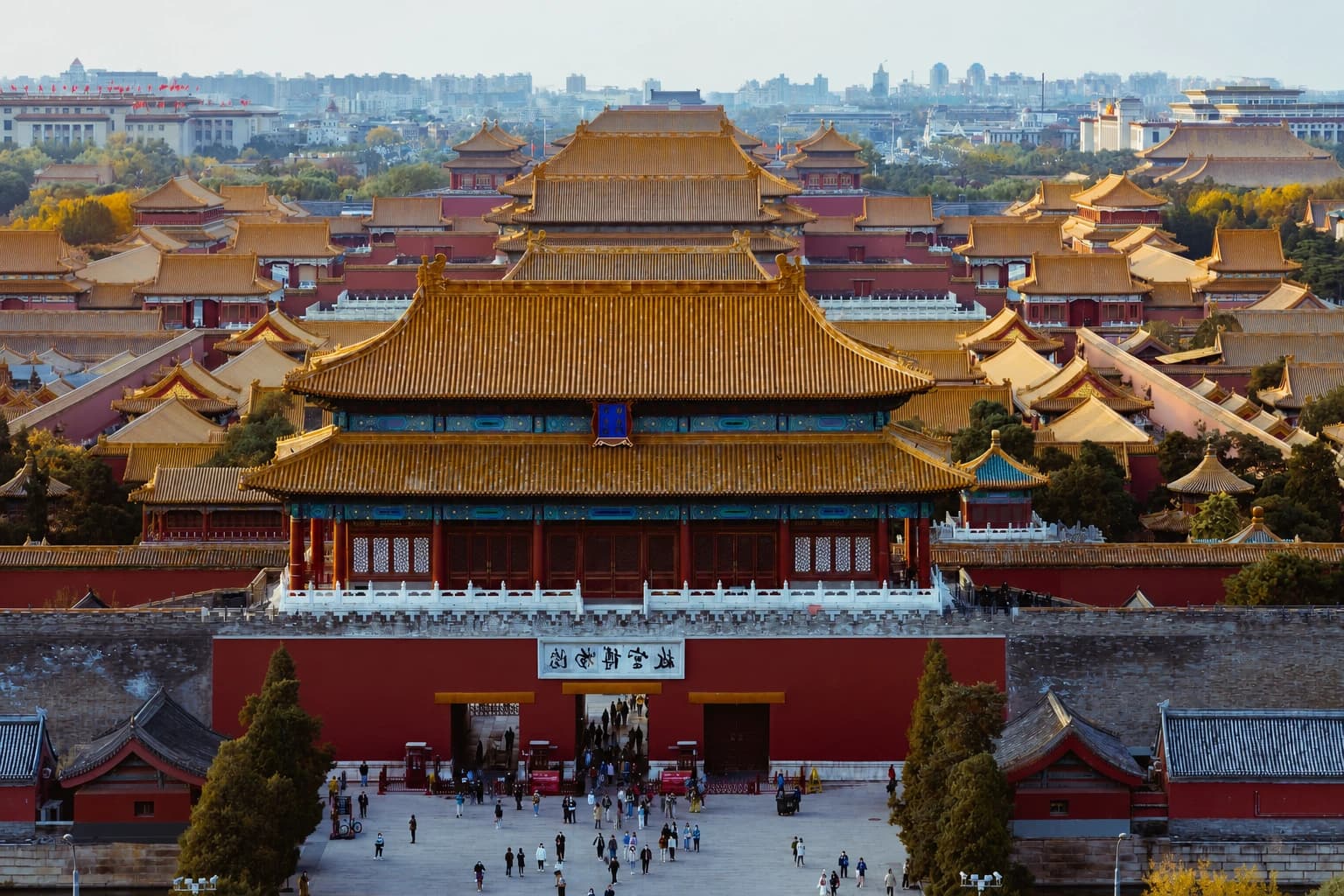
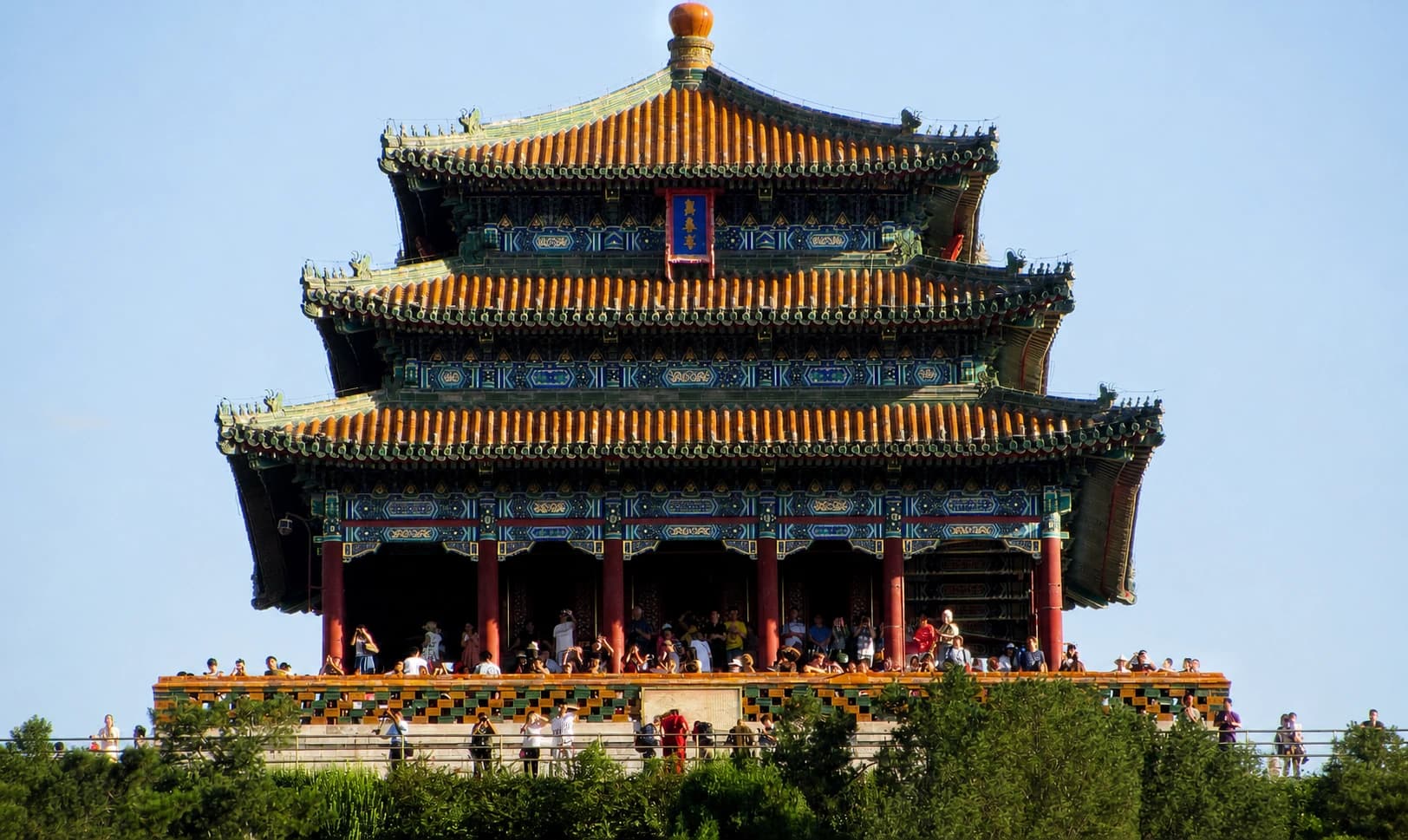
- Forbidden City → Jingshan Park: Complete the south-to-north palace walkthrough, then climb Jingshan's Wanchun Pavilion for panoramic 360-degree views along the imperial central axis.
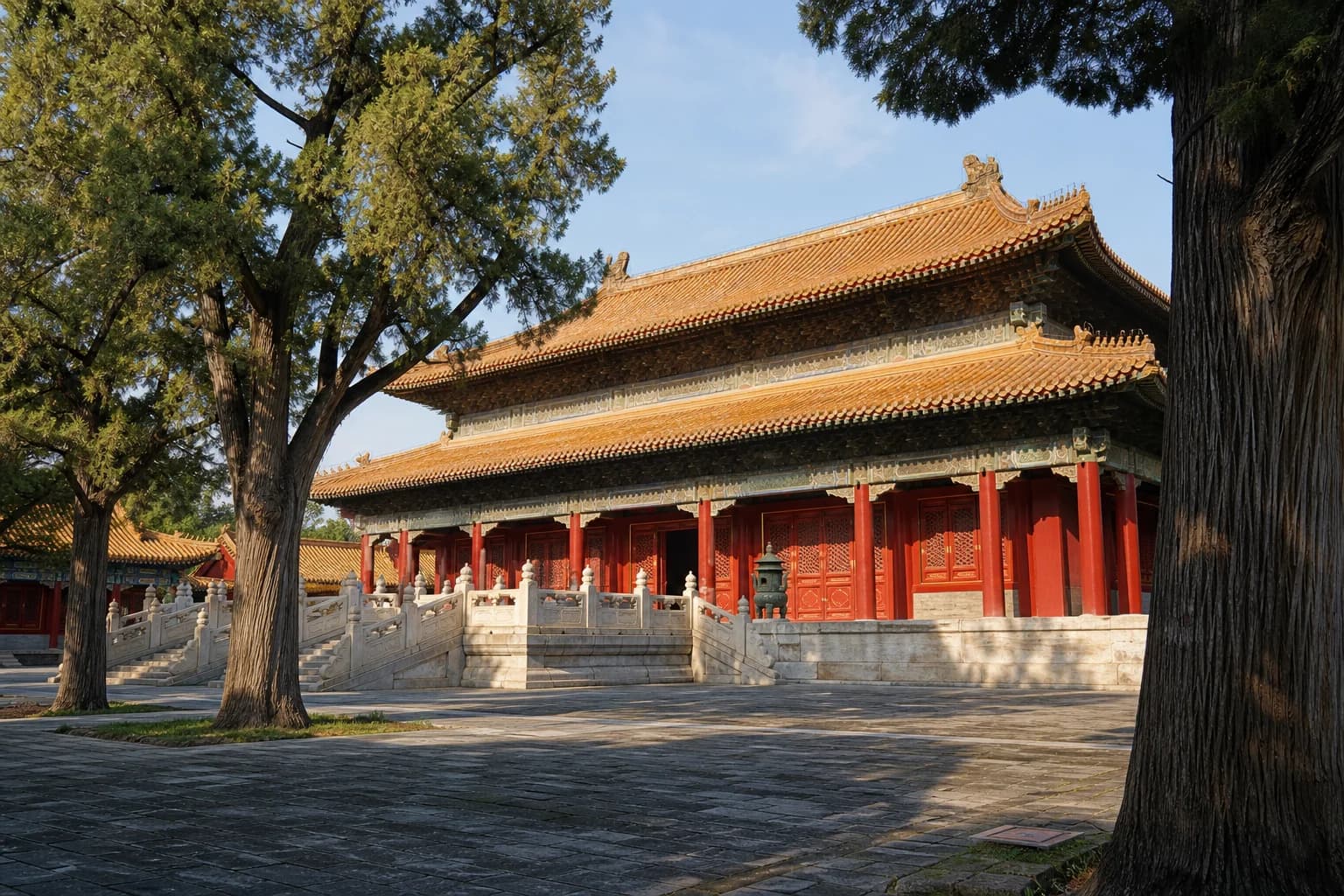
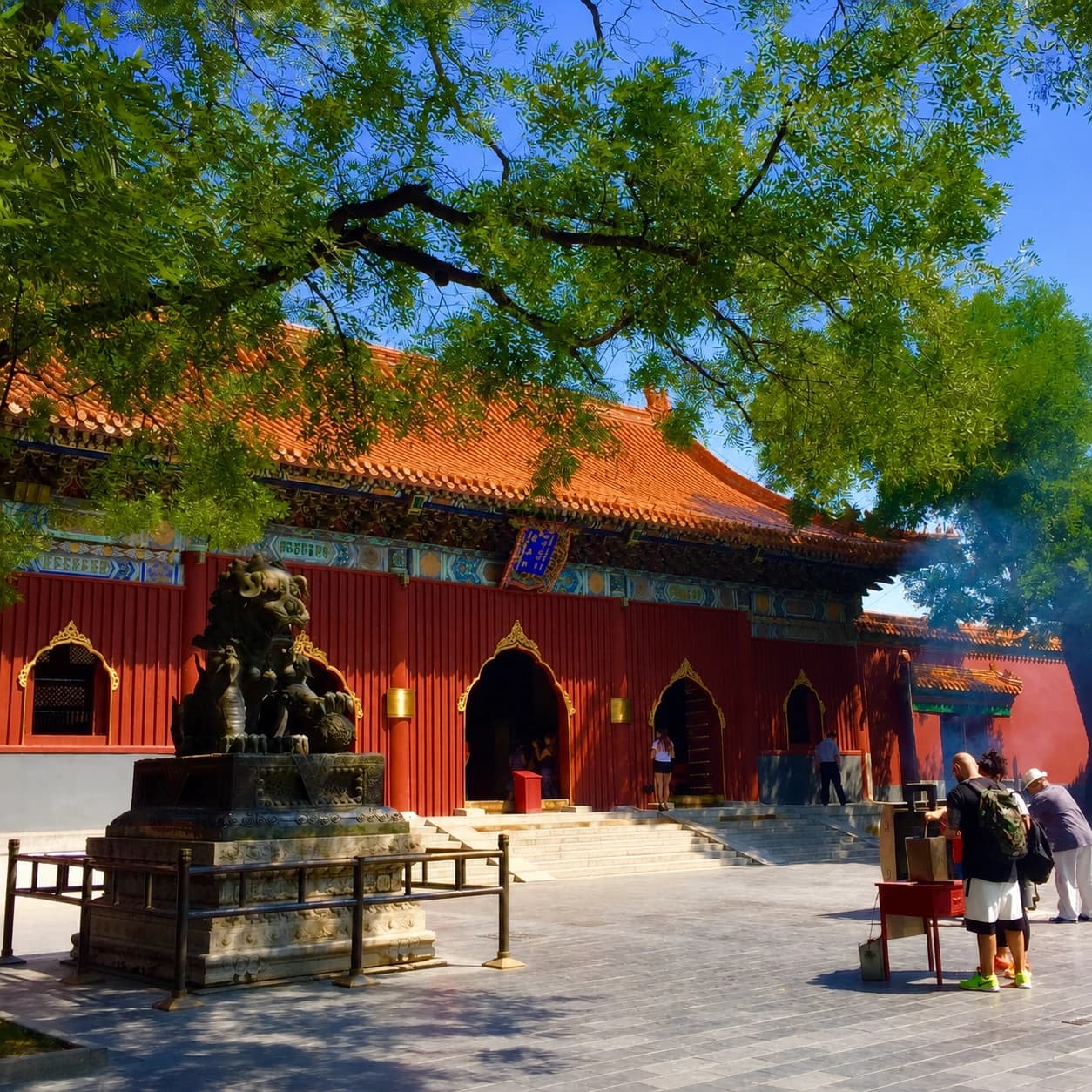
- Lama Temple (Yonghegong) → Temple of Confucius & Imperial Academy (Guozijian): Experience active Tibetan Buddhist worship, Confucian heritage, and classical imperial architecture in a single walkable historic quarter.
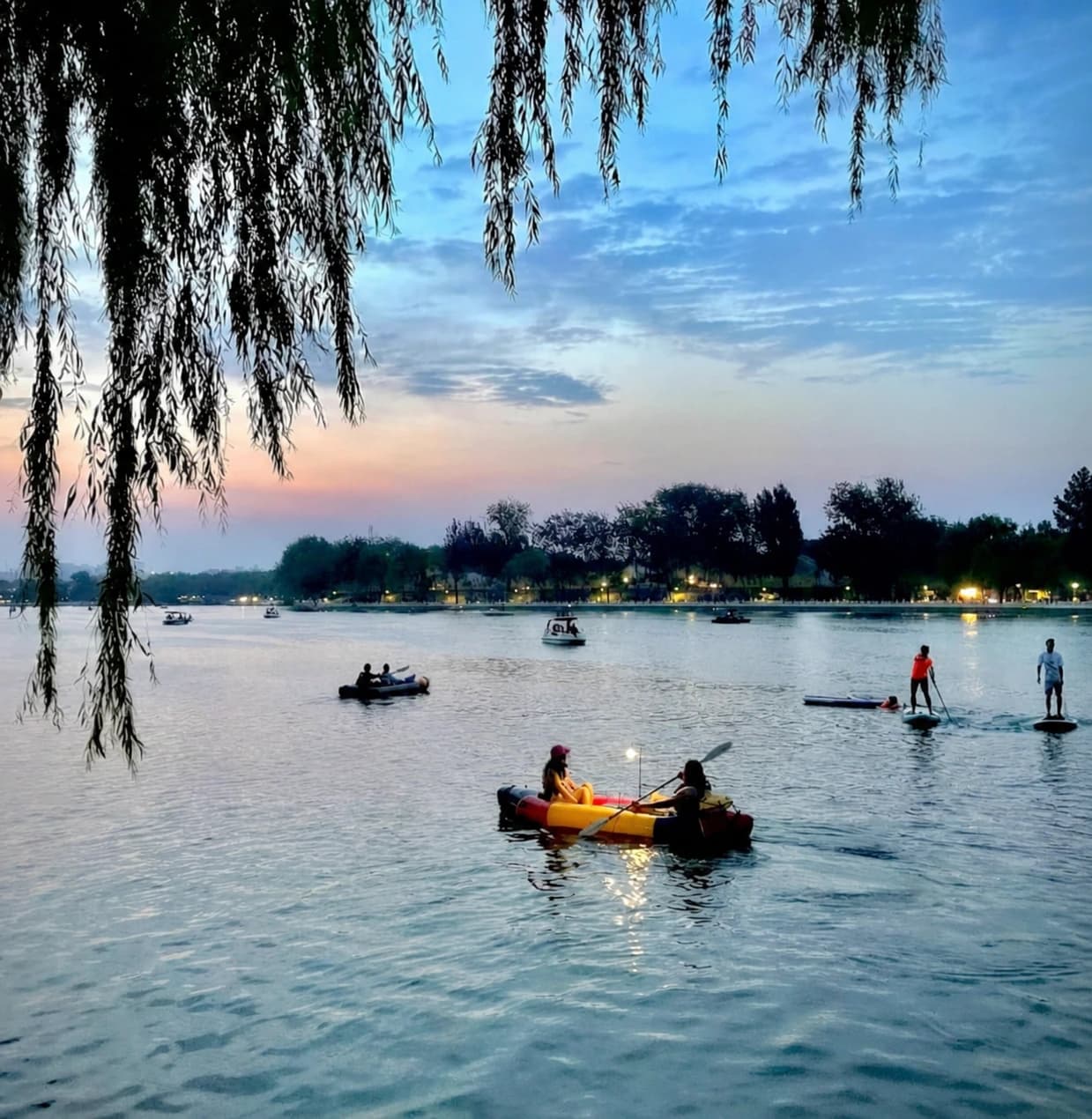
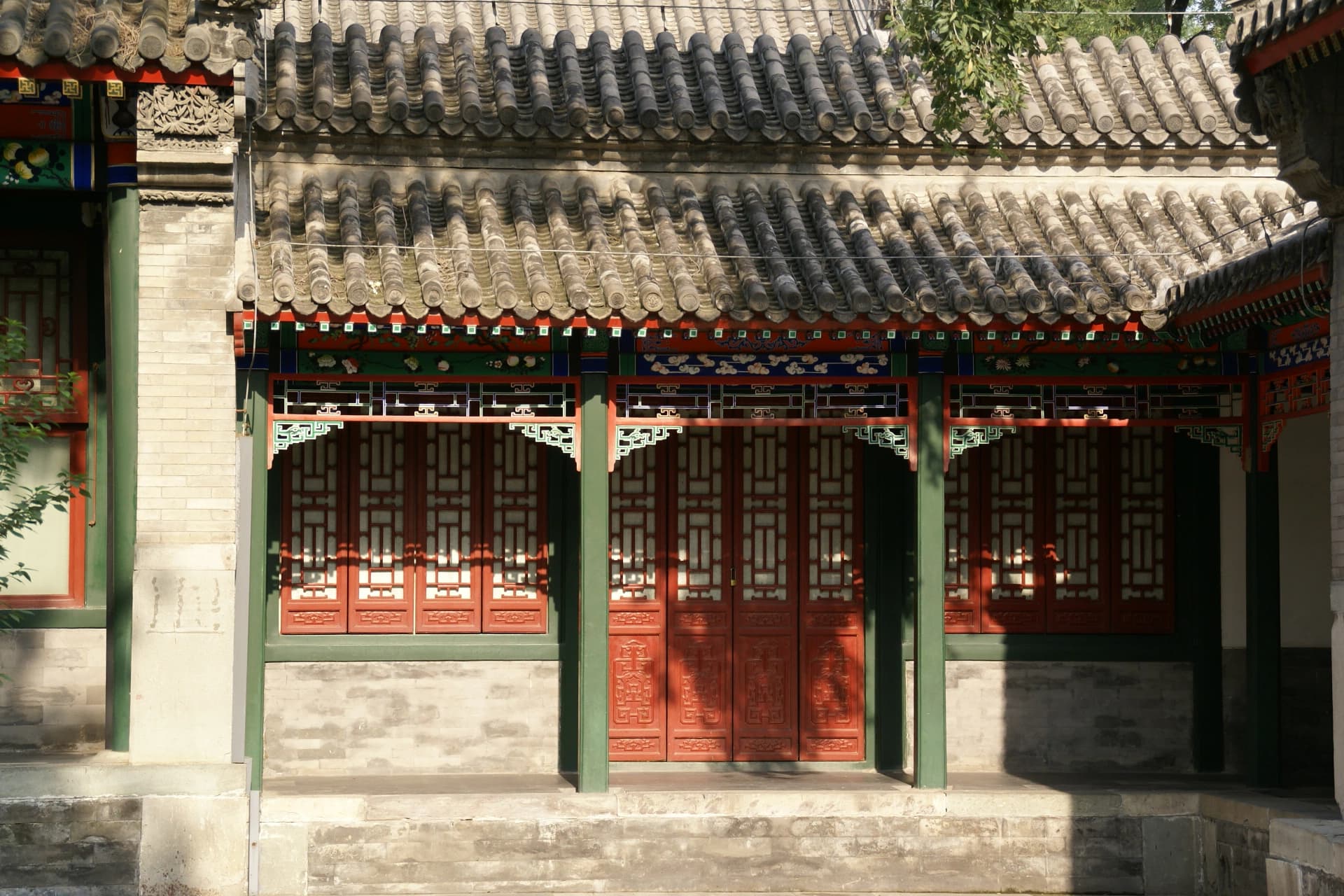
- Prince Kung's Palace → Shichahai Lakes: Explore a grand Qing-dynasty courtyard mansion and garden before strolling along the scenic Houhai lakefront and hutong alleys.
- Summer Palace: Treat this as a dedicated half- or full-day visit; decide on your entry gate and walking route in advance to avoid unnecessary backtracking across the vast grounds.
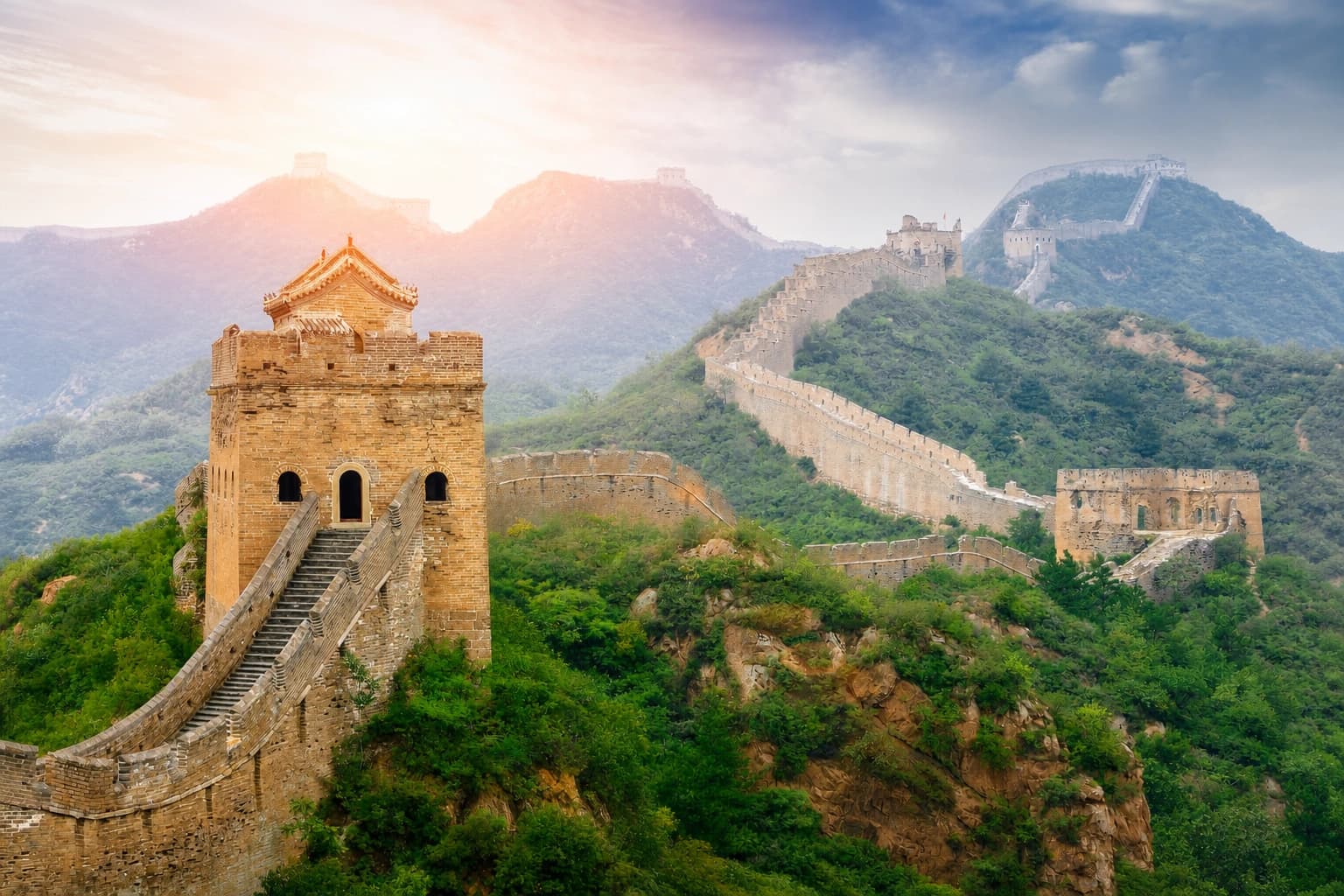
- Badaling Great Wall: Dedicate a full day to this monumental landmark, planning your high-speed rail or bus transport, weather preparations, and cable car preferences ahead of time.
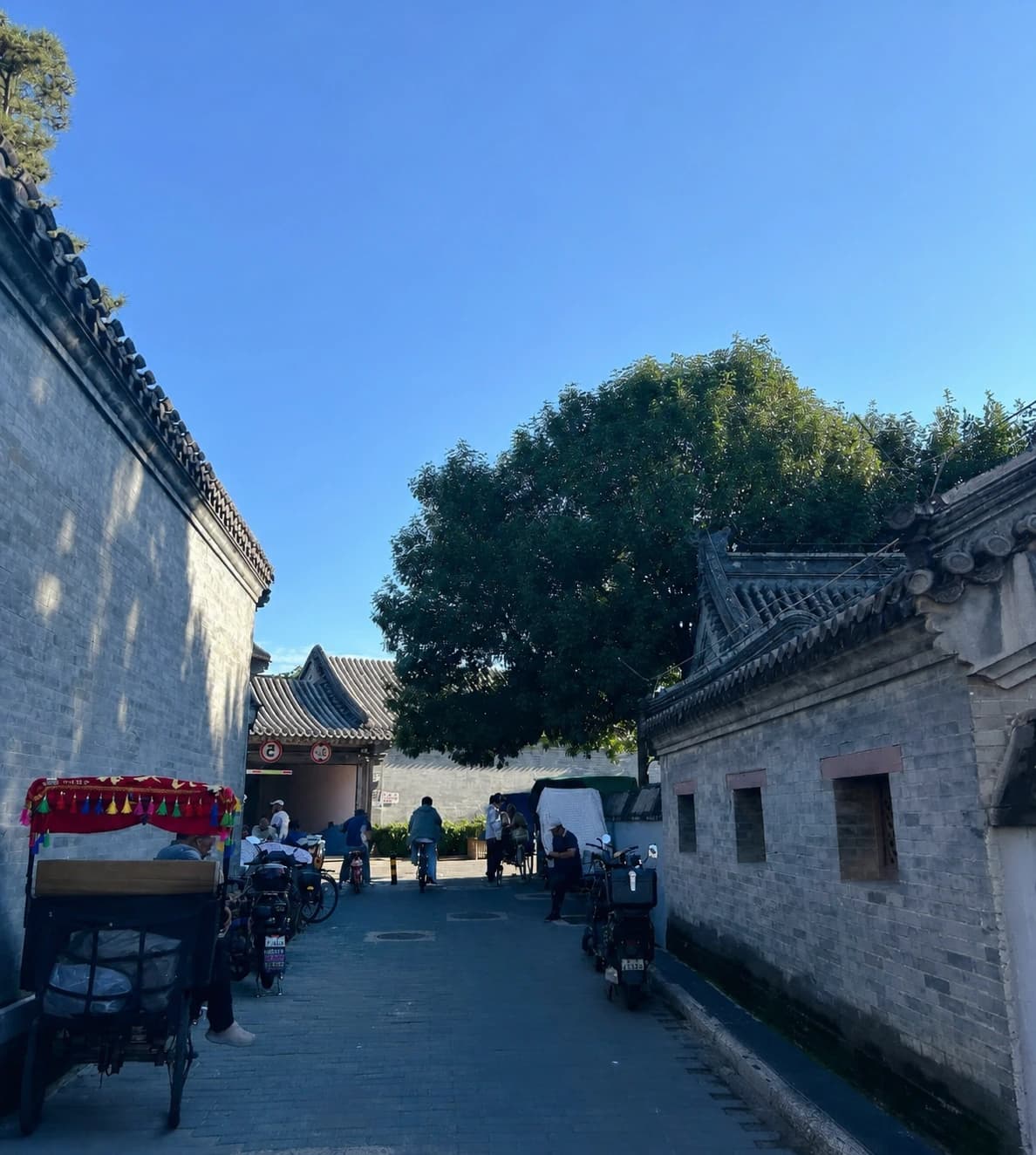
Nanluoguxiang works well as a lively shopping corridor and dining connector, but it shouldn't be mistaken for preserved, quiet old-town life. To experience authentic hutong culture, wander a few steps off the main commercial strip into the surrounding residential alleys, keeping noise low to respect local residents.
Where to Stay
- Wangfujing / Dongdan: The top base for first-time visitors seeking central axis convenience, easy morning access to the Forbidden City, and excellent subway connectivity; rates are higher and the vibe is primarily commercial.
- Qianmen / Dashilan: Ideal for historic evening strolls and quick access to the Temple of Heaven. Note that courtyard boutique hotels may lack elevators, and vehicles might not have direct door-to-door alley access.
- Dongsi / Northern Dongcheng: Perfect for atmospheric hutong living, charming local eateries, and proximity to the Lama Temple; slightly further when transferring to Daxing International Airport.
- Xidan: A convenient central-west hub offering easy subway transit between central historic landmarks and the Summer Palace, surrounded by major shopping complexes.
- Haidian / Xiyuan: Best if your itinerary centers on the Summer Palace, Old Summer Palace (Yuanmingyuan), or university campuses; less practical for a short stay focused on central heritage sites.
- Guomao (CBD) / Sanlitun: Outstanding for upscale dining, craft cocktail bars, nightlife, and modern hotels, though morning commutes to historical sights will be longer.
Compare Beijing hotels on Trip.com based on specific metro lines and walking distances to stations. Beijing is vast, so evaluating the exact hotel location is far more important than relying on broad district names.
Food: Choose the Meal for the Day
Peking duck
Enjoy this iconic roast duck dinner on an evening when you have plenty of time to linger. When ordering, check whether a half or whole duck best fits your group, and confirm that pancakes, scallions, sweet bean sauce, and table-carving service are included. Quality can vary between branches even within famous heritage restaurant chains.
Copper-pot lamb hotpot
A classic Beijing culinary tradition (Shuanyangrou), especially comforting during crisp autumn days, winter visits, or after hiking the Great Wall. Expect a pure, unspiced clear broth that highlights the natural flavor of paper-thin sliced mutton, paired with rich sesame dipping sauce, pickled garlic, and fresh cilantro—distinctly different from spicy Sichuan hotpot.
Zhajiangmian and everyday northern food
Hand-pulled noodles with savory soybean paste (Zhajiangmian), handmade dumplings (Jiaozi), steamed buns (Baozi), and halal braised beef noodles offer fast, satisfying meals between sightseeing stops. Near tourist hubs like Qianmen or Xiyuan, check live review apps for wait times and branch quality rather than relying on outdated guidebook lists.
Snacks and markets
Note that Donghuamen Night Market closed permanently years ago. While commercial pedestrian snack alleys offer quick tastings, head to neighborhood food pockets around Huguosi, Niujie (the historic Muslim quarter), or Dongsi for authentic Beijing street snacks like rolling donkey (Lüdagun) and traditional Beijing-style pastries.
Weather and Pace
- Spring (March–May): Expect pleasant sunshine alongside occasional windy days, seasonal dust storms, and broad temperature swings; bring light layers and sun protection for open courtyards and wall climbs.
- Summer (June–August): Hot, humid weather and afternoon downpours require smart pacing, hydration, and midday indoor breaks. Avoid scheduling two massive outdoor heritage complexes on the same day.
- Autumn (September–November): Beijing's finest travel season, featuring crisp air, golden ginkgo foliage, and clear blue skies. Book accommodations and tickets extra early due to high domestic demand.
- Winter (December–February): Freezing temperatures and dry northern winds bring striking blue skies, dramatic crowd-free vistas, and frozen lakes, though scenic sites operate on shorter winter opening hours.
Beijing's subway network is clean, fast, and remarkably comprehensive. Use navigation apps like Amap or Apple Maps for current station exits and journey planning. Shared bikes are handy in many hutong districts, but central security controls can restrict riding and parking around Tiananmen Square and the Forbidden City.
Useful Final Rules
- Secure ticket reservations first, then build your daily route around those confirmed time slots.
- Limit yourself to one major palace or museum complex per half-day to prevent exhaustion.
- Dedicate an entire day to the Great Wall to account for travel time and hiking energy.
- Follow the one-way flow: Exit the Forbidden City from the north (Gate of Divine Prowess / Shenwumen) directly across to Jingshan Park; south-bound re-entry is impossible.
- Carry your original physical passport for real-name attractions and intercity rail journeys, plus a reliable power bank for mobile payments and navigation.
- Leave room for flexibility: Keep at least one unbooked meal and open evening in your schedule to relax or explore spontaneous neighborhood spots.
Beijing Specialties
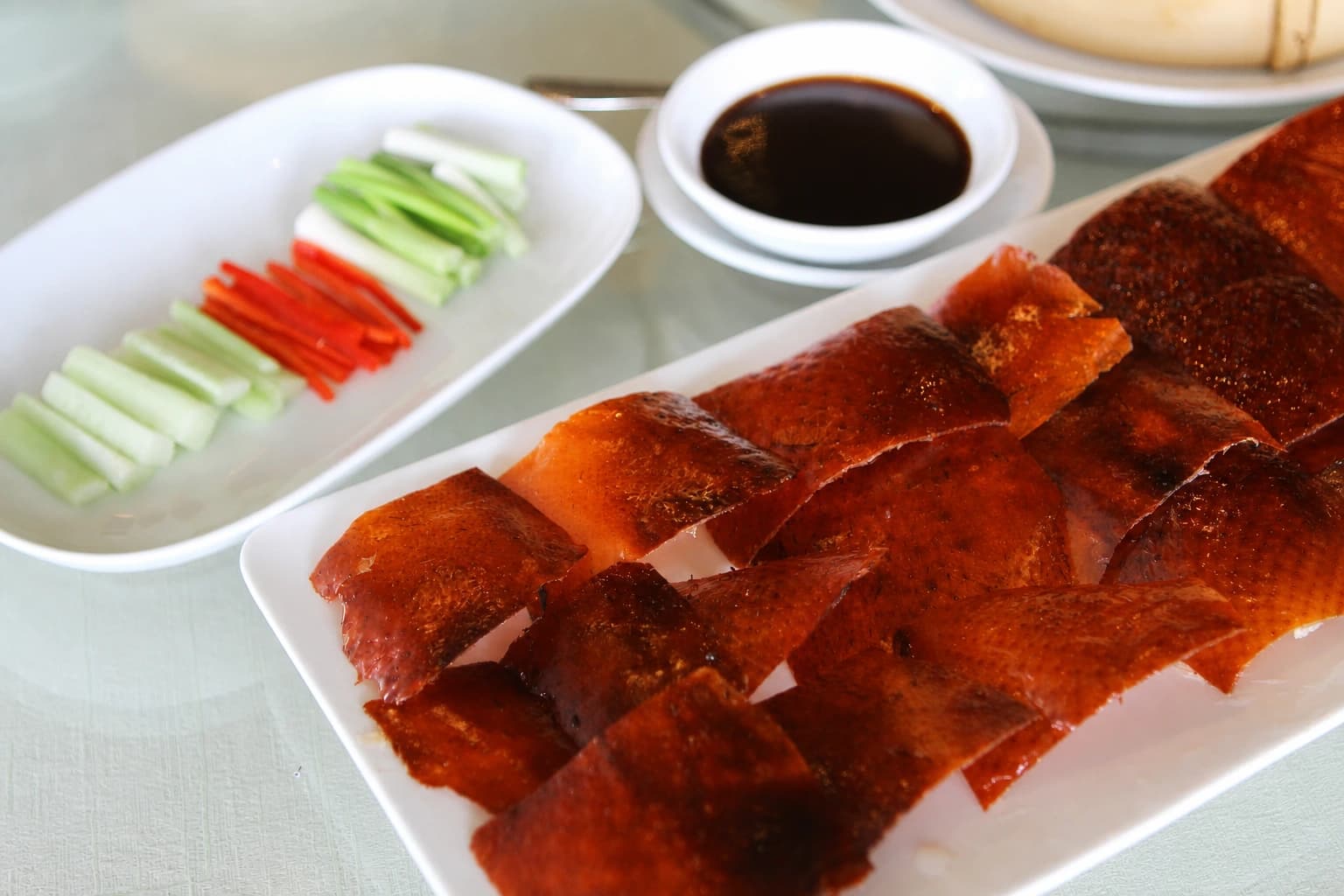
Peking Duck
Beijing's signature imperial dish, renowned for its crispy skin and succulent meat carved tableside, served with thin steamed pancakes, scallions, cucumber, and sweet bean sauce.
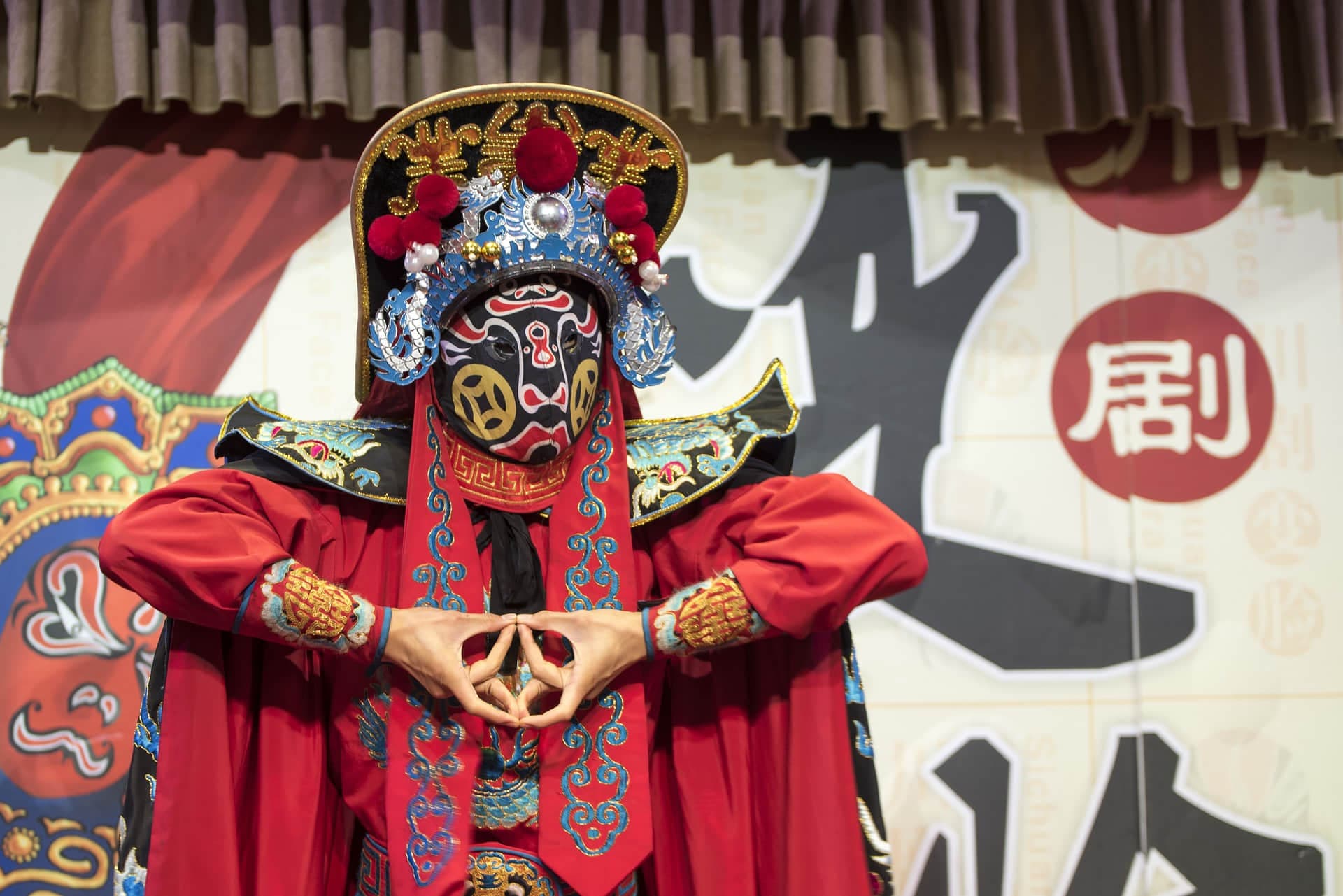
Beijing Opera Masks
Artisanal masks representing Peking Opera archetypes, where bold colors and intricate facial patterns symbolize distinct character traits and dramatic personalities.

Cloisonné
Known as 'Jingtailan' in Chinese, this ancient handicraft fuses delicate copper filigree with vibrant colored enamels, celebrated globally as an exquisite Beijing imperial art form.
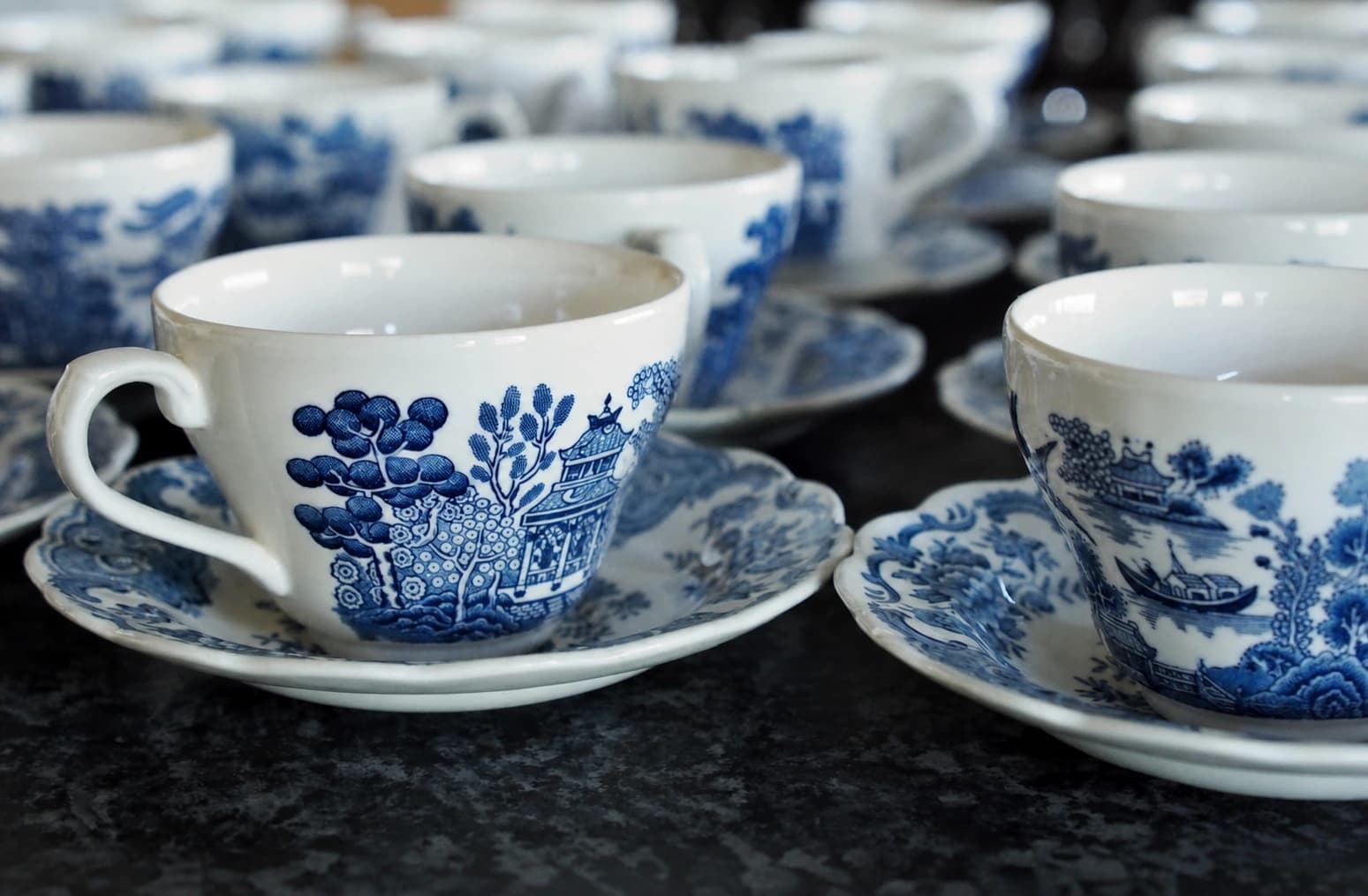
Jingdezhen Porcelain
While originating in Jingdezhen, imperial porcelain in Beijing reflects the royal court's exacting standards, famous for elegant blue-and-white motifs and refined glazes.
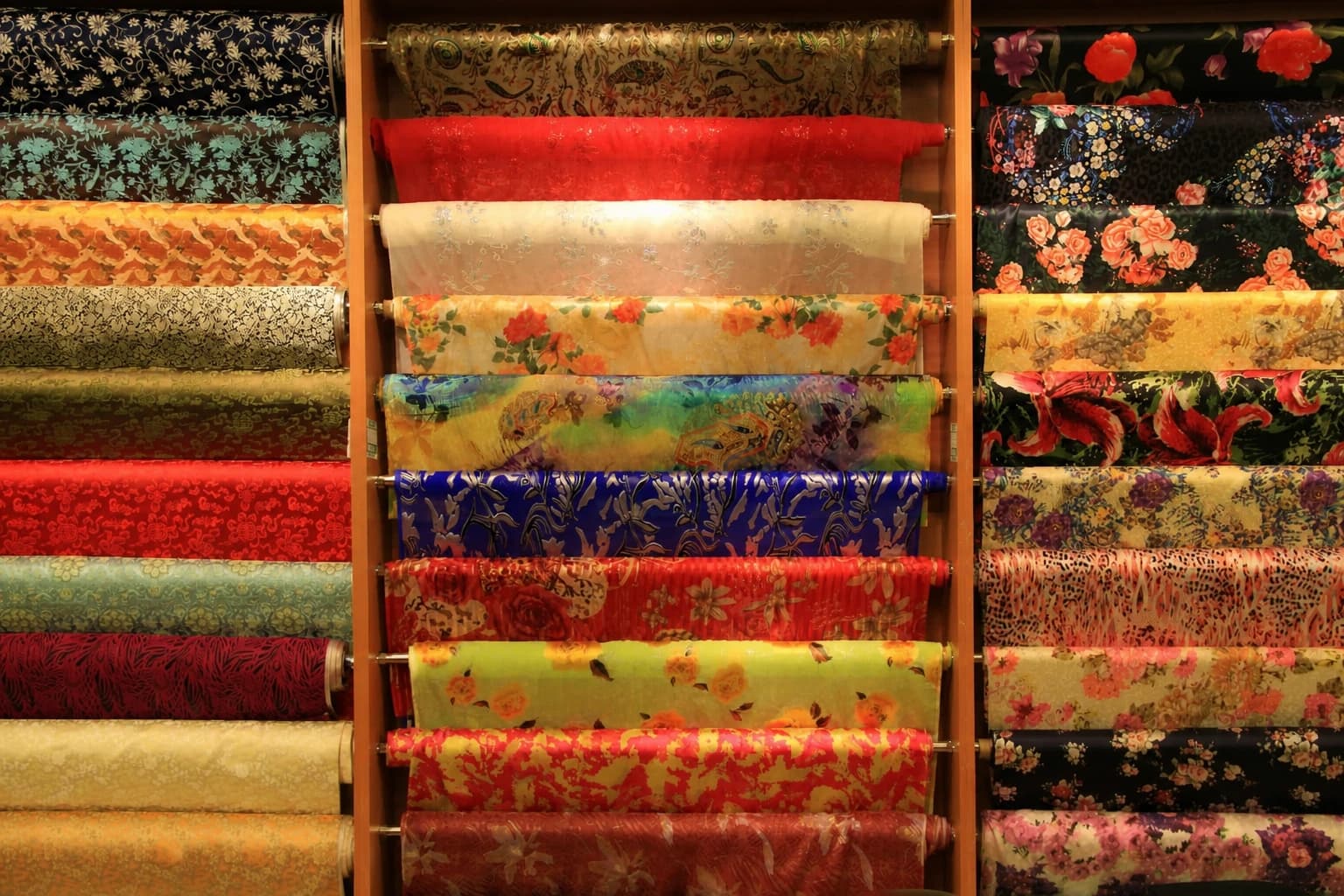
Beijing Silk
Fine silk fabrics featuring traditional Chinese patterns and embroidery, historically produced to supply lavish robes and decor for the imperial court.
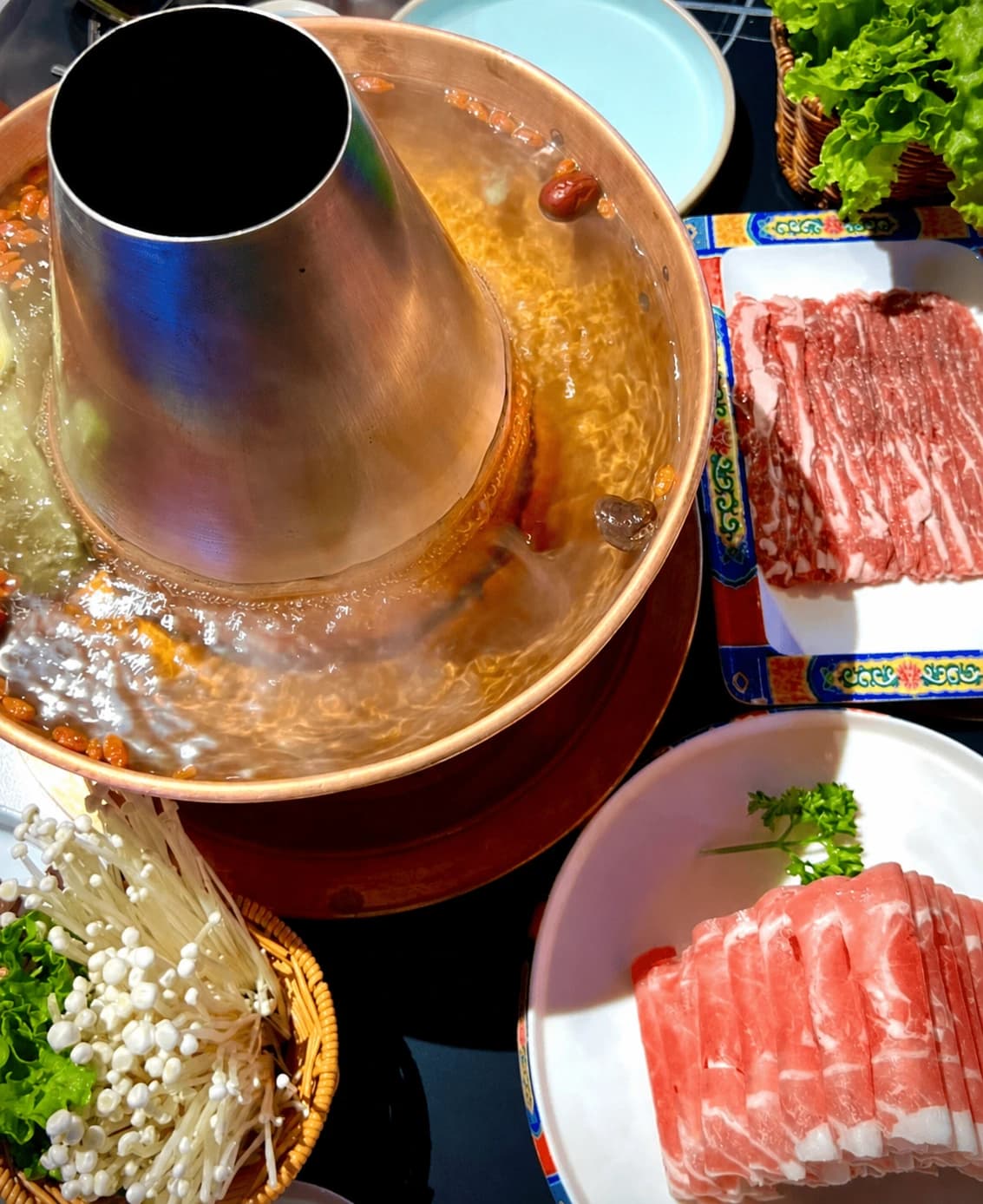
Instant-boiled Mutton
Known locally as 'Shuanyangrou', this traditional copper-pot hotpot features paper-thin slices of tender lamb flash-cooked in clear broth and dipped in savory sesame paste sauce.