Shenzhen
Shenzhen (深圳) is more useful when treated as several cities built beside one another. Huaqiangbei works at the scale of components, repair tools and shop counters. Futian works at the scale of civic axes, parks and towers. Nantou and Chiwan reveal histories that predate the Special Economic Zone, while Shekou and Shenzhen Bay explain how port industry, design and waterfront life fit the newer city.
The common first-trip mistake is to chase a beach, a mountain, a theme park and a downtown skyline on the same day. Shenzhen is long from east to west. Choose one geographic focus per day, keep weather-sensitive coast and park stops movable, and treat Hong Kong border time as part of the itinerary rather than invisible transport.
Choose the Right Route
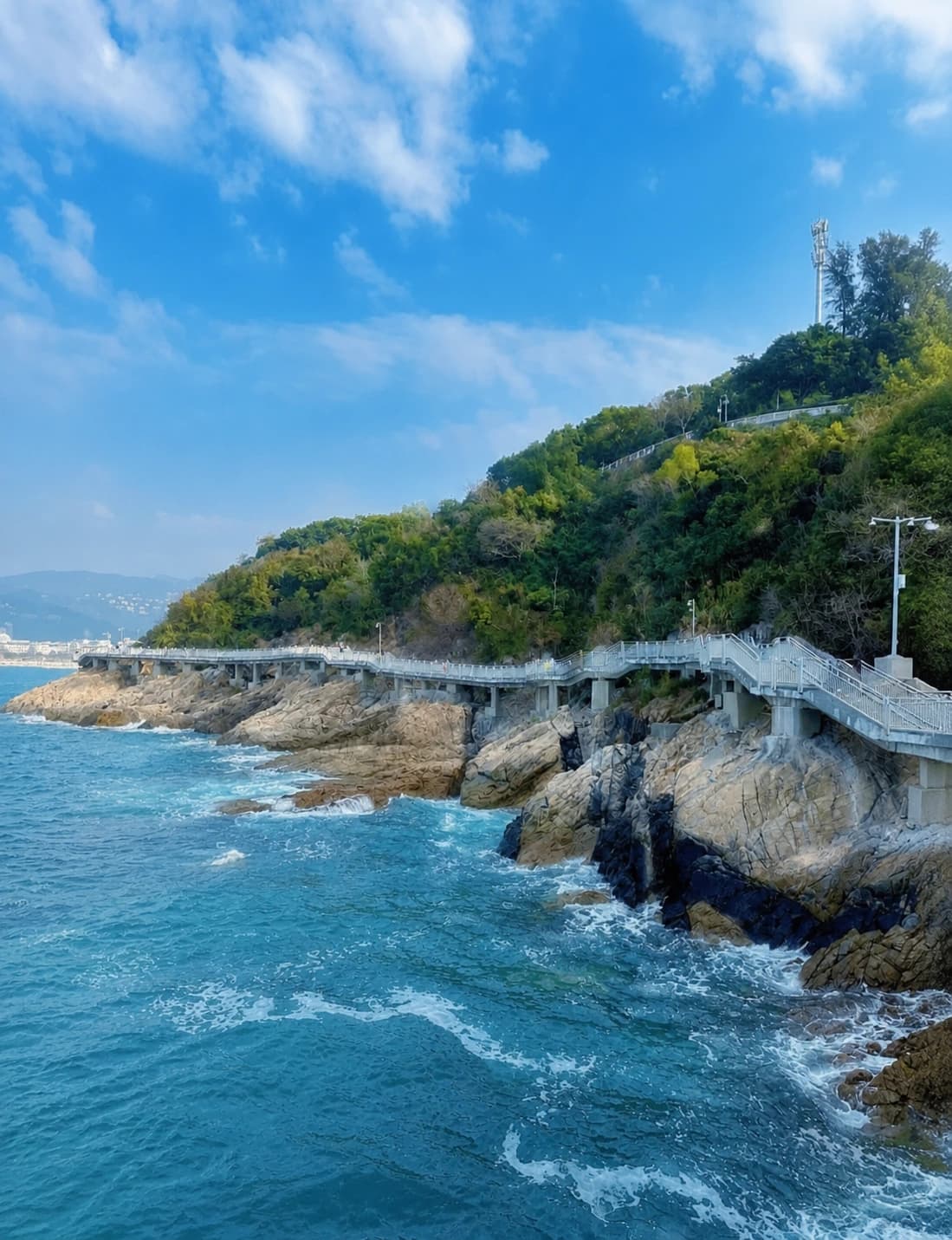
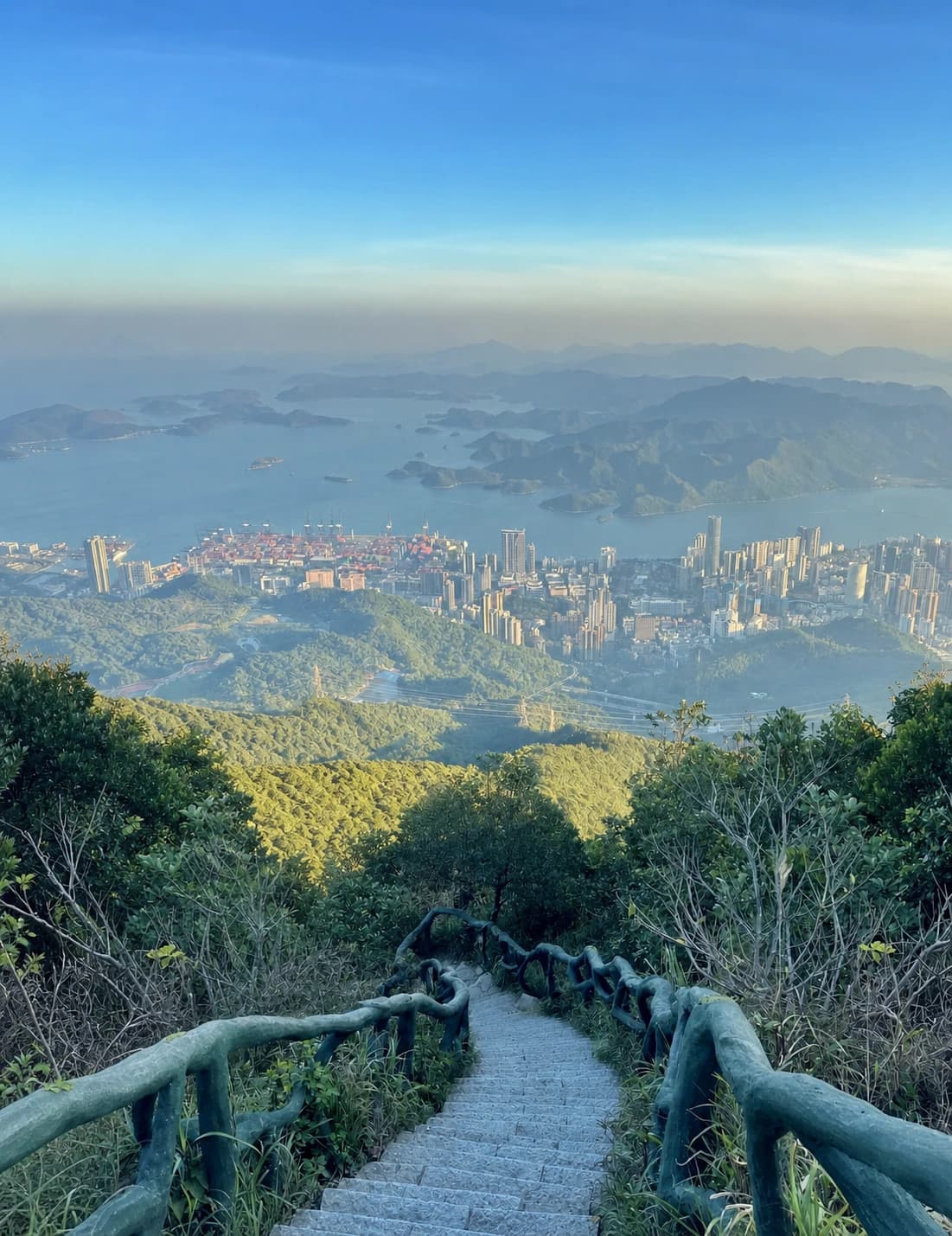
- Choose the new three-day first-trip route for the broadest introduction without crossing the city repeatedly.
- Choose the art and design route when museums, factory reuse, Nantou renewal and Shekou architecture are the main purpose.
- Choose the seaside route for Yantian, Dapeng and western waterfront clusters; it is not a downtown add-on.
- Choose the two-day hiking route only with suitable heat, rain, trail and coastal conditions.
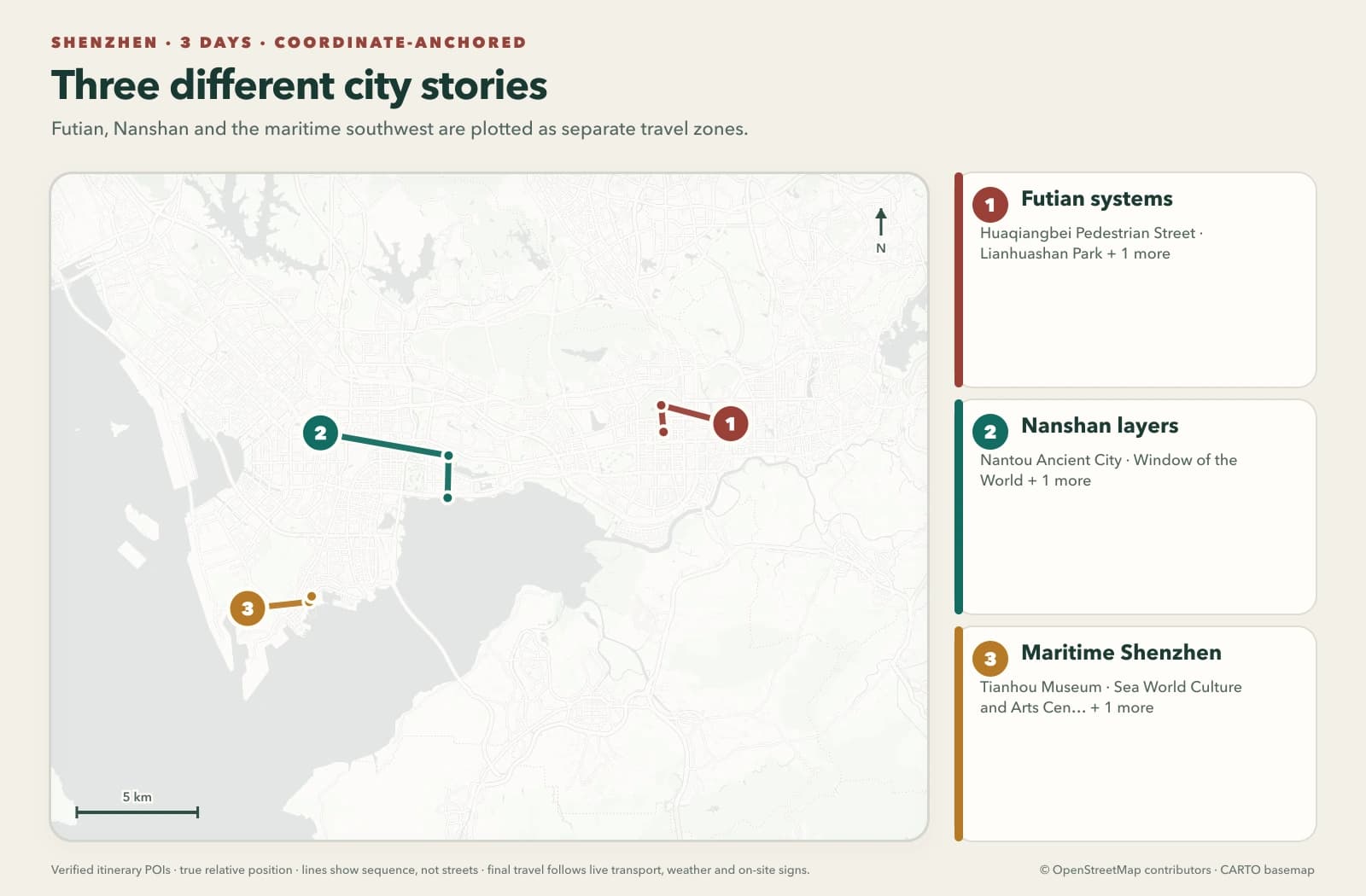
This is a sequence diagram, not a street map. Its map locations use verified GCJ-02 coordinates and its transfer times are Amap planning estimates; current signs, closures, traffic and transport notices control the real movement.
Day 1: From Components to the Civic Skyline
Begin on Huaqiangbei Pedestrian Street. Its distinctive subject is not “cheap electronics” but the relationship among parts, repair, prototyping and finished products. Browse counters slowly, ask before photographing merchandise, and do not buy a high-value device without testing the exact unit, checking regional compatibility and obtaining written warranty and return terms.
Move west to Lianhuashan Park for shade and a change of scale. Climb only when heat, rain and mobility allow; the upper viewpoint makes Futian's planned civic axis more legible. Finish at Shenzhen Civic Center around the changing evening light. Public-building entry and lighting can change, so the stable experience is the outdoor relationship among plaza, park and skyline.
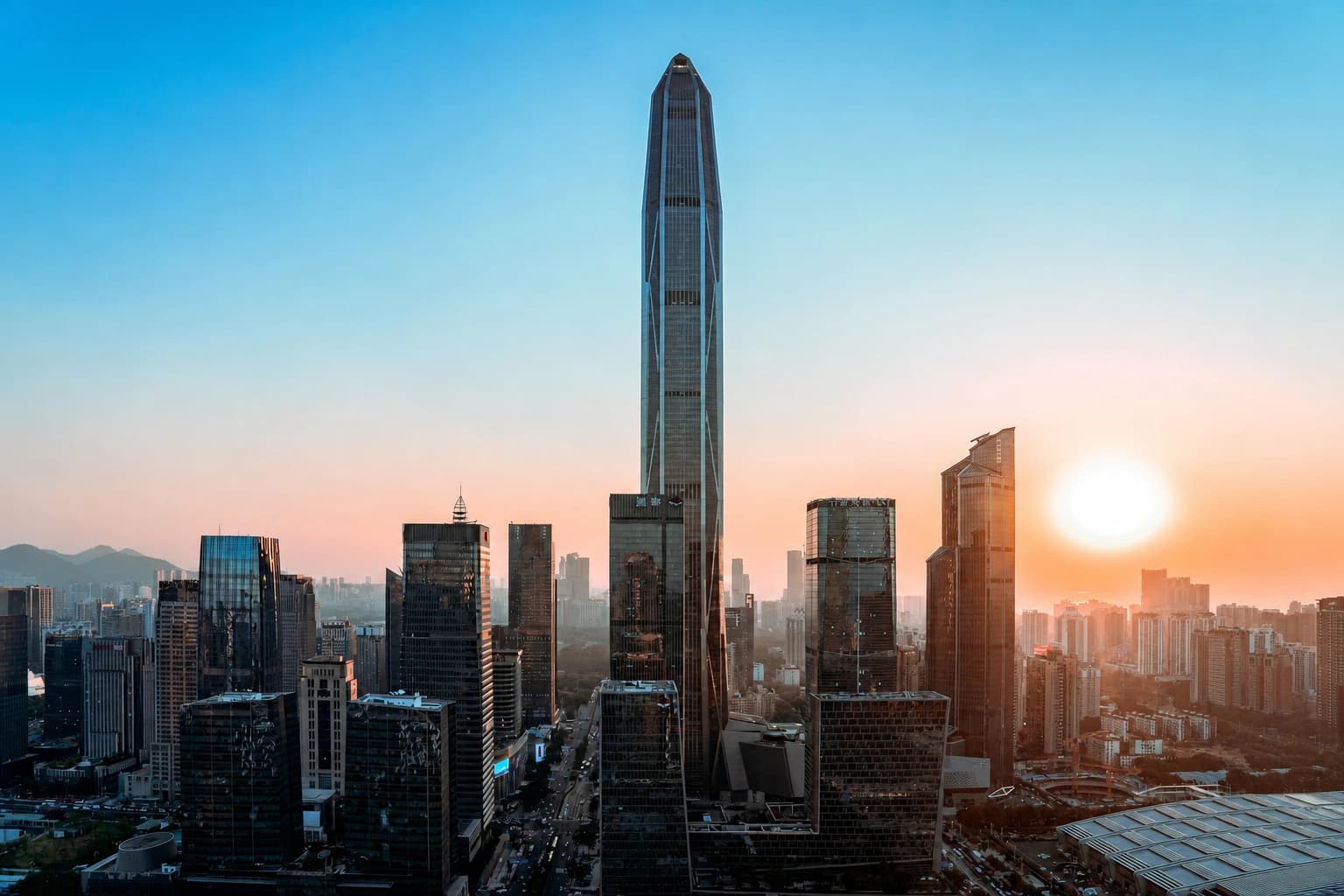
This day explains Shenzhen's speed without repeating the false “fishing village to megacity overnight” shortcut. The city's growth depended on migration, manufacturing networks, policy, infrastructure and many older settlements that did not disappear when the skyline arrived.
Day 2: Old City, Global Spectacle, Local Coast
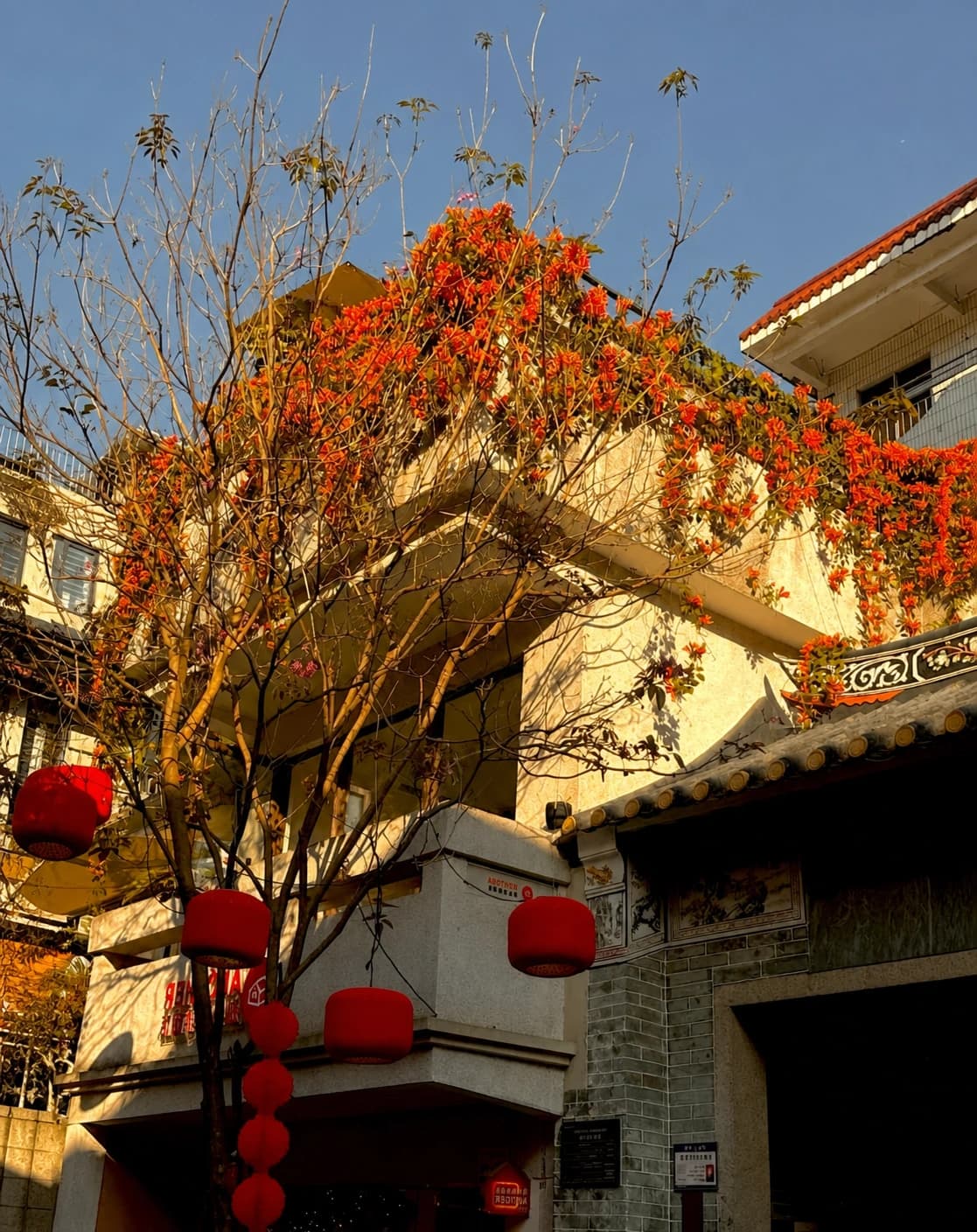
Start at Nantou Ancient City and look for layers rather than a perfectly preserved old town: gates and surviving historic fabric sit beside inserted studios, cafés and retail. The contrast is the point, but a renewed lane should not be mistaken for proof that every storefront or exhibition is historic.
Make Window of the World an optional paid branch, not an automatic half-day. If miniature architecture, rides or performances matter, check the park's live notice and the dated Trip.com product for the selected visit date. Old screenshots do not prove current hours, ride inclusion or show operation.
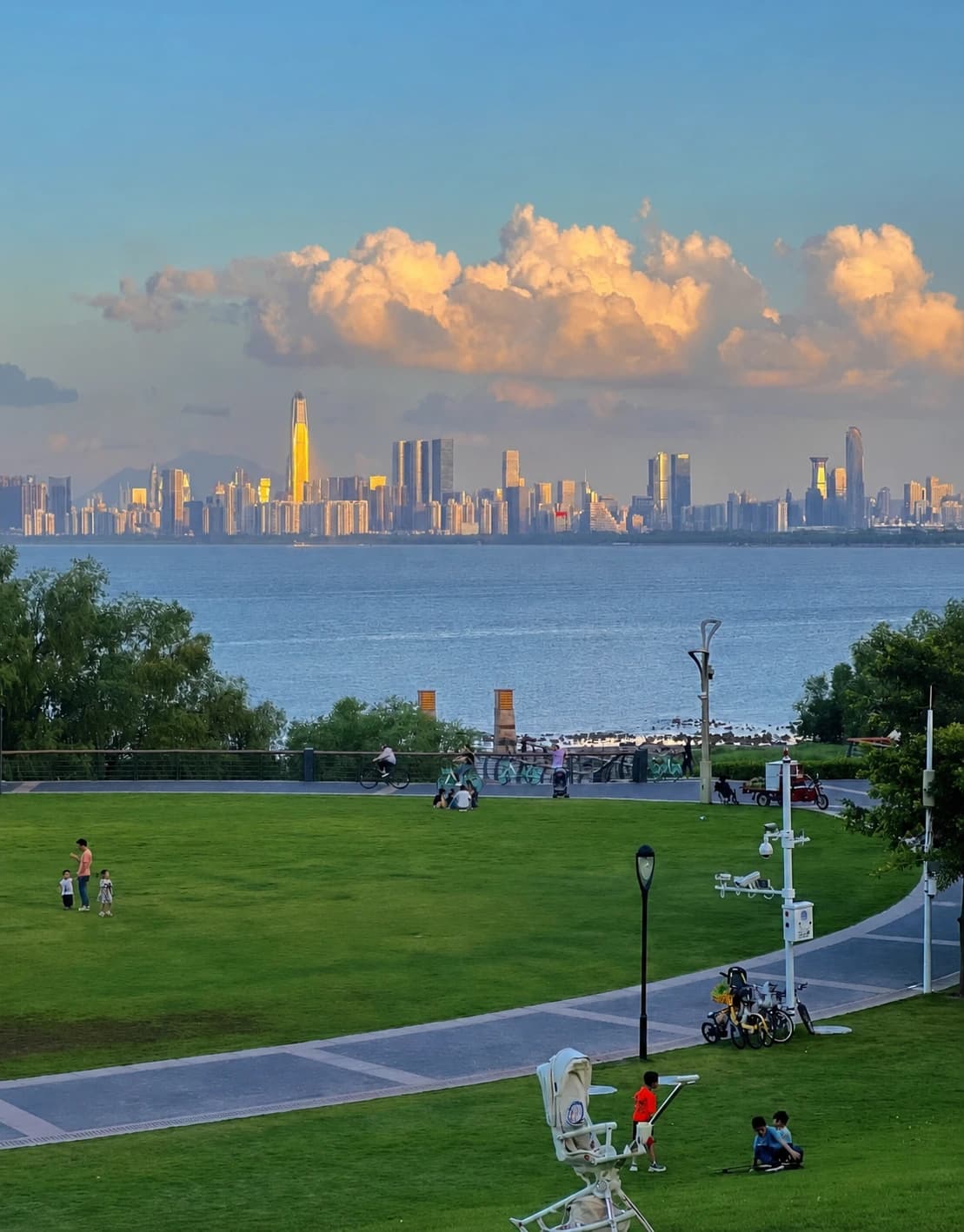
Finish on one chosen segment of Shenzhen Bay Park. Tide, visibility, humidity and severe-weather warnings decide whether this becomes a long walk or a short sunset stop. The waterfront is a habitat and exercise corridor as well as a viewpoint; keep clear of runners and cyclists and do not approach birds for photographs.
Day 3: Maritime Belief Before Waterfront Design
Chiwan Tianhou Museum provides the historical anchor. The municipal venue listing describes a museum built from the former Tianhou temple complex and connects it to maritime routes. It remains an active cultural and religious setting: keep worship space clear, dress respectfully and follow current photography signs. Special festivals and maintenance notices override the normal weekly pattern.
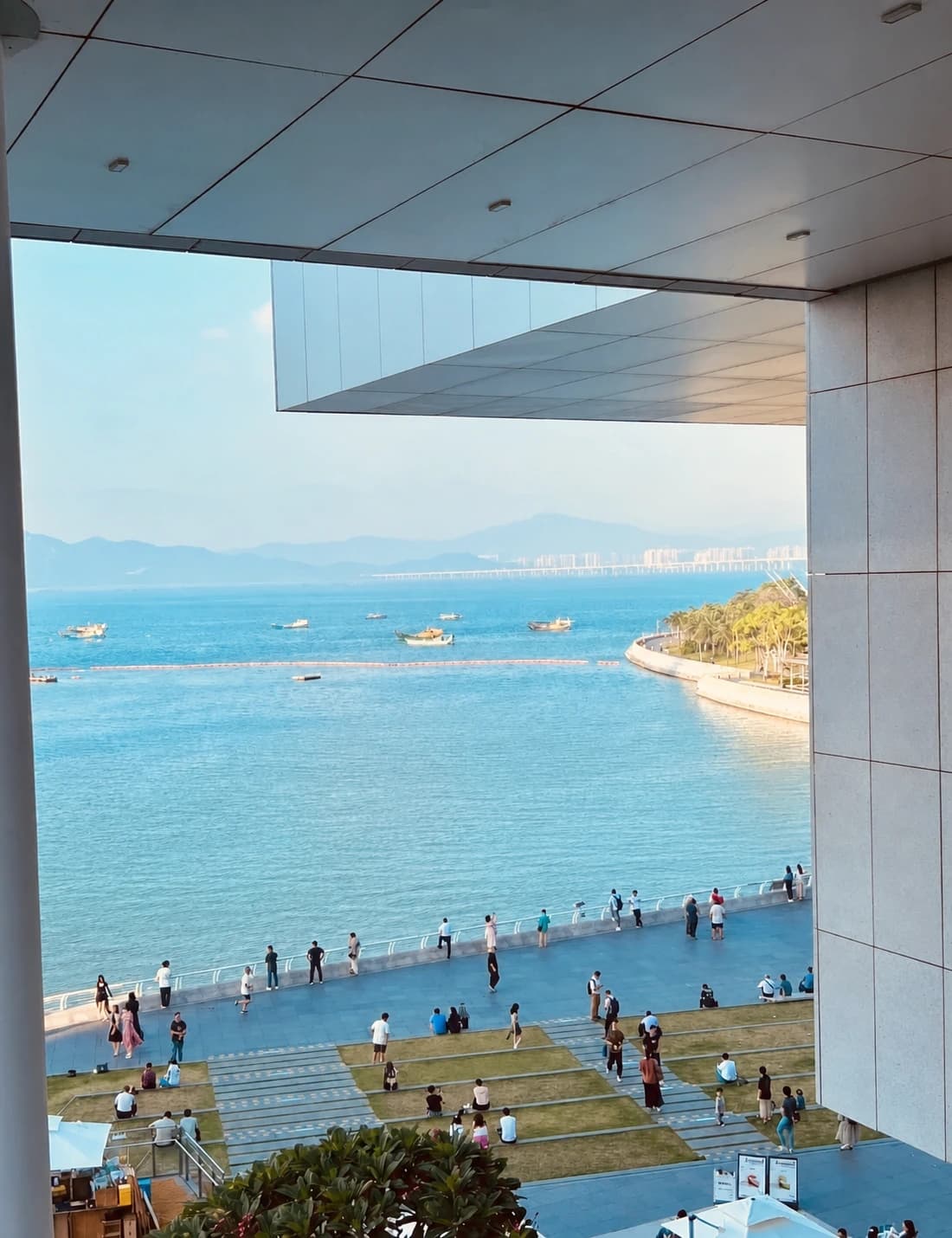
Continue to Sea World Culture and Arts Center. Select one current exhibition and spend equal attention on the building's sea-facing public edges. Ticketing varies by programme. The useful comparison is between Chiwan's maritime belief, Shekou's port history and a contemporary design institution—not the number of galleries completed.
End at Sea World for dinner. It is an international port-district dining area, not proof that every restaurant is locally historic. Use current menus, hygiene, seafood weight, preparation price and noise level to decide.
Food: Shenzhen Is a Migration City, Not One Menu
Coconut chicken hotpot
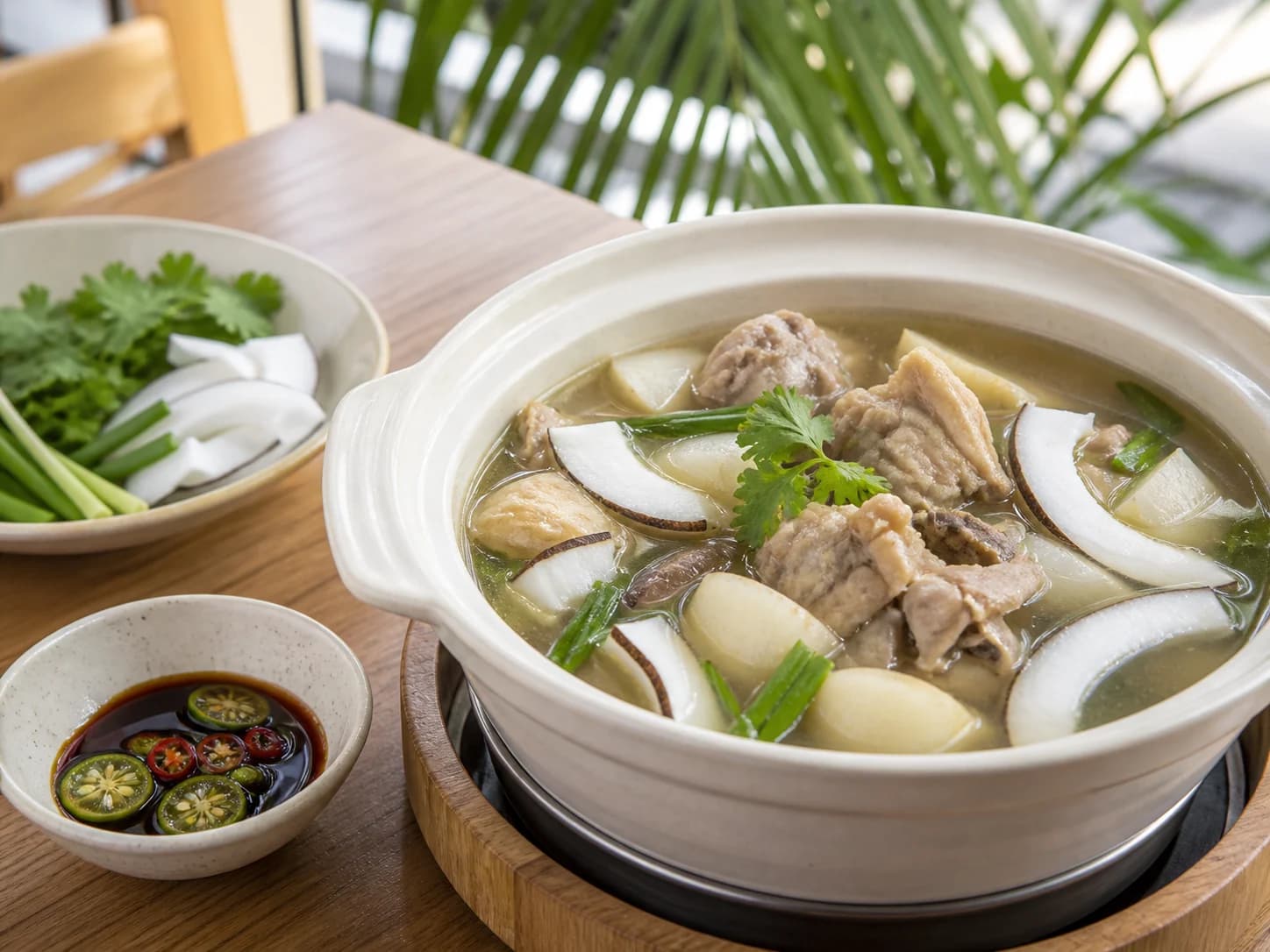
Coconut chicken works well after a walking day because it is shared and adjustable. Look for a clear broth, chicken added in sensible batches and a calamansi–soy dipping sauce that supplies acidity and salt. Ask whether the pot, chicken, coconut water, condiments and tea are priced separately.
Cantonese breakfast and roast meats
Dim sum, congee, rice-noodle rolls and roast meats fit an early or compact meal better than a famous-restaurant pilgrimage. Choose a clean, busy branch with readable prices and steady turnover. Tea charges, service, table sharing and portion size vary; verify them before ordering.
Hakka and Chaoshan choices
Shenzhen's migrant population makes Hakka stuffed tofu, salt-baked chicken, Chaoshan beef hotpot and marinated dishes natural staples of the city's food scene. Treat these as regional food traditions represented in Shenzhen, not dishes invented by the new city. For beef hotpot, current slicing turnover and a clear cut-and-price list matter more than a viral queue.
Seafood
In Shekou, Yantian or Dapeng, confirm whether the quoted price is per 500 grams, per dish or per specimen, and whether cooking carries a separate fee. Keep the receipt and reject protected or unfamiliar wildlife products.
Where to Stay
Futian
Best all-round base for a first trip, with practical access to the civic centre, Huaqiangbei, Shenzhen North connections and Futian Checkpoint. The district is broad: confirm the exact useful metro station and final walking route rather than trusting the word “Futian” in a hotel title.
Nanshan or Houhai
Best for Nantou, OCT, Shenzhen Bay and technology-company districts. It reduces days two and three travel but is less convenient for Luohu rail arrivals and eastern beaches. Houhai works for a polished waterfront base; Nantou or OCT works for more street-level evenings.
Shekou
Best for a slower port-district stay, Sea World dining and ferry-oriented travel. It is the wrong base for repeated Wutong, Yantian or Luohu days. Check how far the entrance is from a useful metro exit and whether nightlife noise reaches the room.
Luohu
Best for Lo Wu border access, older commercial streets and rail-oriented arrivals. It is less efficient for repeated Nanshan and Shekou days. Near-border hotels can sit inside complex station or shopping blocks, so verify the exact entrance and late-arrival access.
Compare Shenzhen hotels on Trip.com by station exit, border or rail purpose, room ventilation, construction noise and the real entrance—not district name alone.
Arriving From Hong Kong or Elsewhere
- Lo Wu / Luohu: useful for Luohu and the east side. Hong Kong's MTR links Lo Wu to the East Rail Line; check the current cross-boundary station information before travel.
- Lok Ma Chau / Futian Checkpoint: useful for Futian. The same current MTR information links Lok Ma Chau station with Futian Checkpoint; immigration time remains separate from the rail ride.
- Hong Kong West Kowloon–Shenzhen North or Futian: useful when a reserved high-speed train and the destination station match the hotel. Security, immigration and boarding cut-offs require additional time.
- Shenzhen Bao'an International Airport: allow for the airport-to-hotel leg; “Shenzhen” in an airfare search does not mean a downtown arrival.
Use current official border and operator notices, not a blog's fixed crossing hours. Carry the required travel document, complete current entry formalities, and keep the hotel name and address in Chinese.
Weather Is an Operating Rule
Shenzhen's warm, humid season can bring intense rain, thunderstorms and tropical cyclones. A pleasant morning does not guarantee a safe coastal or mountain afternoon. Check the current official forecast and warning signals before leaving the hotel, keep the Window/indoor branch movable, and do not enter an exposed waterfront, beach or ridge during lightning or severe-weather warnings.
October through December often provides more comfortable walking conditions, but no month guarantees clear air, low humidity or uninterrupted attraction operation.
Major Sights and Specialist Guides
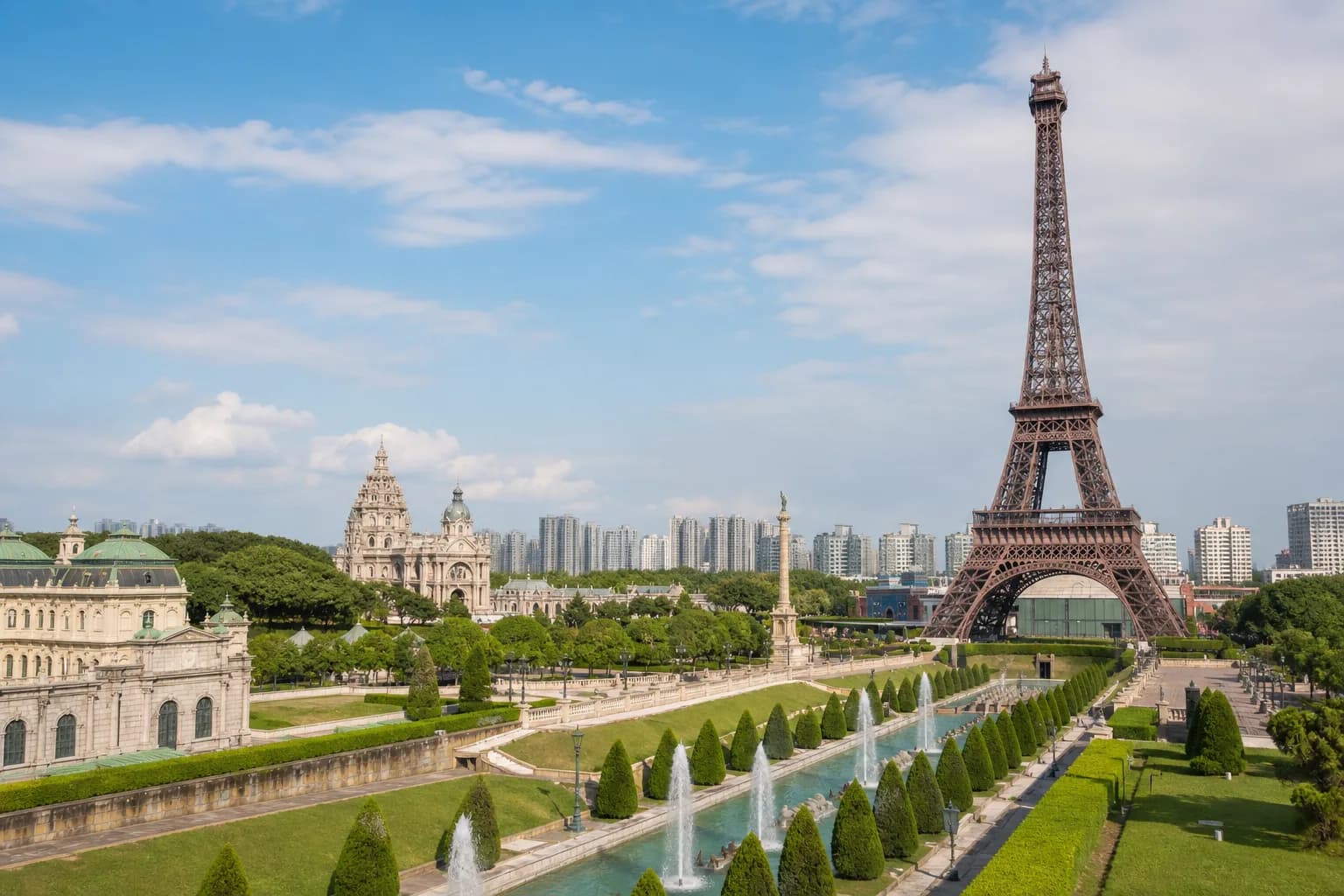

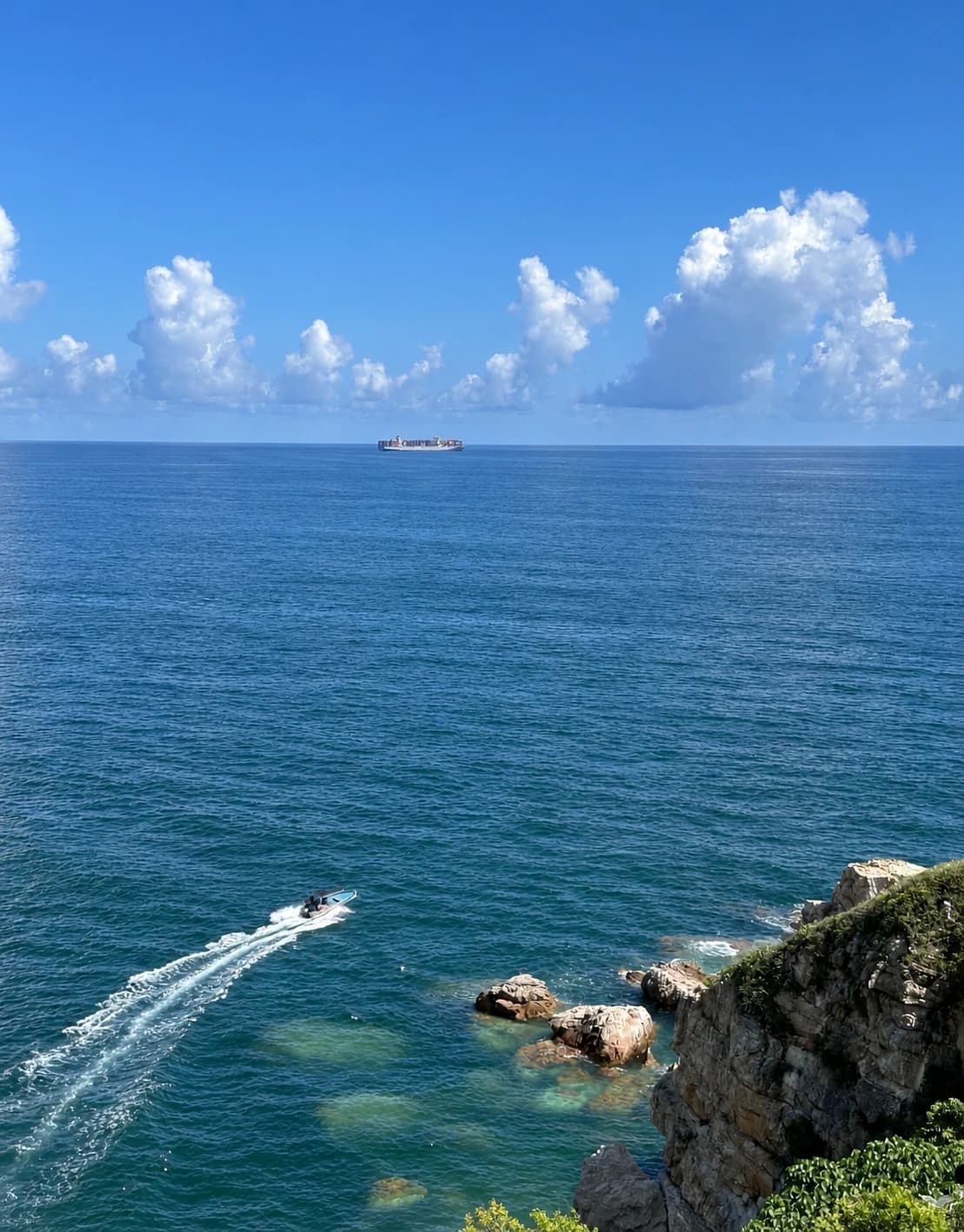
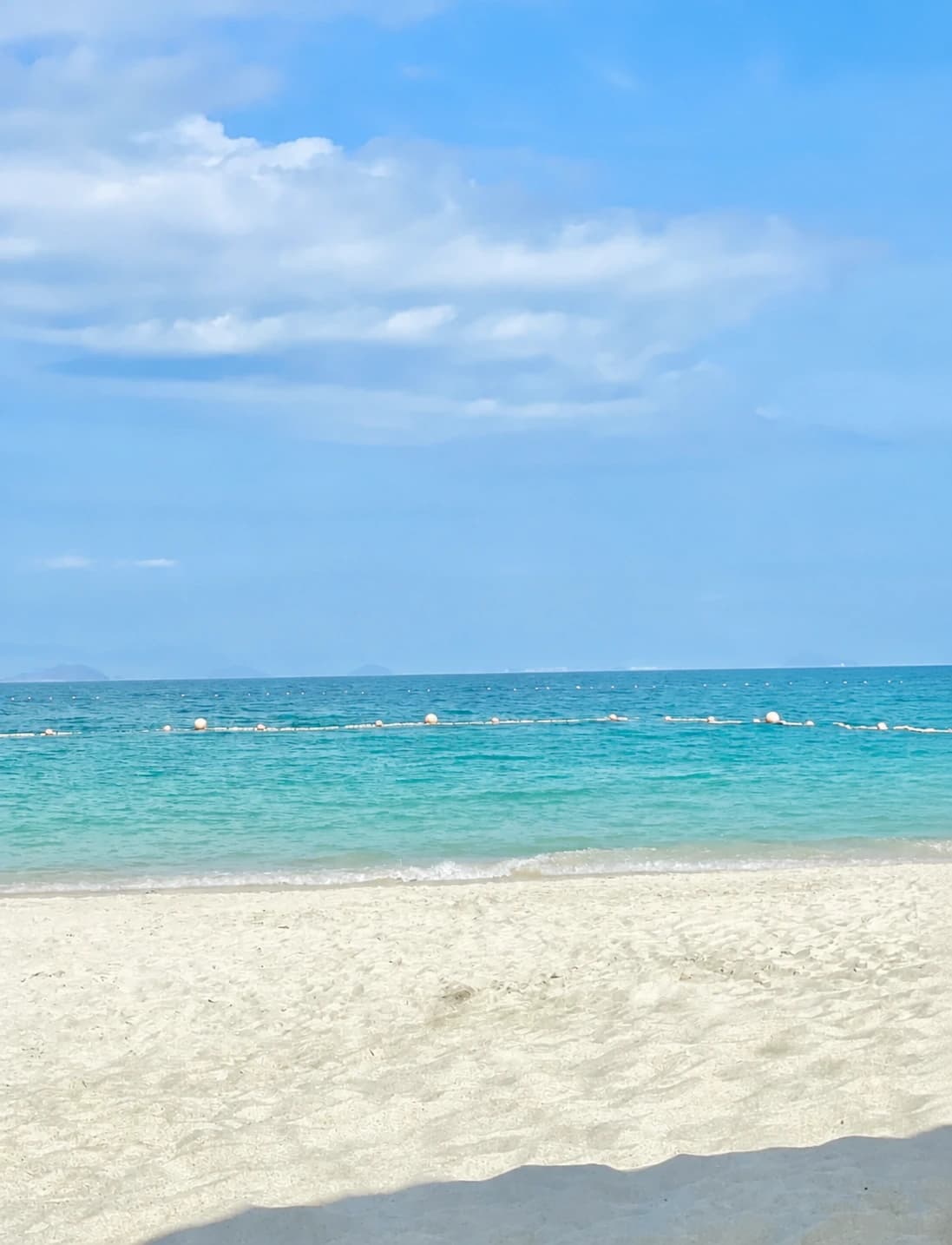
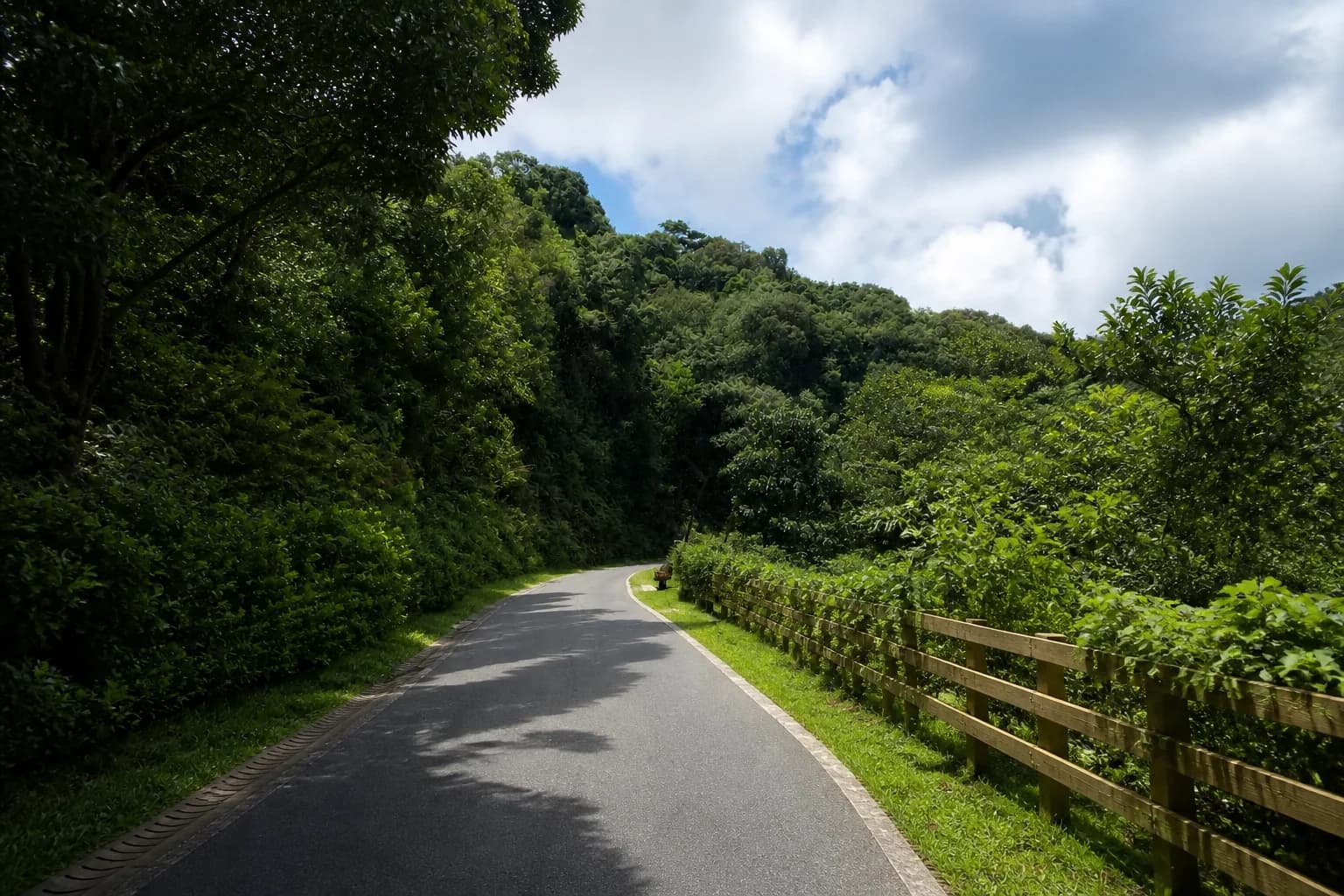
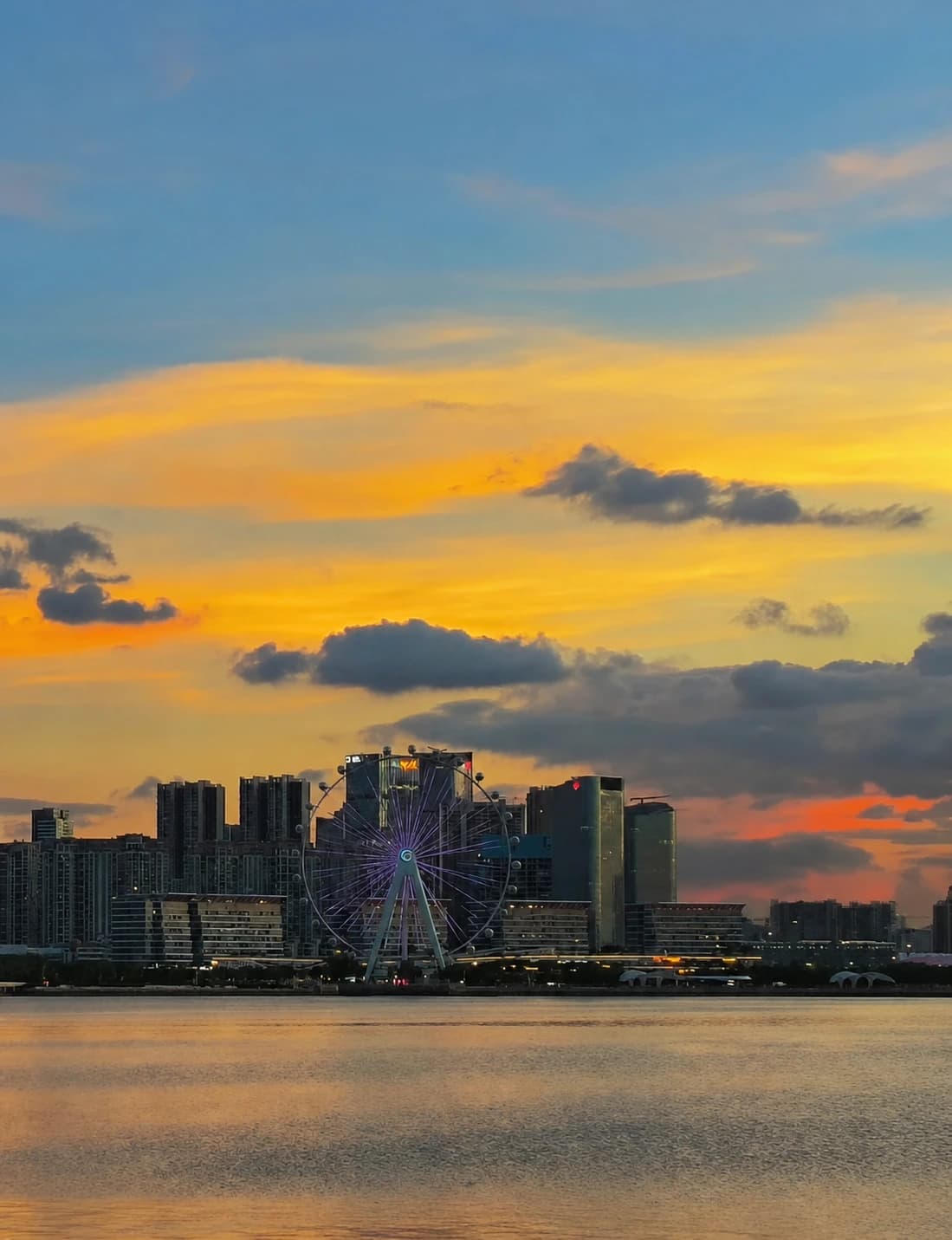
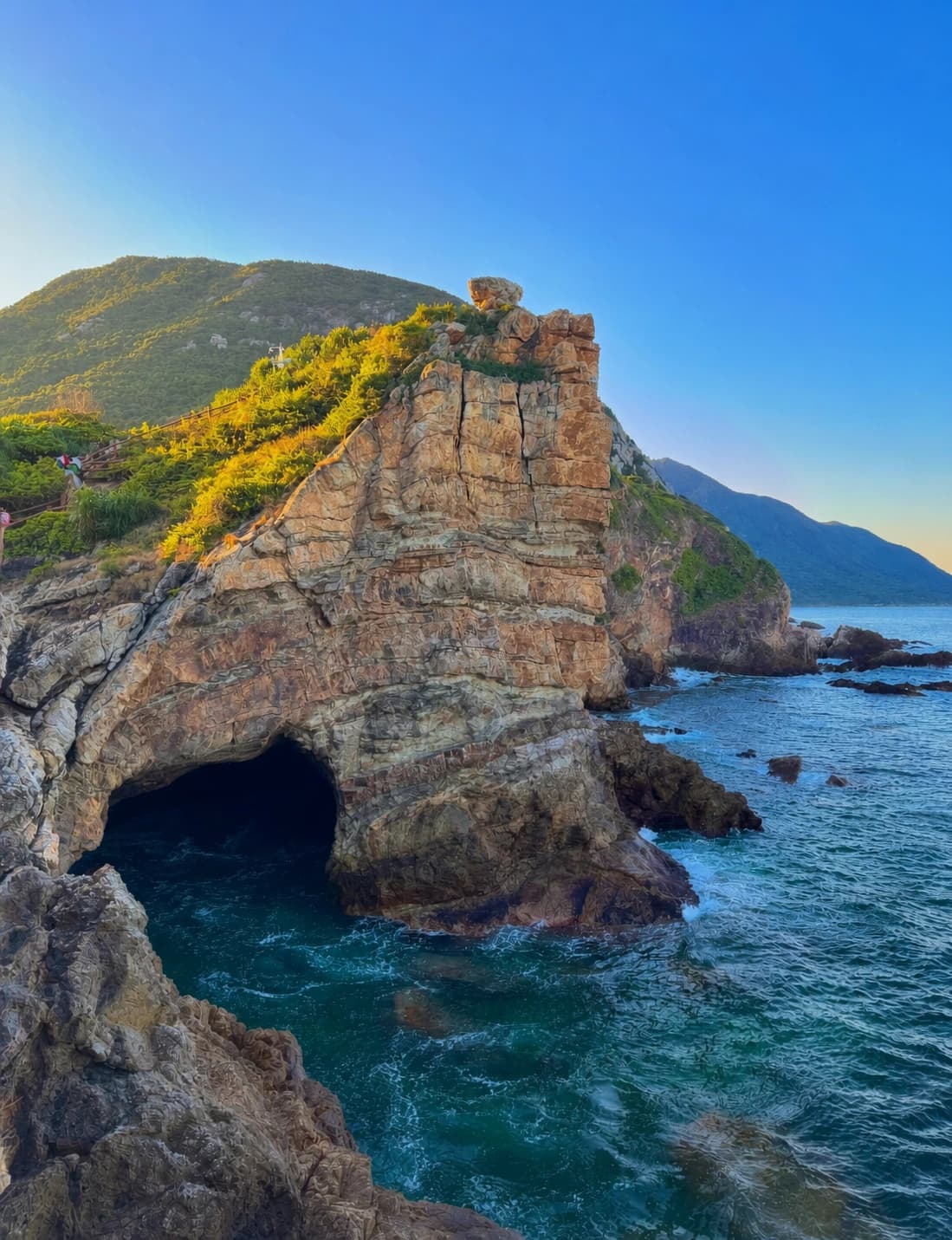
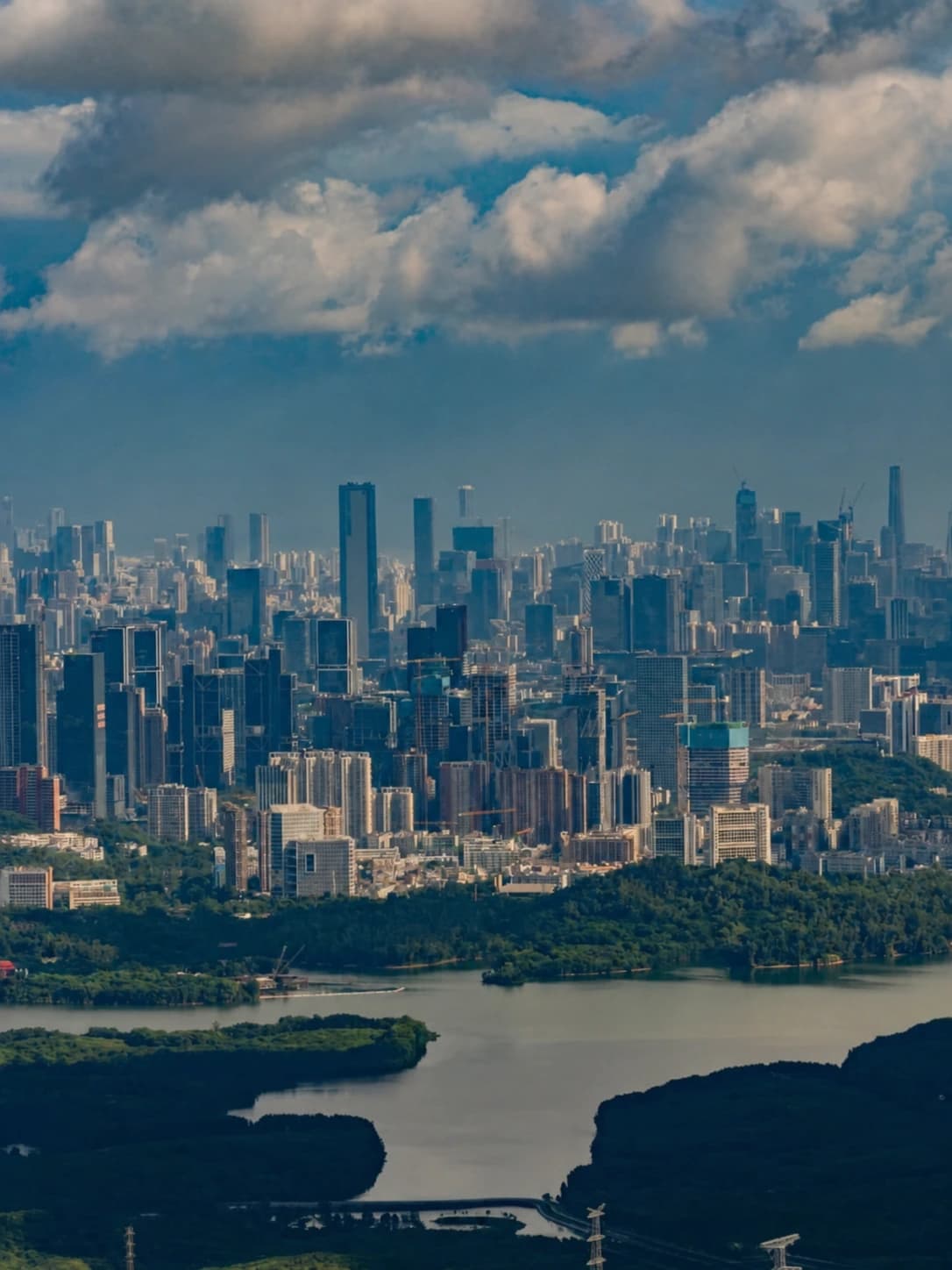
Use these pages by geographic role: protected mountain and beach guides for dedicated outdoor days, Window of the World for a paid theme-park choice, Shenzhen Bay for a weather-led urban coast, and the observatory only with its current access and reservation conditions.