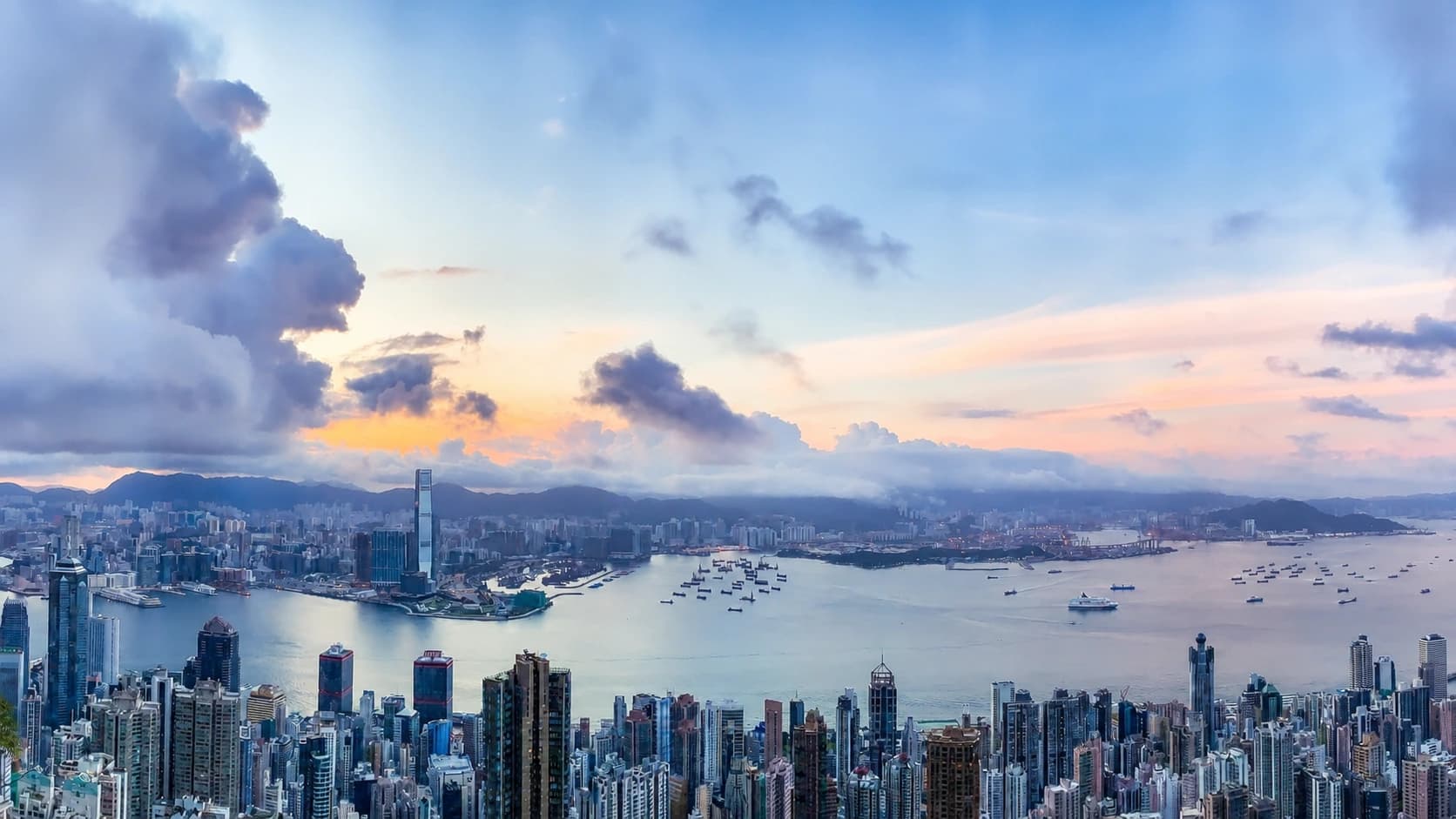
Hong Kong
Hong Kong (香港) is not one dense centre. A first trip usually moves among four different geographic jobs: Kowloon markets and neighbourhood streets, Central's steep heritage core and the Peak, Wan Chai and the cross-harbour ferry, and the temple-and-garden cluster around Wong Tai Sin and Diamond Hill.
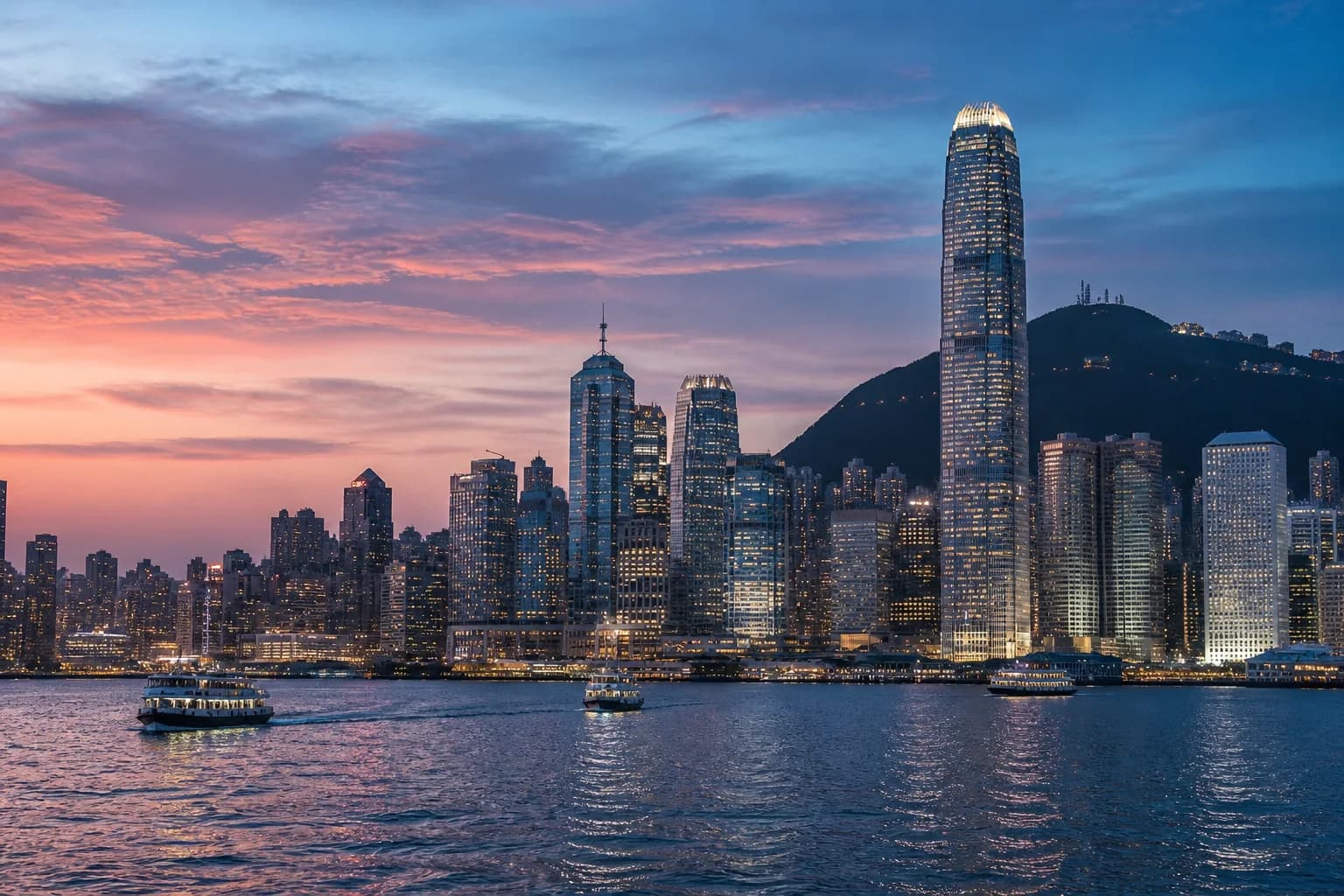
The common mistake is to treat every skyline viewpoint, market and shopping district as interchangeable. The better sequence is: choose which side of Victoria Harbour should be the base, group each day by slope and shoreline, then let the Star Ferry create one useful crossing instead of making the MTR undo a zigzag itinerary.
Choose the Right Route
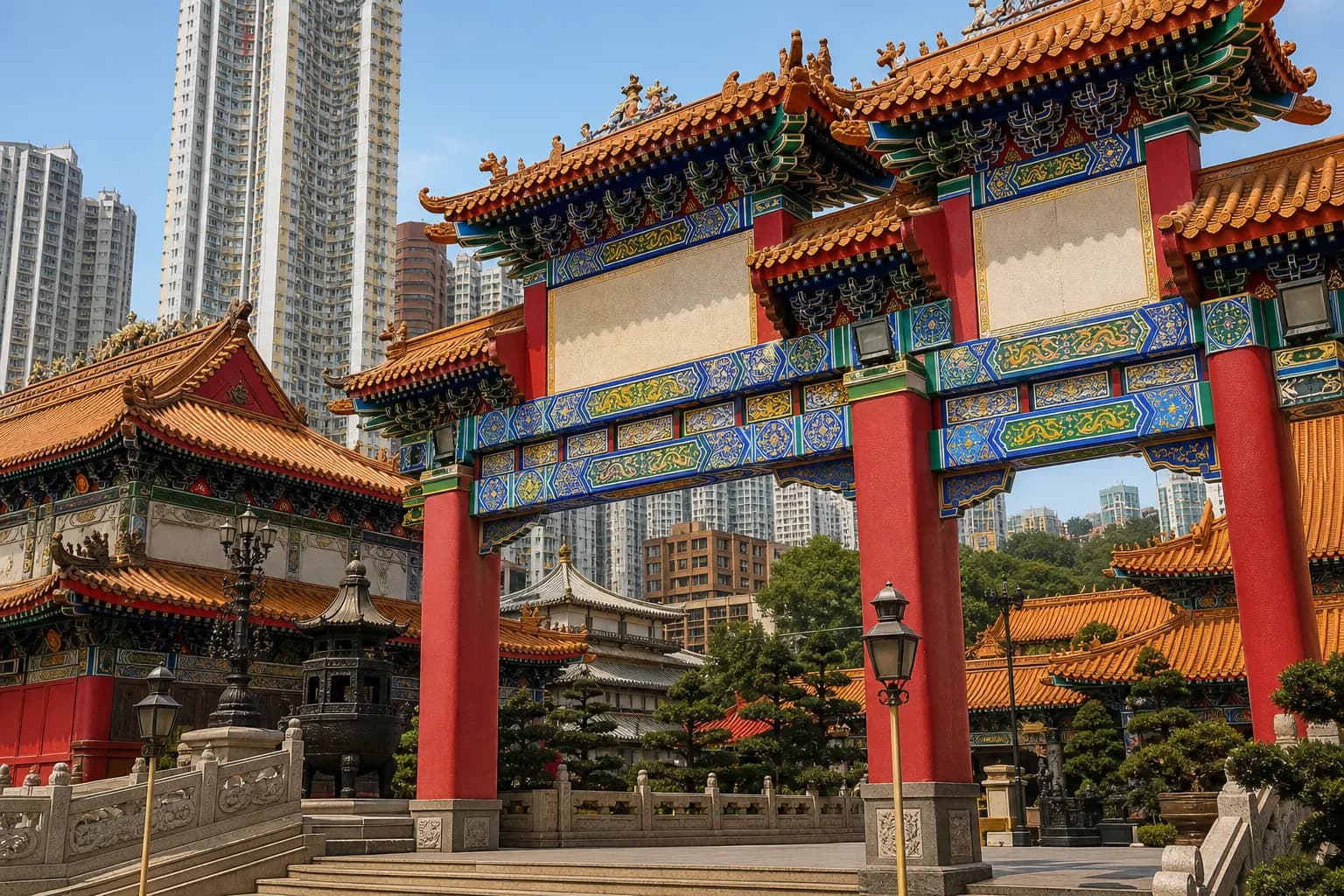
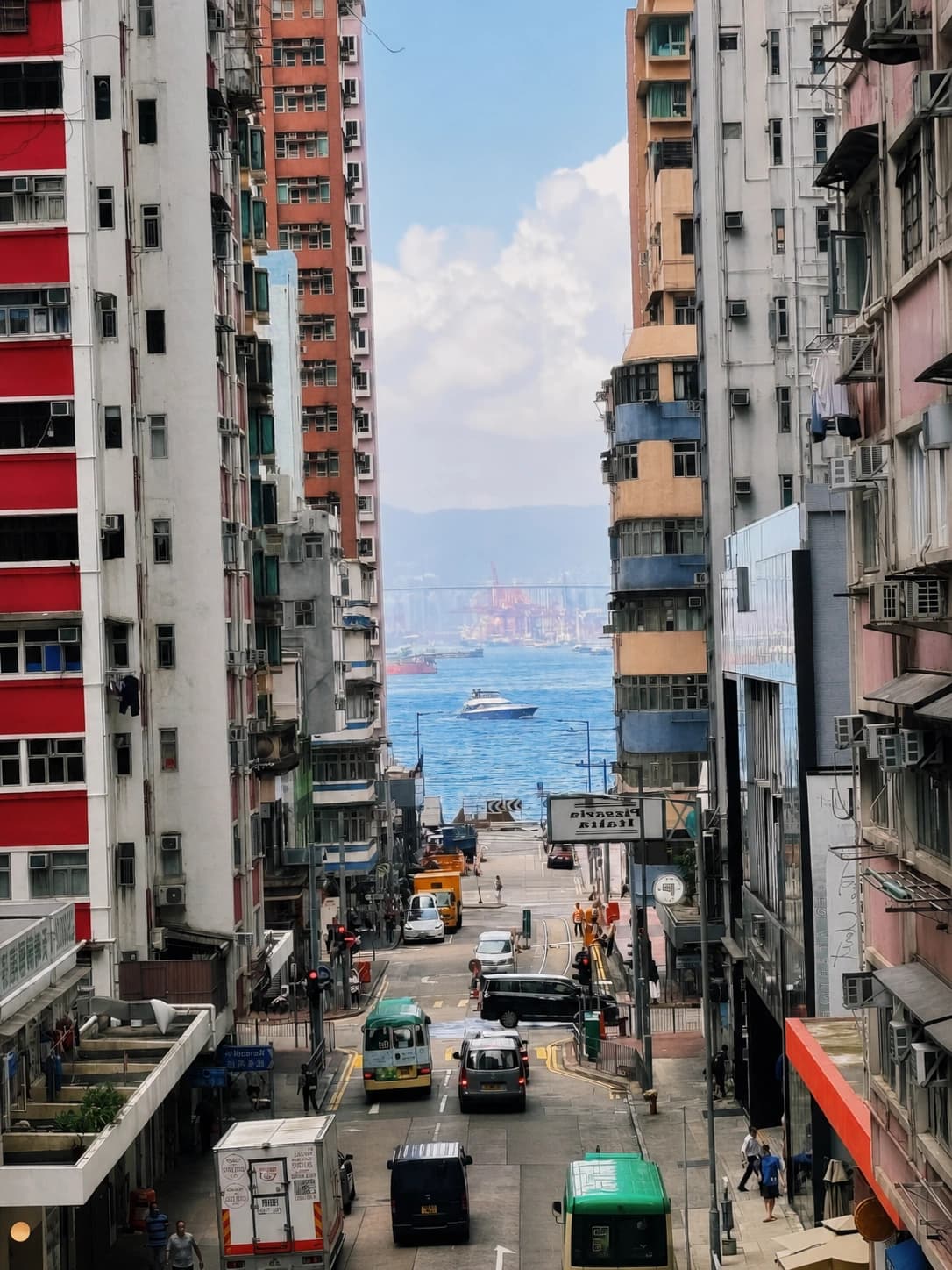
- Choose the protected one-day city walk only when time is fixed and you accept a fast overview.
- Choose the two-day route for a southbound Kowloon day plus Central and the Peak.
- Choose the rebuilt three-day route when the temple-and-garden contrast matters more than another shopping district.
- Choose the new four-day route for the clearest first-trip structure: Kowloon, Central/Peak, Wan Chai/harbour and Wong Tai Sin/Diamond Hill.
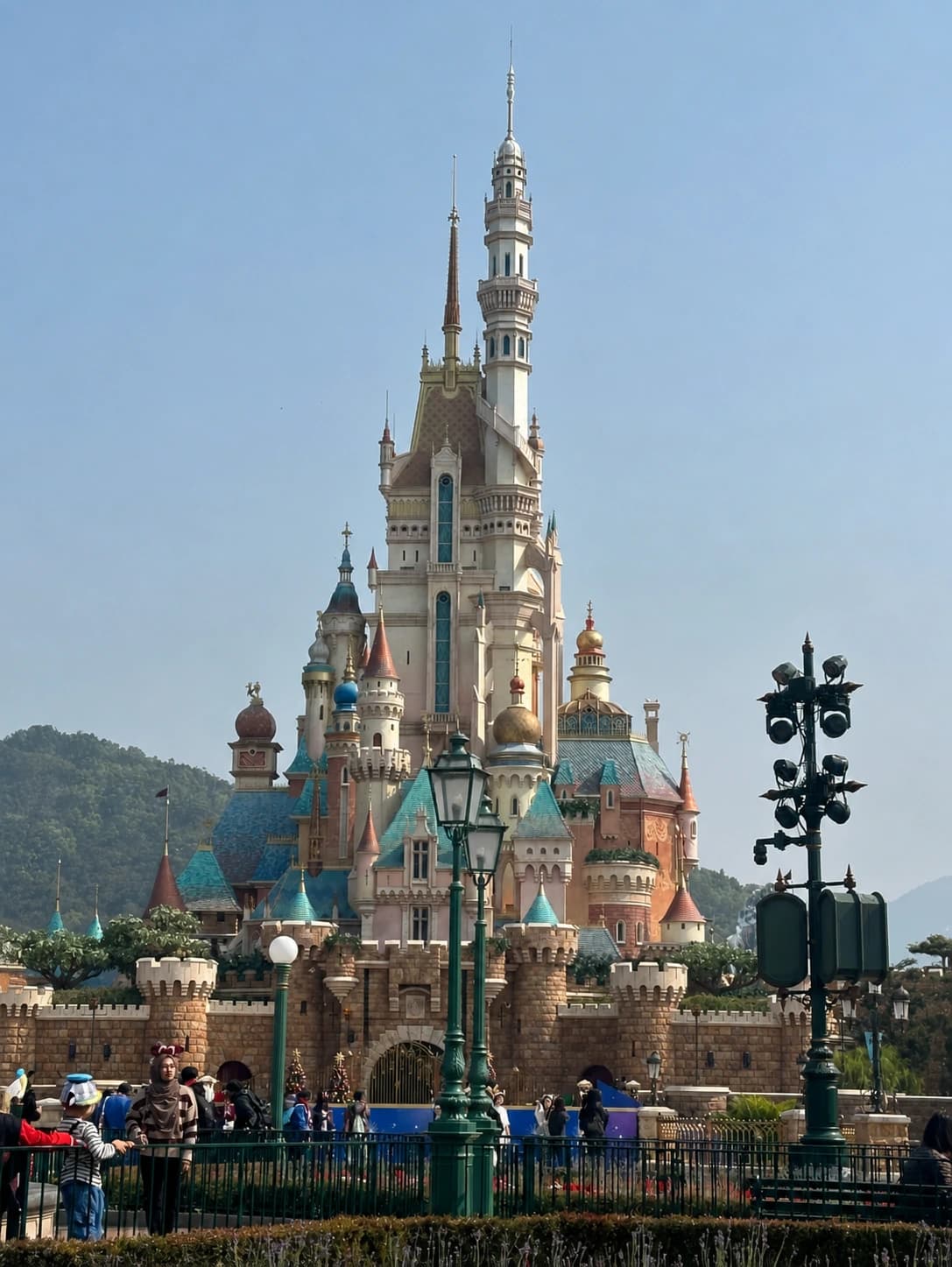
- Families can replace the fourth day with Hong Kong Disneyland. Do not attach the park to another city day.
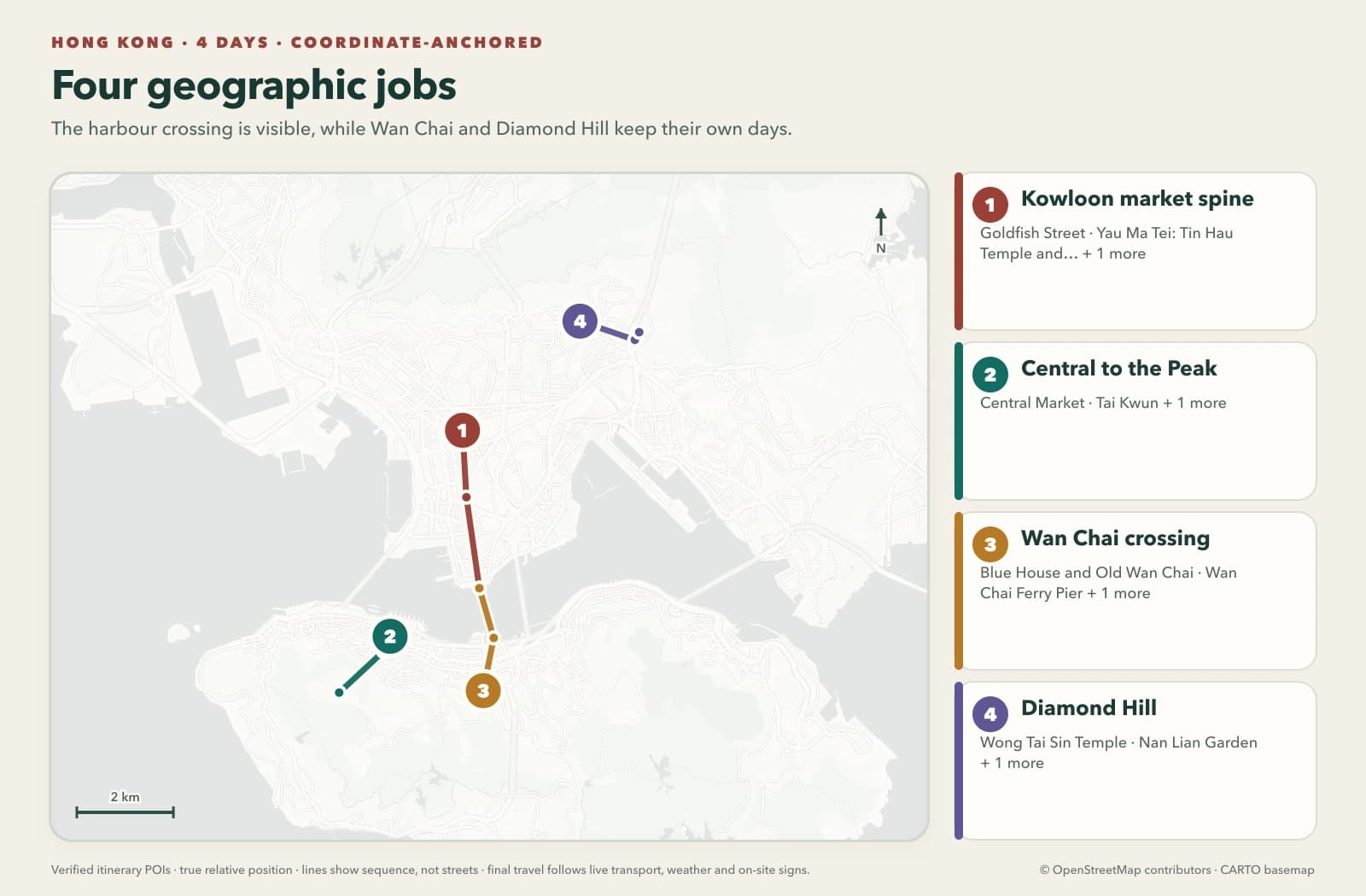
This is a sequence diagram, not a street map. It shows why the days fit together; current venue signs, ferry notices, weather warnings and transport information control the actual movement.
Day 1: Walk the Kowloon Market Spine South
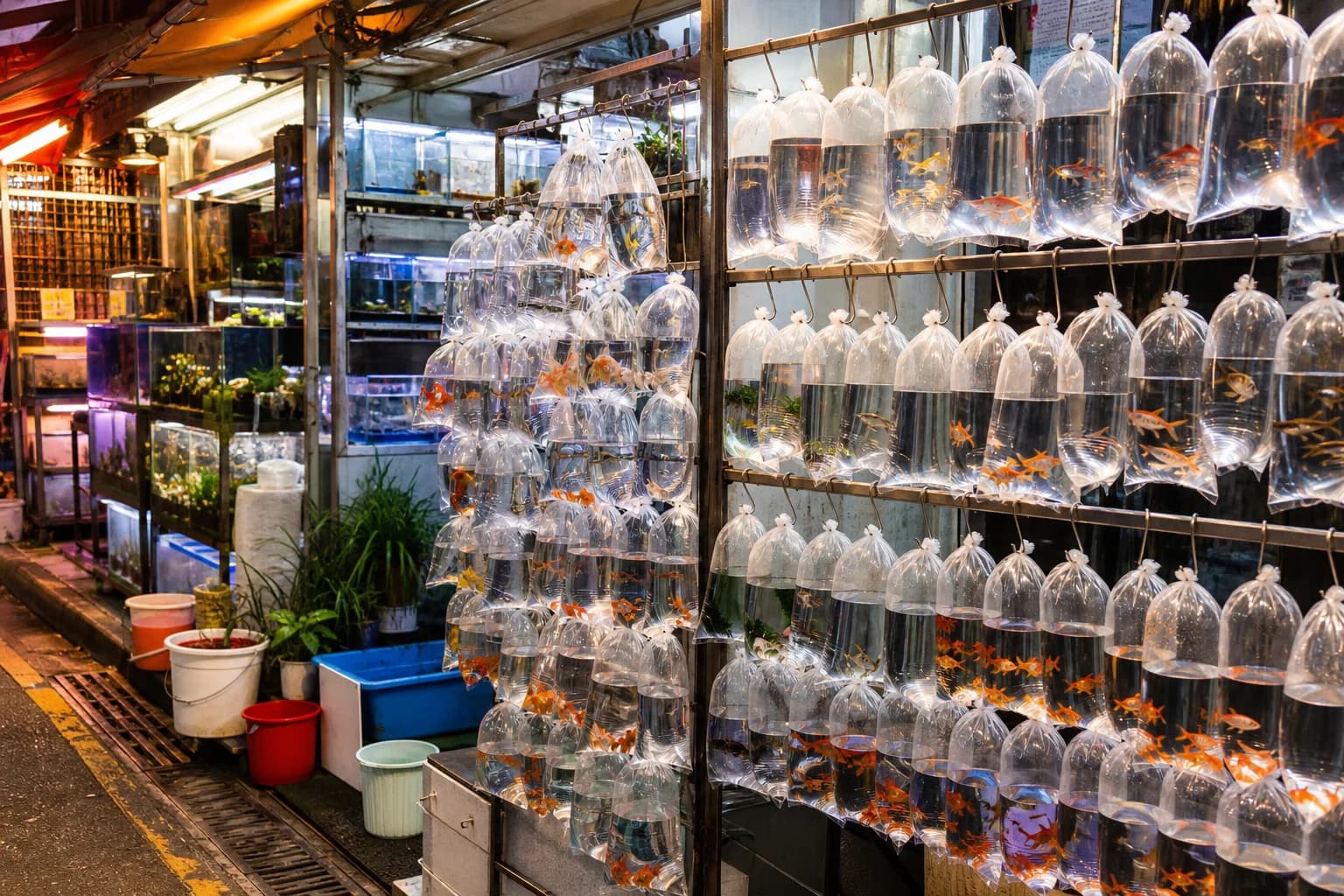
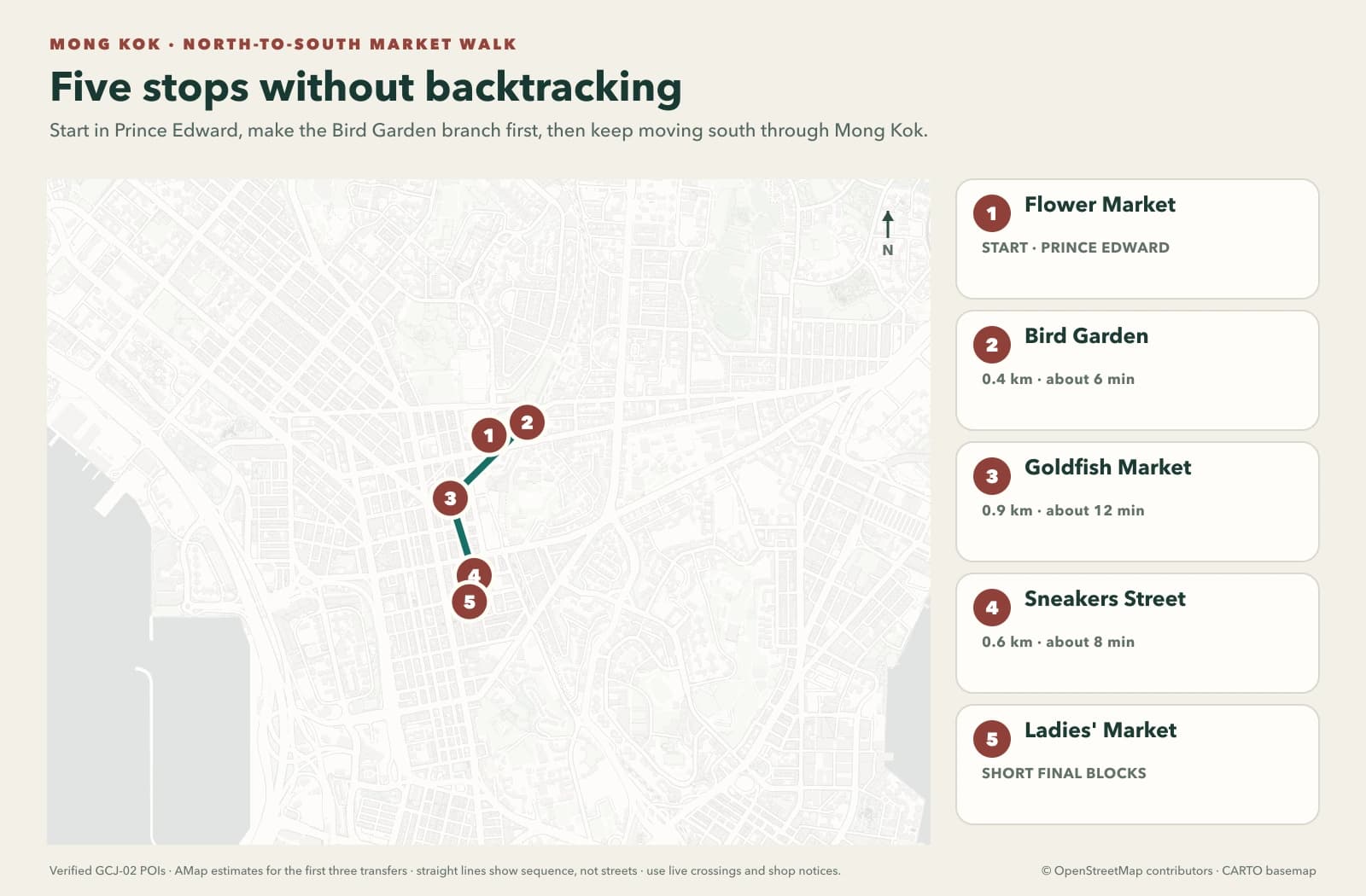
Use the Mong Kok markets walk to begin at the Flower Market and Bird Garden in daylight, continue through Goldfish Street, and move south toward Yau Ma Tei. This direction avoids the old route's backtracking between Mong Kok, Ladies' Market and Yau Ma Tei.
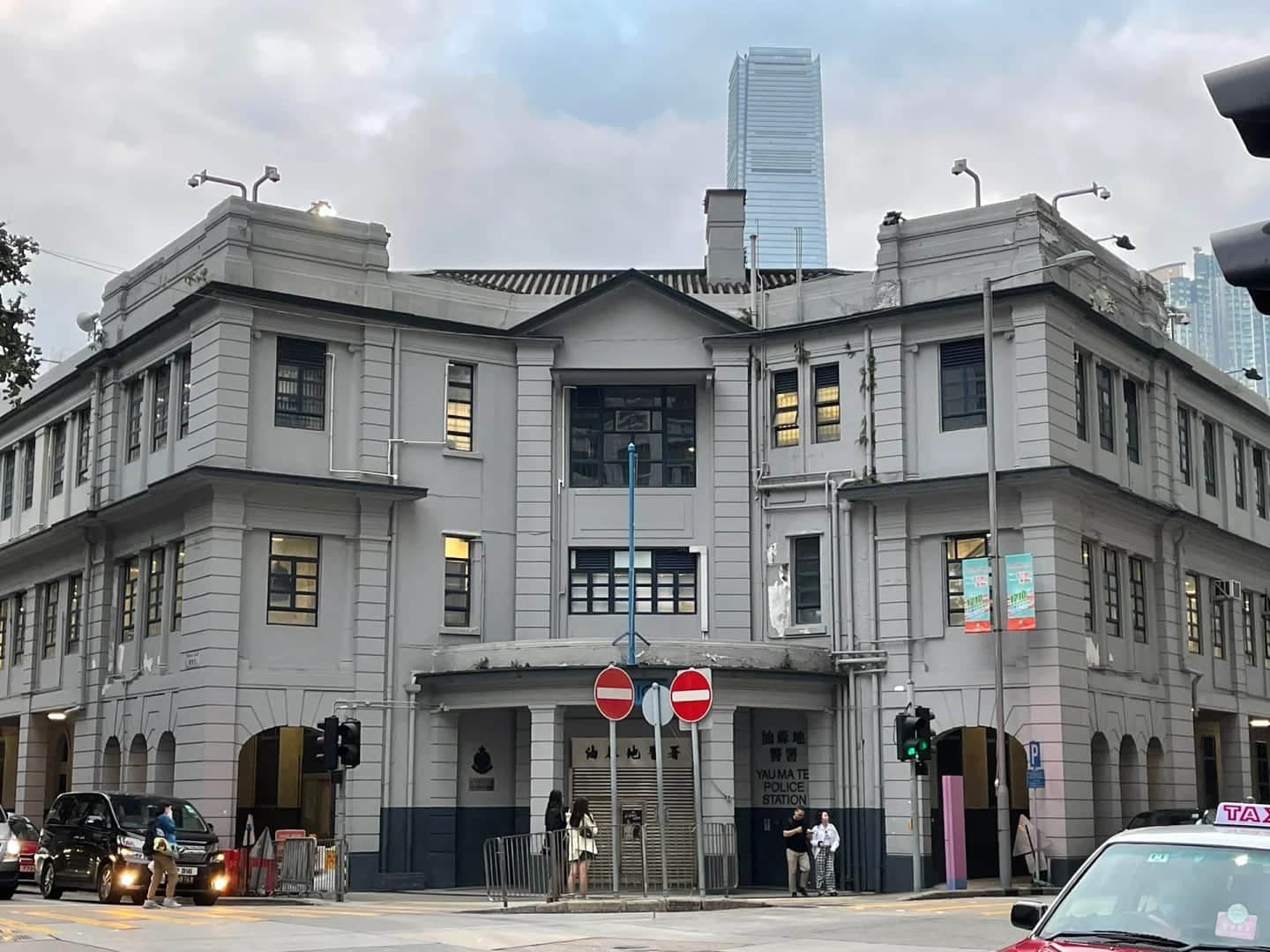
Goldfish Street is an ordinary specialist retail street. Keep entrances clear, do not tap tanks and avoid turning shop staff or customers into a photo subject. In Yau Ma Tei, use Tin Hau Temple as the stable anchor, then choose one branch: the fruit-market edge for wholesale-city texture, the jade-market area for browsing, or the old police-station programme when current public access supports it.
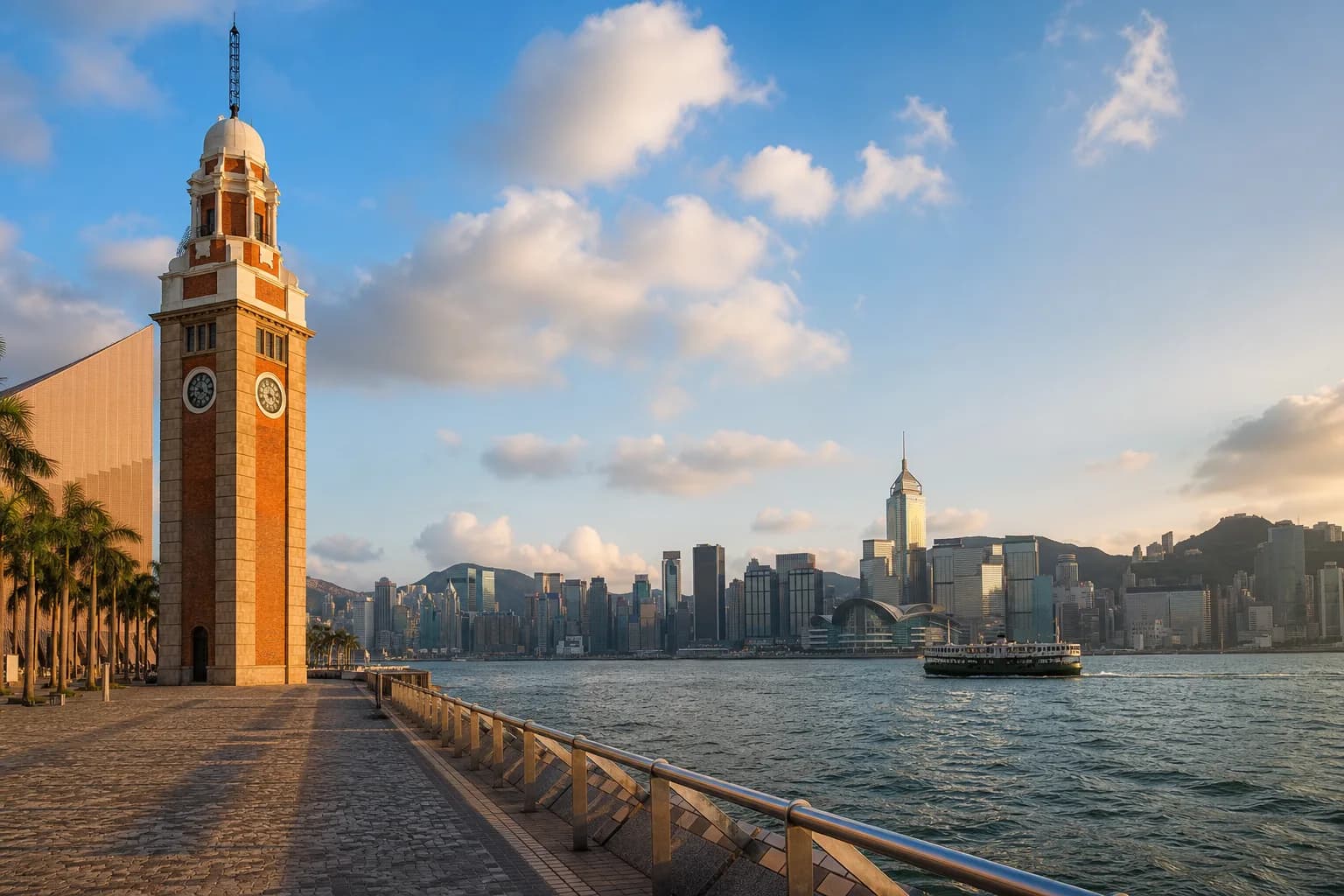
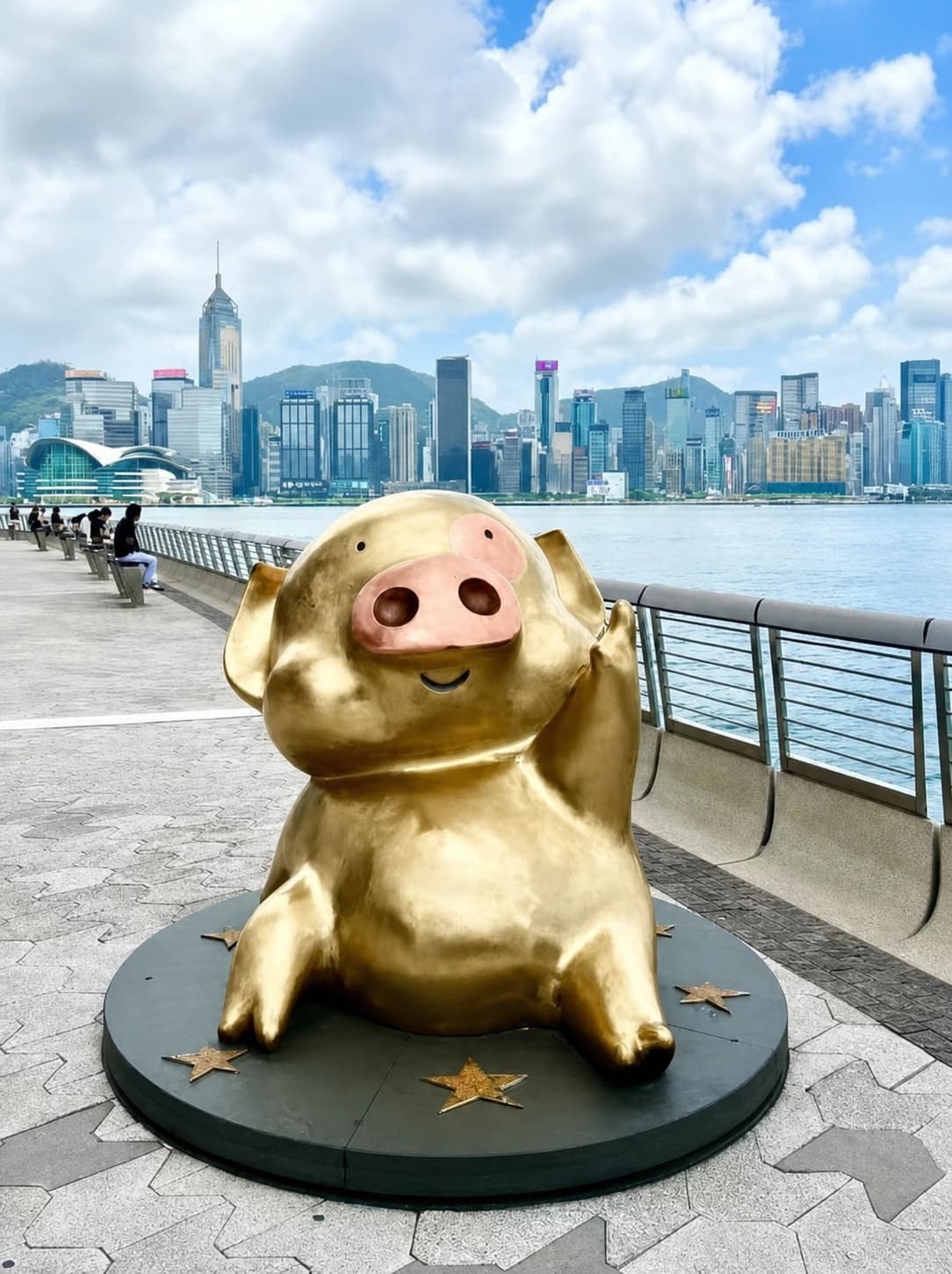
Continue through Jordan for dinner and finish at Tsim Sha Tsui or the Avenue of Stars. The waterfront is more useful as geographic orientation and a cinema-history walk than as a compulsory light-show waiting area.
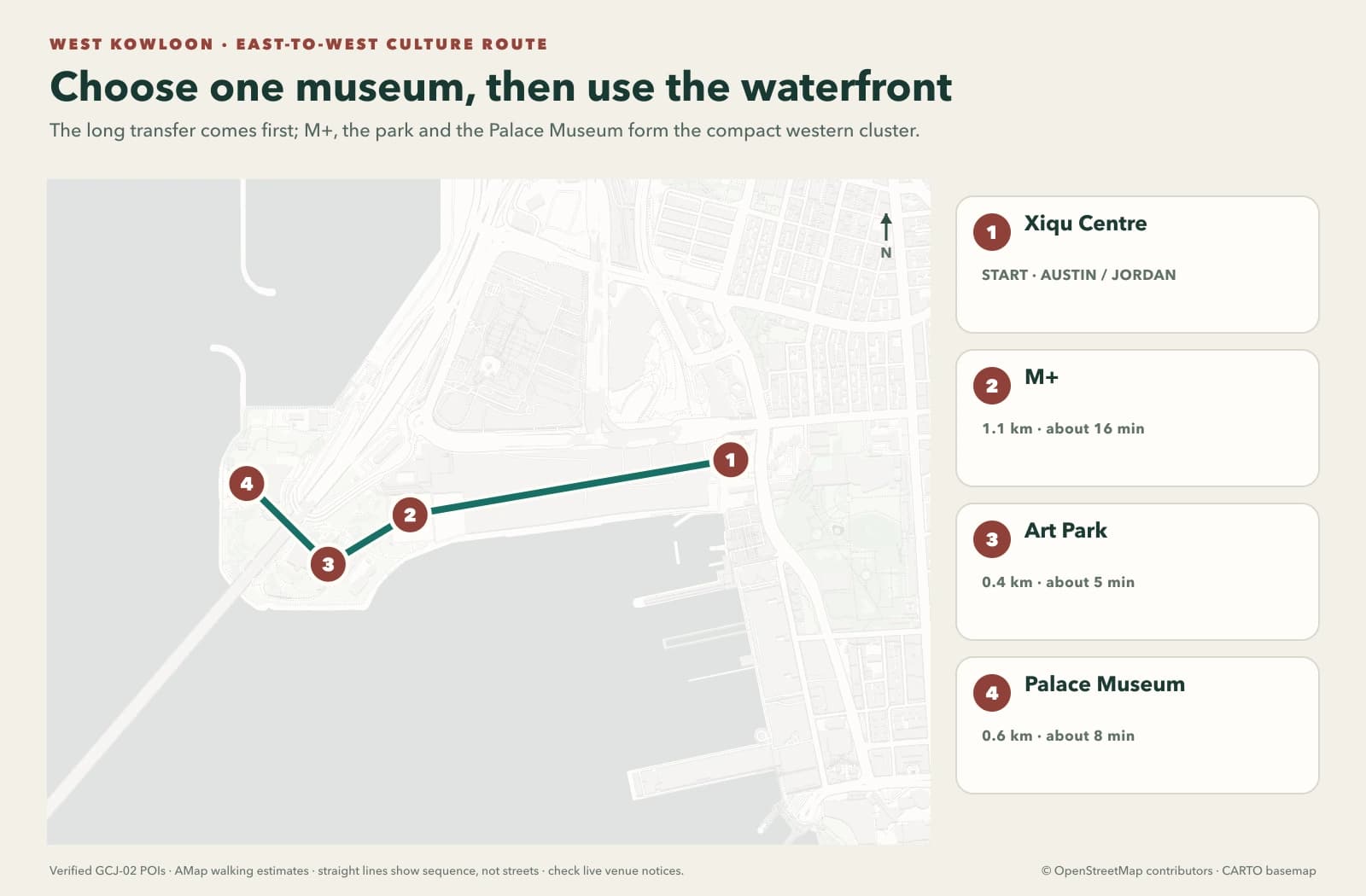
Do not append both West Kowloon museums to this market day. The West Kowloon culture route needs a separate block because the exposed Xiqu Centre–M+ transfer and one serious museum already consume substantial time.
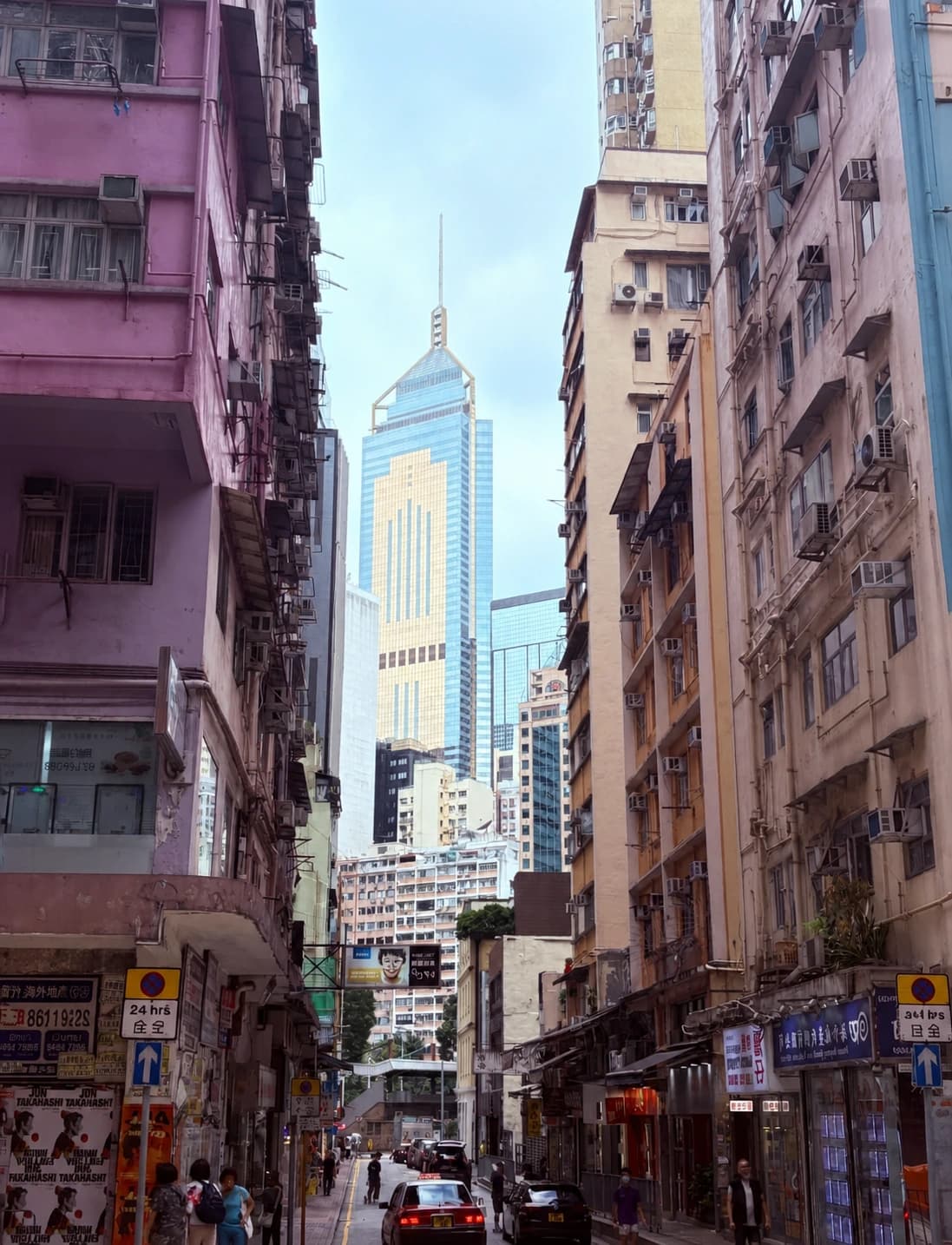
Day 2: Read Central as a Vertical City
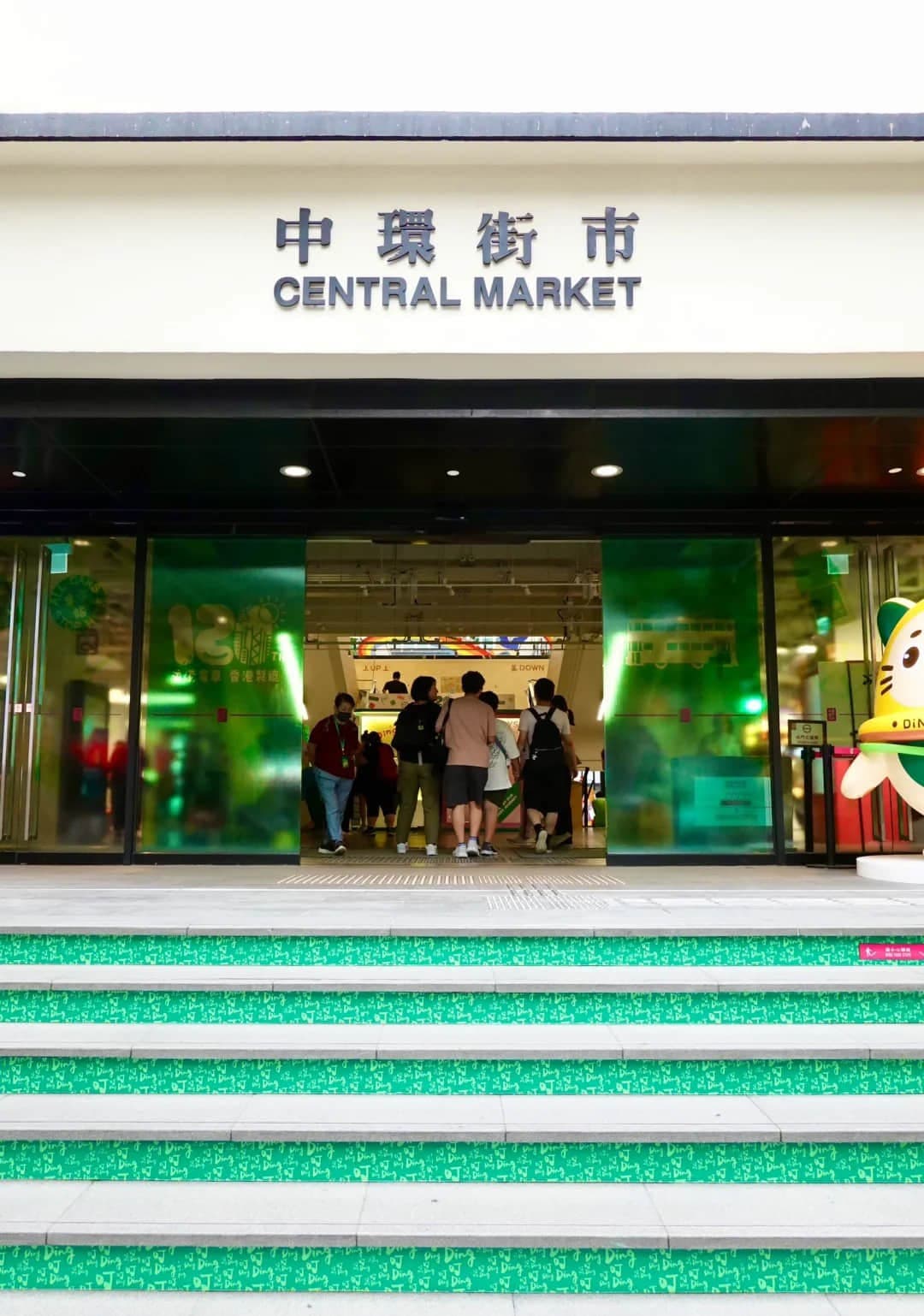
The useful Central heritage route starts at Central Market, joins the Mid-Levels Escalator only far enough to reach Hollywood Road, spends real time at Tai Kwun, then chooses a downhill heritage branch. Do not ride the complete escalator system merely because it continues uphill.
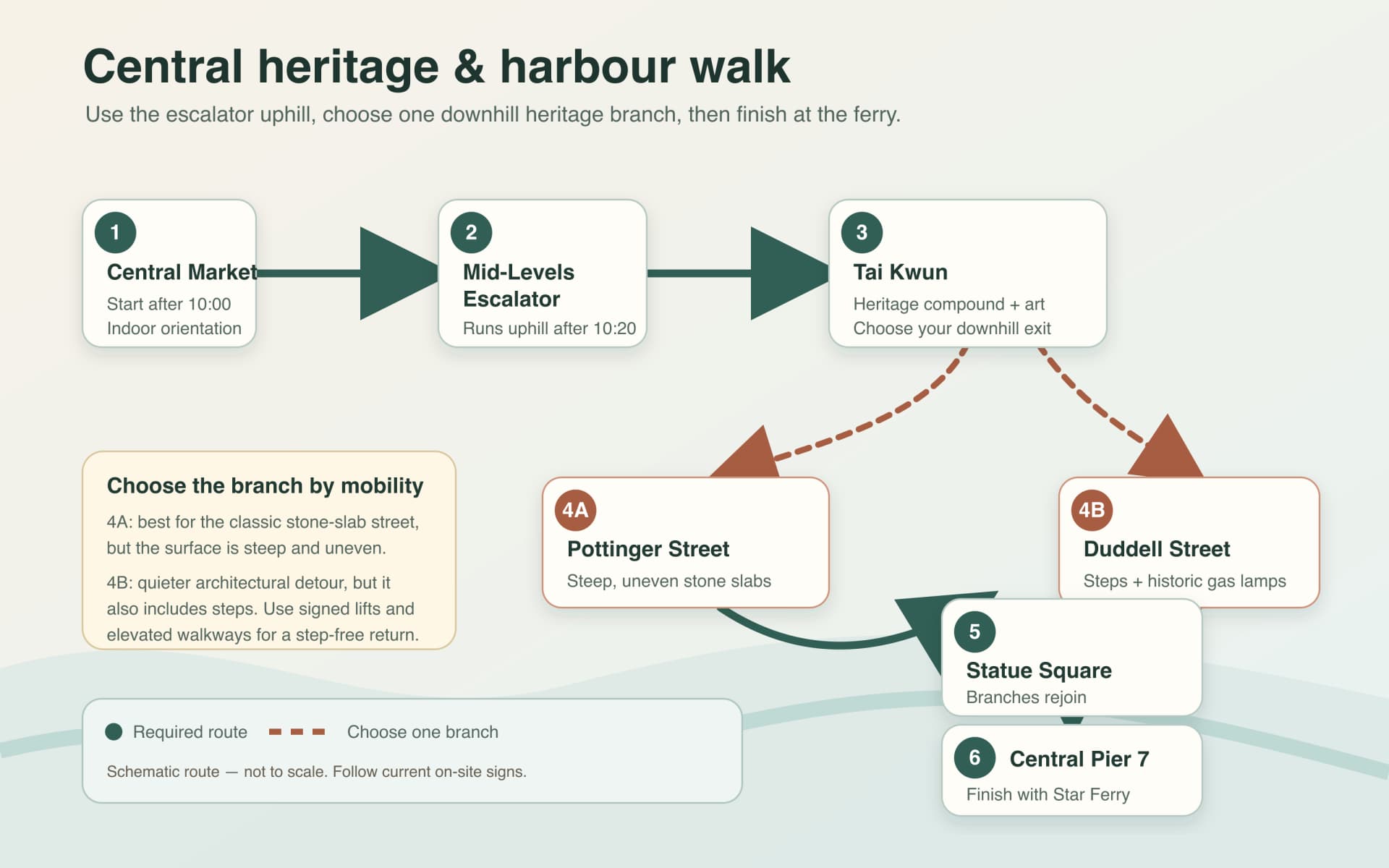
Add Victoria Peak only in a useful visibility window. Compare the current Peak Tram product, Route 15, green minibus and taxi rather than assuming the tram is always the fastest. The current product controls ticket validity, queue arrangements and Sky Terrace inclusion; public viewpoints can make the paid terrace optional.
If cloud removes the view, keep the Central route and move the Peak to another day. A pre-purchased ticket does not improve the weather.
Day 3: Old Wan Chai to the Harbour
The Wan Chai old-and-new walk begins with the living Blue House cluster, passes the active Pak Tai Temple and former post office, then crosses the redeveloped Lee Tung Avenue layer before reaching the waterfront.
The value is the transition: tenement balconies and community heritage are not the same product as a polished retail street, and neither is the same as the convention-centre shoreline. Follow current footbridges, lifts and pedestrian signs; major roads make the final approach less direct than a straight line on a phone screen.
Take the Wan Chai–Tsim Sha Tsui Star Ferry only after checking the live sailing notice. Weather, sea conditions and operational changes can alter the service. Finish on the Kowloon cultural waterfront, where Hong Kong cinema provides a more distinctive reading layer than another mall list.

Day 4: Active Temple, Designed Garden, Timber Complex
Wong Tai Sin Temple, Nan Lian Garden and Chi Lin Nunnery are close enough to combine, but they are not one attraction.
At Wong Tai Sin, observe the main worship sequence without copying rituals or expecting a guaranteed outcome. Treat optional halls and the commercial fortune-telling arcade separately. Walk or take one short MTR stop toward Diamond Hill according to heat, rain and mobility.
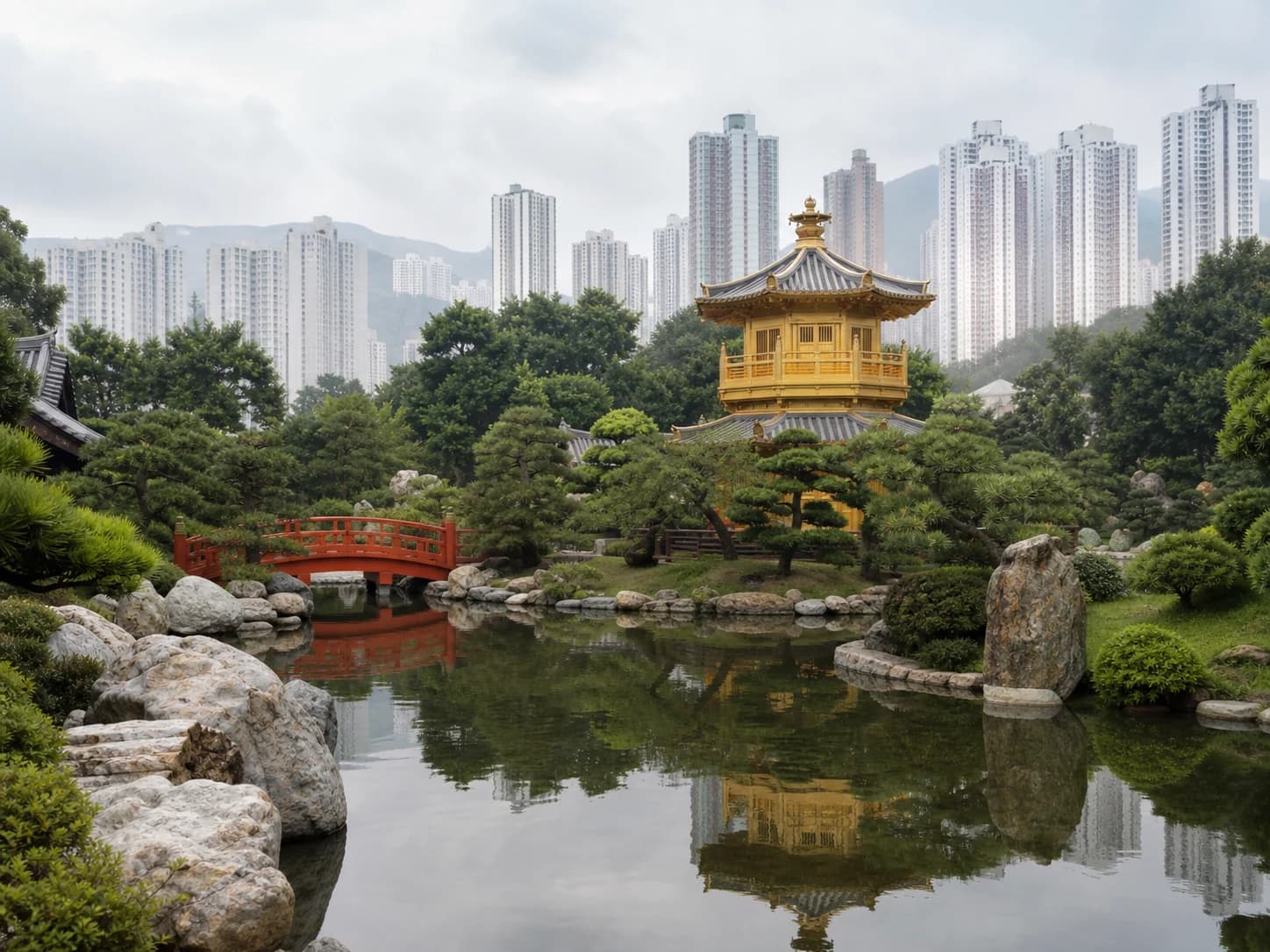
At Nan Lian Garden, follow the circular path and read the contrast between designed rocks, pavilions, water and surrounding residential towers. Cross the signed footbridge to Chi Lin Nunnery and respect current photography and hall-access boundaries.
Food: Choose a Category, Then Judge the Branch
Dim sum
Use dim sum as a shared breakfast or lunch, not an all-day checklist. Decide whether you want a traditional trolley or order-sheet experience, a fast neighbourhood meal, or a polished reservation. Tea charges, service, minimum orders and table-sharing customs vary. A Michelin reference or old viral post does not prove that the current branch, queue or service is the best fit.
Cha chaan teng
Hong Kong-style cafés are most useful between walking clusters. Milk tea, pineapple buns, egg sandwiches, macaroni soup and baked rice belong to different meal moods; ordering all of them at once hides the format's everyday role.
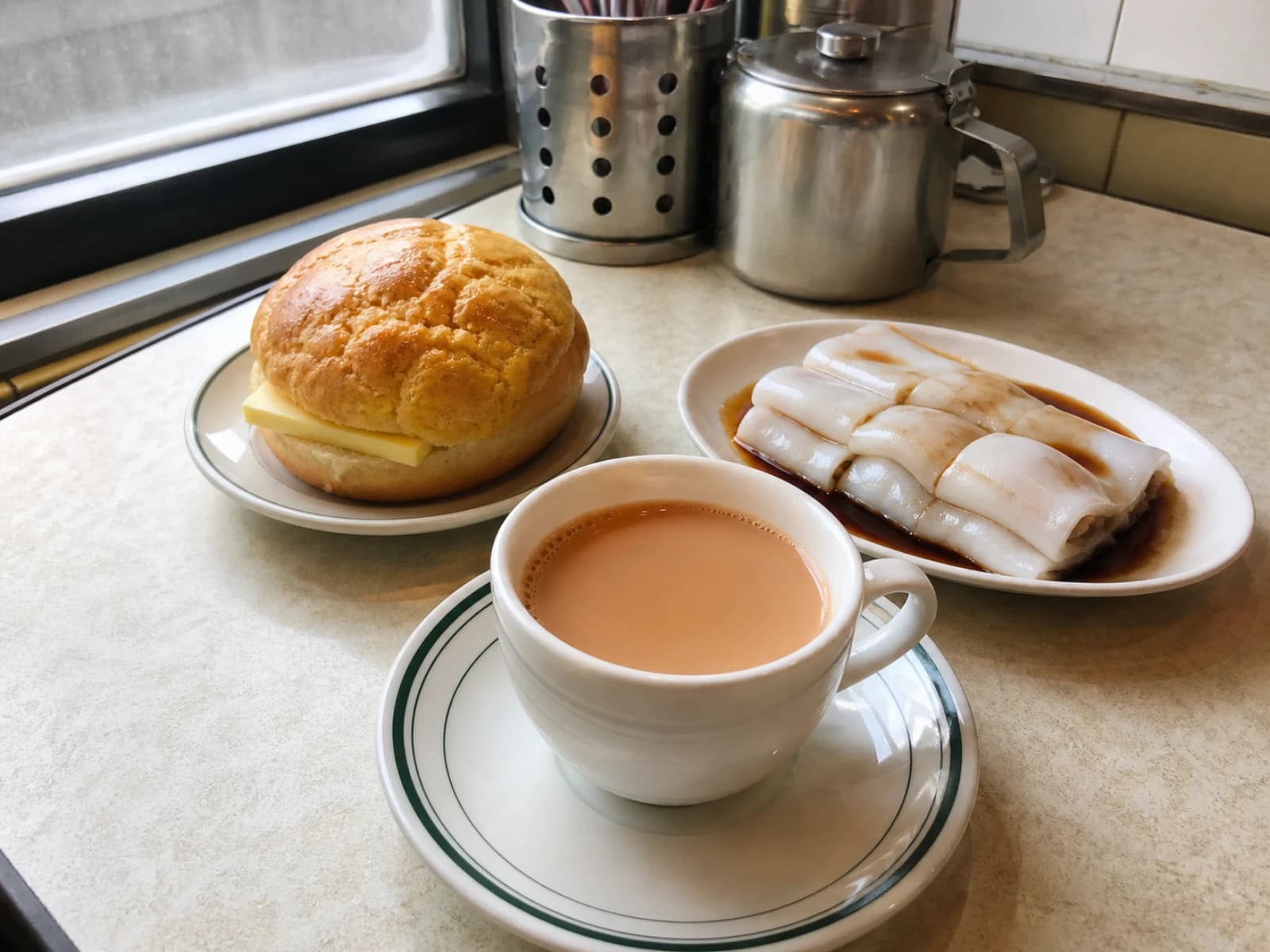
Choose a clean, busy branch with readable pricing and steady table turnover. “Pineapple” normally describes the bun's crust pattern rather than a fruit filling.
Roast meats and noodles
Roast goose, char siu, soy chicken, wonton noodles and beef brisket noodles are easier to fit into a route than a famous banquet. Judge roast-meat shops by visible chopping turnover, clean display, current price and whether the desired cut is still available. For noodles, ask whether the quoted bowl includes the topping and whether tea or condiments add a charge.
Temple Street and street food
Temple Street is an evening atmosphere, not proof that every stall is historic or cheap. Check posted prices, seafood weight, seating charges and hygiene before ordering. Egg waffles, fish balls and other snacks work as small tests; a long social-media queue is not evidence of better preparation.
Causeway Bay: Use It as a Shopping Decision, Not Another Sightseeing Day
Causeway Bay is worth a focused two- to four-hour retail block, but current research does not justify a separate attraction guide built from tenant lists. Choose the format first:
- Times Square or Hysan Place: the clearest indoor fallback in rain or heat; check the live directory for the exact brand or restaurant.
- Jardine's Crescent: street-market texture and small goods, with variable stalls and quality.
- Fashion Walk and the Lee Gardens area: a more open street-and-mall mix when browsing matters more than one department store.
- Victoria Park: the essential non-shopping reset; current events can change which lawns or plazas are usable.
Eat by category—cha chaan teng, noodles, roast meats, dessert or a booked contemporary restaurant—after checking the current menu and queue. Do not cross the district for a social-media-famous branch if the same category is available beside the day's route. Causeway Bay works best before or after the existing Wan Chai day, not as another full itinerary that repeats malls.
Where to Stay
Tsim Sha Tsui
Best for a first harbour view, museums, Star Ferry and airport access through Kowloon Station connections. It is busy and room sizes vary sharply. Confirm the exact building entrance, lift access and whether “harbour view” means a broad view or a narrow angle between towers.
Yau Ma Tei or Jordan
Best for late food, street texture, value-oriented rooms and the north–south Kowloon route. Less suitable when a polished waterfront setting matters more than neighbourhood access. Check street noise and whether taxis can stop at the entrance.
Central or Sheung Wan
Best for heritage streets, business, ferries and island dining. Hills can make a short map distance exhausting; verify lifts, escalators and the final slope to the hotel.
Wan Chai or Causeway Bay
Best for a balanced island base with food, retail and cross-harbour access. Choose Wan Chai for the old-and-new route and ferry; choose Causeway Bay when shopping and Victoria Park matter more. Major roads and footbridges can separate two hotels that appear adjacent.
Austin or West Kowloon
Best when the high-speed rail station, M+, Hong Kong Palace Museum or airport connections drive the trip. It is less atmospheric for a first evening than Yau Ma Tei or Tsim Sha Tsui, and the cultural-district waterfront distances are exposed.
Compare Hong Kong hotels on Trip.com by entrance, nearest useful station, slope, lift access and night-noise reviews—not the district label alone.
Booking and Setup Order
- Choose the hotel side of the harbour and confirm the real entrance.
- Check the live Peak Tram listing, but keep the day movable for visibility.
- Reserve date-specific museums, performances or Disneyland only when they are central to the route.
- Obtain a physical or mobile Octopus option that suits the devices and payment methods actually available to the traveler; keep a little cash for small merchants.
- Set up an eSIM or roaming before arrival when immediate navigation matters.
Arrival and Everyday Transport
- Airport Express: the current MTR timetable places Airport–Hong Kong Station at about 24 minutes and Airport–Kowloon at about 22 minutes. These are station-to-station times, not hotel arrival times; add the final walk, shuttle, taxi or MTR transfer.
- West Kowloon high-speed rail: the station is not the same as Kowloon MTR Station. Immigration, security and platform access require separate time.
- MTR: use a live planner rather than publishing fixed systemwide hours. Interchanges can involve long indoor walks.
- Star Ferry: check the current Central/Tsim Sha Tsui or Wan Chai/Tsim Sha Tsui timetable. Wind, maritime traffic and operating changes can affect sailing.
- Trams: useful on the north side of Hong Kong Island when time is flexible. Board and payment practice should follow current operator guidance rather than an old fare screenshot.
- Taxis: red urban taxis cover the main city areas, but luggage, tunnel choice, traffic and shift changes affect the trip. Show the destination in Chinese when possible.
Weather Is an Operating Rule
Hong Kong's Amber, Red and Black rainstorm warnings are operational signals, not just forecast colours. Under a Black Rainstorm Warning, take shelter rather than continuing an exposed harbour or hillside route. Tropical-cyclone signals can suspend ferries, attractions and other transport at different thresholds.
Check the Hong Kong Observatory's current severe-weather warnings before leaving the hotel. Move the Peak away from low visibility, replace the exposed waterfront with one museum during heavy rain, and do not begin a remote hike merely because the morning started dry.
Major Sights and District Guides
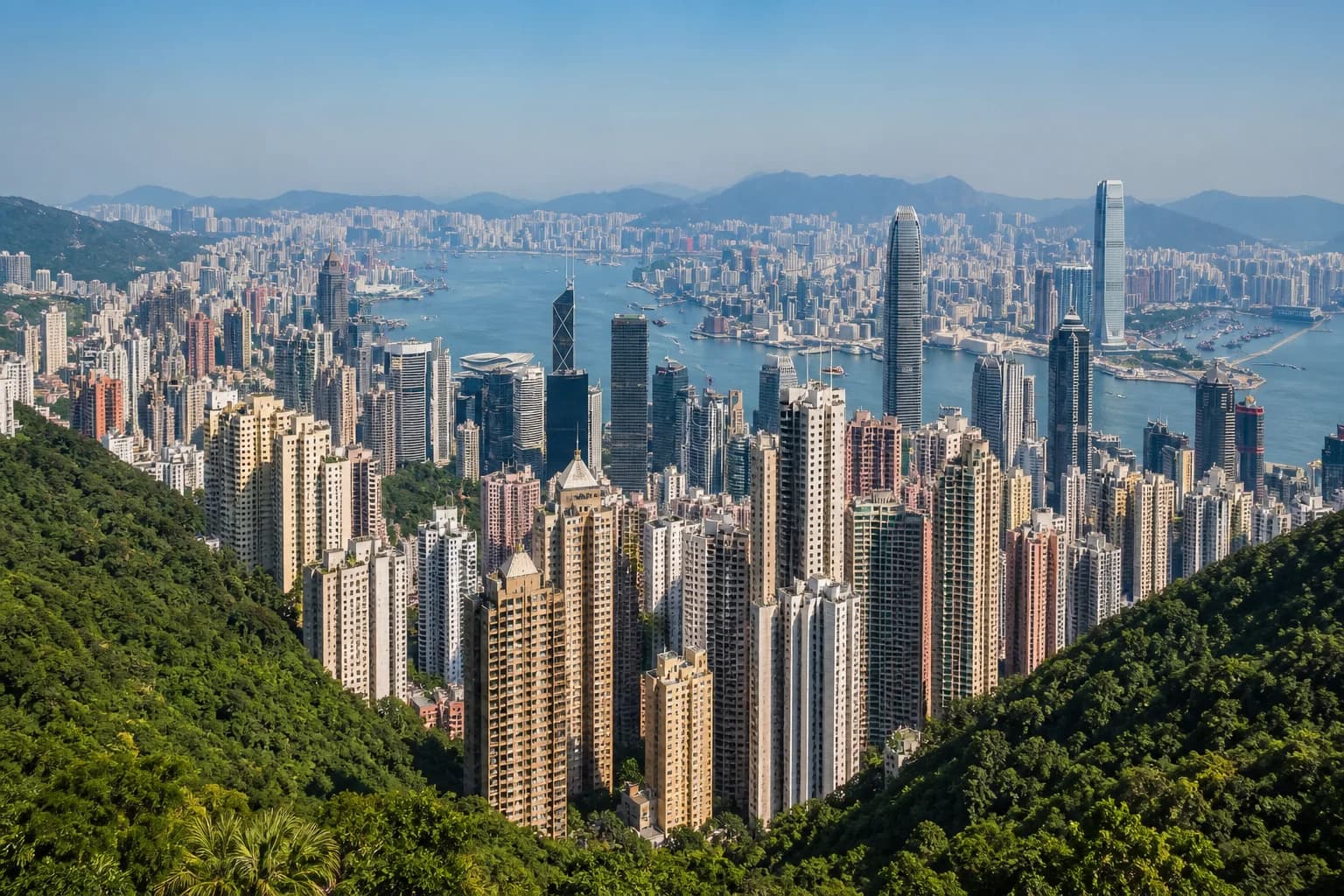
Choose each page by route role: Kowloon for a walkable market-to-harbour spine, Central for vertical heritage, Wan Chai for living neighbourhood transitions, the Peak for a weather-dependent overview, and Wong Tai Sin/Diamond Hill for religious and garden contrast.