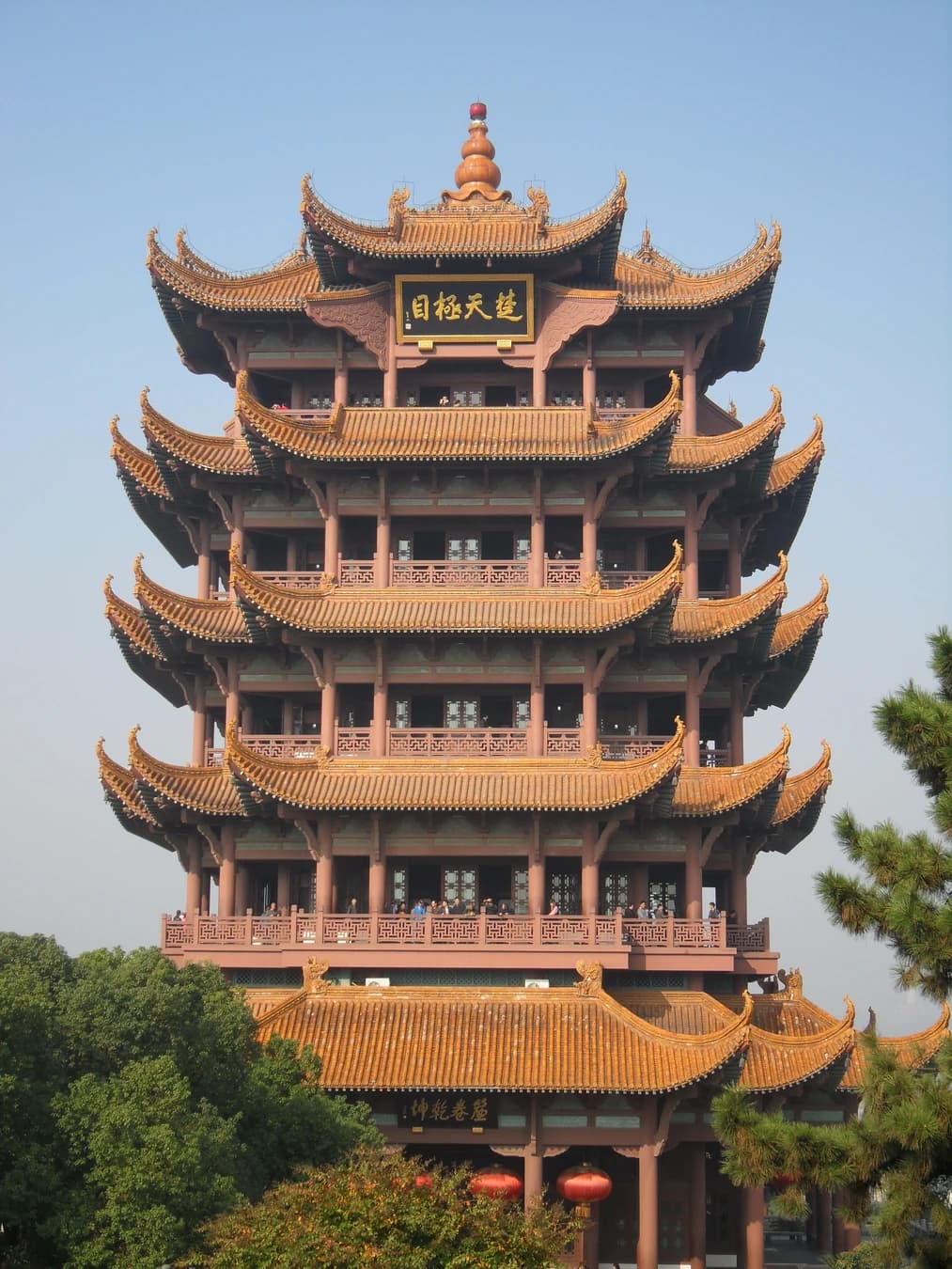
Wuhan
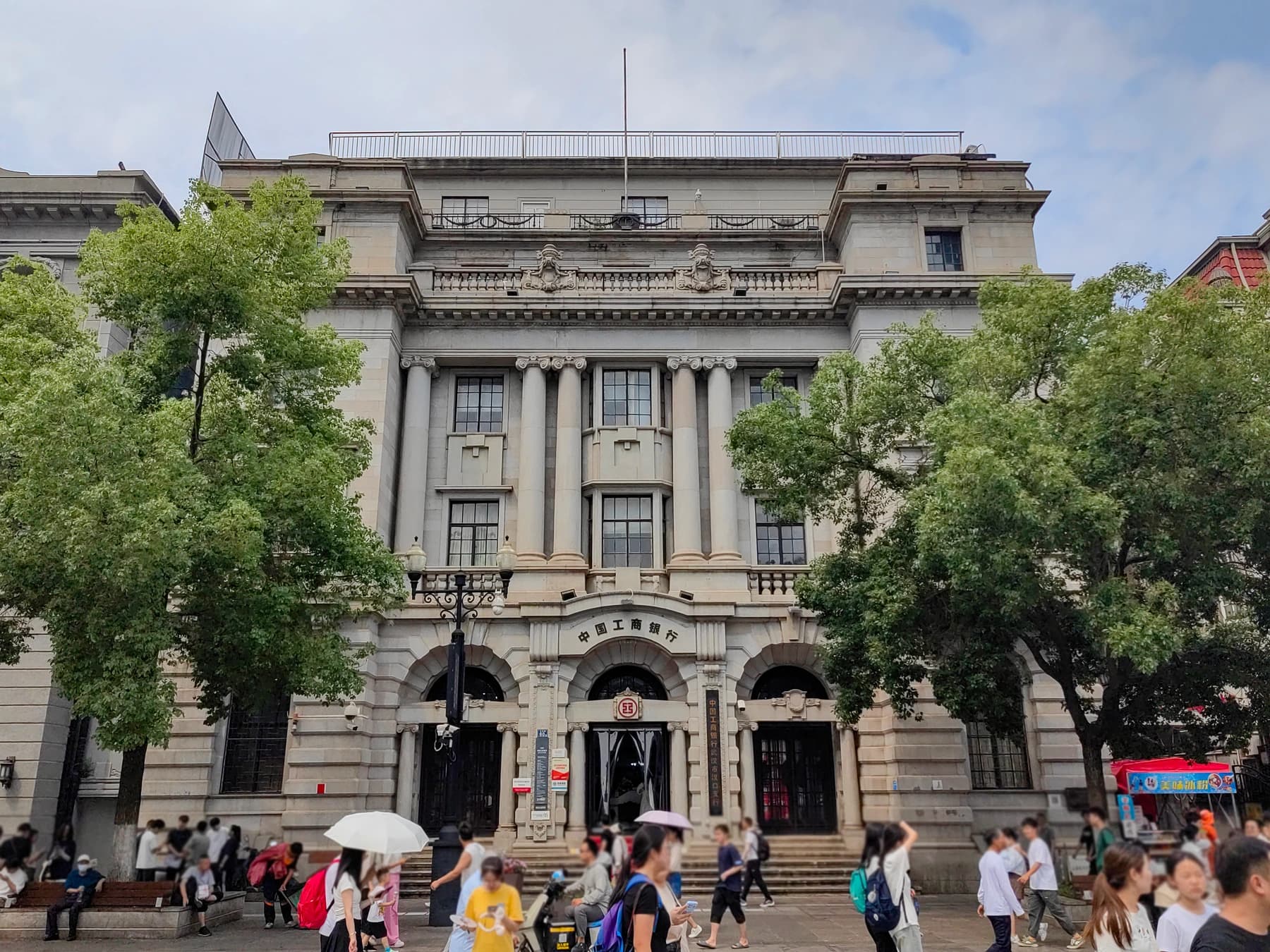
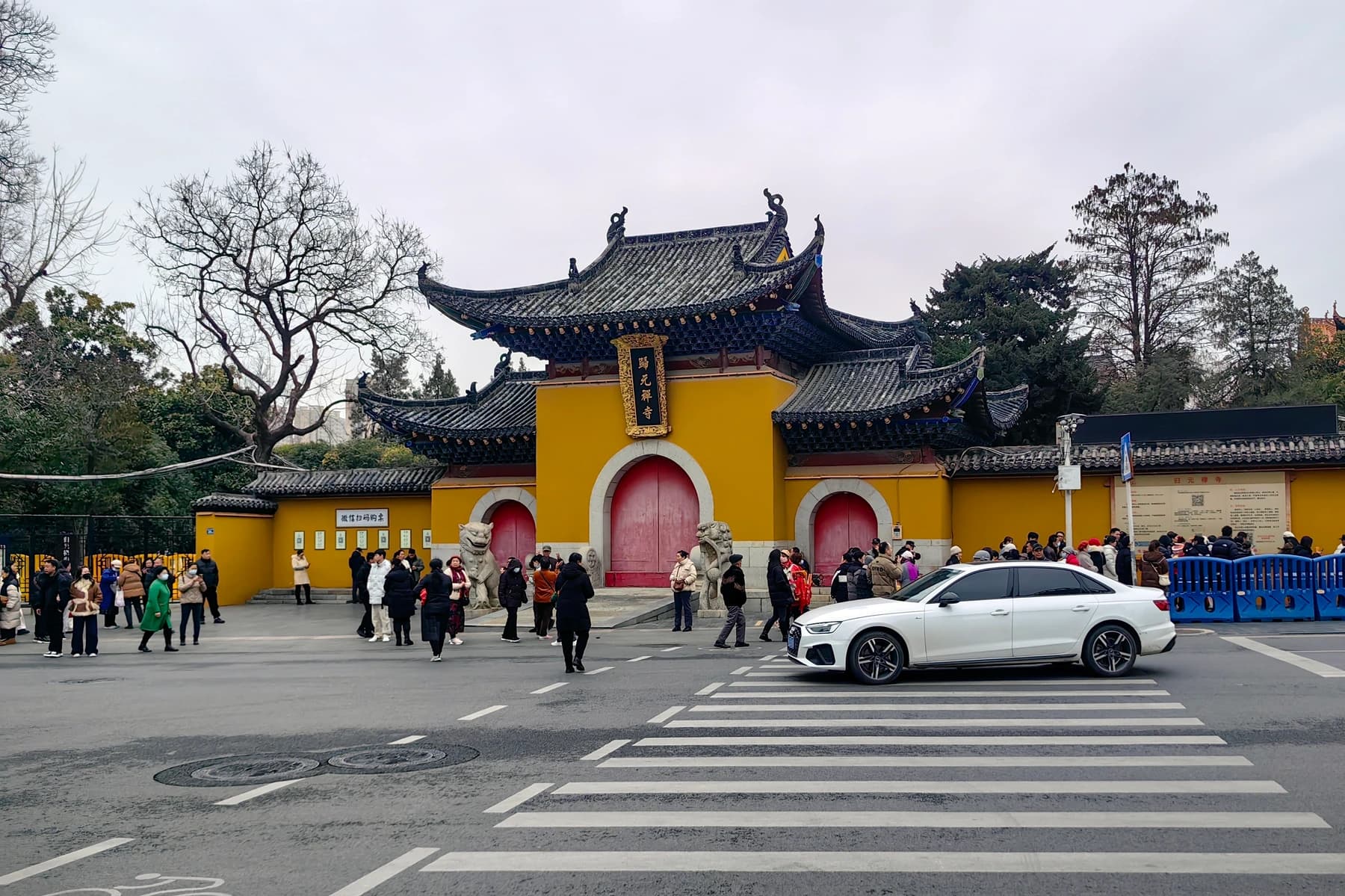
Wuhan is not a compact center around one landmark. The modern city grew from Wuchang, Hankou and Hanyang, divided and connected by the Yangtze and Han rivers. A useful first trip gives each bank a role: Wuchang for the tower, university and East Lake; Hankou for commercial architecture and riverfront life; Hanyang for Guiyuan Temple and the city's third geographic identity.
Choose the right route
- 2 days: Yellow Crane Tower and Tanhualin; Hubei Provincial Museum and East Lake Tingtao.
- 3 days: add Hanyang, historic Hankou and a live public ferry crossing.
- 4 days: add a conditional Wuhan University visit and East Lake Moshan.
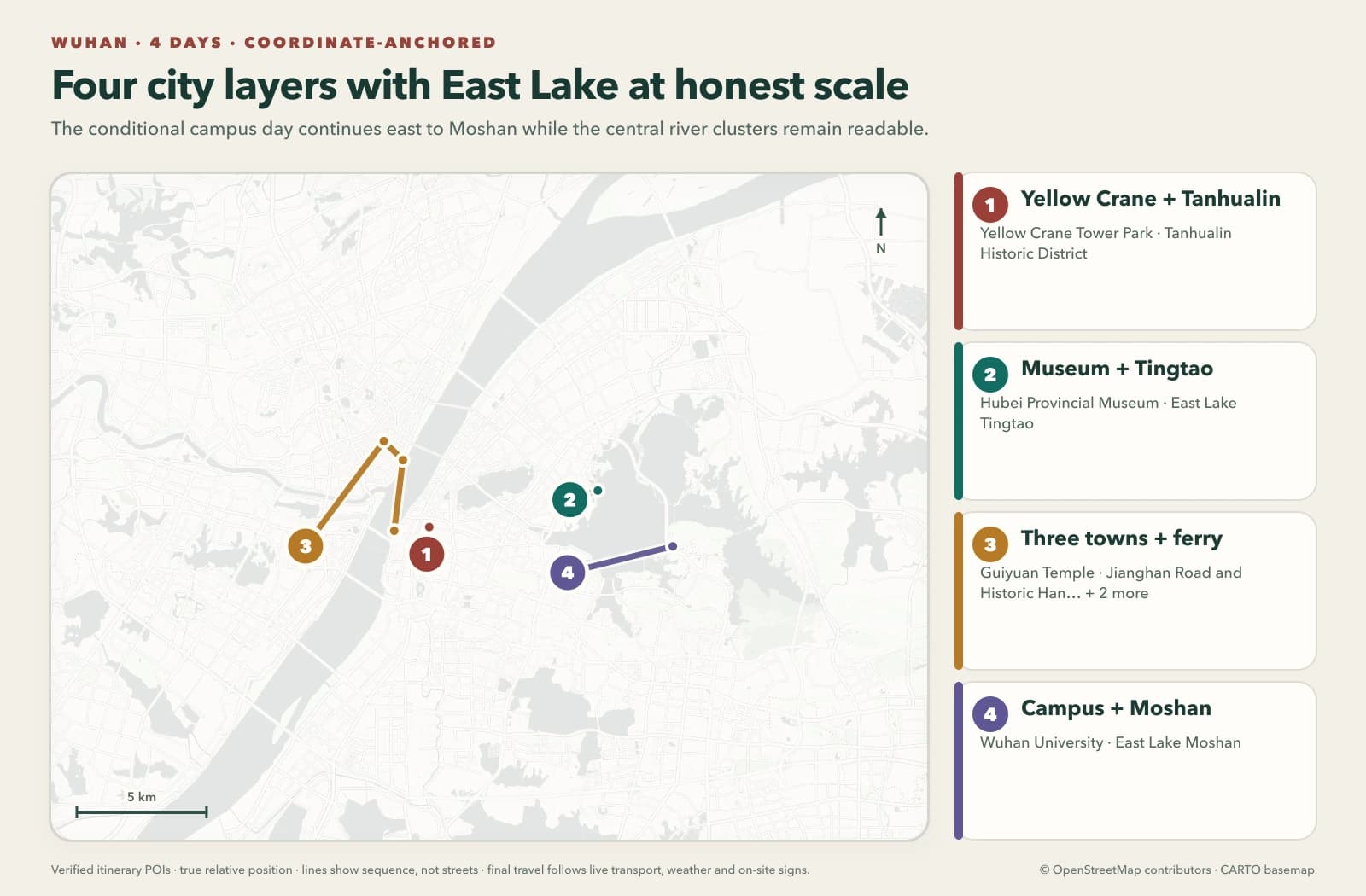
The route diagram uses verified map locations and real relative position. It deliberately shows the long Hanyang–Hankou transfer and the Yangtze crossing instead of turning three towns into one decorative downtown cluster.
Build the first two days in Wuchang
Yellow Crane Tower is a modern reconstruction on a much older literary and strategic site. Use its upper view to establish the Yangtze, bridge and three-town layout, then walk roughly 1.3 km to Tanhualin for a smaller-scale old-city layer.
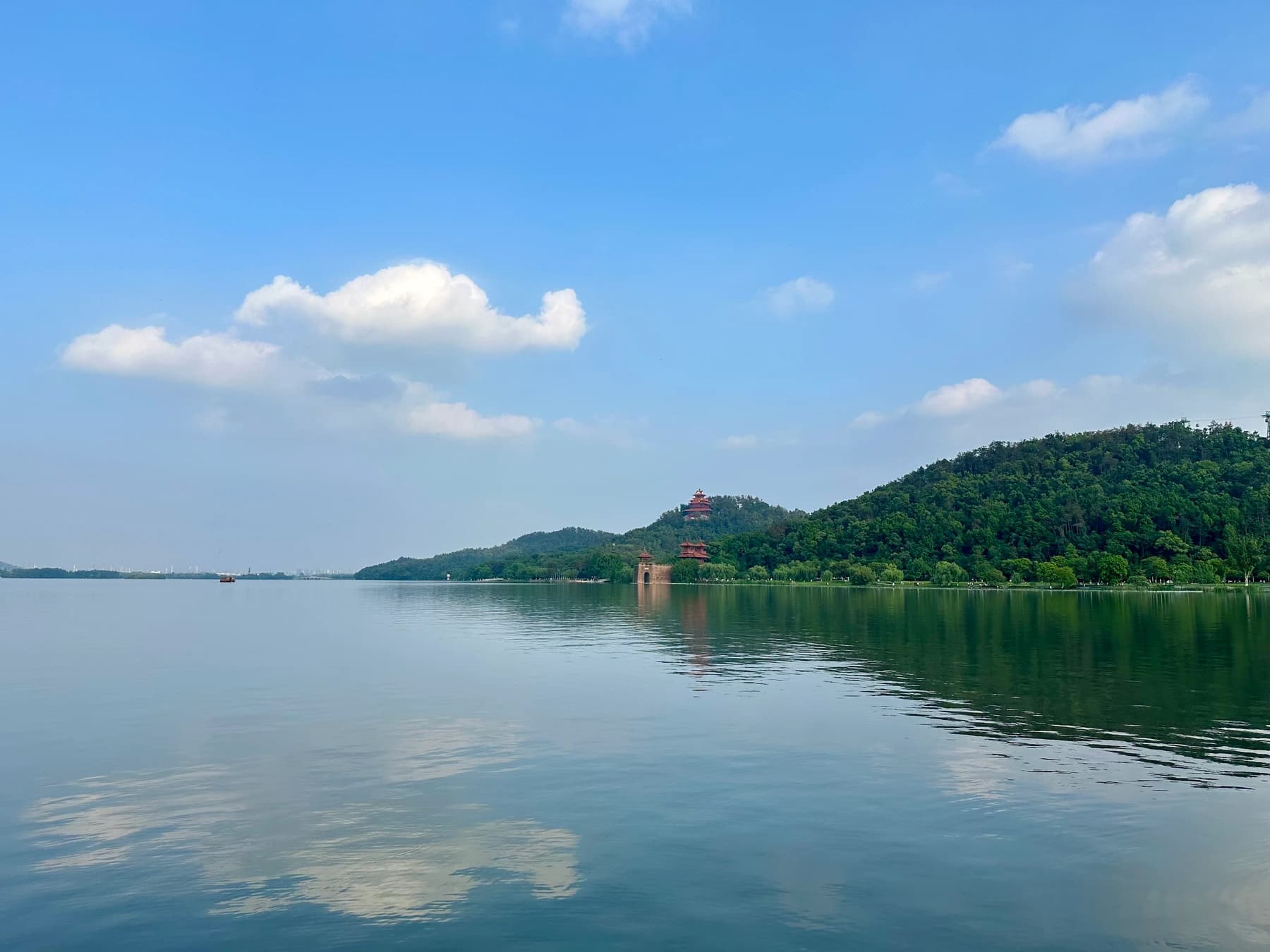
Hubei Provincial Museum deserves a reserved morning and a collection strategy. Its south-side visitor area is only about 0.6 km on foot from East Lake Tingtao, so the lake is a natural open-air second half rather than another cross-city transfer.
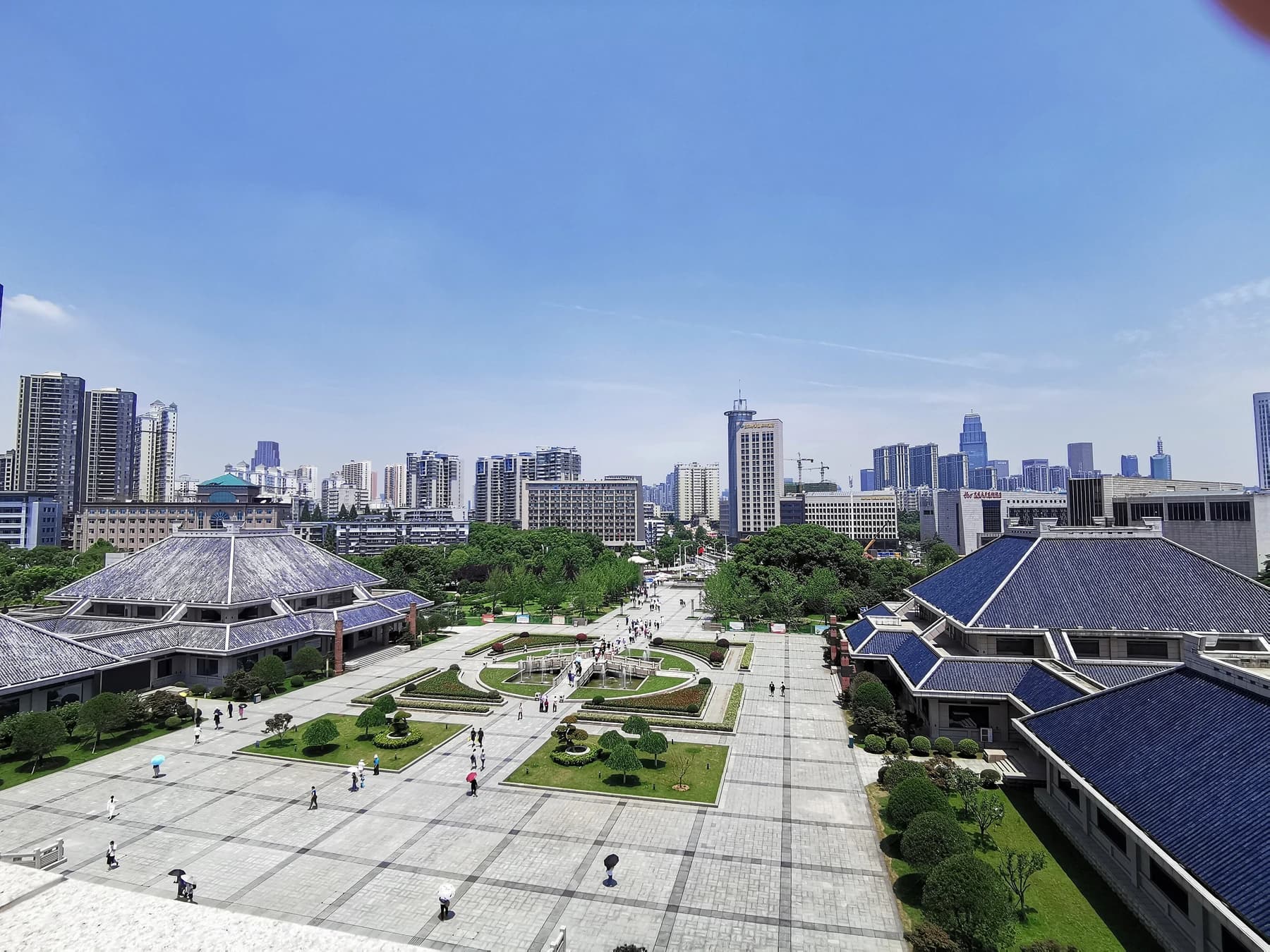
Photo: 谢宇杰 · Source · CC BY-SA 4.0
Cross the river as transport, not only sightseeing
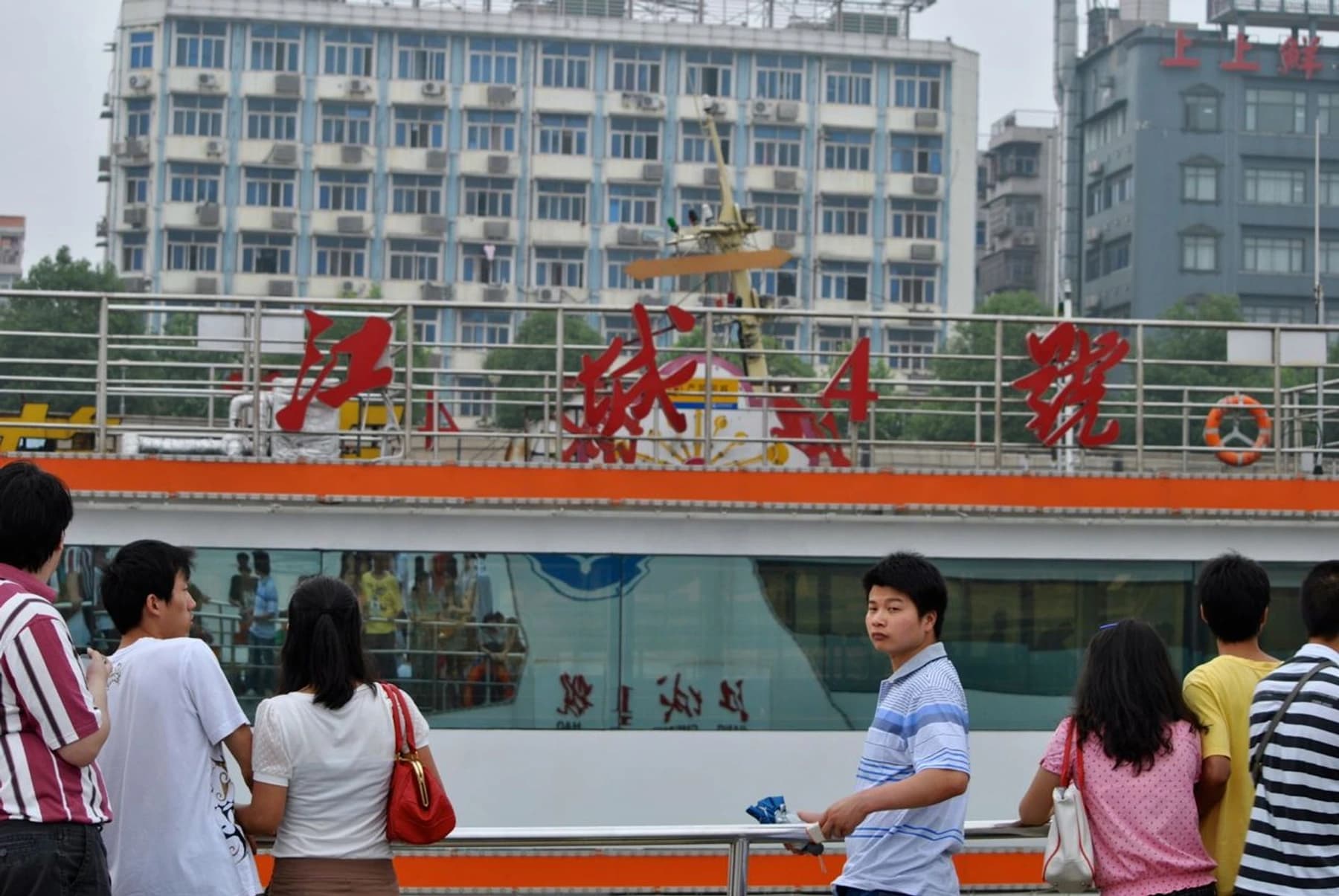
The three-town day begins at Guiyuan Temple in Hanyang, continues to Jianghan Road and historic Hankou, then uses the Yangtze ferry to arrive in Wuchang.
Ferry routes and numbered Zhonghua Road gates can change. Verify the live public crossing at Wuhan Customs Pier before boarding. A sightseeing boat is not an automatic substitute when your hotel, luggage or next stop depends on reaching the opposite bank.
Treat Wuhan University as conditional
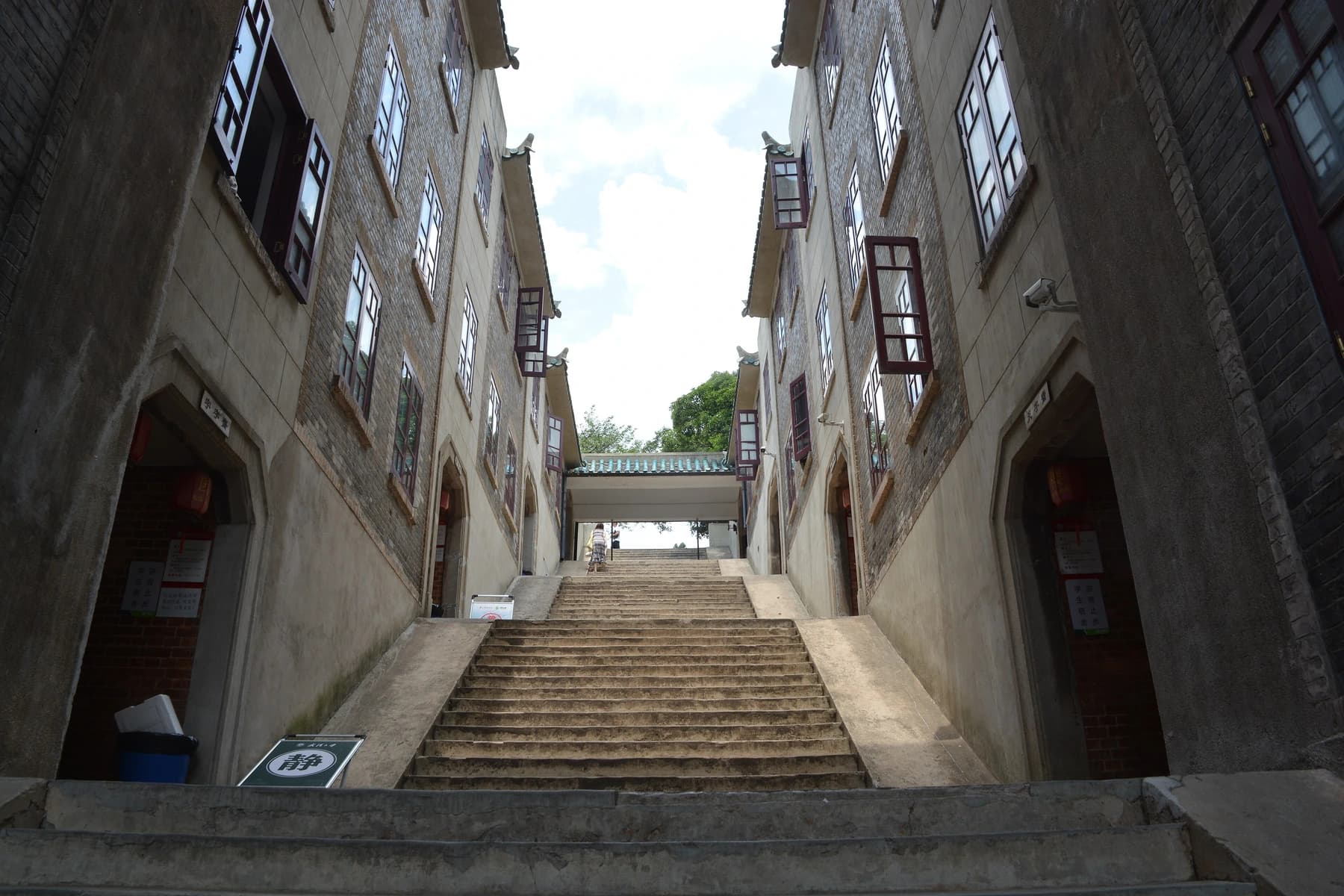
Wuhan University and Luojia Hill are an active campus, not an attraction with guaranteed tourist admission. The university's general public-access rules, cherry-blossom controls and accepted identity documents change. Confirm foreign-passport access through a current university notice before travel. If entry is unclear, begin the day at East Lake Moshan instead.
Weather, food and where to stay
Wuhan summers are hot and humid; river and lake exposure can still feel severe even with shade. Spring blossom periods bring crowd and traffic controls around Luojia Hill, Yellow Crane Tower and East Lake. Heavy rain, high water, fog or strong wind can affect ferries and waterfront access.
- Wuchang: best for the tower, museum, university and East Lake.
- Hankou / Jianghan Road: best for historic streets, riverfront evenings and urban food access.
- Major metro interchange: best when the itinerary deliberately crosses the rivers several times.
Hot dry noodles are a breakfast format, not an all-day obligation. Also look for doupi, mianwo, soup noodles and Hubei dishes, but judge a shop by current turnover, hygiene and a clear menu rather than a viral queue. Confirm whether seafood or market foods are priced per item, portion, jin or kilogram.
Compare Wuhan hotels on Trip.com, check China train tickets, and search current Wuhan tours or tickets. Wuhan Station, Hankou Station and Wuchang Station serve different parts of the city; verify the exact station on the ticket before choosing a hotel or transfer.
Core Wuhan guides
Final planning rules
- Organize the city by riverbank and lake sector.
- Reserve the museum before building the surrounding day.
- Verify the exact ferry route and receiving pier on the day.
- Treat university access as conditional, especially in blossom season.
- Leave outdoor routes movable around heat, rain, fog and high water.