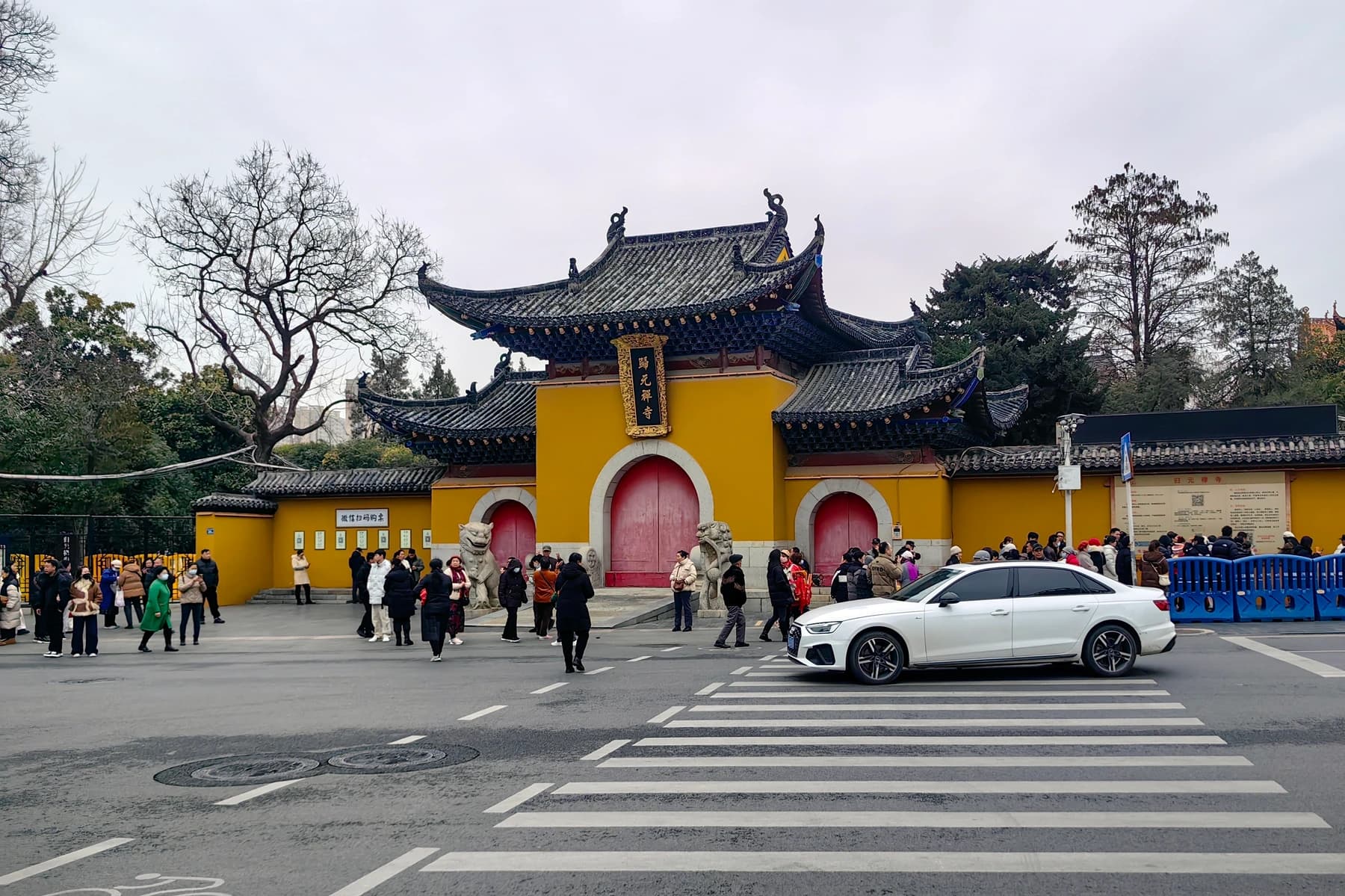
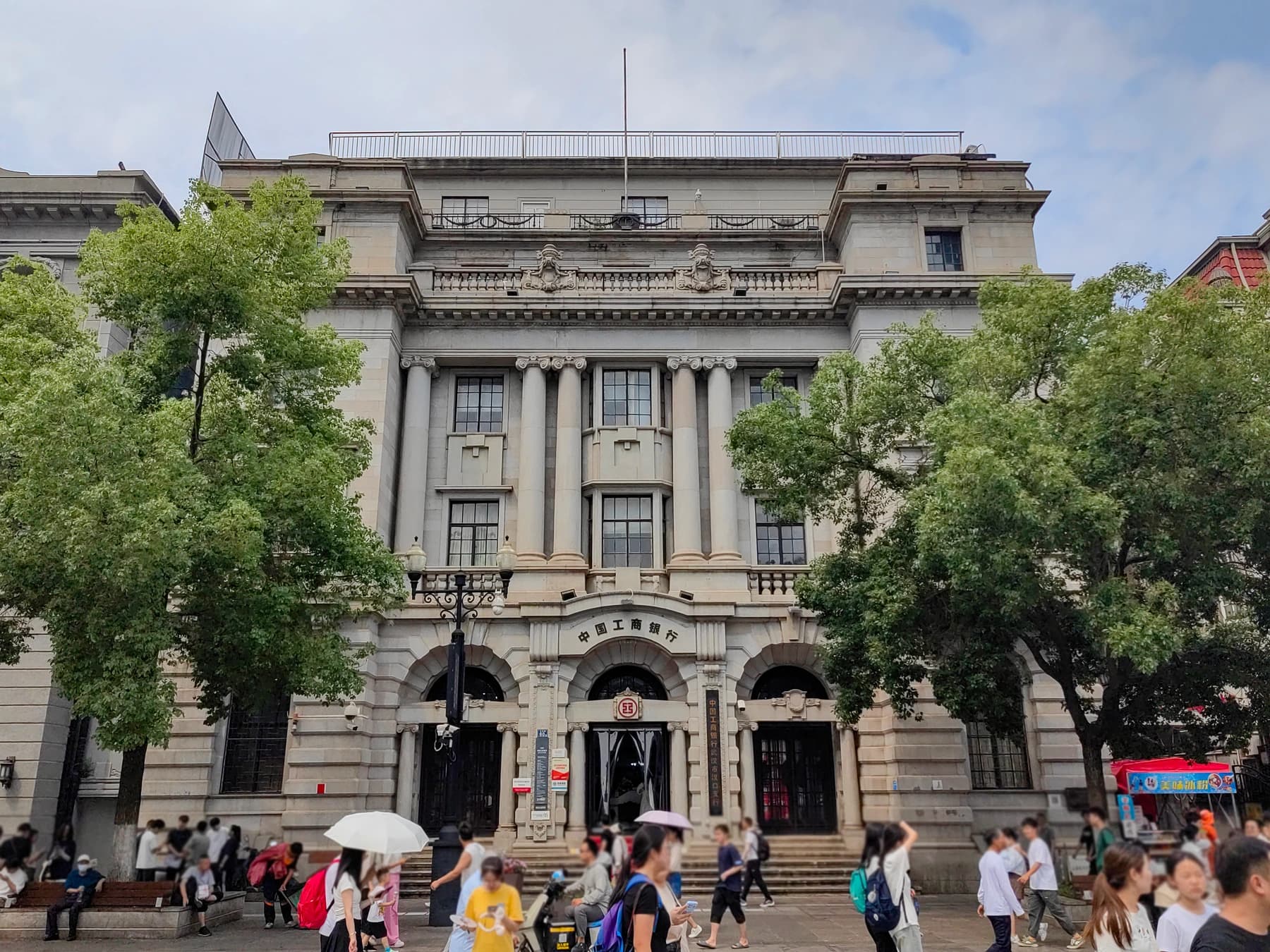
Hubei Provincial Museum
Hubei Provincial Museum is Wuhan's strongest indoor cultural stop, especially for Chu culture, the Marquis Yi of Zeng discoveries and the Sword of Goujian. Its collection is too large for an efficient room-by-room sweep. A first visit works better with one chronological core and one optional branch.
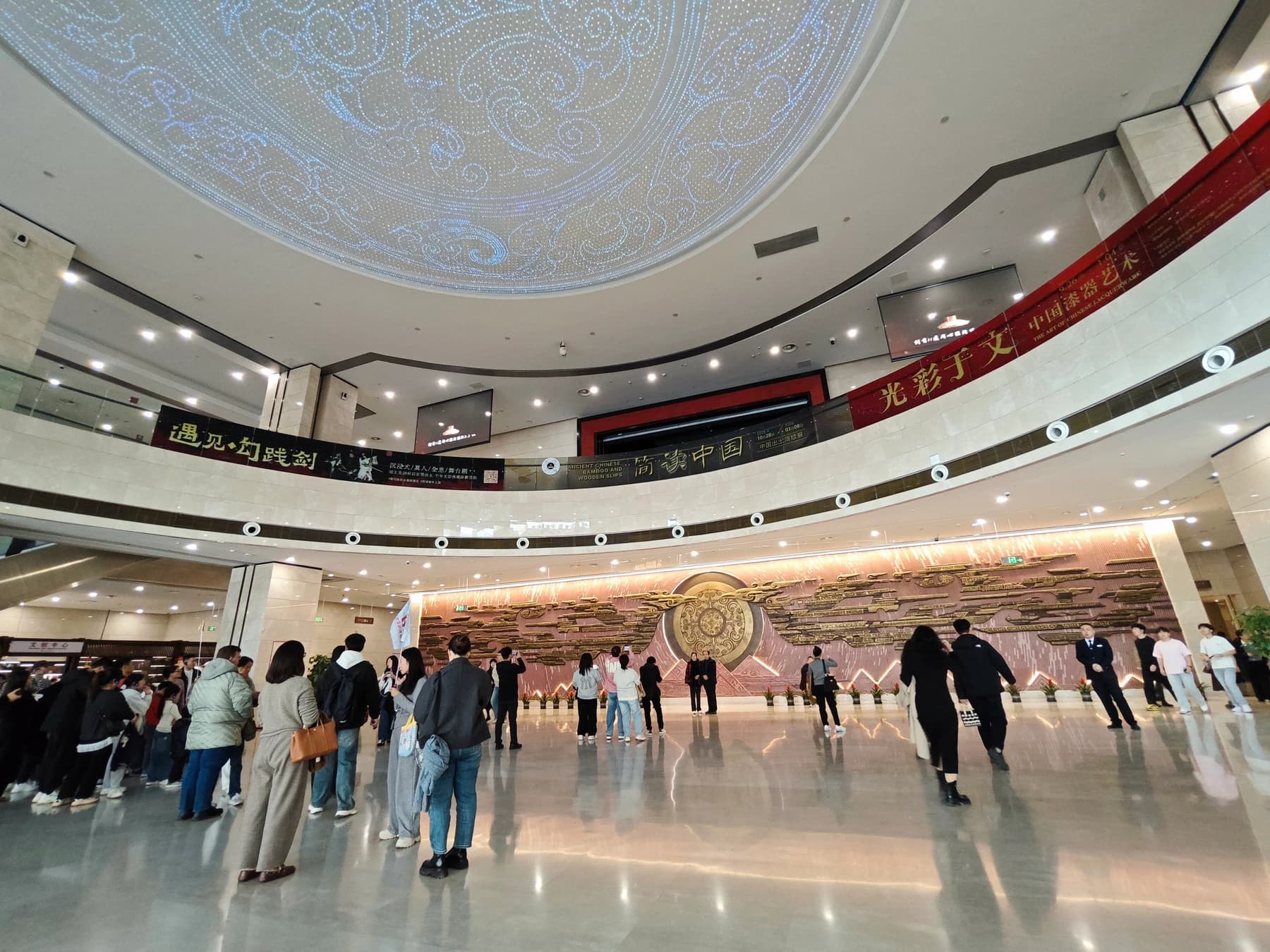
Photo: Liuxingy · Source · CC BY-SA 4.0
Use the live reservation system
The museum upgraded its reservation system in 2026. Use the current official booking portal and check the museum service page before travel. A summer 2026 notice lists extended hours through August 31 and reservations up to five days ahead; those details are date-specific and must not be assumed for a later trip.
Book with the same identity document you will carry. If the portal does not clearly support a foreign passport, use the museum's current staffed assistance instead of substituting a Chinese ID number or guessing a document format. Confirm entry gate, arrival window, bag rules, closures and performance arrangements in the live notice.
A realistic collection route
For about three hours, choose two substantial exhibitions and one shorter stop from the museum's permanent collection. The following is a selection plan, not a fixed floor-by-floor route: use the entrance on your reservation and the current gallery signs.
- Marquis Yi of Zeng (曾侯乙): make this the anchor. Give the chime bells and surrounding archaeological material time together. The value is seeing music within a wider world of ritual and court life, rather than photographing the bells and immediately leaving. This collection visit is separate from attending a live performance.
- Sword of Goujian (越王勾践剑): decide how much queue time it earns. If it is your main reason to come, check the queue early. Otherwise, keep it as the shorter stop between larger exhibitions. Visitor accounts describe waiting, but their reported times are not a reliable forecast for your slot.
- Eight Hundred Years of Chu (楚国八百年): choose this for regional culture. Use it to broaden the visit beyond the two famous objects. Pause at a few displays that explain life, beliefs or craftsmanship rather than trying to memorize every object label.
- Treasures of Prince Liangzhuang (梁庄王珍藏): choose this for a contrasting period and visual focus. Visitor accounts particularly notice the jewelry and precious objects. It makes a useful alternative to another long archaeological section, especially when your group prefers close looking to a chronological sweep.
With two hours, keep Marquis Yi and the sword, subject to queues. With a longer half day, add either more regional history or ceramics in the north building after checking the current directory. Several visitors describe using the connections between the south and north buildings; check where your chosen gallery actually is before crossing, so you do not spend the final hour searching for one more highlight.
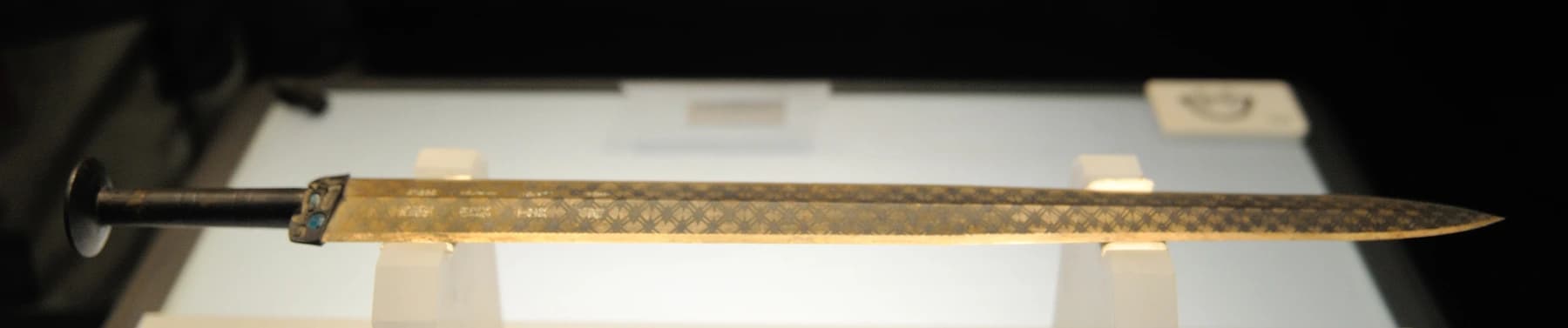
Photo: Siyuwj · Source · CC BY-SA 4.0
Allow about three hours for a first visit and add time only if concentration remains good. Musical performances involving reconstructed instruments may have separate sessions, capacity or tickets. Treat them as an optional live program, not a guaranteed part of general admission.
Continue into East Lake
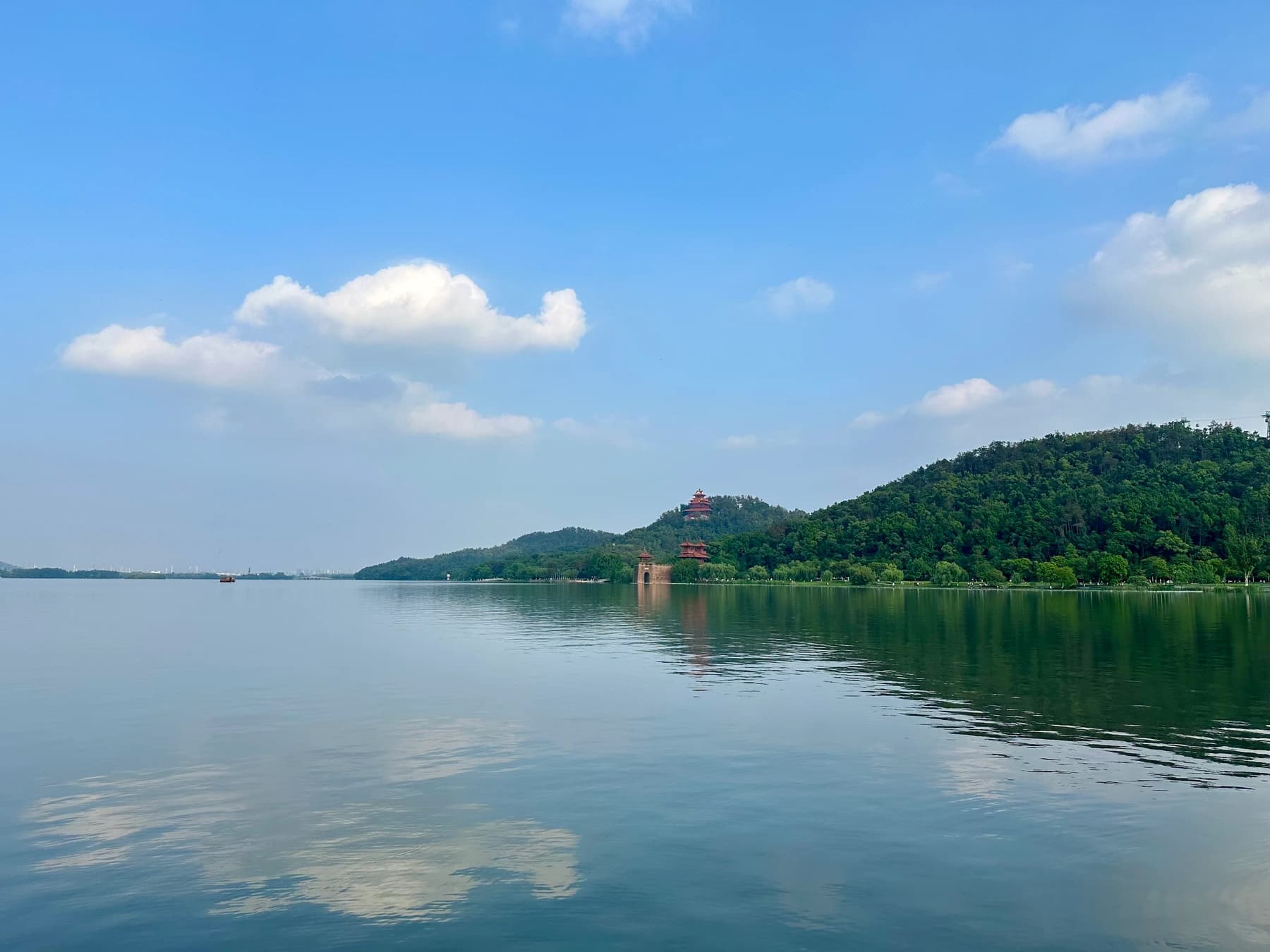
From the verified museum map location to the Tingtao side of East Lake, Amap gives roughly 0.6 km / 9 minutes on foot. This makes the lake a low-friction second half after a reserved museum morning. It does not mean every East Lake sector is nearby: Moshan and more distant greenway sections require a separate plan.
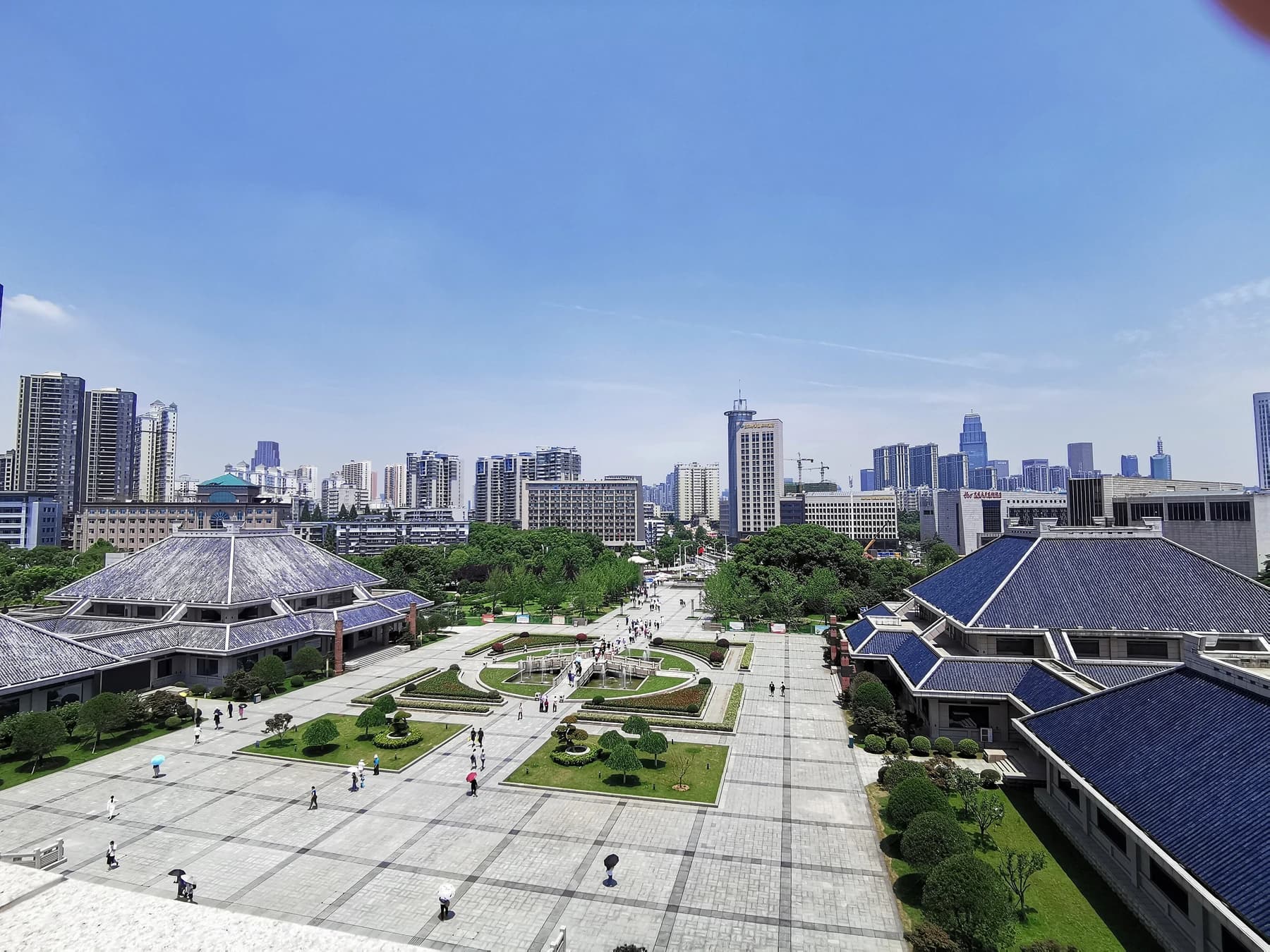
Photo: 谢宇杰 · Source · CC BY-SA 4.0
Keep one buffer after the museum. Security, exhibition queues and a long object-focused visit can all make a tightly timed cross-city booking unreliable.
The museum suits first-time Wuhan visitors, archaeology and music-history travelers, and families able to choose a small number of visual objects. It is less rewarding as a rushed checklist between two timed bookings. Lifts and broad galleries make much of the complex manageable, but distances, seating, accessible toilets and performance access should be confirmed for the open building and floor route. If a signature object is off display, keep the regional sequence as the visit's purpose rather than treating one absent artifact as a failed day.