Guiyuan Temple Wuhan
Guiyuan Temple gives Hanyang a cultural anchor before the itinerary crosses to Hankou and Wuchang. It is an active Buddhist institution rather than a decorative old compound. The visit should remain quiet, selective and responsive to worship activity.
The useful introduction is not one of Wuhan's famous temples, but a living religious complex whose halls, monastic functions, devotional practices and visitor-famous Arhat tradition overlap. Enter to understand that relationship; do not treat worship as a performance supplied for tourists.
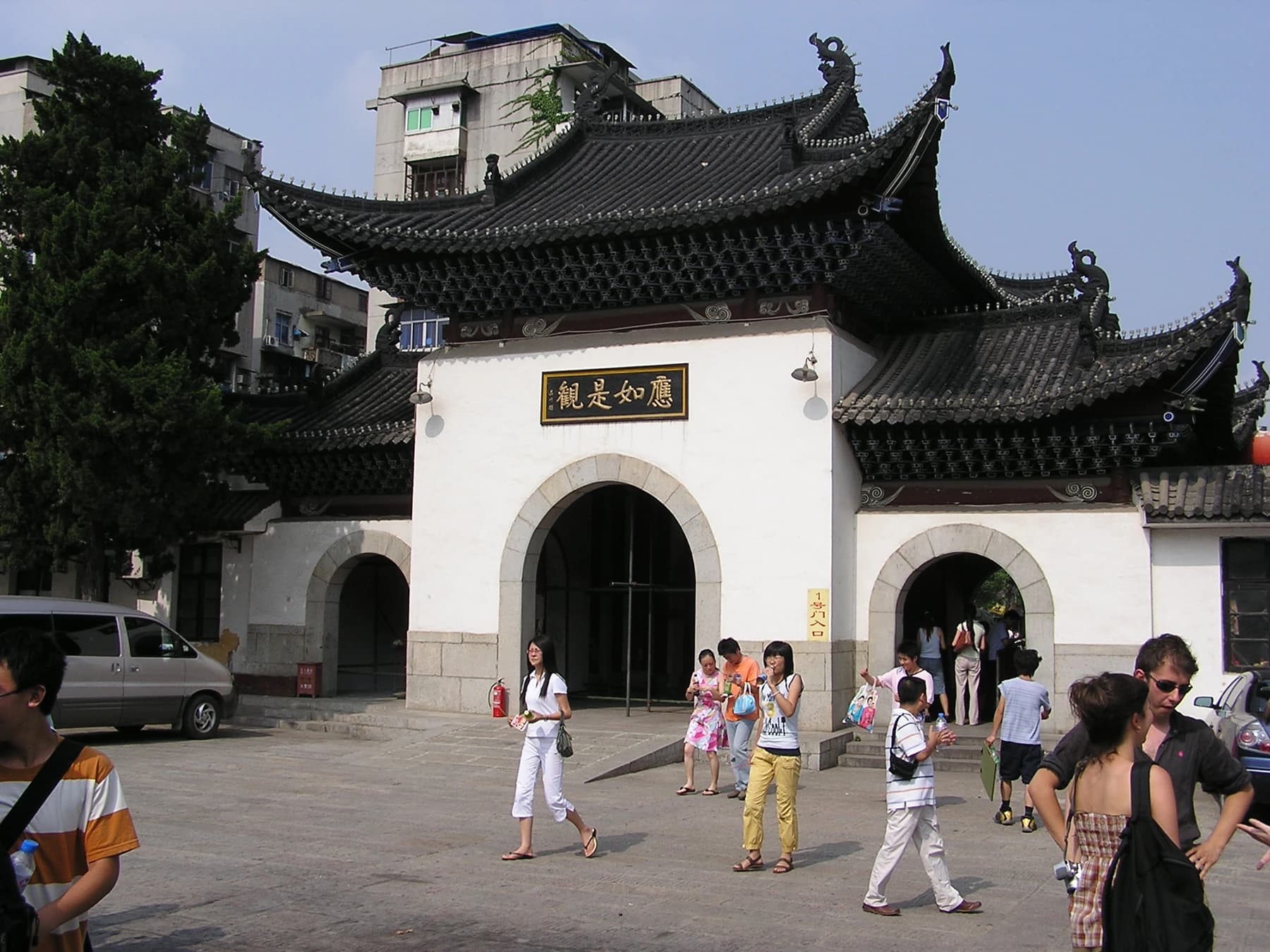
Photo: gugganij · Source · CC BY-SA 3.0
How to visit
Allow about 60–90 minutes for the accessible halls, courtyards and one focused cultural feature. Follow current signs for the visitor entrance, ticketing and any restricted spaces. Dress respectfully, keep voices low and do not photograph worshippers, ceremonies or interiors where photography is prohibited.
Start by reading the current visitor map and identify which spaces are for ordinary public circulation. Follow the main sequence without entering a queue merely because others do. If the Arhat hall is open, use its labels and spatial order rather than turning counting or fortune customs into a game whose result the temple guarantees. Leave active chanting or prayer routes undisturbed.
Incense practice is optional. Do not imitate gestures without understanding them, buy excessive offerings or obstruct a prayer route for a photograph. A temple volunteer or posted rule takes priority over advice from a social-media itinerary.
Check festival conditions
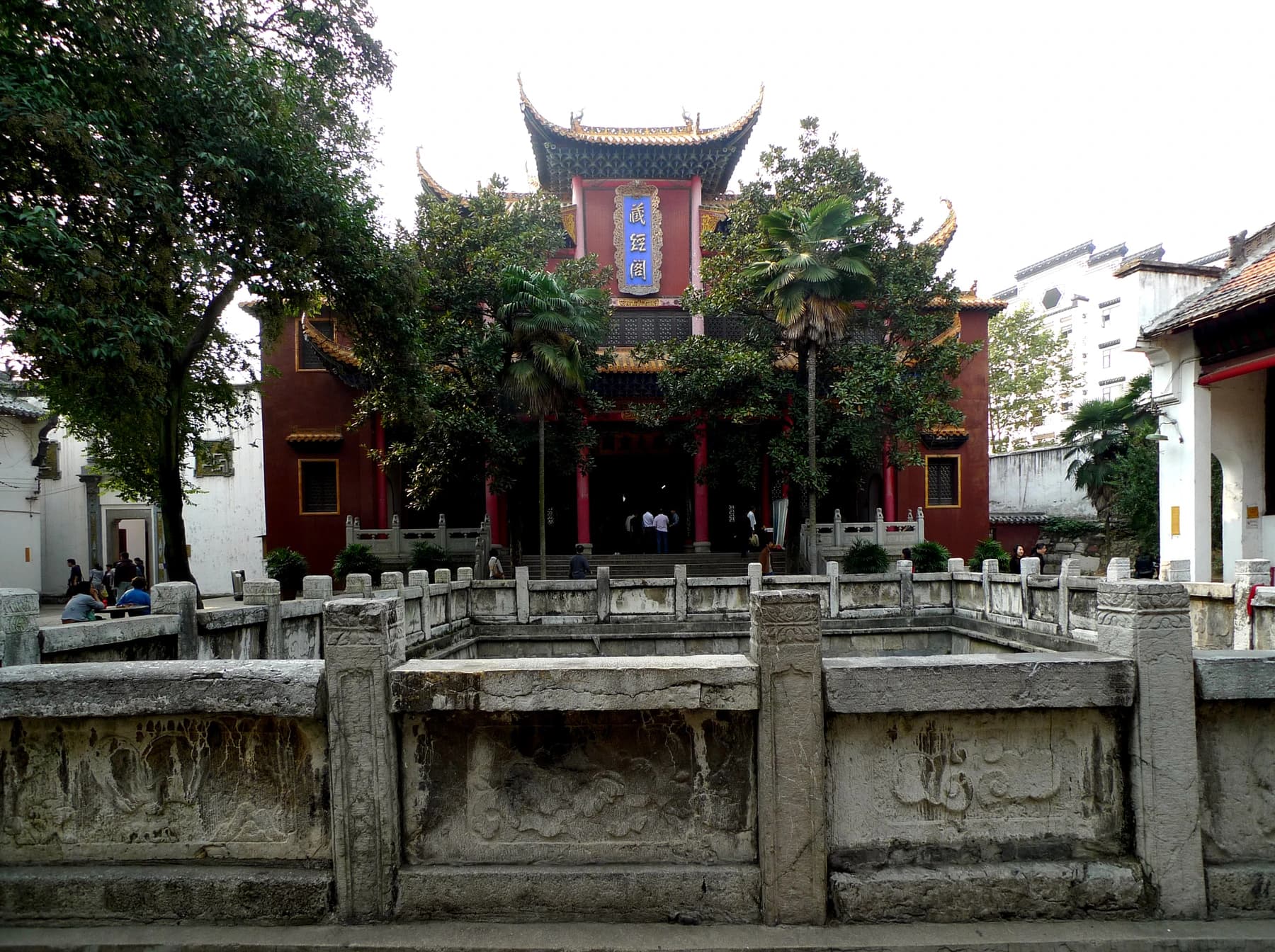
Major Buddhist observances, Lunar New Year periods and local incense traditions can create extraordinary queues, temporary traffic controls or changes in public access. Check the temple's current official notice before traveling. If worship crowds are dense, shorten the tourism visit or return on an ordinary morning.
The compound can also close rooms for religious use, conservation or safety. Do not interpret a standard map as a guarantee that every hall will be open.
The public guide does not freeze an ordinary ticket or hour from an undated listing. Confirm opening, last entry, admission, incense/fire controls and passport payment on the temple's active channel. Festival notices are evidence of exceptional conditions, not the normal baseline.
Historic thresholds and crowded courtyards can interrupt step-free movement. Ask which halls are reachable without stairs and where an accessible toilet and quiet rest point are located. In high heat, choose one interior focus instead of forcing the whole compound.
Continue from Hanyang to Hankou
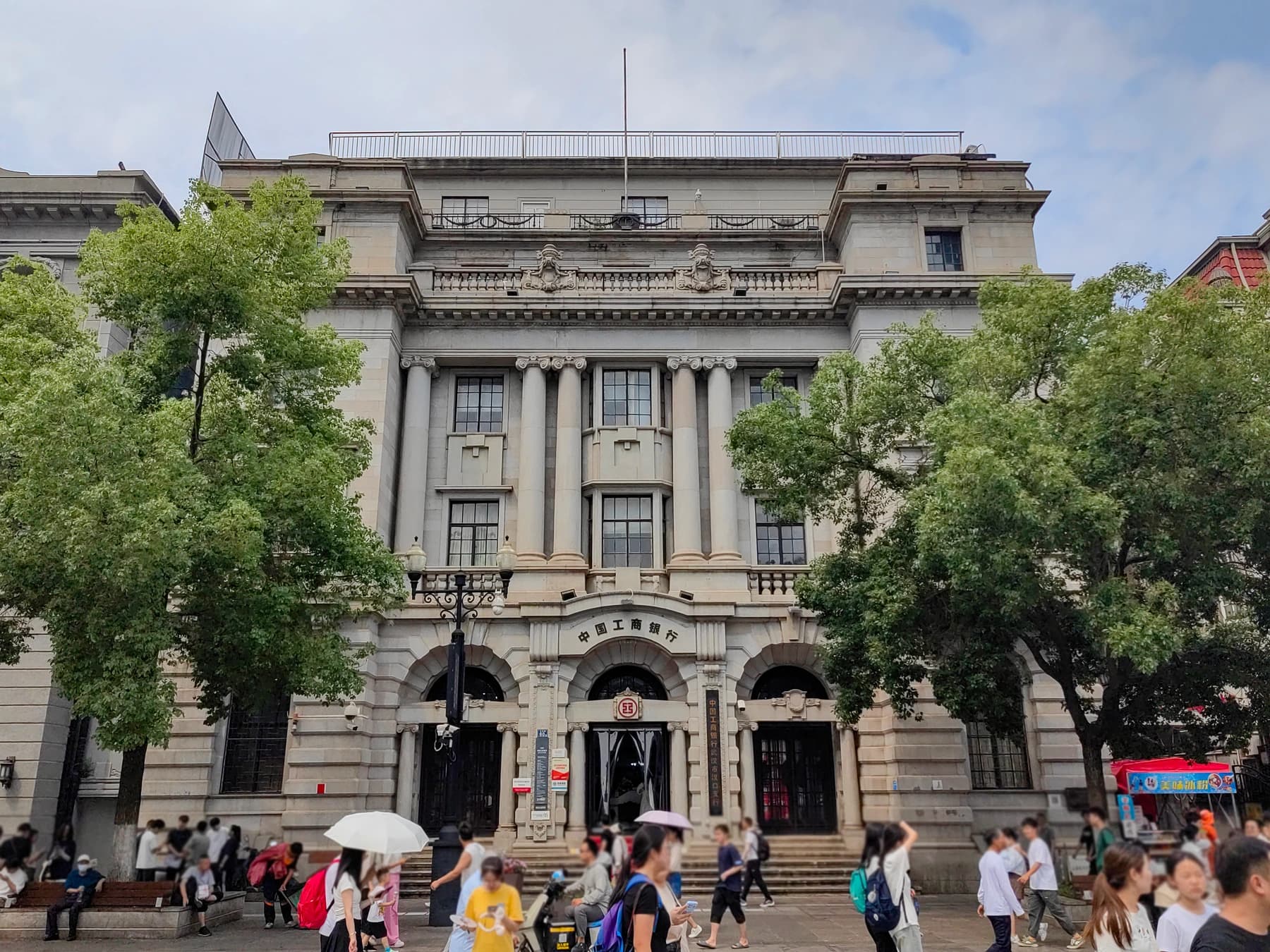
From the verified Guiyuan Temple map location to Jianghan Road, Amap estimates about 6.9 km / 27 minutes by car. The metro option is around 37 minutes but includes roughly 1.6 km of walking, so compare the live route with weather and mobility needs. The next stop is historic Hankou and Jianghan Road.
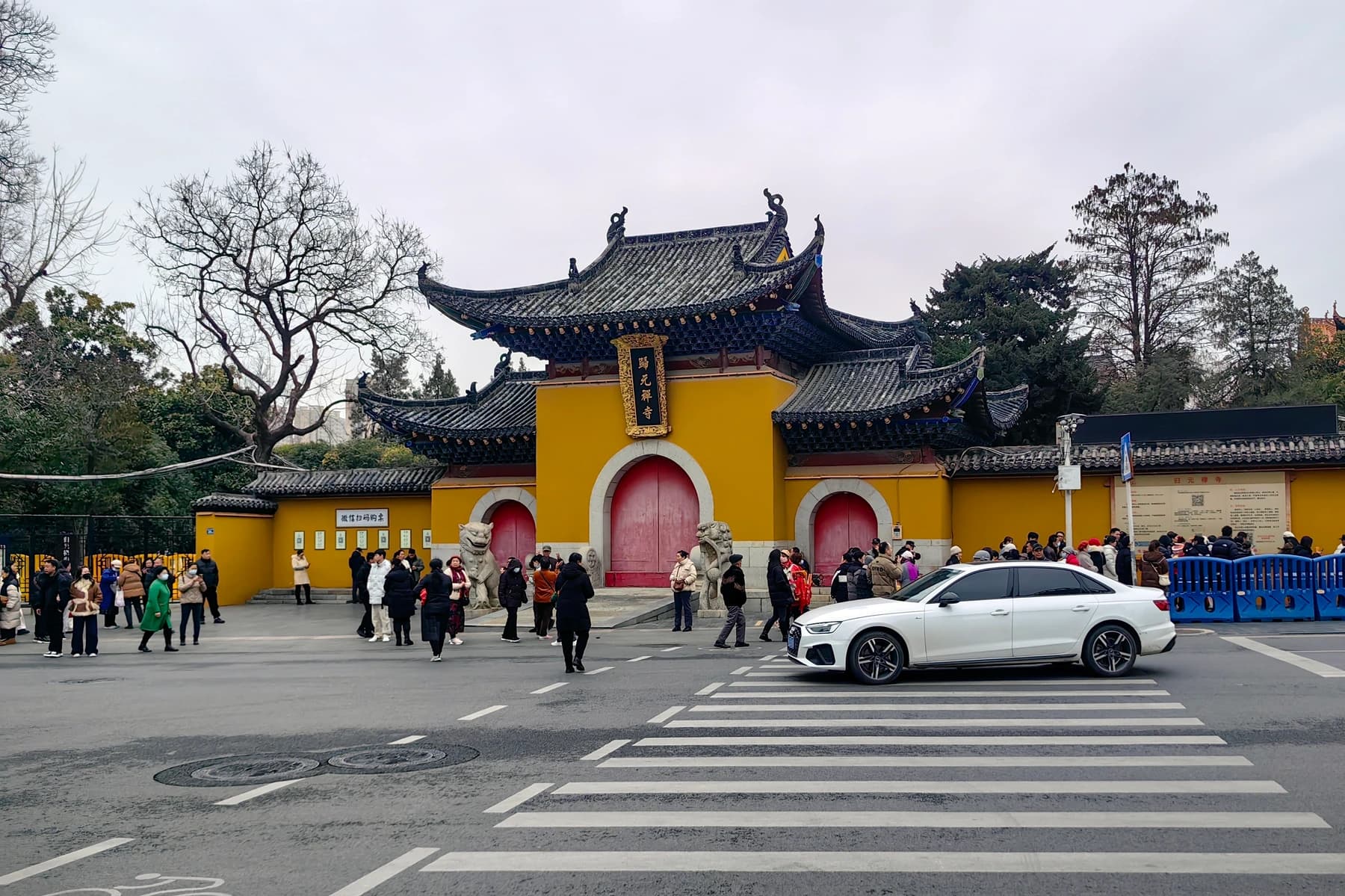
Photo: Auongkinghe · Source · CC BY-SA 4.0
Starting here is not the shortest possible Wuhan sightseeing day; it is what makes the city's “three towns” idea geographically real instead of merely a slogan.