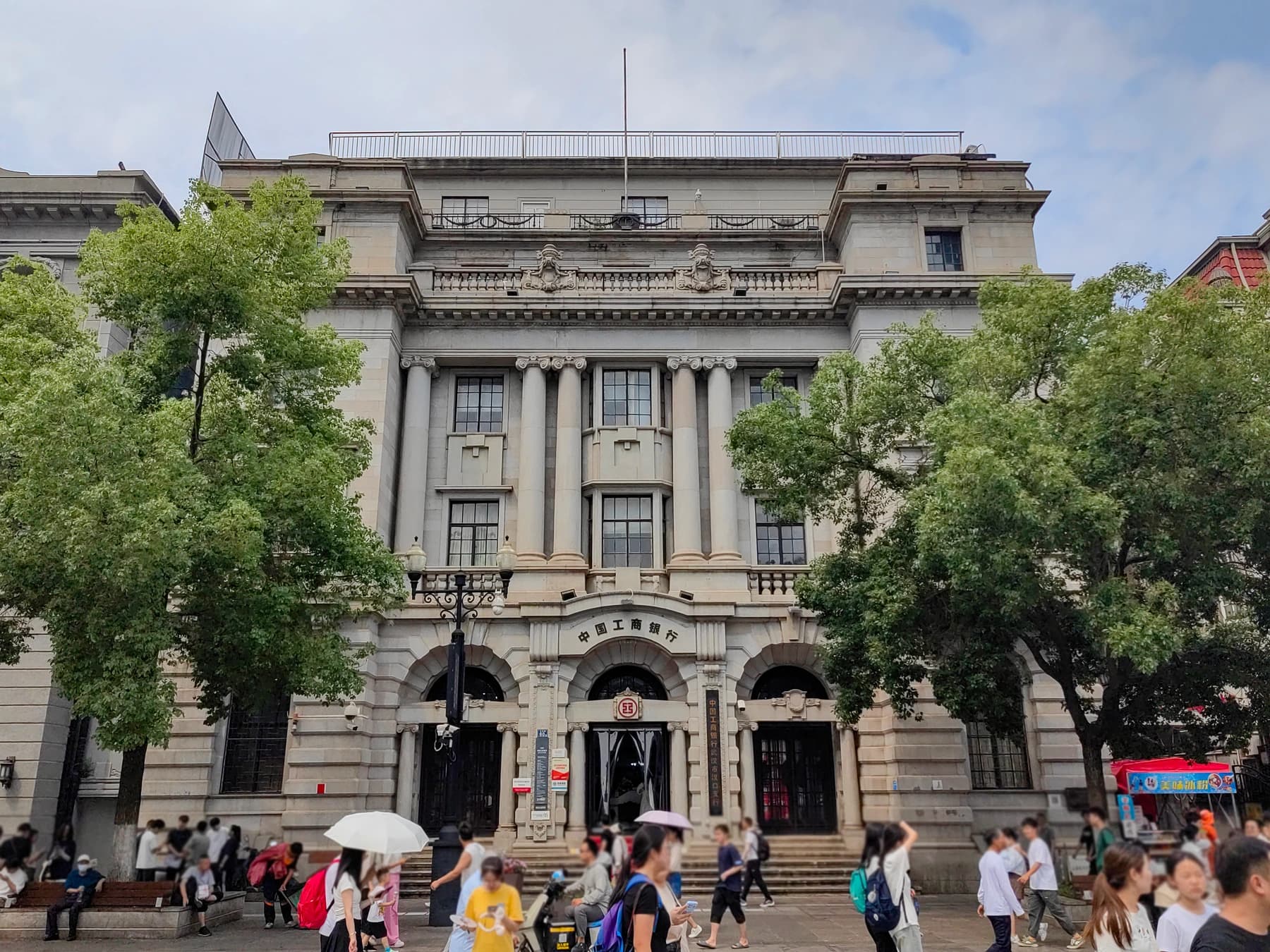
Tanhualin Wuhan
Tanhualin is a compact Wuchang walking area where historic institutions, lanes, adapted buildings, cafés and newer commercial presentation overlap. It is most useful as a contrast to nearby Yellow Crane Tower, not as proof that every façade is untouched heritage.
Its historical value comes from urban layering: education, medicine, religious institutions, residences and later creative reuse occupied the same hillside network at different times. The route should identify those functions and dates rather than call the entire area Republican-era or European style.
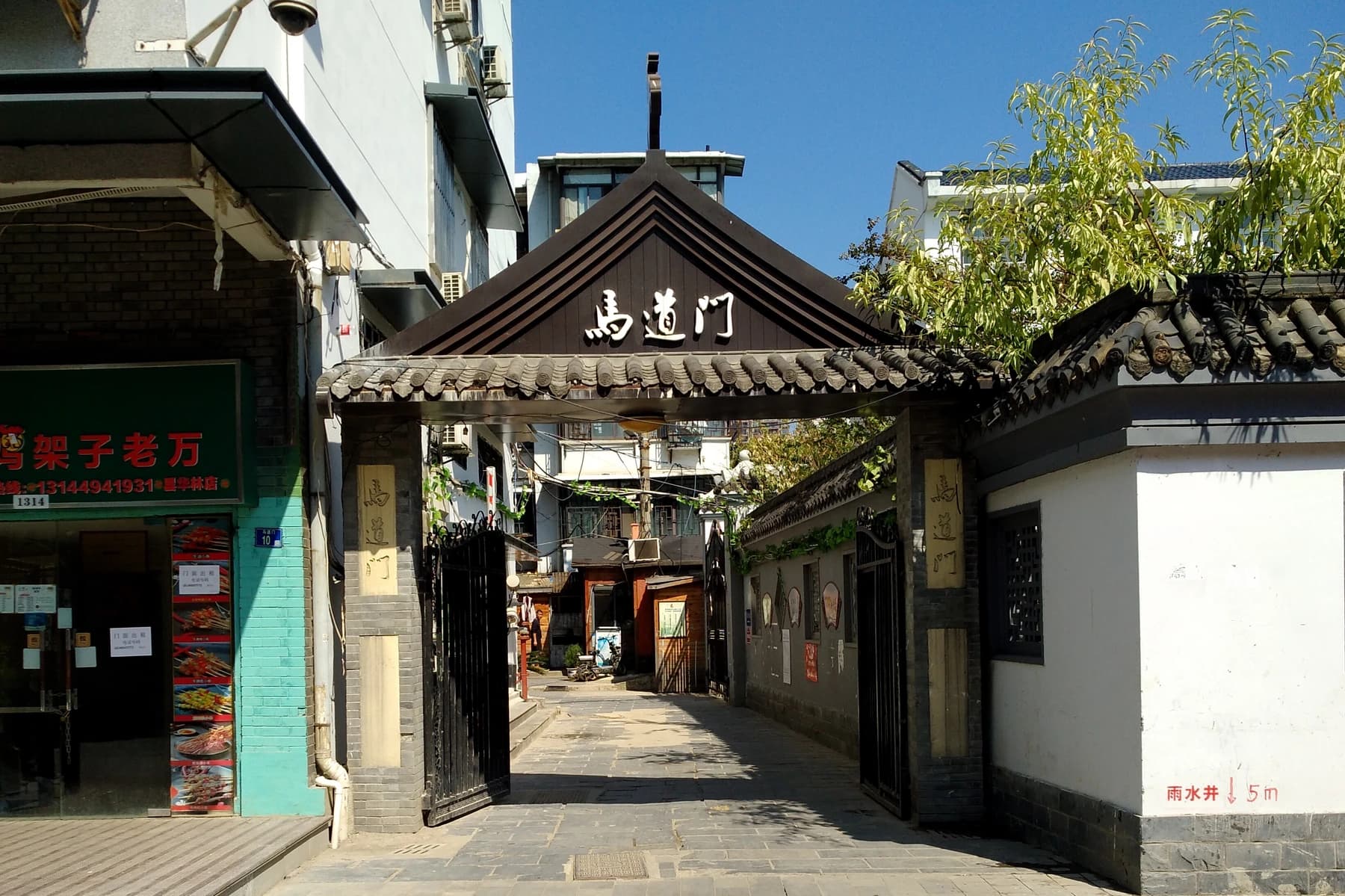
Photo: Augustokremo · Source · CC BY-SA 4.0
A focused walking method
Allow 90 minutes to two hours. Start with the area's street pattern and a few clearly identified historic or institutional buildings, then add one garden or adapted interior only when current access is explicit. Read on-site labels and dates: restoration, reconstruction and commercial reuse are part of the area's story and should not be hidden behind a generic “ancient street” description.
Morning is calmer for architecture; later afternoon brings more café and retail activity. Avoid building the route around one viral shop because tenants and opening hours change faster than the surrounding urban fabric.
Use a three-stop rule: one clearly labelled institution, one public lane showing the slope and street grain, and one legitimately open adapted interior or garden. This is enough to explain the district. Add a café only when it solves a heat/rain break or genuinely interests you; a purchase is not required to validate the walk.
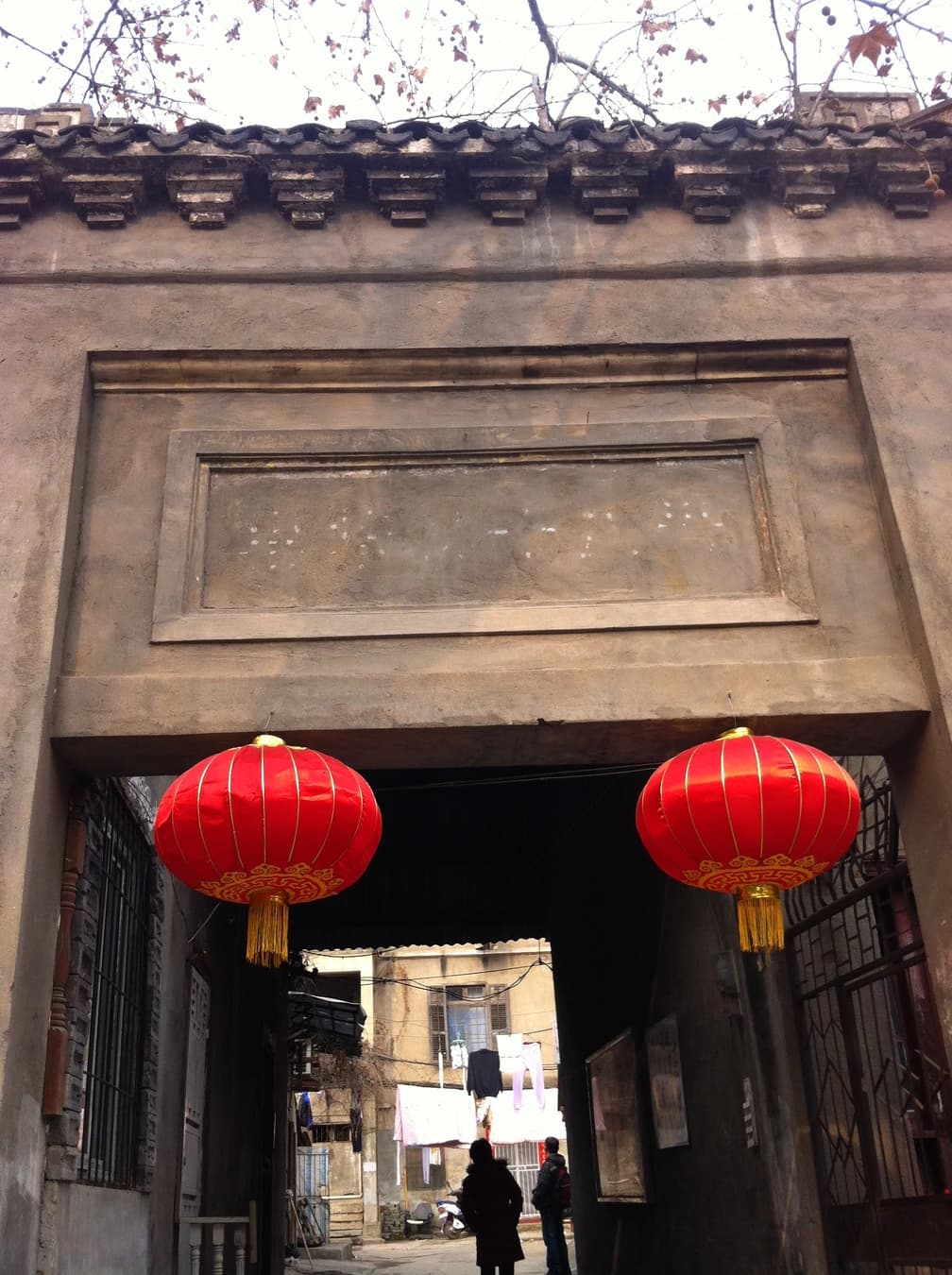
Photo: Towerman · Source · CC BY-SA 3.0
Respect the lived-in district
Some lanes still serve residents, schools, religious communities or working institutions. Stay in public areas, do not pose in doorways, keep noise down and avoid photographing identifiable residents at close range. A photogenic courtyard is not automatically a public attraction.
Uneven paving, steps and construction detours can make the shortest map line impractical. Use current pedestrian navigation and be ready to turn around at a private or closed entrance.
Because the area climbs, downhill and uphill versions are not equivalent for knees, wheelchairs or summer heat. Check the chosen start and exit rather than following a social route in reverse. Public streets are free; individual gardens, exhibitions, performances and businesses set independent access and prices.
Pair it with Yellow Crane Tower
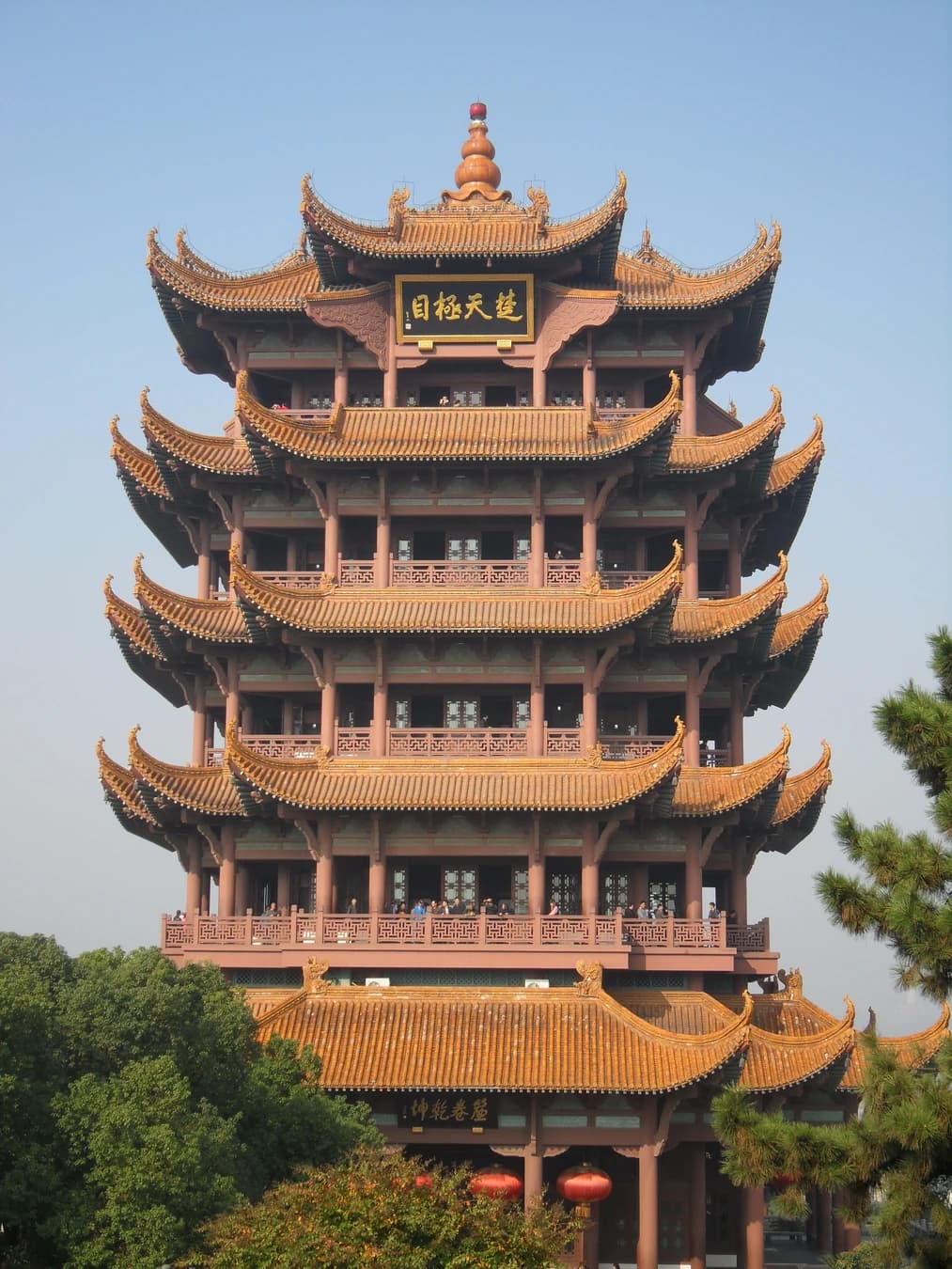
From the verified Yellow Crane Tower map location to Tanhualin, Amap planning gives roughly 1.3 km / 18 minutes on foot. Visit the tower first for broad city geography, then use Tanhualin for smaller-scale street history. In extreme heat or heavy rain, take a short car transfer and reduce the lane walk.
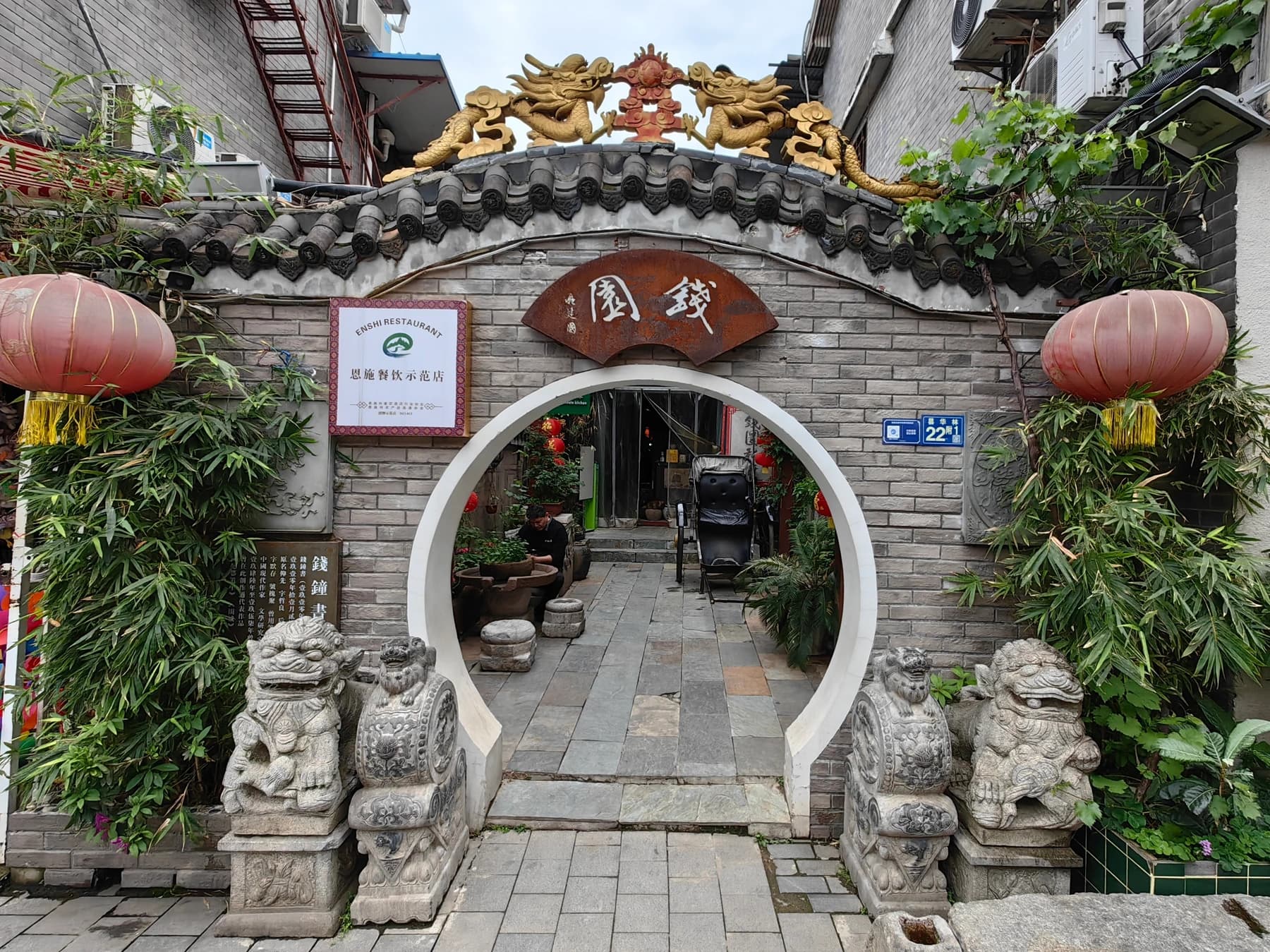
Photo: Uuongkinghe · Source · CC BY-SA 4.0
Tanhualin succeeds as a selective urban walk. It becomes disappointing only when treated as a perfectly preserved old town or an obligation to visit every shop.