Kashgar
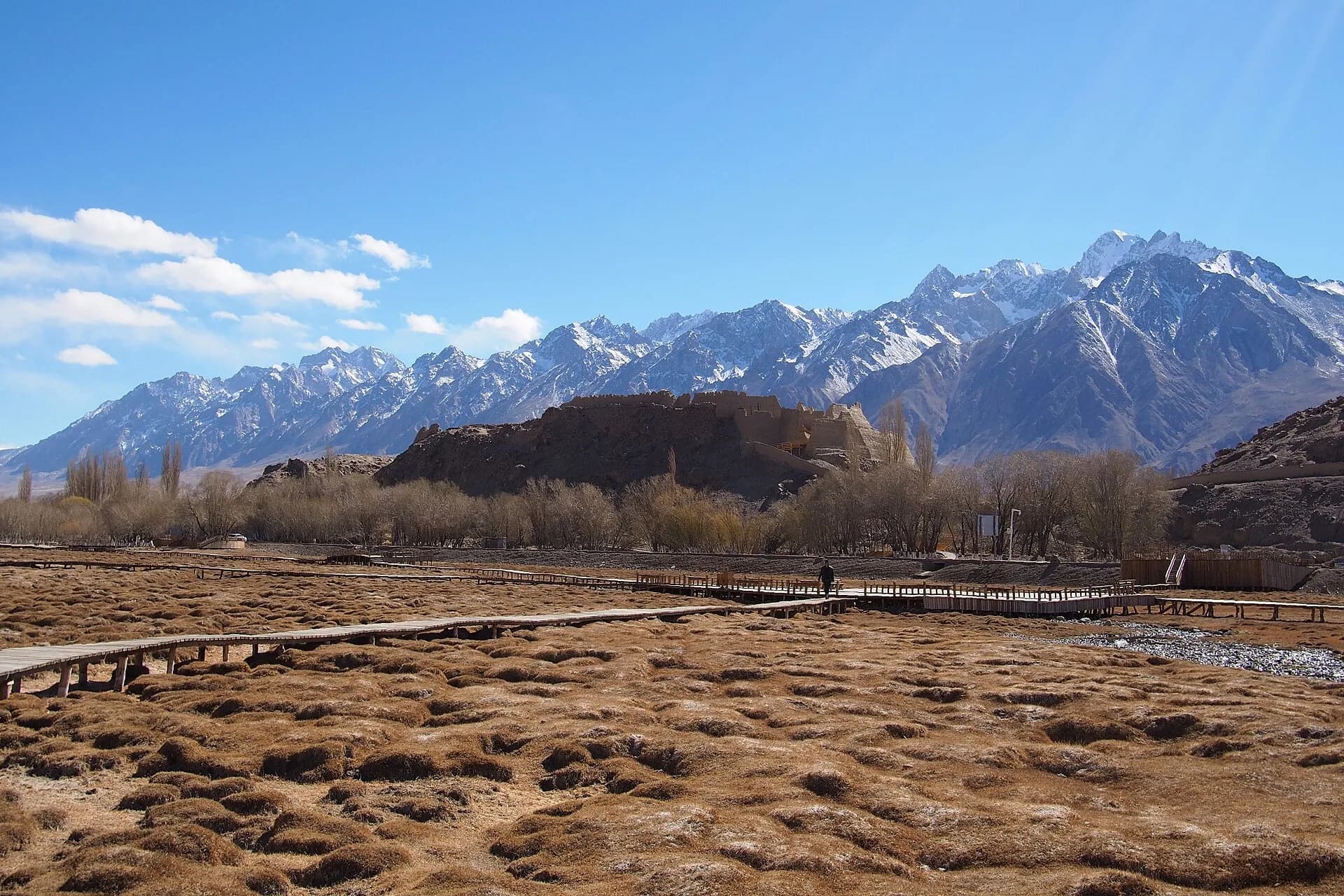
Kashgar rewards travelers with several distinct versions of the city. In the center, inhabited Old City lanes lead between small squares, craft and food businesses and the landmark façade of Id Kah Mosque. Museums and the tiled Abakh Khoja mausoleum add historical depth. On Sundays, a working livestock market reveals the regional trading economy. Beyond the city, the Pamir road opens into lakes and snow mountains on a completely different scale.
Give urban Kashgar two full days, or three when Sunday market timing matters. Treat Karakul Lake, Tashkurgan or Shipton's Arch as separate outward journeys rather than squeezing them into the city plan.
The city-first flagship
The flagship gives the inhabited city two coherent days. If Sunday livestock trade is a priority, replace one urban half-day rather than adding it to an already full schedule. Gaotai remains outside the route while closed, and each Pamir or Artux journey keeps its own road, permit, weather and return margin.
Day 1: Old City at street level
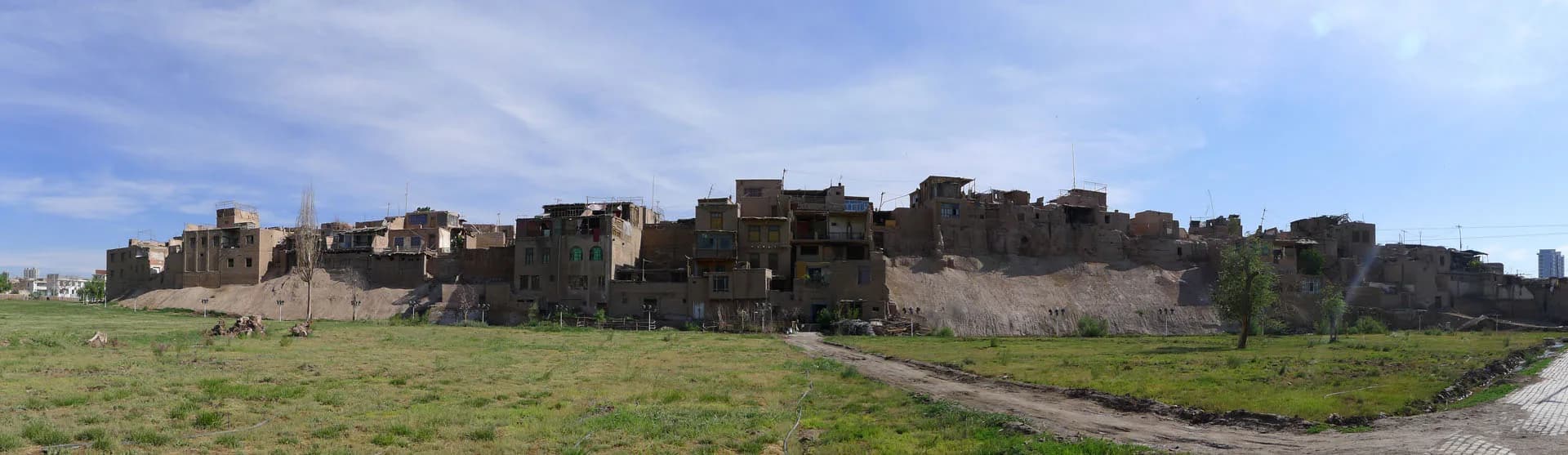
Use the Kashgar Old City guide to choose the energetic east side, the quieter architecture-led west side or a relaxed combination. The east suits public activity and browsing; the west rewards a slower look at lanes, façades and residential edges.
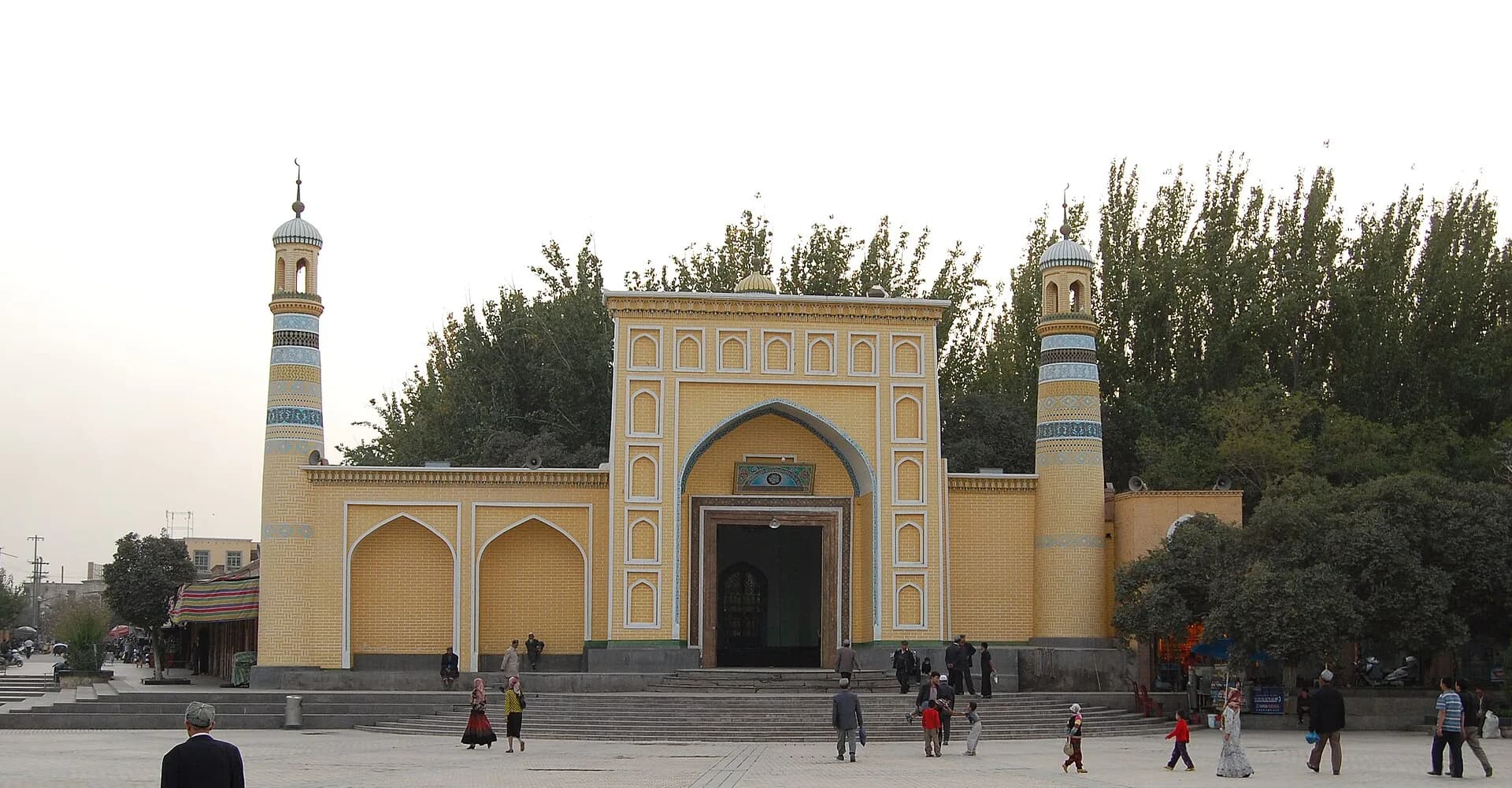
Make Id Kah Mosque and its square the orientation hinge. Its exterior is a worthwhile stop in its own right, while courtyard or prayer-hall access follows the current worship and visitor boundary. Ask before photographing identifiable residents and keep private thresholds clear.
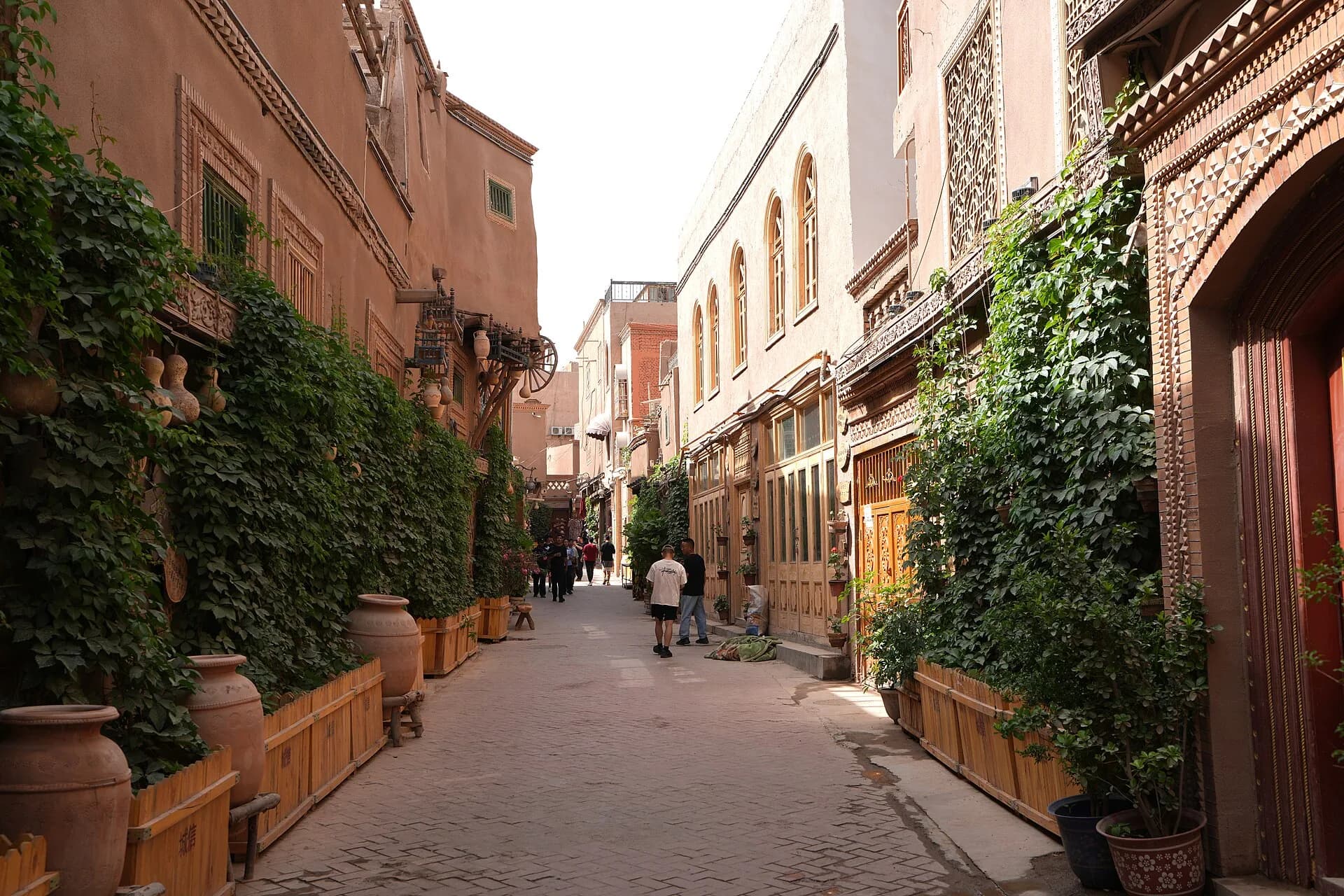
Photo: MasaneMiyaPA · Source · CC BY-SA 4.0
Day 2: architecture and historical context
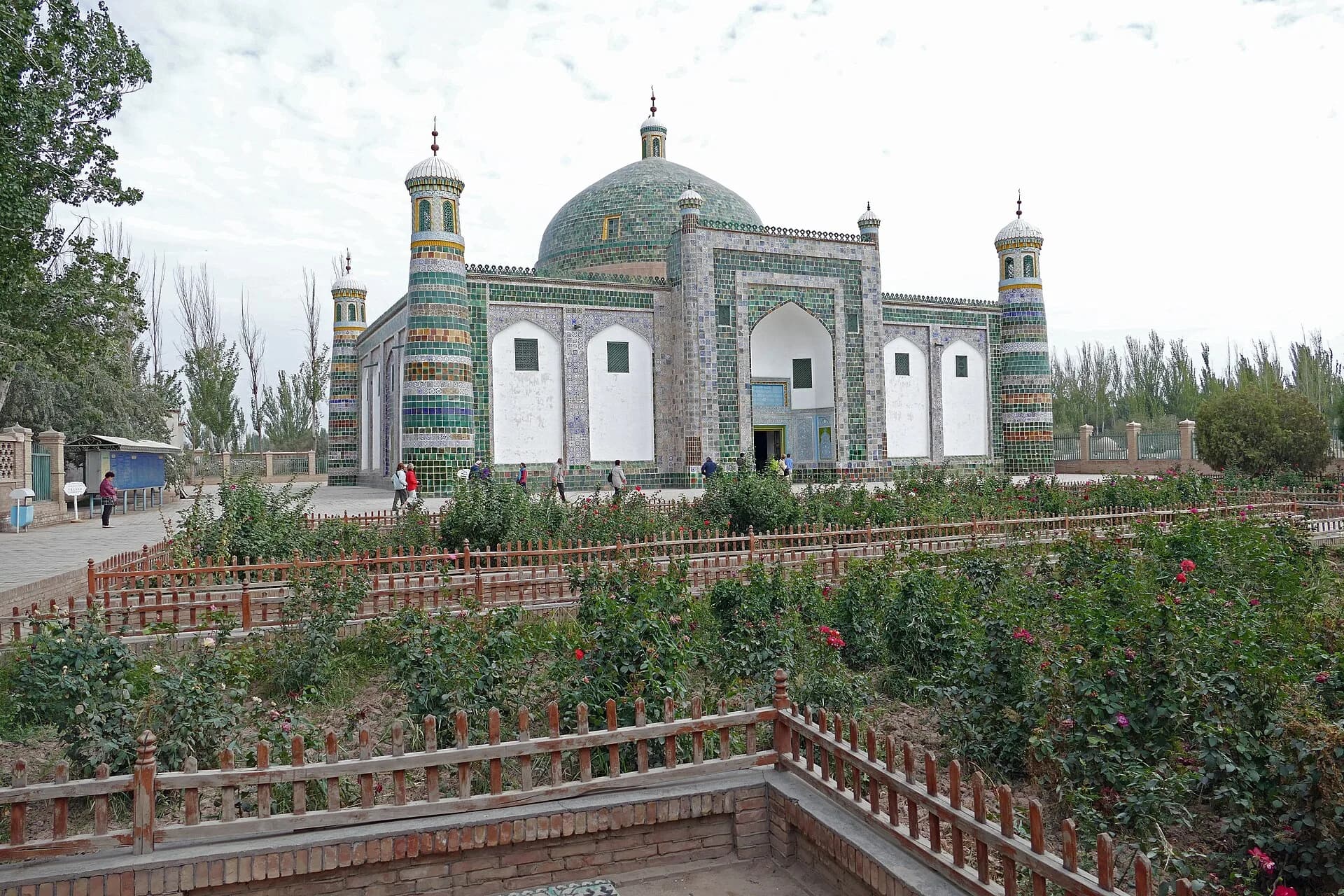
Choose the Abakh Khoja Tomb for tilework, timber and a family mausoleum in a garden setting. The modern Fragrant Concubine park, performances and photo products are optional layers around the historic core.
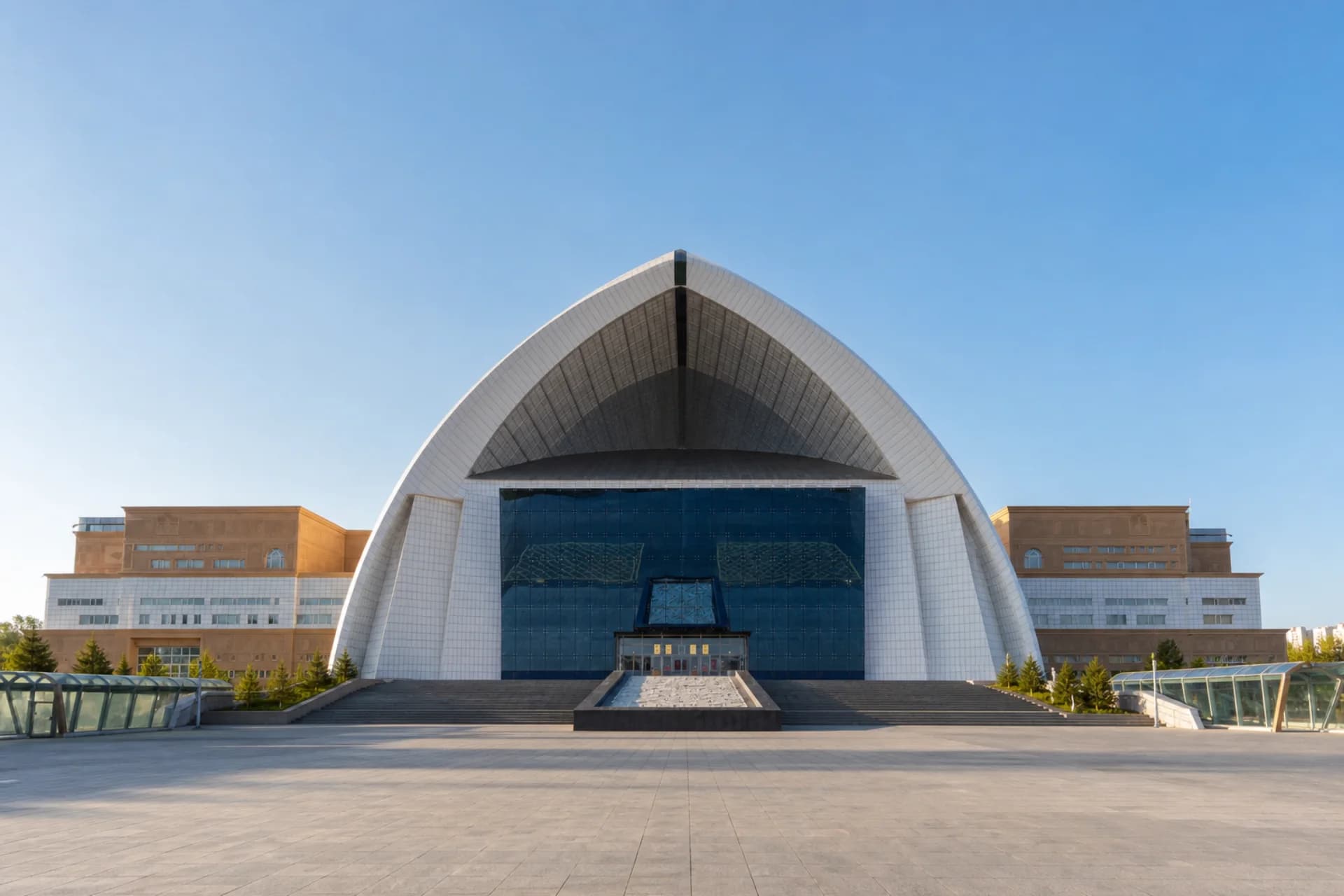
Then use Kashgar Museum to connect local objects and chronology to the places you have walked. Its main exhibitions, scheduled talks, paid interpretation and separate Kunlun layer serve different visit lengths, so choose a focused hour or a longer two-hour block.
Gaotai Ancient Homes reveals how earthen buildings and lanes occupy a high riverbank, but it remained closed for restoration at the August 2026 check. Use the guide for current status and the best museum–exterior–Old City heritage sequence.
Sunday: see the regional trading day
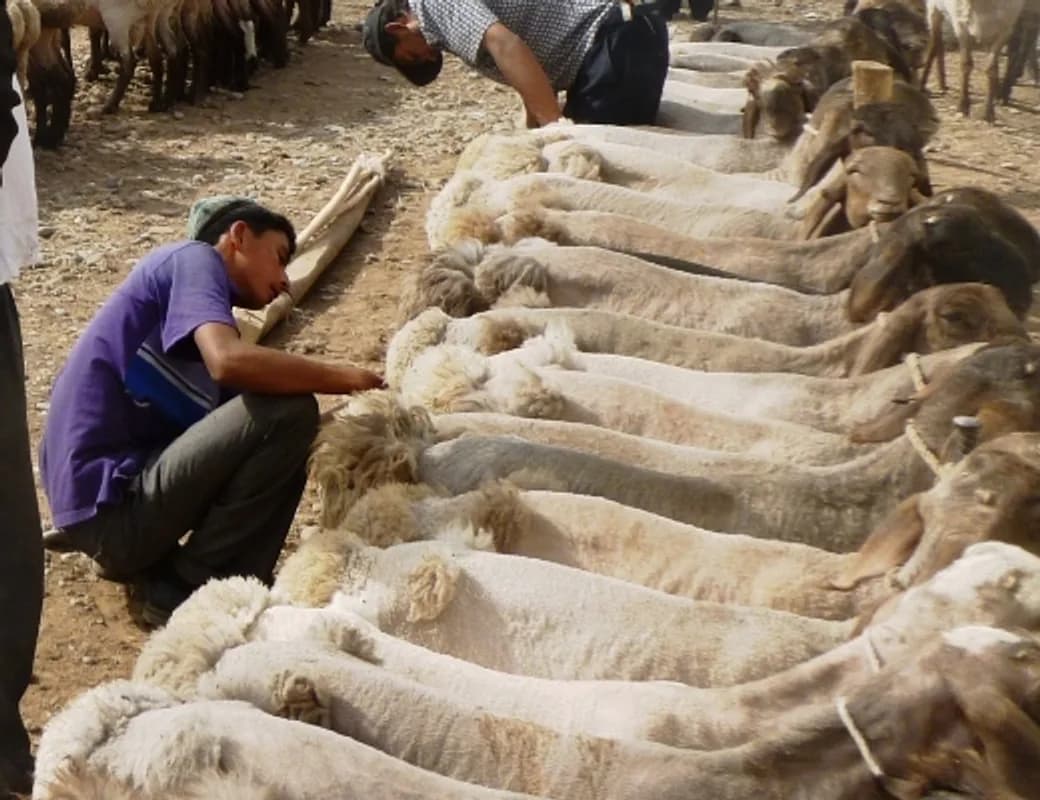
The Sunday livestock market is one of the clearest ways to see working commerce around Kashgar. Allow a half-day for travel, a 60–90 minute visit and a comfortable return. Wear closed washable shoes, stay outside pens and vehicle paths, and photograph people only with permission.
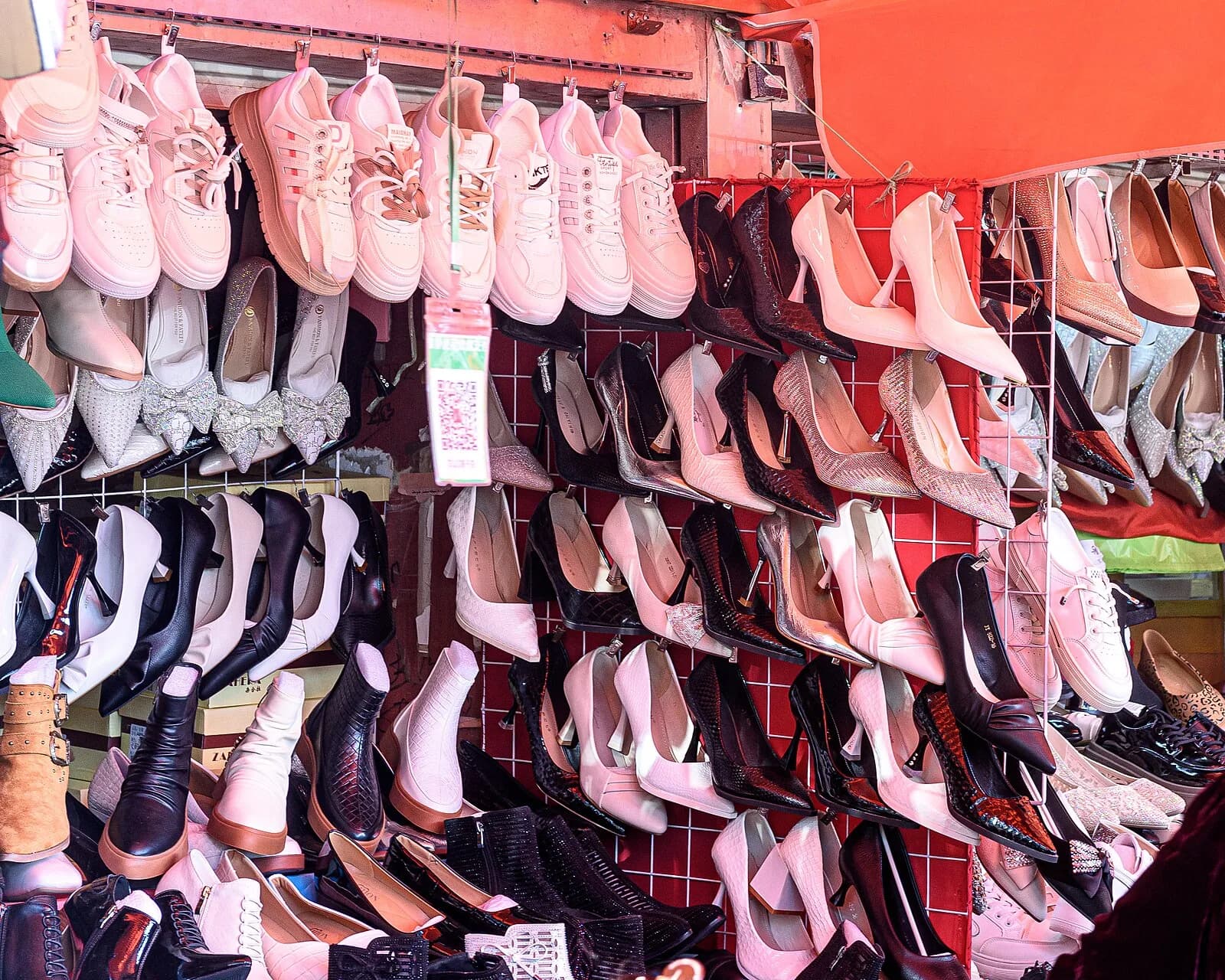
For produce, dried fruit or everyday goods on other days, use the Kashgar city-market chooser rather than an old East Bazaar pin. Ask whether fruit, nuts, grilled meat or dried goods are priced per portion, skewer, jin or kilogram before ordering.
Choose one outward landscape
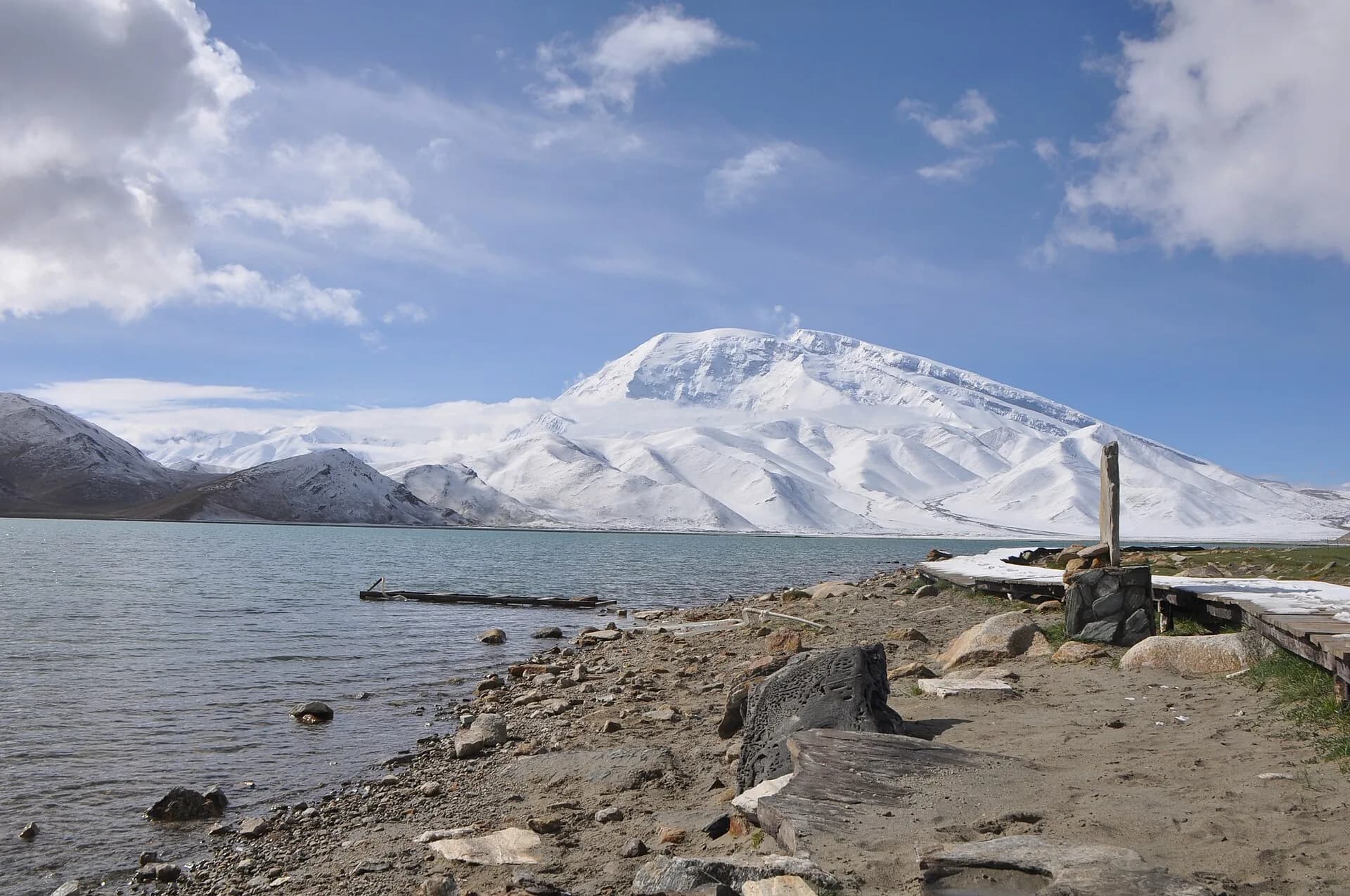
Karakul Lake and Muztagh Ata offer the classic Pamir road day: highland, dark water and a snow peak when clouds lift. Tashkurgan Stone City adds a much longer heritage-and-landscape extension. Both require the current foreign-national permit process, passport acceptance, road and checkpoint planning and conservative altitude pacing.
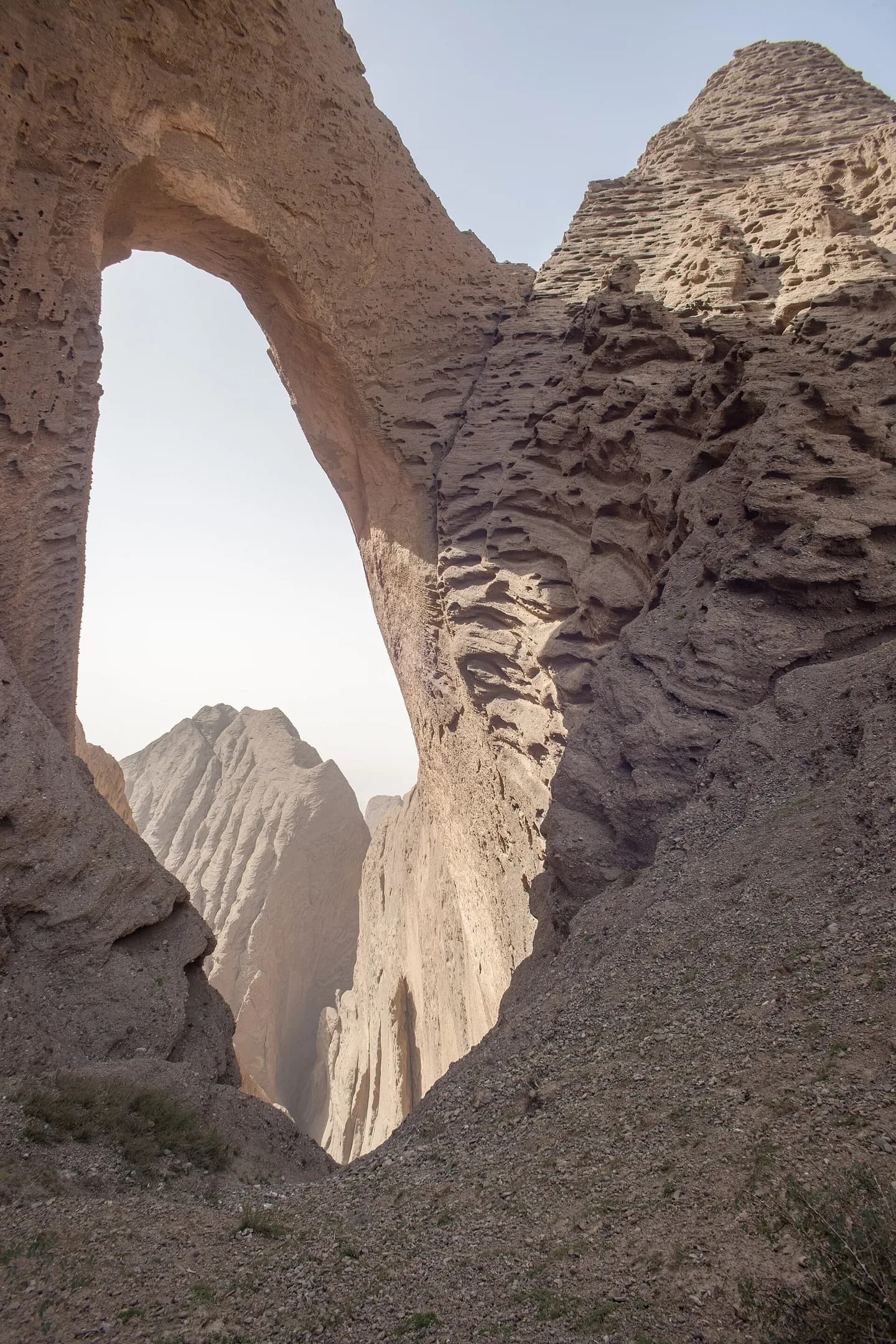
Shipton's Arch is a different Artux excursion built around one immense natural opening and a stair finish after the cableway. Choose it for geological scale, not as a substitute for the Pamir landscape.
The best length of stay
- Two days: Old City and Id Kah; Abakh Khoja plus the museum.
- Three days including Sunday: add the livestock market and a slower second Old City rhythm.
- Four or more days: add one verified Pamir or Artux excursion with its own weather and transport margin.
This structure lets Kashgar remain a city of lived-in streets, architecture and trade rather than a brief gateway photograph.