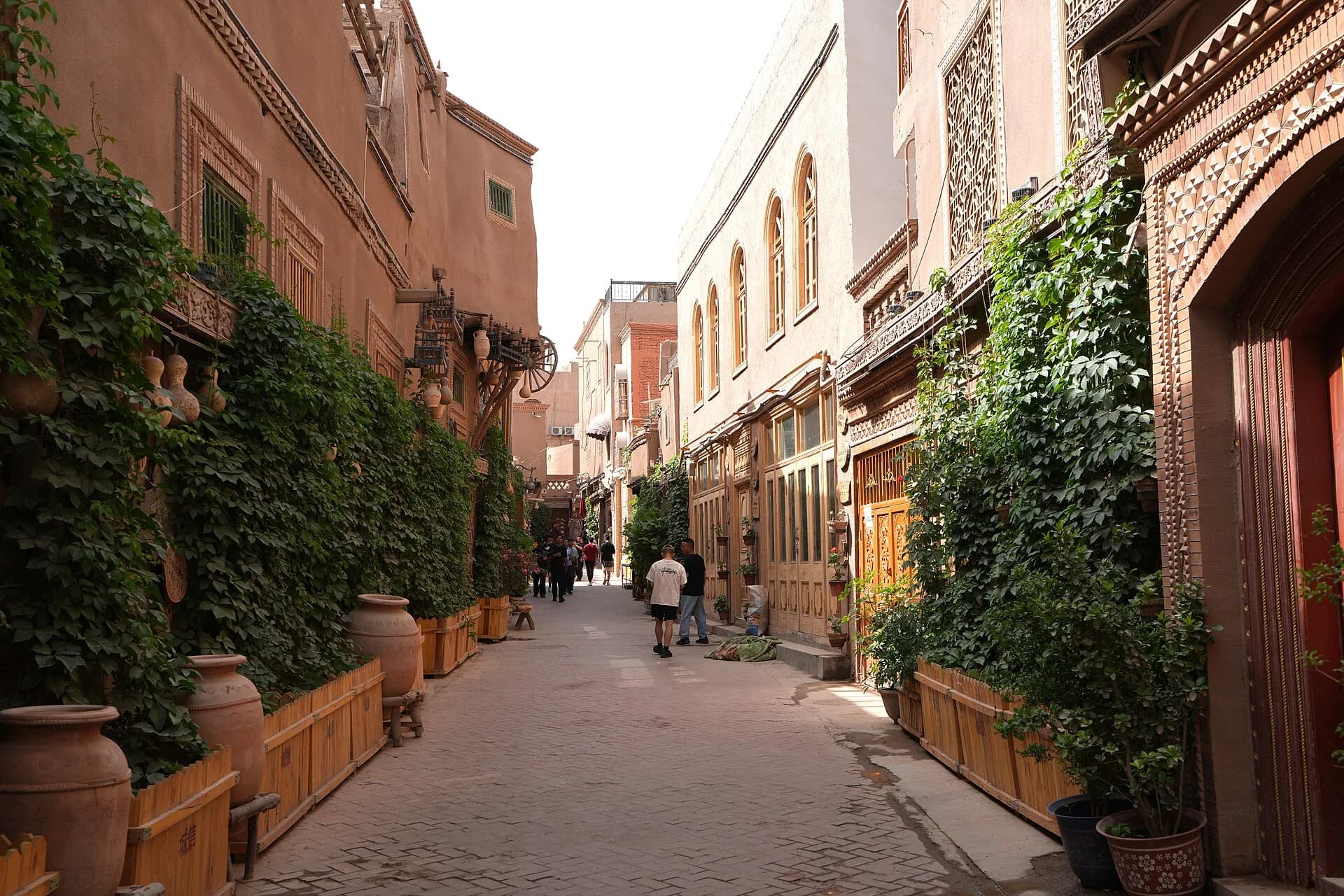
Real street view inside Kashgar Old City

Photo: MasaneMiyaPA · Source · CC BY-SA 4.0

Itinerary · 2 days

Kashgar in 2 Days: Living Old City, Markets and History

Walk Kashgar's inhabited Old City and Id Kah, choose one current city market, then use the museum and Abakh Khoja mausoleum for historical depth.

  1. 1

    Day 1

    3 stops

    1. Kashgar Old City: Choose East, West or Both
      Begin after the morning crush and use the Old City as an inhabited neighborhood rather than a list of photo positions. Choose the more animated east side for public squares, food and craft businesses, the quieter west side for architecture and residential edges, or connect both with a meal break. Stay in public lanes, ask before photographing identifiable residents and never block a doorway. Preserve enough time to notice ordinary commerce instead of chasing every scheduled performance.

      Kashgar Old City, Kashgar City, Xinjiang

      Photo: MasaneMiyaPA · Source · CC BY-SA 4.0
    2. Kashgar Old City → Id Kah Mosque · 0.3km

      About 4 min on foot in the 16 August 2026 AMap model; the current pedestrian opening and worship boundary control

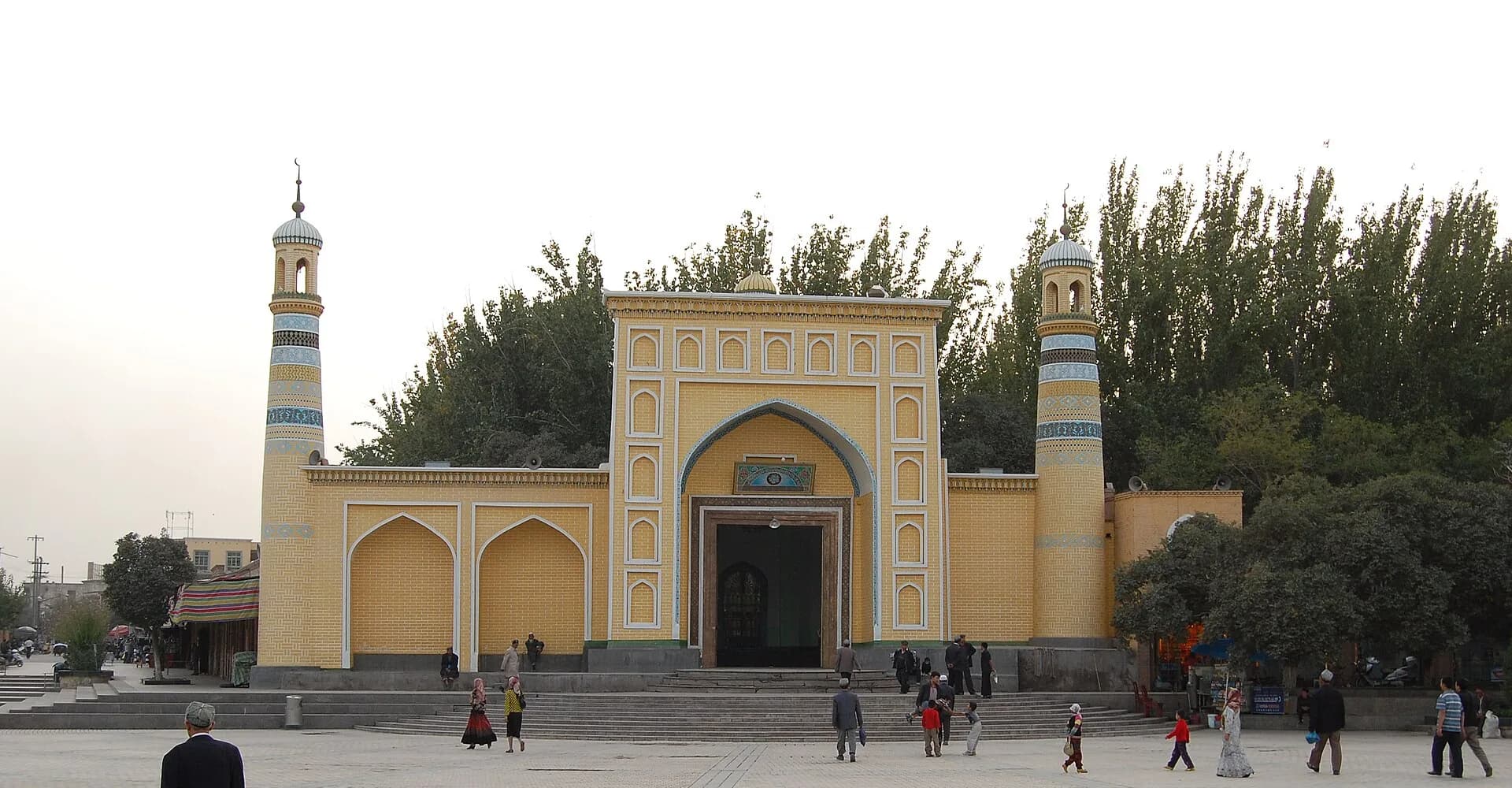
    3. Id Kah Mosque Exterior and Public Square
      Use the yellow façade and square as the central orientation point. The exterior is a worthwhile architectural stop even when the courtyard or prayer hall is unavailable. Worship always outranks tourism: follow the current visitor boundary, dress conservatively, keep prayer and queue routes open and do not promise interior entry. This stop should explain how the mosque, square and surrounding Old City function together, not turn religious space into a backdrop.

      Id Kah Mosque, Kashgar City, Xinjiang

      Photo: See58 · Source · CC BY-SA 3.0

    4. Id Kah Mosque → current city-market lead · 2.8km

      About 10 min by car in the 27 August 2026 AMap model; the mapped walk was 2.3km / 32 min, so confirm the exact market entrance before leaving

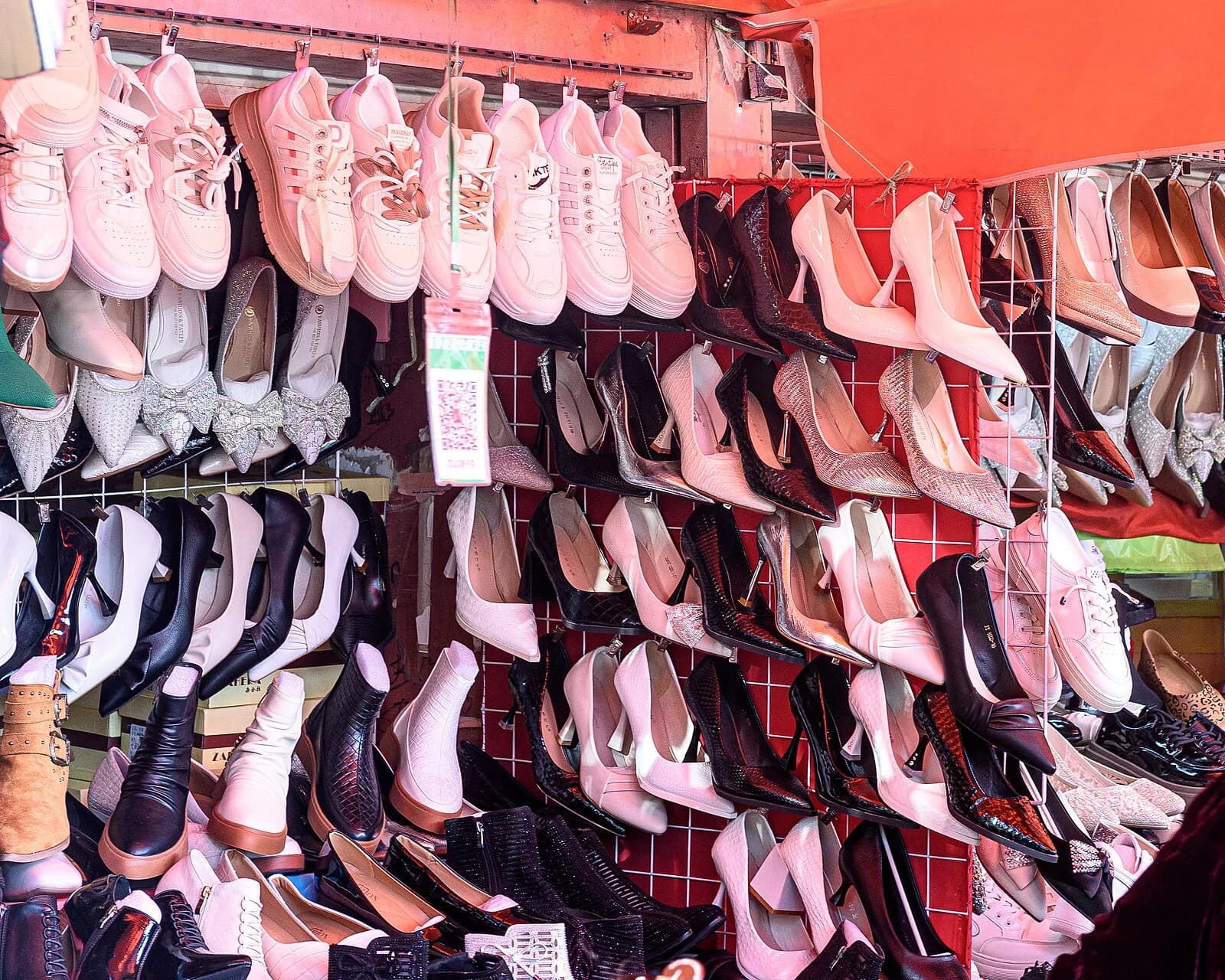
    5. One Current Kashgar City Market
      Choose one market that matches a real purpose: resident shopping, morning produce, dried fruit and nuts or a specialist purchase. Market names and pins change more quickly than monuments, so confirm today's entrance in Chinese rather than relying on an old East Bazaar label. Ask whether food is priced by portion, skewer, jin or kilogram, keep bags close and buy only after agreeing the unit and total. The Sunday livestock market is a separate outskirts half-day, not this urban stop.

      Current city-market entrance, Kashgar City, Xinjiang

      Photo: N509FZ · Source · CC BY-SA 4.0

  2. 2

    Day 2

    2 stops

    1. Old City base → Kashgar Museum · 3.2km

      About 9 min by car in the 27 August 2026 AMap model; the mapped bus took 44 min and included 1.8km of walking

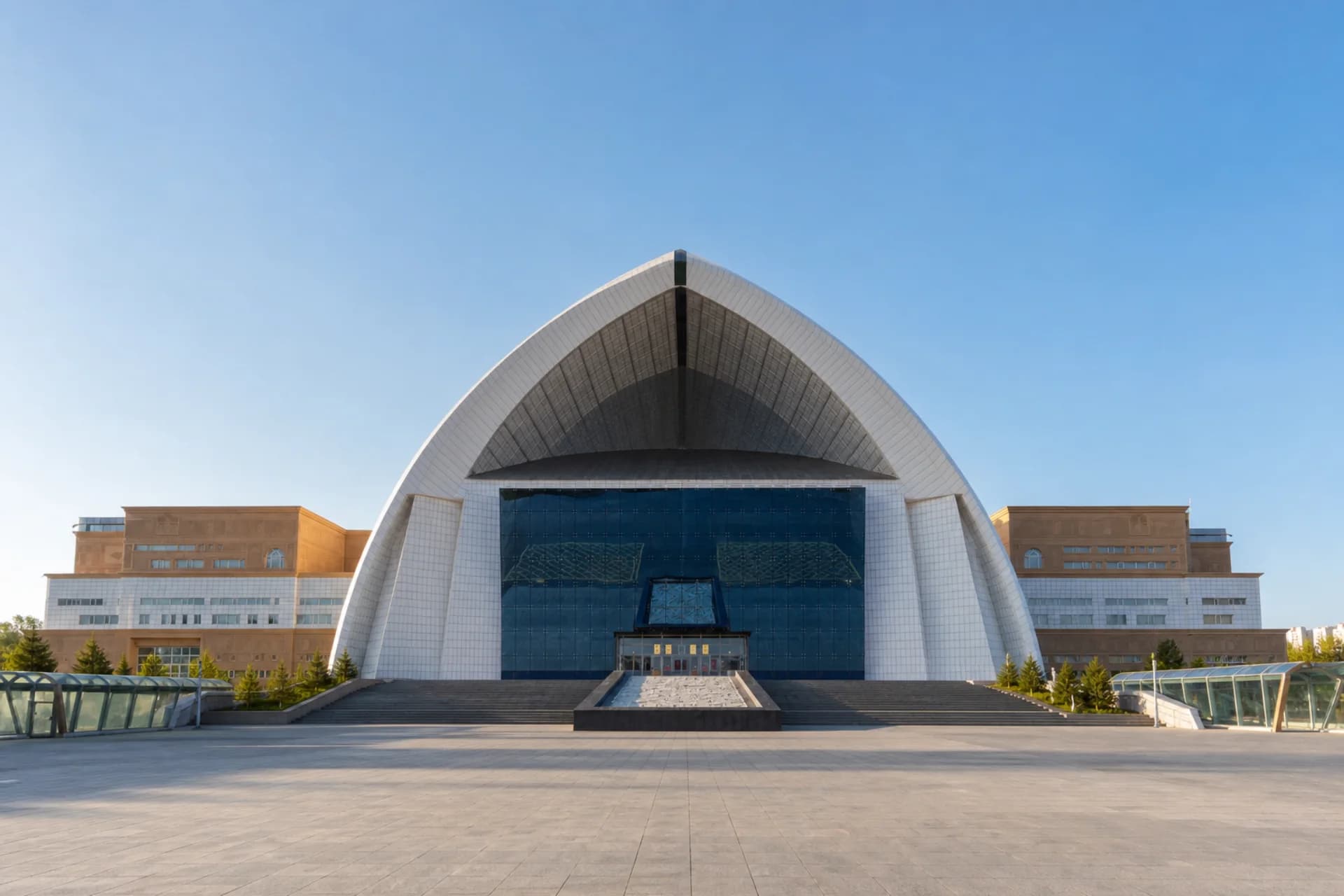
    2. Kashgar Museum Focused Context Route
      Choose a focused hour or a longer interpretation block according to the open galleries. Use objects and chronology to distinguish archaeology, regional exchange and later urban change before visiting the mausoleum. Verify the current booking fields, accepted passport, security, bags, photography and talk schedule; a recent visitor's walk-in experience does not guarantee the same process. Do not add closed Gaotai as if exterior proximity made it open.

      Kashgar Museum, Kashgar City, Xinjiang

    3. Kashgar Museum → Abakh Khoja Tomb · 4.0km

      About 9 min by car in the 27 August 2026 AMap model; the mapped bus took 49 min, so keep the afternoon compact

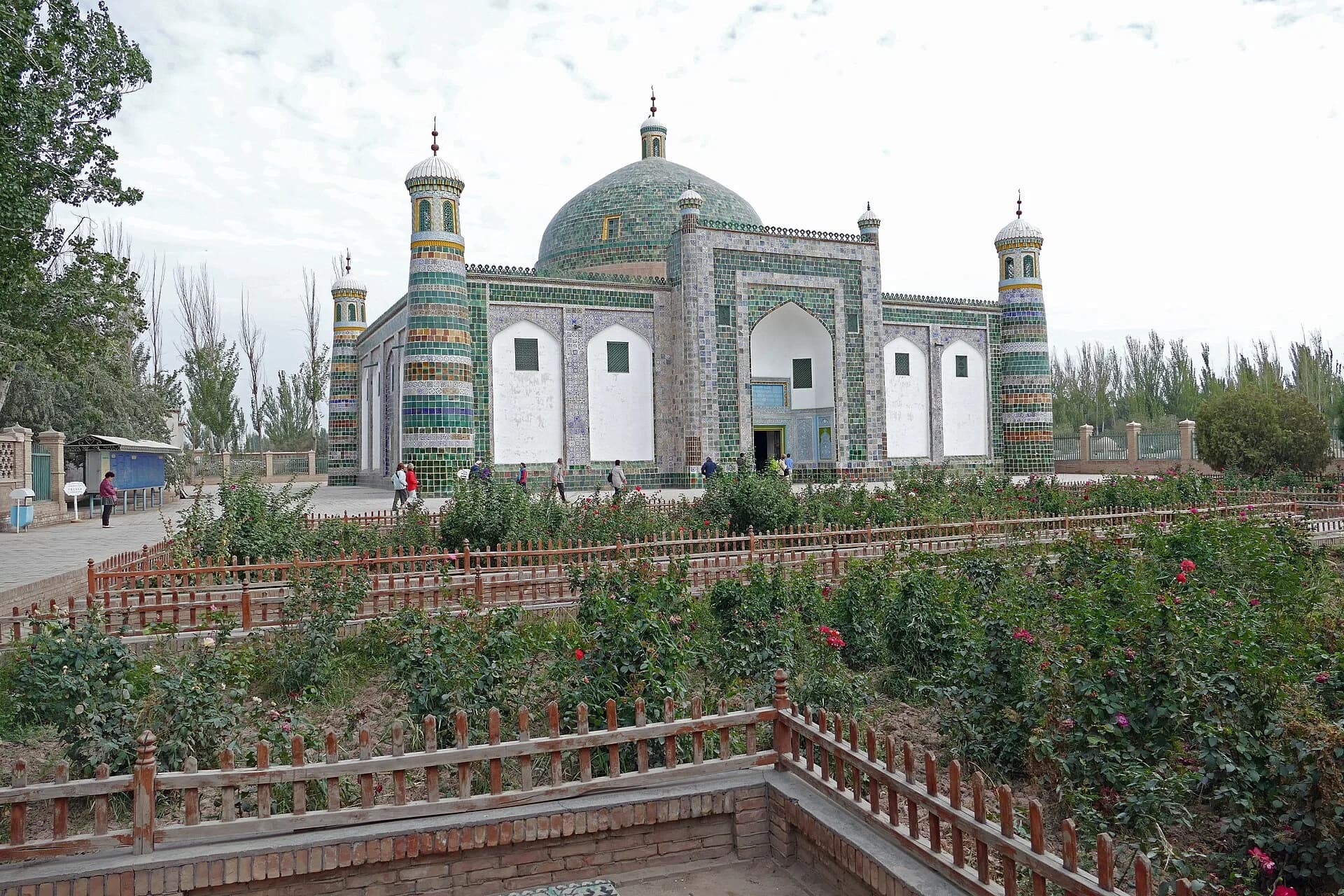
    4. Abakh Khoja Historic Mausoleum
      Concentrate on the historic mausoleum complex: glazed tile, timber, garden setting and the meaning of a family burial place. Separate this from the modern Fragrant Concubine narrative, performances, costume photography and other optional park products. Follow current religious-space and interior-photo rules, give visitors using the site devotionally room and use interpretation that clearly distinguishes documented history from later legend.

      Abakh Khoja Tomb, Kashgar City, Xinjiang

      Photo: Zossolino · Source · CC BY-SA 4.0