Kashgar City Markets
Kashgar's urban markets reward visitors who arrive with a purpose: compare dried fruit and nuts, see a resident shopping layer at Yawage, or catch morning produce at Liuyunsi. The value comes from understanding what is sold, how quality and weight are judged, and how the market fits ordinary city life—not from chasing one famous bazaar label.
The old Central and West Asia International Trade Market, widely labelled Kashgar Grand Bazaar or East Bazaar, is no longer a reliable destination pin. A 2022 Kashgar government decision says it moved to Hualing Market and lost its AAA status after aged facilities and fire-safety problems. A later project using the “original East Bazaar” label does not establish a current visitor attraction.
Choose by purpose
Recent visitors distinguish at least three urban jobs: a specialist dried-fruit wholesale stop, Yawage for everyday goods and resident food, and Liuyunsi for morning produce. These remain leads, not interchangeable market brands. AMap verifies a current bazaar lead about 0.6 km / 9 minutes on foot from Old City, but confirm its exact identity, entrance, hours and operator before going.
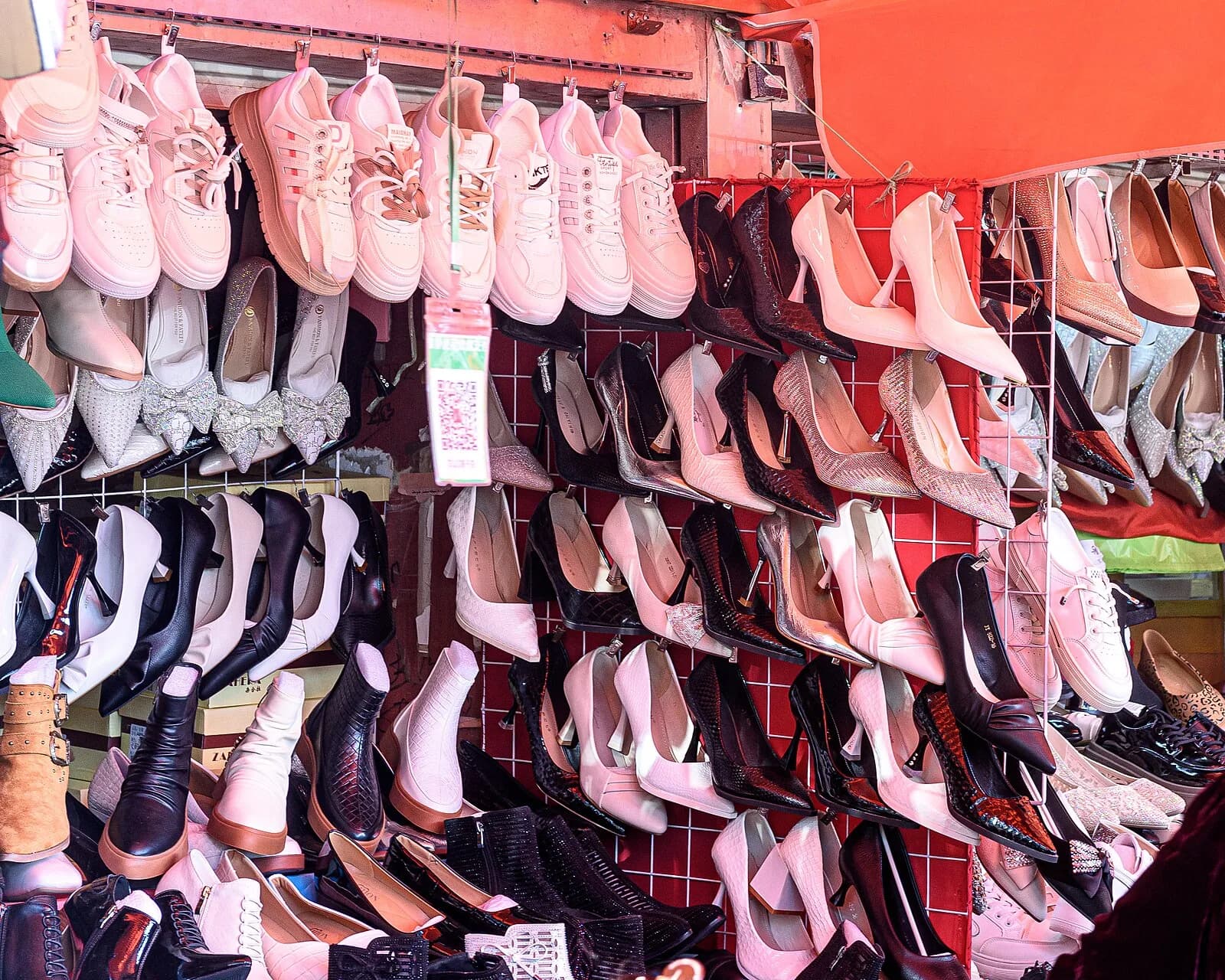
Yawage may suit an everyday-market visit, but reports conflict on choice, quality, heat, flies and hygiene. Treat it as a place to observe and buy ordinary goods, without expecting a guaranteed bargain. A produce market can also be at its best only during a limited morning period, so confirm that day's trading window.
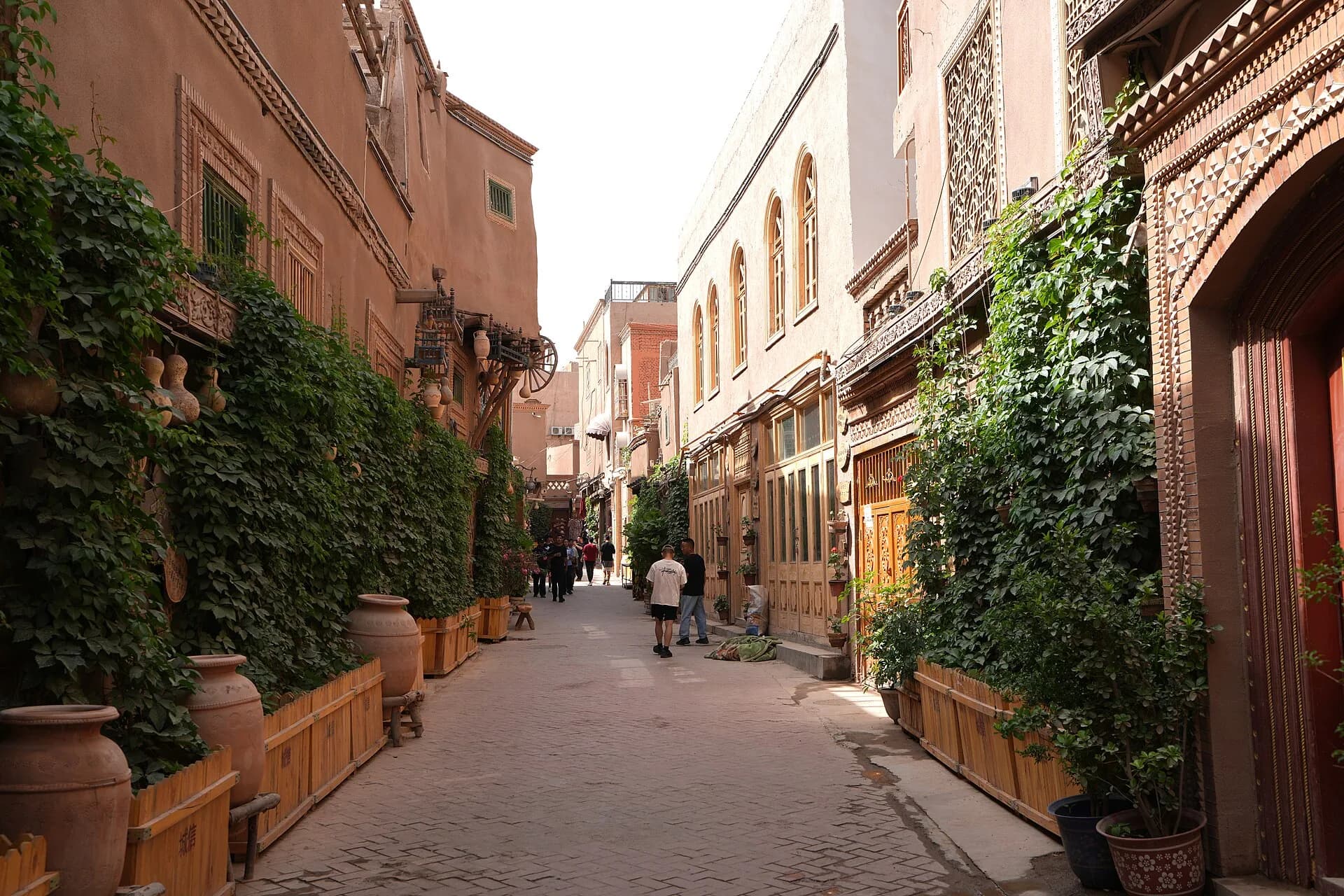
Use a simple chooser. Go to a wholesale specialist only when buying a defined dried-fruit or nut category and prepared to compare grade and weight. Choose an everyday market for household goods and one meal, not for souvenir theatre. Choose a produce market early only after confirming that day's trading window. If you merely want atmosphere, the Old City already provides public commercial streets with less transport uncertainty.
Make the transaction explicit
Before buying, confirm unit price versus total, kilograms versus jin, sealed weight, ingredients and allergens, receipt, postage fee, tracking, delivery time and return terms. Never assume a stall offers permanent shipping or that an old review proves origin or quality.
Watch the scale return to zero and keep the item visible from selection to packing. For dried food, ask grade, added sugar/oil/salt, production or packing date and whether the sealed label matches the loose sample. For textiles or household goods, check material, dimensions, defects and whether exchange applies after leaving the stall.
Use domestic shipping only when the address format, recipient phone requirement, carrier, tracking and loss responsibility are written down. International shipping, customs and agricultural import rules are separate; a vendor's ability to post an item does not mean your country admits it.
Heat, flies, raw-food handling and sanitation may make eating unsuitable. Ask before close photographs, keep aisles and counters clear and do not frame residents doing ordinary shopping as entertainment.
Eat cooked-to-order food only when ingredients, oil, utensils and holding temperature look acceptable. Carry hand cleaner and water, and leave if smell, heat or crowding overwhelms the group. Bargain only where the seller signals it is normal; fixed-price groceries are not a performance.
A bounded 60-minute visit
Confirm the exact entrance and return pickup, walk one orientation loop without buying, compare two vendors for the single category you came for, complete one transparent transaction and leave. This prevents a market stop from consuming the Old City day or turning residents into a checklist.
Final verdict
This chooser remains conditional until live map locations, hours and operators are verified. Ignore obsolete East Bazaar pins and select a current market only for a defined shopping purpose; if the evidence remains weak, skip it rather than preserve a famous name.