Id Kah Mosque
Id Kah Mosque (艾提尕尔清真寺) gives central Kashgar one of its clearest architectural and civic anchors. Its pale-yellow façade opens toward a broad square where Old City routes, everyday movement and religious life meet. Even when the interior is unavailable, the square and exterior make a rewarding 20–40 minute stop and help orient the surrounding walk.
The official Kashgar profile establishes the site's historical importance and protected status. Visitor access, however, changes around worship and current operations, so treat the façade as the reliable core and any courtyard or prayer-hall access as an additional layer.
What to notice from the square
Approach slowly enough to take in the composition: the central entrance, flanking elements and the way the low façade holds the edge of the open square. Then turn around and read the space in the opposite direction—the mosque is not isolated architecture but part of central Kashgar's public geography.
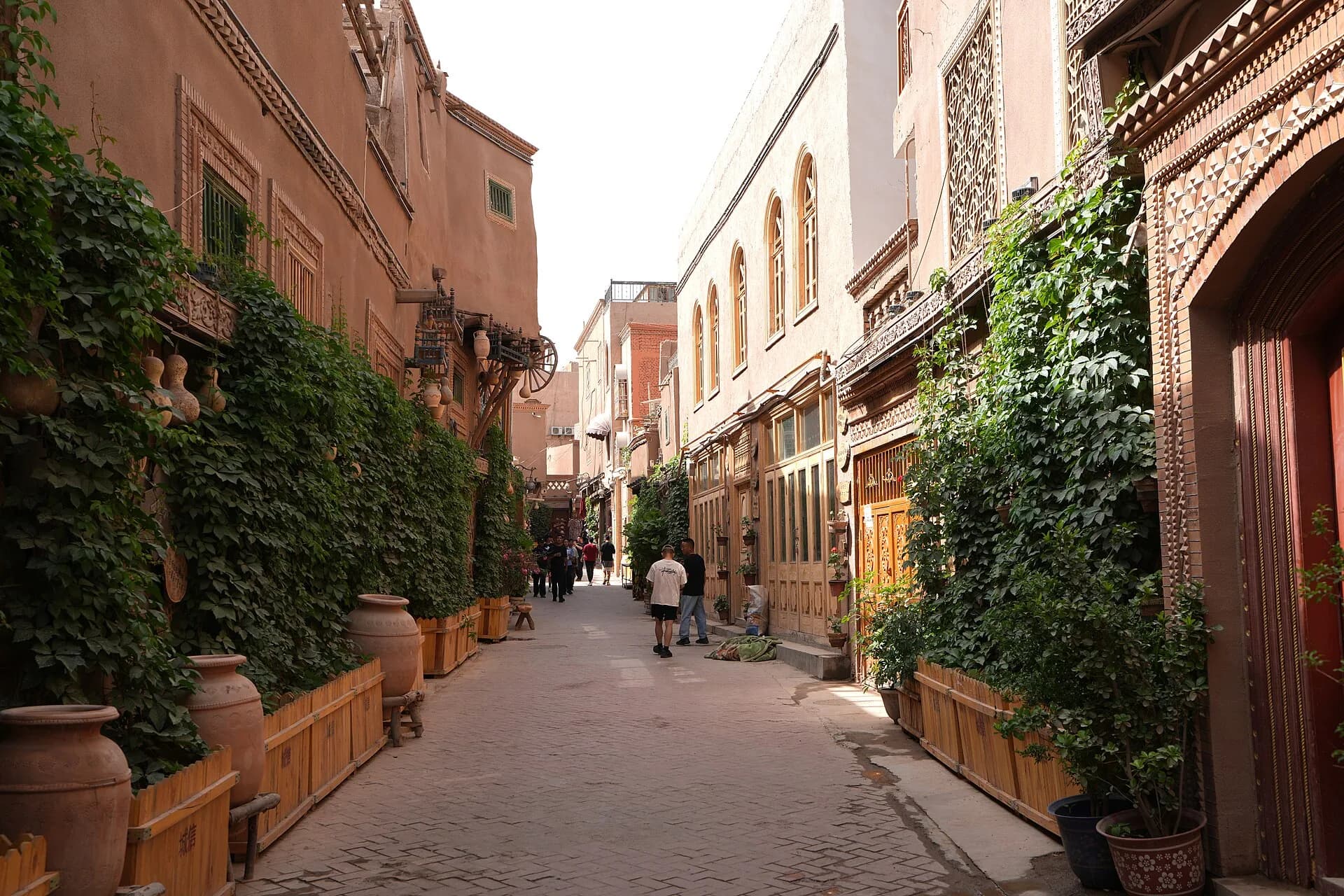
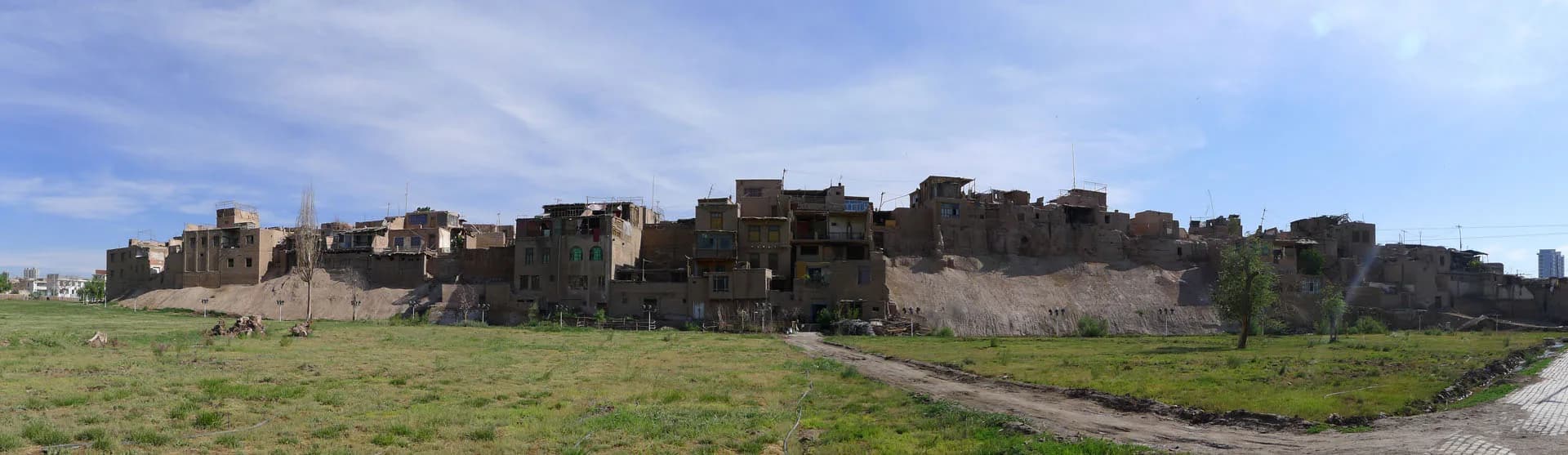
The square also works as a meeting point before a public-lane walk through Kashgar Old City. Seeing the façade first gives the district a strong orientation anchor instead of turning the visit into an unstructured lane search.
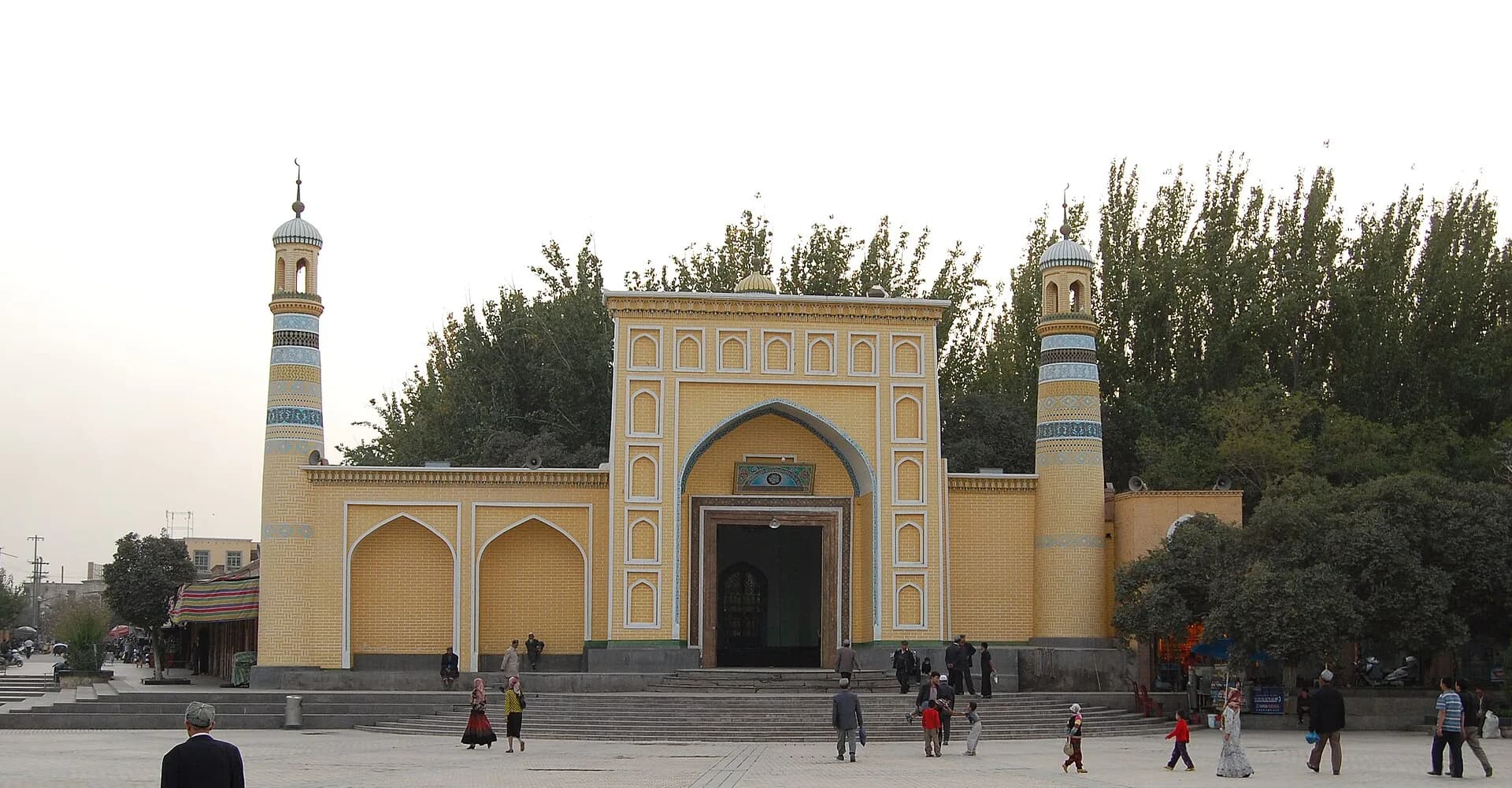
Photo: See58 · Source · CC BY-SA 3.0
If tourist access is available
Check with the mosque or current tourism desk on the same day. The square, tourist admission, courtyard and prayer hall can have different boundaries. If admitted, follow the marked visitor sequence, move quietly and let staff determine which spaces are open. A short courtyard visit can add scale and material detail without needing to enter every interior.
Friday and festival worship take priority. Keep entrances and prayer lines clear, silence devices and follow current dress and photography signs. Photograph architecture rather than worshippers; ask before any identifiable portrait. There is no need to imitate religious gestures or wait for an unannounced public performance—the value here is the living place and its urban setting.
Best pairing
Use Id Kah as the hinge between east and west Old City routes. A simple sequence is:
- read the façade from the square;
- take a same-day access check;
- visit the courtyard only if the current boundary allows;
- continue into one Old City side rather than racing through both.
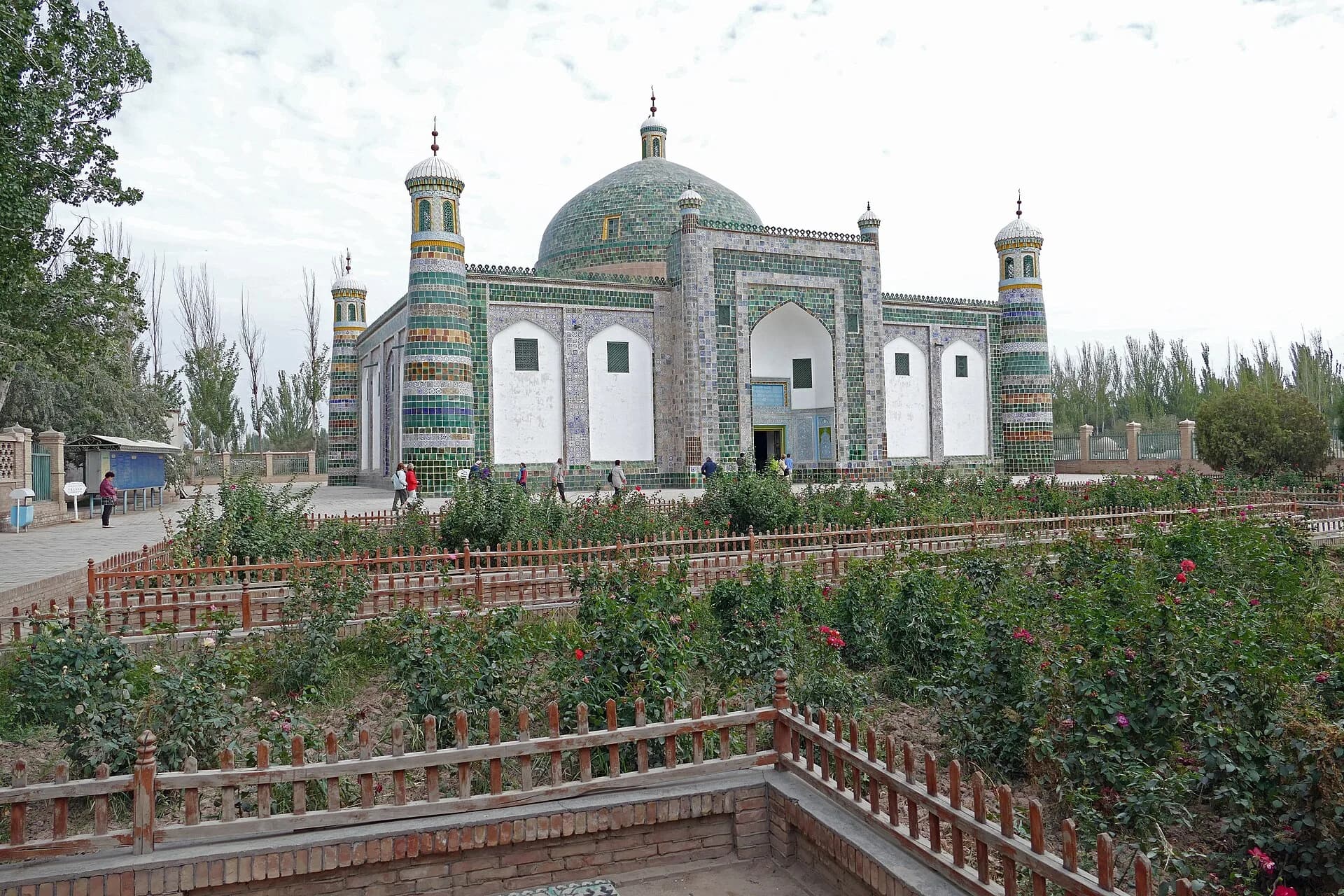
Travelers interested in history can later pair it with Abakh Khoja Tomb, where tilework, funerary architecture and a different religious setting broaden the day without repeating the same experience.
Practical information
Carry the passport used for the trip and dress conservatively. Current tourist hours, ticket handling, exact entrance, step-free route and interior photography rules need a same-day check because older visitor reports conflict. If the interior is closed, enjoy the square and move directly into the Old City—the core visit still works.