Kashgar Old City
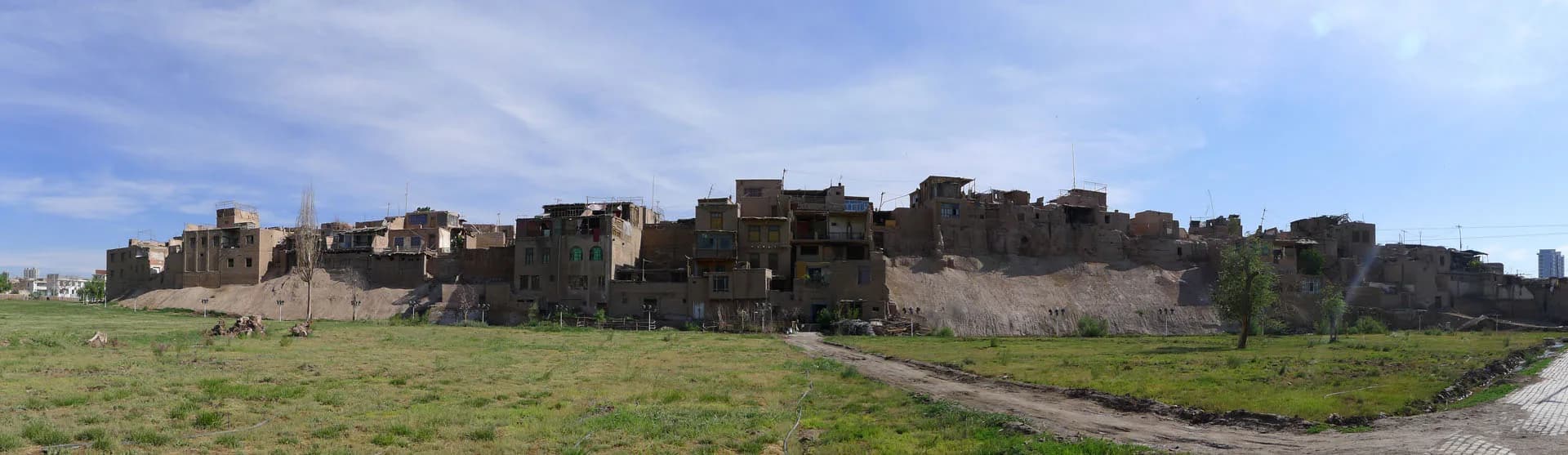
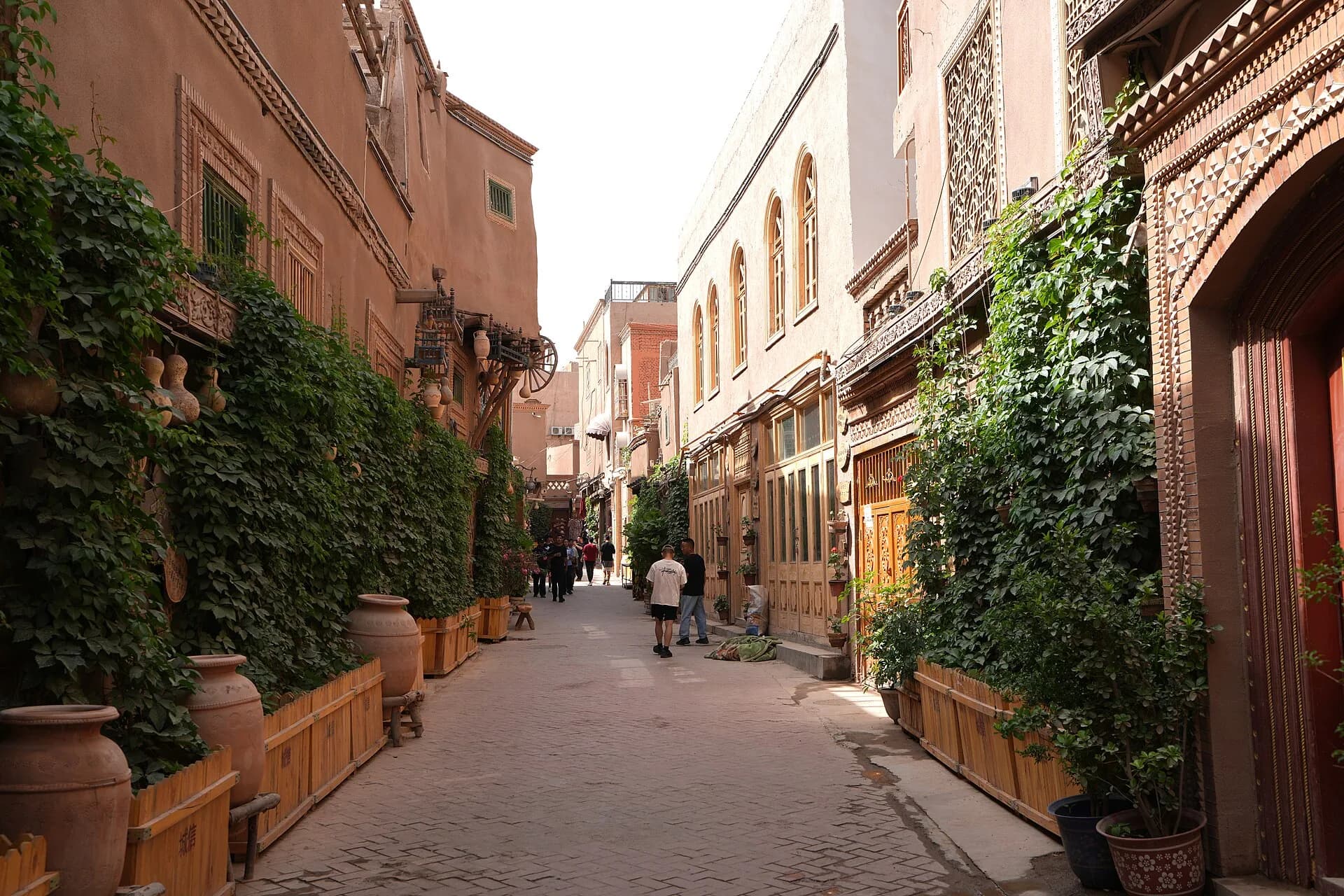
Kashgar Old City (喀什古城) is the best place to feel the city at street level: earthen-toned lanes, shaded thresholds, craft and food businesses, small public squares and everyday neighborhood movement. It is both a protected district and home to roughly 62,000 residents, which is why the most rewarding visit combines lively public spaces with a slower eye for architecture.
The district is divided into east and west by a major road. Recent visitors consistently describe the east as busier and more performance- and commerce-led, while the west offers a calmer architecture and residential-edge walk. Neither side is “the real one”; they show different parts of the same living city.
Choose the right first route
Choose the east side when you want activity, public squares, shops and any separately announced cultural programming. It works well for a first afternoon or early evening when the streets feel social and you are happy to browse.
Choose the west side when façades, lane structure and a quieter pace matter more. Look above modern storefronts for timber details, changes in wall texture and the way passages open into small shared spaces. Private doors, roofs and courtyards remain outside the route unless clearly opened to visitors.
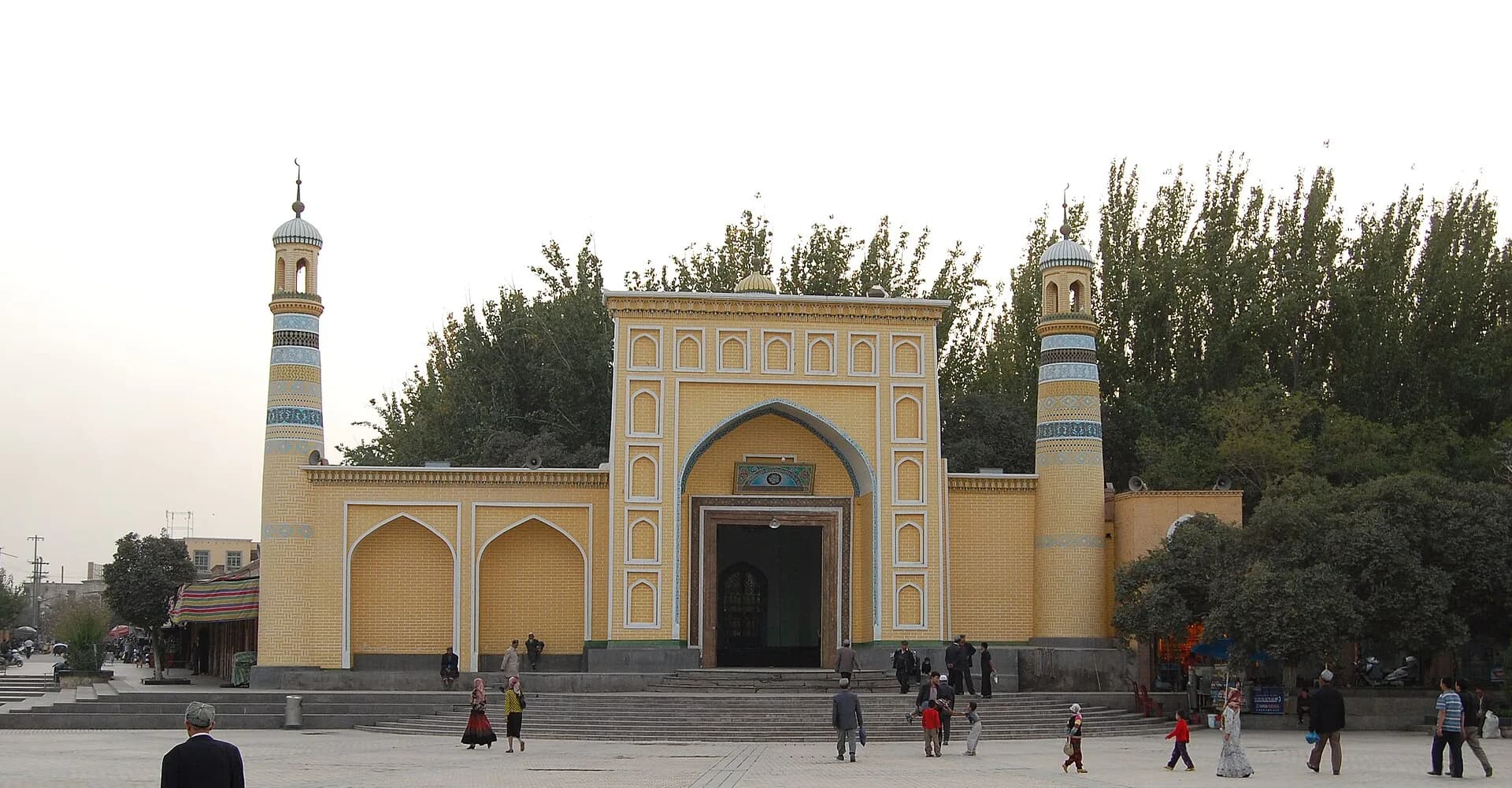
For a two- to three-hour combination, begin on one side, use Id Kah Mosque and its square as the orientation hinge, take an indoor tea or meal break, then cross only if your energy and the current pedestrian route make the second side enjoyable.
Make paid experiences work for you
Public lanes, opening ceremonies, house visits, workshops, stage performances, makeup, costume hire, photography and retouched files are separate products. Choose only the layer that improves your visit. A craft demonstration can be useful when it shows material and process; a photo package makes sense when you genuinely want the result and understand the total price.
Before paying, confirm the operator, exact inclusions, duration, final price, file delivery and cancellation. The goal is not to reject the commercial side of the Old City but to prevent one vague package from consuming the walk.
Notice the living neighborhood
The best visual story is often the street itself: public seating, deliveries, shopfronts, children and families moving through the area, and old building fabric above newer commerce. Ask before photographing identifiable people, especially children or artisans at close range. Keep active doorways and windows free, and treat a home visit as a specific invitation rather than general neighborhood access.
In summer, use an indoor break around midday and return to the lanes when the light and temperature are softer. Water and a smaller route are more useful than trying to reproduce every turn on a saved map.
Nearby pairings
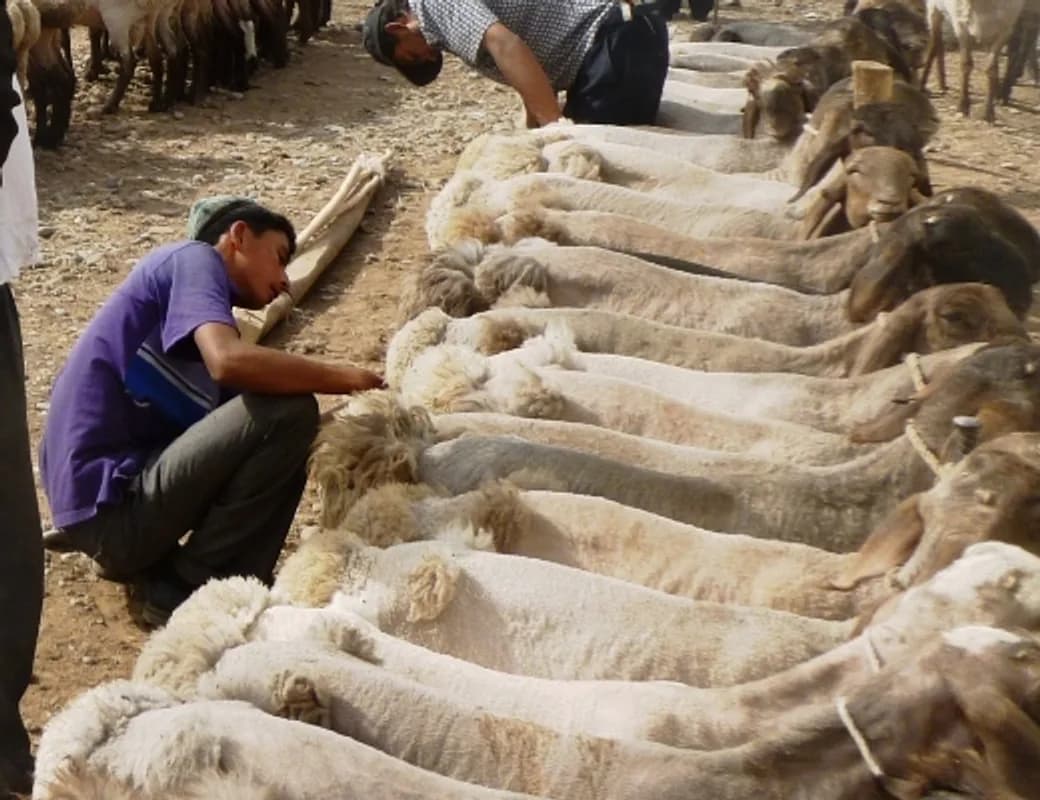
AMap places Old City about 0.3 km / 4 minutes on foot from Id Kah. Gaotai Ancient Homes is also close geographically, but current signals conflict: an official June 2026 report described visitors inside while the live AMap listing now marks it temporarily closed. Ask at the Old City visitor centre before walking over specifically for entry. Save the Sunday livestock market for a separate outskirts half-day with its own clothing and return transport.
For most travelers, one well-chosen side plus Id Kah is better than a rushed sweep of both. Return on another morning or evening if you want to see how the district's rhythm changes.