Forbidden City
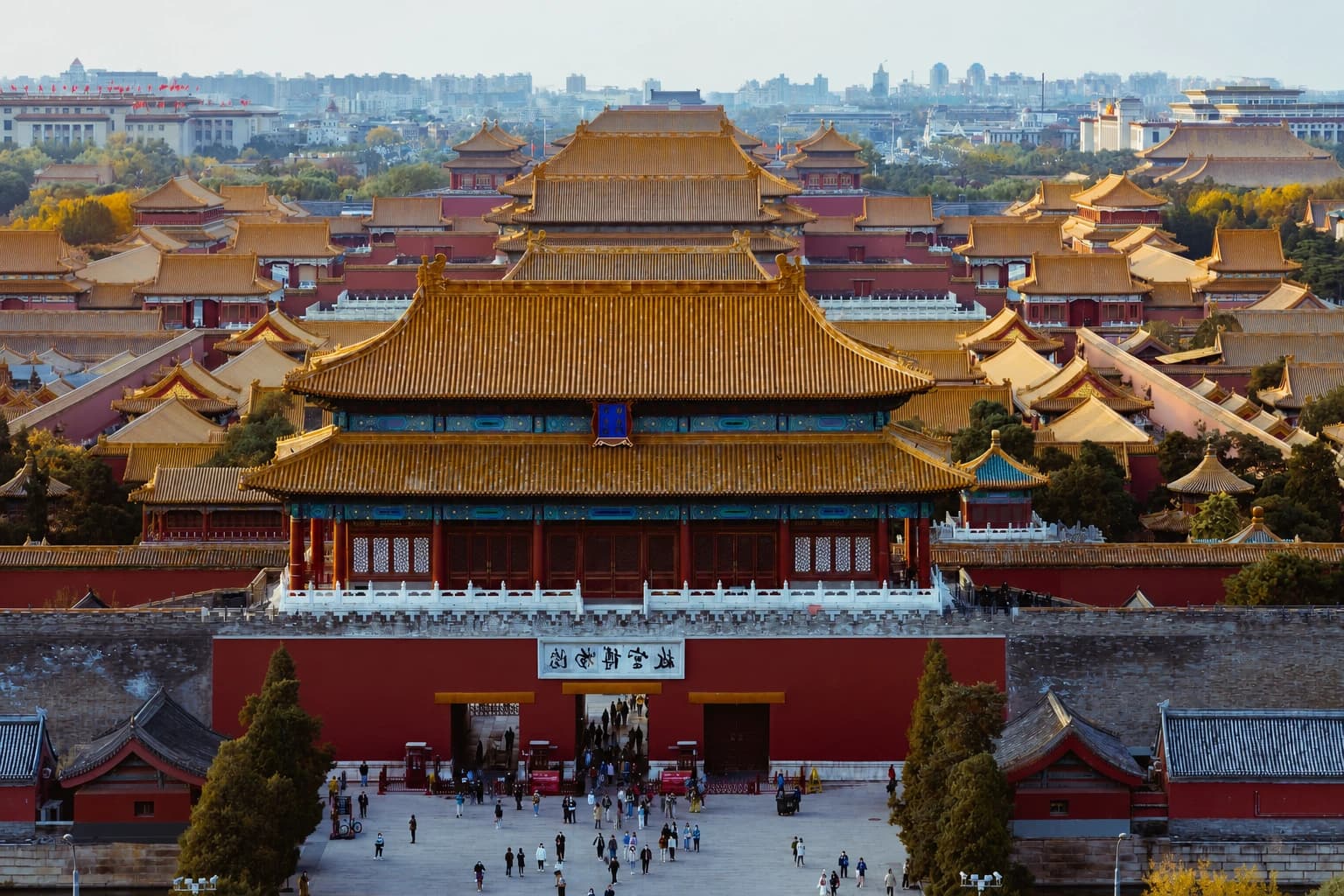
The Forbidden City, now the Palace Museum (故宫博物院, Gùgōng Bówùyuàn), served as the ceremonial and residential center of the Ming and Qing courts from 1420 to 1912. Its scale creates the main planning problem: a straight walk along the central axis is already a complete visit, while the eastern and western compounds contain enough galleries and living quarters for several more hours. Decide your depth before entering through Meridian Gate.
Three decisions that shape the visit
- How much time do you really have? Allow about two hours for the central axis, 4–5 hours for the axis plus one side, and most of a day for one major gallery side plus selected western or eastern residences.
- Which collection matters more? The Treasure Gallery focuses on Qing court objects and includes the Nine-Dragon Wall precinct; the Gallery of Clocks focuses on elaborate Chinese and European mechanical clocks. Each has a separate ¥10 ticket and its own last-entry time.
- Where will you finish? Leave through Gate of Divine Prowess (Shenwumen) for Jingshan Park and the north central axis. Leave through Donghua Gate for the eastern moat, Wangfujing direction and easier onward road transport.
Do not try to weave through both Six Eastern Palaces and Six Western Palaces merely to tick off names. Many interiors are viewed through doorways or used for changing exhibitions, and open areas can change. One coherent side route gives more time to look at architecture and objects.
Book the official ticket before building the day
The Palace Museum does not sell same-day admission. General admission, Treasure Gallery, Gallery of Clocks and reservable exhibitions open at 20:00 seven days before the visit. Every visitor, including those eligible for free or discounted entry, must make a real-name reservation.
- Use the official Palace Museum booking page with your passport or other accepted travel document.
- Bring the original document used for booking. International visitors use the manual verification channel at Meridian Gate.
- Do not use a visitor anecdote about presenting a passport at the gate as a same-day workaround. Manual document verification validates an existing reservation; the museum's current rule still says there are no same-day admission sales.
- Tickets cannot be transferred to another person or date. Review the official cancellation and missed-appointment rules before paying.
- The museum states that it has not authorized third parties to sell its standalone admission. Use Trip.com only to compare guided tours or related products, and confirm whether a listing requires you to secure the official museum ticket separately.
Standard hours and prices
- April 1–October 31: 8:30–17:00; last general entry 16:00; Treasure and Clock galleries stop entry at 16:10; admission ¥60.
- November 1–March 31: 8:30–16:30; last general entry 15:30; Treasure and Clock galleries stop entry at 15:40; admission ¥40.
- Treasure Gallery: ¥10. Gallery of Clocks: ¥10.
- Closed Mondays, except when an official holiday or special opening notice says otherwise.
Check the official visitor page shortly before the visit. Construction, conservation, major events and exhibition changes can alter routes even when the museum remains open.
Current route alerts: September 2026
- Gate of Supreme Harmony (Taihemen): closed for construction from August 3, with no reopening date in the official notice. Follow the signed bypass; the museum itself remains open.
- Printing Gallery: closed from August 11 through September 14 under its temporary-closure notice.
- Yanxi Palace: closed from September 1 through October 31 and scheduled to reopen November 1 according to the Palace Museum notice.
These are dated alerts, not permanent route descriptions. Recheck the live notice list before travel and let on-site barriers override this guide.
Two-hour route: understand the central axis
This is the right choice for a first visit with limited time, young children or tired legs.
- Meridian Gate and the Inner Golden Water Bridges. Pause after the entrance to look back at the gate's five openings and forward to the broad ceremonial court.
- Gate of Supreme Harmony. Use the widening space to understand how architecture controlled approach and rank before anyone reached the throne hall.
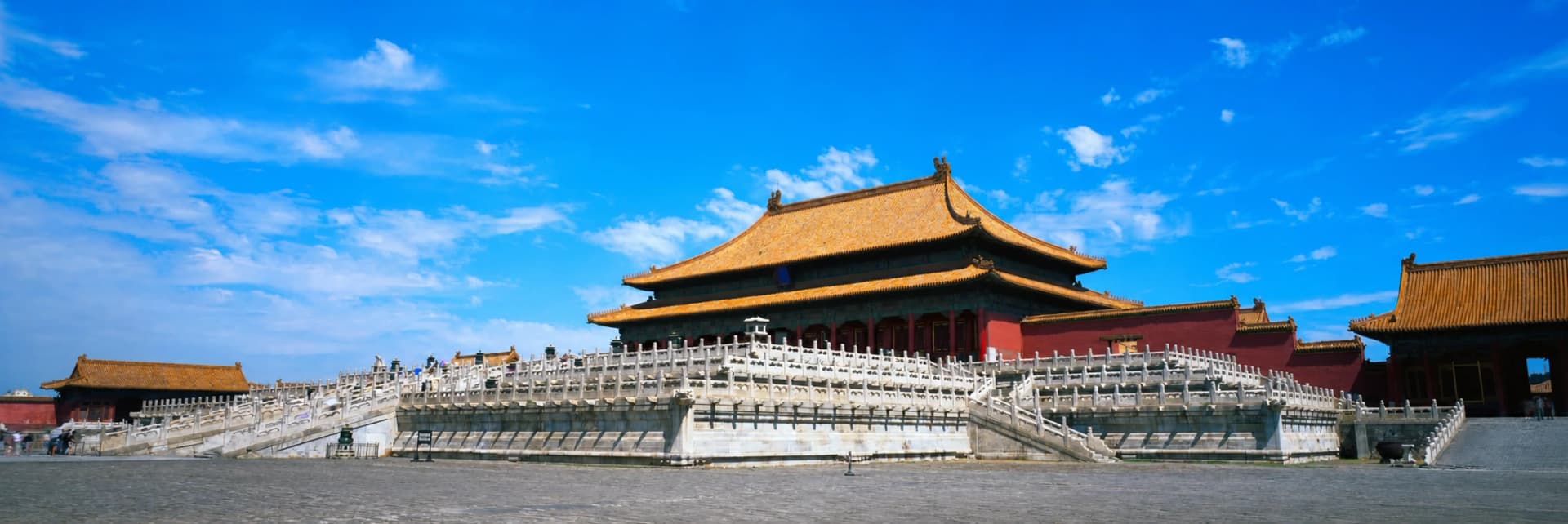
- Three Great Halls. Compare the Hall of Supreme Harmony, Hall of Central Harmony and Hall of Preserving Harmony as ceremony, preparation and banquet/examination spaces. Look at platform height, roof form and the number of ridge figures instead of fighting for a brief doorway view.
- Three Rear Palaces. After the outer court, pass the Palace of Heavenly Purity, Hall of Union and Palace of Earthly Tranquility. The scale contracts as the route changes from state ceremony to imperial residence.
- Imperial Garden and Gate of Divine Prowess. Slow down for rockeries, old trees and pavilion ceilings, then leave through the north gate.
If the group still has energy, add one nearby open residential courtyard. Do not start a distant gallery loop near closing time.
Half-day route: central axis plus one side
Complete the Three Great Halls, then choose one branch.
East side: objects and court craftsmanship
Choose this if collections matter more than reconstructed domestic life. Reserve the Gallery of Clocks, the Treasure Gallery, or both before the visit. The eastern route is long, so enter the paid gallery precinct before its last-entry cutoff, then use the signed open route toward the Imperial Garden, Gate of Divine Prowess or Donghua Gate.
If you only have time for one, choose the Treasure Gallery for materials, ritual objects and the Ning寿宫 precinct; choose the Clock Gallery for mechanical movement, global exchange and decorative technology. Do not assume every mechanism will be demonstrated.
West side: residence, family and later court life
Choose a currently open sequence around the western residential compounds, Palace of Compassion and Tranquility or Palace of Longevity and Good Health. These spaces make the imperial household easier to understand than a second pass through throne halls. Temporary exhibitions and restoration determine which interiors are useful on the day, so consult the official open-area map after entry.
Return to the rear central axis and finish through the Imperial Garden rather than crossing repeatedly between east and west.
Full-day strategy without palace fatigue
- Enter near opening and complete the Three Great Halls before the broad courts become tiring.
- Visit the side that contains your highest-priority gallery next.
- Stop for water and a light meal before the inner court; carrying too little food creates a late-afternoon rush, while a heavy bag makes the stone route harder.
- Use the rear palaces and Imperial Garden as the final narrative, then choose the exit based on your next stop.
- Treat a second side compound as optional. A focused full day is better than reaching every courtyard without understanding any of them.
Saved visitor reports repeatedly describe three practical realities: the central axis alone can take about three hours at a relaxed pace, doorway viewing is common, and adding Jingshan after a deep palace visit can exceed a family's energy. Plan the panorama as an optional finish, not an obligation.
How to read the palace instead of only taking photos
Outer court to inner court
The front half uses huge courtyards, elevated marble platforms and controlled sightlines for public authority. Beyond the Gate of Heavenly Purity, buildings become smaller and more enclosed. That shift from state ceremony to household life is the simplest framework for the whole visit.
Roofs, thresholds and hierarchy
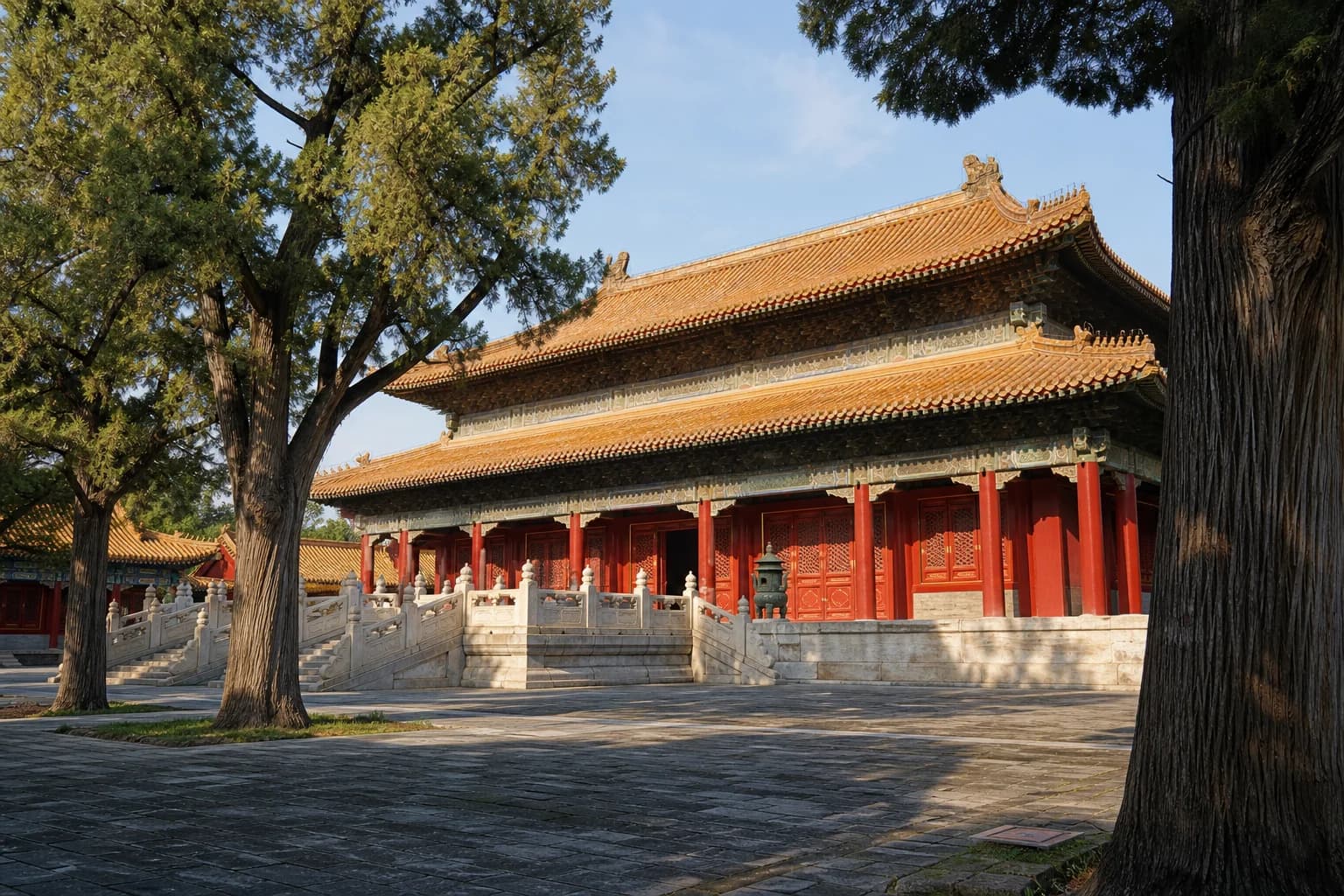
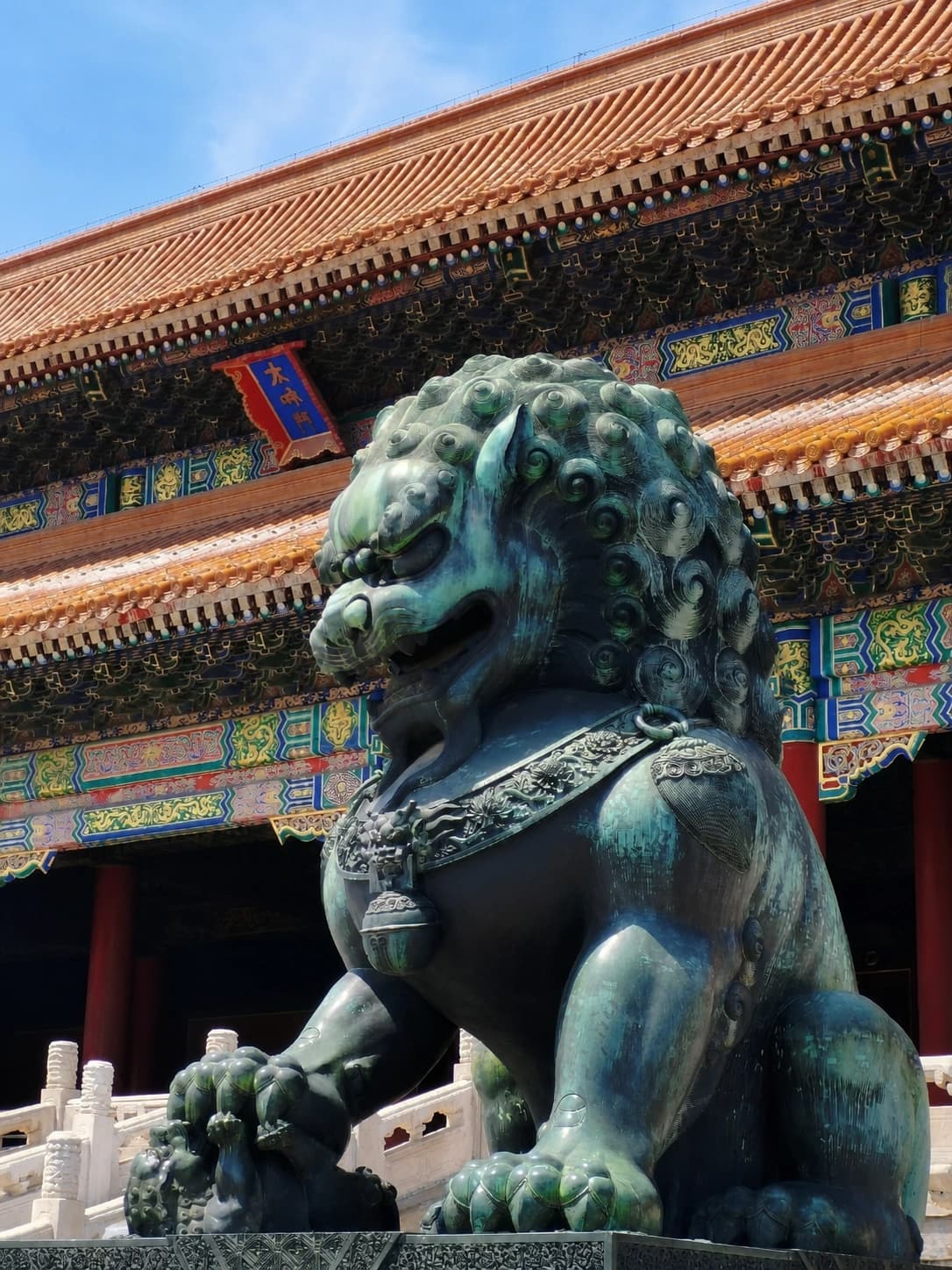
Compare yellow glazed roofs, ridge animals, painted brackets and the height of thresholds. Their differences communicate rank and function. Step over historic thresholds rather than standing on them, and keep doorways clear for other visitors.
Objects need context
In the galleries, choose a small number of objects and ask what material, workshop, court ritual or international exchange produced them. The Treasure Gallery and Clock Gallery are easier to remember through those questions than through a long sequence of display cases.
Getting to the only entrance
Meridian Gate (Wumen) is the sole visitor entrance. Gate of Divine Prowess and Donghua Gate are exits; Xihua Gate is not a normal visitor entrance.
- From Tiananmen East Station, allow time for the controlled central-area approach and security checks before reaching Meridian Gate.
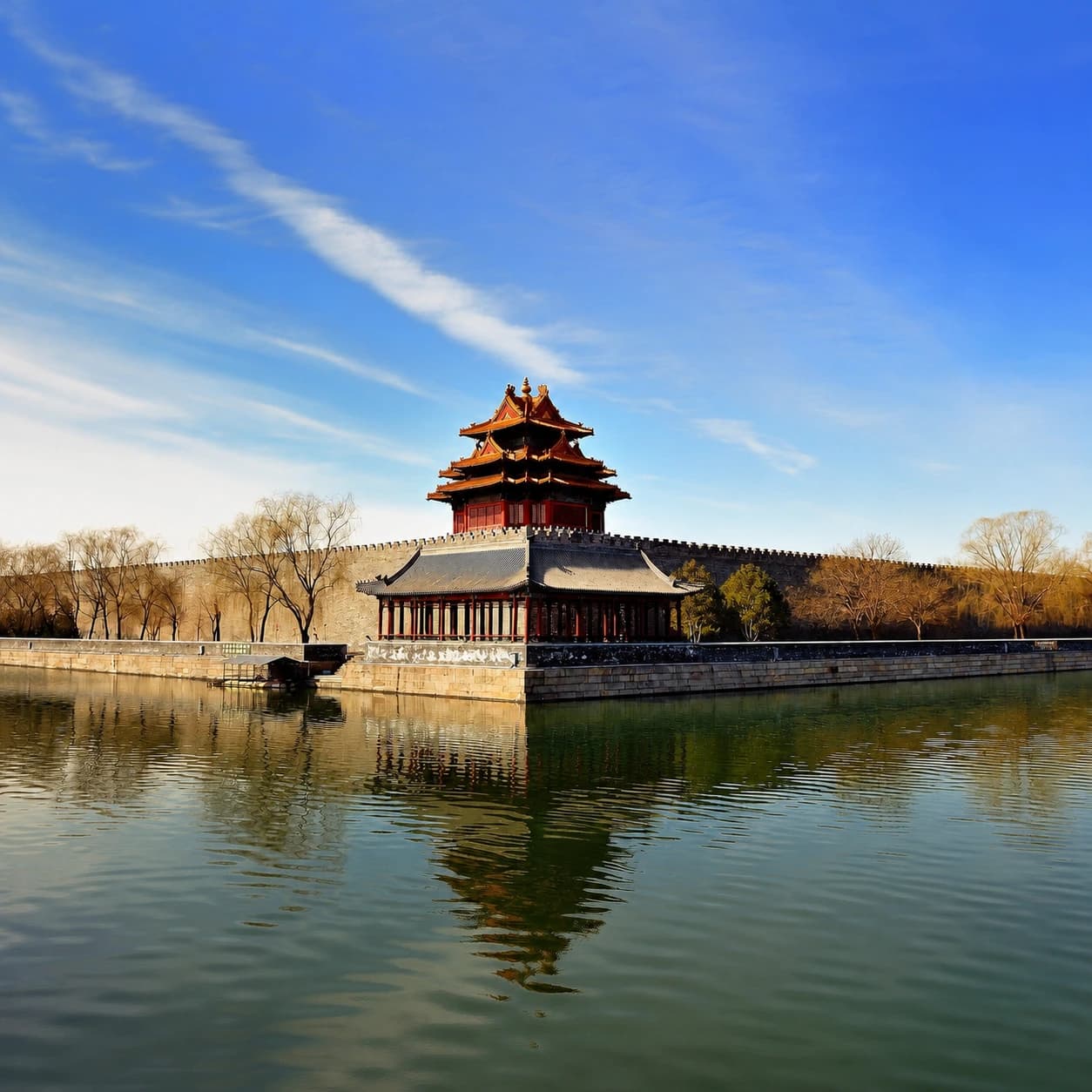
- From the Wangfujing/Jinyu Hutong side, approach Donghua Gate and follow the moat south and west to Meridian Gate. Reaching Donghua Gate does not mean you can enter there.
- Taxi and ride-hailing drop-offs can change with traffic controls. Use the exact approach point shown in the official notice or live map and keep a walking buffer.
Avoid putting another timed reservation immediately before the museum. A Tiananmen Square or National Museum morning can involve separate security and long walking before the palace visit even begins.
Luggage, food and accessibility
The museum provides luggage storage and free transfer for qualifying large bags. The official visitor rules place drop-off at the visitor service center on the west side of Duanmen Square, with collection outside Gate of Divine Prowess or Donghua Gate. Seasonal drop-off and collection hours differ, and valuables, electronics, food and fragile items cannot be stored. Keep the claim ticket safe.
Food and drinks are available inside, but outlets and queues change. Carry water and a compact snack that complies with security rules, then use posted signs for the nearest open service point. Shade and seating are uneven across the large stone courts, so take a rest when one is available instead of relying on a bench at a specific hall.
Wheelchair users can follow substantial parts of the central route, but bridges, high thresholds and gallery entrances require detours or assistance. Ask the entrance service desk for the current accessible route and lift status.
Photography and visitor conduct
- Flash, tripods, monopods, selfie sticks and other support equipment are prohibited inside exhibition halls.
- Courtyard photography is generally possible, but temporary exhibitions and active conservation areas may add restrictions.
- Do not block doors or remain on narrow thresholds for portraits.
- Commercial filming, live commerce and organized performance require authorization.
Choose the exit before the final garden
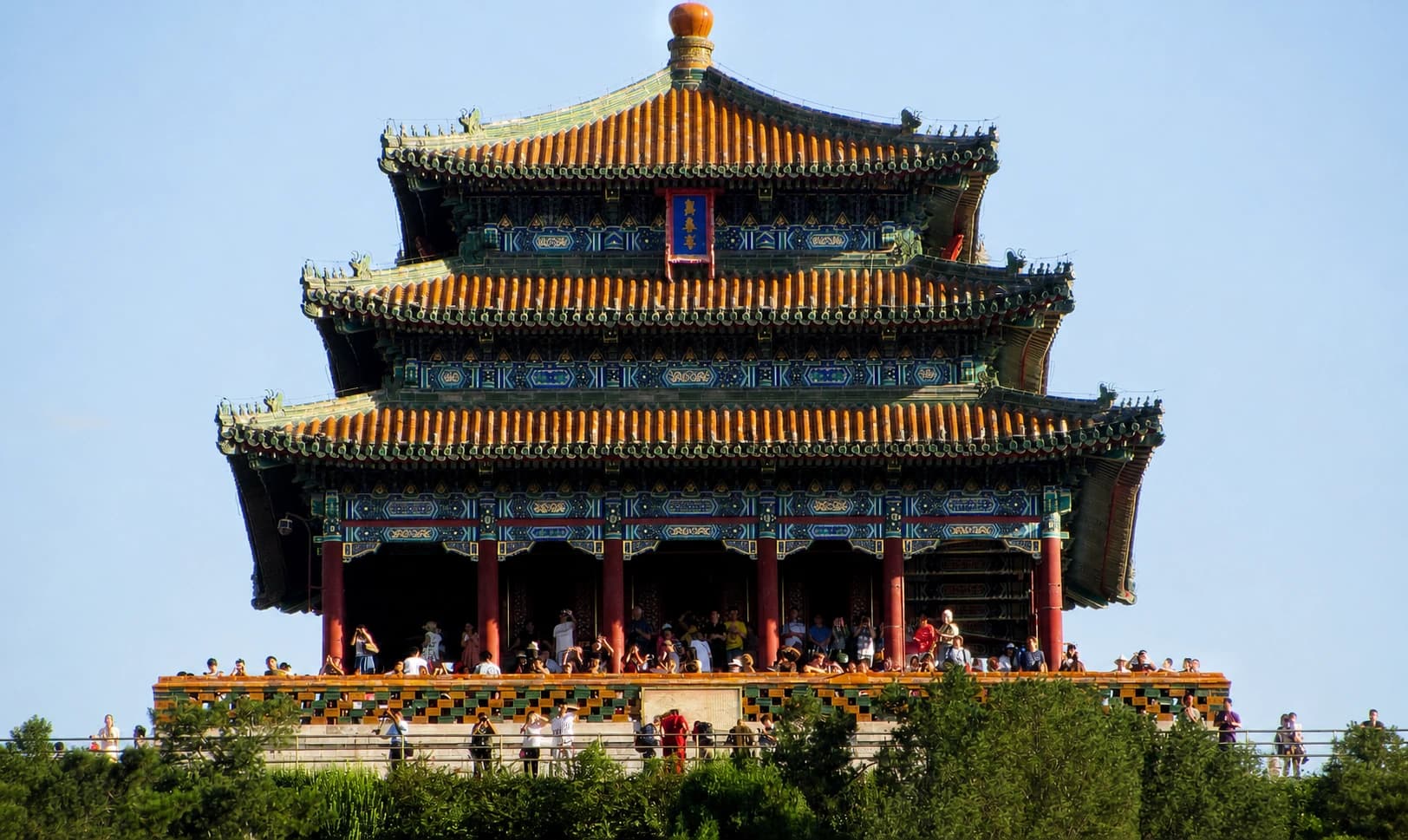
- Gate of Divine Prowess: cross the road via the pedestrian route for Jingshan Park. Climb only if visibility and energy justify it.
- Donghua Gate: choose this for the eastern moat, Wangfujing direction, food or a simpler road pickup.
The one-way system means you cannot leave by Meridian Gate. Confirm the exit before the Imperial Garden so you do not follow the crowd north when your onward plan lies east.