National Museum of China
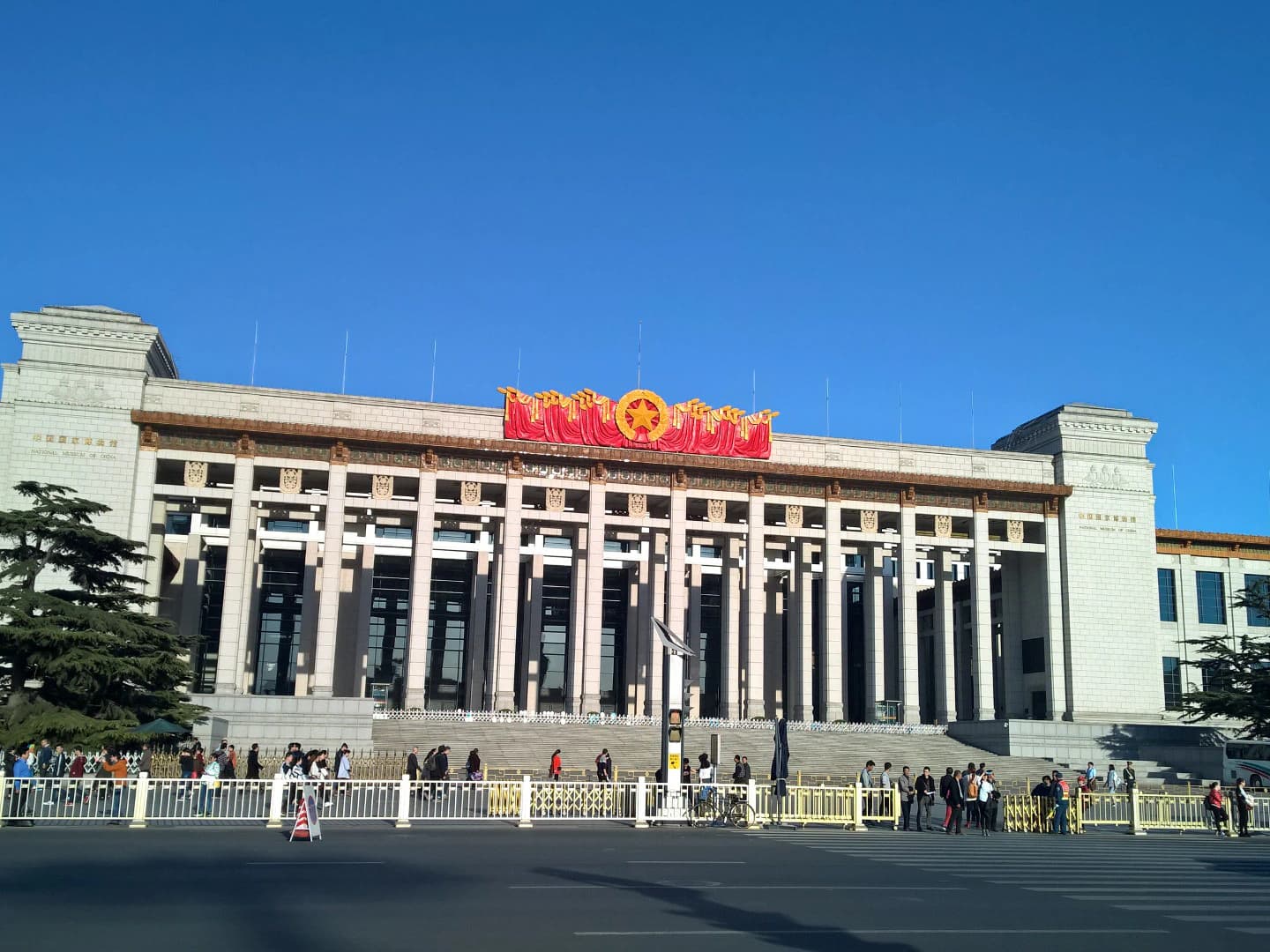
The National Museum of China (中国国家博物馆, Zhōngguó Guójiā Bówùguǎn) anchors the eastern flank of Tiananmen Square. Housing an immense collection of over 1.4 million cultural relics, it can easily anchor a focused two-hour visit, a half-day exploration, or a full-day cultural dive—though attempting to see every hall in a single visit is the quickest path to museum fatigue.
For a rewarding first visit, make the B1 Ancient China exhibition your core focus. Then, branch out into one themed gallery or a featured temporary exhibition only if your energy and schedule allow. This guide offers independent international travelers practical advice on passport-compatible bookings, streamlined arrival, and realistic floor strategies.
Reservation and Opening Hours
General admission to the museum's permanent exhibitions is free, but every visitor must secure a real-name timed reservation in advance. Official booking opens seven days in advance, with new ticket slots released daily at 17:00 Beijing time. International travelers can reserve directly via the museum's English reservation portal, avoiding the need for Chinese-only WeChat mini-programs.
- Standard hours: 09:00–17:00 (last admission at 16:00)
- Summer season (June 1 – October 31): 09:00–17:30 (last admission at 16:30)
- Closed: Mondays (except statutory public holidays or official announcements)
- Entry time slots: 09:00–11:00, 11:00–13:30, and 13:30–16:00 (the final slot extends to 16:30 in summer)
- Entrance: North Gate visitor entrance during your reserved time slot
Enter your full name and document number exactly as they appear on your passport or accepted ID. On the day of your visit, bring your original passport or ID, your booking confirmation, and an offline screenshot for convenience. Museum security strictly enforces reserved time windows and document details—mismatched data or missed time slots may prevent entry. Special holiday openings and temporary closures take precedence over standard hours, so be sure to recheck the official visit page before your trip.
General admission to the permanent collection is free under the current policy. Trip.com also lists optional guided services and audio packages around the museum; review inclusions carefully so you do not pay unnecessarily for general admission. Check current National Museum of China offerings on Trip.com.
Getting There: Use the North Gate, Not Just the Building Pin
Take Beijing Metro Line 1 to Tiananmen East (天安门东) and use Exit C or D. While mapping apps show Exit C is only about 0.1 km / 2 minutes from the building, that estimate reflects straight-line distance only: security checkpoints, perimeter barriers, and entry queues around Tiananmen Square can add substantial walking and waiting time.
Avoid taking a taxi directly to the museum façade. Traffic restrictions and security barriers around the square mean vehicles cannot pull up curbside. The subway combined with signposted pedestrian walkways is the fastest and most reliable route. When using navigation apps like Amap, search for 中国国家博物馆 and follow directions directly toward the North Gate visitor entrance.
Choose One Museum Route
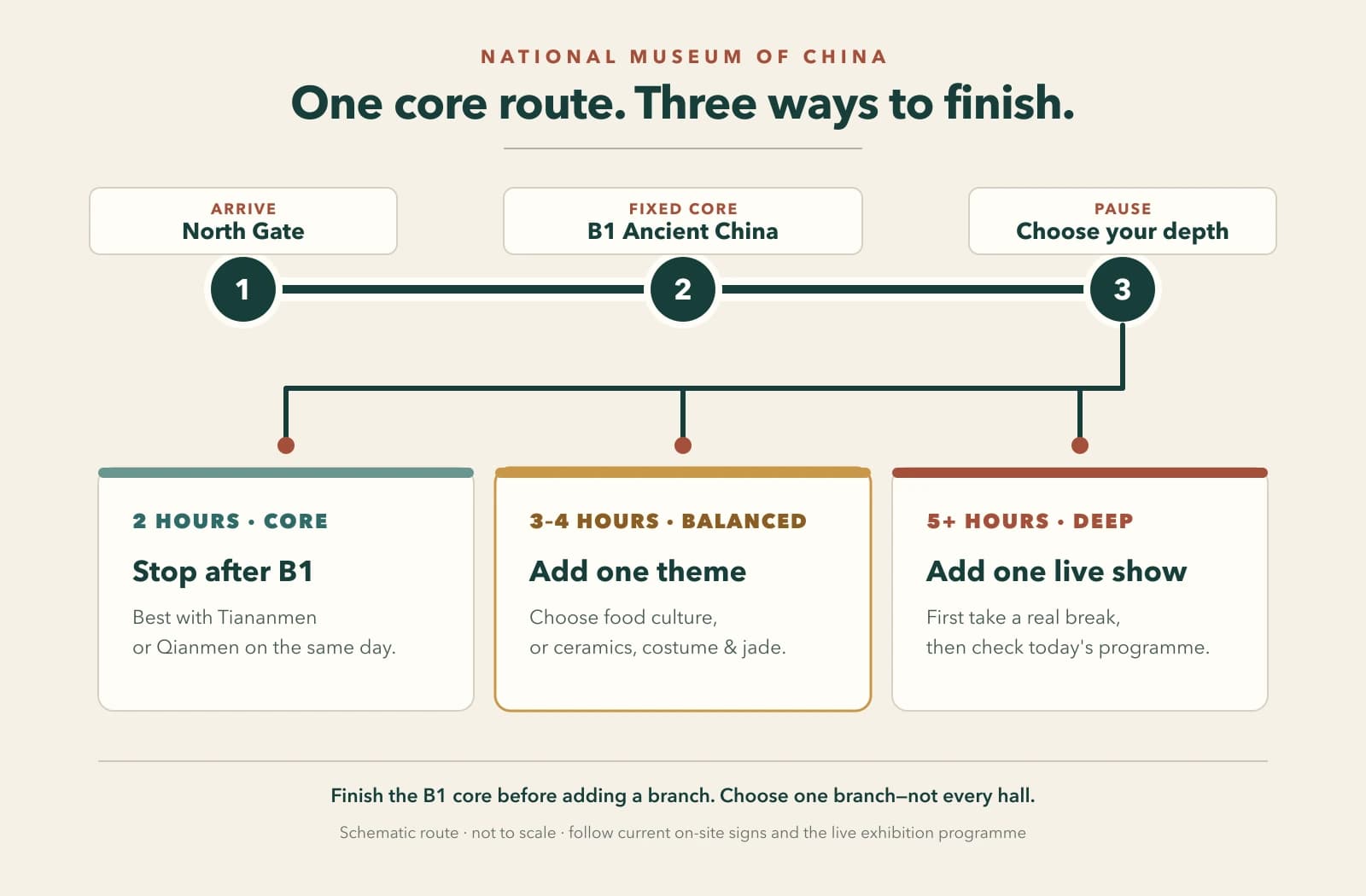
Two hours: Ancient China only
Enter through the North Gate, pass security, and head straight down to B1 Ancient China. This flagship permanent exhibition is arranged across eight chronological halls, spanning from prehistoric times through the Ming and Qing dynasties. Follow the sequence chronologically to appreciate the sweep of Chinese cultural evolution rather than racing haphazardly between famous showstoppers.
Keep these three guiding questions in mind as you walk:
- How do materials evolve over dynasties—from earthenware and jade to bronze, iron, silk, and fine porcelain?
- How do everyday and ceremonial artifacts reflect social hierarchy, governance, trade networks, and daily life?
- Which technological breakthroughs define the transition into each successive era?
This focused itinerary is ideal when pairing the museum with Tiananmen Square or Qianmen on the same day. Once finished, follow the exit signs rather than impulsively adding another floor when tired.
Three to four hours: Ancient China plus one themed cluster
This provides the most balanced experience for first-time visitors. After completing the B1 Ancient China galleries and taking a short rest, choose one of the following permanent themed collections:
- Ancient Chinese Food Culture (3F, Hall North 11): Ideal if you enjoy social history, culinary traditions, and the connection between agriculture, storage, cooking vessels, banqueting etiquette, and trade.
- Ancient Chinese Ceramics, Costumes, and Jade (4F, Halls North 17–19): Perfect if material artistry, textiles, and design aesthetics hold your interest more than another historical survey.
The museum also features specialized galleries for ancient coins and currency, bronze mirrors, Buddhist sculptures, and classical calligraphy. Treat these as optional discoveries rather than a rigid checklist. Displayed items and hall access may rotate; follow the on-site directory during your visit.
Five hours or more: Add a temporary exhibition
Begin with the B1 Ancient China core, explore a themed gallery, and then check the current temporary exhibition schedule. Note that select special or international loan exhibitions may require a separately purchased ticket even though general admission is free. Review the title, hall location, dates, and inclusions before booking.
An extended museum visit requires mindful pacing. When museum fatigue sets in and informational placards blur together, taking a restorative break or concluding your visit is far better than pushing through. Leaving something for a future trip keeps the memories sharp.
A Distinctive Lens: Read History Through Food
The Ancient Chinese Food Culture exhibition gives the museum a relatable, human scale. Instead of merely asking "Which dynasty made this?", look for the broader socio-economic system surrounding each artifact:
- A grain storage jar illustrates agricultural yields, preservation techniques, and household resilience against famine.
- A bronze wine or meat vessel often reveals rigid ritual hierarchy and statecraft as much as cuisine.
- Structural shifts in bowls, cups, portable stoves, and table settings trace how technology transformed daily habits.
- Novel ingredients and foreign vessel shapes indicate the reach of overland and maritime Silk Road trade.
This lens enriches the B1 Ancient China galleries as well. When looking into a display case of pottery, bronze, or lacquer, consider who crafted it, what it held, how it was maintained, and whether it served daily labor, imperial ceremony, or burial rituals. The collection becomes an engaging human story of craftsmanship and survival rather than an abstract parade of dates.
How to Look Without Chasing Every Famous Object
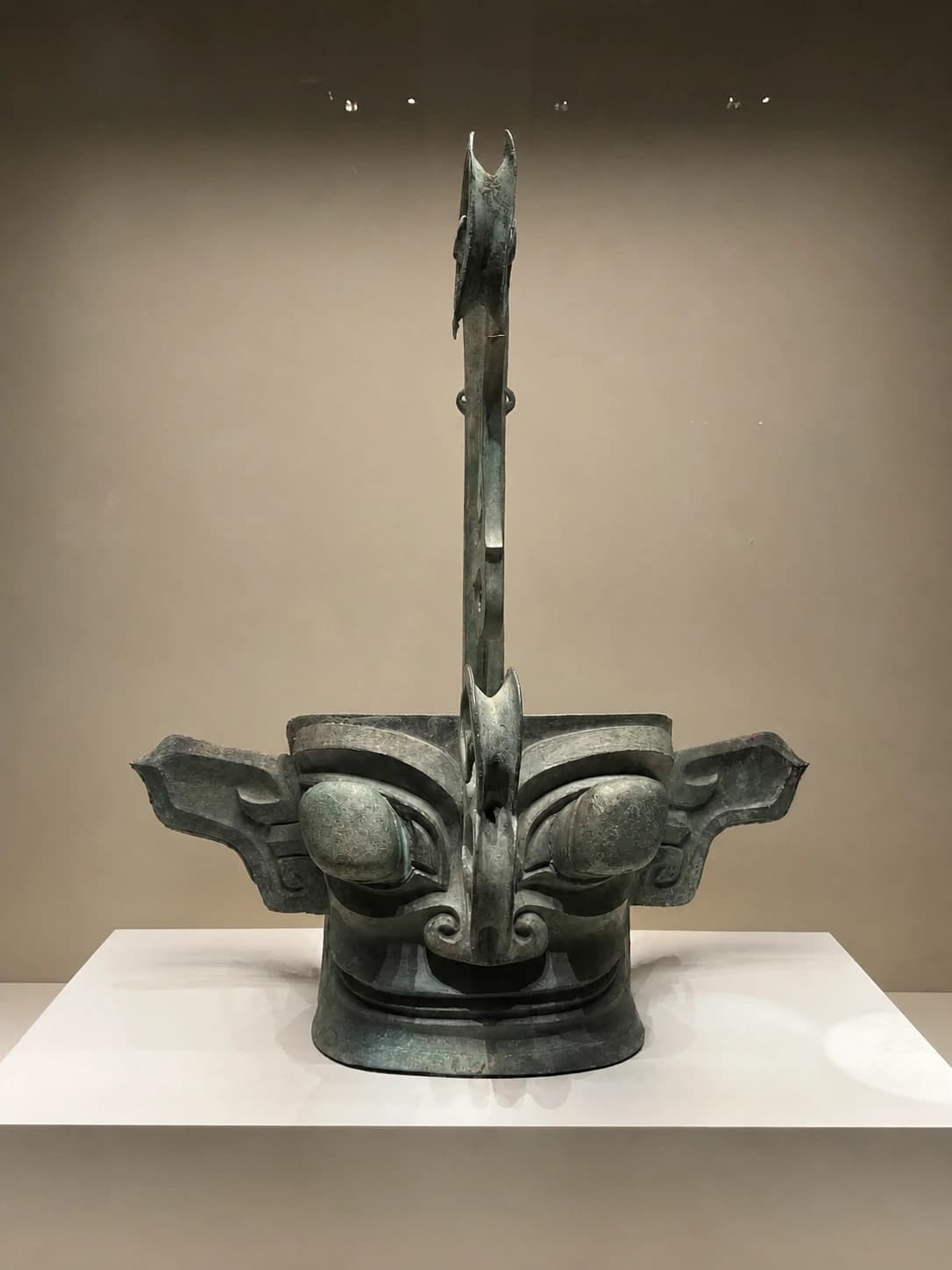
Online itineraries often promise an exhaustive list of "must-see national treasures," but loans, conservation work, and rotating exhibits mean specific pieces may not always be on view. A more reliable and rewarding approach is to ask four analytical questions in each period:
- Form: What practical or symbolic function does this shape perform?
- Surface: Is the ornamentation cast, incised, painted, inlaid, woven, or sculpted?
- Use: Was the object handled daily, worn, buried in a tomb, displayed, or used in sacrifice?
- Power: Who commanded the material resources, labor, and authority to commission it?
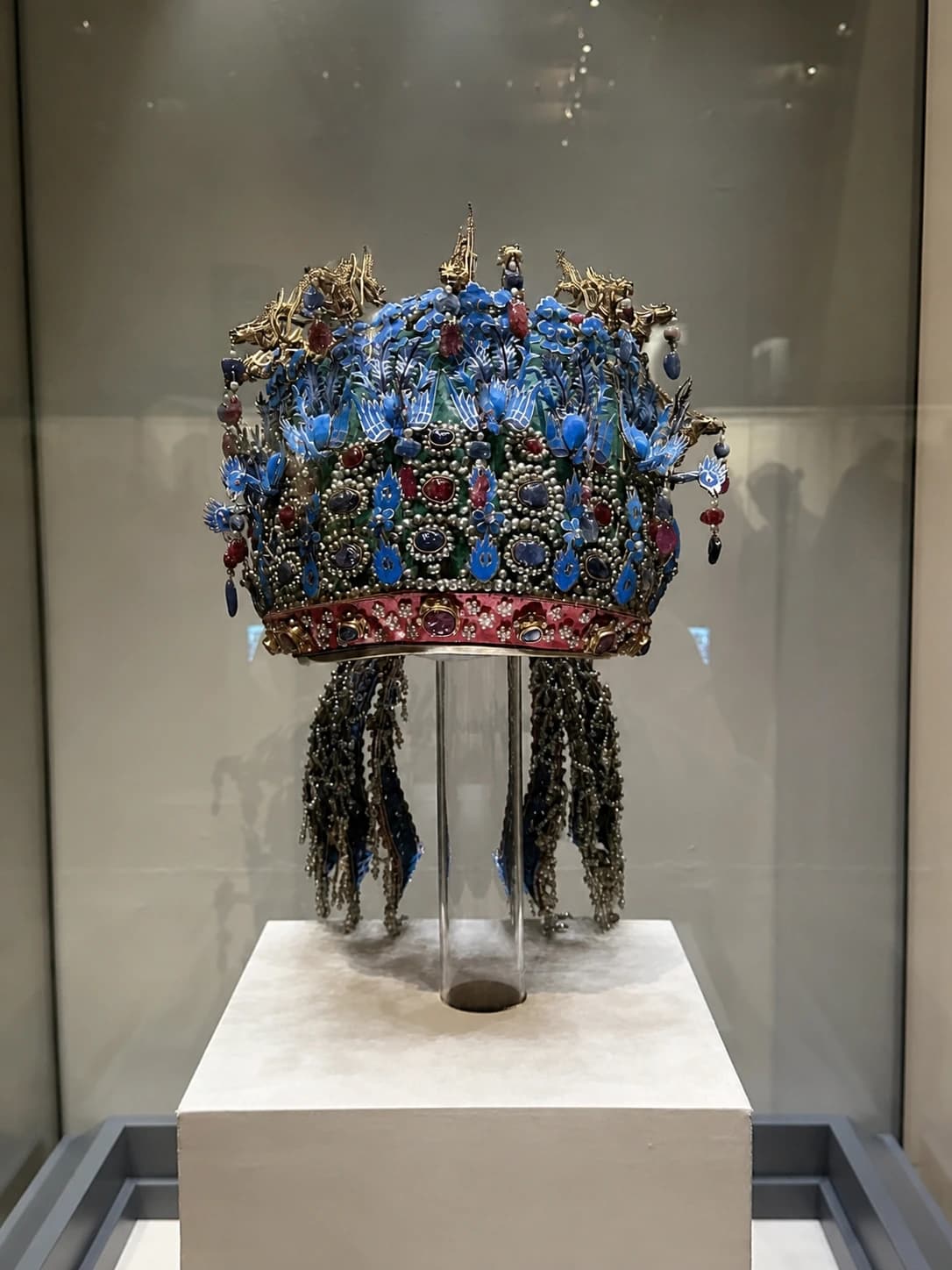
Spend extra time wherever these questions spark curiosity. Move on when a crowded case offers only an obscured placard and a wall of smartphones. The museum's official mini-program and audio guides offer informative commentary for Ancient China; bring your own headphones for the best experience.
Bags, Photography, Rest and Food
All visitors must pass through standard security screening. Current visitor guidelines permit non-commercial photography in permanent collection galleries unless indicated by gallery signage, while flash, selfie sticks, and tripods are strictly prohibited. Eating is forbidden inside exhibition halls, and museum rules prohibit the use of portable power banks inside galleries.
Luggage and bag storage is available near the North Gate on the basement level. Service arrangements and fees are subject to change, so travel light whenever possible. Wheelchairs and strollers are available at visitor service desks following official deposit and identification requirements.
Treat museum dining as a convenient backup rather than a showcase meal. While the museum features cafés, dining areas, and beverage vending machines, individual counters and menus can vary. A light snack and a seated rest will help recharge your second half; plan for a memorable dinner once you exit.
Pair It With Qianmen, Not Another Giant Museum
Following a two- or three-hour museum visit, Qianmen Street and the Dashilan pedestrian area make the ideal walking and dining continuation. Mapping apps estimate the walk from the museum to Qianmen at roughly 1.0 km / 14 minutes, though security checkpoints around Tiananmen Square may add extra time.
In the Qianmen and Dashilan quarters, choose a focused Beijing dining experience:
- Zhajiangmian (Fried Sauce Noodles): Look for hand-pulled noodles topped with crisp shredded cucumbers and a deeply savory, aromatic bean paste.
- Dumplings or Shaobing: Choose bustling specialty eateries with visible kitchen turnover and fresh batches.
- Peking Duck: Make it a pre-booked, sit-down meal at an established restaurant rather than an impulsive decision when exhausted.
The museum's location alone does not require changing hotels. For a first trip to Beijing, Wangfujing or Dongdan offers excellent access to Metro Line 1; Qianmen is perfect for travelers who love atmospheric evening strolls; Dongsi provides a quieter hutong ambiance with easy connections to the northern historic district.
Quick Checklist
- Reserve on the official website up to 7 days in advance; new ticket slots release daily at 17:00 Beijing time.
- Bring your original passport or ID along with your reservation confirmation.
- Arrive at the North Gate visitor entrance during your booked time window.
- Anchor your visit around B1 Ancient China, then add at most one themed gallery.
- Check current temporary exhibition listings before purchasing separate specialty tickets.
- Travel light, keep snacks out of exhibition halls, and observe gallery photography rules.
- Walk to Qianmen for authentic Beijing cuisine and an evening stroll after your visit.