Confucius Temple Beijing
Beijing's Confucius Temple and Imperial College Museum is a single ticketed heritage complex encompassing two distinct historical realms. The Confucius Temple on the east served as the supreme state ritual venue for honoring Confucius, while the Imperial College (Guozijian) on the west was the empire's highest institution of learning and educational administration. The traditional architectural layout is known as "left temple, right school" (左庙右学)—a profound cultural pairing rather than just another succession of imperial halls.
Allow 90 minutes to walk the main architectural axes, or 2 to 3 hours to study the historic examination stelae, carved stone classics, and exhibition galleries in depth. It makes an exceptional alternative to crowded mega-monuments: the scale is intimate, ancient cypresses shade the courtyards, and the visit clearly illustrates how state ritual, scholarship, and imperial governance were interwoven.
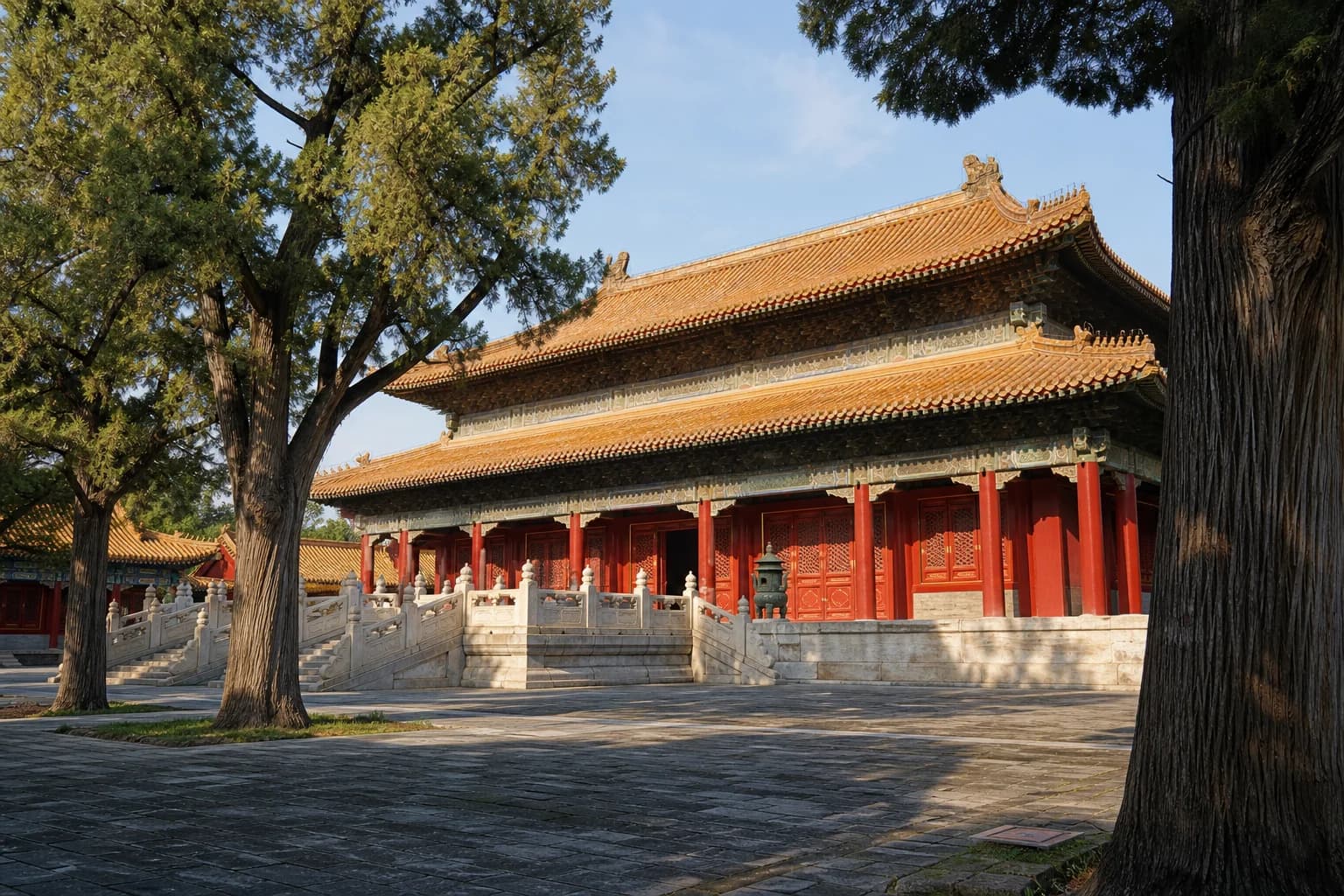
Do Not Confuse Beijing with Qufu
Online search results often conflate different Confucius temples. The UNESCO World Heritage-listed Temple and Cemetery of Confucius and the Kong Family Mansion are located in Qufu, Shandong (the sage's ancestral home). This guide specifically covers the historic Beijing site on Guozijian Street.
Beijing's site carries immense significance of its own:
- The Confucius Temple was the central venue for national sacrificial rites during the Yuan, Ming, and Qing dynasties.
- The adjoining Guozijian was the imperial university and the supreme administrative body for national education.
- Beijing heritage authorities celebrate the complex for its quintessential "left temple, right school" spatial harmony.
- While managed today as one unified museum, the original functions of both halves remain completely distinct.
Recognizing this distinction enriches your visit: Dacheng Hall embodies ceremonial reverence, while Biyong Hall embodies imperial scholarship. Calling the entire complex merely "the ancient university" overlooks half of its historical depth.
Current Tickets and Opening Pattern
According to the official visitor service page, standard operations are:
- Hours: 9:00–17:00, with last entry at 16:30.
- Closures: Closed on Mondays, except during statutory national holiday periods.
- Admission: Standard adult ticket is CNY 30.
- Ticketing: Advance booking via the museum's official WeChat mini-program for the current day and the following two days (daily ticket quotas refresh at 19:00).
- On-site assistance: Same-day QR booking or staffed window purchases are available for passport holders when capacity permits.
Operating schedules and policies may change during special ceremonies, conservation projects, or peak holiday periods. Recheck the official website or WeChat announcements before visiting. Always bring the original physical passport used for your booking. The museum notes that it has not authorized third-party ticket agents, so book directly through its official channels.
Official guided tour schedules, cultural lectures, and exhibition access can vary. If an English-language tour or audio guide is important for your visit, verify availability at the Visitor Information Desk upon arrival.
Choose Your Pace Before Entering
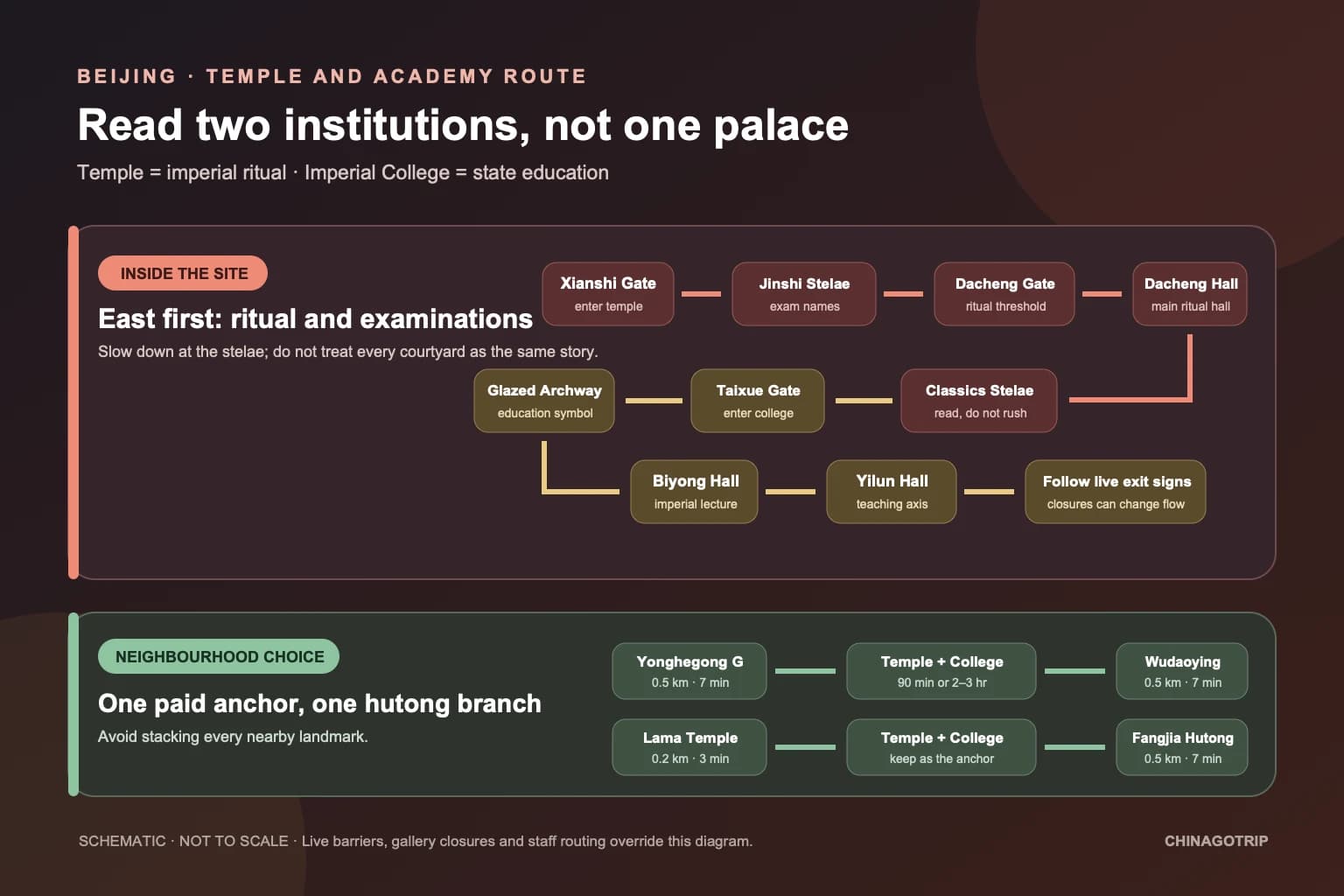
Original schematic based on official building axes and verified map locations. It is not to scale; on-site signage, barrier routing, and temporary gallery closures always take precedence.
90-minute route: the two ideas
Ideal if you want a rewarding, digestible cultural stop without museum fatigue:
- Enter through Xianshi Gate (First Teacher Gate) and follow the temple's south-to-north ritual axis.
- Admire the rows of Jinshi (Imperial Examination Graduate) stelae, absorbing the historical scale rather than trying to read individual names.
- Pass through Dacheng Gate into the central courtyard and admire the grand architecture of Dacheng Hall.
- Sample the monumental Thirteen Classics stone tablet pavilions.
- Cross over to the Imperial College via the marked connecting gateway.
- Follow the educational axis: Taixue Gate, the splendid glazed archway (paifang), Biyong Hall, and Yilun Hall.
- Exit according to on-site signage into Guozijian Street.
This route highlights the core contrast: solemn ritual and enduring honor on the temple side; lecture architecture, glazed arches, and scholastic order on the college side.
Two-to-three-hour route: inscriptions and systems
Follow the same sequence, but allow extra time at three key cultural anchors:
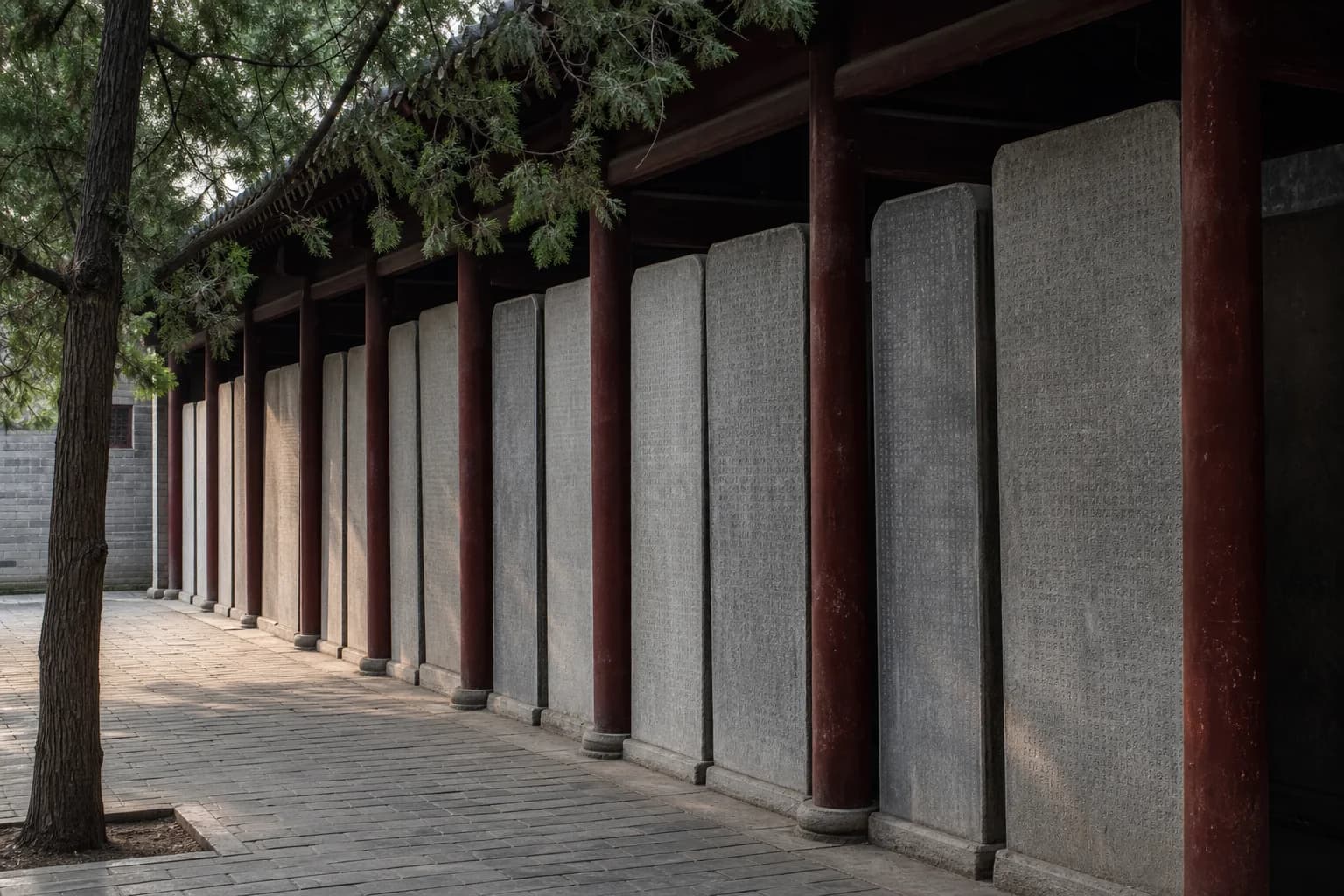
- Imperial Graduate Stelae: Examine the meticulous calligraphy and stone carving. Beijing heritage records list 51,624 successful Jinshi scholars inscribed across 198 stone tablets. The wonder lies not in searching for famous names, but in witnessing an entire millennium-old imperial examination system carved into permanent public memory.
- Thirteen Classics Stelae: A monumental forest of 189 stone tablets engraved with over 630,000 Chinese characters. Treat this as an audacious imperial endeavor to standardize and preserve classical Confucian canon for eternity.
- Biyong Hall & College Axis: Walk around the circular moat surrounding Biyong Hall to understand how imperial lectures were staged as grand political and moral masterclasses.
Explore temporary gallery exhibitions only after visiting these three anchors to ensure you do not run short on energy for the defining architecture.
What to Notice on the Temple Side
The courtyards heighten the ceremony
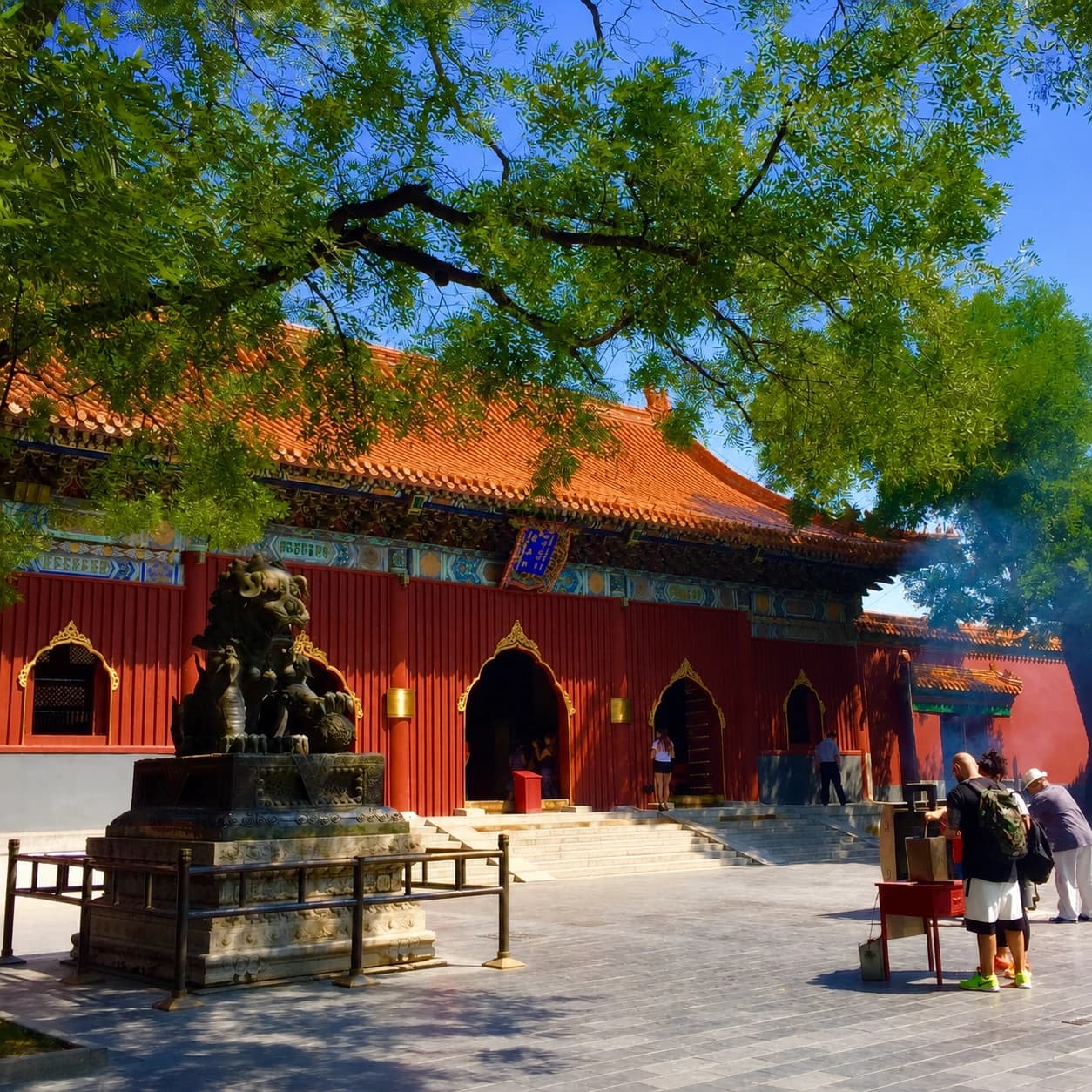
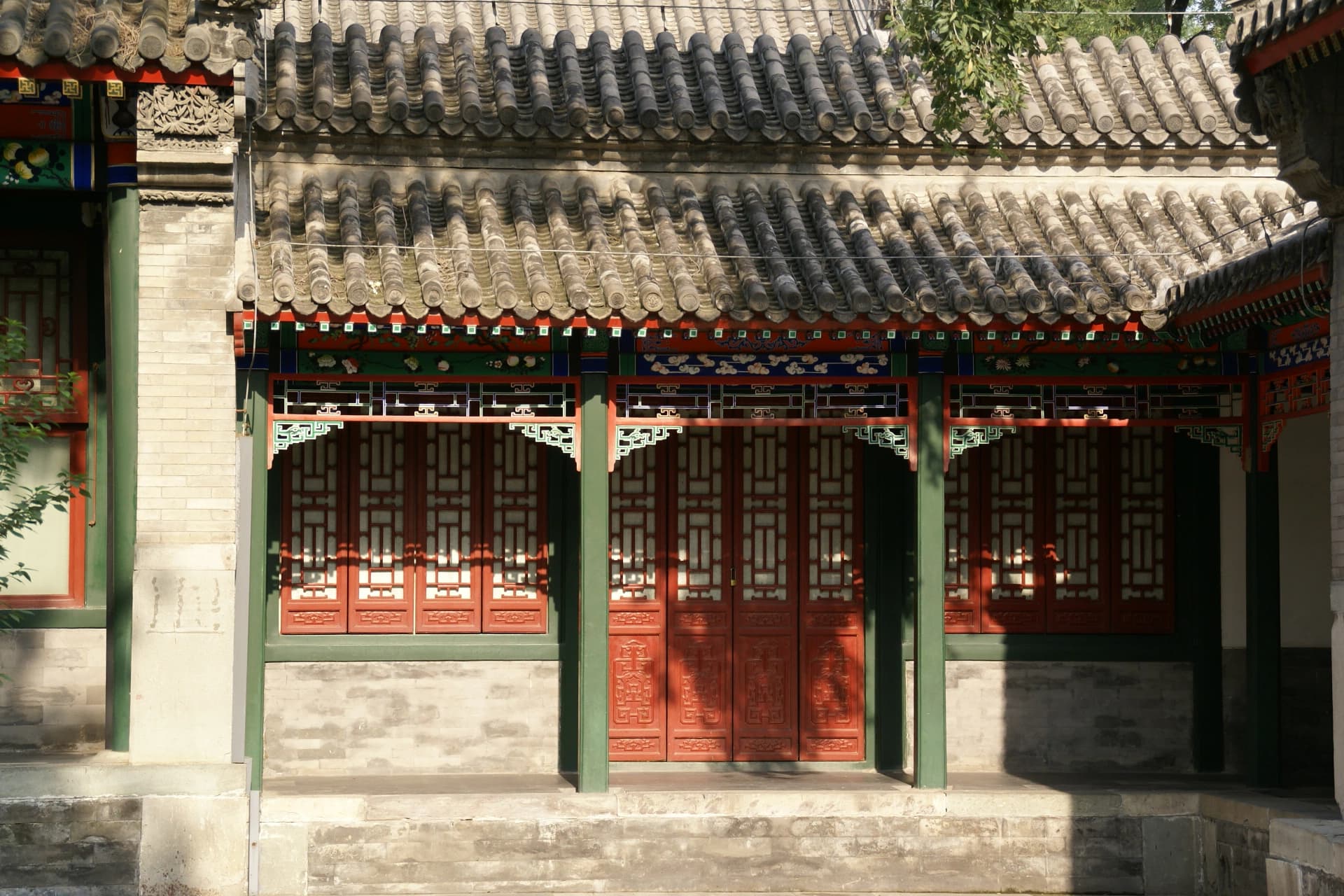
The Confucius Temple features a disciplined progression of gateways: Xianshi Gate, Dacheng Gate, Dacheng Hall, and the northern shrines. Each courtyard frames and regulates the visitor's line of sight. Step slightly off the central axis to appreciate how towering cypress trees, grey brick walls, stelae pavilions, and yellow glazed tiles create solemn grandeur without the overwhelming vastness of the Forbidden City.
Dacheng Hall is ritual, not a throne room
Dacheng Hall (Hall of Great Accomplishment) was the ceremonial sanctuary for paying homage to Confucius. Its elevated double-eaved roof, carved marble terrace, and central placement reflect high imperial status, yet its function was sacred reverence rather than imperial residence. Observe the spatial dialogue between the expansive front courtyard and the hall itself.
The names are a social archive
The Jinshi graduate stelae form one of the site's most remarkable records, turning centuries of rigorous academic meritocracy into stone. Please do not touch, lean on, or make rubbings of the ancient stone monuments. Taking time to inspect one well-preserved tablet is far more rewarding than rushing past all of them.
What Changes on the Imperial College Side
The glazed archway announces education
The multi-colored glazed tile archway (Glazed Paifang) is not mere decorative filler—it stands as a monumental gateway signaling the ideological core of imperial education. It is one of the few glazed ceremonial archways in Beijing built specifically in tribute to scholarship.
Biyong turns teaching into spectacle
Biyong Hall is the architectural masterpiece of the Guozijian, built under Emperor Qianlong for imperial lectures. Its square pavilion design set within a circular moat (symbolizing heaven and earth) physically separates the royal preceptor from the surrounding scholars. Take a leisurely walk around the perimeter terrace to appreciate the symmetry and acoustic design.
Yilun Hall completes the institution
Located behind Biyong Hall, Yilun Hall served as the administrative and instructional heart of the college before Biyong was constructed. As you explore, consider how the architecture distinguished between quiet study, academic governance, and imperial ceremony.
Photography Rules That Actually Matter
The museum permits ordinary non-commercial visitor photography under clear guidelines:
- No flash or tripods are allowed near stone stelae, historical relics, or inside exhibition halls.
- Commercial equipment, studio lighting, reflector boards, and costume changes are prohibited without prior official authorization.
- Please do not obstruct pathways or linger excessively in one spot for staged photo shoots.
- Food, drinks, and disruptive behavior are strictly prohibited near heritage structures and stelae pavilions.
For clean architectural photos, shoot from the shaded edges of the courtyards and wait for breaks in tour groups. The courtyards are especially picturesque during autumn with golden ginkgo foliage and in spring when ancient wisterias blossom.
Getting There
The official address is 13–15 Guozijian Street, Dongcheng District. Find the museum location on AMap (Beijing Confucius Temple and Imperial Academy Museum).
Yonghegong (Lama Temple) Station serves Metro Lines 2 and 5. From Exit G (Southwest), the walk along Guozijian Street to the museum entrance is approximately 500 meters (7 minutes). Follow station signage and on-ground street signs.
The stroll down tree-lined Guozijian Street with its traditional decorative archways (paifang) is an integral part of the experience. Please remember that surrounding lanes are quiet residential communities—keep voices low and respect private doorways.
Pair It with One Nearby Branch
Avoid rushing through too many disparate sights in one day; select one natural extension based on your interests:
Option 1: Lama Temple plus the museum
Best for a deep dive into imperial religion, philosophy, and statecraft. The main entrance to Yonghe Temple (Lama Temple) is just 200 meters (3 minutes on foot) from the museum. Both sites deserve unhurried visits; if you spend substantial time here, save longer hutong explorations for another day.
Option 2: Museum plus Wudaoying Hutong
Ideal for relaxing at a boutique café, teahouse, or craft shop after exploring ancient stelae. Wudaoying Hutong is approximately 500 meters (7 minutes) away on foot. It offers a lively mix of contemporary creative shops and traditional lane architecture.
Option 3: Museum plus Fangjia Hutong
A quieter alternative just south of Guozijian Street (about 500 meters / 7 minutes walking distance). Fangjia Hutong offers a slower residential pace, cultural courtyards, and indie coffee bars. Please respect local residents and do not enter private residential courtyards.
What to Eat Nearby
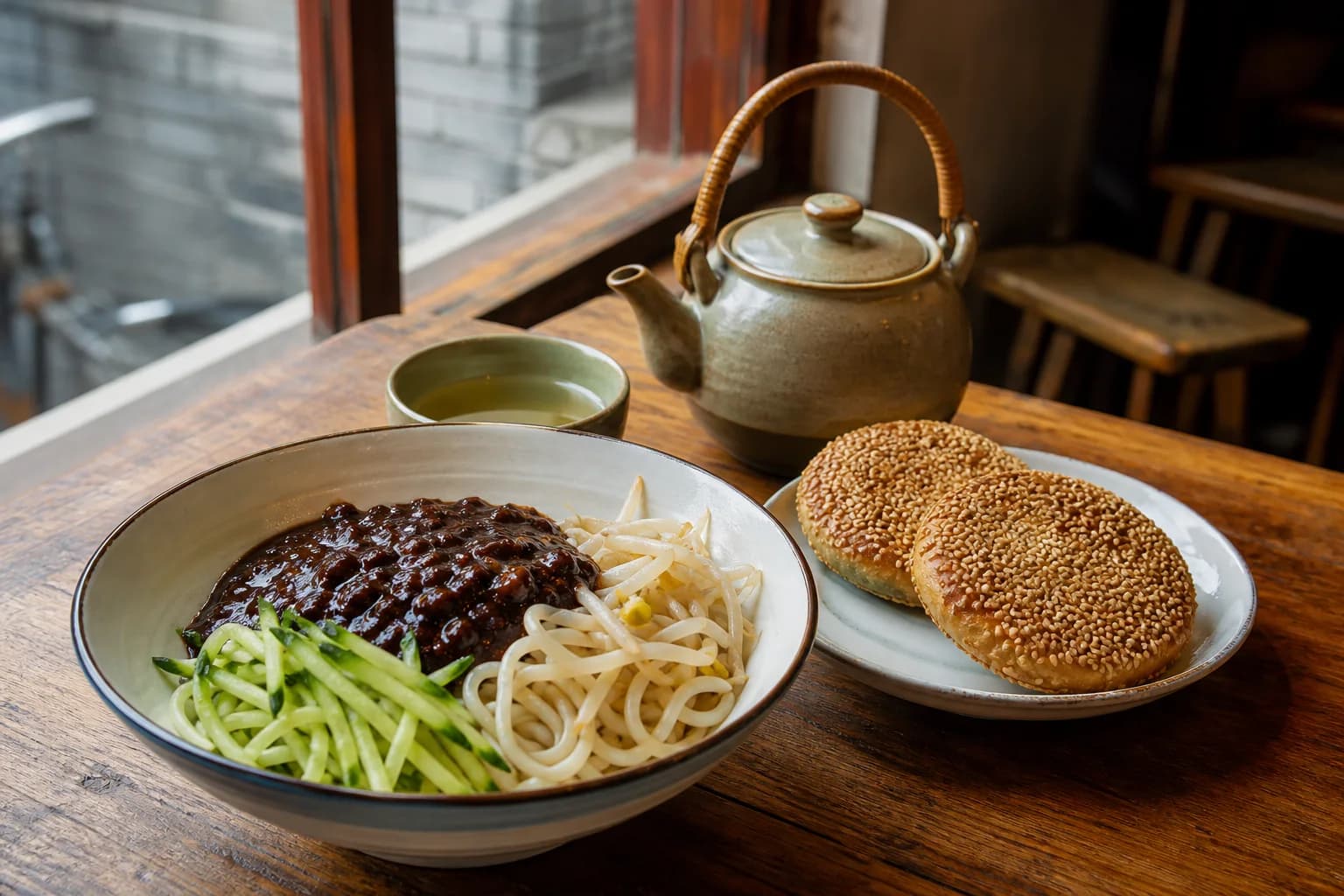
Choose authentic local dining based on your appetite:
- Zhajiangmian: A classic bowl of hand-pulled noodles with savory fermented-bean pork sauce and julienned vegetables makes a perfect lunch after walking the courtyards.
- Sesame Shaobing: Flaky sesame flatbreads filled with braised beef or lamb, perfect for a lighter, satisfying bite.
- Jiaozi (Dumplings) or Northern Stir-fries: Excellent for sharing family-style dishes among travel companions.
- Vegetarian Cuisine: Several renowned vegetarian restaurants and Buddhist teahouses operate near Yonghegong and Guozijian Street.
- Jasmine Tea & Traditional Yogurt: Refreshing accompaniments for a peaceful afternoon break.
Please enjoy food in seated restaurants or dedicated teahouses rather than eating while walking through museum courtyards or beside residential doorsteps.
Where to Stay
- Dongzhimen: The premier transit hub for direct Airport Express trains, Metro Line 2, and quick access to the northeast historic sights.
- Andingmen / Drum Tower: Best for experiencing genuine hutong ambiance, boutique courtyard hotels, and pleasant evening walks.
- Wangfujing: Ideal for first-time visitors seeking easy metro access to the Forbidden City, Tiananmen, and central shopping districts.
- Sanlitun: Best for travelers prioritizing vibrant nightlife, international dining, and modern luxury hotels.
Compare Beijing hotels by neighborhood on Trip.com. When booking traditional hutong courtyard hotels, check recent reviews regarding taxi accessibility, heating/air conditioning, and soundproofing.
The Short Verdict
Visit the Beijing Confucius Temple and Imperial College to understand how imperial China united state ritual, rigorous examinations, and philosophical education. Enter the temple first, linger among the ancient stelae and stone classics, cross into the college, and admire Biyong Hall at a thoughtful pace. Pair your visit with the Lama Temple or one relaxed hutong stroll for a fulfilling cultural half-day.