Qingdao
Qingdao is a port city on the Yellow Sea where a compact historic core, a long chain of urban bays, beer culture and the granite ridges of Mount Lao coexist—but not within one easy waterfront stroll. The best first visit uses three geographic jobs: read the old city on foot, choose one or two coast sections, and give Mount Lao its own day only if mountain scenery or Taoist heritage matters to you.
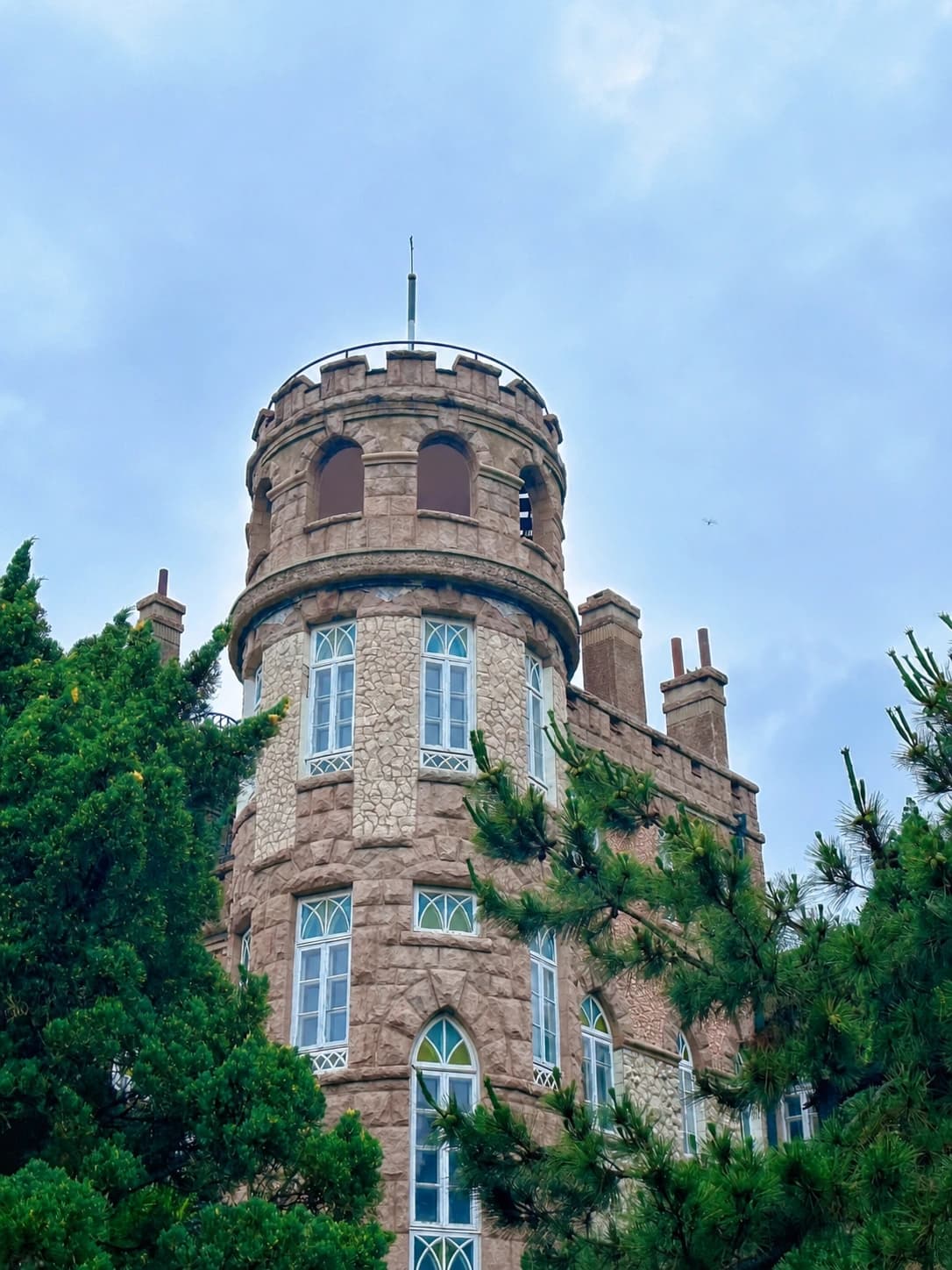
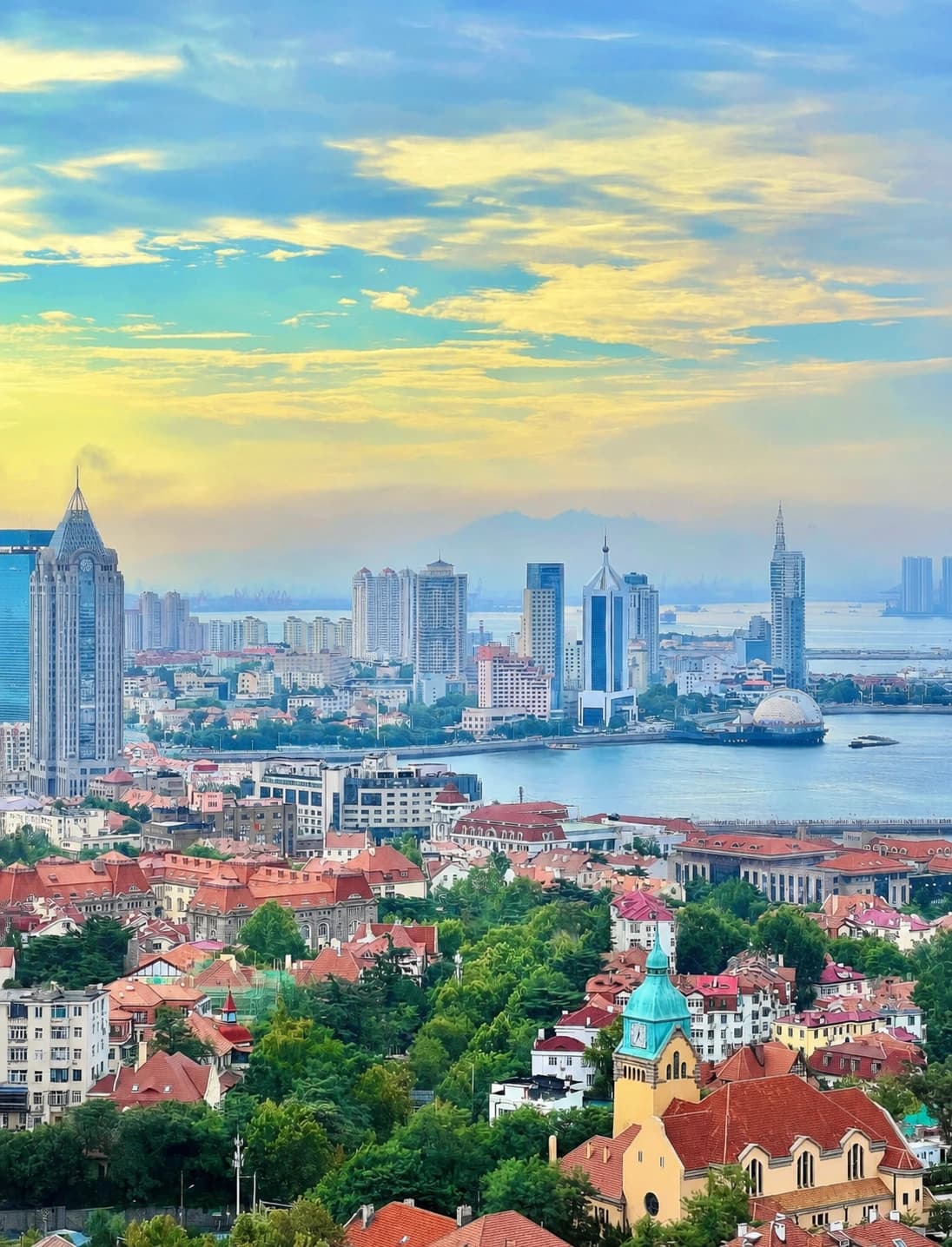
The red roofs often used to market Qingdao are only the surface of a more complicated city. Late-Qing coastal defence, German colonial planning from 1898, Japanese occupations, Chinese commercial neighbourhoods, port industry and post-1949 expansion all shaped what visitors see today. Do not label every old building “German.” Look for former institutions, churches, villas and the courtyard-based liyuan housing of Chinese neighbourhoods, then notice how restoration and new businesses are changing those streets again.
Qingdao in 60 seconds
- Best for: architecture walks, a slower coastal break, beer history, seafood and one mountain-and-sea day.
- Allow: two days for old city plus coast; three days to add beer and the eastern shore; four days to add Mount Lao without rushing.
- Main trade-off: central beaches are convenient and atmospheric, but summer crowds and urban water conditions make them different from a quiet resort beach.
- Do not combine: Mount Lao with a full old-town or east-coast sightseeing day. Its visitor gateways and internal transport make it a separate excursion.
- Book first: any limited museum or mountain product that matters, then trains and a hotel matched to your actual route.
Understand the city by five visitor zones
1. Old city: Qingdao Station, Zhanqiao and the hills
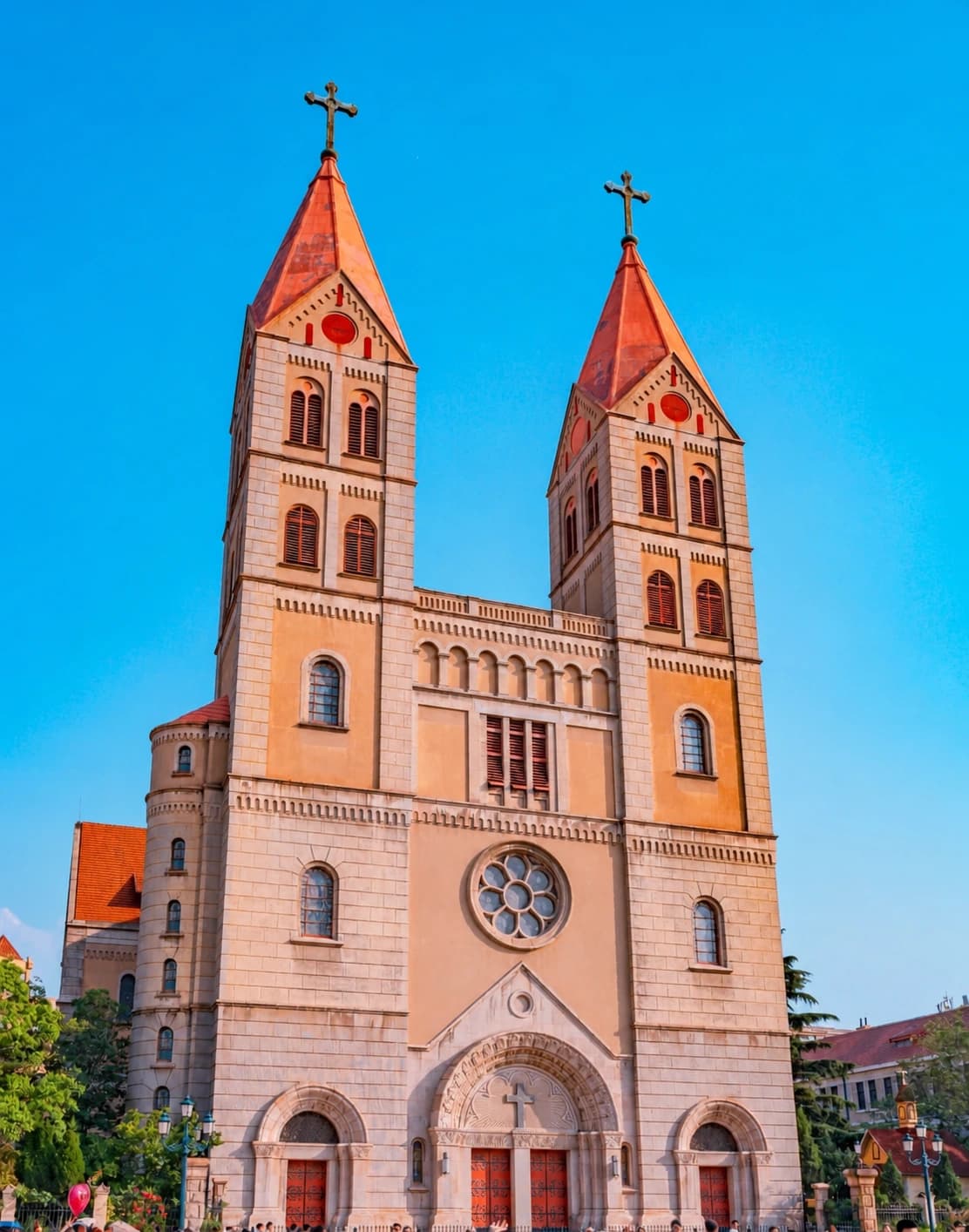
This is the strongest first-day cluster. Start around Zhanqiao and Zhongshan Road, branch to St. Michael's Cathedral, then climb either Signal Hill or Little Fish Hill. One viewpoint is enough unless visibility is excellent and you specifically want to compare city geometry.
The valuable layer is not a checklist of photo corners. Read the relationship between the former European-administered district, Chinese commercial streets and liyuan courtyards. Interiors, exhibitions and religious access vary, so treat public streets as the dependable route and every building interior as a separate current-access decision.
2. Huiquan and Badaguan: urban beach plus villa landscape
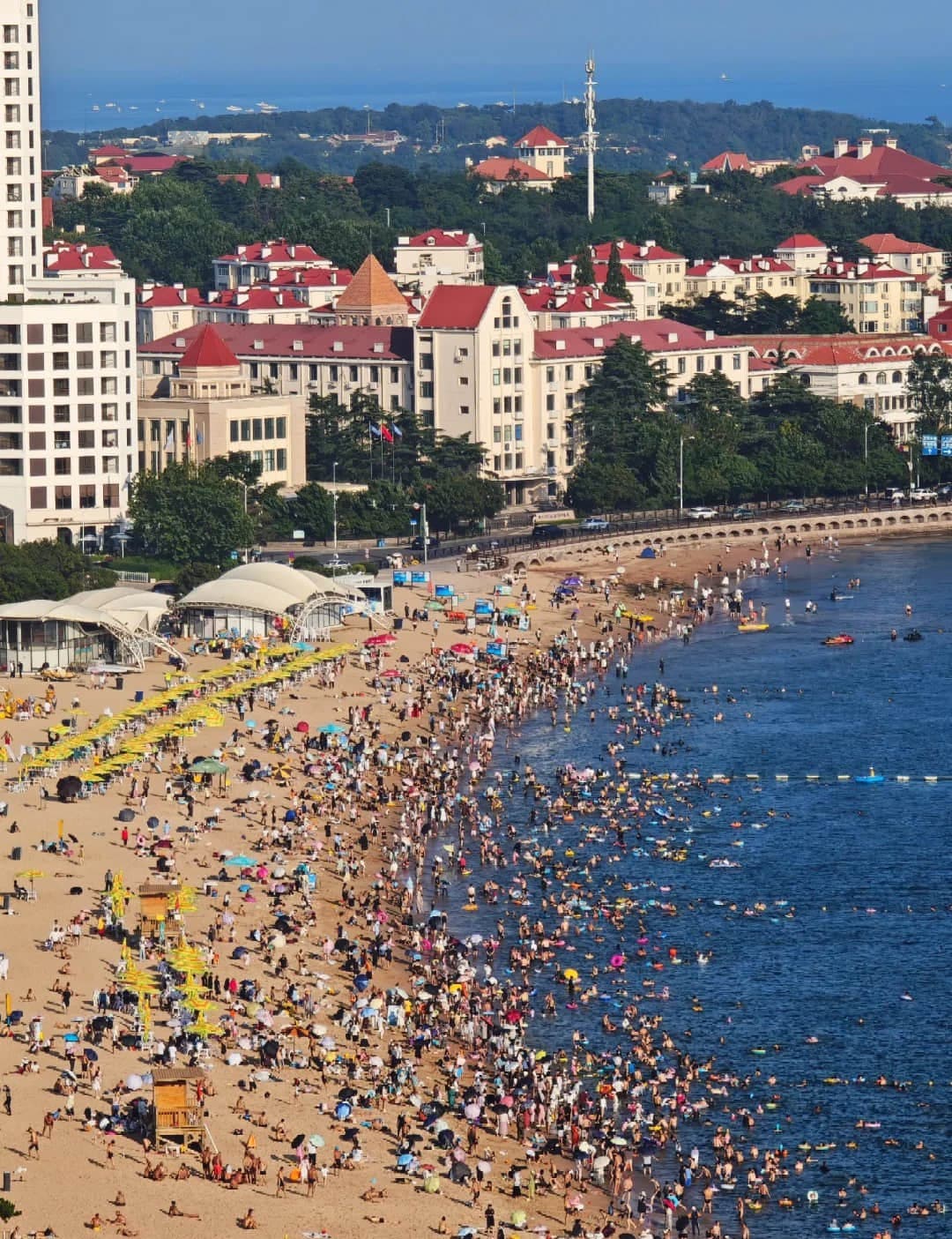
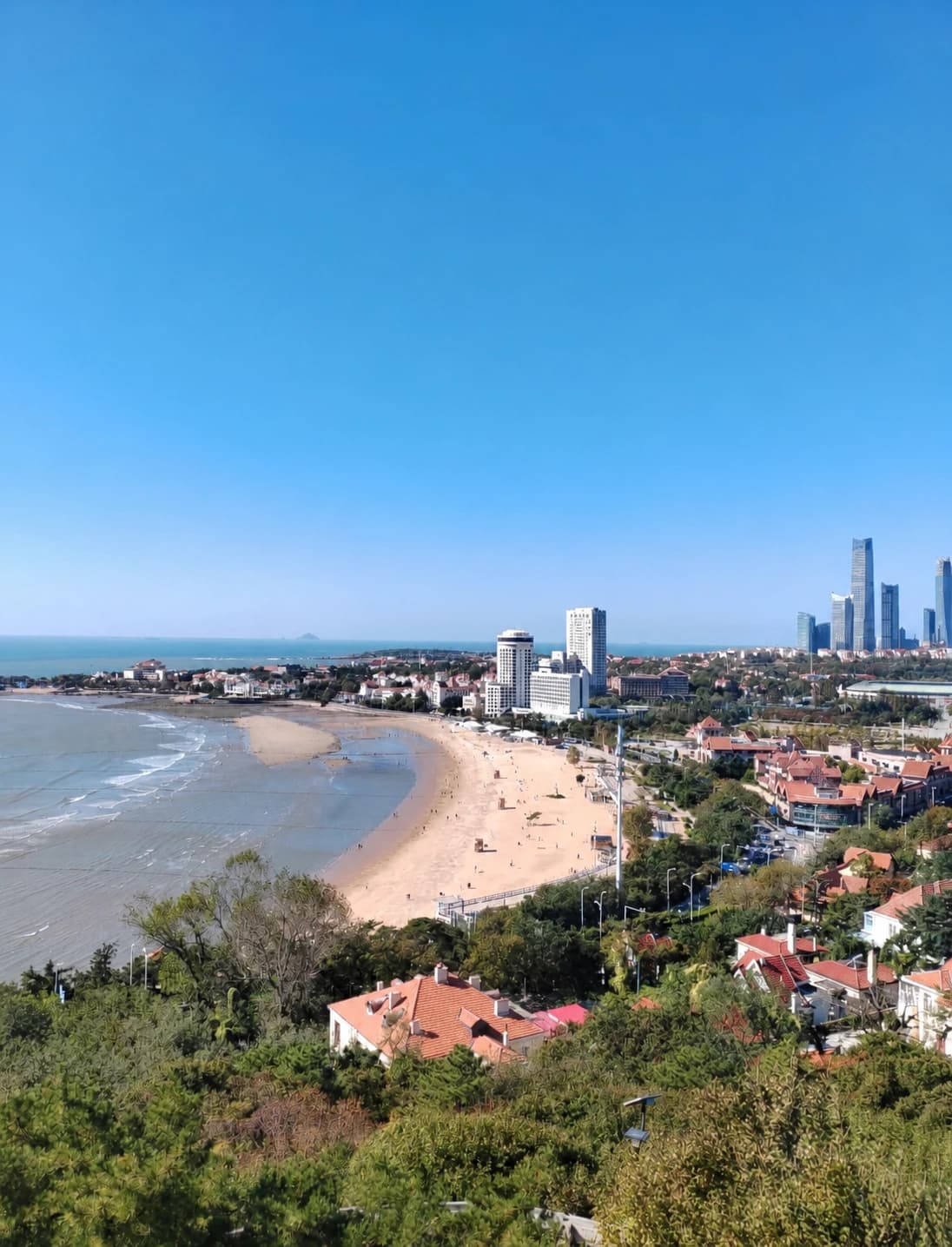
No.1 Bathing Beach is the easiest central place to understand Qingdao's public bathing culture. It can also be extremely crowded and is worthwhile outside swimming season as a bay stop. Continue east to Eight Great Passes for tree-lined roads, varied historic villas and coastal edges.
Badaguan is still a real district, not an open-air film set. Keep to public paths, distinguish historic fabric from later restoration, and do not assume that a photogenic building is open. This cluster works best as a half day with one viewpoint or museum—not with the entire old city added.
3. Shibei: brewing history and an ordinary-city evening
Use the Tsingtao Beer Museum to connect the 1903 brewery with industrial production and Qingdao's modern identity. The museum is a real timed visit; “Beer Street” is not a reason to spend the whole day in the area. Afterward, Taidong can supply a livelier food-and-shopping evening, but stalls and queues change too quickly for a permanent must-eat list.

4. Eastern coast: modern Qingdao, sailing and park choices
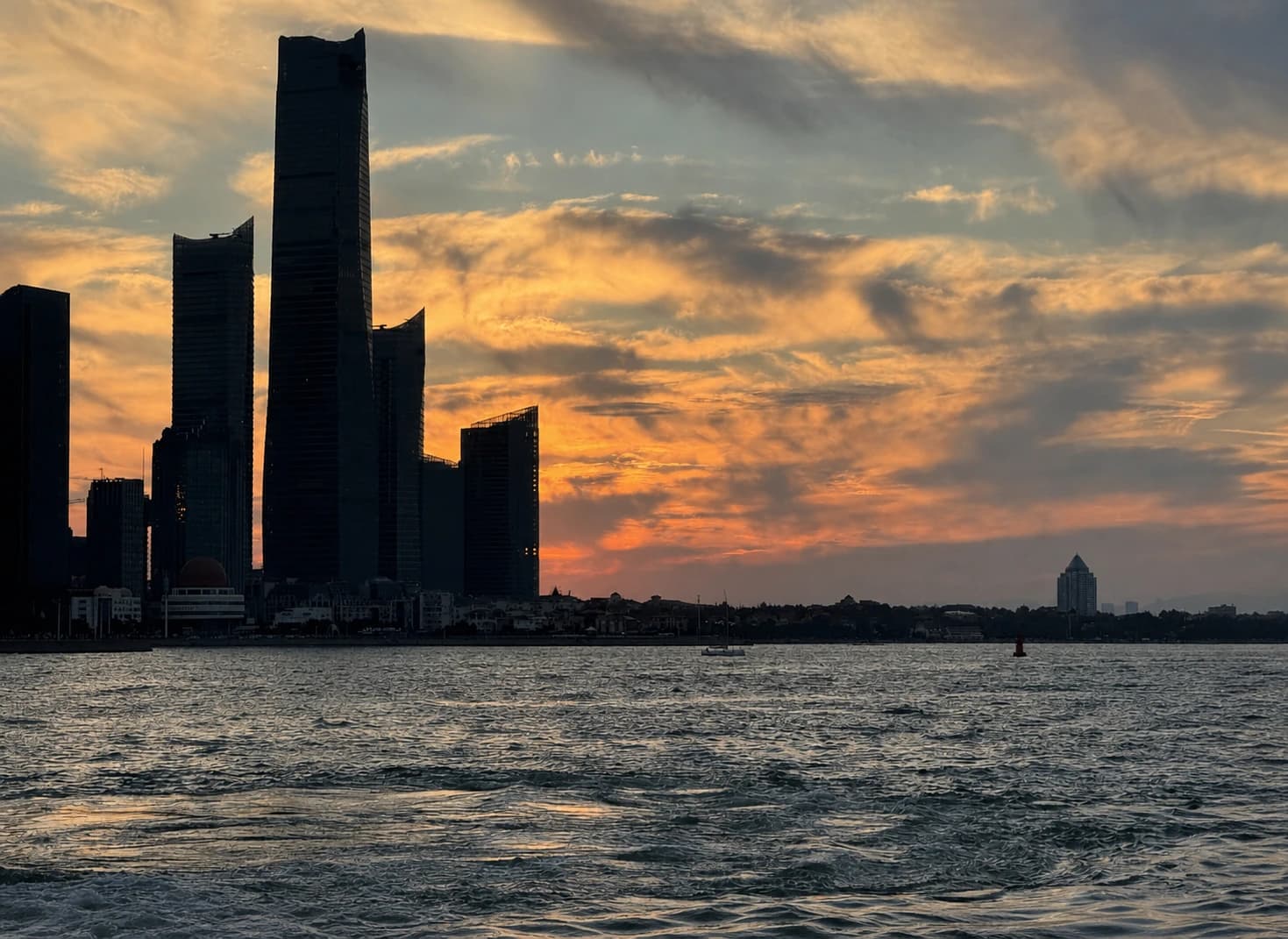
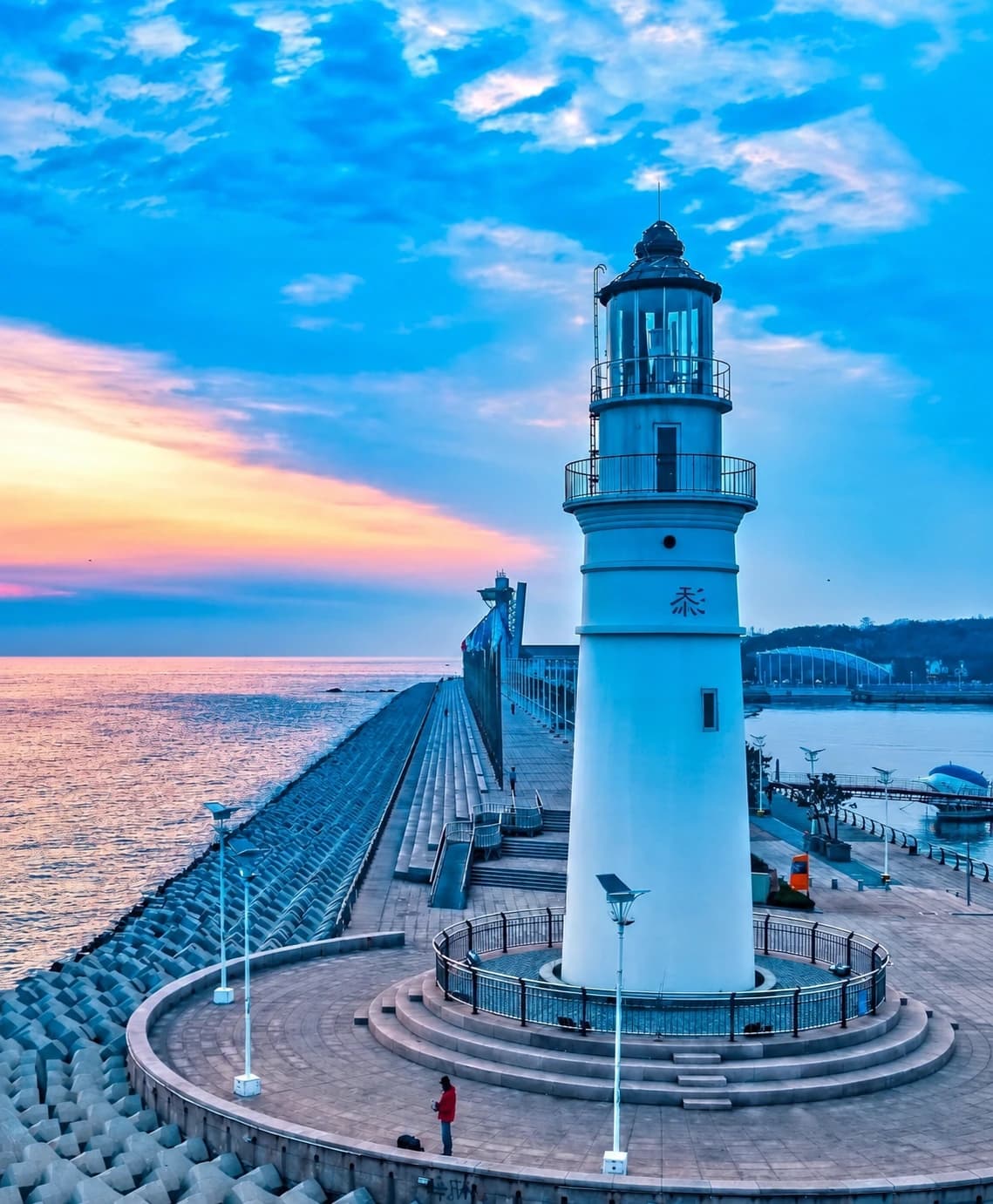
May Fourth Square and the Olympic Sailing Center explain the modern Fushan Bay waterfront. Continue only to one additional coast job: Wheat Island Park for a bounded park walk, or Shilaoren Beach for a broader beach visit.
The coast is interrupted by bays, roads, marinas and controlled areas. A map line beside the sea does not guarantee an uninterrupted pedestrian promenade. Protect your energy with metro or ride-hailing between chosen sections, and verify any cruise, light show or water activity as a dated product rather than a permanent daily event.
5. Mount Lao: one gateway, one route, one full day
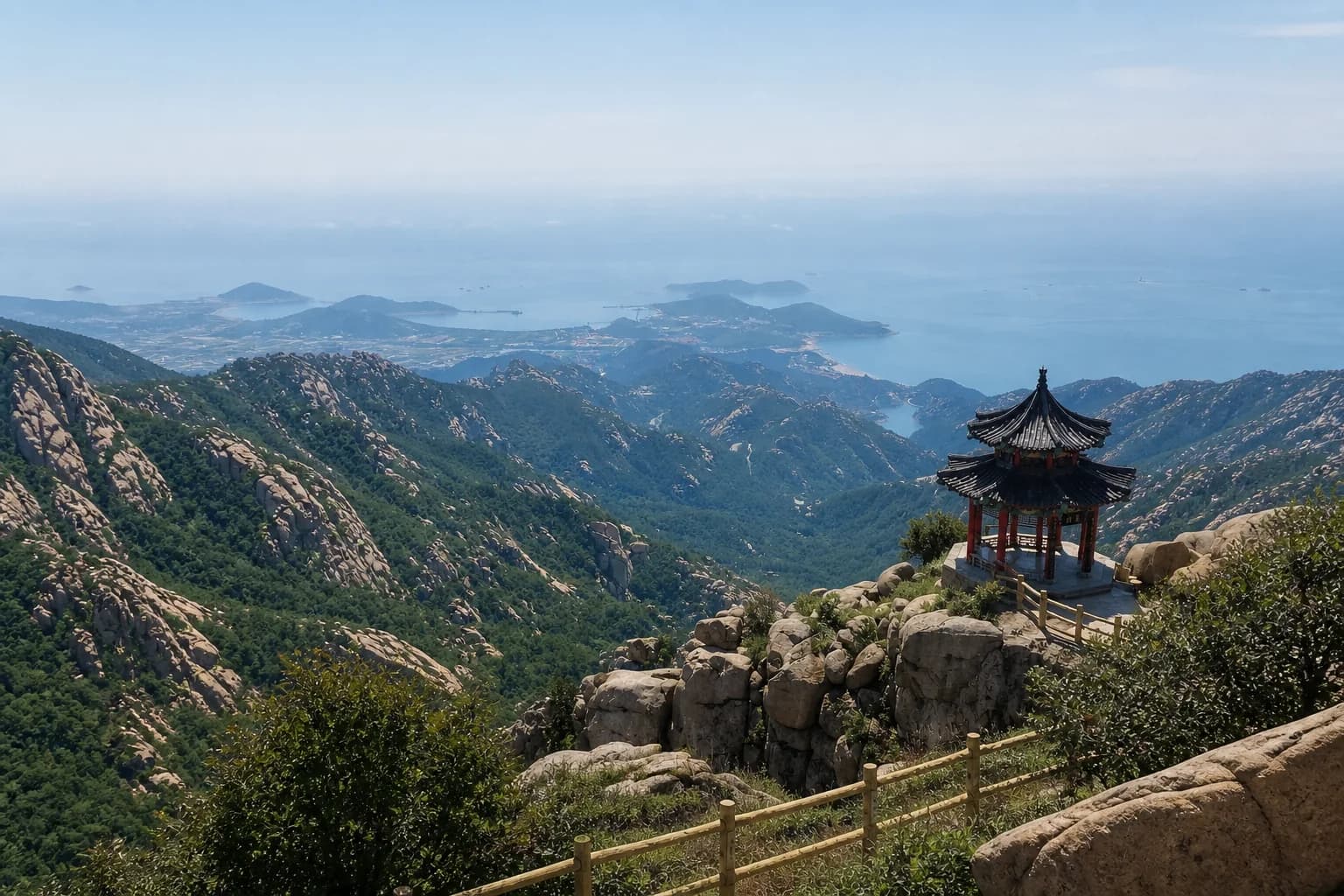
Mount Lao is a large scenic system rather than a single trailhead. Taiqing, Jufeng, Nine Waters and Yangkou have different gateways, landscapes and internal transport. For a first visit, Taiqing offers the clearest mountain–sea–Taoist combination; choose another area only for a specific route goal.
Do not navigate simply to “Laoshan” and hope to choose at arrival. Confirm the named visitor centre, ticket scope, shuttle, cableway status, weather and last return. If you prefer hotel pickup and an English-speaking guide, compare the exact route in the current Trip.com Mount Lao day-tour options.
Choose the right trip length
Two days: city character, no mountain
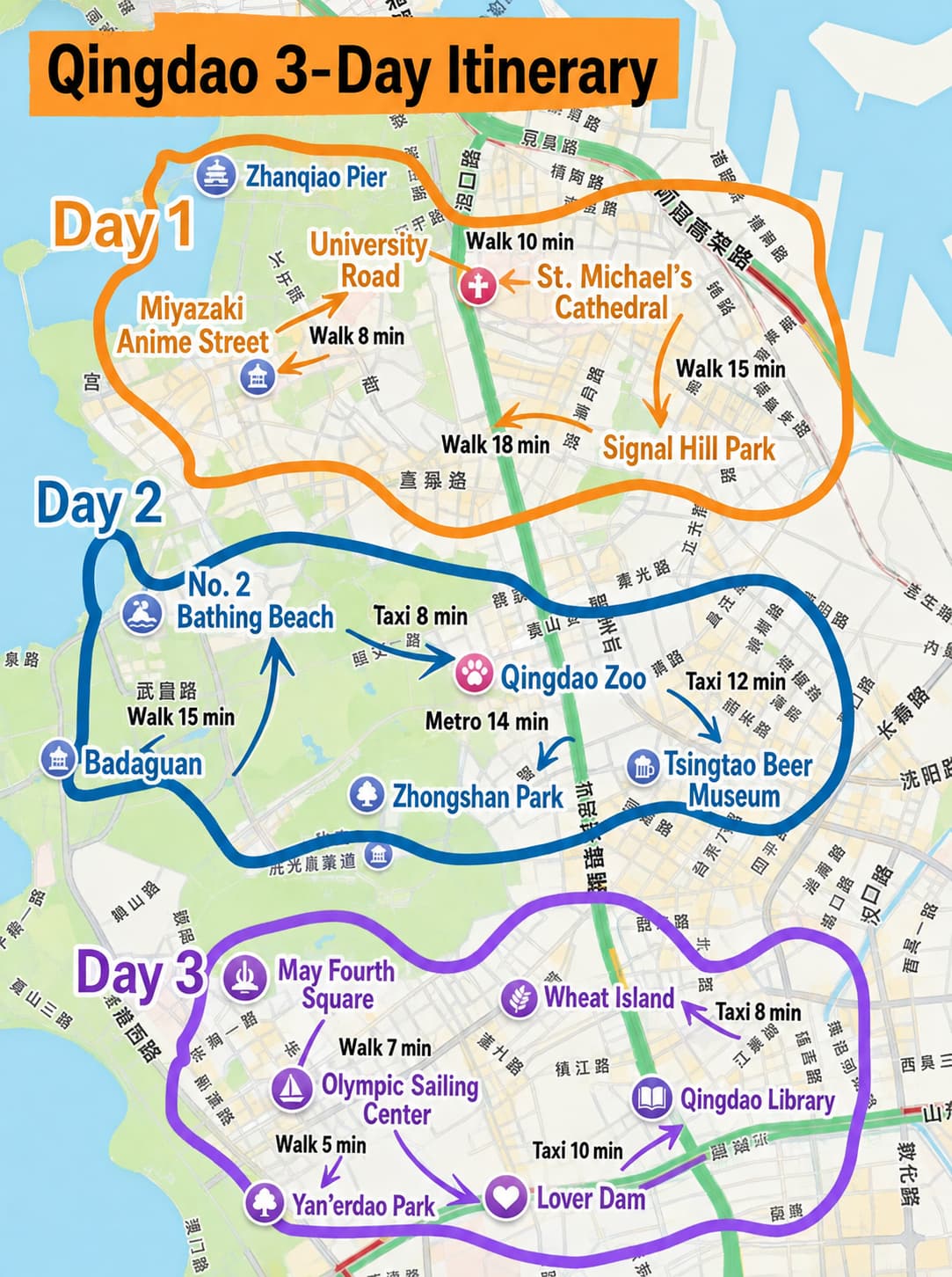
Spend day one in the old city, finishing at one hill viewpoint. Use day two for Huiquan–Badaguan and either the Beer Museum or the modern eastern waterfront. This is enough to understand Qingdao, but not enough for Mount Lao without sacrificing the city itself.
Three days: the balanced first visit
Keep the old city, Beer Museum/Taidong and east-coast–Badaguan jobs on separate days. The city feels much better when rain, fog or summer heat can move one outdoor section without collapsing the whole plan.
Four days: add Mount Lao
Use the fourth day for one Mount Lao area. If mountain weather turns poor, keep a city museum, the brewery or a shorter coastal walk as the replacement rather than forcing a long scenic-area transfer for no view.
Detailed Qingdao itineraries
Where to stay: choose by the first and last trip of each day
- Qingdao Station / Zhongshan Road: best for a first-time old-city focus, early walks and rail arrival at Qingdao Station. Expect slopes, older building stock and limited vehicle access on some lanes.
- May Fourth Square / Fushan Bay: the easiest all-round modern base for metro connections, the eastern waterfront and a wider hotel range. It is less atmospheric for repeated old-city mornings.
- Taidong / central Shibei: useful for the Beer Museum, casual food and a more ordinary urban evening. Check the exact metro walk and room soundproofing.
- Shilaoren / eastern Laoshan District: choose this for a beach-led stay or an eastern-city rhythm. It lengthens old-city days and does not automatically solve the transfer to your chosen Mount Lao gateway.
- West Coast / Huangdao: suitable only when Golden Beach, a West Coast event or Qingdao West Station controls the trip. It is not a convenient substitute for central Qingdao.
Compare Qingdao hotels on Trip.com. Confirm that the map pin, entrance and nearest usable station match the room you are booking; a hotel marketed as “seaview” may face a road, marina or partial bay rather than open water.
Food and beer without the usual mistakes
Qingdao's useful food vocabulary begins with spicy stir-fried clams, seafood dumplings, mackerel dumplings, seaweed jelly and seasonal fish or shellfish. Order seafood by species and cooking method, and confirm whether a displayed price is per dish, per 500 grams or per item before preparation. Ask for the weight and an itemized bill; a busy waterfront does not prove freshness or fair pricing.
Fresh draft beer sold in bags is a local visual ritual, not a quality guarantee. Buy from a clean, busy licensed outlet, ask what was filled and when, keep it cool and consume it promptly. Never drink before swimming, boating, cycling or a mountain descent. The Beer Museum's tasting inclusion also changes by ticket package, so compare the live Trip.com ticket details instead of assuming every ticket includes the same samples.
Arrival and getting around
Qingdao Jiaodong International Airport is well outside the historic centre. Use the current metro or airport transport plan and leave a generous buffer; do not book an old-city dinner around an optimistic landing-to-hotel time.
Rail station names matter:
- Qingdao Station is the useful arrival for the old city and Zhanqiao.
- Qingdao North handles many intercity services and usually requires an onward metro or car transfer.
- Qingdao West is in the West Coast area; selecting it accidentally can add a long cross-bay journey.
Qingdao's metro network has expanded well beyond the old four-line descriptions still repeated in many guides. Check the official live route for your date. In the old city, short map distances can hide hills, stairs and crowded crossings; on the coast, use ride-hailing between sectors rather than assuming the entire shore is a single walk.
Check China train inventory on Trip.com only after comparing the station name with your hotel and first day's route.
When to visit
- Late spring and early summer: comfortable for long walks, but sea fog, cool water and rain can reduce views. A pleasant air temperature does not mean the bathing area is open.
- Mid-summer: the main swimming and festival season, with the largest crowds, higher hotel demand, humidity and sudden weather disruption. Verify the current Beer Festival venue and dates rather than relying on an annual template.
- Early autumn: often the best balance for coast walks and Mount Lao, but swimming operation and water conditions still require same-day confirmation.
- Winter: quieter architecture and waterfront days can be rewarding. Wind chill is stronger beside the sea, and gull activity should never become permission to feed wildlife against local rules.
Attractions worth opening as full guides

Five rules that improve almost every Qingdao trip
- Plan by old city, central coast, east coast and Mount Lao gateway, not by a screenshot of nearby-looking pins.
- Use one hill viewpoint and one or two beach sectors; similar scenery becomes tiring when every stop is compulsory.
- Treat swimming, boats, shows, lights, markets and festivals as live operations that need a same-day check.
- Separate colonial-era institutions, Chinese neighbourhoods, later reconstruction and present commercial use when reading old buildings.
- Keep alcohol and open-water activities in different parts of the day.
English route maps
Use these diagrams to compare routes, zones, floors, and visit order. Operating routes can change, so follow current signs and staff instructions on the day.