Central Hong Kong Walking Route
Central makes more sense as a change in levels than as a collection of landmarks. This three-to-five-hour walk starts in a reused market, rides part of the world's best-known hillside transport system, enters a former police-and-prison compound, then descends through old stonework to the financial core and the harbour. Start after 10:20 am, when the Mid-Levels Escalator runs uphill, and finish with the ordinary Star Ferry rather than doubling back through the MTR.
This route suits a first visit focused on architecture, city history and street texture. It is less useful if your priority is luxury shopping or fitting every viral food queue into one afternoon.
The Route at a Glance
- Central Market: use the market as an orientation stop after it opens at 10 am.
- Central–Mid-Levels Escalator: join after the 10:20 uphill change, then step off around Hollywood Road rather than riding all the way toward Conduit Road.
- Tai Kwun: allow 60–90 minutes for the courtyards, heritage rooms and whichever current exhibition genuinely interests you.
- Choose one heritage descent: take Pottinger Street for rough granite slabs and working street stalls, or Duddell Street for a quieter staircase and four historic gas lamps. Doing both is optional, not a badge of completeness.
- Statue Square: cross the civic and financial core as a short transition, noticing how abruptly the scale changes from lanes and prison walls to towers and open space.
- Central Pier 7: finish at the Star Ferry. Cross to Tsim Sha Tsui if the skyline and Kowloon dinner are part of the plan.
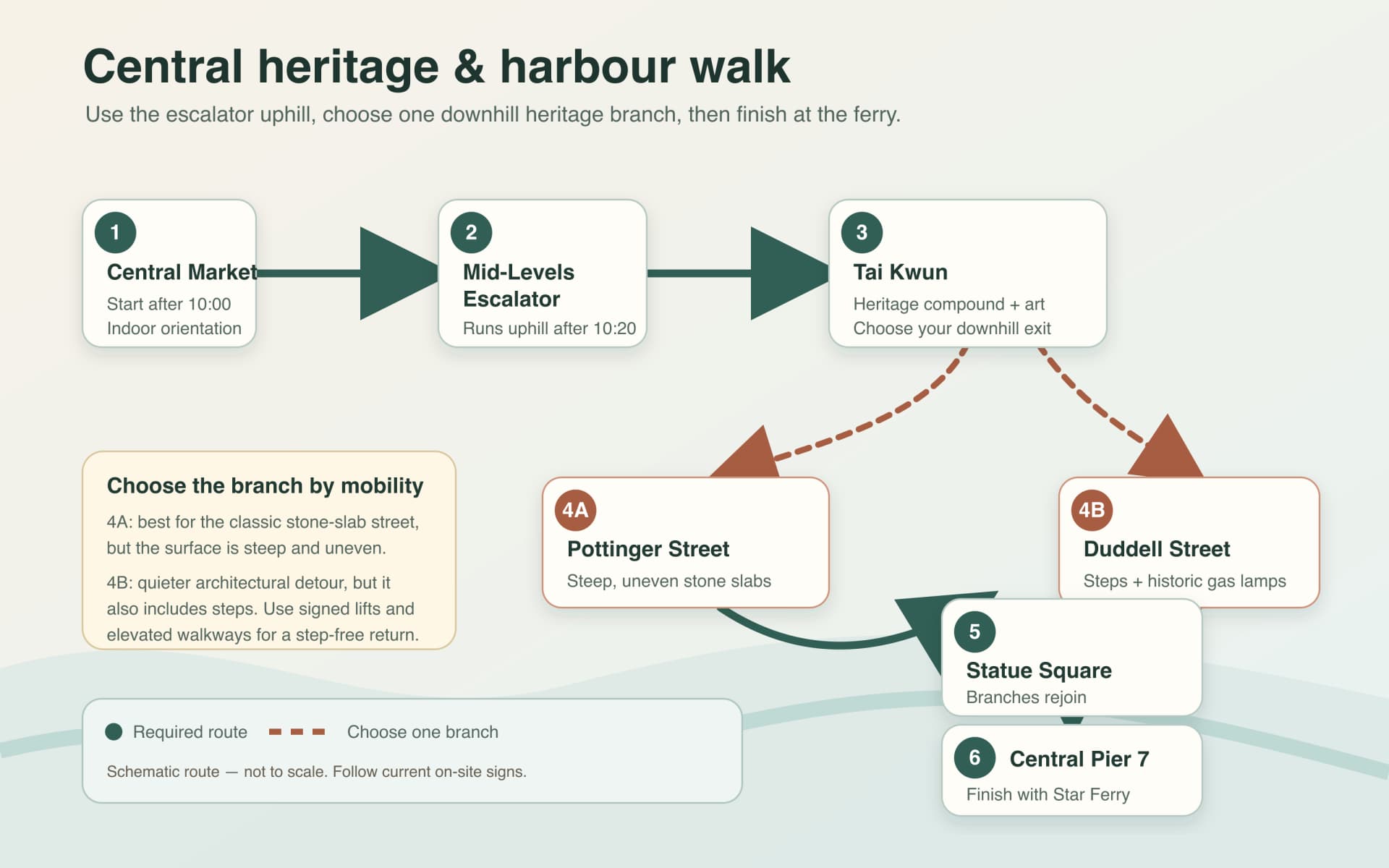
The diagram is a sequence, not a street map. Follow current signs and crossings on the ground. Pottinger Street and Duddell Street both involve steps or uneven surfaces; travelers who need a step-free route should skip the heritage branch and use signed lifts and elevated walkways toward the civic core.
1. Read Central Market Before Buying Anything
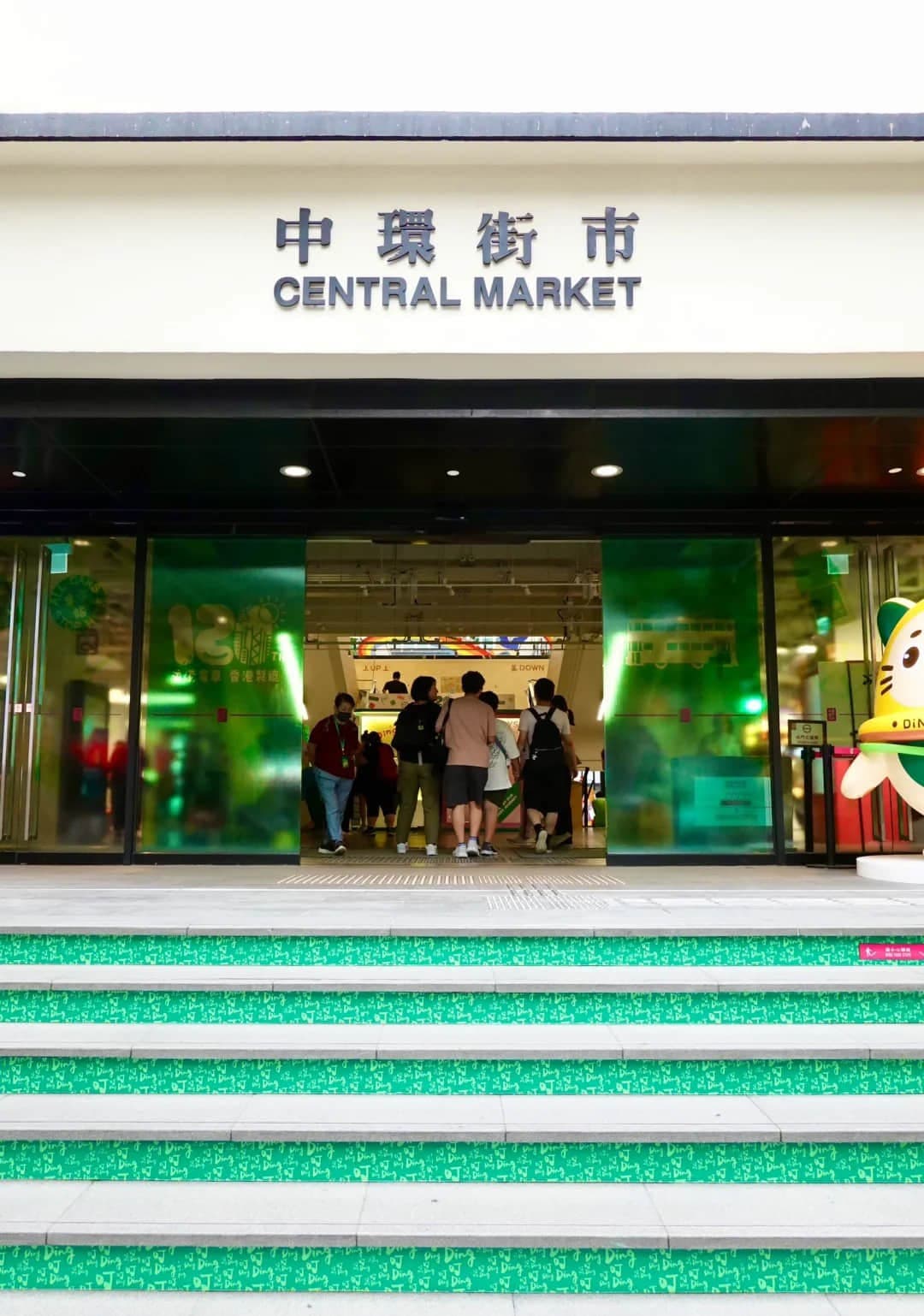
Central Market works best as the route's threshold. The restored building preserves its horizontal bands, open atrium and traces of the old wet-market grid while operating as a contemporary food and retail hall. Spend 20–30 minutes understanding the structure; tenants and pop-ups change too quickly to make a specific shop the reason for visiting.
The market currently opens at 10 am, while the ground-floor Oasis opens earlier. Starting here shortly after 10 creates the cleanest timing: the escalator will already be moving uphill by the time you leave. In heavy rain or heat, this is also the easiest place to adjust the day before committing to the slopes.
2. Use the Escalator as Transport, Not a Ride
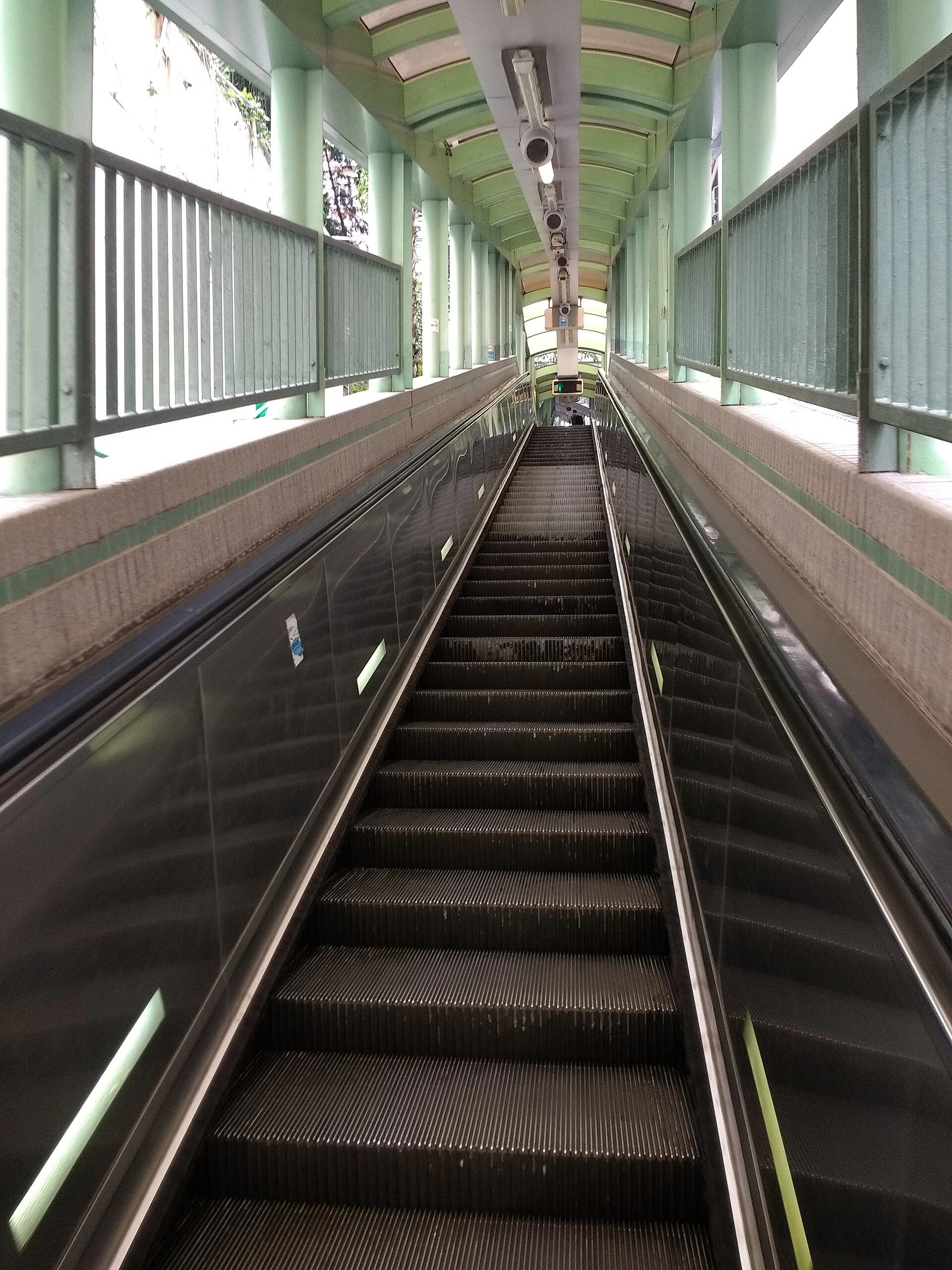
The Central–Mid-Levels system extends for about 800 metres through 16 reversible escalators and three moving walkways. It runs downhill during the morning commute, approximately 6–10 am, pauses, then runs uphill from about 10:20 am until midnight. Arriving at 9:30 and expecting a free uphill ride is the route's most avoidable mistake.
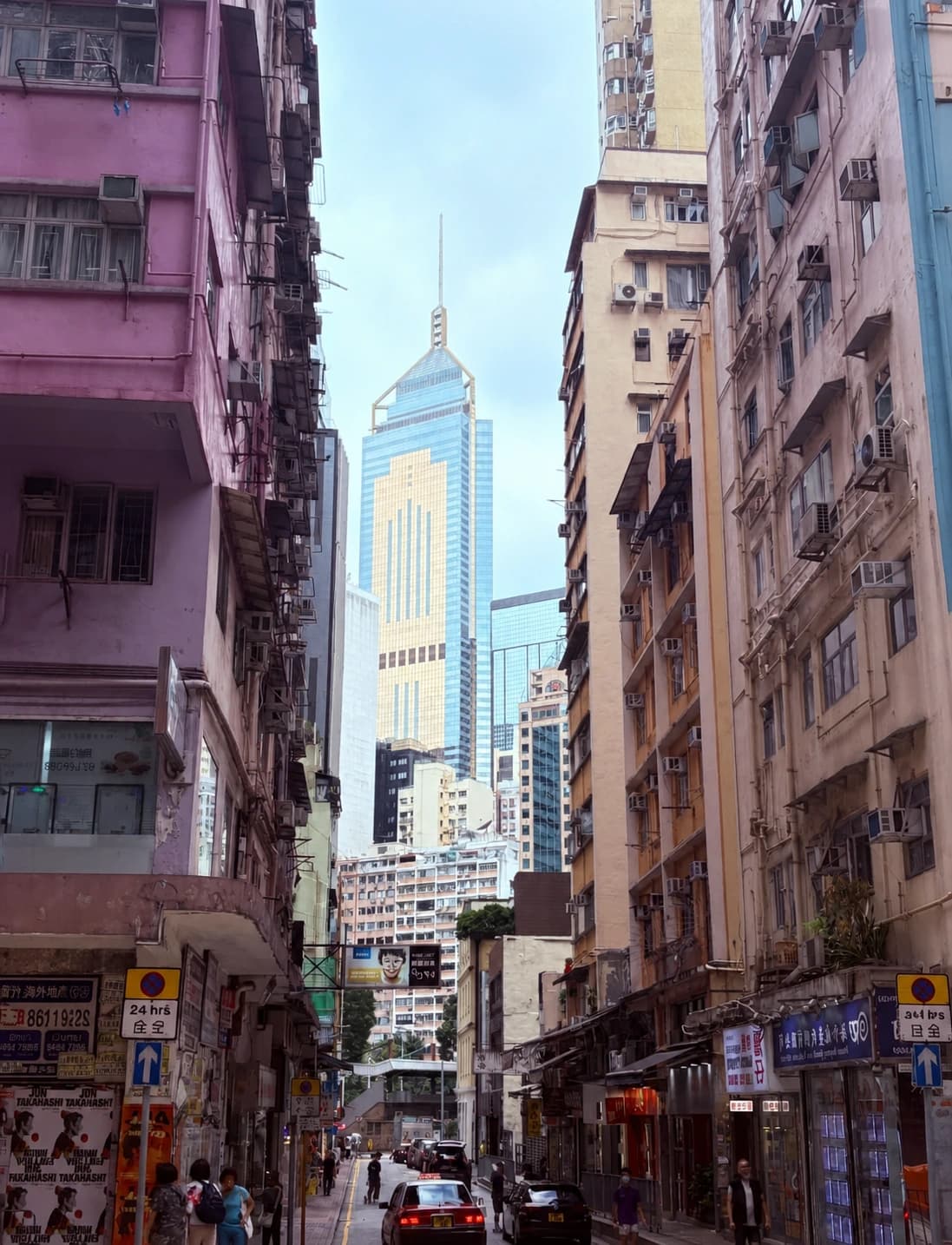
Join from the Central Market elevated connection and watch the city change around the openings: produce lanes and older shop houses below, restaurant terraces beside the walkway, then the brick and granite of the heritage quarter. Leave near Hollywood Road for Tai Kwun. Riding to the very top adds distance without improving this particular walk.
3. Give Tai Kwun Enough Time
Tai Kwun is not one old building. The compound combines the former Central Police Station, Central Magistracy and Victoria Prison with contemporary art spaces around linked courtyards. Look for the shift from red brick and verandas to heavier prison walls, then compare those layers with the newer JC Contemporary building. The contrast explains adaptive reuse better than a single facade photo.
General access to the site is free, although individual performances or programs can charge. The grounds currently open 8 am–11 pm; most heritage exhibitions open around 11 am–7 pm, and JC Contemporary normally closes on Monday. Check Tai Kwun's current visiting information before building the day around a specific gallery.
4. Choose the Descent That Fits You
Pottinger Street: texture and street life
Choose Pottinger for its steep, irregular granite slabs and the contrast between costume-accessory stalls, surrounding towers and the older street profile. The rounded stones were practical on a sloping street, but they are uncomfortable with wheeled luggage and become slippery in rain. Descend slowly and use the adjacent pavement or another route if footing is uncertain.
Duddell Street: a small working monument
Choose Duddell for a calmer staircase and four surviving gas lamps. The granite steps date to the 1880s, and the lamps still form an unusually small piece of working infrastructure inside the business district. It is a short stop, not a separate attraction requiring an hour. The Fringe Club's striped former dairy building can be an exterior pause along the way, but do not assume an interior event is available without checking its program.
Neither branch is step-free. From Tai Kwun, the accessible alternative is to use the signed Pottinger or Bauhinia gates, lifts and elevated walkways, then follow current wayfinding toward Queen's Road Central and the harbour.
What to Eat Without Turning the Walk into a Queue
Central's useful food choices depend on the moment in the route:
- Fast, local lunch: look around Wellington Street and the lanes below the escalator for roast-meat rice, wonton noodles or a cha chaan teng. Pick a busy place with a visible menu and turnover rather than crossing the district for one social-media order.
- Weatherproof variety: Central Market is the easiest choice for mixed tastes, air conditioning and clean seating. Treat individual tenants as changeable.
- Longer sit-down break: Tai Kwun has restaurants in a striking setting, but prices are higher and popular tables may need a reservation. Check the live directory instead of assuming an older recommendation remains.
- Snack strategy: if a famous bakery queue takes more than the time you would willingly spend on any other pastry, continue the route. Central has enough alternatives that one sold-out item should not control the afternoon.
For dinner, crossing the harbour opens the Kowloon food layers described in the Tsim Sha Tsui guide. Staying on Hong Kong Island makes Sheung Wan a better extension than returning uphill.
Best Timing, Weather and Realistic Pace
The strongest start is 10:20–11 am: the market is open, the escalator is moving uphill and Tai Kwun's exhibition spaces are beginning their day. A three-hour version uses one short Tai Kwun visit and one heritage branch. Allow four to five hours for a meal, a current exhibition and an unhurried ferry finish.
In summer, the covered escalator reduces sun exposure but not humidity. In rain, the system and market provide shelter while the stone descents become the weakest part of the plan. During typhoon or rainstorm warnings, check venue and ferry notices and be willing to finish by MTR. Late afternoon gives the most satisfying visual transition from shaded lanes to open harbour light.
Finish with the Star Ferry
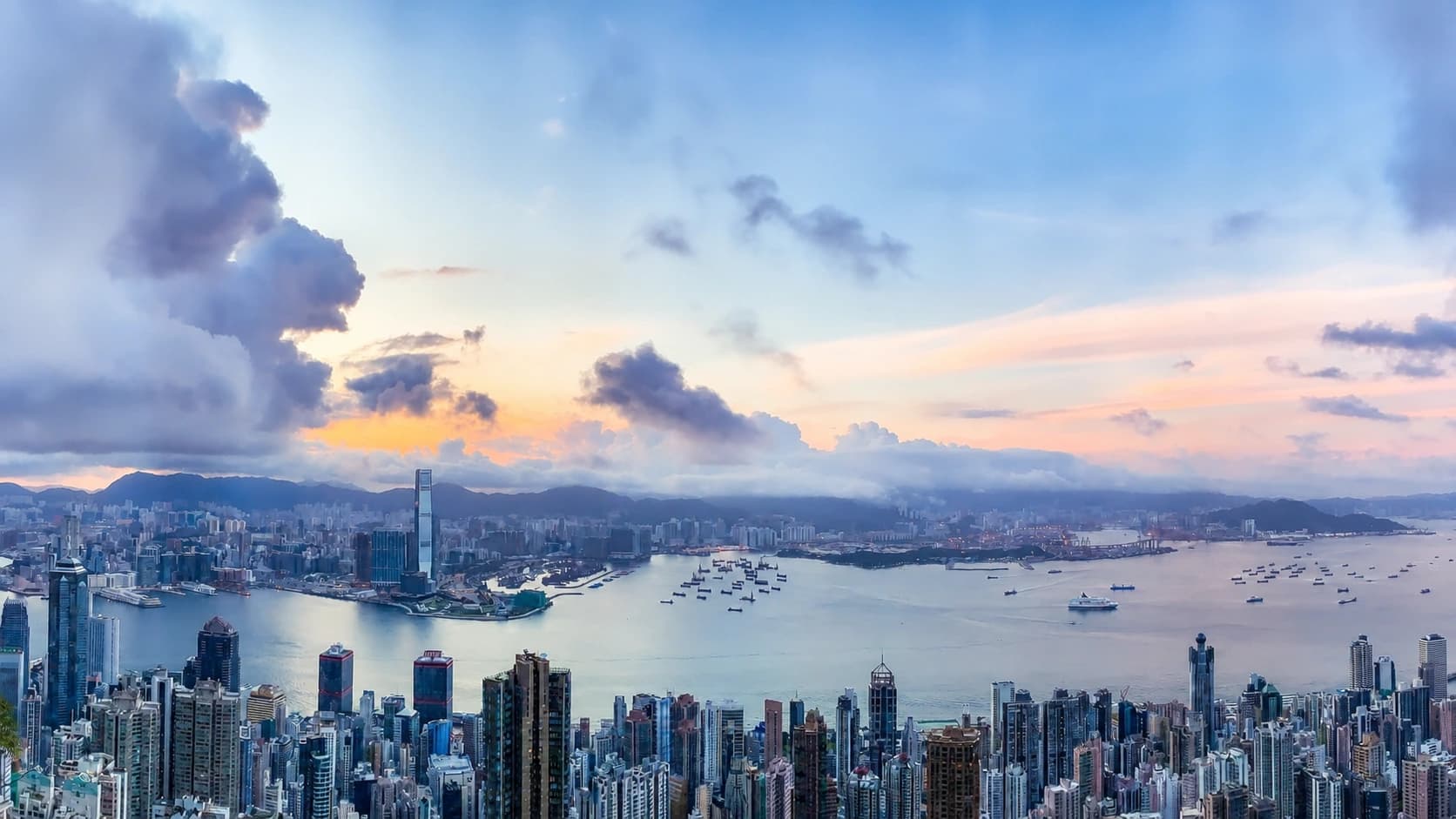
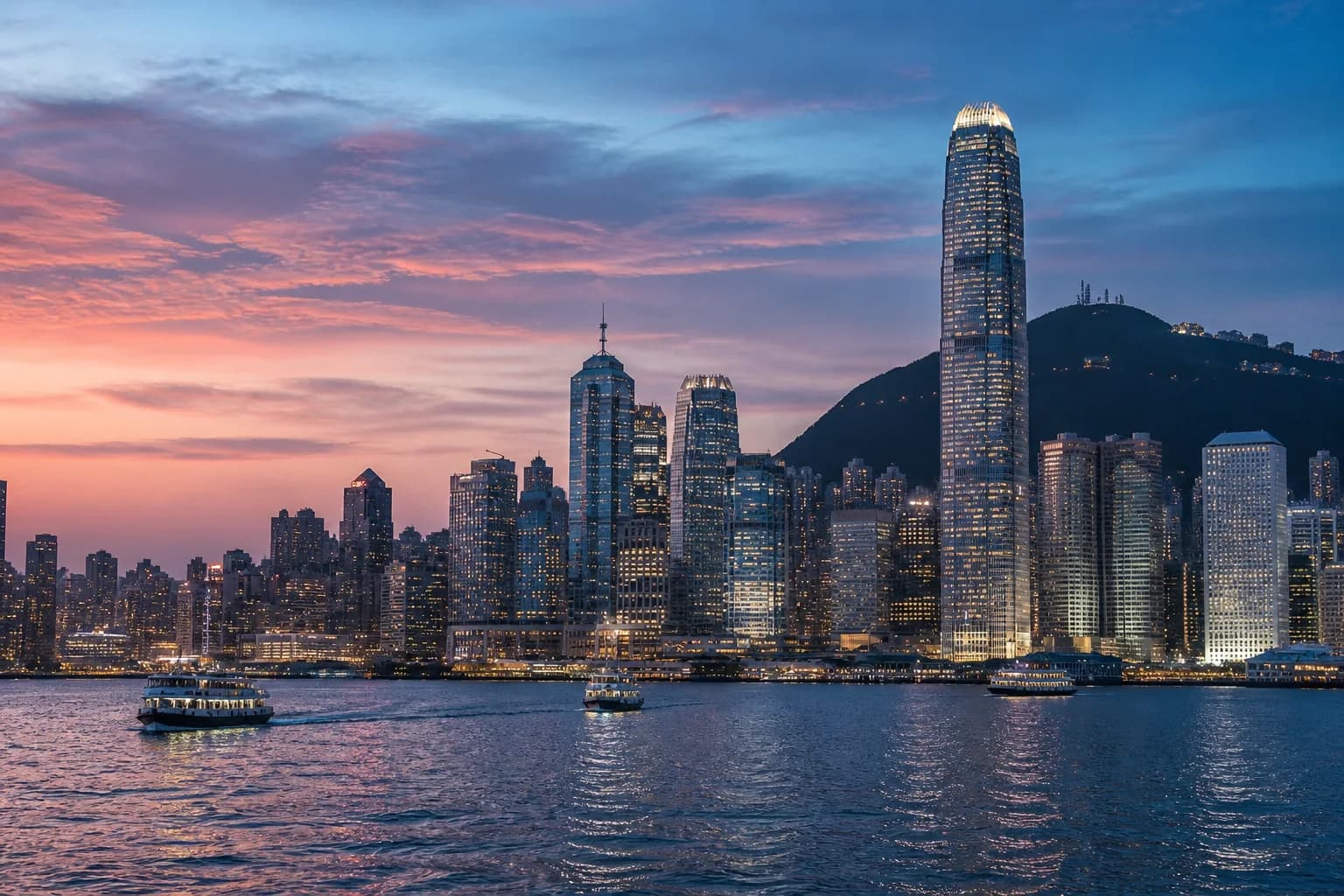
From Statue Square, use the elevated walkways or signed crossings toward Central Pier 7. The ordinary Central–Tsim Sha Tsui ferry is transport, not a sightseeing upsell: the short crossing provides moving views back to Central's towers and forward to Kowloon's waterfront. Services currently continue until about 11:30 pm, but fares and intervals vary by day and deck, so check the official timetable and fare table before a late journey.
Where to Stay for This Part of Hong Kong
Central or Admiralty works for business travel, early Peak access and nights when returning by taxi or MTR matters more than room size. Sheung Wan keeps the heritage and food atmosphere while often feeling calmer at night; it is the most natural base for extending this walk west. Tsim Sha Tsui gives harbour views, museums and an easy ferry approach to Central. Jordan or Yau Ma Tei usually offers more market life and value while remaining a direct MTR ride away.
Compare these areas on Trip.com, then inspect recent room-size, hill, lift and street-noise reviews. A hotel described as “Central” can still sit on a slope that changes how it feels after a full day.
Practical Notes
- The street route and general Tai Kwun grounds are free; special exhibitions, performances and food are separate.
- Central and Hong Kong MTR stations connect through long underground and elevated passages. Follow the exit for Central Market rather than choosing only by station name.
- Carry an Octopus card and a little cash. Ferries and most transport are easy with Octopus, while small shops may have different payment minimums.
- Ask before photographing worship, workers, vendors or anyone close enough to be identifiable.
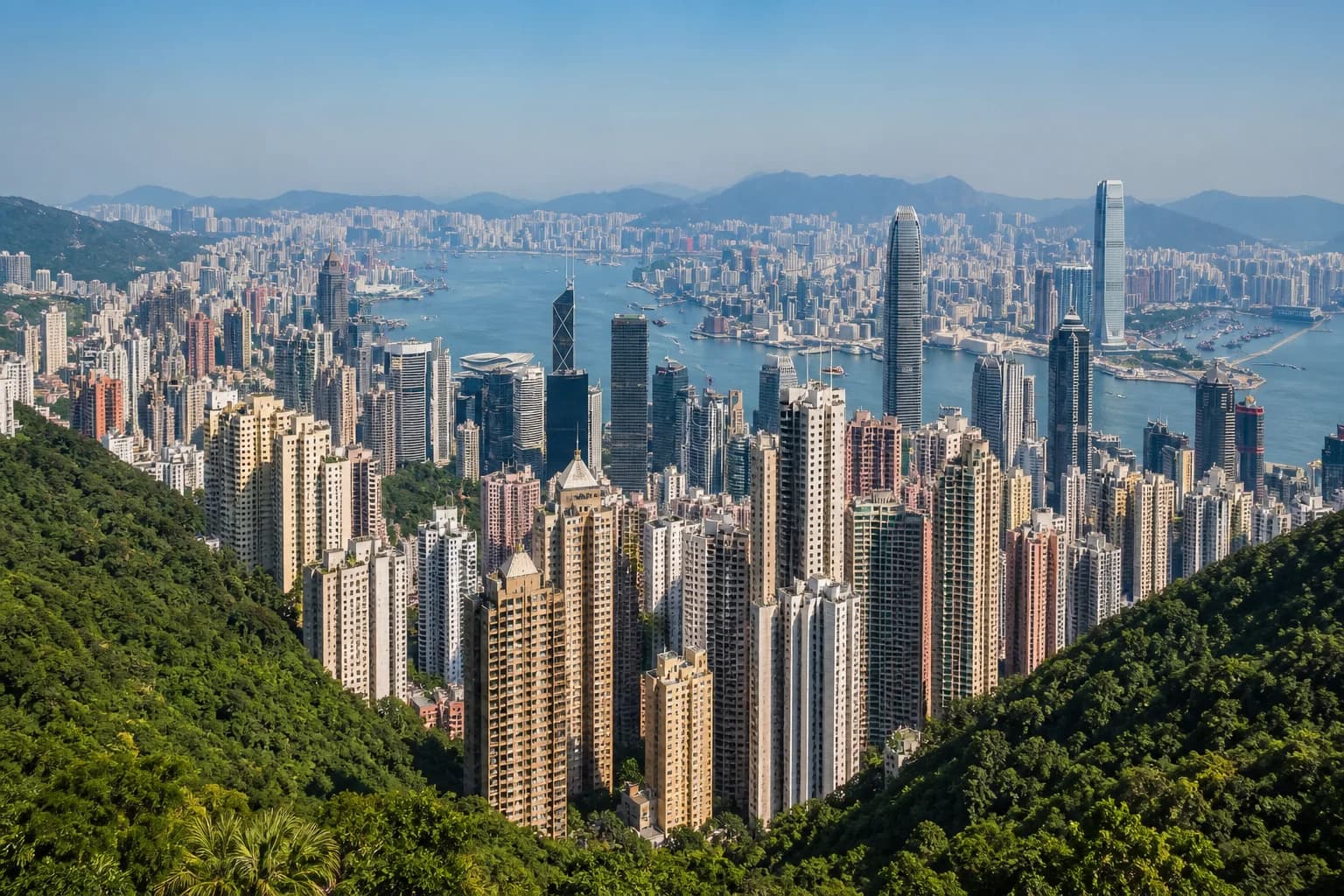
- For a longer day, pair the finish with Victoria Harbour. Do not add Victoria Peak before the walk unless you are comfortable with a much fuller day and extra uphill travel.