Wong Tai Sin Temple
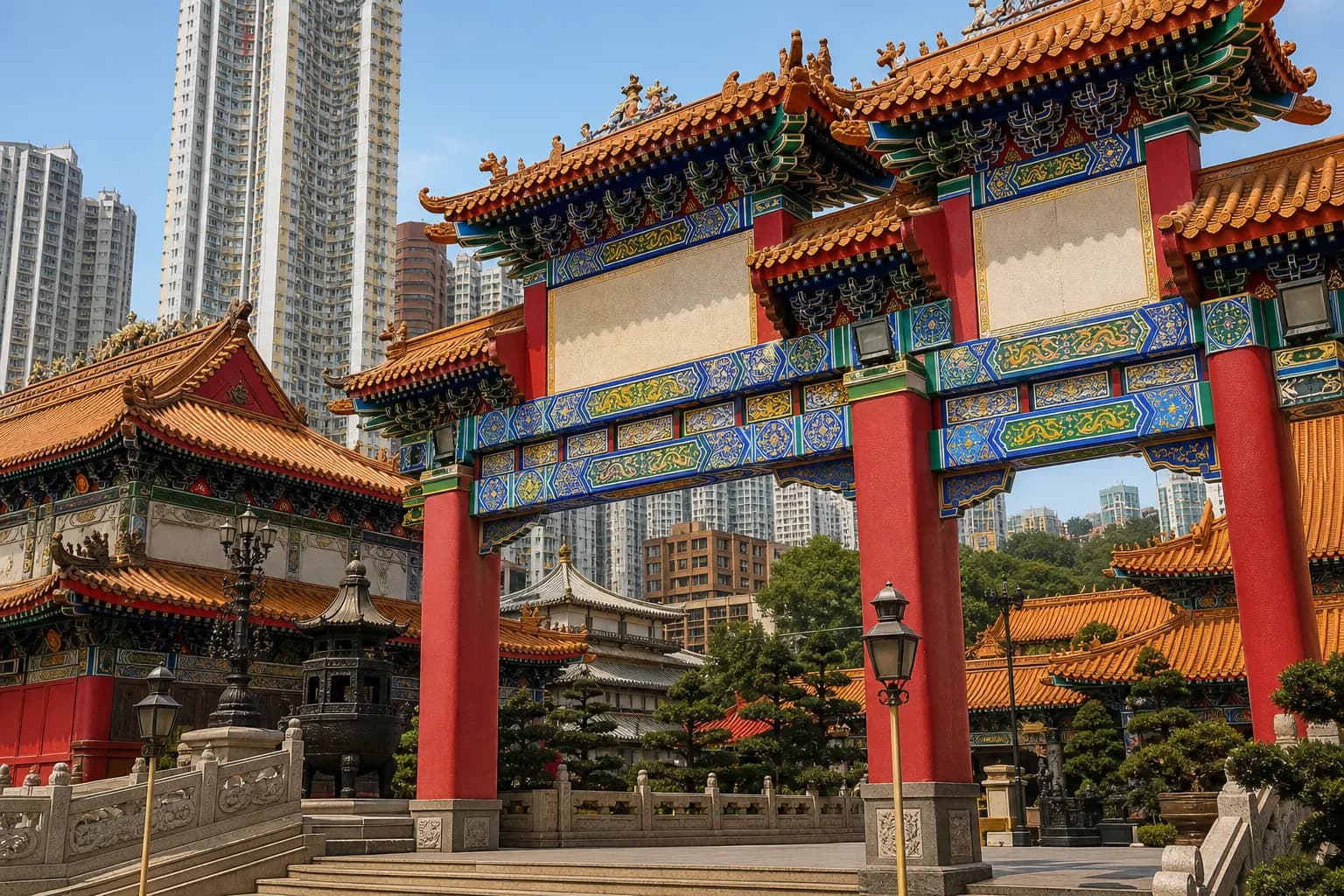
Wong Tai Sin Temple (黃大仙祠) is one of Hong Kong's most active religious sites, not simply a photogenic heritage compound. Come for the contrast: red pillars and jade-colored roofs, worshippers carrying incense, bronze zodiac figures, a quieter Chinese garden and a commercial fortune-telling arcade beside the temple. A focused visit takes 60–90 minutes; allow about two hours if you want to try kau cim or enter the separate Taisui Yuenchen Hall.
The main grounds are compact enough to explore without a map. What matters is moving patiently, recognizing which spaces are religious, and not treating a local ritual as a performance staged for visitors.
A Respectful 60–90 Minute Route
Enter from the ceremonial gateway near Wong Tai Sin MTR Station, Exit B2, then use this simple sequence:
- Pause at the entrance and zodiac plaza. Get your bearings before joining any queue. The bronze zodiac animals are a popular stop, but they are not a compulsory ritual.
- Continue to the main worship platform. Observe how the space is being used before taking photographs. The principal image is viewed from the public worship area rather than approached like a museum exhibit.
- Explore the side halls that are open. Access can change during ceremonies or crowd control. Follow on-site signs instead of forcing a fixed online “must-pray-at-every-hall” order.
- Walk through Good Wish Garden. This is the visual change of pace: pavilions, ponds, bridges and the Nine-Dragon Wall make it worth more than a quick exit photo. The garden opens later than the main temple.
- Choose, rather than automatically add, Taisui Yuenchen Hall. It is a separate paid space associated with the sixty Tai Sui deities. It is most relevant to worshippers or visitors with a strong interest in Taoist practice, not essential for a first architectural visit.
- Finish at the fortune-telling arcade only if interested. The arcade is adjacent to the religious grounds and its practitioners are commercial, independent interpreters. Compare languages and prices before sitting down.
Recent visitor reports often describe a more prescriptive order involving zodiac statues, incense and several halls. Treat that as one worshipper's practice, not a universal rule. The temple's own guidance emphasizes neat dress, patience, sincerity and simplicity rather than an elaborate checklist.
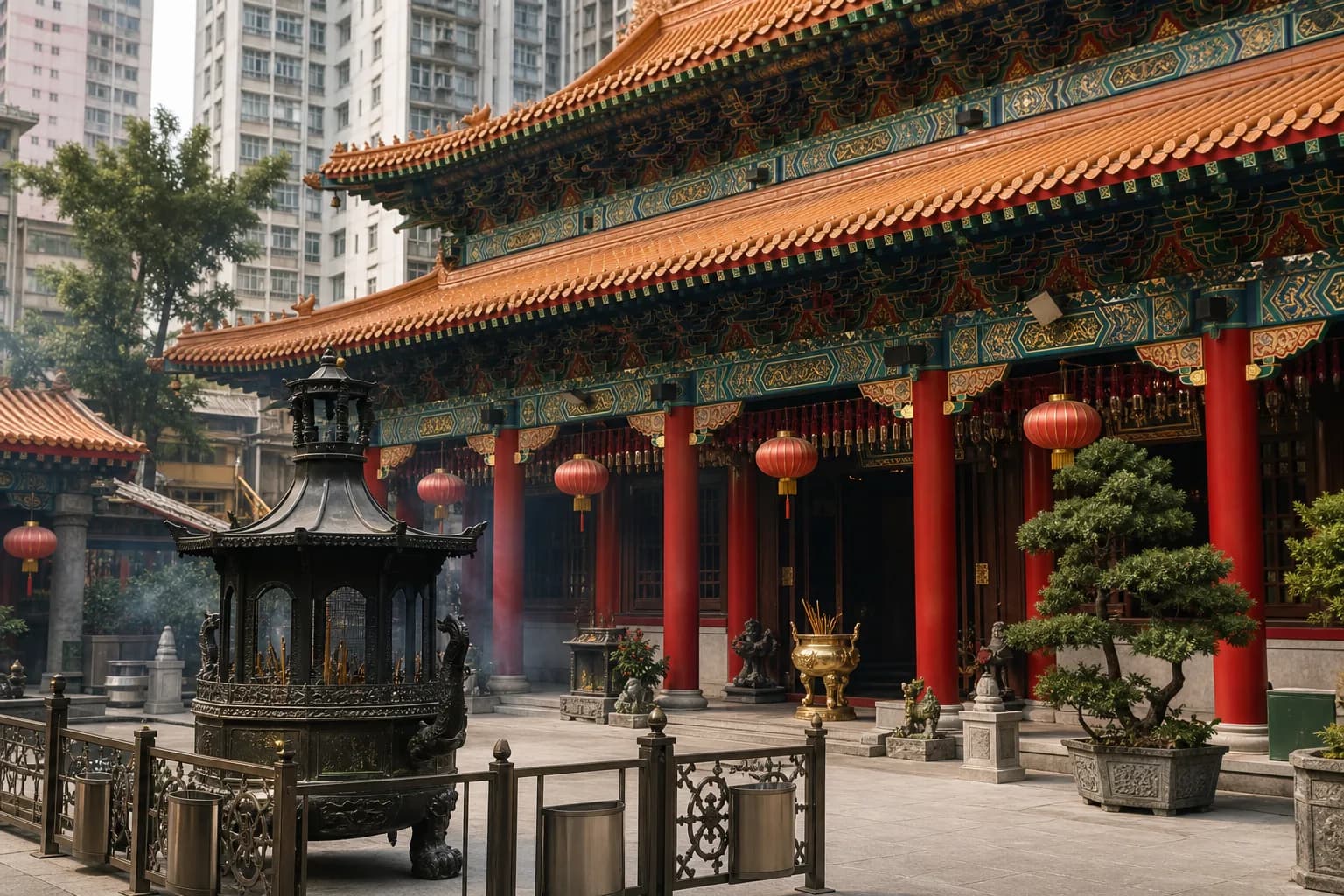
What Makes the Temple Distinctive
Three Traditions in One Living Complex
Sik Sik Yuen, the charitable organization founded here in 1921, worships according to Taoist, Buddhist and Confucian traditions. That mixture explains why the site feels different from a single-denomination historic monument. Its identity is also tied to community work in medicine, education and social services, so the complex is best understood as a living institution rather than a preserved stage set.
Kau Cim Is Optional, Not a Tourist Task
In kau cim (求籤), a numbered bamboo stick is shaken from a cylinder and its corresponding verse is interpreted. The tourism board notes that the temple provides the bamboo sticks; interpretation is available for a fee in the neighboring arcade. If you participate, ask one clear question, follow staff instructions and avoid making claims about guaranteed outcomes. You can also watch quietly from outside the active worship area and skip the practice entirely.
The Garden Is the Quiet Counterpoint
Good Wish Garden softens the incense, queues and bright ceremonial architecture with covered walkways, water and pavilions. Spend ten to fifteen minutes here instead of using it only as a photo background. The garden currently opens 8:00 am–4:30 pm, half an hour later than the main temple.
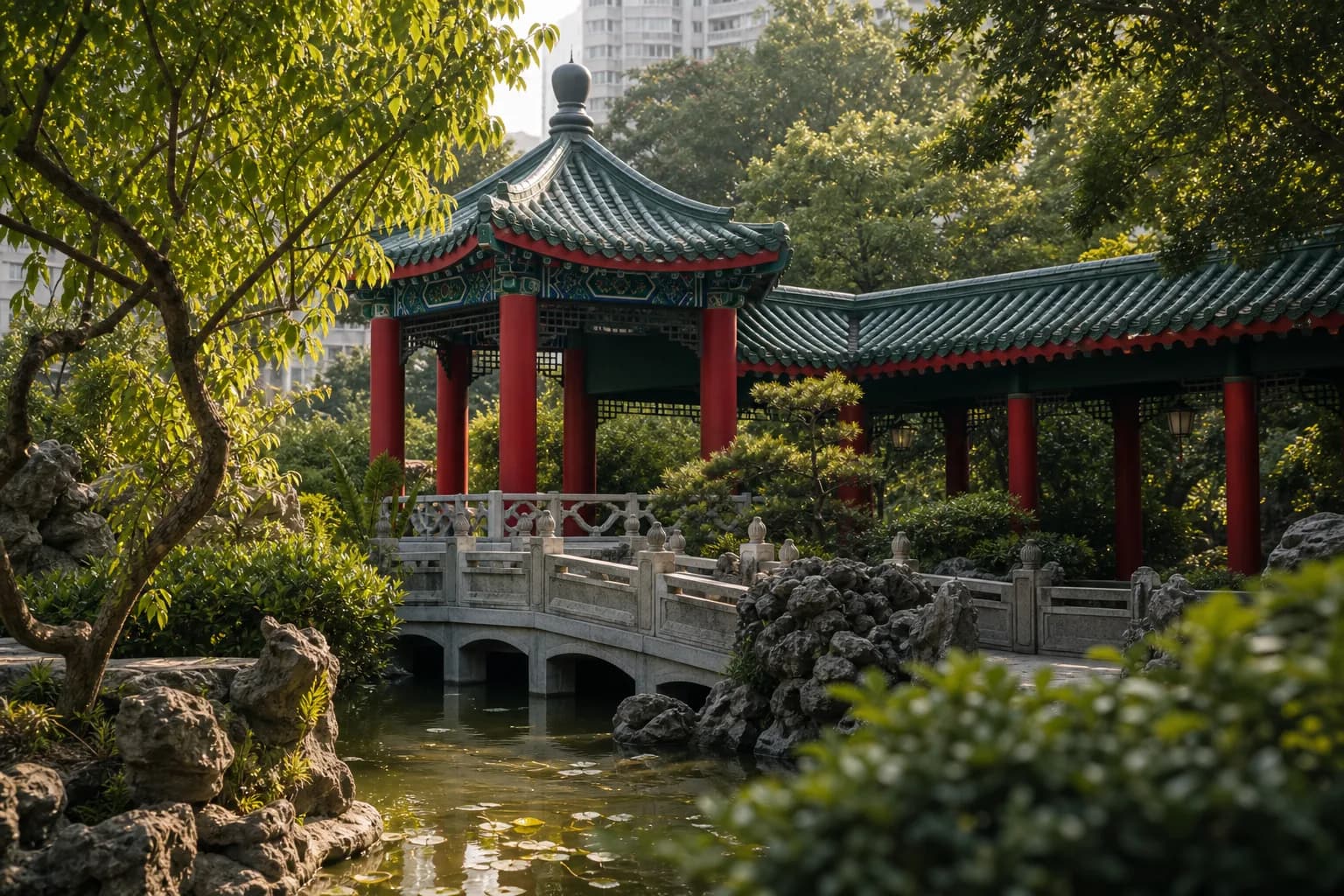
An Optional Intangible-Culture Layer
The on-site Cultural Centre for Wong Tai Sin Belief and Customs adds context that the photogenic roofs cannot provide: how the belief developed in Hong Kong, how divination is understood and how the institution connects religion with charitable work. The centre currently lists 9:00 am–4:00 pm opening hours and closes on Thursdays; some visits require advance booking. Treat it as an optional interpretation stop and check the official centre page before building your day around it.
Incense, Photography and Etiquette
- The temple recommends three incense sticks in one offering, warning against oversized or excessive incense because of pollution and fire risk. It does not sell commercial offerings inside the religious premises. Ignore online claims that everyone is guaranteed a fixed free bundle.
- Dress neatly, move slowly and leave the center of active worship areas to worshippers. A modest outfit is respectful, but there is no need to dress ceremonially.
- Ask before photographing a worshipper, diviner or staff member. Do not position a camera between a person and an altar.
- Incense smoke can be intense near the main platform. Travelers with asthma or scent sensitivity can appreciate the roofs, garden and perimeter spaces without entering the densest area.
- The Lunar New Year period is a major local worship season, not a shortcut to a “more authentic” visit. Expect crowd controls, queues and altered access; choose an ordinary weekday morning for a calmer first visit.
Current Hours, Fees and Access
The official Sik Sik Yuen FAQ currently lists:
- Main temple: 7:30 am–4:30 pm daily; free
- Good Wish Garden: 8:00 am–4:30 pm
- Taisui Yuenchen Hall: 8:00 am–4:30 pm; HK$100 for a standard adult visit, with concessions listed by the temple
Check the official FAQ before a festival visit because special arrangements can override normal hours. The quickest approach is the MTR Kwun Tong line to Wong Tai Sin Station, Exit B2; the entrance is only a few minutes away. There is no reason to book a tour or ticket for the free main grounds.
Make It a Half-Day: Temple, Garden and Food
Wong Tai Sin Temple alone rarely justifies crossing Hong Kong for half a day. The stronger plan is to pair two contrasting religious landscapes:
- Visit Wong Tai Sin Temple in the morning.
- Take the MTR one stop to Diamond Hill rather than following claims that Chi Lin is a ten-minute walk from the temple.
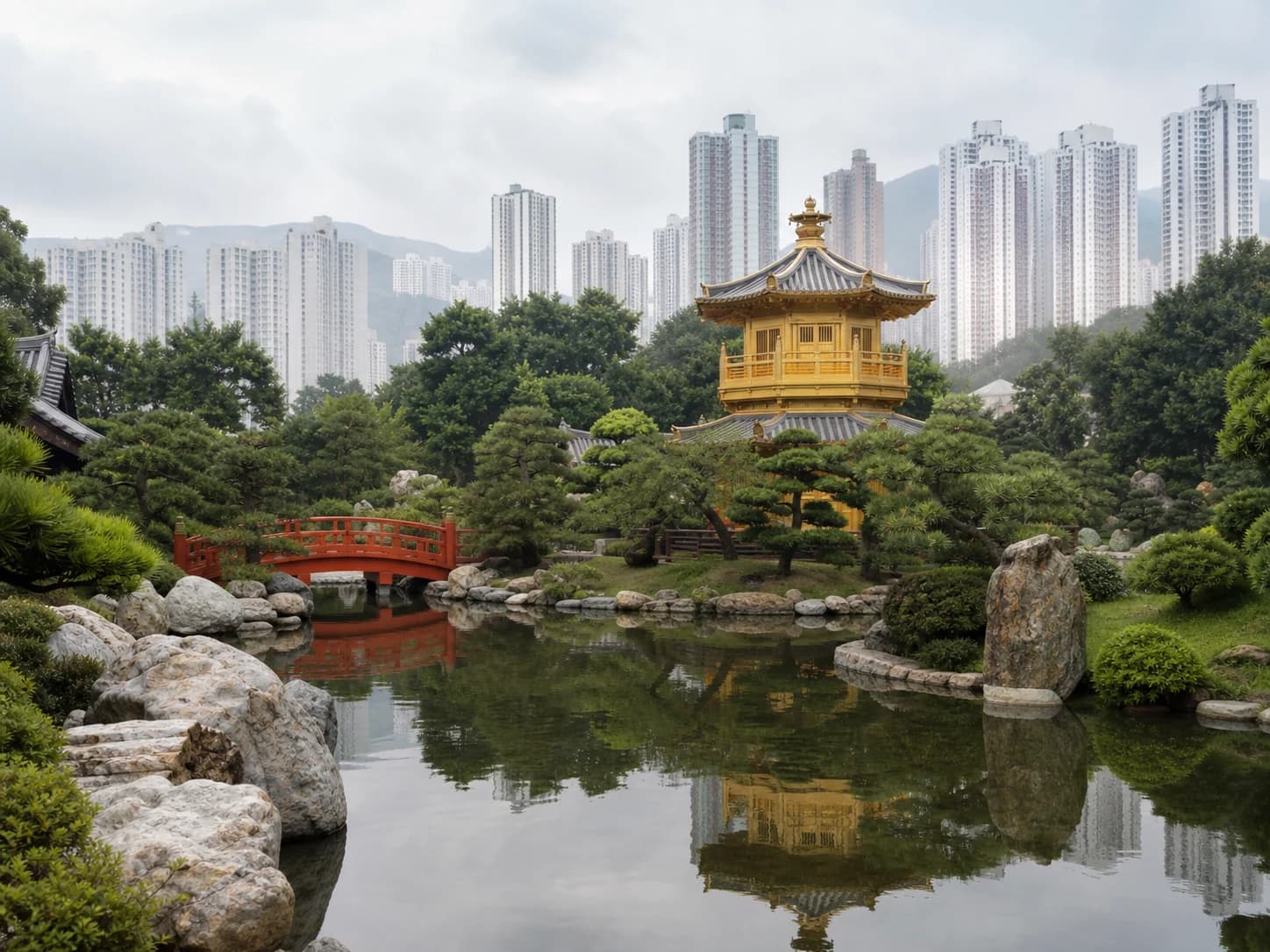
- Enter Nan Lian Garden first, follow its circular path around the lake and Pavilion of Absolute Perfection, then use the footbridge to reach Chi Lin Nunnery.
This pairing replaces incense, divination and bright Taoist imagery with Tang-style timber architecture, lotus ponds and a more contemplative Buddhist setting. Keep voices low and do not photograph inside the nunnery's sacred halls.
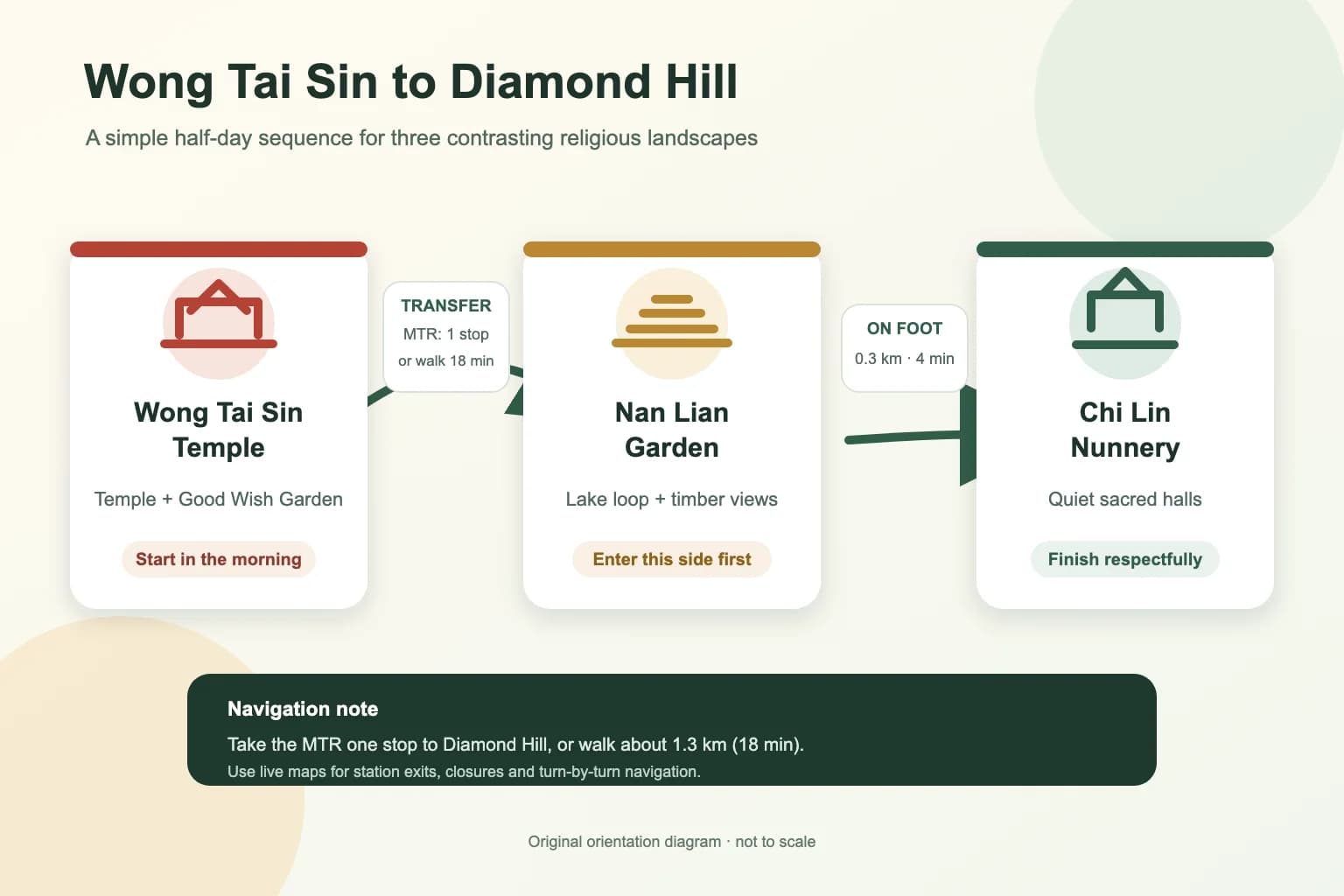
The diagram is an original orientation aid, not a turn-by-turn map. The verified walking alternatives are about 1.3 km / 18 minutes from Wong Tai Sin to Nan Lian and 0.3 km / 4 minutes from Nan Lian to Chi Lin; use live navigation for station exits and temporary closures.
For food, choose by the shape of the day rather than chasing an unrelated viral restaurant:
- Quick and local: eat around Wong Tai Sin or Diamond Hill MTR stations, where neighborhood noodle, congee and cha-chaan-teng choices are more useful than a destination detour.
- Experience-led: Chi Lin Vegetarian sits within Nan Lian Garden behind a waterfall and serves vegetarian Chinese dishes and dim sum. Reserve for weekends and verify service times.
- Flexible: use the mall at Diamond Hill when weather, children or dietary preferences make a broad choice more valuable than atmosphere.
Where to Stay
Do not choose a hotel solely to be beside this temple. Tsim Sha Tsui is the easiest all-round base for a first trip focused on the harbor and museums. Yau Ma Tei or Jordan work better for markets, late food and value-oriented Kowloon rooms. Mong Kok suits travelers who prioritize shopping and dense neighborhood energy. All connect to Wong Tai Sin by MTR with a transfer or a direct Kwun Tong-line segment.
Compare the area and transport connection—not just the straight-line distance—when browsing Hong Kong hotels on Trip.com. A central base will normally save more total travel time than a room near this single attraction.
Quick Decision Guide
- Come early for calmer worship areas and cleaner architectural views.
- Come after 8:00 am if Good Wish Garden is essential.
- Skip the paid hall unless Taoist practice is a specific interest.
- Allow 60–90 minutes for the free temple and garden; add time for kau cim or the arcade.
- Pair with Nan Lian Garden and Chi Lin Nunnery for a distinctive half-day, not with several distant headline sights.