Avenue of Stars Hong Kong
The Avenue of Stars (星光大道) is worth 45–90 minutes when you combine two stories: Hong Kong's film industry and Victoria Harbour. It is less rewarding as a cross-city trip made only for one statue. Add it to a Tsim Sha Tsui waterfront walk, a museum visit or the Star Ferry.
The promenade is free. Start near the Hong Kong Cultural Centre in the west and walk east so the handprints unfold as a loose film chronology. Come early for space and softer light, or arrive before dusk for the skyline transition. Current events and partial closures appear on the official Avenue of Stars site.
The Best 60-Minute Sequence
- Clock Tower and Cultural Centre forecourt: use the open harbour edge to understand the Kowloon–Hong Kong Island relationship before the film displays begin.
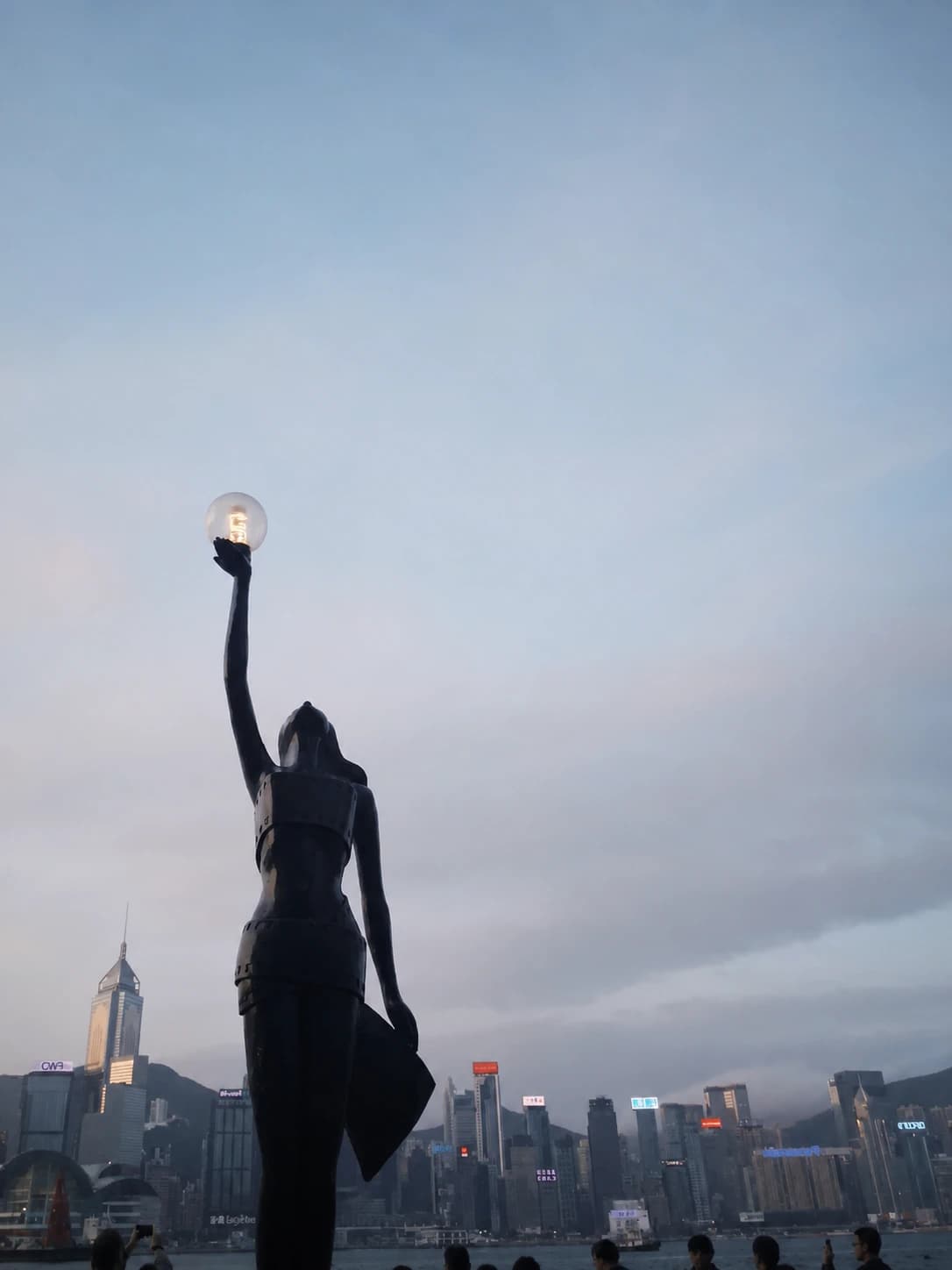
- Hong Kong Film Awards statue: this raised figure holding a glowing pearl is the film-awards symbol—not the Golden Bauhinia monument in Wan Chai.
- Handprint railings: follow the numbered sequence rather than searching only for internationally familiar names. Early filmmaker Lai Man-wai, studio figures, directors, performers and craftspeople reveal how the industry developed.
- Anita Mui and Bruce Lee statues: compare two different public memories—Cantopop and screen performance on one hand, martial-arts cinema and global circulation on the other.
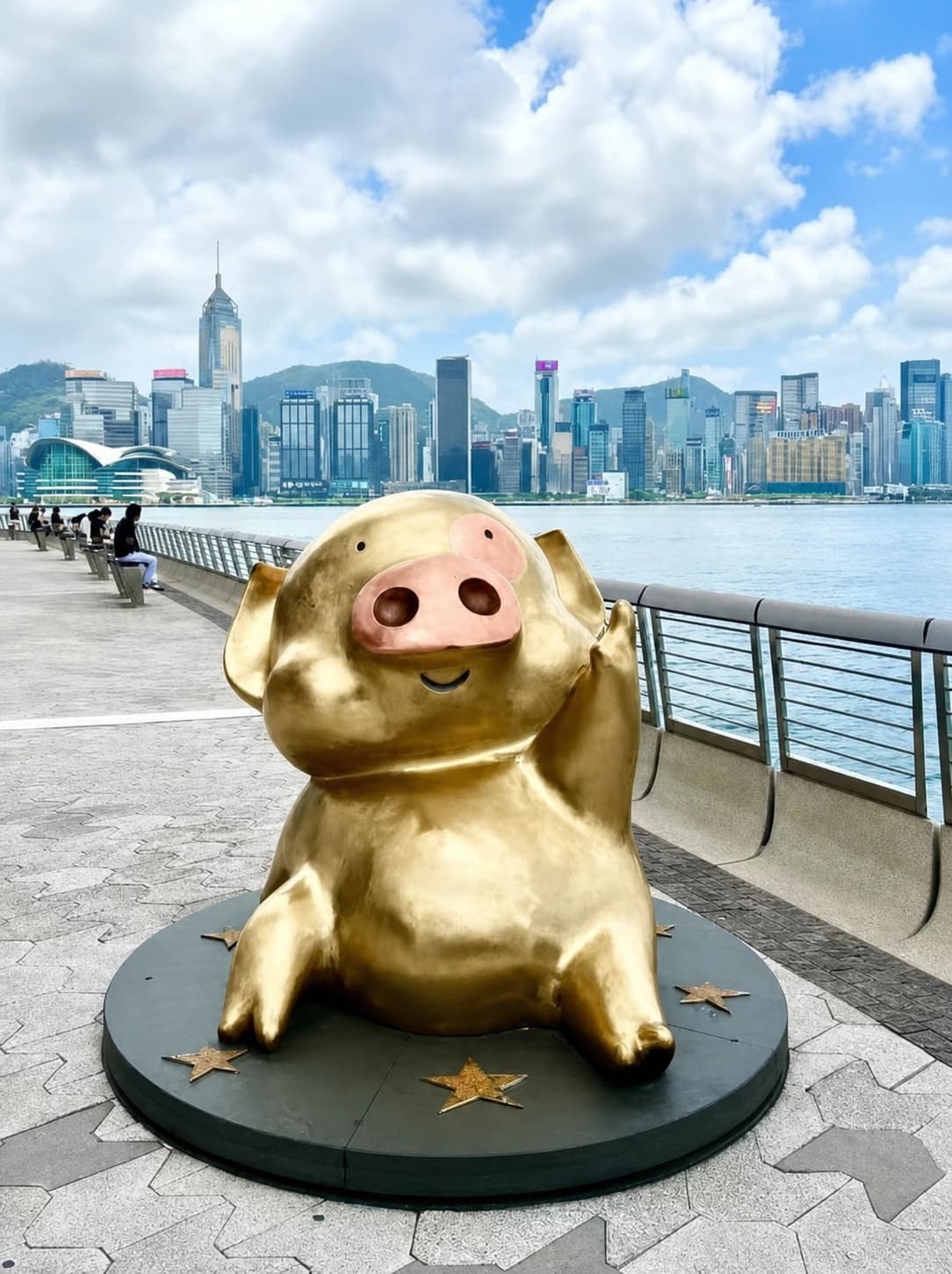
- McDull: finish with a character rooted in local animation, everyday humor and Hong Kong family life rather than treating cinema only as celebrity glamour.
- East Tsim Sha Tsui exit: continue east only if you want a longer promenade walk; otherwise return through the museum and Cultural Centre cluster.
This is a flat linear waterfront, so a decorative route map would add little. The useful decision is where to start, how much film context to read and whether the evening skyline is worth the crowd.
Four Film Details Worth Reading
The handprints are not pavement stars
After the 2019 redesign, many handprints sit along the harbour railing at a more accessible viewing height. The official sequence includes actors, directors, producers and other film workers. Scan a QR code only when you want the profile or clip; trying to open every entry turns a compact walk into screen time.
Hong Kong cinema is more than kung fu
Bruce Lee is the most photographed figure, but the wider sequence spans early production, Cantonese and Mandarin studios, New Wave directors, action choreography, comedy, art cinema and Cantopop crossover. Choose three people you already know and three you do not; the second group often makes the walk more distinctive.
McDull belongs here
McDull is not a generic golden mascot. The character emerged from Hong Kong comics and animation, using ordinary school, family and neighborhood life to tell locally recognizable stories. The low statue base makes it accessible, but leave space for children and other visitors rather than staging a long private photo session.
The waterfront is part of the exhibition
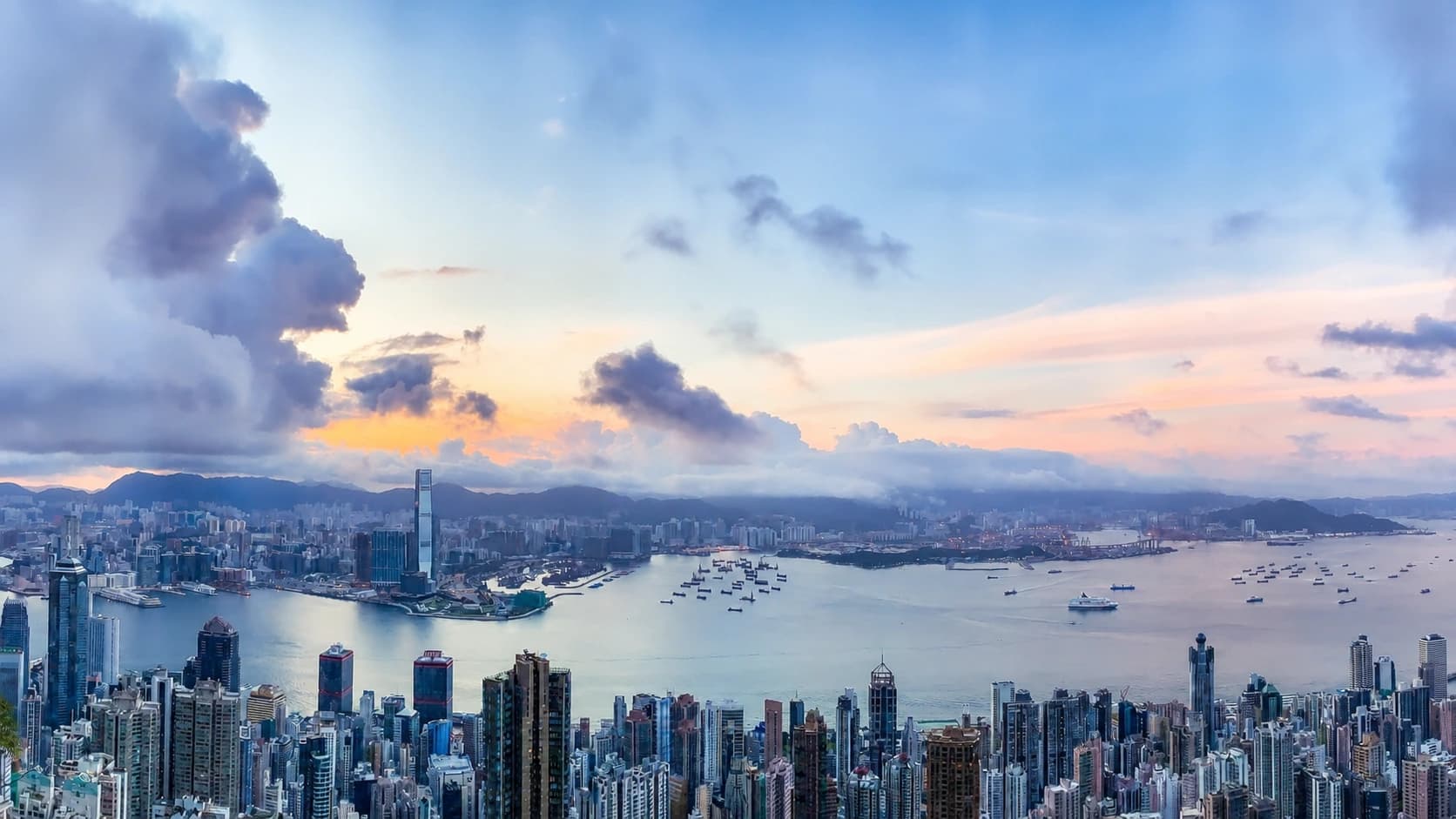
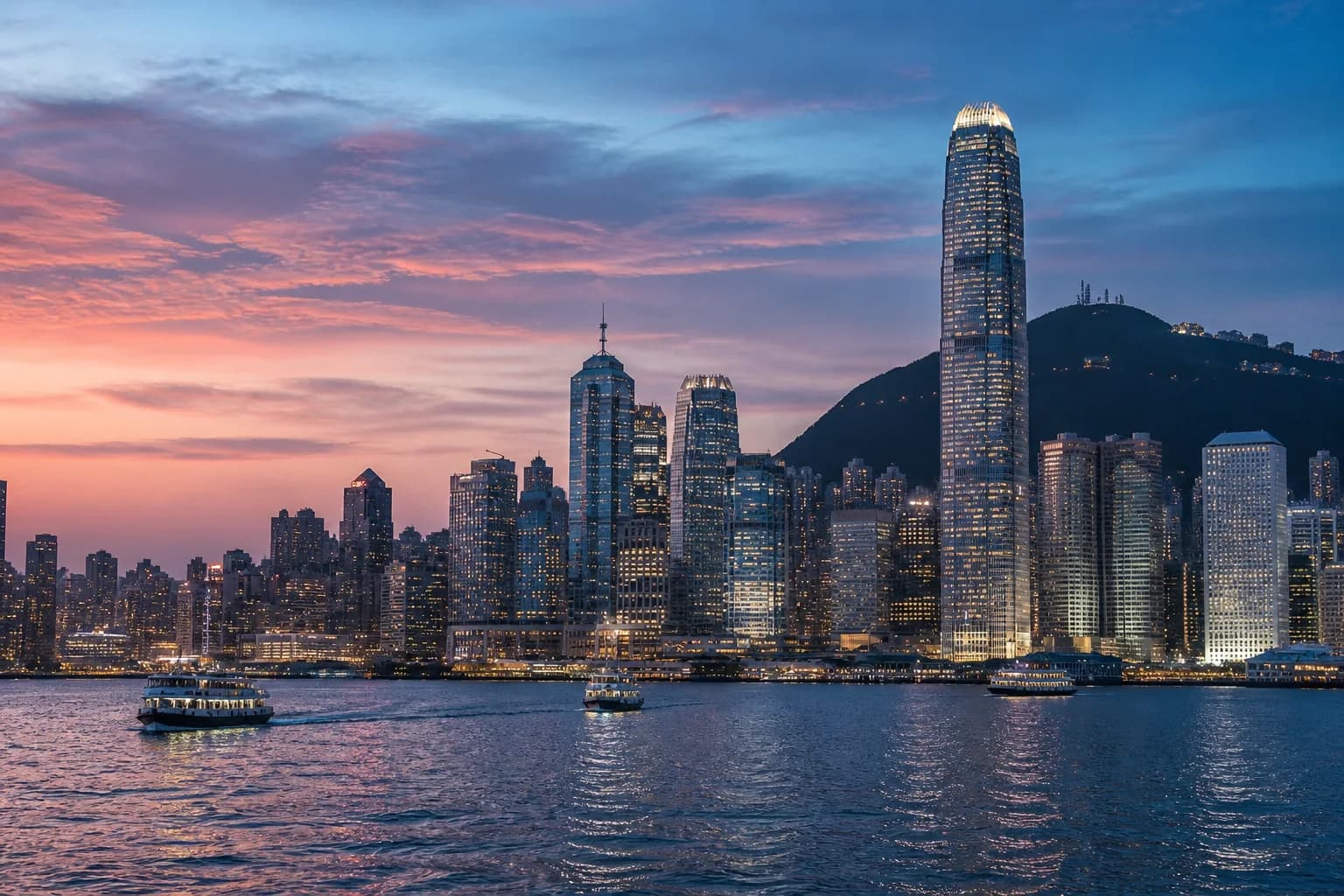
The railing, seating and open skyline are not merely a background. Hong Kong cinema repeatedly uses ferries, towers, harbor weather and dense waterfront infrastructure as narrative space. Look across at Wan Chai and Central, then turn back toward Kowloon's cultural buildings; the changing city is the route's largest moving set.
A Small Film-History Reading Method
Instead of collecting names, use three questions:
- Who made the system work? Notice directors, producers and technical figures alongside performers.
- Which audience was the work for? Hong Kong cinema moved between local Cantonese audiences, Mandarin-language studio systems, regional markets and global distribution.
- How did the city appear on screen? Compare cramped interiors, hillside streets, harbor crossings and modern towers with the real city around you.
For deeper context, pair the promenade with a current exhibition at the Hong Kong Film Archive or a relevant program at a cultural venue. Do not assume a film exhibition is running without checking its live calendar.
When to Visit
Early morning: best for an uncrowded walk
Morning gives the most space around statues and handprints and is easier in warm weather. Some nearby museums and cafés may not yet be open, so use this timing for the promenade itself, then continue elsewhere.
Late afternoon to dusk: best overall atmosphere
Arrive with enough daylight to read the displays, then watch the skyline change. This is the most balanced first-visit choice, but it is also busier and more exposed to sun, humidity and sudden rain.
The light show: optional, not the whole visit
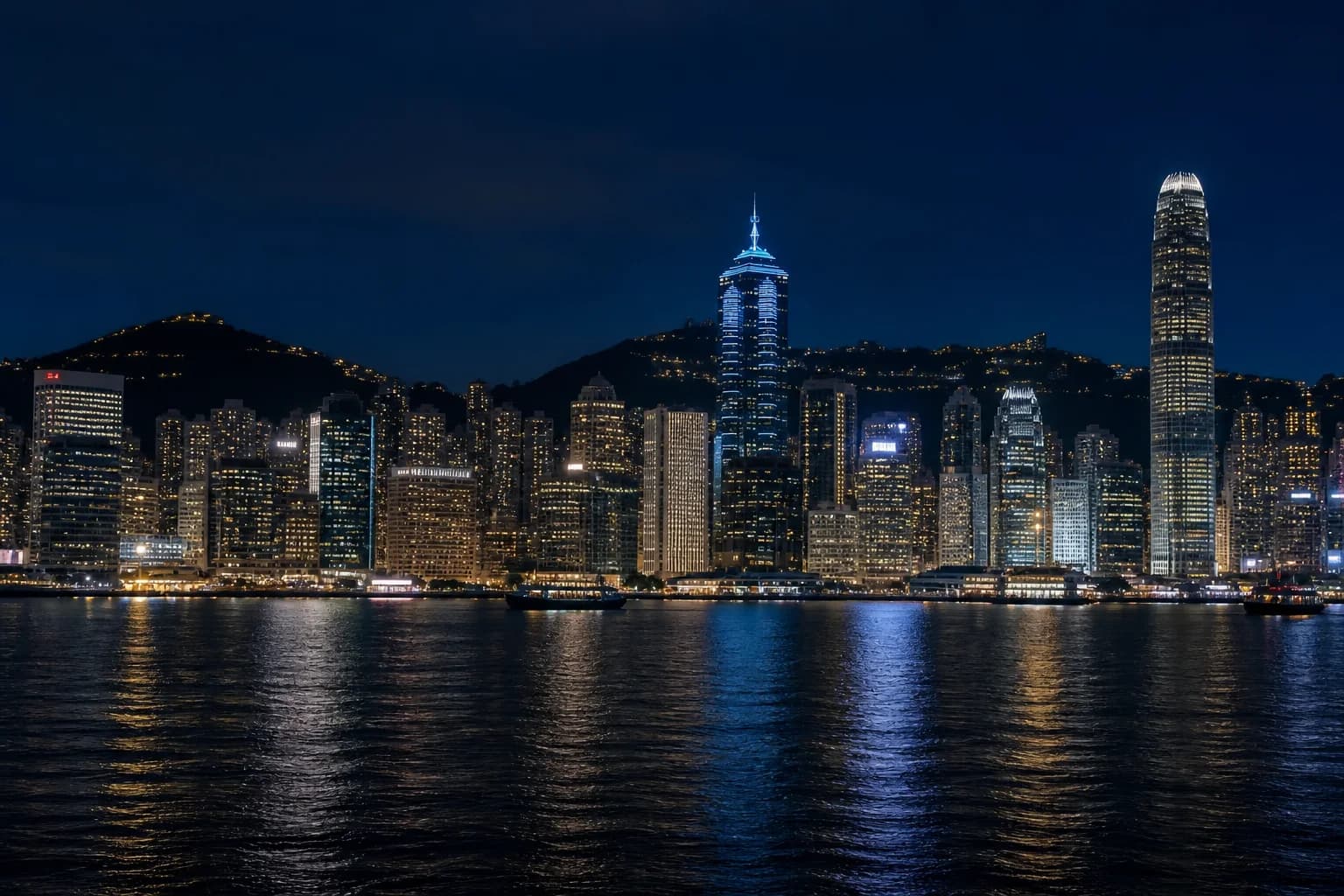
The government's current schedule places A Symphony of Lights at 8 pm, with Avenue of Stars and the Cultural Centre waterfront among the official viewing areas. Tropical-cyclone and red/black rainstorm warnings can suspend it, and emergencies may cause cancellation without notice. Check the official show details on the day rather than reserving the entire evening around a guaranteed performance.
Getting There Without Old Transit Advice
- From Tsim Sha Tsui MTR: use the signed pedestrian passages toward the Cultural Centre or waterfront. Long underground links make the nearest-looking exit less important than the correct signs.
- From East Tsim Sha Tsui: the Tuen Ma line is the useful rail connection; follow current signs toward the Avenue rather than an old “West Rail line” instruction.
- From Central: the ordinary Star Ferry to Tsim Sha Tsui creates the most satisfying approach. Walk east past the Clock Tower and Cultural Centre.
- From West Kowloon station: use Austin/Tsim Sha Tsui rail connections or a short taxi with luggage. The exposed surface walk is not automatically the best choice in heat or rain.
The Tsuen Wan line serves Tsim Sha Tsui. The Tung Chung line and Airport Express do not stop there; old guides that list them under “Tsim Sha Tsui Station” are incorrect.
Nearby Choices: Pick One Indoor Anchor
- Hong Kong Museum of Art: best for Chinese art, Hong Kong visual culture and a substantial weatherproof visit. Check the live exhibition and ticket calendar.
- Hong Kong Space Museum: useful for families and planetarium shows; exhibition and show tickets are separate decisions, and the museum normally has a weekly closure day.
- Hong Kong Cultural Centre: visit for a booked performance or current public program, not because every interior is an attraction.
- Star Ferry and Central: the strongest onward move after sunset when you want the harbor to become transport rather than another static viewpoint.
One museum plus the promenade is a better half-day than rushing through all three buildings.
Food and Rest Strategy
The promenade itself is not where you need to chase a signature meal. For a fast local meal, walk inland and choose a cha chaan teng, noodle shop or roast-meat counter by visible turnover, a focused menu and current cleanliness. For mixed tastes, families or heavy rain, a connected mall is the practical fallback—even if it is less distinctive.
Avoid carrying an uncovered meal through the densest photo areas. Sit, eat and refill water before dusk; the waterfront has seating, but shade and sheltered tables are limited at peak times.
Where to Stay
Tsim Sha Tsui waterfront suits first-time visitors prioritizing skyline views, museums and ferries, but rooms can be expensive and the busiest blocks noisy. Nathan Road or Jordan usually offers more food and price range while remaining walkable or one MTR stop away. East Tsim Sha Tsui is calmer and closer to the far end of the promenade but less convenient for the Star Ferry. Wan Chai works across the harbor when convention access and Hong Kong Island evenings matter more.
Compare Hong Kong hotels on Trip.com, then check the exact entrance, lift access and room direction. “Harbour view” can mean a narrow partial angle, and a short map distance can hide long indoor passages.
Safety and Etiquette
- The official venue rules prohibit smoking, fishing, cycling, skateboarding, drone flying and climbing on features.
- Ask before photographing people at close range, especially performers, children and workers.
- The promenade is exposed. During typhoon, thunderstorm or rainstorm warnings, follow current closure advice and use an indoor route.
- Tripods can obstruct a busy walkway; use one only where it does not create a collision risk.
- Do not treat statues as climbing equipment or block a handprint while recording a long video.
Final Verdict
Go for Hong Kong cinema plus the harbor, not for a single viral photo. A thoughtful hour, one nearby museum and a ferry crossing create a stronger first visit than waiting through every statue queue and repeating the same skyline shot after dark.