Goldfish Market Hong Kong
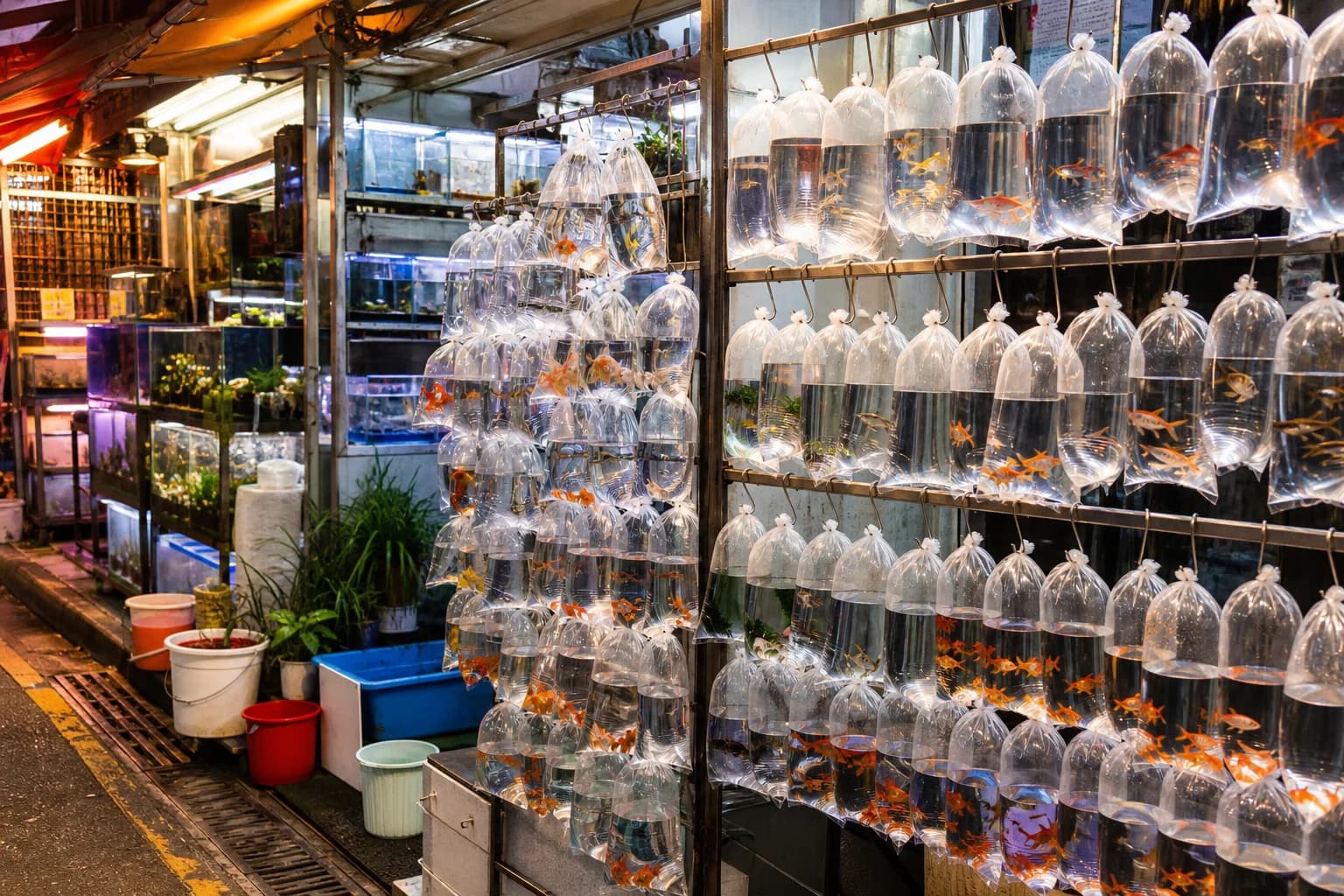
Hong Kong's Goldfish Market, often called Goldfish Street, is not a conventional market hall or a morning fish market. It is a roughly 300-metre section of northern Tung Choi Street in Mong Kok where aquarium and pet shops display ornamental fish, tanks, plants and supplies. The appeal is specific: a dense neighborhood trade that looks unlike almost any other Hong Kong street.
Allow 30–45 minutes for the street itself. Give it two to three hours only when you connect it with the Flower Market, Bird Garden or the southern Mong Kok markets. Travelers expecting a major attraction may find it underwhelming; travelers interested in street-level commerce, color and compact urban walks usually understand it better.
First, Know What You Are Looking For
The Hong Kong government defines Goldfish Street as the section of Tung Choi Street between Mong Kok Road and Nullah Road. The Hong Kong Tourism Board describes it as a popular 300-metre market that has formed part of Mong Kok's neighborhood identity since the 1960s. It sells much more than goldfish: tropical fish, aquarium plants and equipment appear alongside other pet businesses.
This distinction prevents two common mistakes:
- Do not search for a building called “Goldfish Market.” Navigate to the street section or its northern end.
- Do not confuse it with the Ladies' Market. Both occupy Tung Choi Street, but the Ladies' Market is farther south. Walking south connects them; they are not the same market.
There is no single entrance, ticket desk or market-wide operating schedule. Each shop runs independently. Late afternoon is usually the most useful compromise: more storefronts are active than early in the morning, there is still daylight for the north loop, and you can continue toward Mong Kok for dinner. Treat this as a planning pattern, not a guaranteed opening time.
Choose One of Two Routes
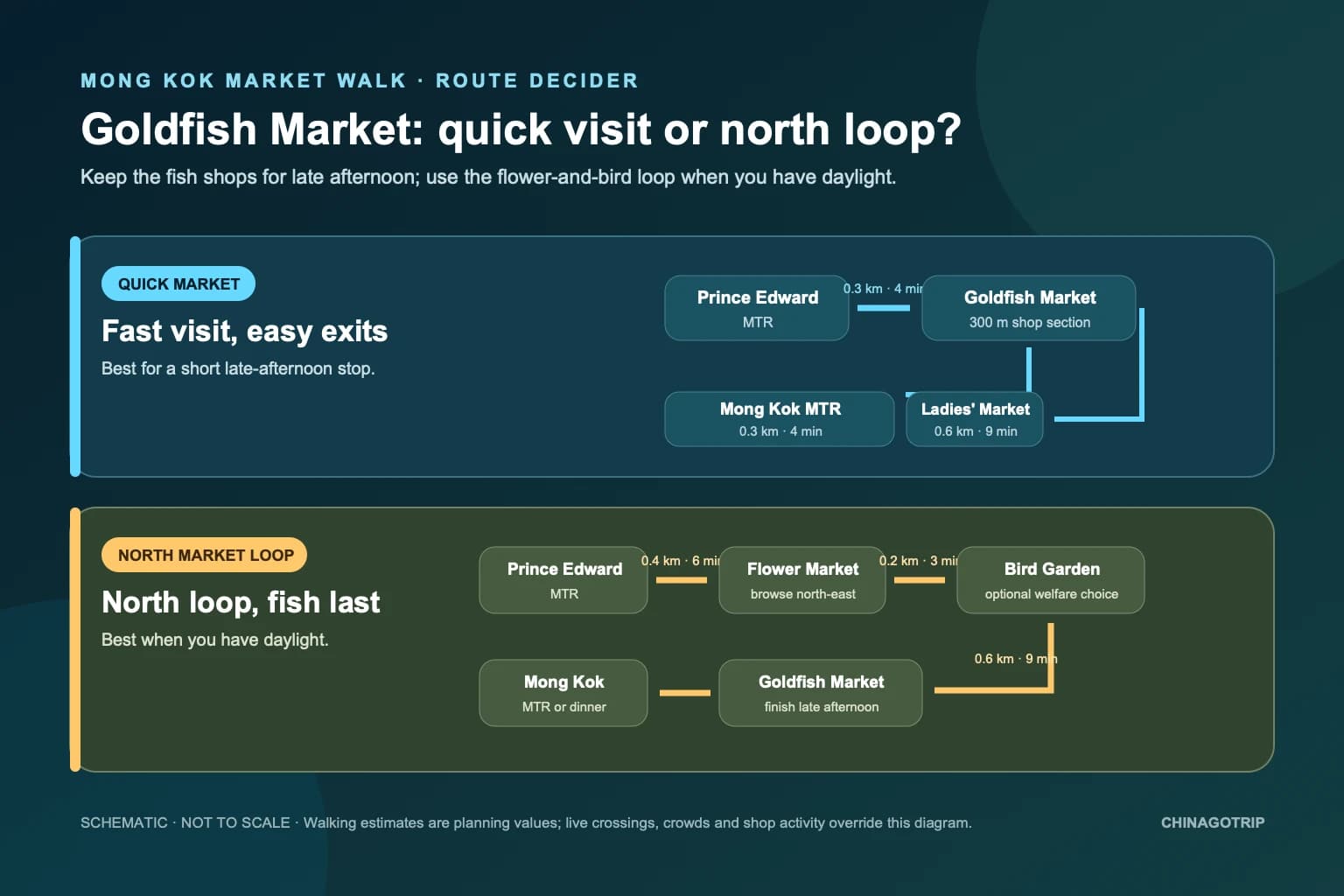
Original schematic based on verified map locations and AMap walking plans. It is not to scale; live crossings, construction and shop activity override the diagram.
Route A: Quick Goldfish Market visit
Use this when Goldfish Street is a colorful stop rather than the purpose of your day.
- Start at Prince Edward MTR Station.
- Walk about 0.3 km / 4 minutes to the northern market section.
- Follow Tung Choi Street south, staying out of shop thresholds and delivery space.
- Finish at Mong Kok MTR Station, about 0.3 km / 4 minutes from the market map location used for planning.
- If you still want more street-market energy, continue roughly 0.6 km / 9 minutes to the Ladies' Market area.
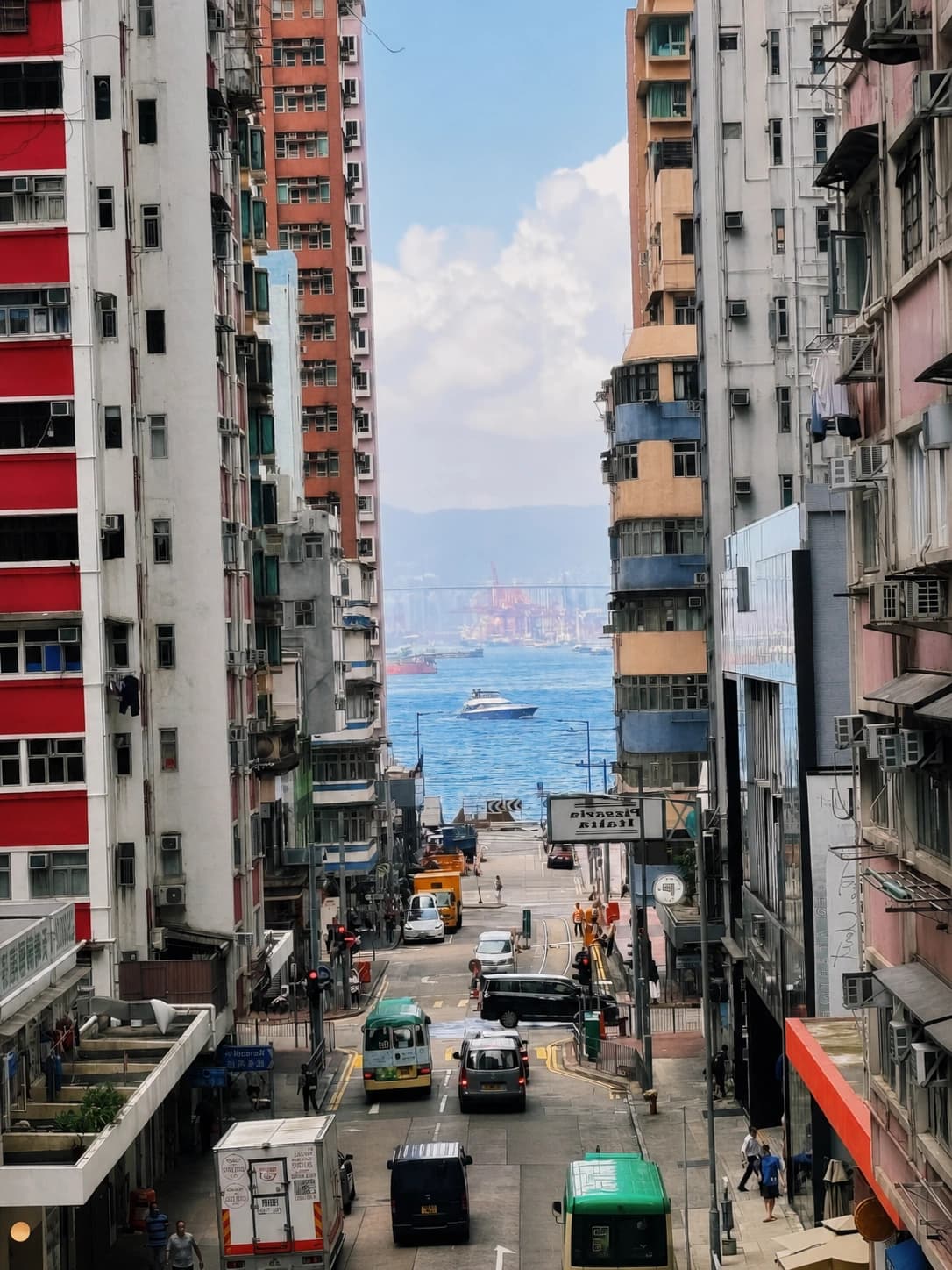
The attraction is repetition with variation: bags or tanks at one storefront, aquatic plants and equipment at the next, then an ordinary pharmacy, café or apartment entrance. Do not rush from one “photo spot” to another; the relationship between a specialist trade and an intensely mixed street is the real subject.
Route B: North Mong Kok market loop
Choose this in daylight when you want the district rather than one short street.
- From Prince Edward MTR, walk about 0.4 km / 6 minutes to the Flower Market.
- Continue about 0.2 km / 3 minutes to Yuen Po Street Bird Garden.
- Walk about 0.6 km / 9 minutes back toward Goldfish Market.
- Finish southward at Mong Kok MTR or stay nearby for dinner.
The order matters. Flowers and the garden make more sense in daylight, while the aquarium displays gain atmosphere as the shop lights become visible. The Bird Garden is optional: caged-animal displays are uncomfortable for some visitors, and skipping it does not break the route. Do not force every market into the day simply because it appears on a checklist.
How to Look Without Disrupting the Trade
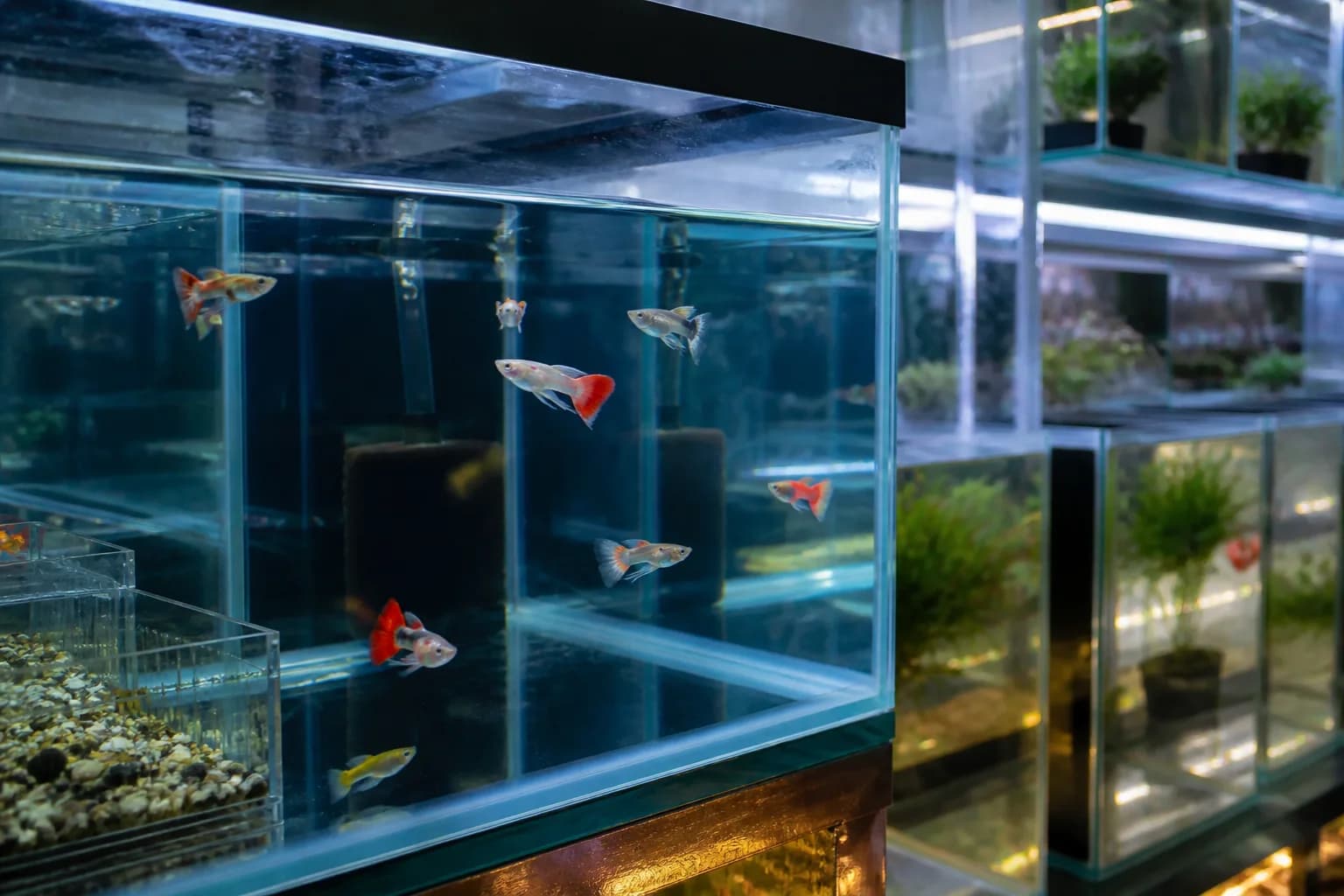
The market raises a real tension: the hanging displays are visually distinctive, but the animals and shops are not props. A good visit is observant and brief.
- Never use flash. The Hong Kong Tourism Board specifically asks visitors to avoid startling fish and other animals.
- Keep the pavement moving. Photograph from the public path without blocking customers, deliveries or doorways.
- Ask before close-up photography inside a shop. A public storefront does not imply permission to enter or photograph staff.
- Do not tap tanks or handle bags. If an animal appears distressed, move on rather than turning it into content.
- Most overseas visitors should not buy live animals. Cross-border transport can involve customs, biosecurity and welfare requirements; browse supplies or simply observe instead.
Visitors who dislike the trade can still use the street as an urban-history stop, or skip it and spend longer at the Flower Market. The guide does not present every display as automatically charming or humane.
A Better Photo Sequence
Three different frames tell the story more honestly than twenty near-identical bag close-ups:
- The street frame: show the narrow pavement and mixed shopfront rhythm, without centering strangers' faces.
- The trade frame: photograph tanks, pumps, plants or rows of supplies to explain that this is a working aquarium district.
- The detail frame: use one fish or reflection without flash, visible price writing or a shopkeeper in the background.
Wet weather intensifies reflections but also narrows the usable pavement. Keep the camera packed at busy crossings and do not step into the road for a symmetrical shot. If you want neon rather than documentary detail, continue south after dark; Goldfish Street itself is not guaranteed to produce a cinematic night scene every evening.
What to Eat Around Mong Kok
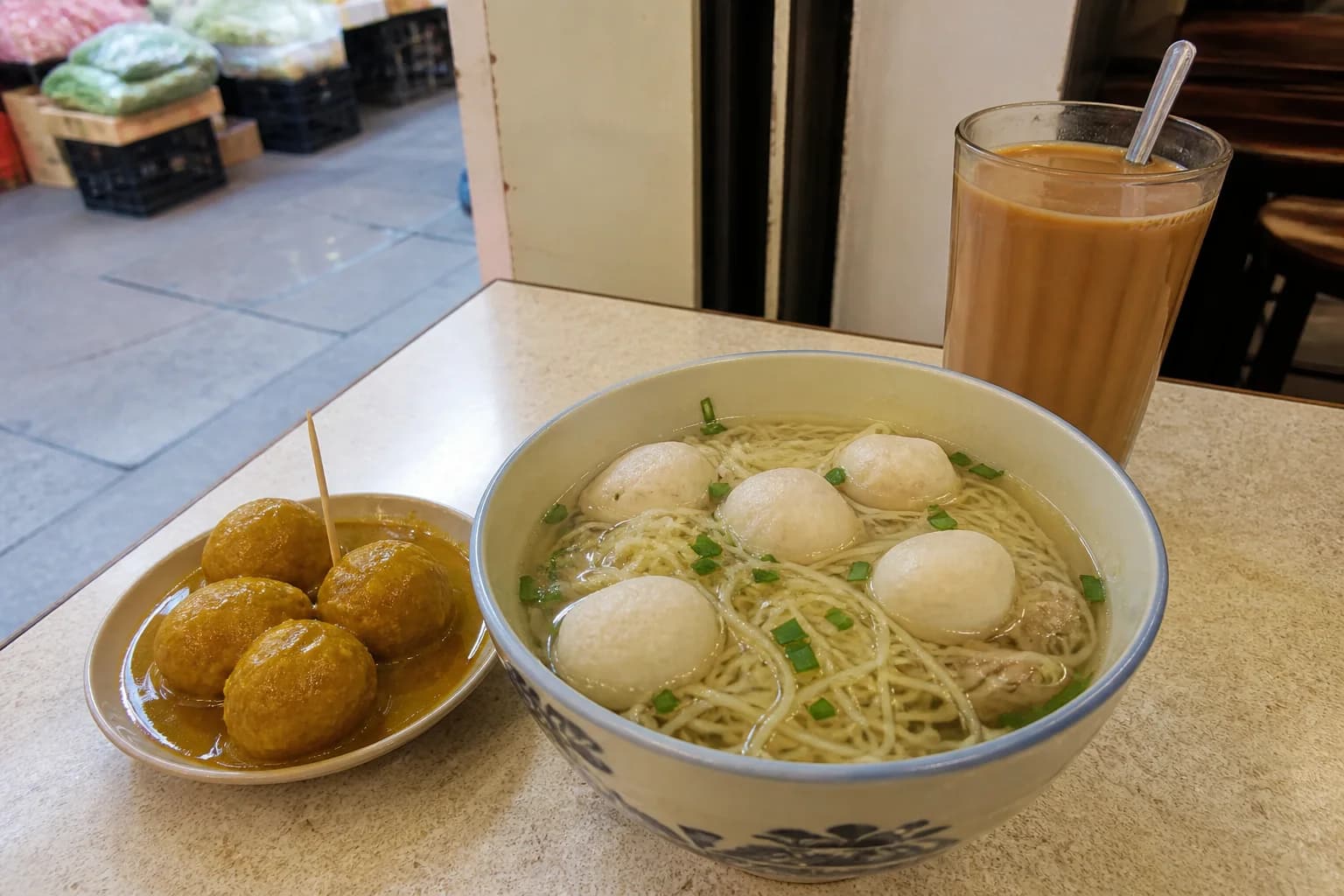
Do not choose dinner from an old viral shop list. Mong Kok's turnover is high, queues move, and branches change. Choose by food category and visible operation instead:
- Fish-ball noodles: a light, fast meal when you are continuing to another market. Look for a busy noodle counter and decide between clear broth and a stronger curry or sauce.
- Curry fish balls or siu mai: useful as a shared snack, but ask for mild sauce first if your group is sensitive to heat.
- Congee or wonton noodles: better when humidity, travel fatigue or a heavy lunch makes fried food unappealing.
- Milk tea or lemon tea: take a seated break rather than carrying an open drink through crowded shopfronts.
- Stinky tofu: available in the wider market district, but the smell and intensity are the experience; one portion is enough for a curious group.
The food fish and the ornamental-fish trade are unrelated. Do not turn the coincidence into a claim that Goldfish Market has a unique fish-ball tradition.
Where to Stay
Choose a district for the whole Hong Kong trip, not for this 30-minute street.
- Mong Kok or Prince Edward: best for late food, dense shopping streets and convenient access to this north Kowloon walk. Rooms can be compact and the street environment stays busy.
- Yau Ma Tei or Jordan: a useful compromise for Temple Street, neighborhood food and southbound access while remaining walkable or one MTR stop away.
- Tsim Sha Tsui: better for the harbor, museums and Star Ferry. Visit Goldfish Market as a northbound half-day rather than moving hotels.
- Central or Admiralty: choose these for Hong Kong Island business access and nightlife, accepting an MTR ride to Mong Kok.
Compare area-level availability on Trip.com. Read recent room-size, lift and noise comments carefully; a low nightly price in an older mixed-use building can involve trade-offs that a map pin does not show.
Practical Decisions
- Cost: the street is free; any purchase is optional.
- Best planning window: late afternoon into early evening, without assuming every shop follows the same hours.
- Mobility: pavements can be narrow and crowded. Prince Edward-to-Mong Kok creates a mostly one-direction walk; accessible travelers should confirm current MTR exits and be prepared to bypass obstructed storefront sections.
- Families: children may enjoy the colors, but adults need to enforce no tapping, no flash and no running into working shop space.
- Rain: workable for a short visit, but umbrellas and delivery carts make the pavement tighter.
- Language and payment: browsing requires little language. Small purchases may still favor cash or local payment methods; do not assume every specialist shop accepts an overseas card.
For current location guidance, use the Hong Kong government district page. For the market description and official photo etiquette, check the Hong Kong Tourism Board.
The Short Verdict
Visit Goldfish Market when you want a distinctive working street, not a major aquarium attraction. Start at Prince Edward, keep the route one-directional, give the shops space, and finish at Mong Kok or extend south only if you still want another market. The north loop adds more context, but the best version of this visit is selective: one strong street, one thoughtful food stop and no pressure to photograph or buy everything you see.