Yau Ma Tei
Yau Ma Tei (油麻地) is worth visiting as a walk rather than a checklist attraction. In roughly two to four hours, you can move from a working wholesale market through old civic buildings and a living temple, then finish among the food stalls and neon of Temple Street. It suits travelers who want street-level Kowloon; it is less compelling if you mainly want polished malls or a single headline landmark.
A No-Backtracking Yau Ma Tei Walk
Start near Yau Ma Tei MTR Station, complete the daylight stops first, and let the route become more atmospheric as evening arrives:
- Yau Ma Tei Wholesale Fruit Market (油麻地果欄): begin on Reclamation Street. The market is most active very early, but even later you can read the 1913-era stone shop houses, loading bays and traders' names on the gable walls. Stay out of working lanes and do not block carts for photos.
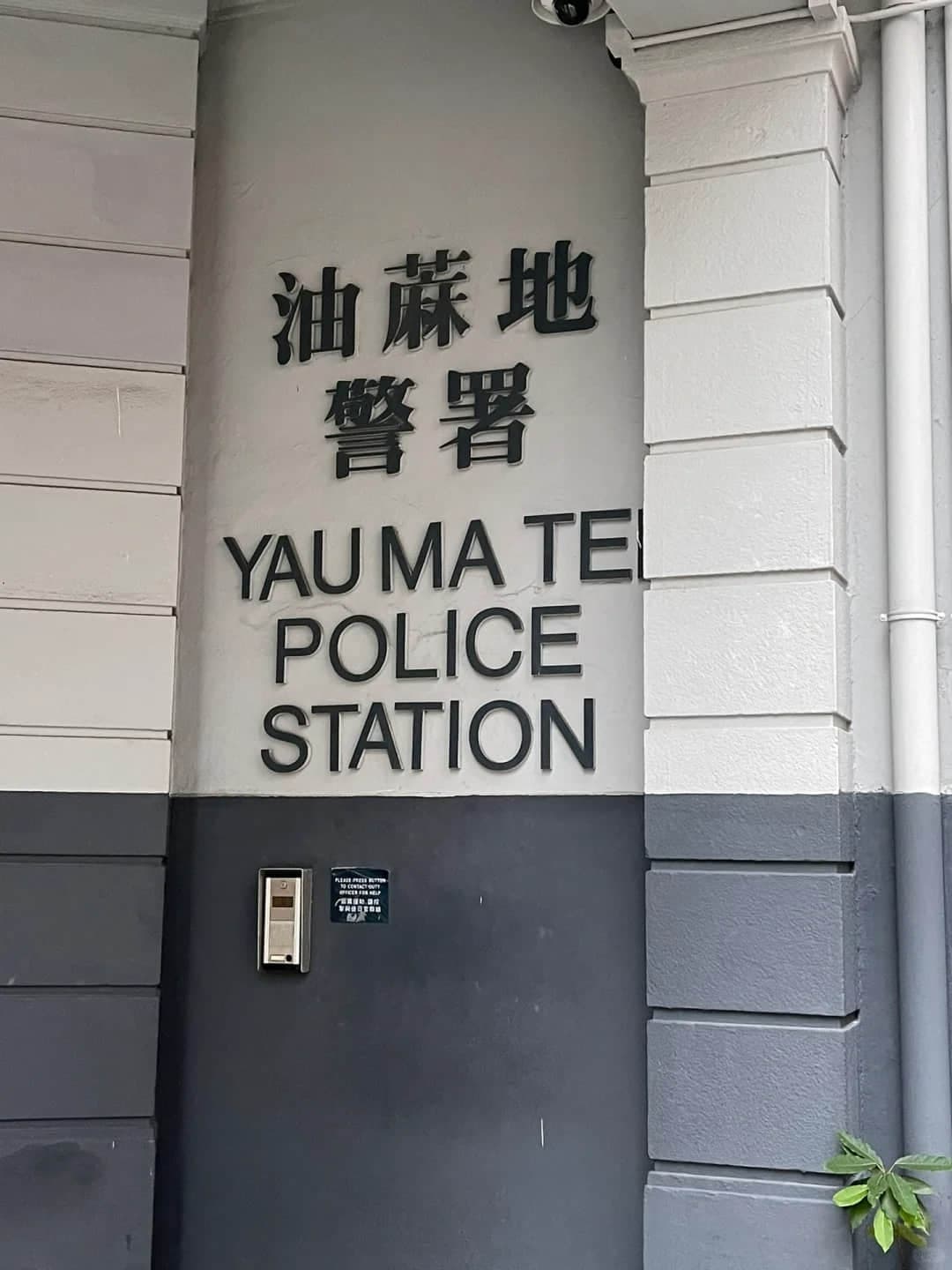
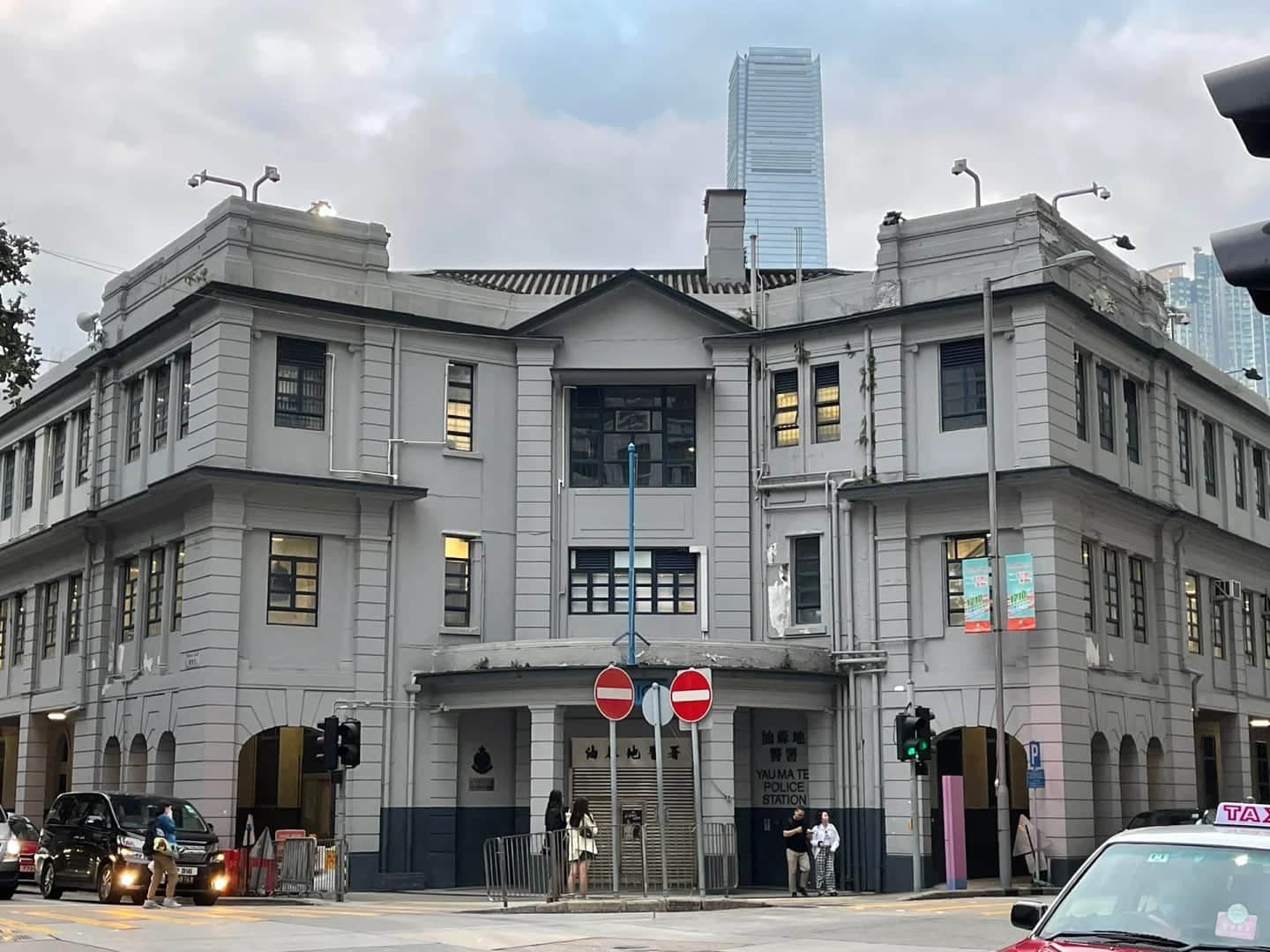
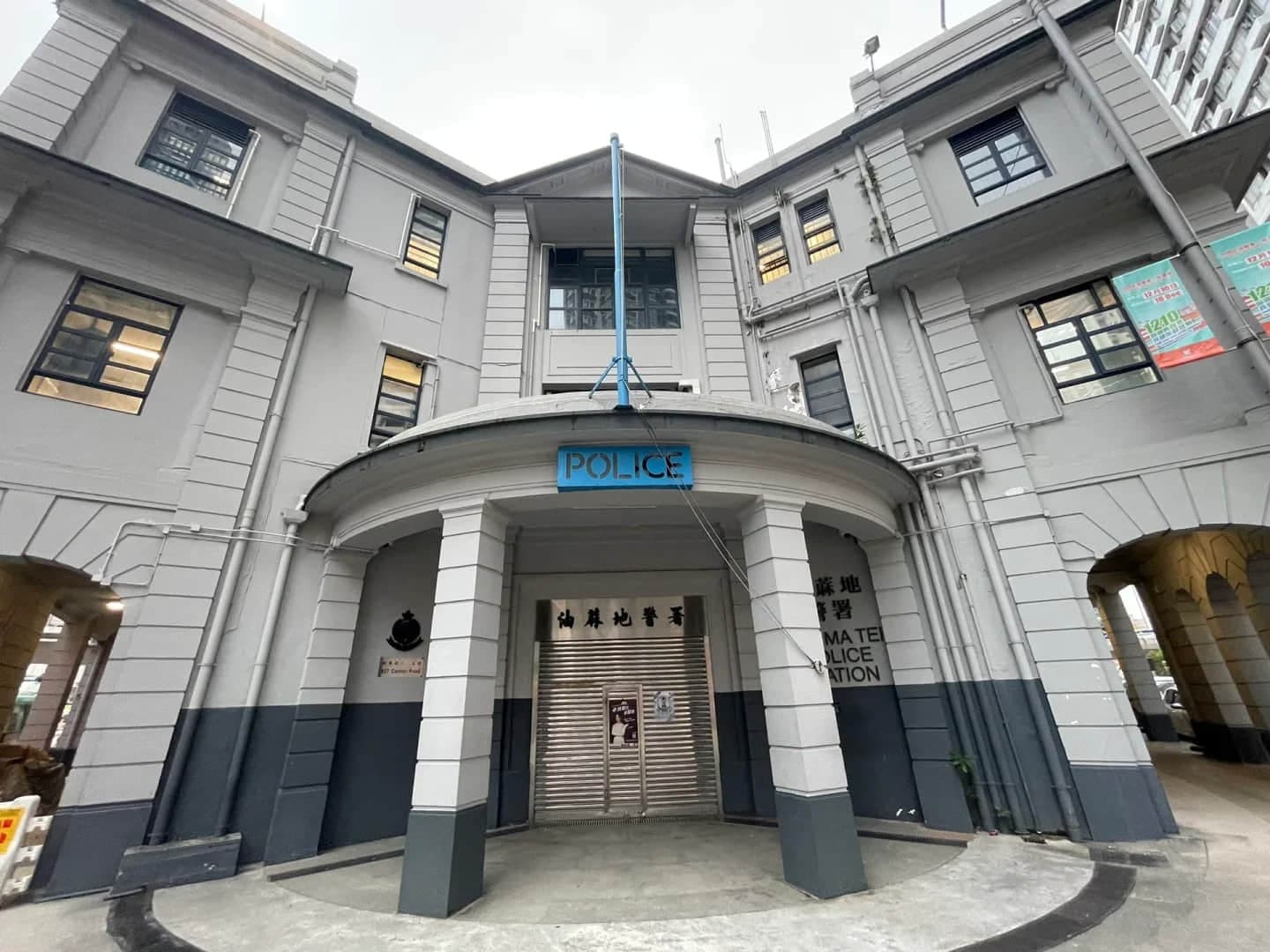
- Old Yau Ma Tei Police Station (舊油麻地警署): walk south to Canton Road. The 1922 Edwardian building is recognizable by its corner entrance, arcades and blue gates. It now hosts the ticketed A Cinematic Journey exhibition rather than functioning as a police station; check the current session schedule before relying on interior access.
- Jade Market and Shanghai Street: browse rather than treating this as a compulsory shopping stop. Compare several stalls before buying jade, ask what material you are being shown, and regard very low prices as souvenirs rather than investment-grade pieces. Shanghai Street's kitchenware shops offer a more everyday view of the district.
- Tin Hau Temple (油麻地天后廟): enter from Public Square Street. This living temple was moved to its present site in 1878 after beginning closer to the old shoreline. The surrounding banyan-shaded square is as important to the neighborhood as the roof ornament and incense-filled halls.
- Temple Street: continue south after dusk. The useful experience is not simply buying souvenirs: look for fortune-telling booths, small performances when they occur, street-side kitchens and the shift from daytime neighborhood to night market.
The official Hong Kong Tourism Board heritage route measures a compact Yau Ma Tei circuit at about 2.3 km. Add meal, market and exhibition time rather than trusting a bare walking estimate. If you still have energy, continue south through Jordan toward Tsim Sha Tsui; otherwise finish at Jordan MTR Station.
What Makes the District Distinctive
Read the Reclaimed Shoreline
Yau Ma Tei's maritime history is easiest to understand through distance. Tin Hau Temple once served boat people close to the water, while the old police station stood near the former shoreline for land-and-sea access. Reclamation pushed both inland. Walking between the temple, Fruit Market and Canton Road turns that abstract history into something visible in the street plan.
Treat the Fruit Market as a Workplace
Gwo Laan is not a staged tourist market. The narrow passages, handcarts, stacked crates and wholesale rhythm are the attraction, but business has priority. A short, observant visit is better than trying to enter every lane. For a quieter architectural look, arrive after the most intense pre-dawn trading; for working-market energy, go early and keep well clear of loading activity.
Use the Police Station as a Cinema Stop
The old station has appeared in Hong Kong and international films, but its current value goes beyond an exterior photo. The new exhibition uses former offices and detention cells to interpret the city's crime-film language. Because entry is session-based and the program can change, confirm tickets and hours on the official exhibition website before visiting.
What to Eat Around Temple Street
Make the meal part of the route, not a detached restaurant list. Hong Kong's tourism authority currently highlights several useful choices:
- Hing Kee Restaurant: choose this when the claypot itself is the point. Its charcoal-cooked rice develops a smoky crust; Chinese sausage, pork ribs and other toppings make it a proper dinner rather than a snack. Expect a wait at peak evening hours.
- Woosung Street Temporary Cooked Food Hawker Bazaar: better for a group that wants wok-fried seafood and dai-pai-dong energy. Confirm prices before ordering seafood and expect a louder, less polished setting.
- Mido Cafe: a daylight or afternoon detour beside the temple for old tiled interiors, French toast and milk tea. Go for the surviving cha-chaan-teng atmosphere, not for fast service or a quiet room.
- Herbal tea or guilinggao: a lighter way to connect food with the district's older working culture. Ask about sweetness if you are expecting a medicinally bitter version.
Restaurant hours and queues change faster than the route. Check the current map listing on the day and keep a nearby alternative rather than crossing the district for one viral order.
Best Time and Realistic Expectations
- Morning: best for Fruit Market activity and street architecture; Temple Street is largely dormant.
- Mid-afternoon: best for the police-station exhibition, Tin Hau Temple and an unhurried café stop.
- After 6 pm: best for combining dinner with Temple Street, though stall density and performances vary by night.
- Rain: covered markets and arcades help, but wet pavements, loading zones and narrow streets require more attention.
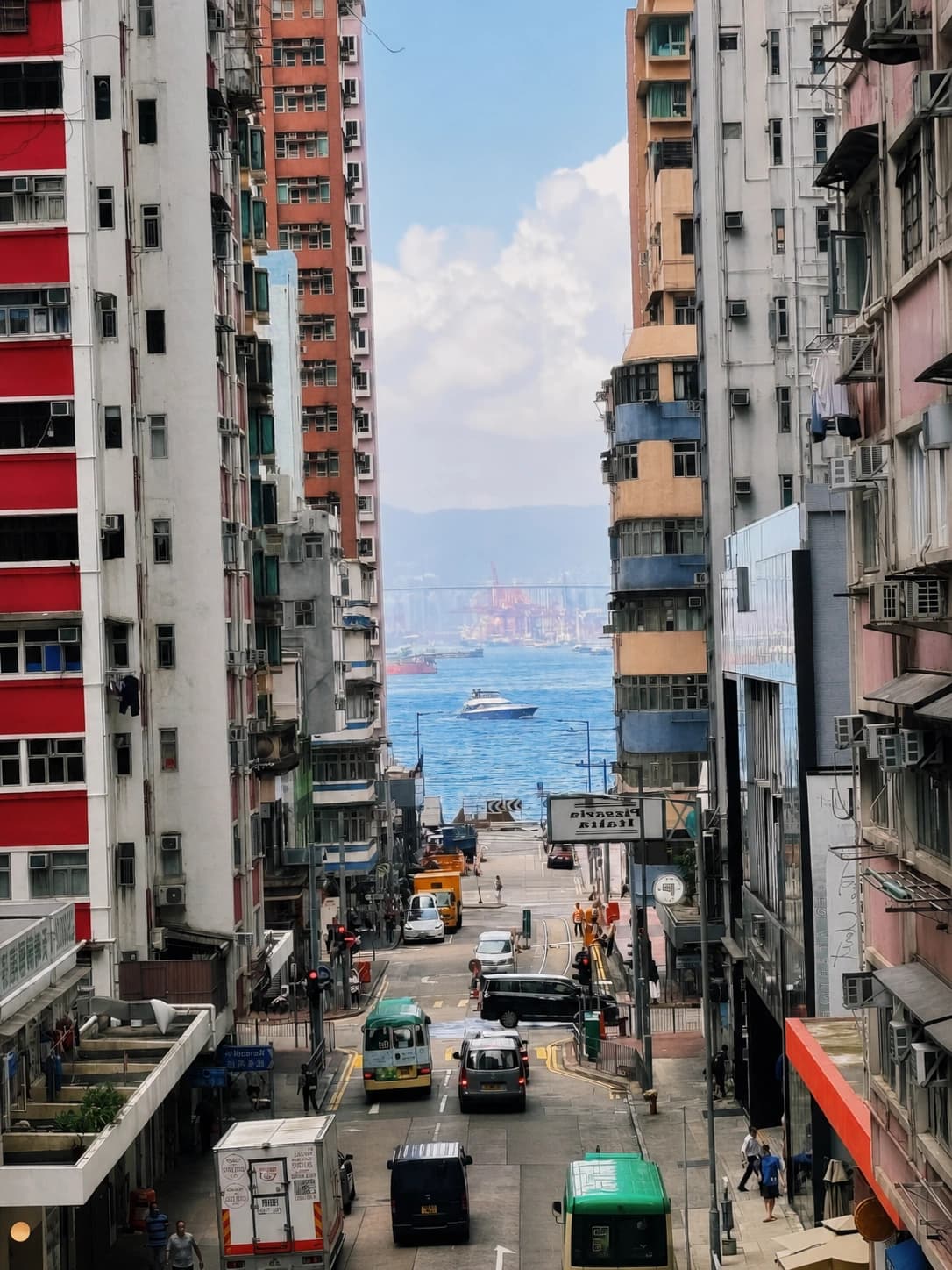
Do not expect every old building to have an accessible interior. Yau Ma Tei is also less visually uniform than a preserved heritage district: traffic, pharmacies, apartment blocks and ordinary commerce are part of the experience.
Getting There and Where to Stay
MTR: Yau Ma Tei Station serves the Tsuen Wan and Kwun Tong lines. Exit C is convenient for the northern part of the walk; Jordan Station is a practical finish after Temple Street. Use the official MTR app for the most suitable accessible exit.
Stay in Yau Ma Tei or Jordan if late food, markets, value-oriented rooms and fast MTR access matter more than a harbor view. Stay in Tsim Sha Tsui for the promenade, museums and Star Ferry, then visit Yau Ma Tei as an evening walk. Stay near Austin or West Kowloon when high-speed rail or the M+ and Palace Museum cluster drives the itinerary. Compare area-level options on Trip.com, but do not choose a hotel solely to be beside this one walk.
Practical Notes
- The street route is free; the Old Yau Ma Tei Police Station exhibition is ticketed.
- Carry some Hong Kong dollars for small vendors, while Octopus and cards cover most transport and larger businesses.
- Ask before photographing worshippers, fortune tellers, stallholders or workers.
- Look right first at crossings and follow signals; traffic approaches from the opposite direction many visitors expect.
- Allow 2–3 hours without a full meal or exhibition, and 3–4 hours with both.
For a longer Kowloon day, continue north through Mong Kok's markets or south to Tsim Sha Tsui. Trying to add both West Kowloon museums and the full evening market route usually makes the day too fragmented.