Tsim Sha Tsui
Tsim Sha Tsui (尖沙咀) is Hong Kong's easiest first-day district: one compact route combines the Star Ferry, the city's best-known skyline, film history, major museums and food from both old Kowloon and immigrant communities. Give it half a day if you only want the waterfront, or a full day when you add one museum and dinner.
The Best First-Time Walking Route
This route keeps the harbor in view and avoids shuttling between Nathan Road and the waterfront:
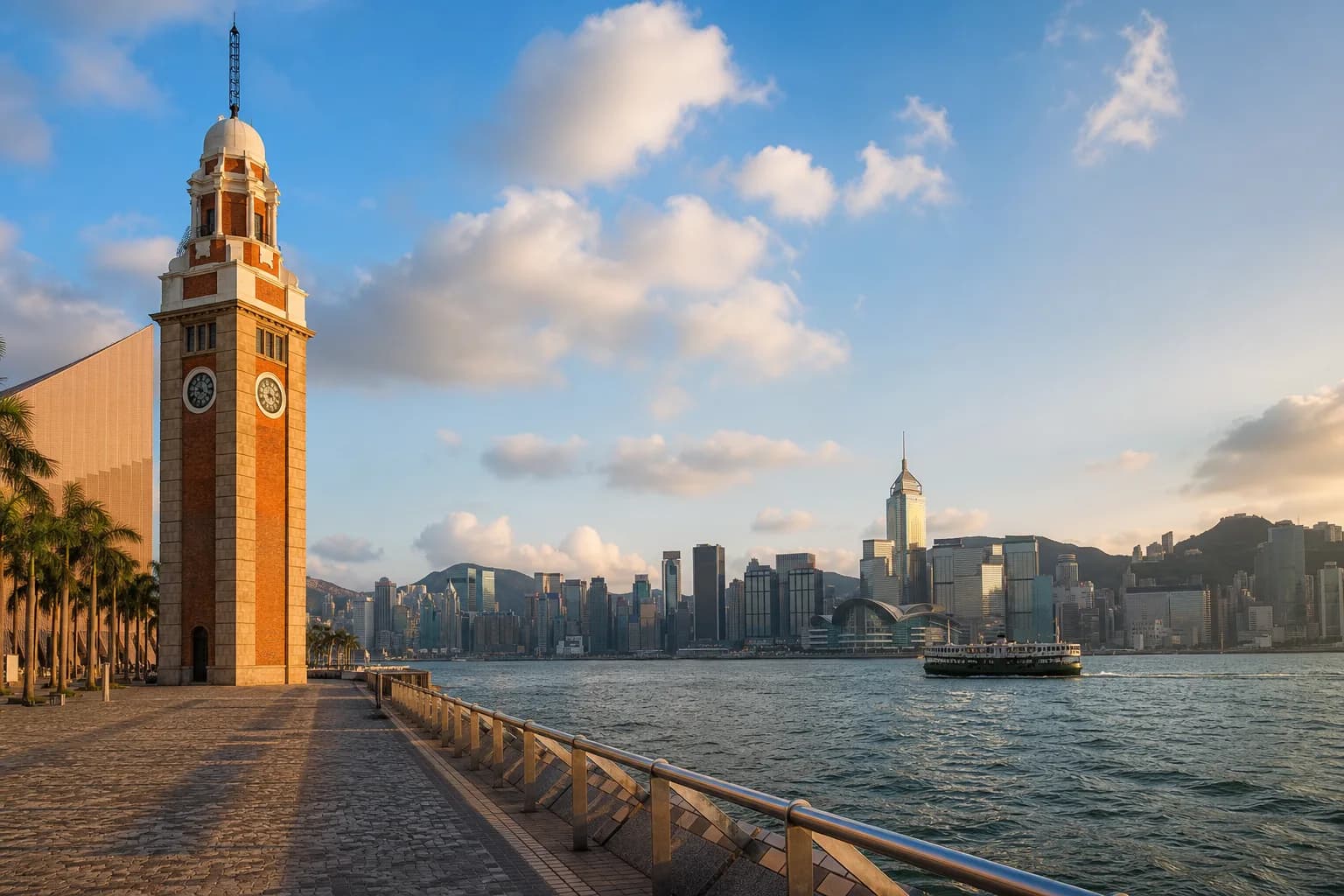
- Arrive by Star Ferry: take the ordinary ferry from Central when practical. The roughly 11-minute crossing is both transport and one of the city's cheapest skyline experiences.
- Clock Tower and Cultural Centre: step off beside the 1915 Clock Tower, the surviving marker of the former Kowloon–Canton Railway terminus. Check the Cultural Centre program only if a performance or exhibition genuinely interests you.
- Choose one museum: the Hong Kong Museum of Art works for Chinese art and Hong Kong visual culture; the dome-shaped Space Museum suits families and interactive science. Trying to do both before sunset usually weakens the rest of the day.
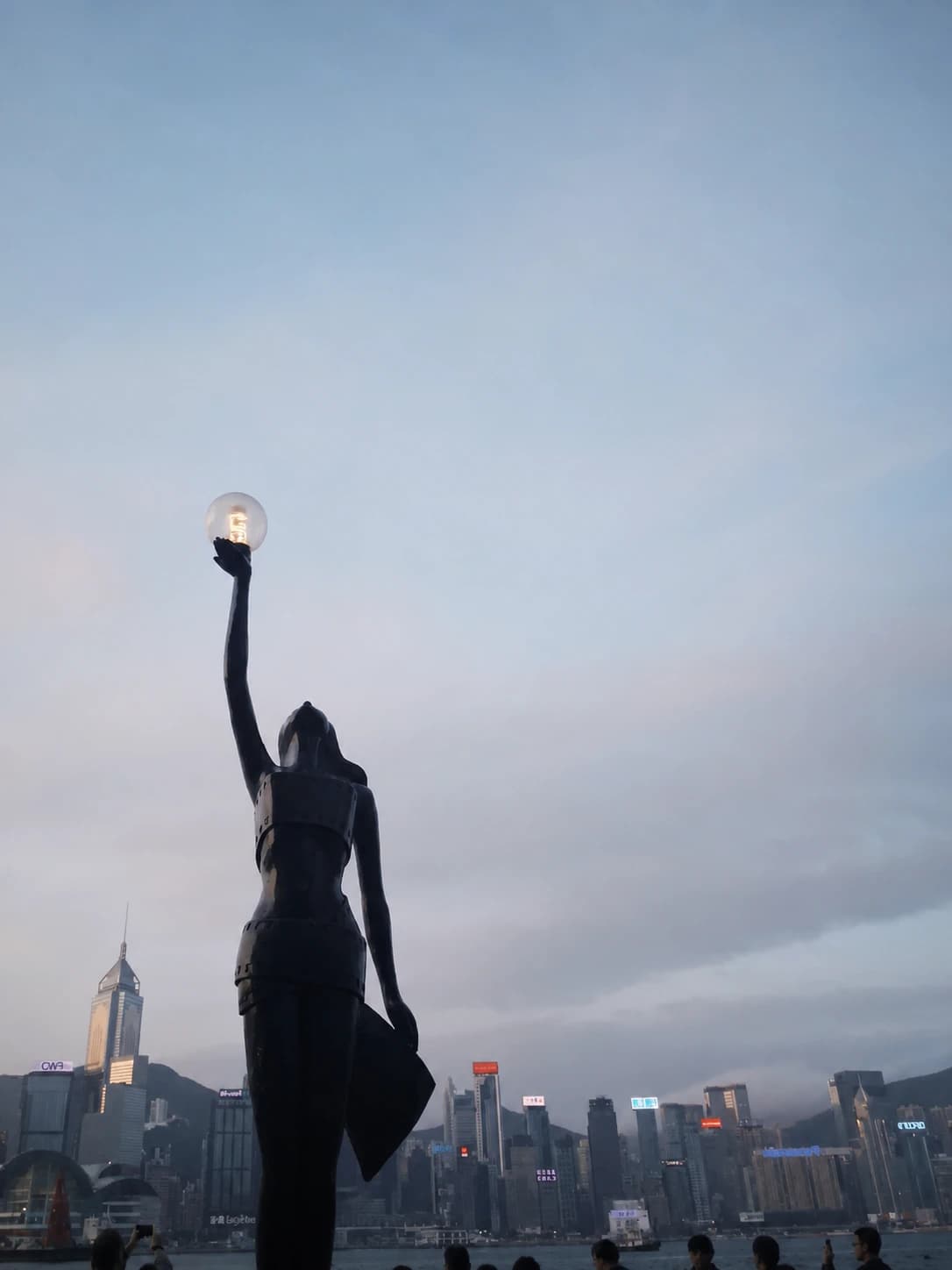
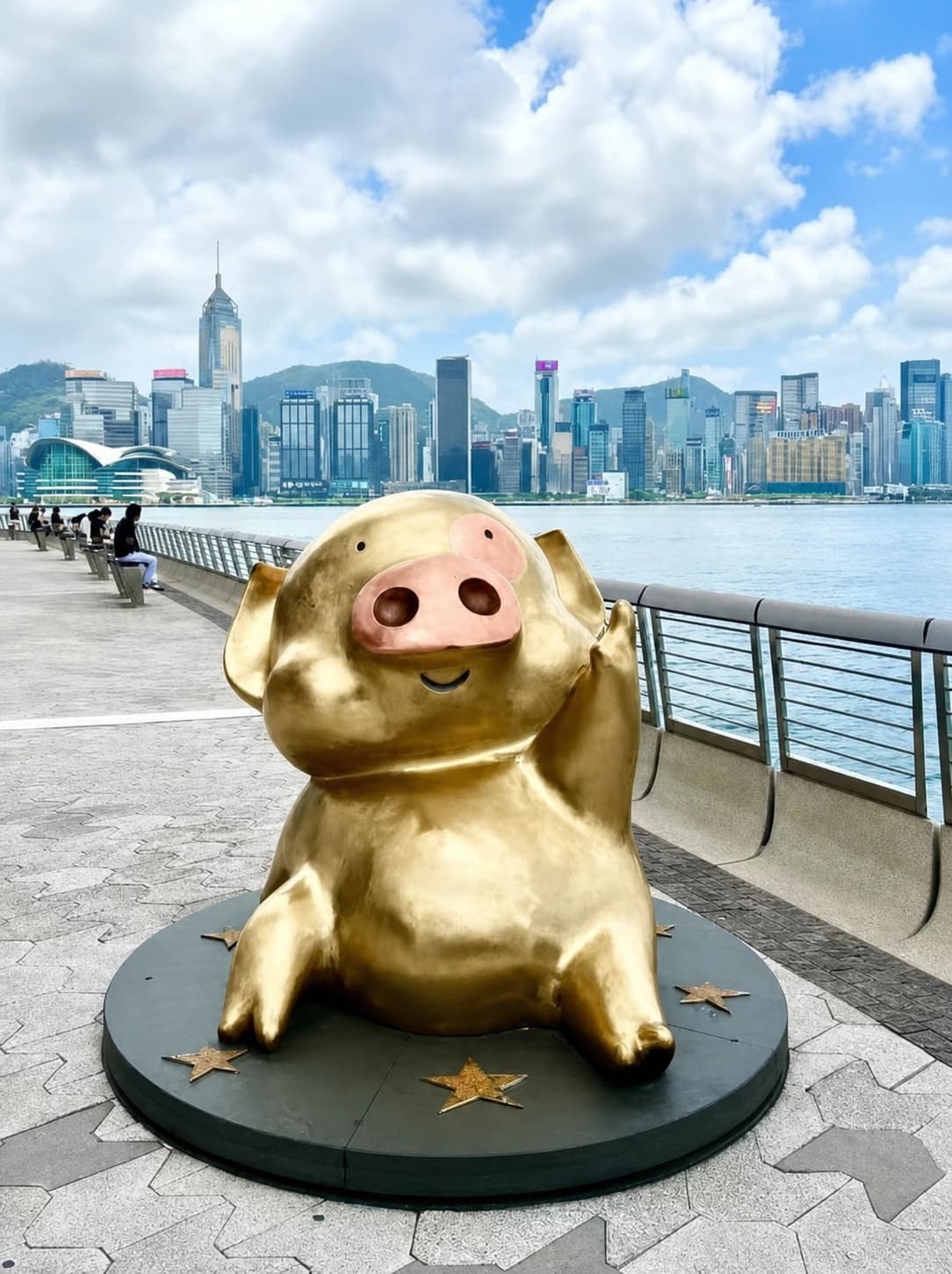
- Walk the Avenue of Stars: follow the waterfront past film handprints, the Hong Kong Film Awards statue and Bruce Lee. The route is about the relationship between cinema and the harbor, not just a row of celebrity names.
- Use K11 MUSEA as a weather break: its dramatic atrium, public art and food choices make it useful in heat or rain. It is still a luxury mall, so skip the retail floors if shopping is not part of your trip.
- Return inland through Mody Road or Middle Road: finish with either a local café around Granville Road or the multicultural food corridors of Chungking Mansions on Nathan Road.
The waterfront sequence is linear and clearly signed, so it does not need a schematic route image. A diagram would add decoration rather than prevent a navigation error. Continue east toward Hung Hom only if you want a longer promenade; otherwise end near Tsim Sha Tsui or East Tsim Sha Tsui MTR.
Time the Route Around Light, Weather and Crowds
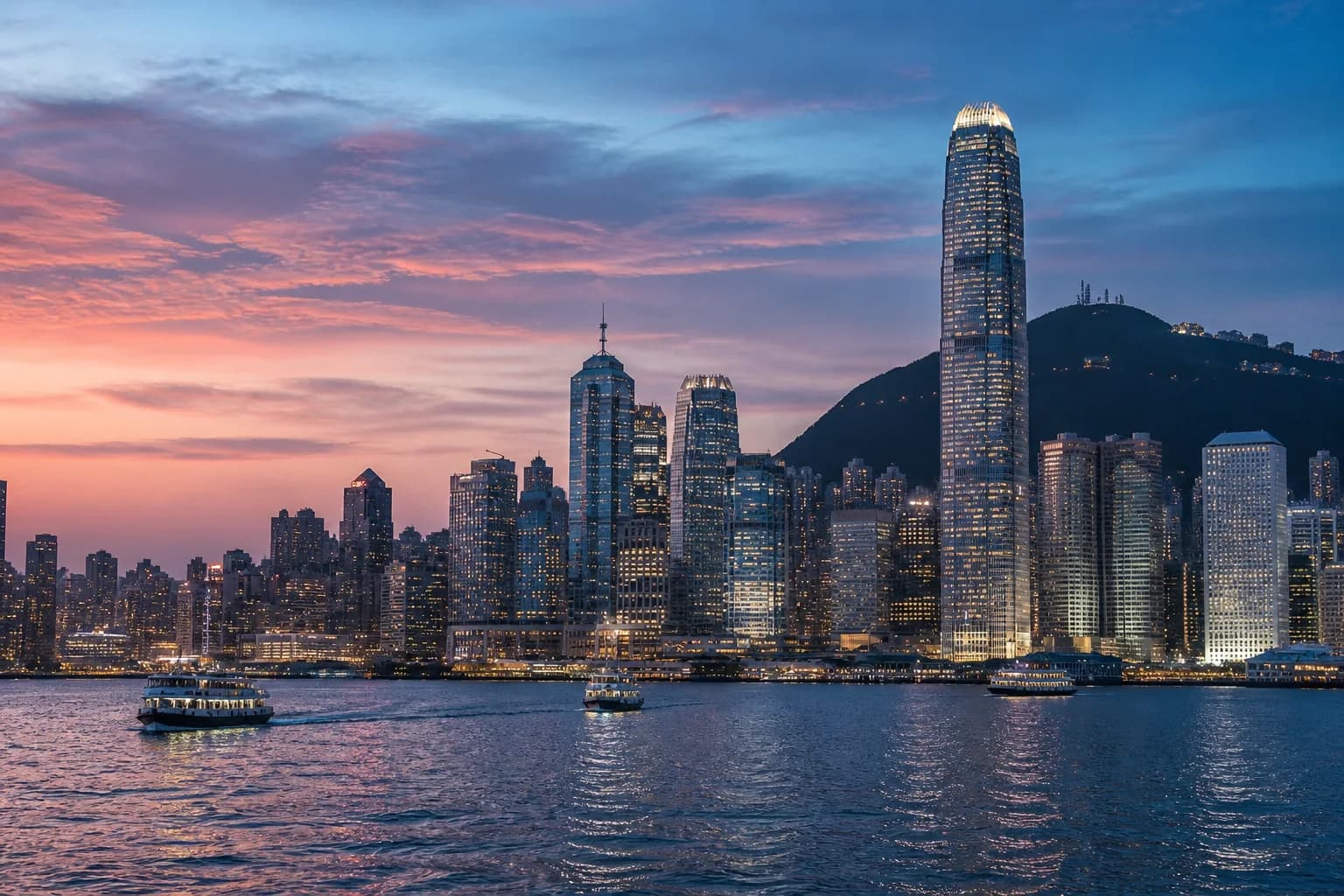
Morning is calmest for the Clock Tower and promenade, but the district's retail and dining layers wake later. Late afternoon to evening gives the strongest sequence: museum first, golden-hour waterfront, dinner, then night skyline.
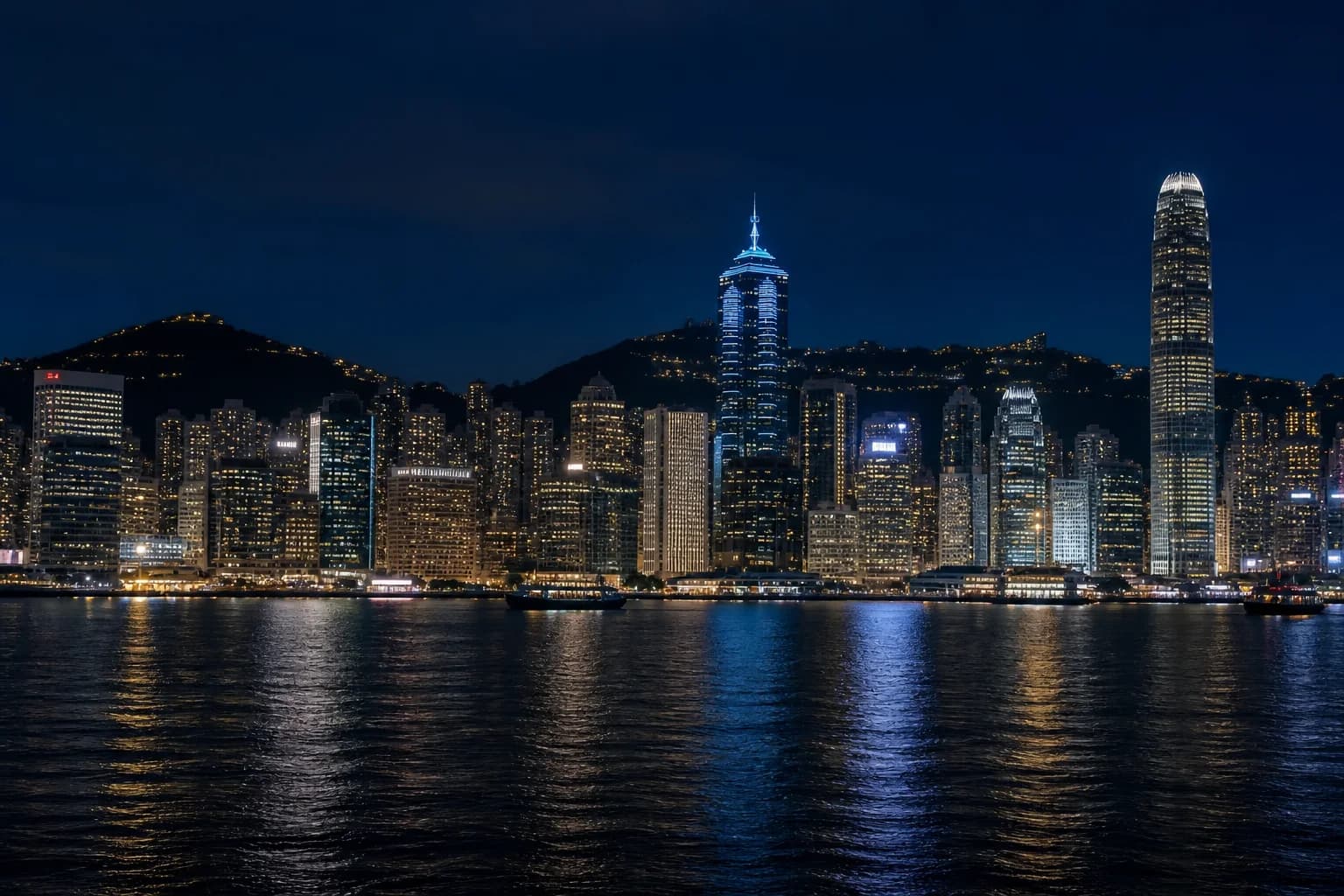
The daily A Symphony of Lights is scheduled for 8 pm and lasts about ten minutes, subject to weather or official cancellation. The Cultural Centre forecourt and Avenue of Stars are convenient, but not secret, viewing areas. Arrive early only if a front-row position matters; the skyline remains visible from a long section of the promenade.
On humid or rainy days, alternate outdoor segments with a museum or K11 MUSEA. Typhoon and rainstorm warnings can close venues or affect ferries, so check official notices rather than relying on a saved itinerary.
Pick the Right Museum, Not Every Museum
Hong Kong Museum of Art
Choose this for a two-hour cultural stop and harbor views from inside the building. Its collections connect Chinese antiquities, painting, calligraphy and Hong Kong art. Temporary exhibitions change, so check the current program instead of arriving for a remembered show.
Hong Kong Space Museum
Choose this for children, interactive displays or a dome-theatre program. The permanent exhibition ticket is inexpensive, while Space Theatre shows use separate tickets and time slots. The museum normally closes on Tuesdays except public holidays; verify same-day hours with LCSD because holiday arrangements and maintenance closures change.
Hong Kong Cultural Centre
Treat this as a performance venue rather than a conventional attraction. Its value depends on the calendar. If you do not have a ticket, the building and waterside setting take only a short stop.
Two Food Layers That Explain Tsim Sha Tsui
The district is more interesting when you skip the generic mall list and choose between two very different food stories.
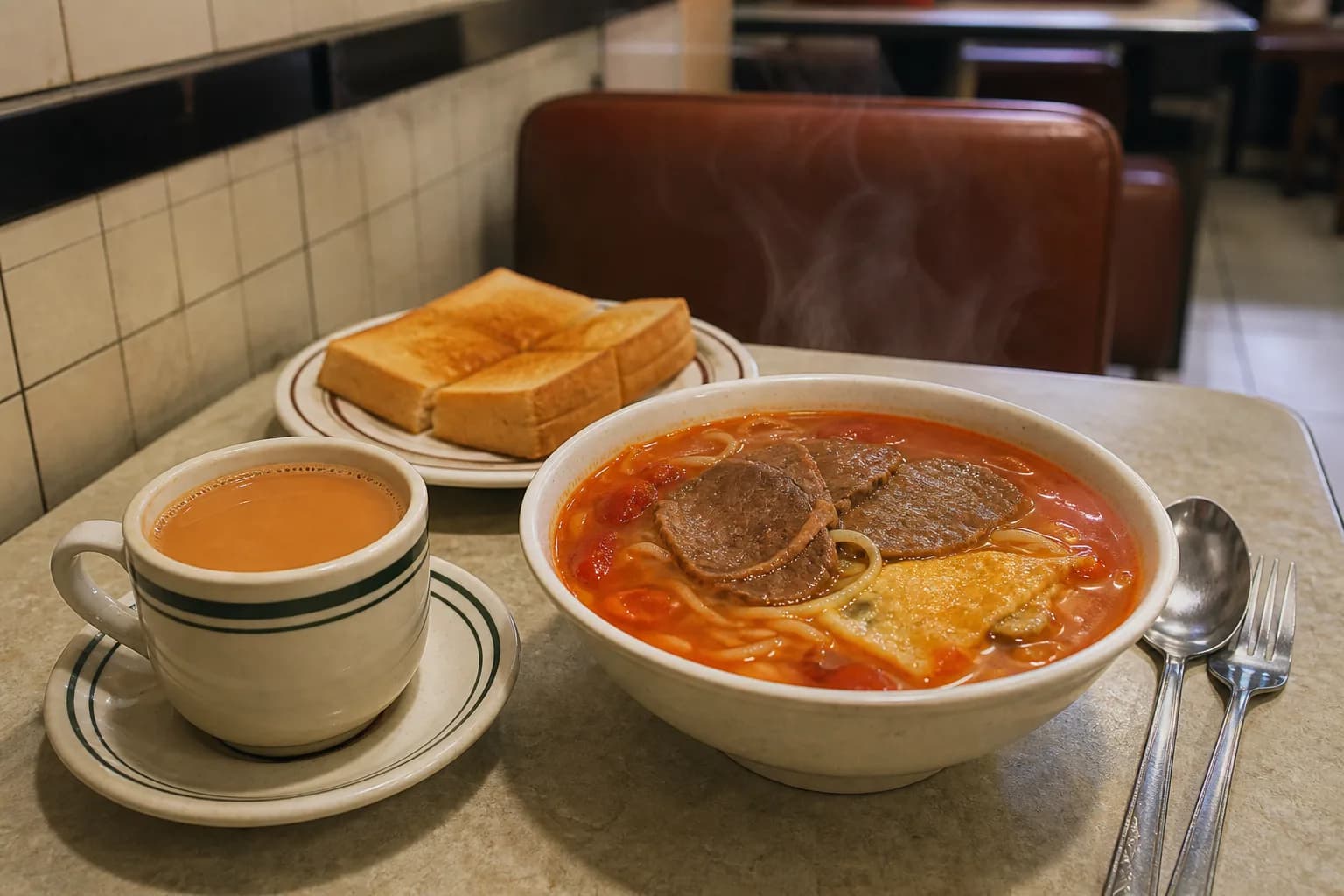
For old-school Hong Kong comfort food, walk to Star Cafe (星座冰室) on Granville Road. Its everyday interior and tomato-based noodle soup preserve the feel of a neighborhood bing sutt rather than a polished retro concept. It suits a quick, inexpensive meal; expect close tables and straightforward service.
For Tsim Sha Tsui's global layer, enter Chungking Mansions (重慶大廈) from Nathan Road. The ground-floor arcades and upper blocks support South Asian, African and Middle Eastern businesses, with Nepali momos, Indian or Pakistani sweets, dhal and chai among the useful starting points. It is a dense working building, not a themed food hall: ignore touts, confirm the restaurant and price before following anyone upstairs, and keep normal city awareness.
If neither appeals, eat around Jordan before or after the route rather than defaulting to an international chain. K11 MUSEA and Harbour City are reliable weatherproof fallbacks, but their main advantage is convenience and range, not a uniquely local meal.
What Is Worth Shopping For?
Tsim Sha Tsui contains both luxury megamalls and older mixed-use arcades. Harbour City works when brand shopping and the waterfront must fit into one stop. K11 MUSEA is more rewarding for architecture, public art and rotating events. Mirador and Chungking Mansions reveal small tailors, textile shops, food and travel services, but require more patience and price checking.
Do not build the day around a single viral shop: tenants, pop-ups and queues change quickly. Decide first whether you want luxury brands, independent services or simply an air-conditioned break, then choose one building that fits.
Getting There and Moving On
- Tsim Sha Tsui Station: Tsuen Wan Line; best for Nathan Road and the inland food/shopping layer.
- East Tsim Sha Tsui Station: Tuen Ma Line; linked to Tsim Sha Tsui by underground passages and convenient for the eastern waterfront.
- Star Ferry: Central–Tsim Sha Tsui service generally runs from about 6:30 am to 11:30 pm. As of 2026, adult fares vary by deck and day from roughly HK$4 to HK$6.50; check the official timetable before a late crossing.
- From the airport: the A21 bus is the simplest direct public option for many Nathan Road stops. Airport Express to Kowloon Station is faster on rails but still requires a taxi, bus or MTR connection to the district.
- From West Kowloon high-speed rail station: walk only with light luggage and mild weather; otherwise use a short taxi or the MTR connection via Austin.
Where to Stay
Stay in Tsim Sha Tsui for a first visit built around ferries, museums, shopping and late harbor walks; compare the exact block as carefully as the room because Nathan Road, the waterfront and Tsim Sha Tsui East feel different. Stay in Jordan or Yau Ma Tei for more street food, markets and generally better value while remaining one or two MTR stops away. Stay near Austin or West Kowloon when high-speed rail and the West Kowloon museums are priorities.
Use Trip.com to compare those areas, but inspect recent room-size, lift and noise reviews—two properties on the same block can offer very different experiences.
Practical Notes
- Allow 3–4 hours for the promenade and one meal, or 6–8 hours with a museum, shopping and the night skyline.
- Carry an Octopus card plus a little cash; set up an eSIM before arrival if you need immediate navigation.
- The waterfront is step-free in long sections, but underground passages and older buildings can complicate accessible routing; use signed lifts rather than the closest staircase.
- Keep the route compact by pairing it with Victoria Harbour or Yau Ma Tei, not a distant attraction on the same half-day.