Museum of the Nanyue King Guangzhou
The Museum of the Nanyue King is easy to misunderstand because it is not one building. It has two campuses roughly two kilometres apart in central Guangzhou:
- the King's Tomb Area beside Yuexiu Park, built around the burial place of Zhao Mo, the second king of Nanyue;
- the Palace Area beside Beijing Road, preserving the garden waterworks and layered remains of the kingdom's urban center.
For a first visit, the tomb is the priority. Its jade burial suit, imperial gold seal, carved jades and original archaeological context turn a distant kingdom into a human story. The Palace Area is the stronger second chapter: instead of treasure, it shows how Guangzhou's center was rebuilt on the same ground for more than two millennia.
Allow two to three hours for the tomb alone, or 3.5–5 hours for both campuses plus the transfer. Do not plan “half a day” without deciding which version you mean.
Tickets, reservations and opening hours
Both campuses normally open Tuesday–Sunday, 09:00–17:30, with ticketing and entry ending at 17:00. Monday is the regular closing day unless it falls within a national statutory holiday. Summer, winter and holiday extensions can alter the closing time, so check the official visit page and latest notice shortly before you go.
| Campus | Regular admission | Reservation and entry |
|---|---|---|
| King's Tomb Area | CNY 10 full price; CNY 5 eligible half price | Real-name booking through the official WeChat service, or valid-ID purchase where available |
| Palace Area | Free | Advance reservation through the official museum channel; overseas visitors use the reservation QR code at entry |
| Lower tomb chamber | Separate free capacity-controlled slot | Released through the museum system, normally bookable one day ahead; not included automatically in the main ticket |
The official ticket system supports multiple languages. Enter your passport details exactly and carry the original document or the valid ID used for booking. Free-admission categories are still “free but ticketed.” Temporary exhibitions may charge separately.
The Trip.com King's Tomb listing can help with current visitor reviews and live products, but the official museum channel controls real-name admission and the separate lower-chamber reservation.
King's Tomb route: history before treasure
A useful first-visit order is Nanyue history → tomb treasures → original tomb remains, adjusted to the current signed flow. This prevents the jade suit from becoming an isolated photo stop.
1. Build the historical framework
Start with the permanent Nanyue history display. The kingdom existed from 203 to 111 BCE and connected the Qin-Han political world with a distinctly southern environment and overseas exchange. Zhao Mo's tomb, found at Xianggang Hill in 1983, had not been looted and yielded more than 1,000 sets of objects.
The central question is not simply “How rich was the king?” Ask instead how imported ideas, local materials and imperial symbols were combined in Lingnan. That question makes the seals, incense, silver and jade far more memorable.
2. Slow down for four objects
- Silk-thread jade burial suit: 1.73 metres long and assembled from 2,291 jade pieces, silk thread and textile backing. Look at the uneven shapes: the official collection notes that parts used old jade or offcuts rather than identical machine-like tiles.
- “Emperor Wen's imperial seal” gold seal: found near the tomb owner's chest. The inscription and dragon-shaped knob support his identity and show that the Nanyue ruler adopted an imperial title within his own realm.
- Openwork dragon-and-phoenix jade pendant: a lesson in negative space. Instead of photographing it and moving on, trace how the creatures pass through the concentric design.
- Objects of long-distance exchange: the Persian-style silver box and Red Sea frankincense evidence help explain Guangzhou's early maritime connections without pretending that the later Maritime Silk Road already existed in its mature form.
3. Treat the tomb as architecture, not a tunnel
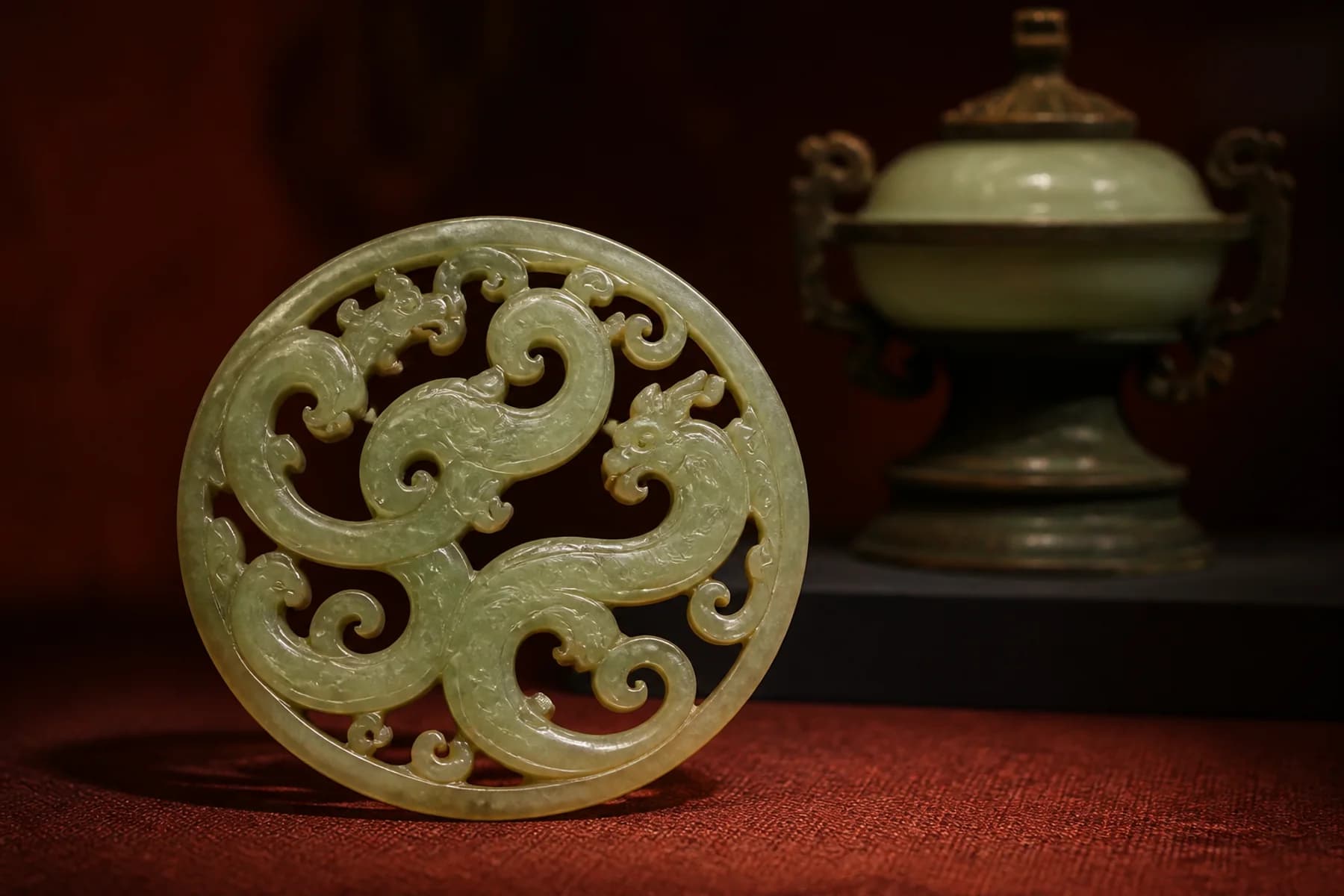
The painted stone-chamber tomb is the reason the museum stands here. Availability of the original-site area and lower chamber can change for conservation, safety or crowd control. If your separate lower-chamber slot is unavailable, the visit is still worthwhile: use plans, section drawings and the upper viewing route to understand the chamber layout.
Inside a confined archaeological space, keep your bag close, do not touch masonry, and follow one-way instructions. Flash and tripod restrictions can vary by gallery; current signs take priority.
Two-campus route and transfer
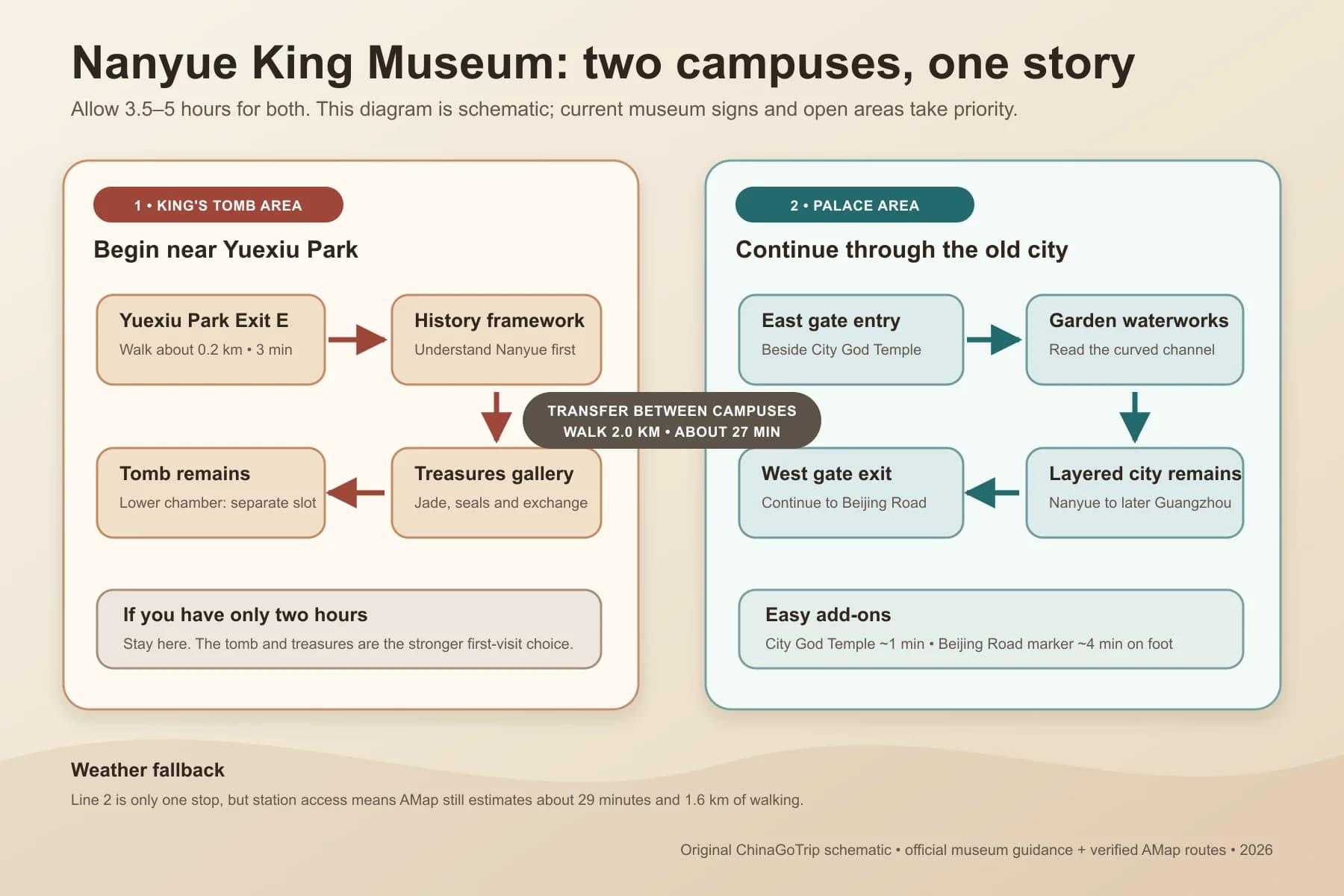
This is an original planning schematic, not a scale map. It combines the museum's current entry guidance with verified AMap routes; follow live signs and staff instructions inside each campus.
The clearest sequence is King's Tomb in the morning → Palace in the afternoon → Beijing Road food and evening walk. AMap measures the transfer at about 2.0 km and 27 minutes on foot. The direct walk is sensible in mild weather and keeps you on the old-city axis.
Line 2 is only one metro stop between Yuexiu Park and Gongyuanqian, but station access and walking make the complete trip about 29 minutes in the checked AMap route, including roughly 1.6 km on foot. Use the metro for rain, heat or reduced mobility—not because it necessarily saves time.
Palace Area: learn to read the ground
Enter through the east gate at 316 Zhongshan 4th Road, beside the City God Temple, and leave through the west side near Beijing Road unless current crowd control says otherwise. The palace campus rewards a different style of attention from the tomb.
The headline feature is a royal garden system combining a large stone-lined pool with a roughly 160-metre curved stone channel. The bends, stepping stones, bridges and changes in water level were deliberate landscape design, not a modern decorative stream. Archaeologists have also found palace foundations, drainage, wells, roads and later buildings.
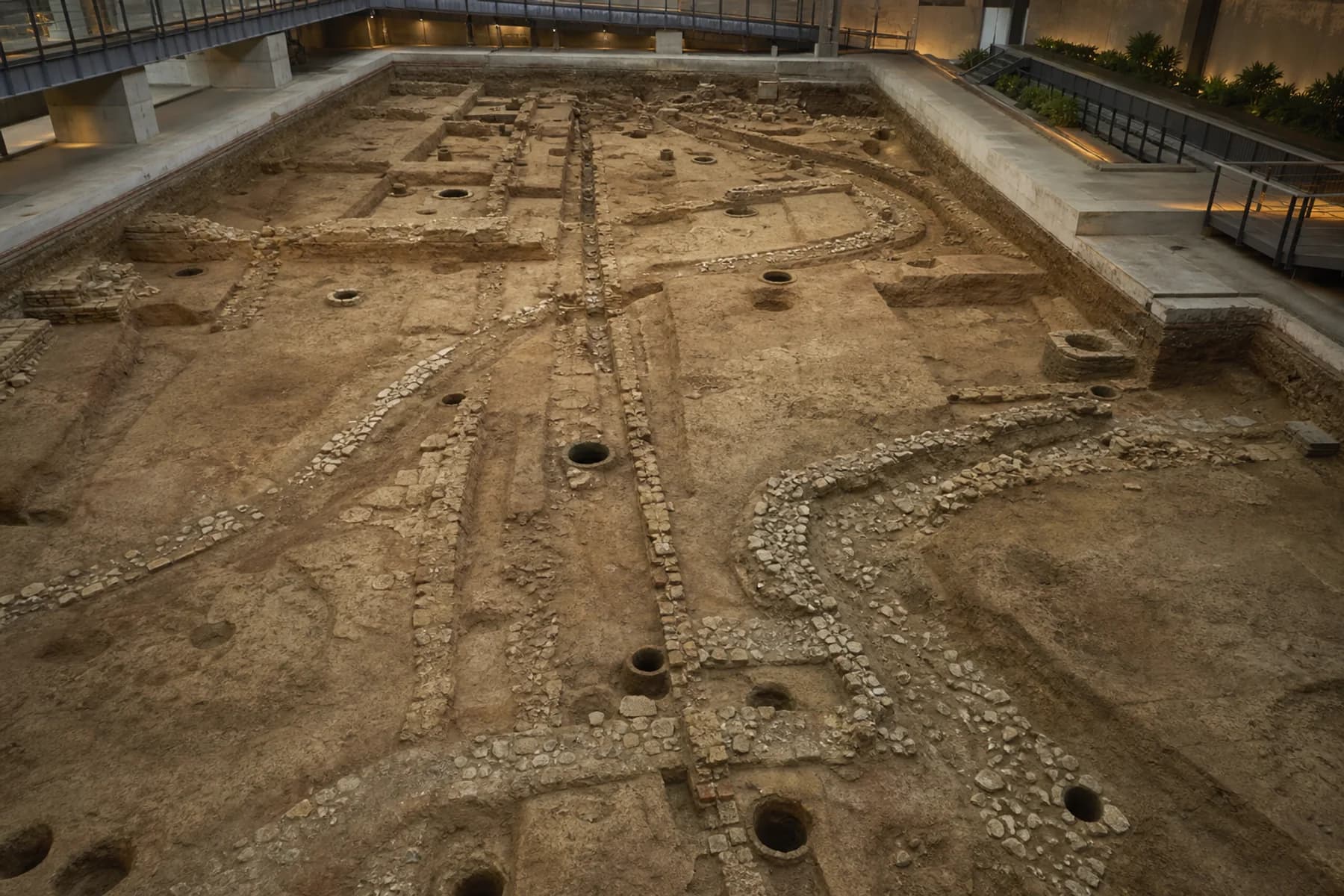
The wider site contains 27 layers associated with 12 historical eras, from Qin and Nanyue through later dynasties and modern Guangzhou. Look for places where one wall cuts across another. Those interruptions are the story: the city center moved through regimes without moving far geographically.
Suggested order:
- curved stone channel and garden-water explanation;
- palace foundations and drainage details;
- later historical layers and the Guangzhou urban-axis display;
- west-gate exit toward Beijing Road.
Some halls or wells can close for exhibition changes. A closed room should shorten your visit, not invalidate it; the archaeology is the core.
Getting to each campus
King's Tomb Area: take Metro Line 2 to Yuexiu Park Station, Exit E. AMap verifies an approximately 0.2 km, three-minute walk to the museum map location. The address is 867 Jiefang North Road.
Palace Area: take Line 1 or 2 to Gongyuanqian Station, Exit F. AMap measures about 0.7 km and nine minutes to the Palace Area. The official visitor entrance is the east gate near the City God Temple, not whichever map pin looks closest.
From the Palace Area, AMap places the City God Temple effectively next door and the central Beijing Road pedestrian marker about four minutes away. Actual walking around barriers and crossings can be longer.
What to eat after the museum
The two campuses suggest different food zones. Around the tomb, Xihua Road is better for everyday snacks than the immediate attraction gate. Around the Palace Area, continue into Beijing Road, Huifu West Road and the lanes toward Wenming Road rather than choosing the first brightly branded storefront.
Build a meal from contrasting Guangzhou textures:
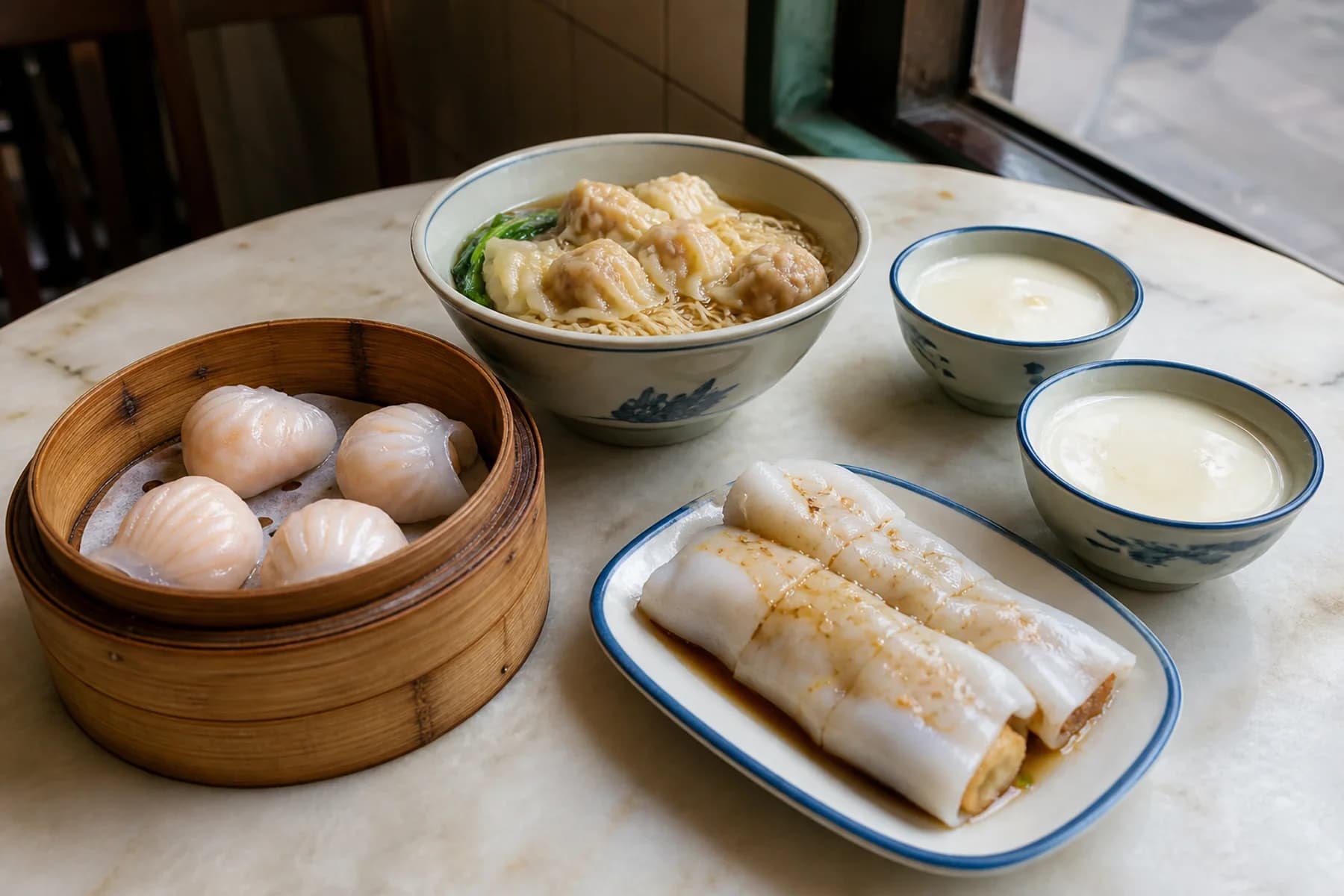
- har gow for translucent wrappers and springy shrimp;
- cheung fun for soft rice sheets, eaten soon after steaming;
- wonton noodles with thin, firm noodles rather than a heavy northern-style broth;
- double-skin milk or ginger milk pudding for a cool finish;
- seasonal herbal tea when the weather is humid, but ask how bitter it is before ordering a large cup.
Use recent Chinese-map reviews to confirm that a shop still occupies the address and serves the dish you want. Famous historic names can have several branches with very different queues and atmosphere.
Where to stay for this route
- Gongyuanqian / Beijing Road: the best base for this museum pair, old-city food and easy Line 1/2 connections.
- Yuexiu Park: quieter at night and closest to the tomb; practical for families who prefer a slower morning.
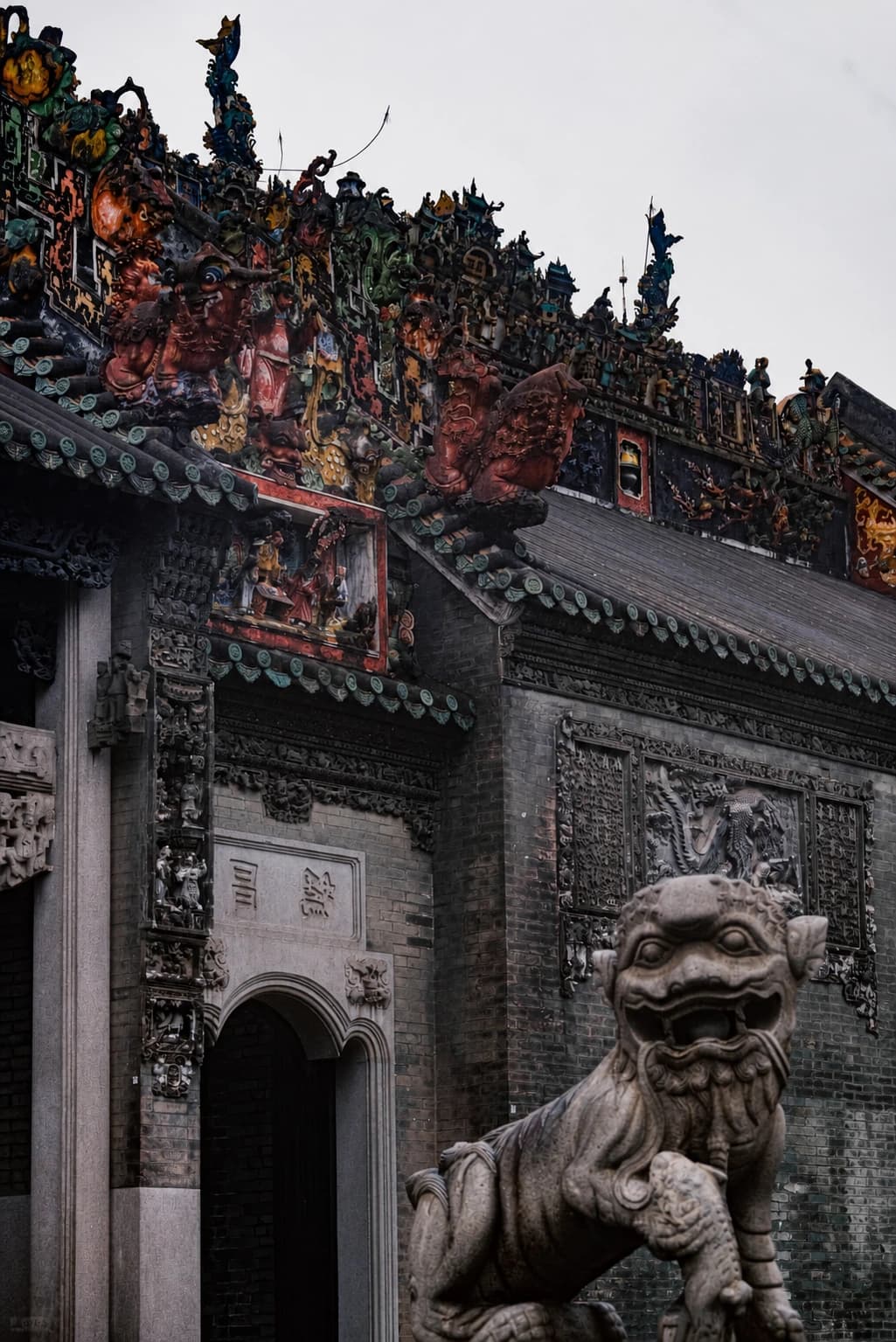
- Liwan / Changshou Road: stronger for traditional food, arcades and access to the Chen Clan Ancestral Hall, but less convenient for the Palace Area.
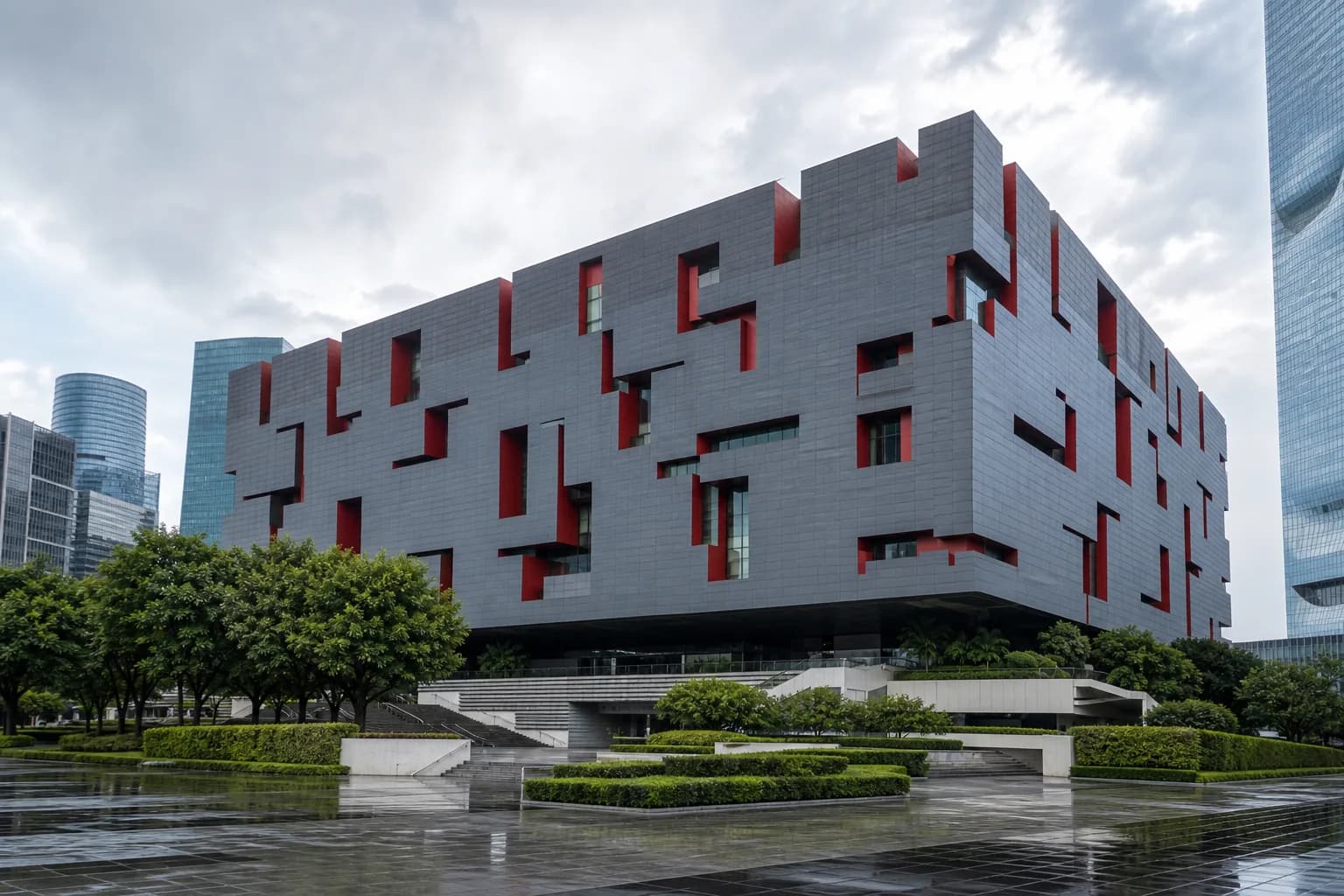
- Zhujiang New Town: choose it for modern business hotels and the Guangdong Museum, not for old-city atmosphere.
Compare Guangzhou hotels on Trip.com, prioritizing a short walk to a metro entrance, recent non-smoking-room reviews and realistic breakfast hours.
Choose the right itinerary version
Two-hour history stop: King's Tomb only. See the history framework, core treasure gallery and tomb viewing route.
Half-day archaeology route: King's Tomb first, transfer to the Palace Area, then finish at Beijing Road. Skip a long lunch until after the palace.
Old Guangzhou day: King's Tomb, Palace Area, City God Temple, Beijing Road archaeology under the pedestrian street, then dinner. Add Yuexiu Park only if you start early and still want outdoor time.
The mistake to avoid is treating both campuses as interchangeable branches. The tomb explains a ruler through objects and burial architecture; the palace explains a city through water, foundations and repeated rebuilding. Visit both only when you have time to notice that difference.