Shamian Island Guangzhou
Shamian (沙面, Shāmiàn) is a compact historic district beside Guangzhou's Pearl River, known for tree-lined streets and a large group of nineteenth- and early-twentieth-century buildings. It is often described as a peaceful “European island,” but its architecture grew from a coercive concession system after the Second Opium War. A good visit holds the attractive urban landscape and that unequal history together.
A Simple 60- to 120-Minute Walk
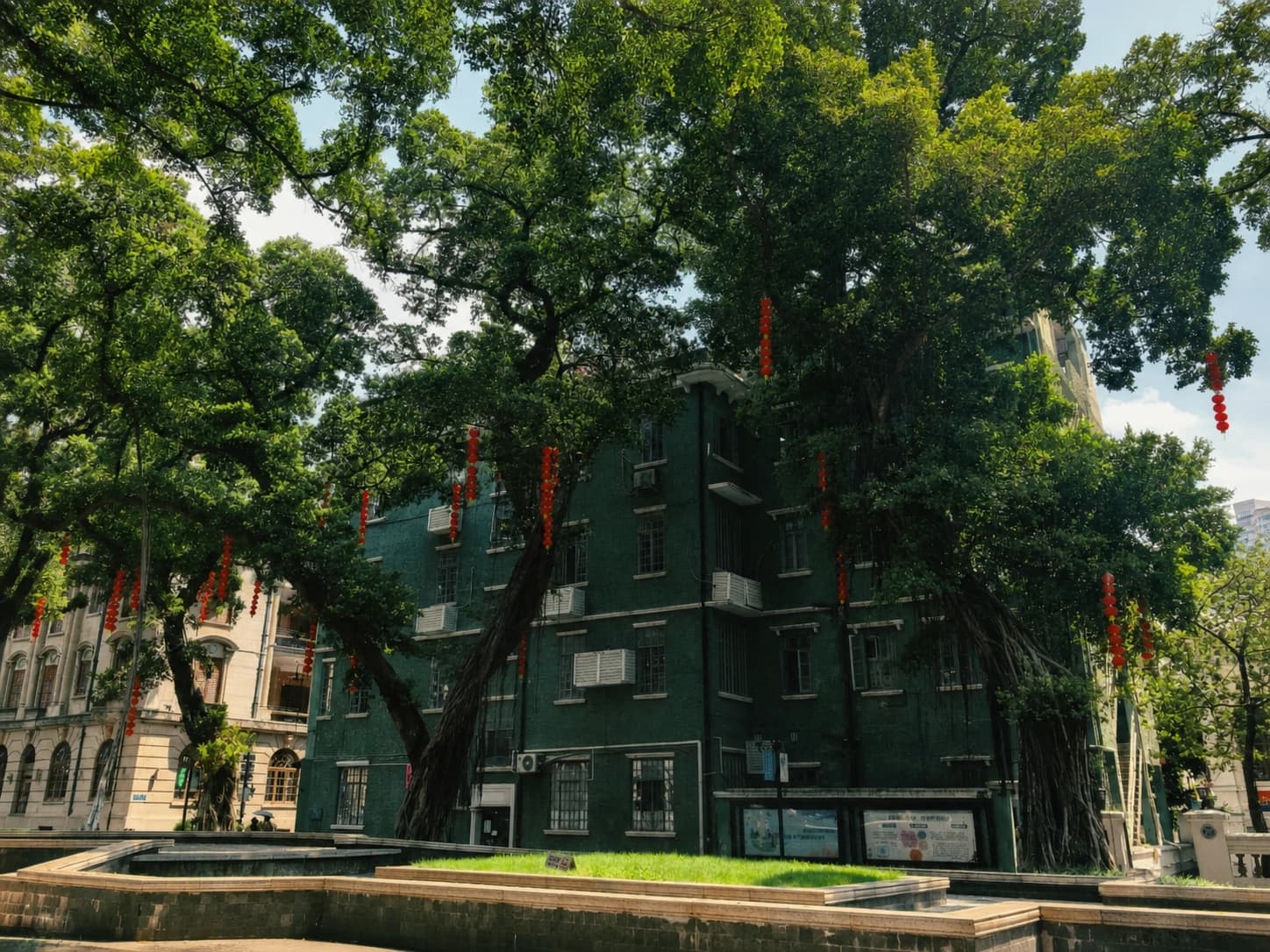
Start on Shamian Street (沙面大街), the broad central green axis. Walk one direction beneath the trees, then return by a parallel side street so the architecture changes rather than repeats.
- Central avenue: step back to see whole rows—arcades, balconies, columns, window surrounds and mature planting work as a street ensemble.
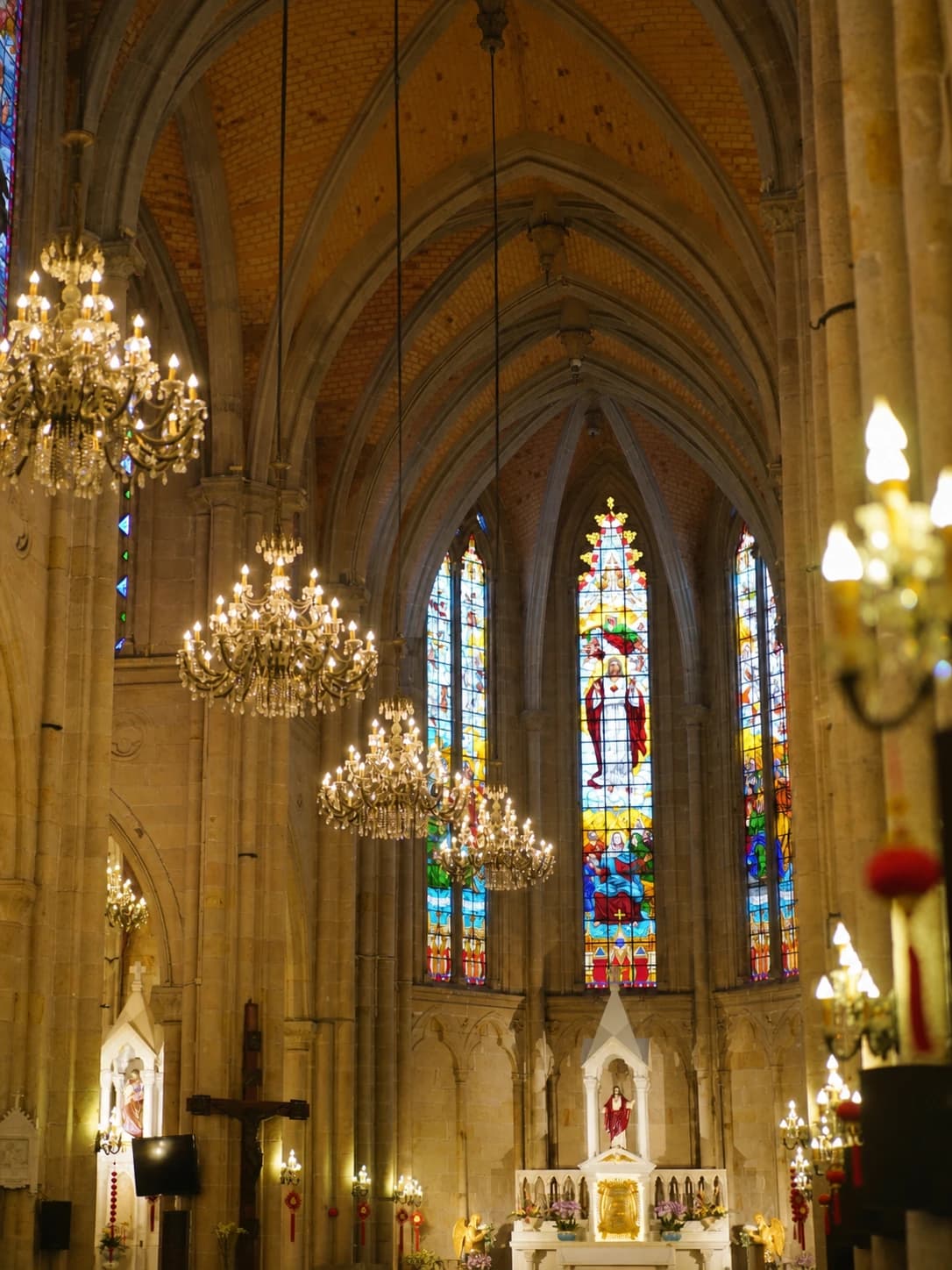
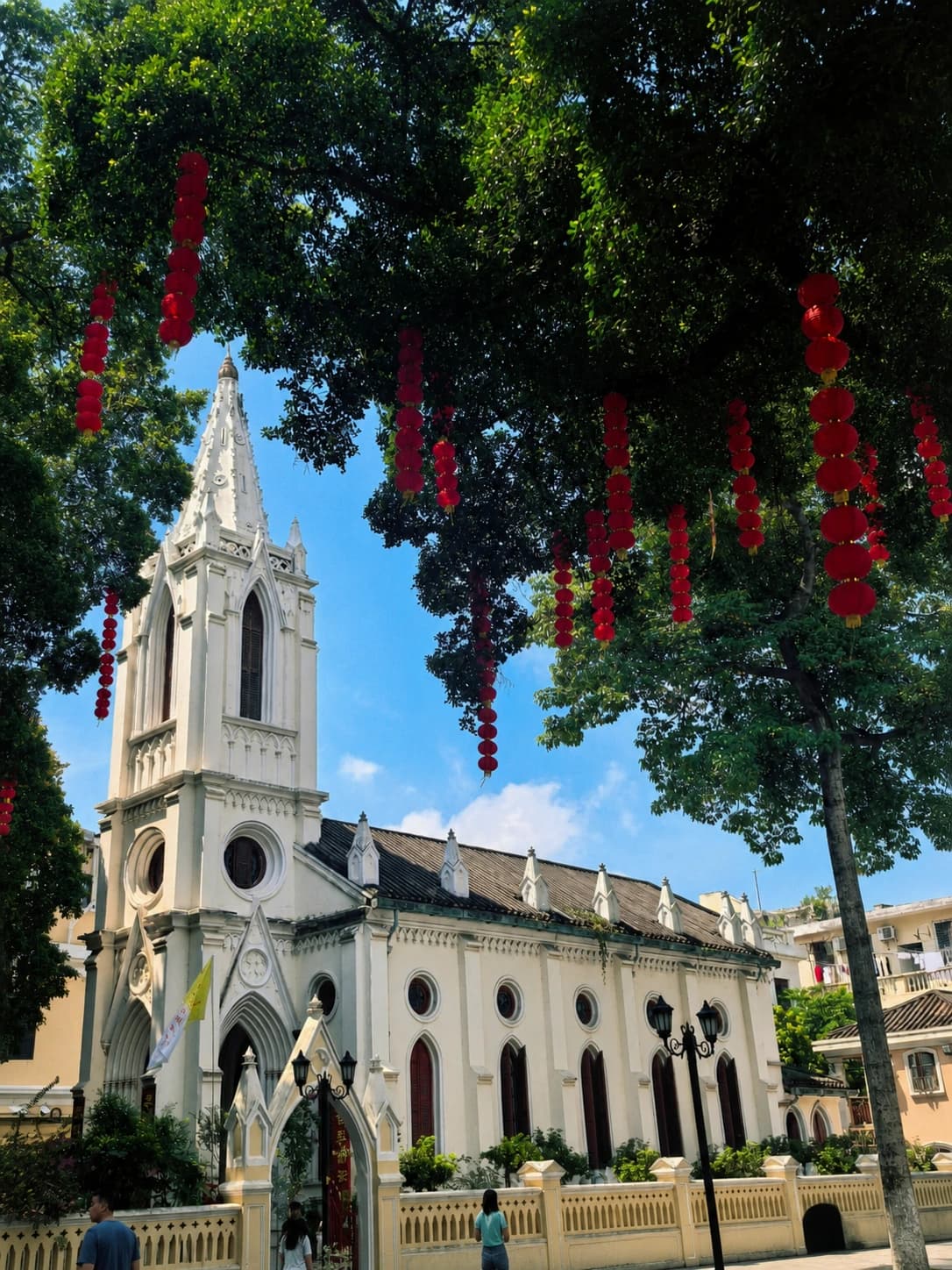
- One religious exterior: choose Our Lady of Lourdes Chapel or another open religious site, but check service and visitor access before entering.
- One former commercial or diplomatic building: use its current plaque to understand the original function. Many buildings remain offices, hotels, residences or institutions.
- South riverfront: finish at the old stone embankment and public promenade, where the island's relationship with shipping and the White Swan Pond is easiest to see.
The aim is not to collect every former consulate pin. Twenty buildings photographed without reading their current plaques become interchangeable; three carefully chosen examples explain more.
Understand the Island's History
Shamian was shaped into an island after Britain and France compelled Qing authorities to establish concessions here in 1859. Foreign banks, trading firms, consulates, churches and residences followed. China recovered formal administration in 1946.
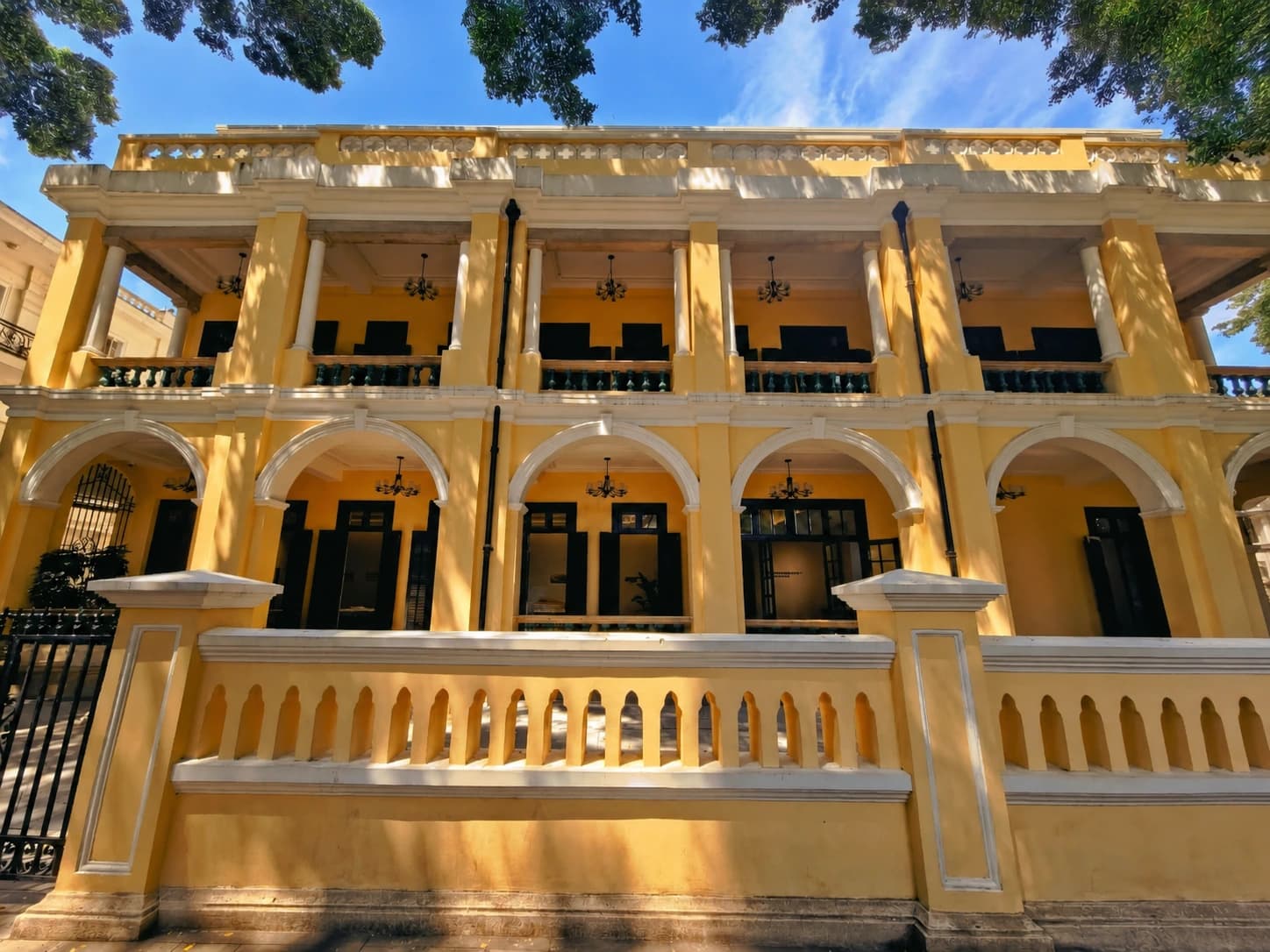
Current Guangzhou sources describe more than 150 European-influenced buildings and 53 nationally protected buildings or sites. These numbers refer to a diverse historic group, not 150 museums open to the public. Look for Neoclassical, veranda, Gothic-inspired, Baroque and hybrid details without assuming a façade's style proves its date or original use.
The old stone embankment and landing steps are also heritage. They explain that Shamian was a working trade and river-transport district, not simply a backdrop designed for modern photography.
Free Streets, Conditional Interiors
There is no general island admission ticket. Public streets, green spaces and normal riverfront paths are free. Churches, exhibitions, hotels, restaurants and heritage interiors set their own hours and access rules.
Guangzhou approved a new protection-and-revitalisation project for the district in August 2026. Conservation scaffolding, temporary closures and changed pedestrian channels should therefore be expected. Never enter a building because an old guide labels it a gallery; read the current entrance notice.
Getting There and Continuing West Guangzhou
Take Metro Line 1 or 6 to Huangsha Station and follow current signs toward Shamian. The usual walk is roughly seven to ten minutes, but station exits and construction detours can change. Culture Park Station is another useful approach when arriving from the east.
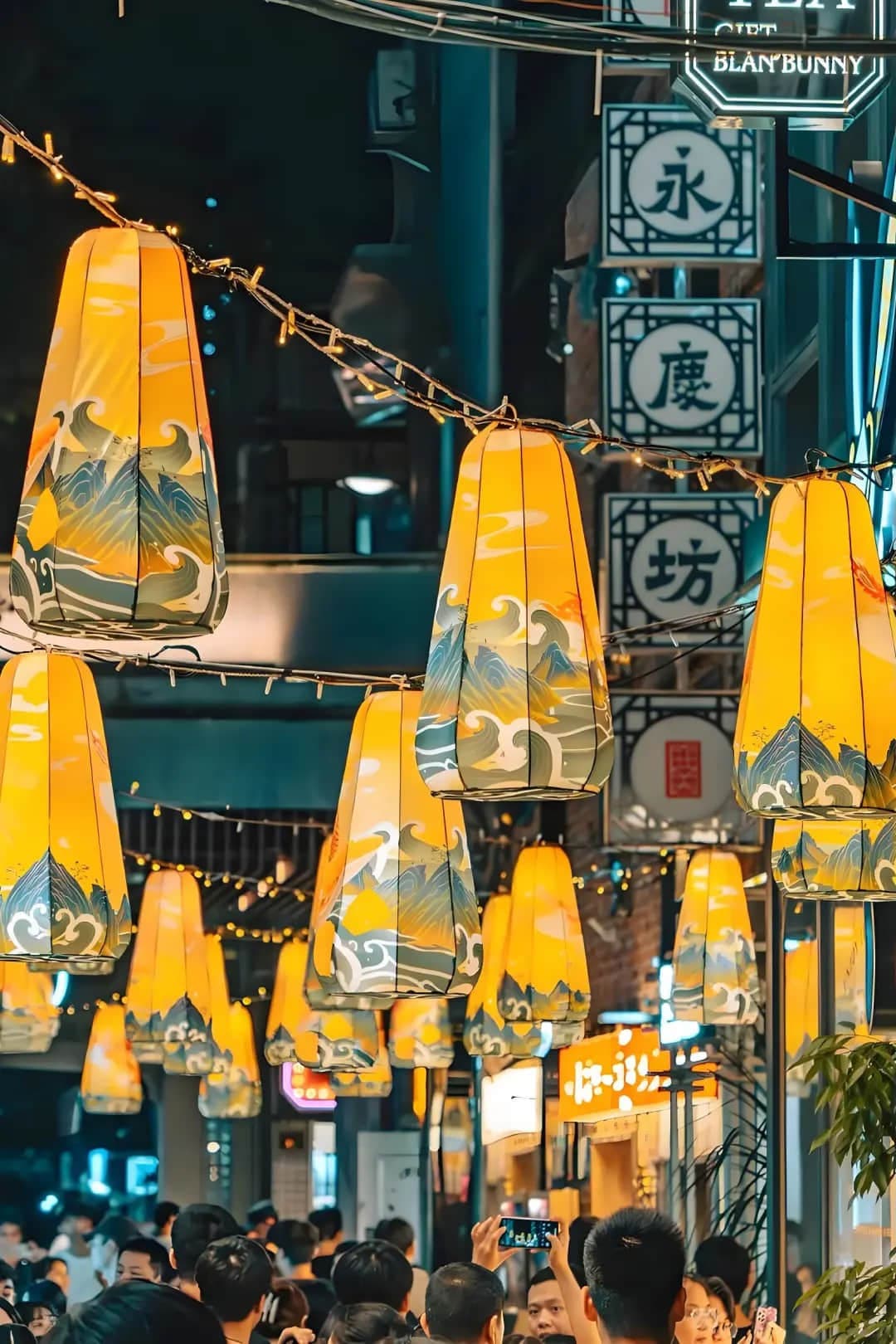
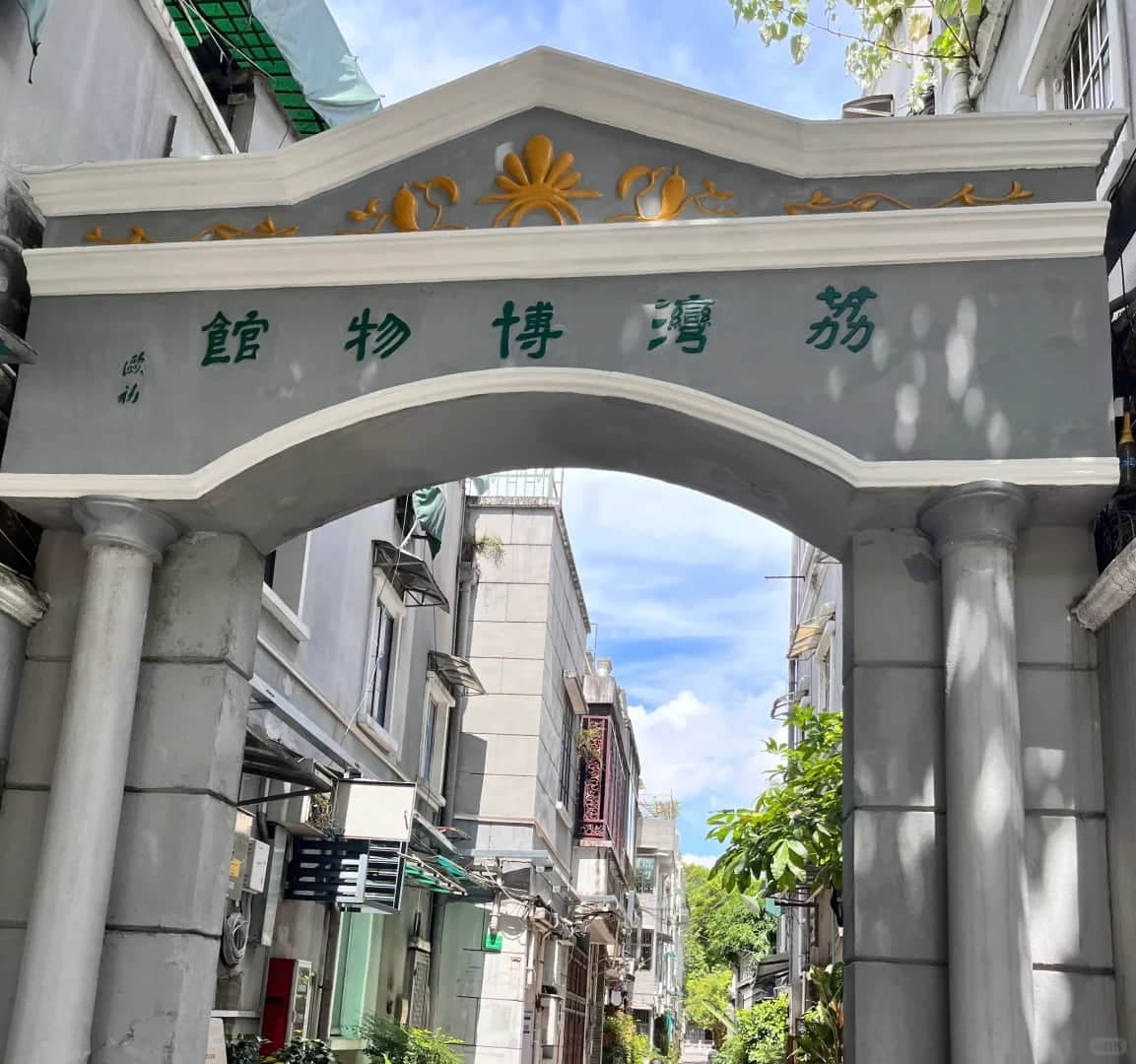
Pair Shamian with Yongqing Fang only if you have energy for another urban walk. Take a seated break around Huangsha between the two districts. Liwan Museum requires a daytime museum slot and should not be treated as an evening extension.
Comfort, Photography and Respect
Weekday mornings bring softer activity; late afternoon gives better façade light but more portrait sessions. Guangzhou's heat, humidity and rain matter more than season labels. Carry water, use shade and avoid slippery stone near the river after storms.
Keep private entrances clear, ask before photographing people, lower your voice around services and do not move props or climb protected steps. The public waterfront has a strong current beyond it; remain behind barriers.
Shamian works best as a short historical walk with time to sit. Its value lies in the whole street pattern, layered history and river edge—not a restaurant list or a single “European” photo.