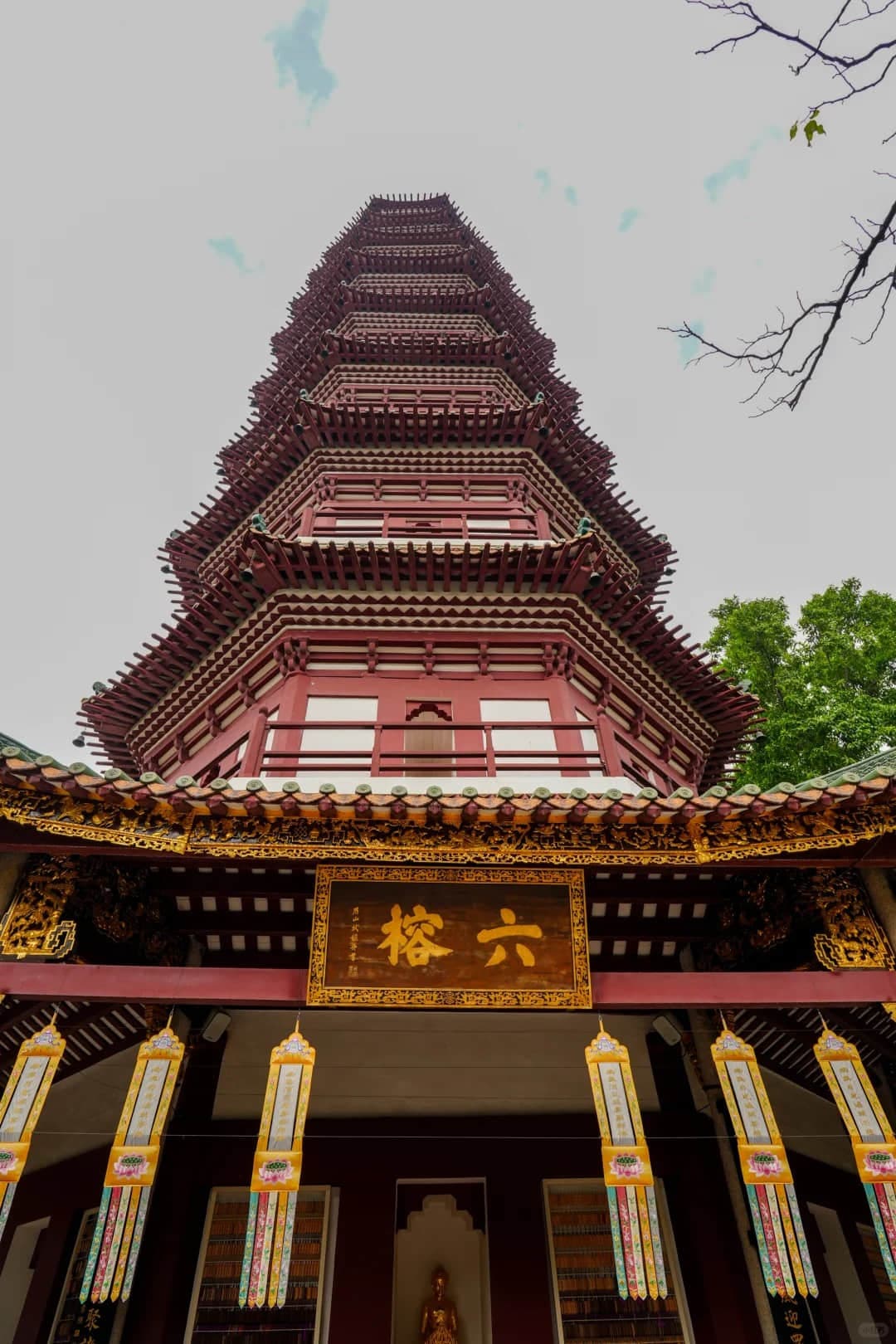
Guangdong Museum
Guangdong Museum is most useful when it explains why Lingnan developed differently: a subtropical environment, a long coastline, river trade, migration and craft networks all meet here. It is also a practical indoor anchor for Guangzhou's hottest or wettest hours.
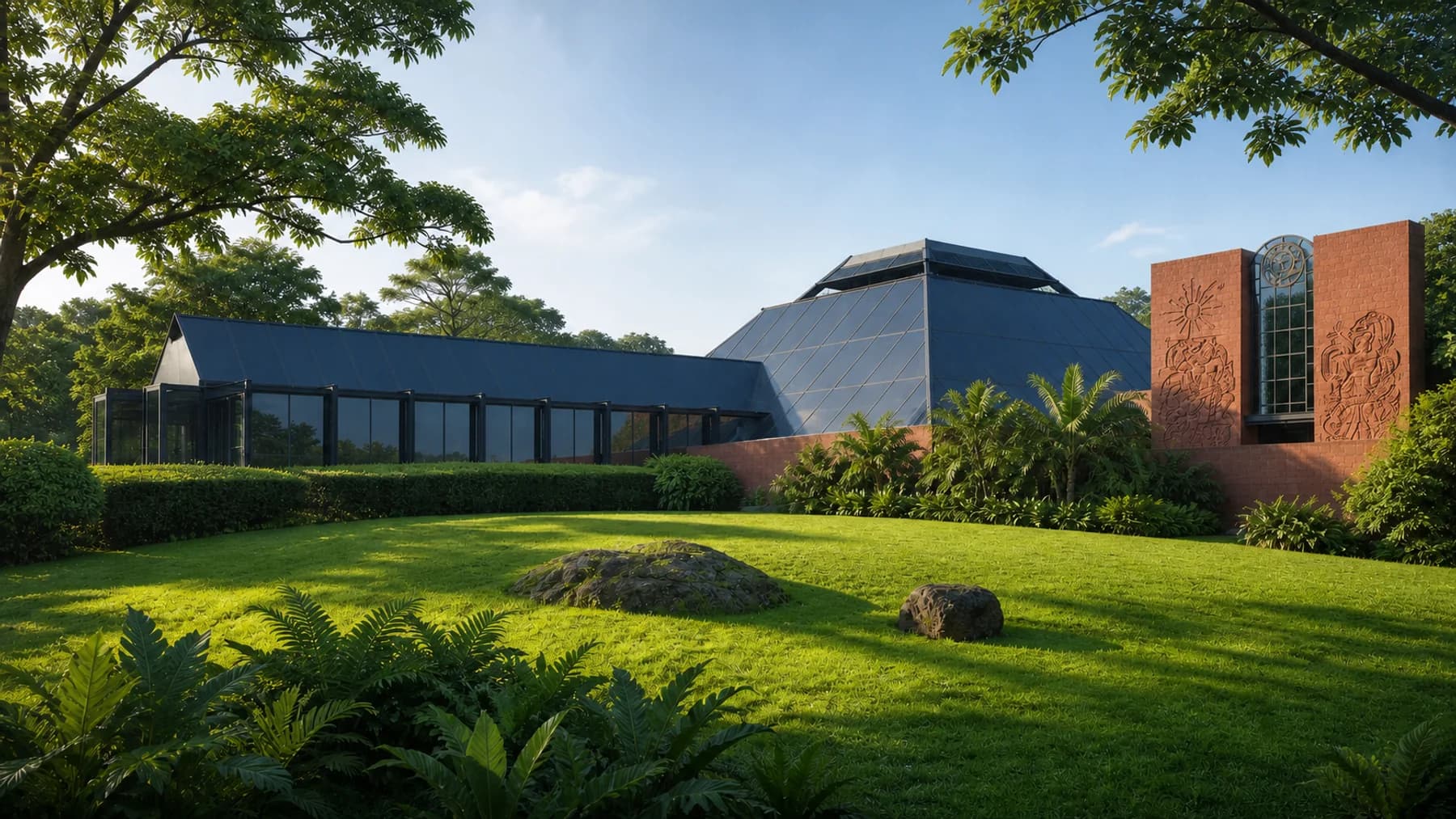
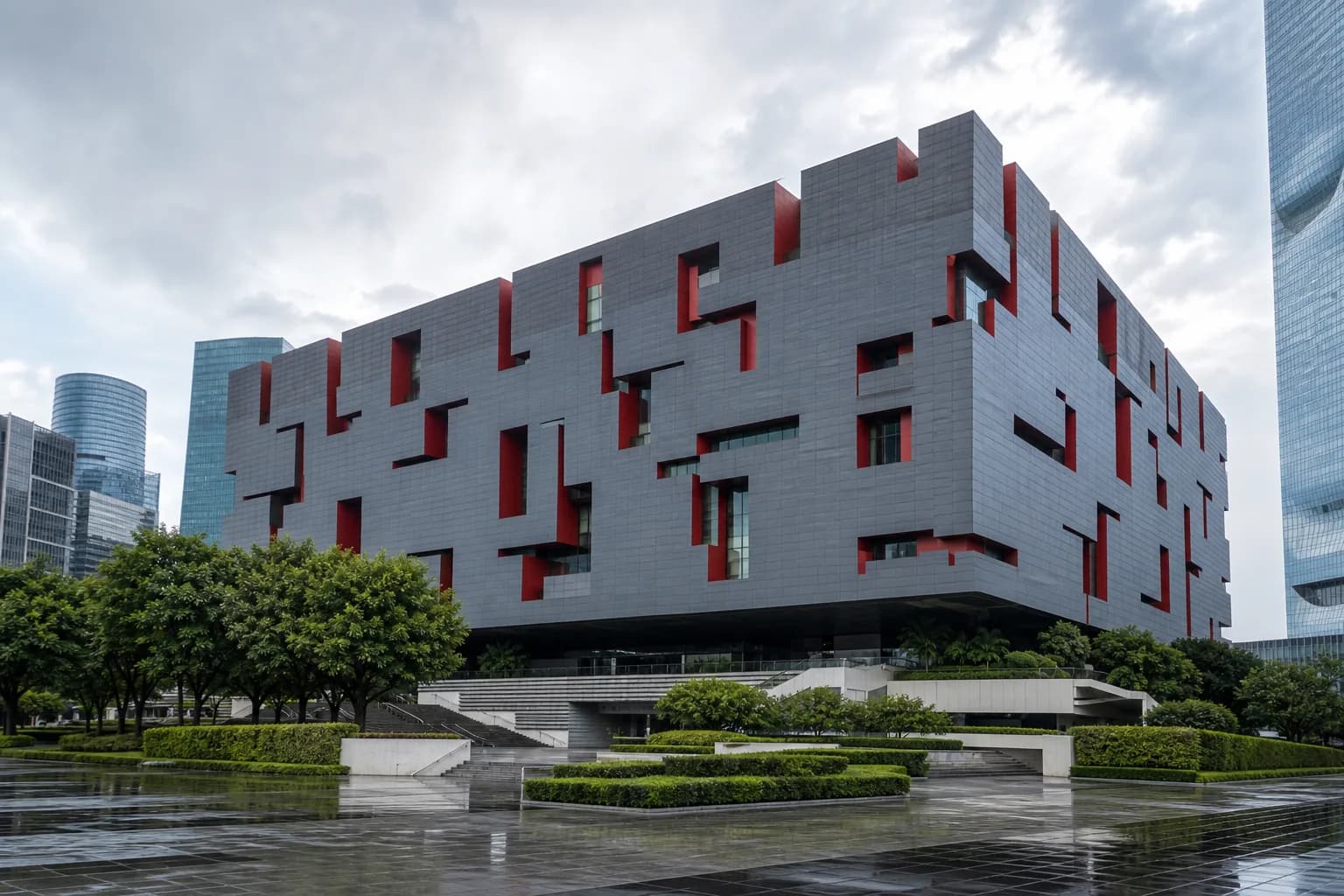
The building in Zhujiang New Town resembles a carved puzzle box. Do not confuse it with the Guangdong Museum of Art at Bai'etan; they are separate institutions in different districts.
Current Booking Rules
The museum currently requires a timed, real-name reservation for every visitor, including children, through the official “Guangdong Museum” WeChat account. Its official English booking notice states that tickets release at 22:00 China time.
- Standard hours are Tuesday–Sunday, 09:00–17:00, with last entry at 16:00. Monday closes except national holidays; dated notices override the standard pattern.
- Enter once through the West Gate individual channel during the reserved slot, using the identity document attached to the order.
- One account may make one order within 14 days, for up to five visitors. Children aged six and under cannot book independently.
- Frequent cancellations, two consecutive no-shows or three cumulative no-shows can block bookings and activities for 90 days. Cancel rather than abandoning the reservation.
- The official page does not clearly promise which foreign-document types every WeChat flow will accept. Add the passport exactly as shown and test the flow before building the day around it; if it fails, use the museum's published inquiry number rather than assuming walk-in entry.
Admission to the permanent collection is free, but temporary exhibitions and guided products can operate differently. Check the current Guangdong Museum listing on Trip.com only when you want a clearly named tour or live commercial option; the official reservation remains the controlling entry source.
Three Routes That Prevent Museum Fatigue
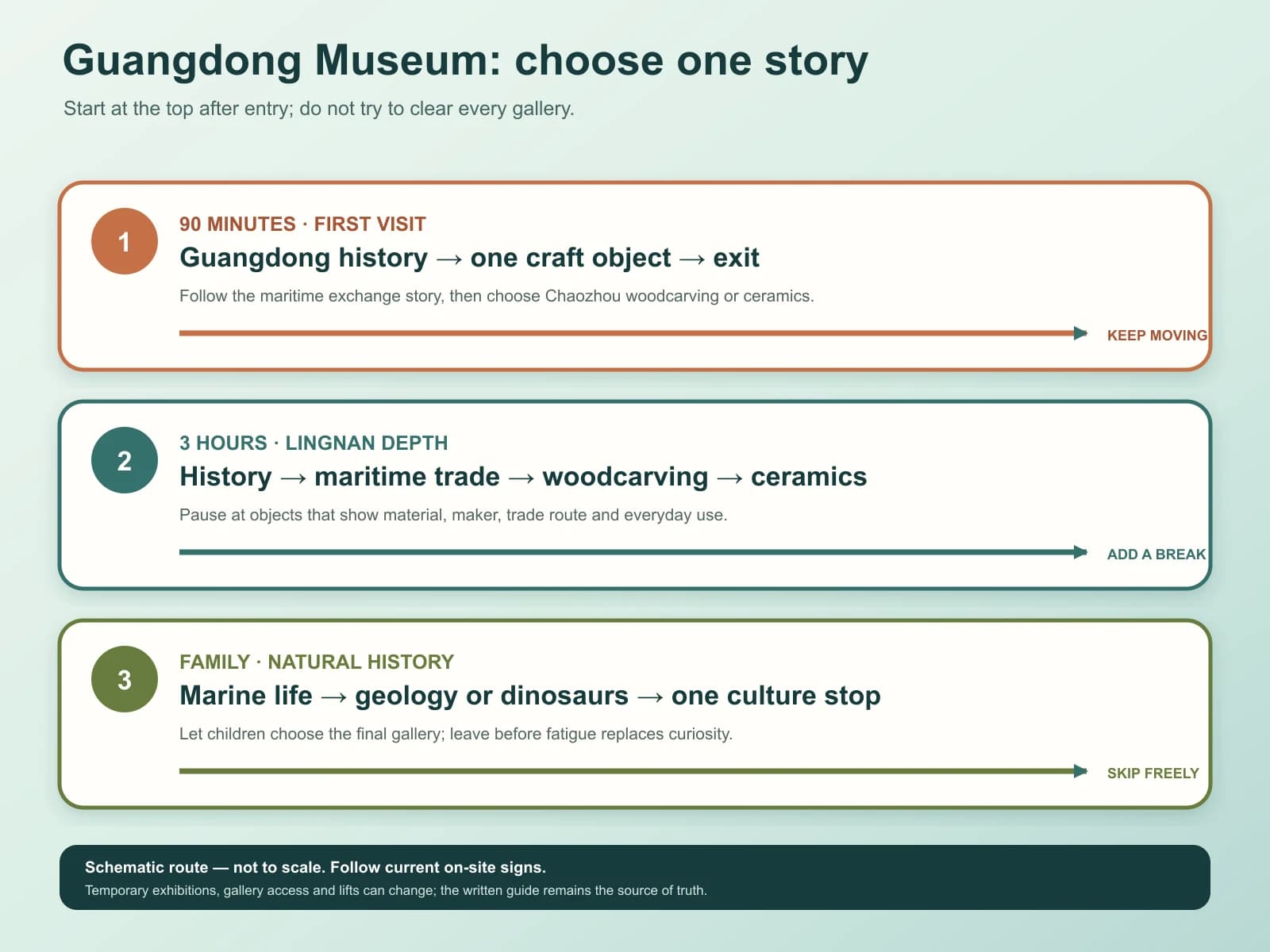
The museum's official route starts high in the building. Gallery and lift access can change, so use this as a decision framework and follow current on-site signs.
90 minutes: first-visit essentials
Begin with Guangdong history and follow the transition from regional origins to maritime exchange. Then choose one craft family—Chaozhou woodcarving or ceramics—and leave. This is the best route when the museum shares a day with Flower City Square and Canton Tower.
Three hours: Lingnan depth
Follow the history gallery through maritime trade, then compare two crafts. Take a real seated break between history and art: reading every label without resting produces less understanding, not more.
Family route: natural history first
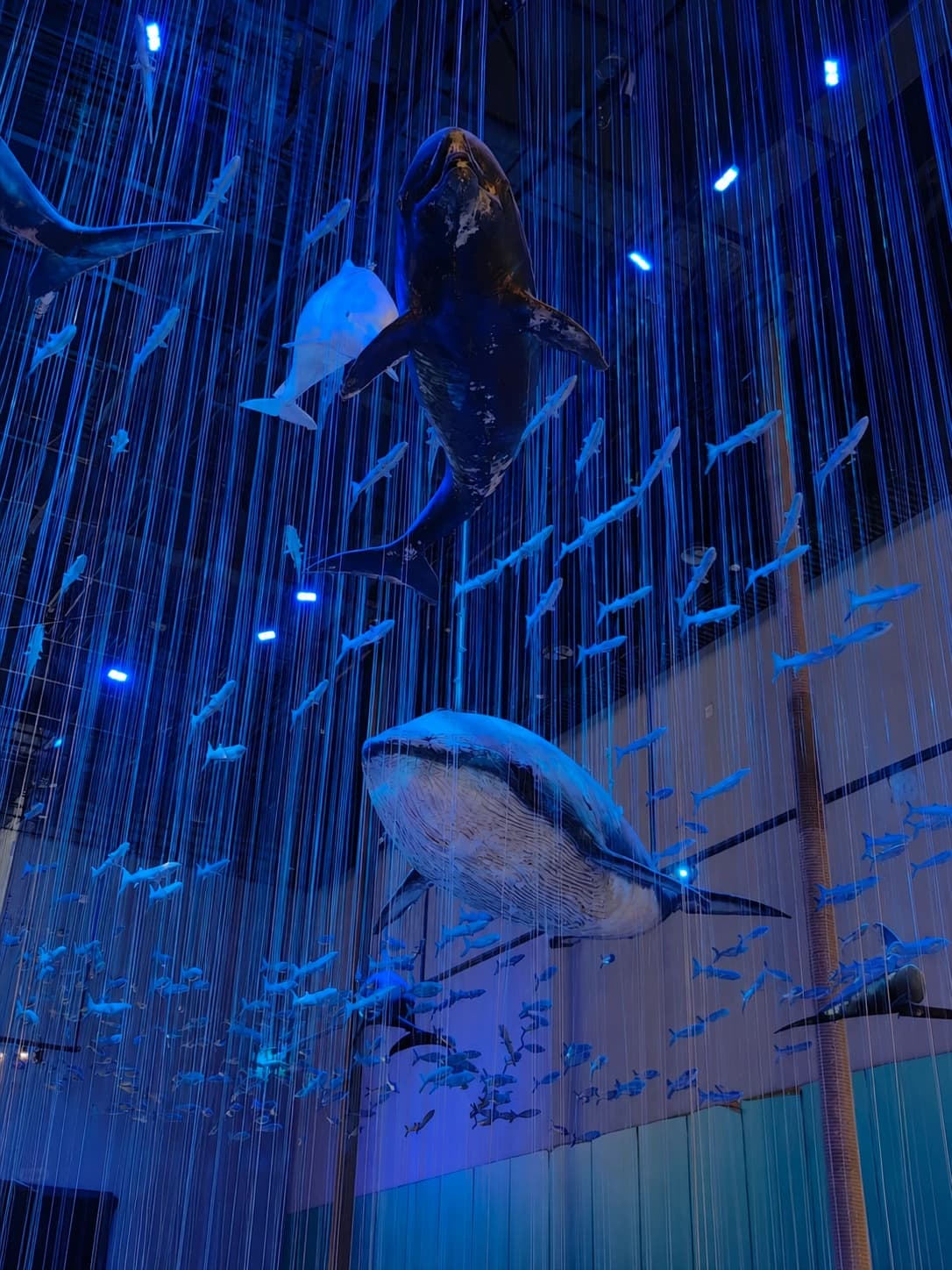
Start with marine life, then choose geology or dinosaurs. Finish with one culture object selected by the child. The natural-history galleries are visually strong, but the goal is curiosity rather than clearing every case.
Four Questions That Make the Objects Memorable
Why is the sea inside a provincial history museum?
Guangdong's story is inseparable from water. In the history display, track the shift from local settlement to ports, overseas exchange and export production. A ship, imported form or export object is evidence of people and ideas moving—not simply decoration.
What does a dragon boat reveal?
The official permanent-exhibition introduction highlights a long Liede dragon boat. Read it as a community machine: timber, teamwork, ritual memory and the Pearl River landscape all have to work together.
Why is Chaozhou woodcarving so dense?
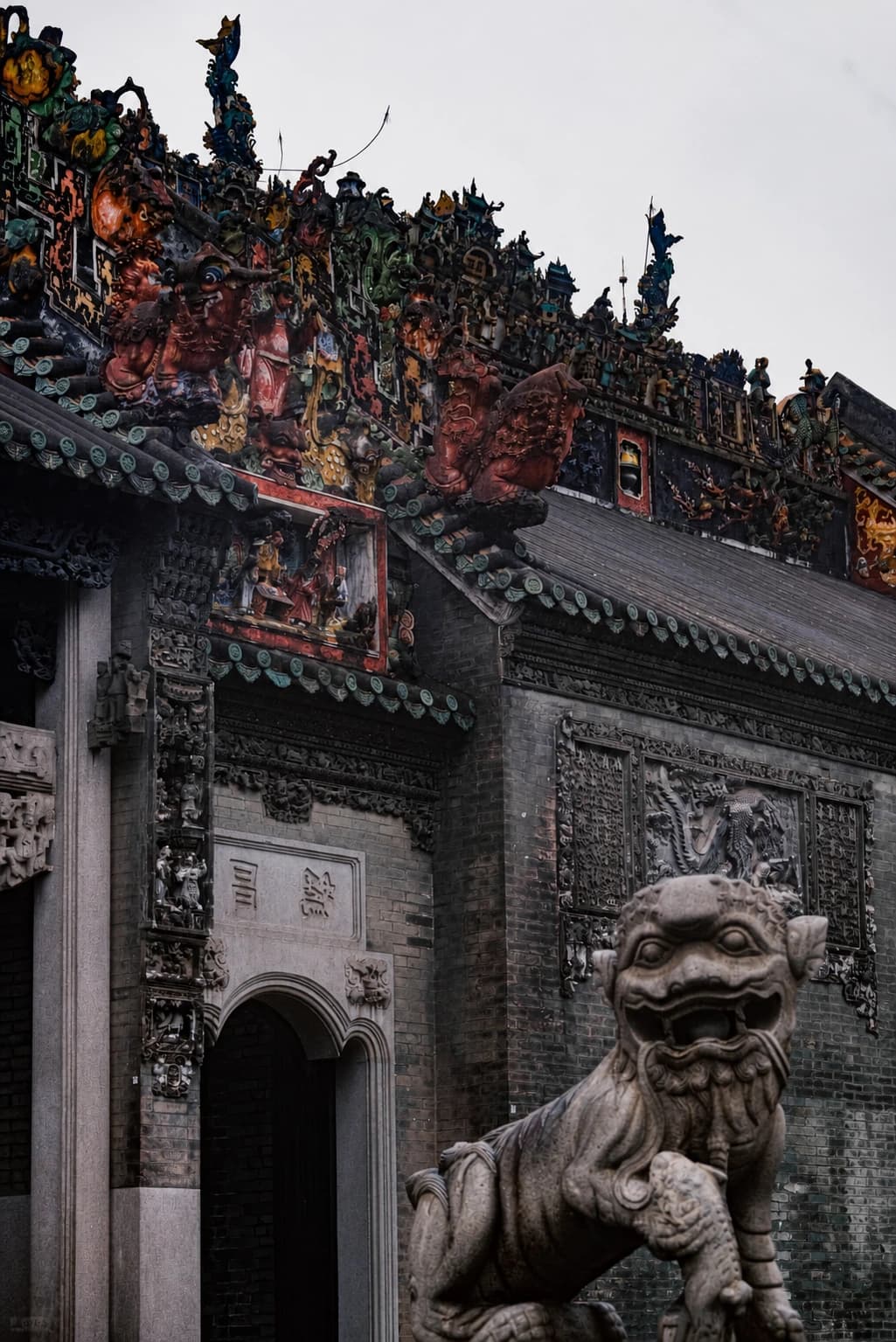
Move sideways and watch how the layered relief changes. Gilding increases visibility in a dim ancestral hall, while crowded scenes allow stories, status and auspicious motifs to share one architectural surface.
Is the “white-cut chicken” really food?
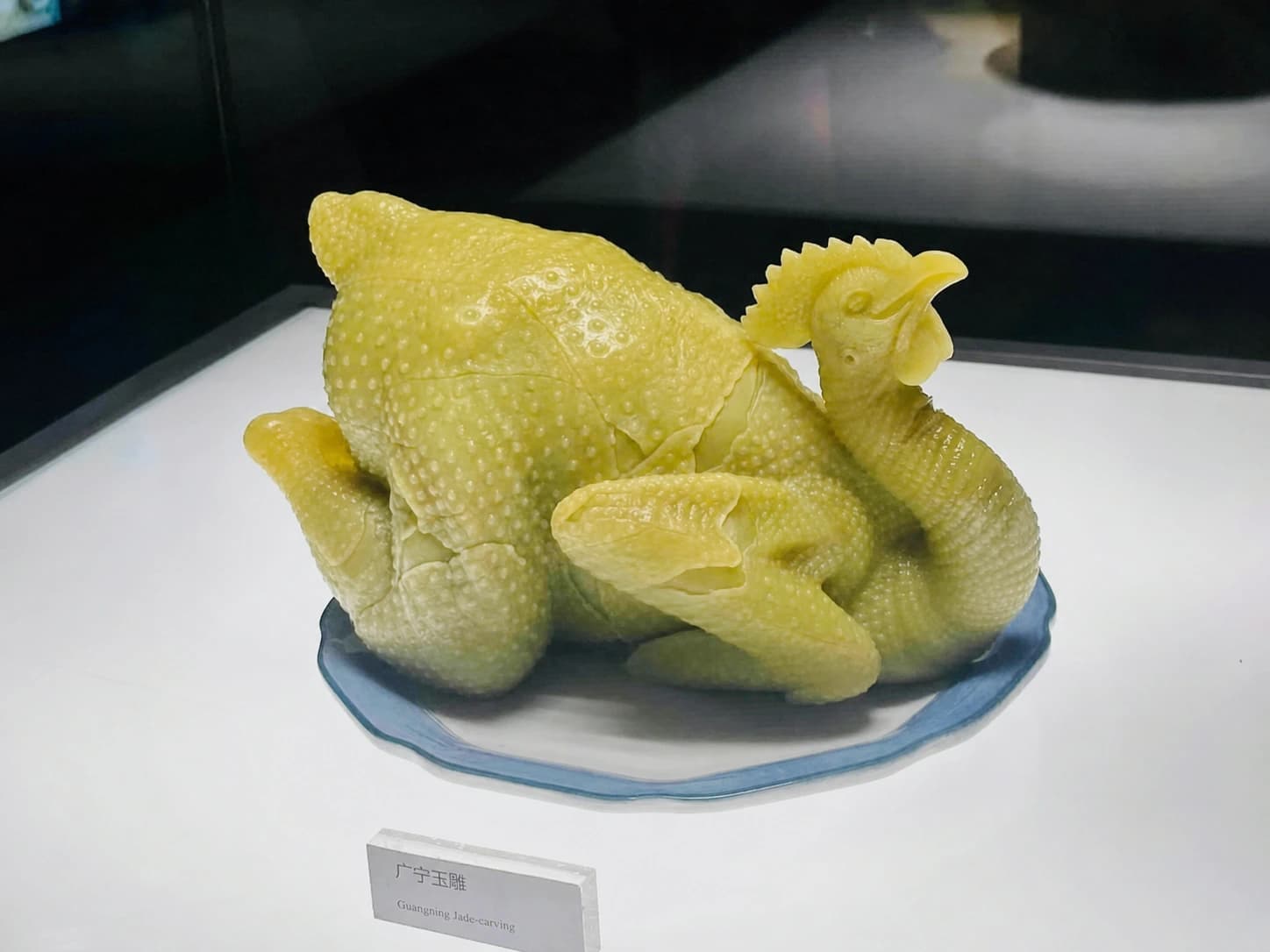
The playful jade carving works because a viewer already recognises a familiar Cantonese dish. Look past the joke: colour, surface and the maker's reading of an irregular stone transform mineral material into visual appetite.
For ceramics and export art, ask who ordered the object, which motifs were local, and which features were adjusted for another market. Hybrid design is not a failed copy; it is evidence of negotiation between makers, merchants and buyers.
Pair the Museum With the Riverfront
The museum and Flower City Square map locations are about 0.2 km / four minutes on foot in an Amap planning check. From the square to Haixin Bridge is roughly 1.5 km / 21 minutes, followed by about 0.4 km / six minutes from the bridge to Canton Tower.
Use those as planning estimates, not live promises. The sequence is strongest in late afternoon:
- reserved museum slot;
- coffee, shade or an early dinner around Zhujiang New Town;
- Flower City Square and the library/opera-house exteriors;
- Haixin Bridge near sunset if access and weather permit;
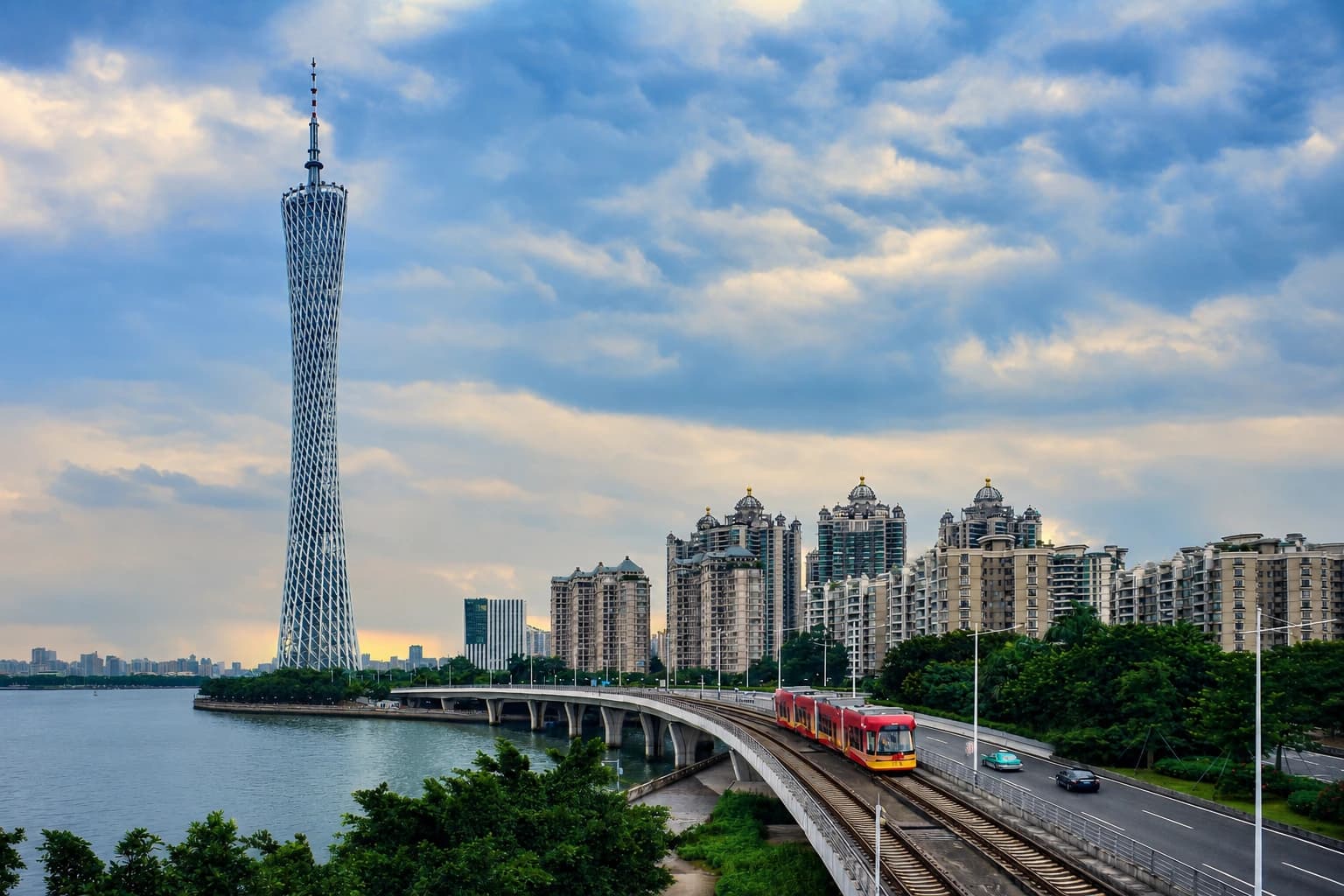
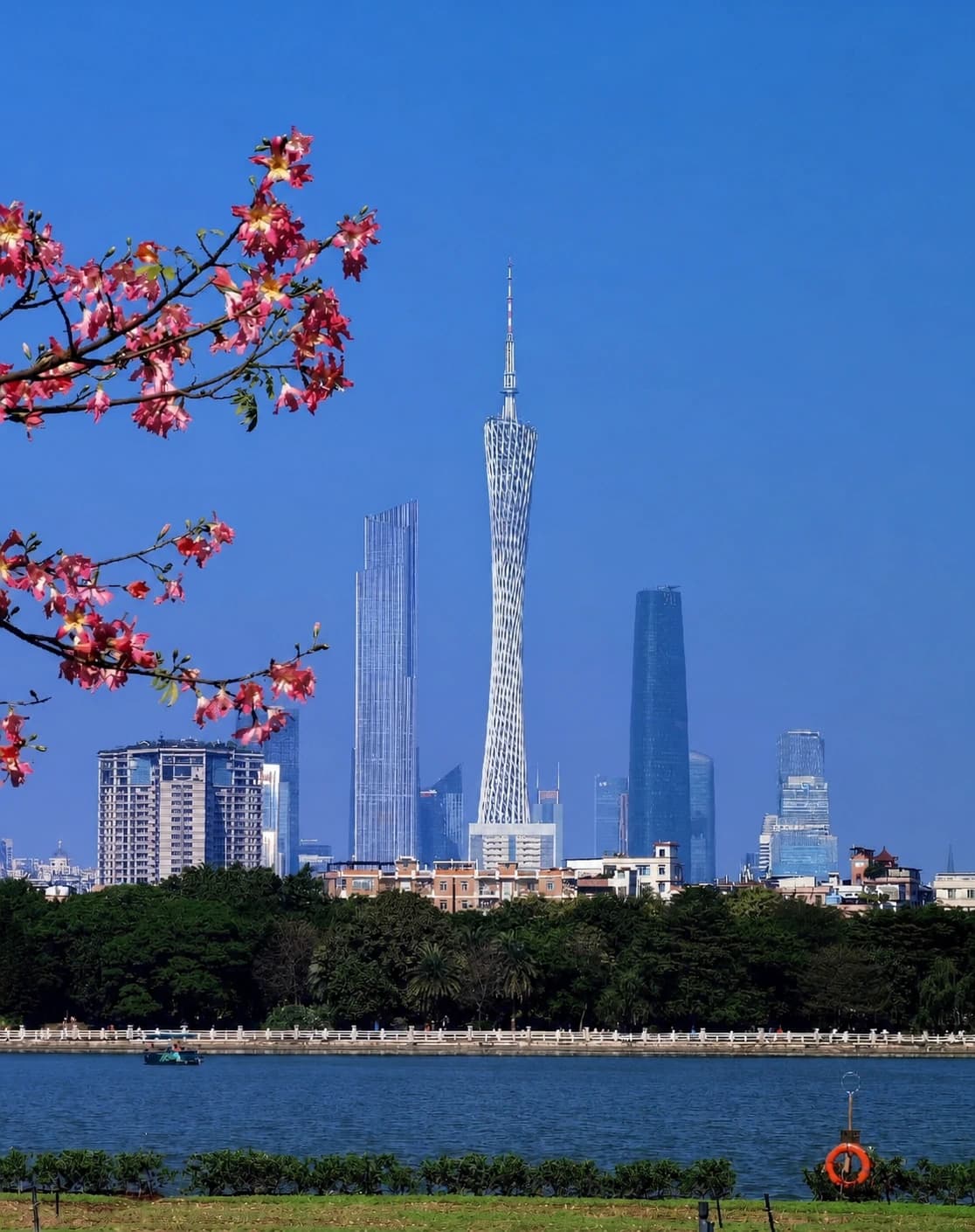
- Canton Tower from ground level—or a booked observation product only when visibility is good.
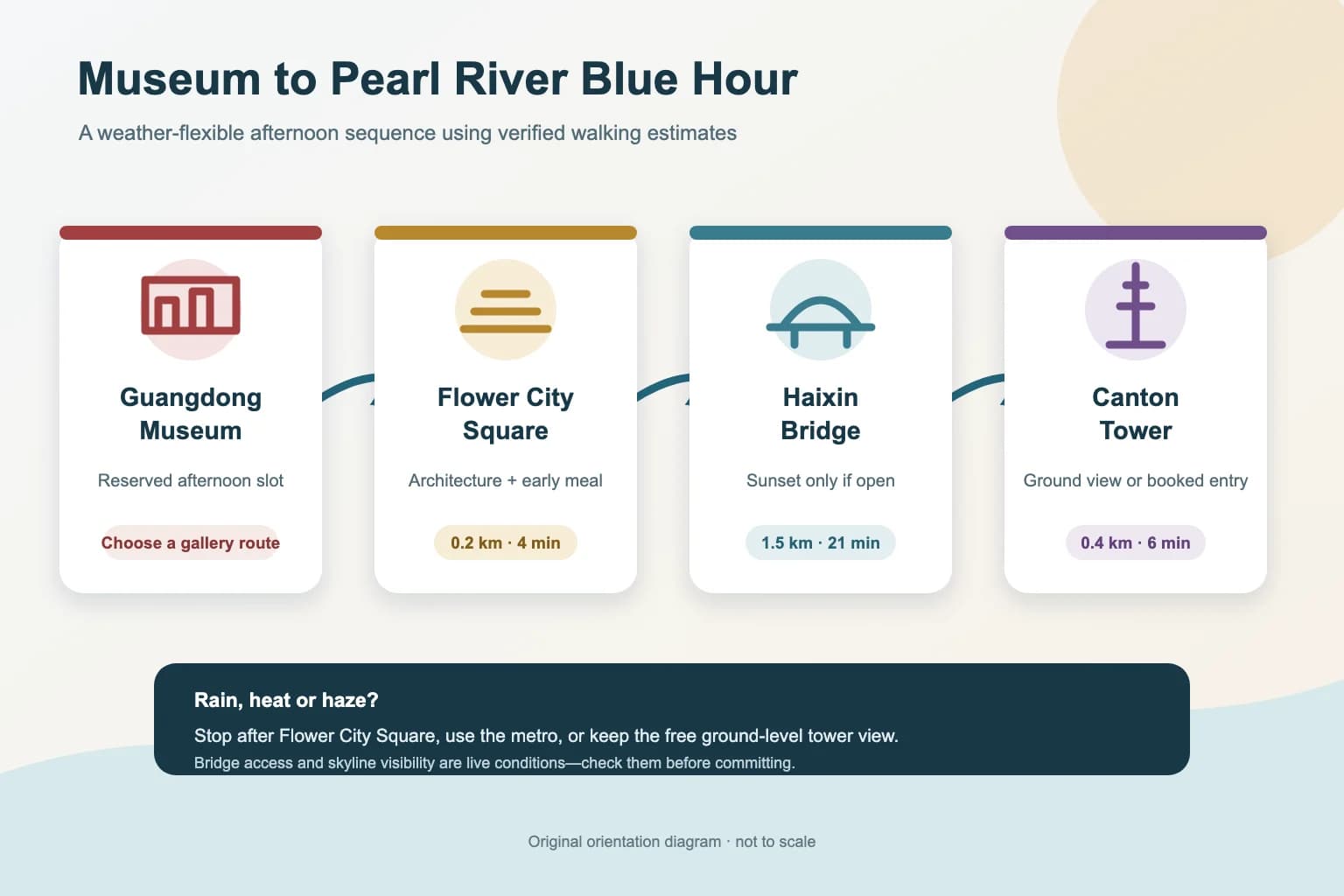
This original diagram is a sequence aid, not a live navigation map. Its three walking legs use the verified Amap planning estimates above. In heavy rain, heat or haze, stop after Flower City Square, use the metro, or keep only the free ground-level tower view.
Do not buy a tower ticket simply because it is the last stop. Haze or heavy rain can make the free river view better value.
Eat Dim Sum Without Chasing a Viral Branch
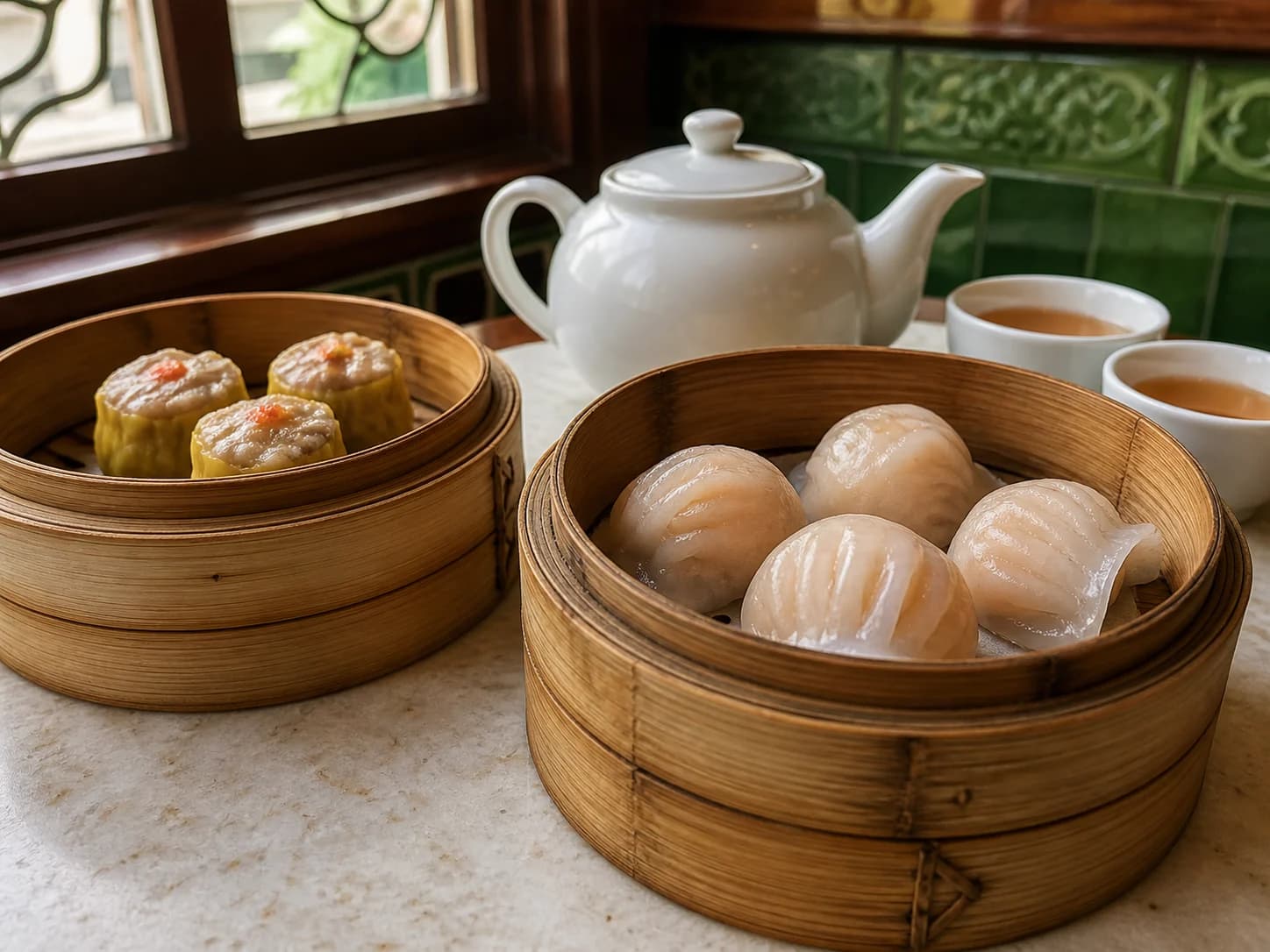
For a classic tea meal, order two or three steamed items first and add later. Har gow tests wrapper texture and shrimp freshness; siu mai shows seasoning and steam control. A busy room with repeated steamer turnover matters more than a famous brand name.
Zhujiang New Town is convenient but often polished and expensive. For older teahouse atmosphere and arcade streets, save the deeper food session for Liwan or Yuexiu on another day. Confirm the current branch, morning service window and queue on a live map.
Where to Stay
- Zhujiang New Town: best for this museum, modern skyline, business travel and newer hotels; less atmospheric for historic Guangzhou.
- Beijing Road / Gongyuanqian: best all-round first base for Yuexiu history, metro connections and evening food.
- Liwan / Huangsha: best for arcades, Yongqing Fang, Shamian and a slower old-city texture; allow more travel time to the eastern CBD.
- Pazhou: useful for Canton Fair or exhibition-centre commitments, not the default sightseeing base.
Compare Guangzhou hotels on Trip.com, checking the actual metro entrance and recent construction/noise reviews rather than trusting a broad district label.
Final Checklist
- Reserve through the official WeChat account at the current release time.
- Confirm every visitor, date and time slot; carry the original booking document.
- Enter via the West Gate and allow time for security.
- Choose 90 minutes, three hours or the family route before arriving.
- Check current exhibitions instead of assuming an old highlight remains on display.
- Bring a layer for air conditioning and keep the late-afternoon river walk optional.