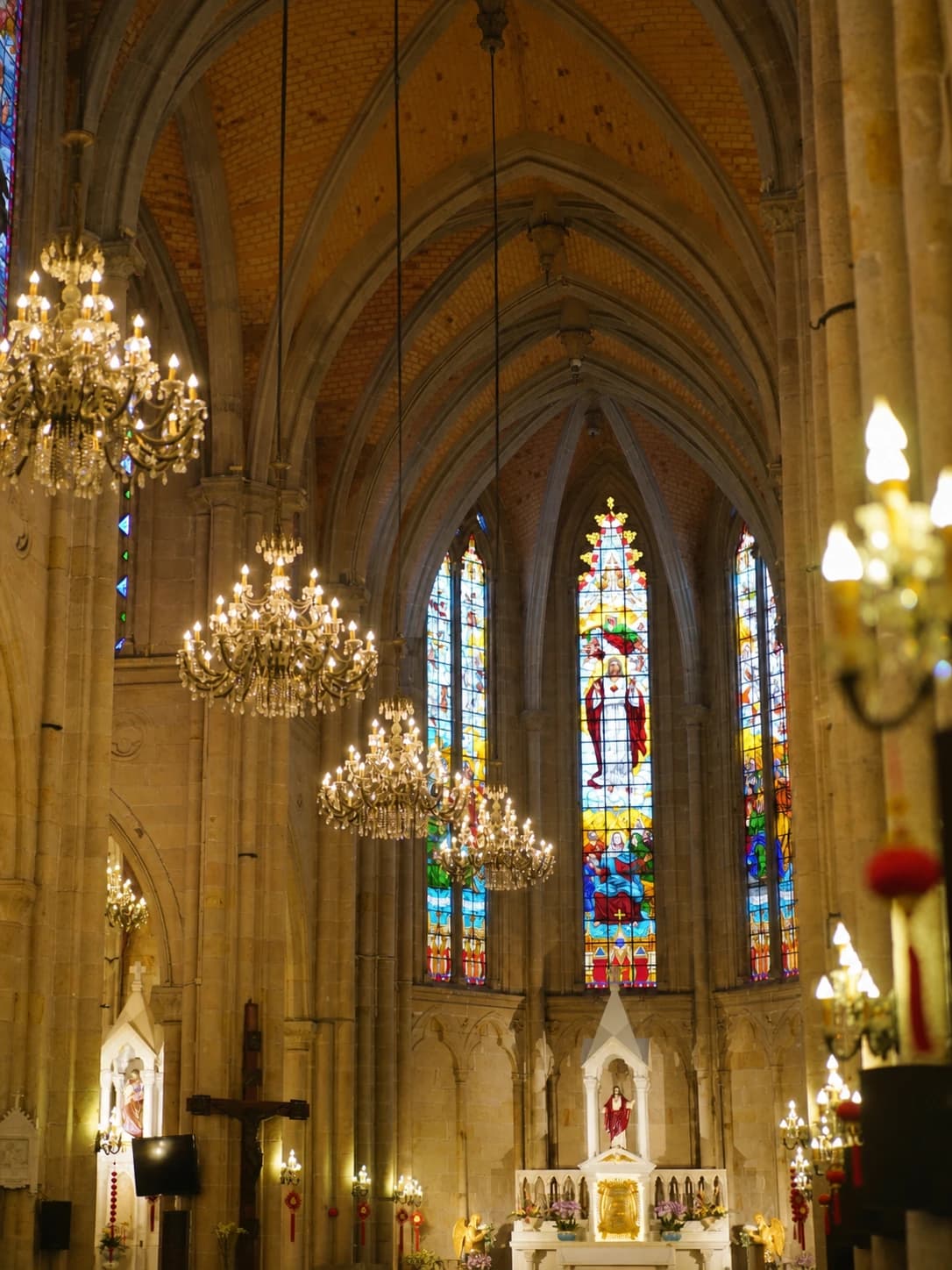
Liwan Museum
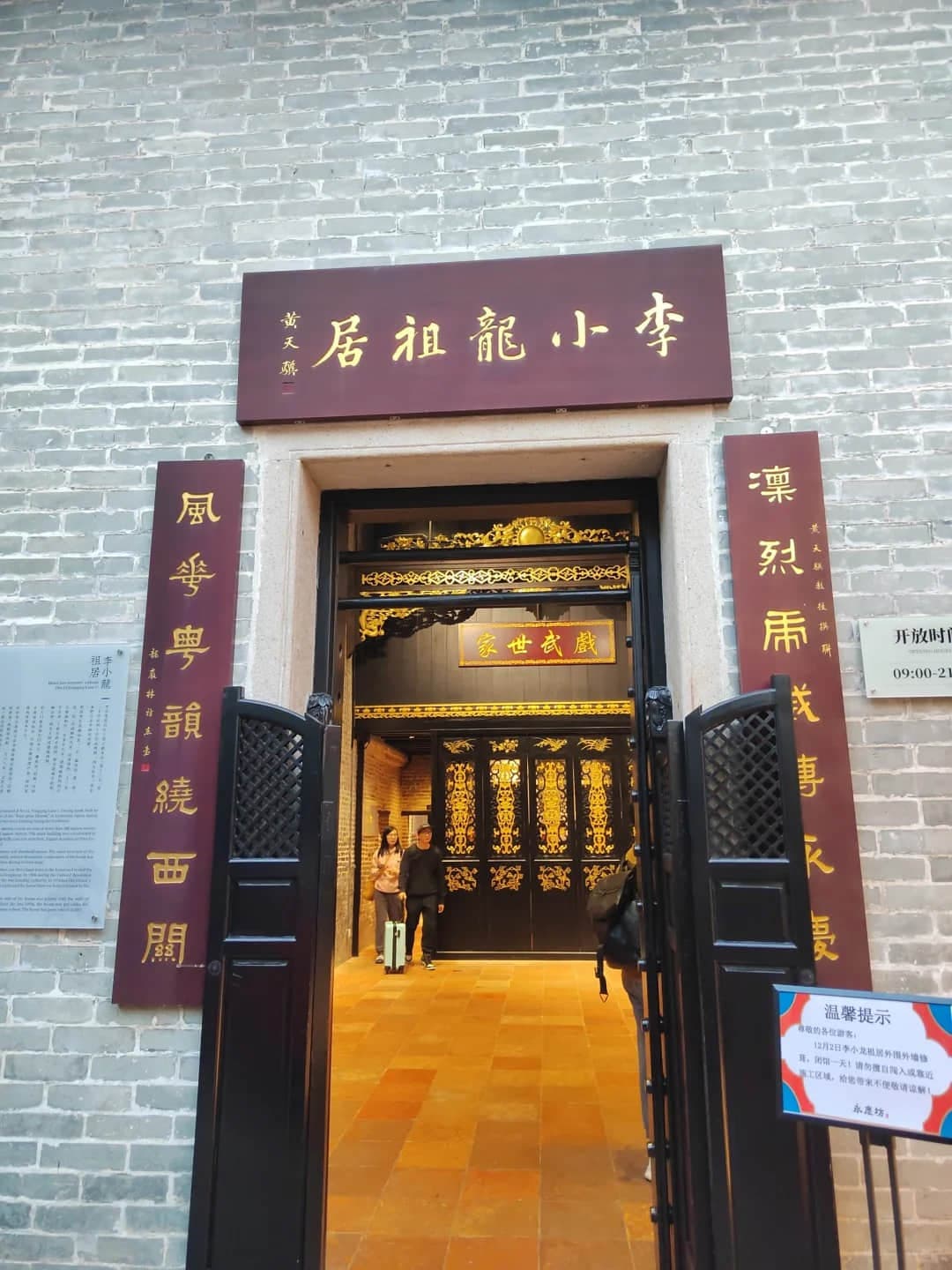
Liwan Museum is a small district museum with an unusually useful job: it explains the Xiguan houses, family life and neighbourhood culture that the surrounding Lychee Bay lanes can otherwise turn into scenery without context. Come for domestic architecture and local history, not for a large encyclopedic collection.
The best first visit takes 60–90 minutes. Allow two hours only if all buildings and temporary rooms are open and you read Chinese comfortably.
Current hours and admission
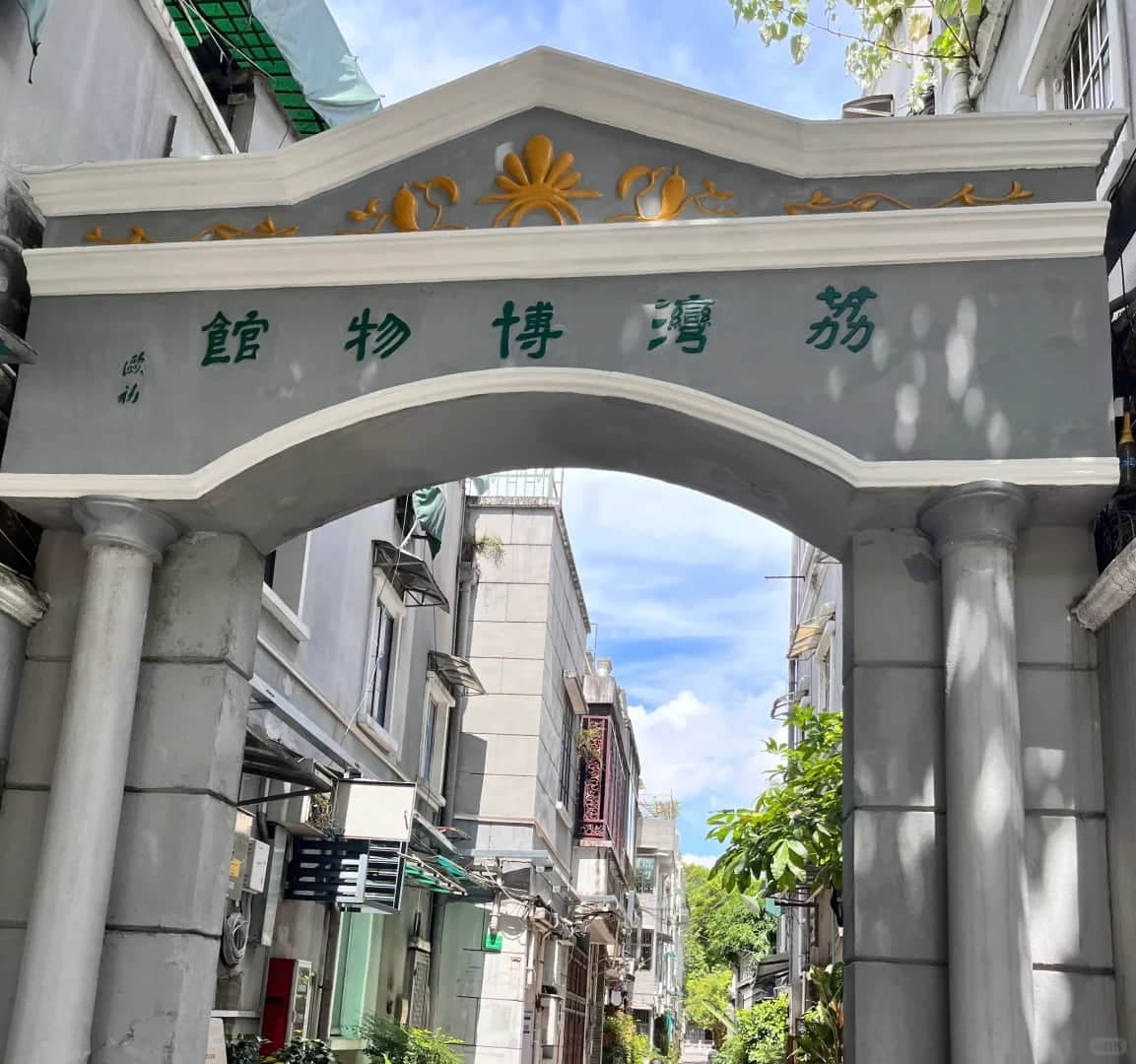
The Liwan District culture bureau's directory, published June 16, 2026, lists 09:00–17:30, last ticket sale 17:00, closed Monday except legal holidays, at 84 Fengyuan North Street off Longjin West Road. The maintained reference price is CNY 5 for adults; eligible students and visitors aged 60–64 receive half price, while specified children, seniors aged 65+, disabled visitors, service members and other protected groups enter free with valid documents.
Tickets are normally handled at the exhibition-area entrance. Bring the physical passport used for any concession; do not assume a foreign student card will be accepted without the required supporting document. Holiday opening, room maintenance and temporary exhibitions remain subject to the museum's official WeChat notices. Phone: 020-81939917.
A selective three-part route
- Start with the Xiguan Folk Custom Hall. Use the room arrangement, furniture and domestic objects to understand privacy, ventilation and how an affluent household functioned. Treat recreated scenes as interpretation, not as an untouched home frozen in time.
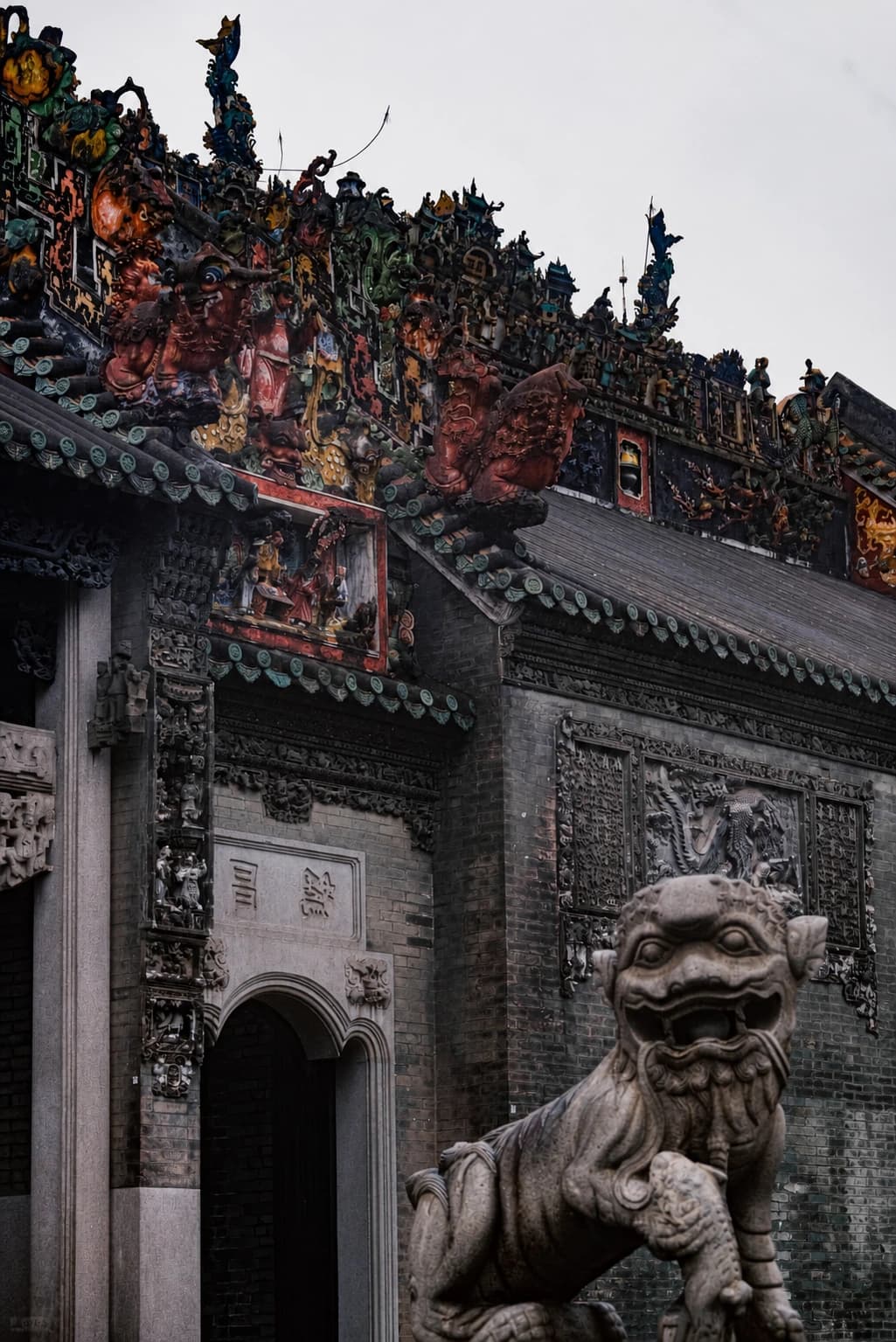
- Read the historic residences as buildings. Look at the relationship between courtyards, façades, Western decorative elements and Lingnan climate responses. Open rooms can vary, so do not build the visit around one object seen in an old post.
- Finish with district history or a temporary display. This is where canal trade, Republican-era change and Liwan identity connect the house to the wider city.
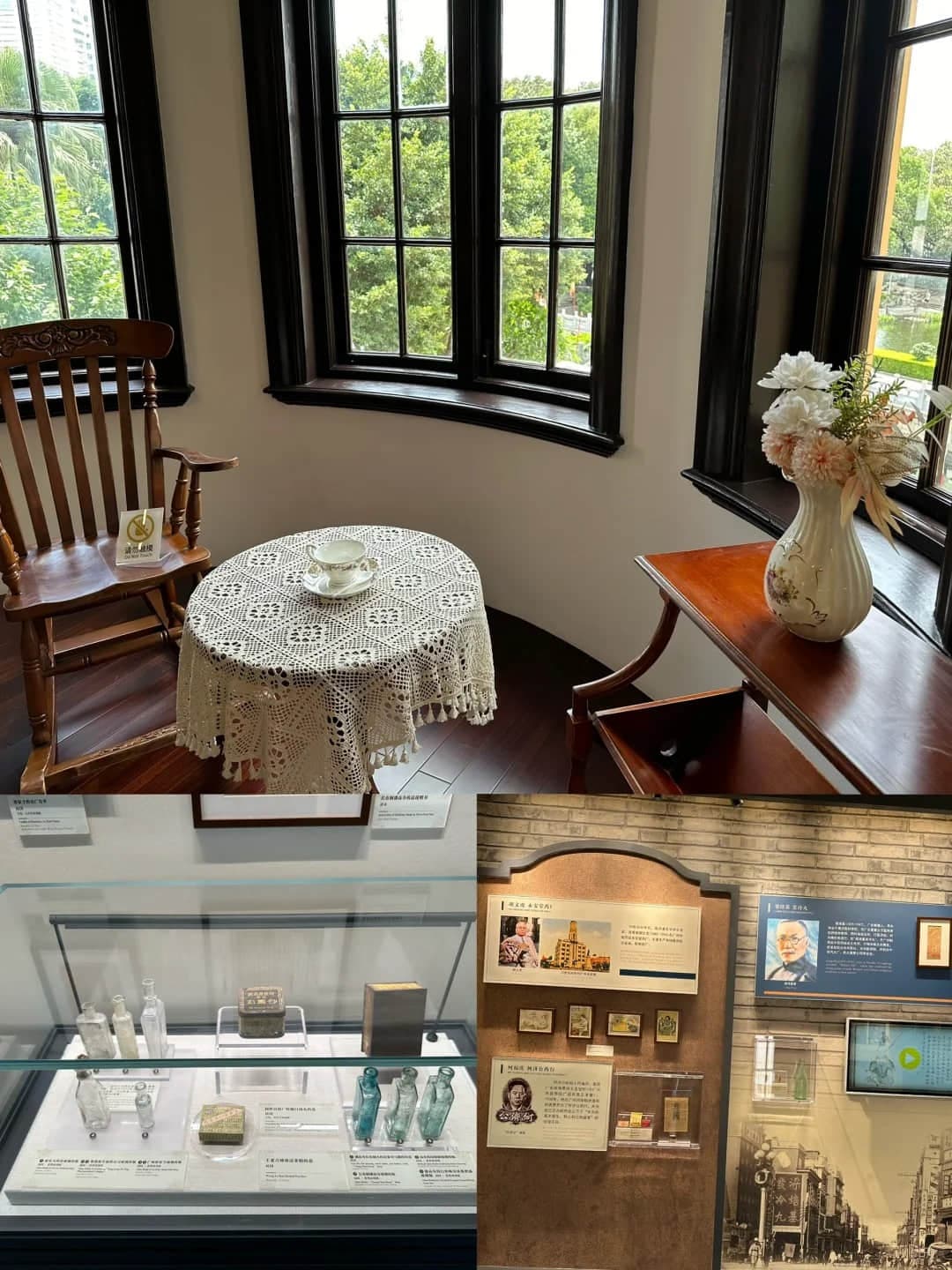
English interpretation may be limited. Photograph labels for later translation where permitted, but do not use flash or assume every room allows photography.
Match the Four Names to What You Want to See
The museum occupies four exhibition areas, rather than one continuous building. At the first staffed entrance, ask which areas are open and how to reach their entrances; then choose by interest:
- Xiguan Folk Custom Hall (西关民俗馆): room layout and reconstructed household scenes. Look at how doors, windows and internal passages manage privacy and ventilation.
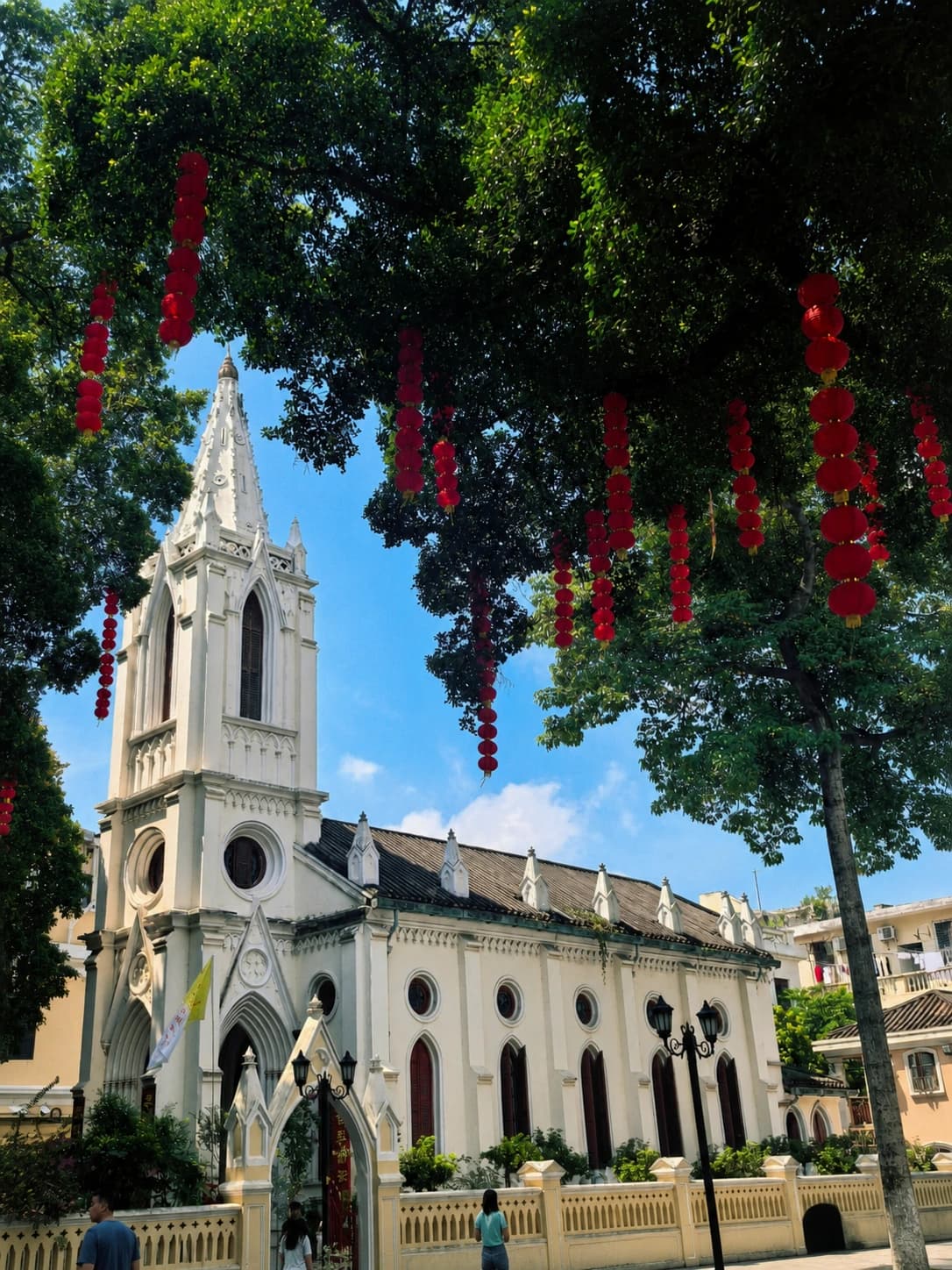
- Chen Lianzhong's former residence (陈廉仲旧居): compare its European-influenced façade and garden with the Xiguan house, then see the collection or temporary rooms that are open.
- Chen Lianbo's former residence (陈廉伯旧居): the large winding staircase and decorative balconies belong to this house. Use the merchant-history interpretation to connect its architecture with Guangzhou's commercial wealth.
- Jiang Guangnai's former residence (蒋光鼐旧居): choose this branch for the general's biography and modern history.
For a shorter visit, pair the Folk Custom Hall with one residence. They offer a useful architectural comparison without requiring every room.
Build a coherent Liwan walk
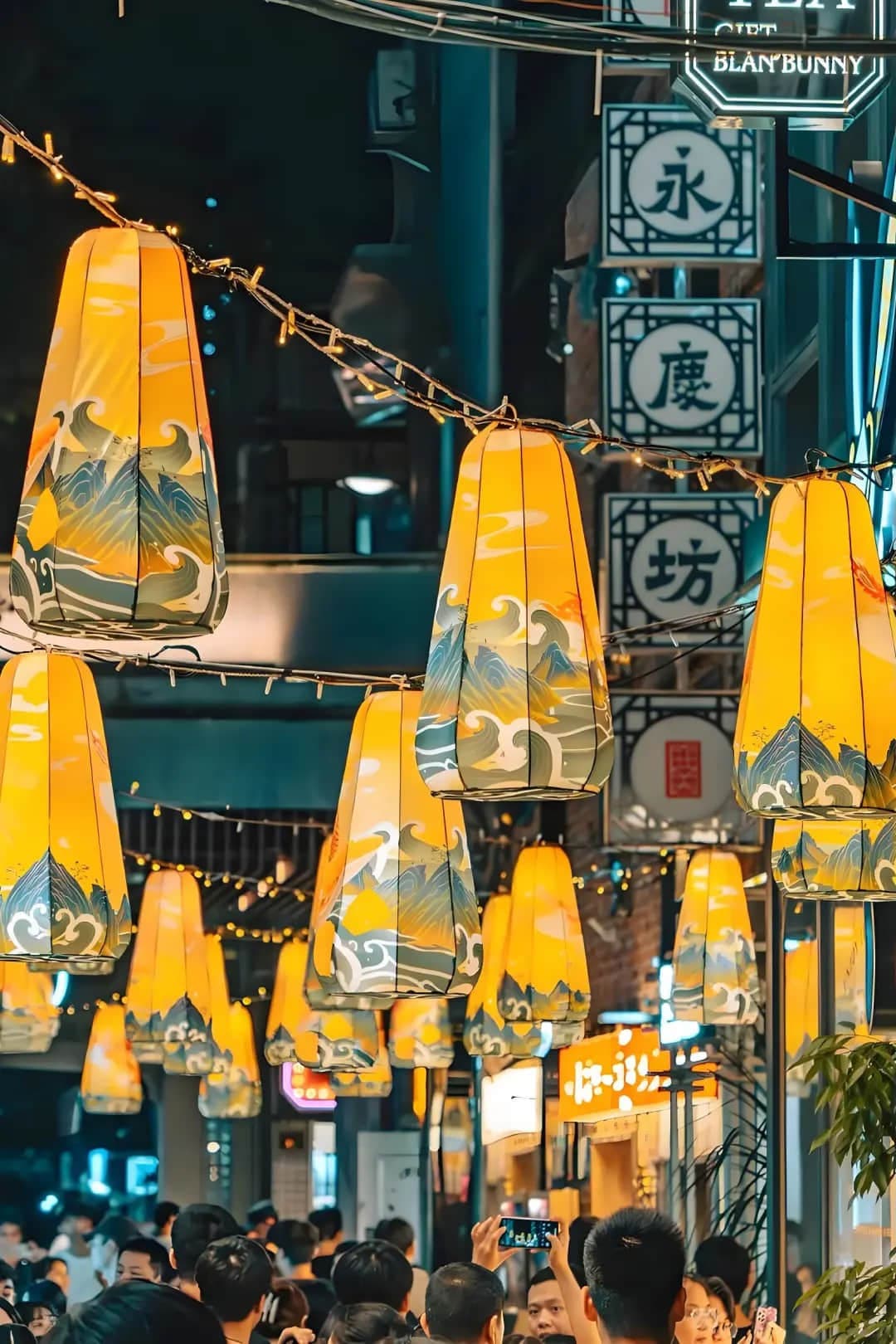
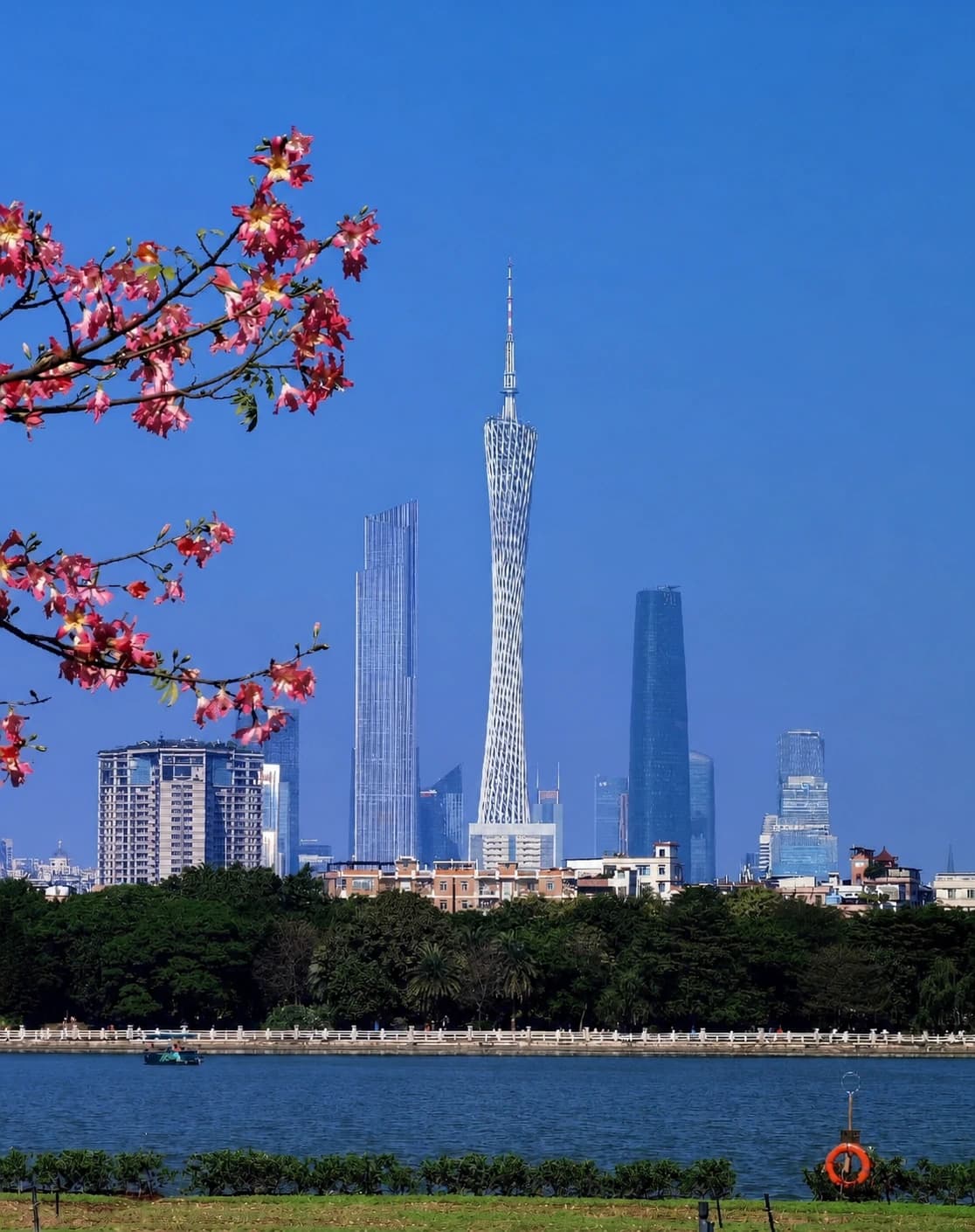
The museum works best inside a half-day sequence: Liwan Lake and Lychee Bay → Liwan Museum → Yongqing Fang → Cantonese Opera Art Museum. The museum is about 700 metres from Yongqing Fang in the existing verified city route, so walking is usually more sensible than calling a car. The opera museum keeps its own later hours; do not apply Liwan Museum's 17:00 ticket cutoff to the whole district.
This route also prevents a common mistake: visiting only the commercial lanes and calling them “old Guangzhou.” The museum gives the residential and social layer; Lychee Bay gives the water system; Yongqing Fang shows active reuse and commercial renewal.
Food and accessibility decisions
Avoid a fixed list of famous branches. Around Pantang and Lychee Bay, choose one Cantonese format—dim sum, noodles, dessert or a shared meal—then check the menu, queue and portion size on arrival. A long viral queue is not evidence of better food.
The route is mostly urban, but historic thresholds and narrow interiors can restrict step-free access. Call ahead if wheelchair access to a specific building is essential. Summer humidity makes the shaded museum a good midday anchor; use the canal walk earlier or later.
Checked: 2026-08-18. Hours, last ticket, address and phone use the June 2026 Liwan District public-culture directory; admission categories use the maintained Guangzhou museum registry. Live museum notices control exceptions.