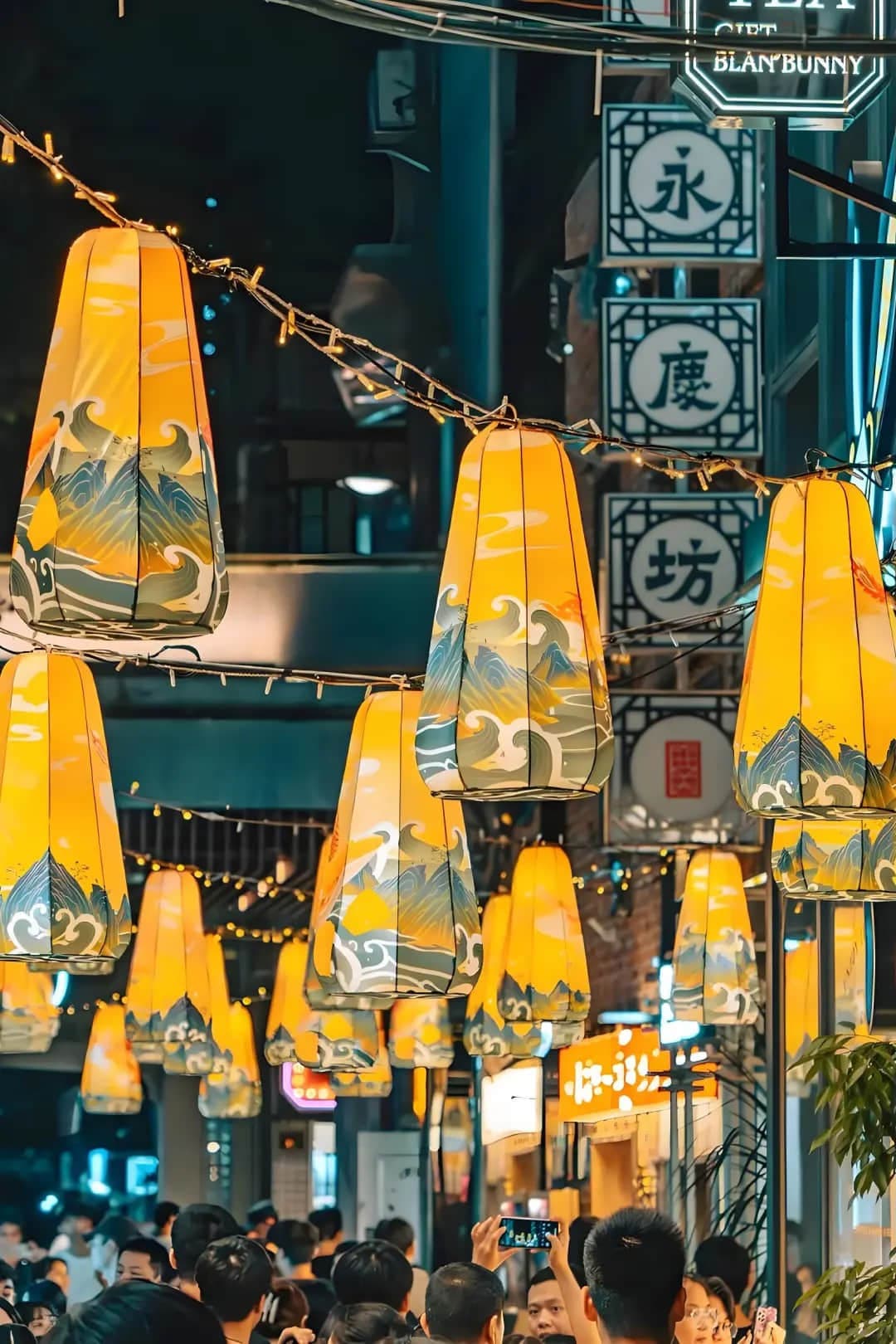
Temple of the Six Banyan Trees
The Temple of the Six Banyan Trees (六榕寺, Liùróng Sì) is a living Buddhist temple in central Guangzhou whose visual anchor is the red-and-white Flower Pagoda. Its scale is compact: allow 45–75 minutes, not half a day. It is strongest for travelers interested in Lingnan Buddhist architecture, bronze images and Guangzhou's old-city layer; visitors seeking a large monastery complex may prefer Guangxiao Temple.
The temple is active religious space, not a heritage photo set. Enter quietly, yield to worshippers and treat ceremonies as community practice rather than a scheduled visitor performance.
A focused route through the compound
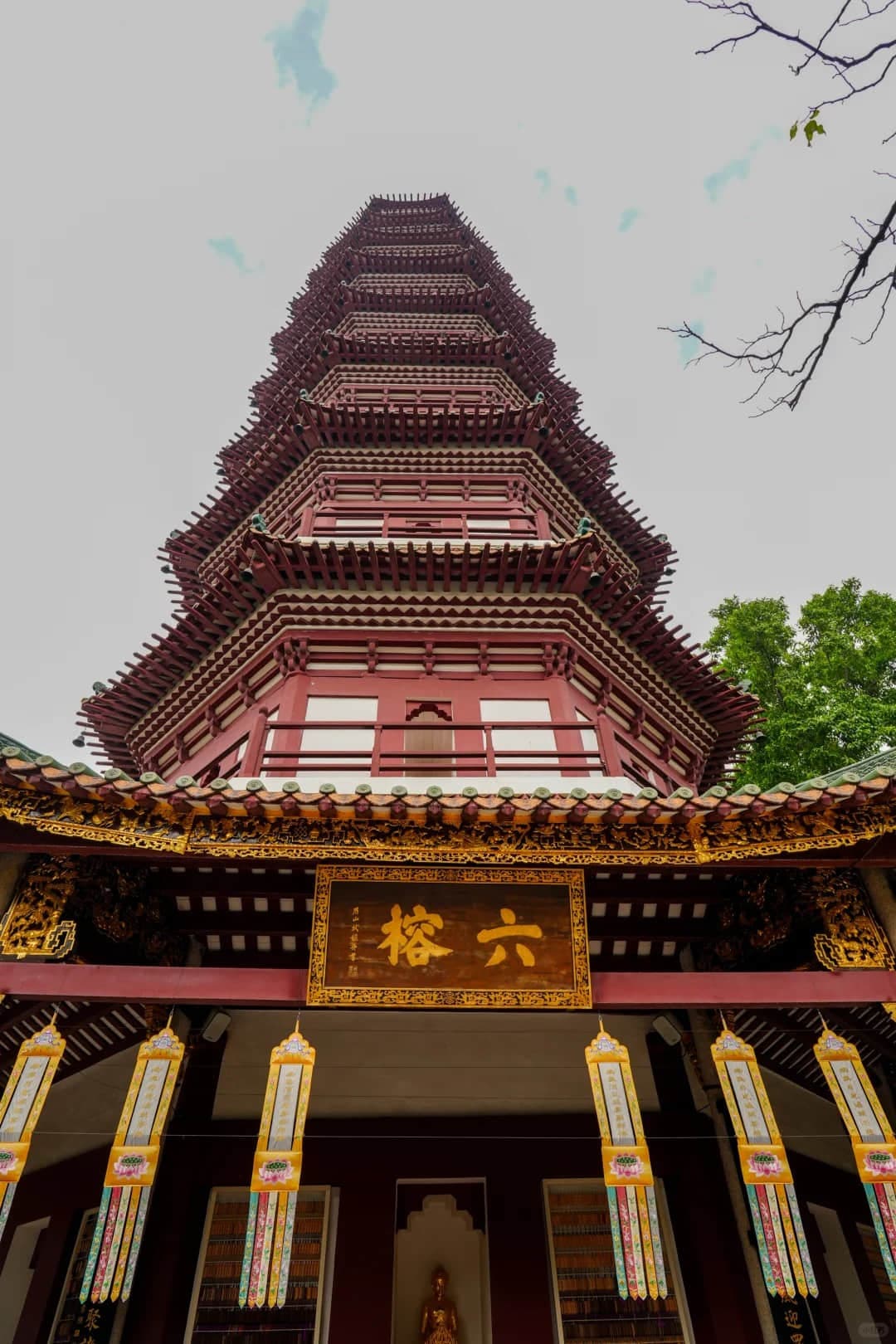
Begin at the front court and look for the historical “Six Banyan” name associated with Su Shi's visit. Move toward the Flower Pagoda, reading its layered eaves from the exterior rather than expecting a climb. The dependable experience is the protected monument seen from the courtyard; climb access should never be assumed without an explicit same-day temple notice.
Continue to the Main Hall and compare the scale and posture of the three large historic copper Buddha images. Finish at the Sixth Patriarch Hall, where the Huineng image adds the Chan Buddhist layer. This sequence turns a small site into a coherent visit instead of a list of dates and measurements.
Current hours and admission
Yuexiu District visitor guidance published on 29 January 2026 gives:
- Opening: 08:00–16:30 daily.
- Admission: free.
- Useful arrival: by about 15:45 for the pagoda exterior, main halls and stele areas without rushing.
Religious festivals, ceremonies, conservation work or crowd controls can change access to individual halls. Free admission does not guarantee every interior or the pagoda is open. Follow same-day signs for any temporary changes.
What to notice beyond the pagoda
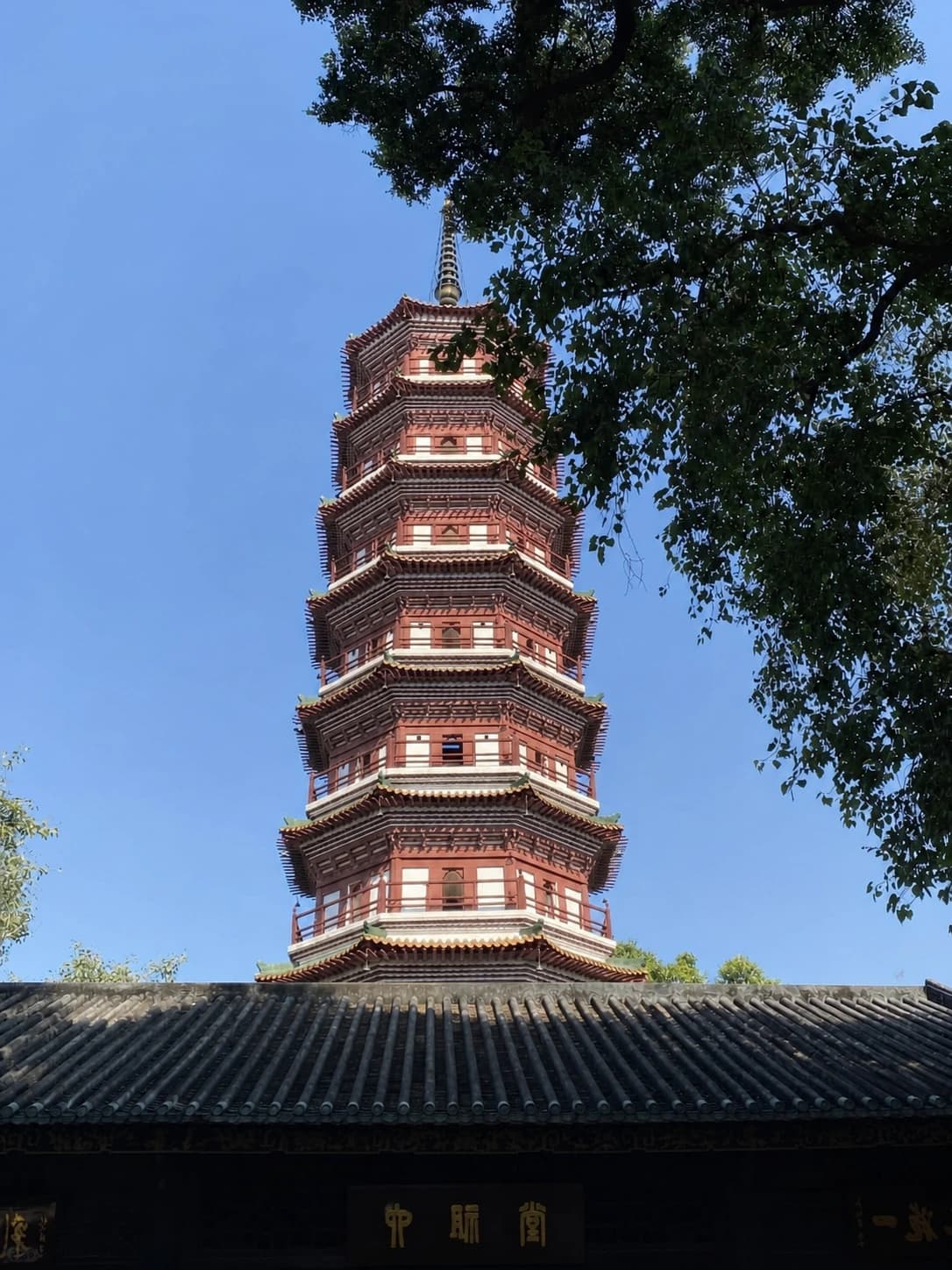
The Flower Pagoda's apparent many-storey silhouette comes from visible and internal structural levels, while its alternating color and eaves produce the flower-like profile. Look from more than one side rather than crowding the closest angle. Conservation monitoring and age make the exterior itself the meaningful experience.
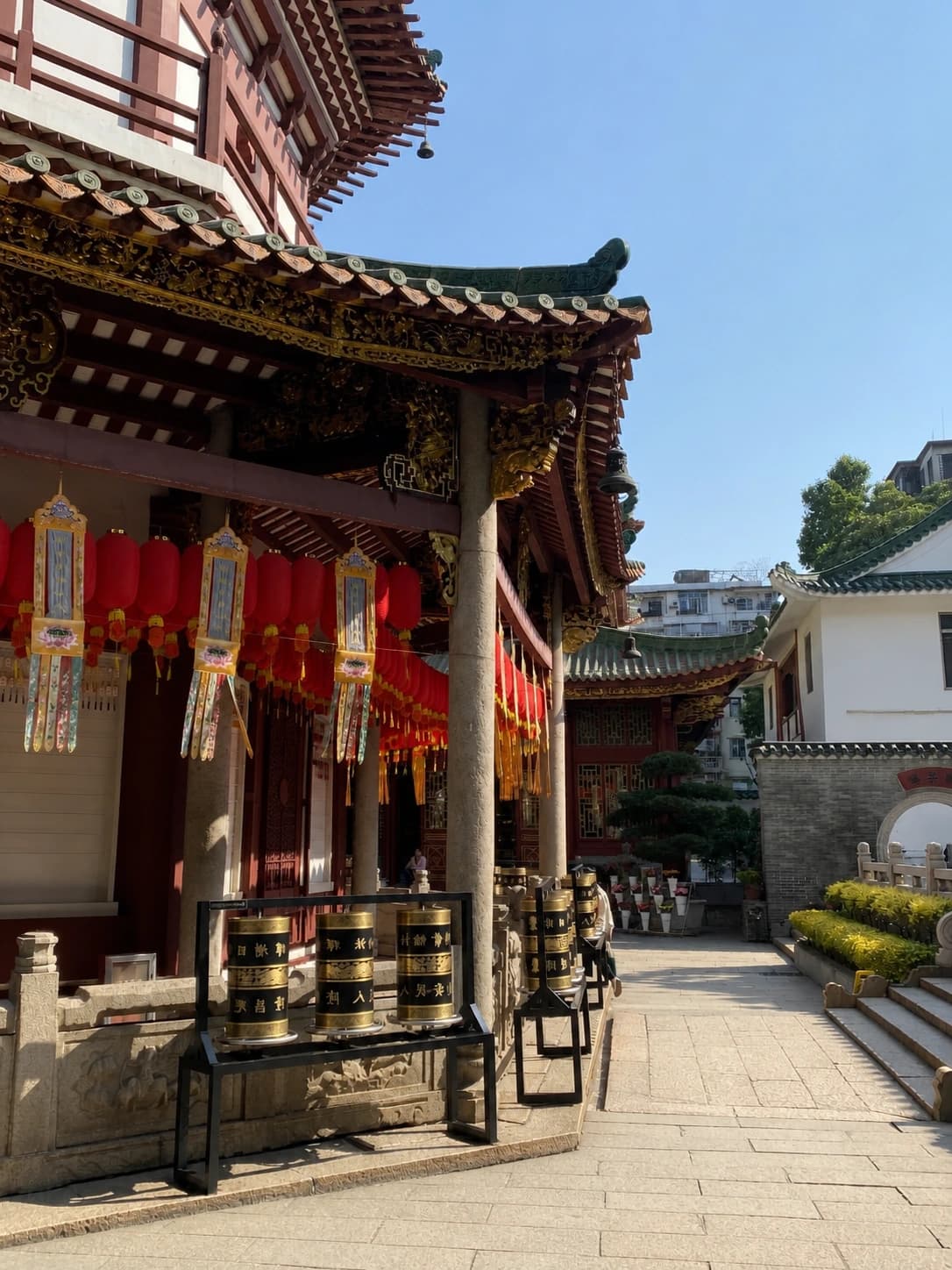
Inside the halls, notice casting scale, arrangement and devotional use rather than treating statues as decoration. Photography can be restricted around worship, images or ceremonies. Never photograph a worshipper closely without permission, step over thresholds carelessly or imitate rituals for a picture.
Getting there and building an old-city walk
Take Metro Line 1 or 2 to Gongyuanqian (公园前) and walk northwest to 87 Liurong Road. The final walk is short enough to combine with nearby old lanes; use the Chinese name in a map app rather than an aging bus-number list.
The temple works naturally as one stop between Gongyuanqian and the western old-city streets. A recent visitor route continued through Six Banyan Road and quieter Republican-era residential lanes, but individual cafés and restaurants are too volatile to anchor the page. For food, look for a busy neighborhood rice-roll or congee shop with visible prices instead of traveling to a named “must eat” business that may have changed.
Comfort and etiquette
Dress with shoulders and torso reasonably covered, speak softly and use incense only in designated areas. Incense smoke can be uncomfortable for asthma or fragrance sensitivity; wait outside the active offering area if needed. Main courts are compact, but old thresholds and hall steps can interrupt a fully step-free route. Ask staff which public route avoids steps.
The first and fifteenth days of the lunar month and major Buddhist dates can be busier. Early morning is calmer, but daily chanting or a particular ritual is not guaranteed for sightseeing.
Verdict
Six Banyan Temple is worth a focused hour for the Flower Pagoda, historic bronze images and a living religious atmosphere in central Guangzhou. Keep expectations proportional: it is free and culturally dense, but small, and the pagoda exterior—not an unsupported climb—is the reason to come.