Shenyang
Shenyang is often reduced to one palace and a plate of chicken frames. That misses the reason the city is worth two or three days. It was an early Qing capital, a political centre in Republican-era Northeast China, a place inseparable from the events of 1931, one of China's defining industrial cities, and a contemporary multi-ethnic metropolis with a substantial Korean-Chinese cultural and food district.
The most rewarding first trip follows those layers in order instead of collecting unrelated landmarks. Begin with the Imperial Palace, move through the tomb landscapes and Zhang Xueliang Residence, make space for the memory of 1931, then finish with industrial Shenyang and present-day Xita.
Why Shenyang is different
The palace is not a smaller Forbidden City. Its early buildings express the political organization and architectural traditions of the pre-1644 Qing court. Later additions show how the complex changed after the capital moved to Beijing.
The palace and tombs are separate World Heritage stories. The palace belongs to UNESCO's Imperial Palaces property. Fuling and Zhaoling belong to the separate Imperial Tombs serial property. Beiling and Dongling are larger public parks surrounding the protected tomb cores, so park access and heritage admission may work differently.
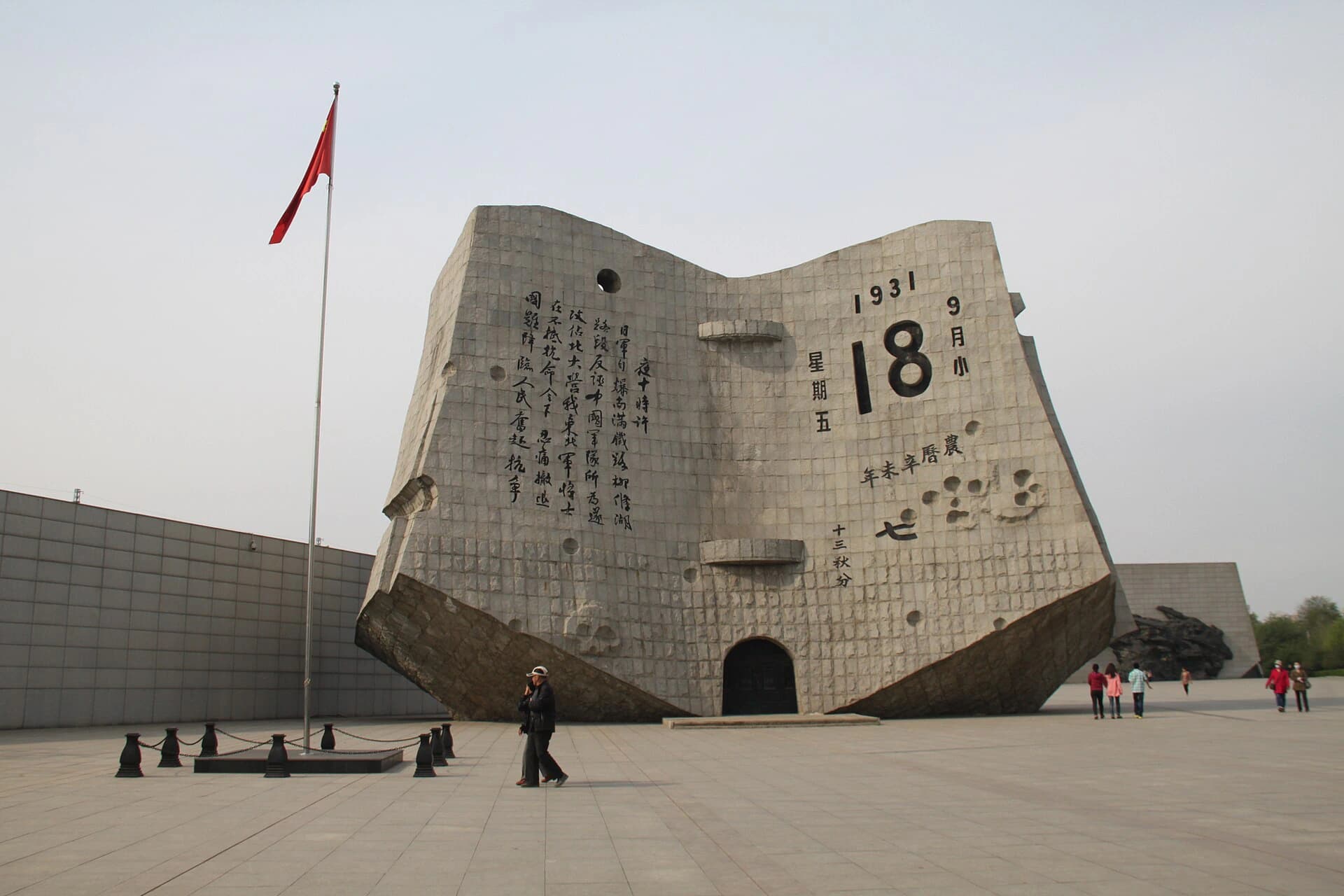
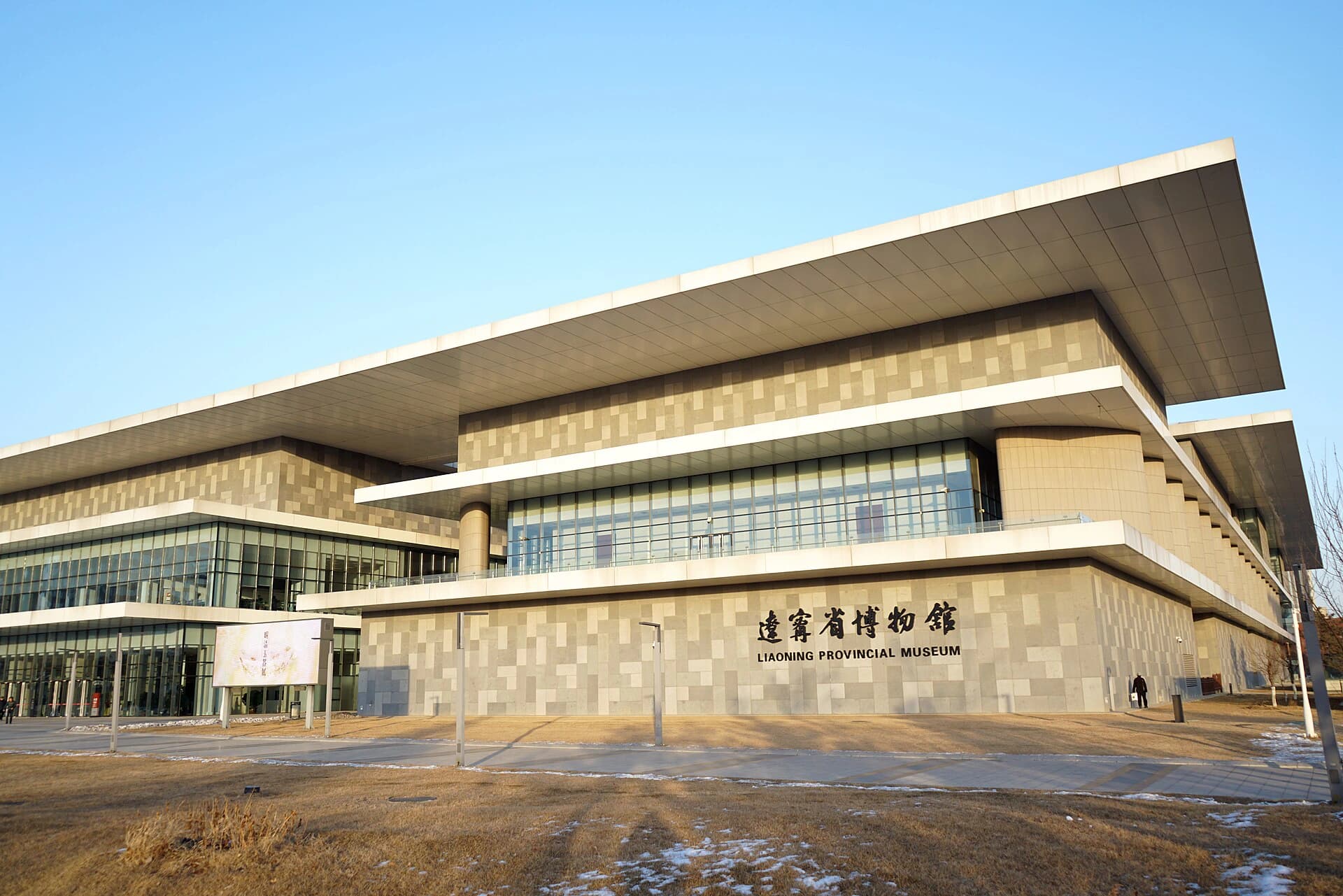
The museums do different jobs. Shenyang Museum explains the city. Liaoning Provincial Museum covers a much larger regional and collection history. The September 18 museum is a memorial institution. China Industrial Museum interprets industrial production and working life. Choosing the right one matters more than visiting all four.
The city is geographically spread out. The palace, Zhang Residence and Zhongjie form one walkable central cluster. Liaoning Provincial Museum is far south; the imperial tombs are north and east; the industrial museum is west. A route that looks short on a list can waste hours in transfers.
Is Shenyang right for you?
Come for architecture with political context, serious modern history, large museums, industrial heritage, hearty Northeast food and a city that still feels lived in rather than staged for visitors. It is especially strong as a cultural stop between Beijing and Harbin or as a base for a longer Liaoning trip.
It is less suitable if you want one compact old town, mild winter walking or English interpretation at every small venue. The best experiences require selective reading, realistic transport and tolerance for seasonal extremes.
A practical three-day flagship
The flagship keeps the central Qing and Republican-era cluster together, gives the September 18 memorial its own emotional buffer before Beiling, and saves industrial Tiexi plus Xita for a separate western day. Liaoning Provincial Museum is a deliberate replacement for Day 3, not an extra stop after a full palace day; Fuling replaces Beiling when forest and the 108-step approach matter more than the northern sequence.
The best plan by trip length
One day: the central historical sequence
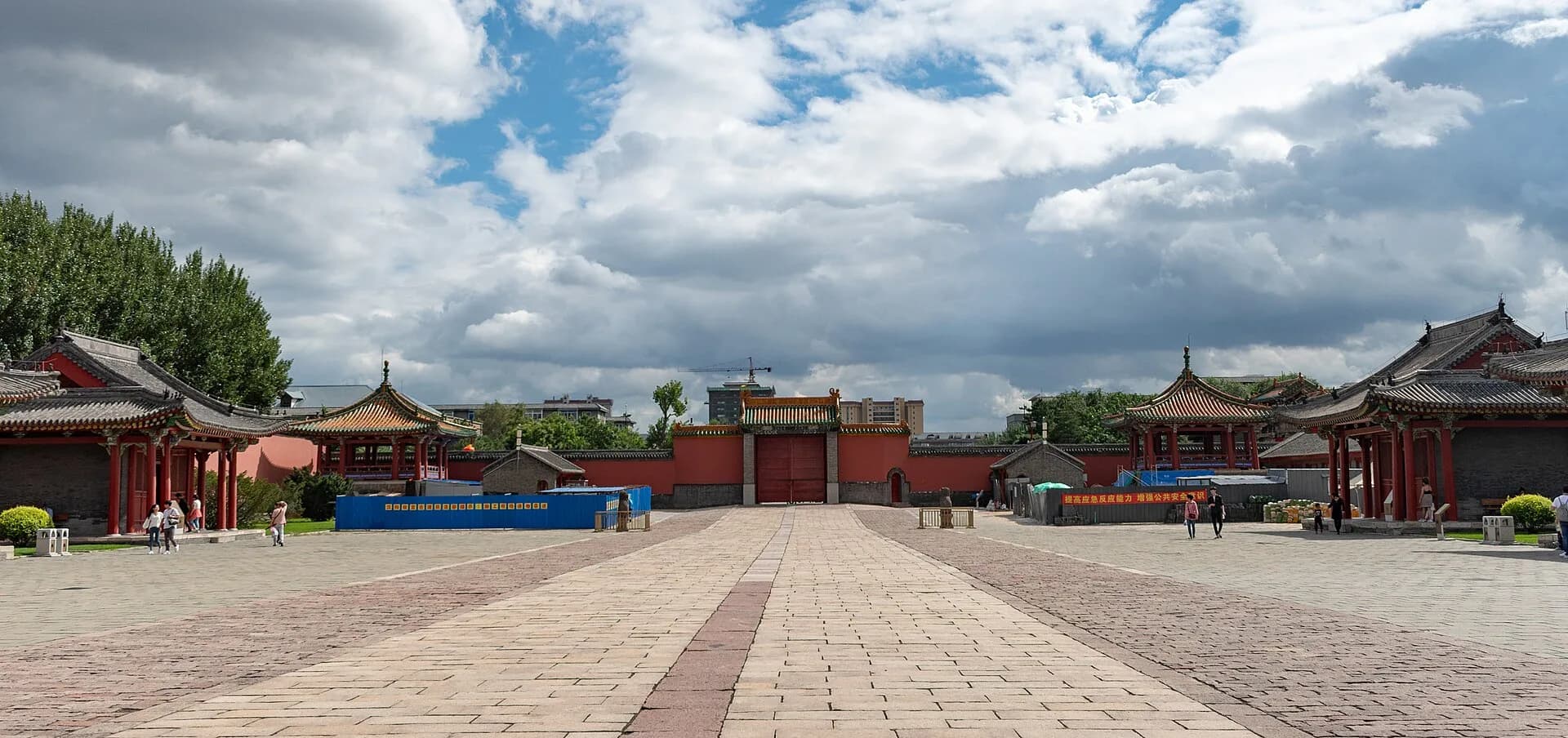
Give the Imperial Palace 2–3 hours. Follow the east, central and west sections so the changing court layout remains legible. Courtyards are exposed and interiors can be tight; in summer, start near opening and cut a minor display before rushing the architecture.
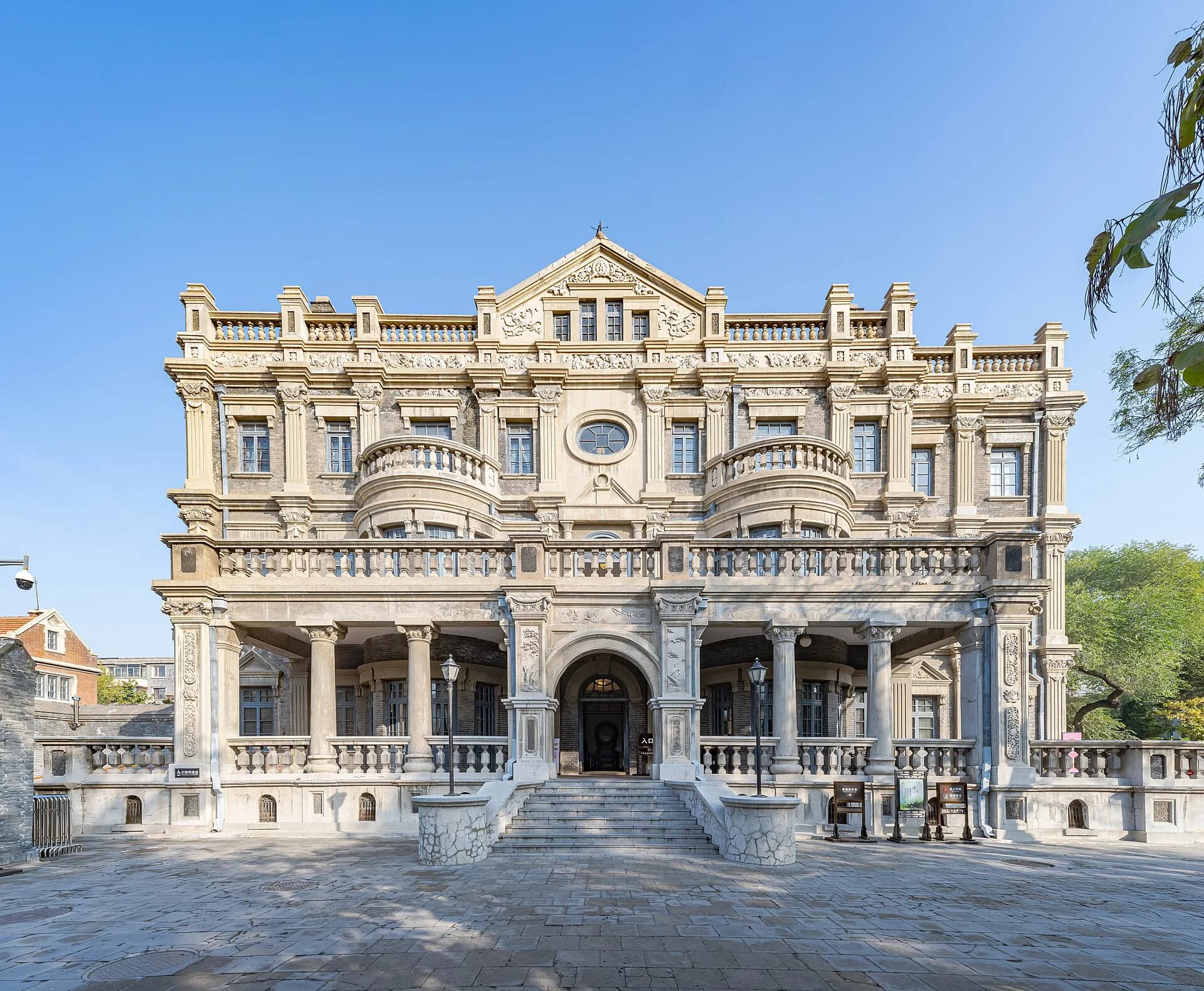
AMap places the palace about 0.6 km / 8 minutes on foot from Zhang Residence. The residence is a multi-building museum complex, not just the famous mansion facade, and needs 1.5–3 hours depending on open buildings and ticket inclusions. Take a proper lunch or café break between the two.
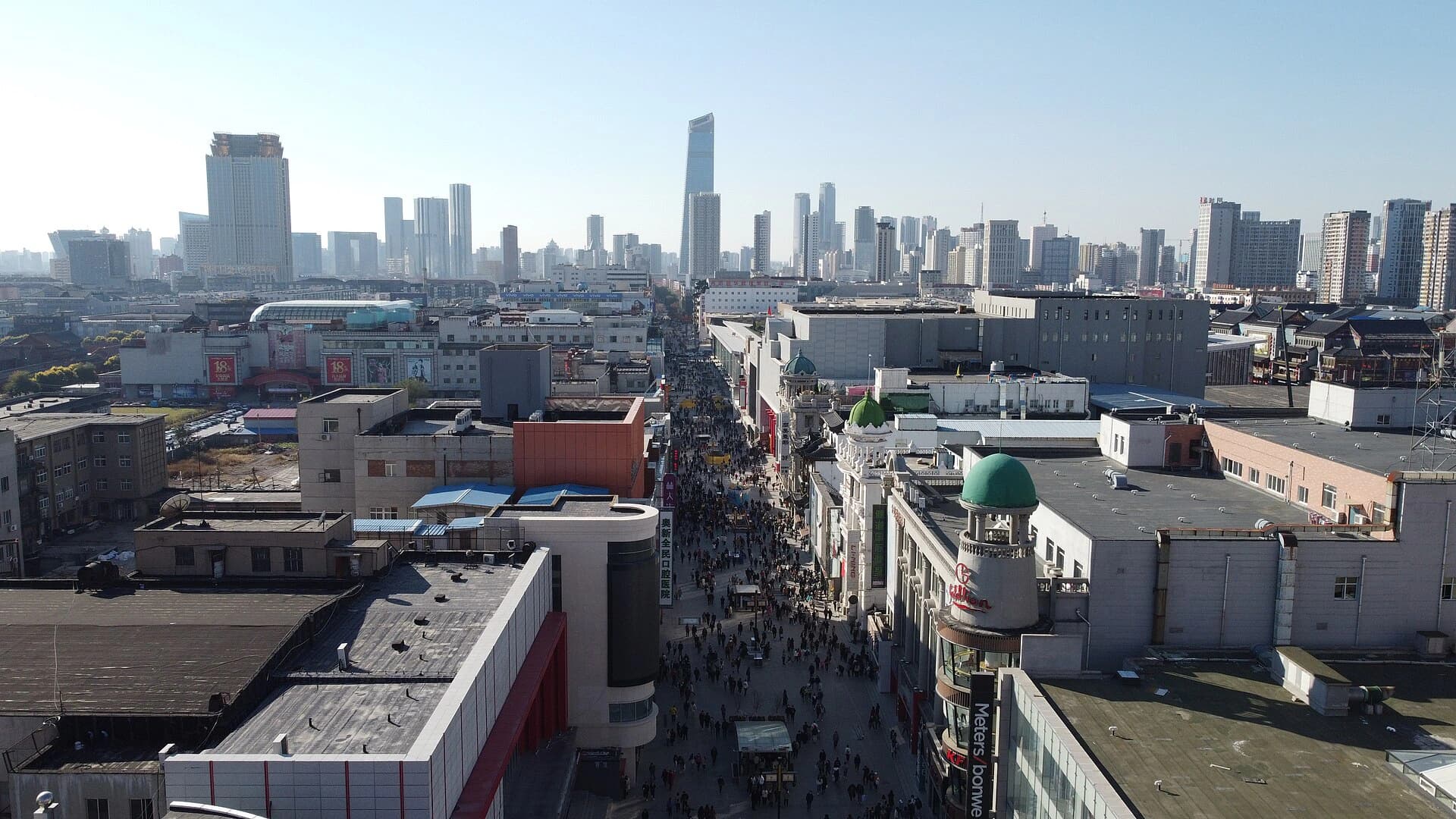
Finish on the Zhongjie historic commercial walk, roughly 1.1 km / 15 minutes from the palace. Look for the relationship between the old street grid, surviving commercial architecture, reconstructed facades and modern malls. Set a one-queue maximum for snacks; the longest line is not a historical sight.
Two days: add one museum at the correct scale
Use Shenyang Museum for a compact 1.5–3 hour city chronology. It is the better second-day choice when you want to connect the palace, the changing city name and urban development without museum fatigue.
Use Liaoning Provincial Museum for selected permanent galleries in about three hours or for a dedicated half to full day. It is not a central-city add-on. The checked Line 2 journey from the Shenyang Museum area is about 51 minutes including access walking, and individual masterpieces or temporary displays should never be assumed to be on view.
Do not put the provincial museum after a full palace morning. That combination produces more transit and unfinished galleries than insight. If the museum is your priority, make it the day's anchor and add only a relaxed meal or riverfront walk.
Three days: choose one coherent outer-city module
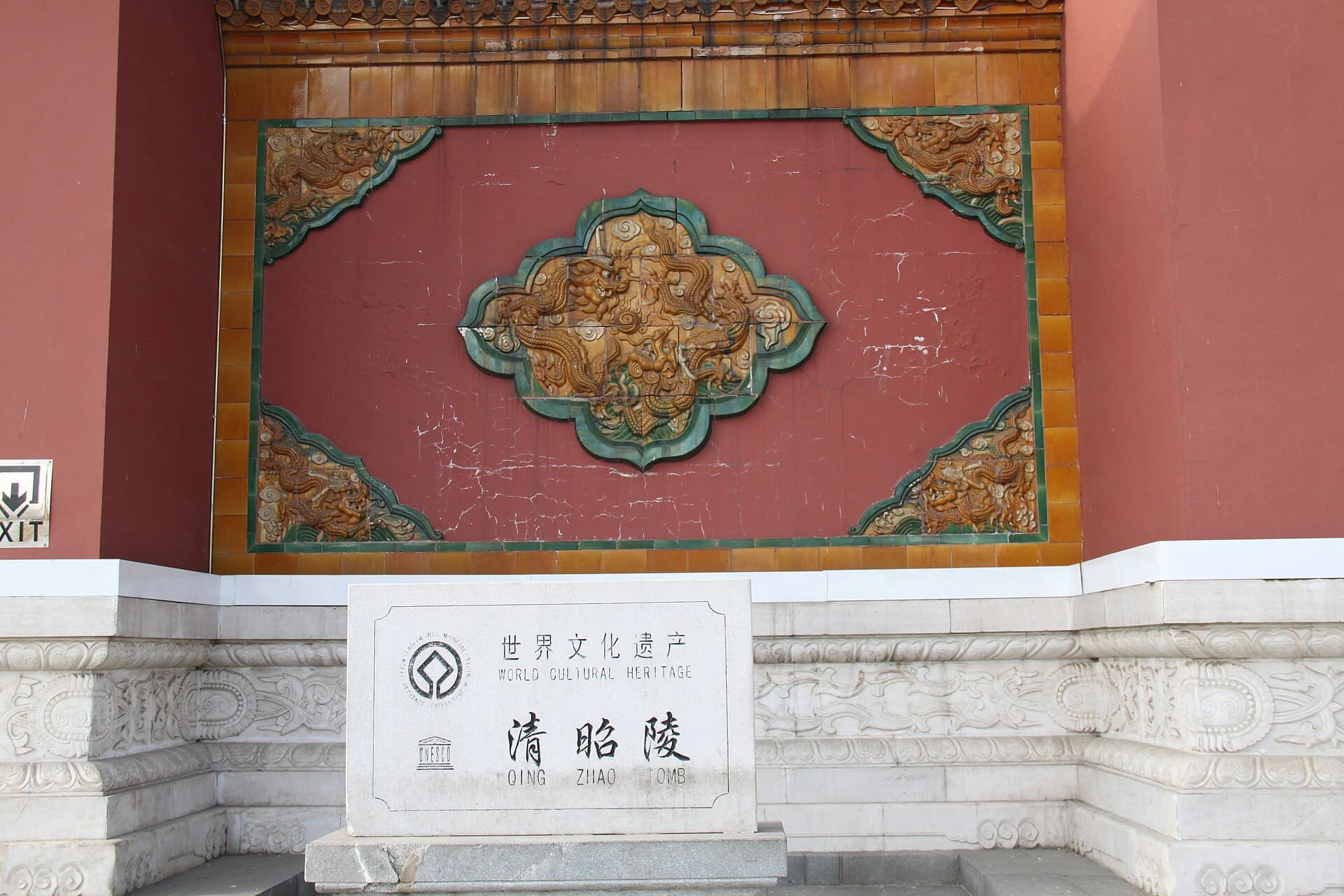
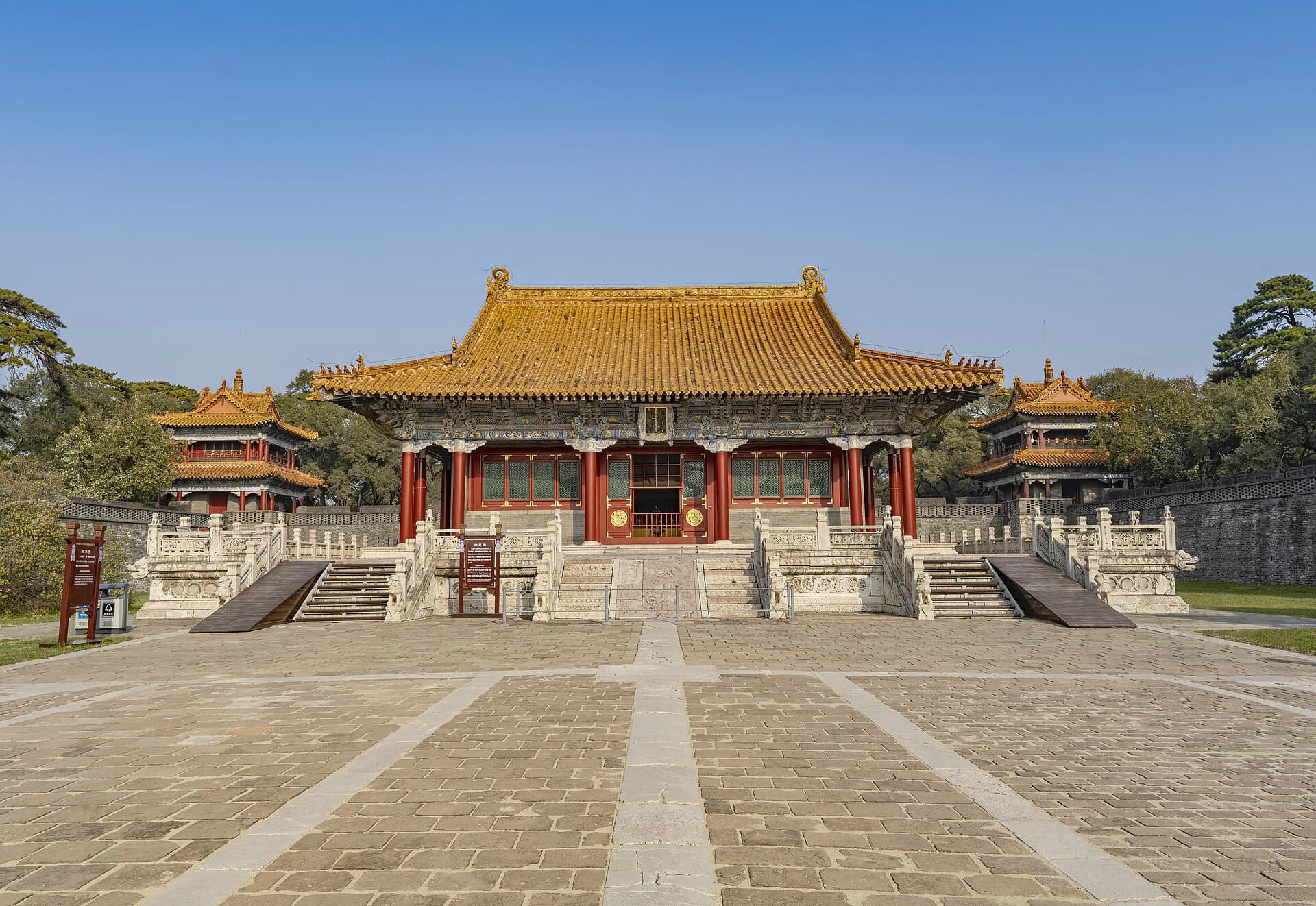
- Northern history: visit the September 18 History Museum, then Beiling Park and Qing Zhaoling. The first visit is emotionally heavy; allow quiet time afterward. AMap gives about 4.8 km / 20 minutes by car to the park's south visitor area, while public transport involves more access walking. Inside Beiling, the long south–north axis continues before the tomb core.
- Eastern tomb landscape: choose Dongling Park and Qing Fuling when you want forest, ritual approach and a quieter heritage visit. The metro station is not the tomb entrance, and the famous 108-step ascent remains part of the route. Ice, rain and mobility can turn that feature into the day's main constraint.
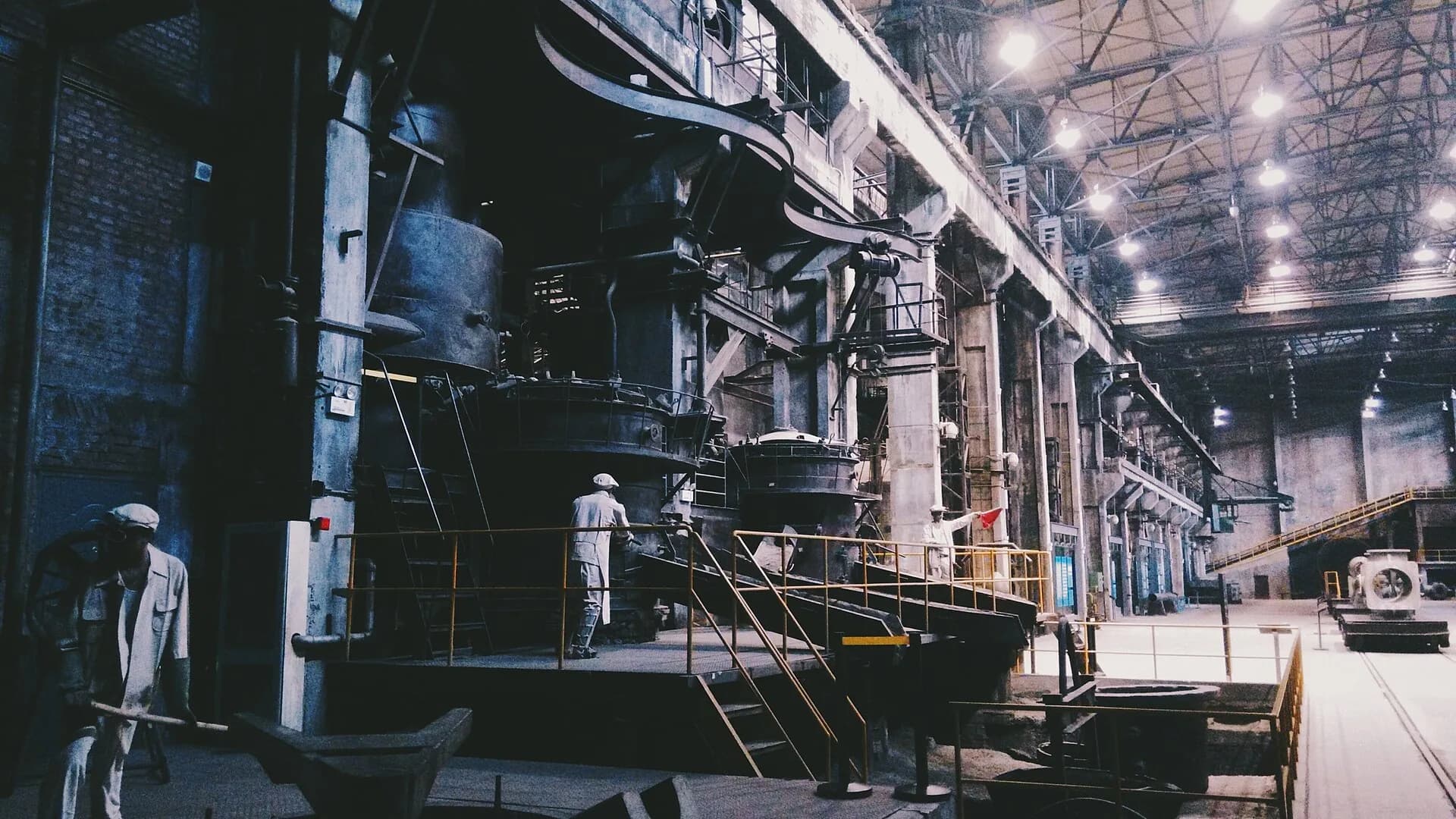
- Industrial city and evening food: spend 1.5–3 hours at China Industrial Museum, then move to Xita for a neighbourhood walk and dinner. The museum is an interpretation site in a former industrial setting, not a tour of an operating factory. AMap estimates 5.8 km / 14 minutes by car between the two anchors.
These are alternatives, not a challenge to complete in one day. The northern pair prioritizes war memory and an imperial tomb; the eastern route prioritizes landscape and physical approach; the western pair explains the twentieth-century city and its contemporary evening life.
How to understand the imperial tombs
At both Beiling/Zhaoling and Dongling/Fuling, decide whether you want the public park, the World Heritage tomb core or both. A park gate does not necessarily mean you have entered the protected heritage area, and an event, exhibition or internal vehicle may have separate rules.
Zhaoling works better for travellers who want an urban park plus a long ceremonial axis. Fuling feels more outward and places a greater demand on legs and balance. In winter, compacted snow and ice change the decision; in summer, distance and exposed sections matter. Check the current gate, last entry and return route before setting out.
Where to stay without creating extra transfers
Zhongjie or Huaiyuanmen is the most convenient base for the palace cluster and early starts. The trade-off is traffic, active commercial streets, possible construction and night noise. Do not choose by district name alone—check the exact subway exit and newest room-specific reviews.
Youth Avenue or another Line 1/2 interchange is usually the best balanced base. It reduces friction between the old centre, Shenyang North, the southern museum zone and east–west journeys. A generic “city centre” label is less useful than a five-minute walk to the correct metro entrance.
Taiyuan Street or Shenyang Station suits travellers arriving there and prioritizing malls or Xita. Shenyang Station and Shenyang North are different hubs; confirm the characters on the ticket before booking a hotel.
Ask whether the property accepts foreign passports, whether reception operates when you arrive, and whether the exact room has reliable heating or cooling, a lift and acceptable soundproofing. Older buildings can be atmospheric but inconvenient with luggage.
Compare Shenyang hotels on Trip.com and check China train tickets using the exact station and travel date.
What to eat—and how to avoid ordering badly
Shenyang food is better approached by category than by a viral checklist:
- Chicken frames: cold-mixed, smoked, roasted and other preparations can taste like different dishes. Order one portion first and learn the seasoning style before judging the category.
- Chicken-broth noodles and dumplings: useful solo meals and easier to portion than a full Northeast banquet.
- Northeast shared dishes: portions can be large. Ask for a small or half portion where available, and order in stages rather than filling the table immediately.
- Korean-Chinese food in Xita: barbecue, cold noodles and dumplings work best as one deliberate sit-down meal, not the end of an all-day snack crawl.
Opinions about famous chicken-frame shops and internet-famous snacks are sharply divided. A queue proves demand, not universal taste or careful service. Check the current branch and menu, set a queue limit, and walk away when the wait would replace a museum or proper meal.
If allergies or dietary rules matter, ask explicitly about pork, shellfish, peanuts, sesame, fermented sauces and alcohol used in marinades or cooking. Translation apps help, but a written allergy card is safer for serious reactions.
Weather, access and emotional pacing
Winter is part of Shenyang's identity, but icy approaches, dry indoor heat and large outdoor parks demand proper footwear and layers. Summer can be hot and humid, especially in palace courtyards and large industrial halls. Move outdoor heritage to the morning, carry water and keep one indoor alternative.
Historic thresholds, stairs and long ceremonial axes limit step-free movement at the palace and tombs. Contact the venue for the current accessible route rather than assuming the main visitor circuit is suitable. The September 18 museum also needs emotional pacing: it is reasonable to shorten the following attraction or leave the evening unstructured.
Illustrated guides
Six rules that improve the trip
- Read the city chronologically: early Qing, Republican era, 1931, industry, then contemporary life.
- Let each venue's first-party notice control current hours, passport booking, open halls and photography.
- Separate public park entry from Zhaoling or Fuling tomb admission.
- Treat the September 18 museum as a memorial, not a photo set.
- Keep one major museum per day and add a rest in extreme heat or cold.
- In Xita and Zhongjie, verify the current business and menu rather than following an old saved list.