Zhang Xueliang Residence
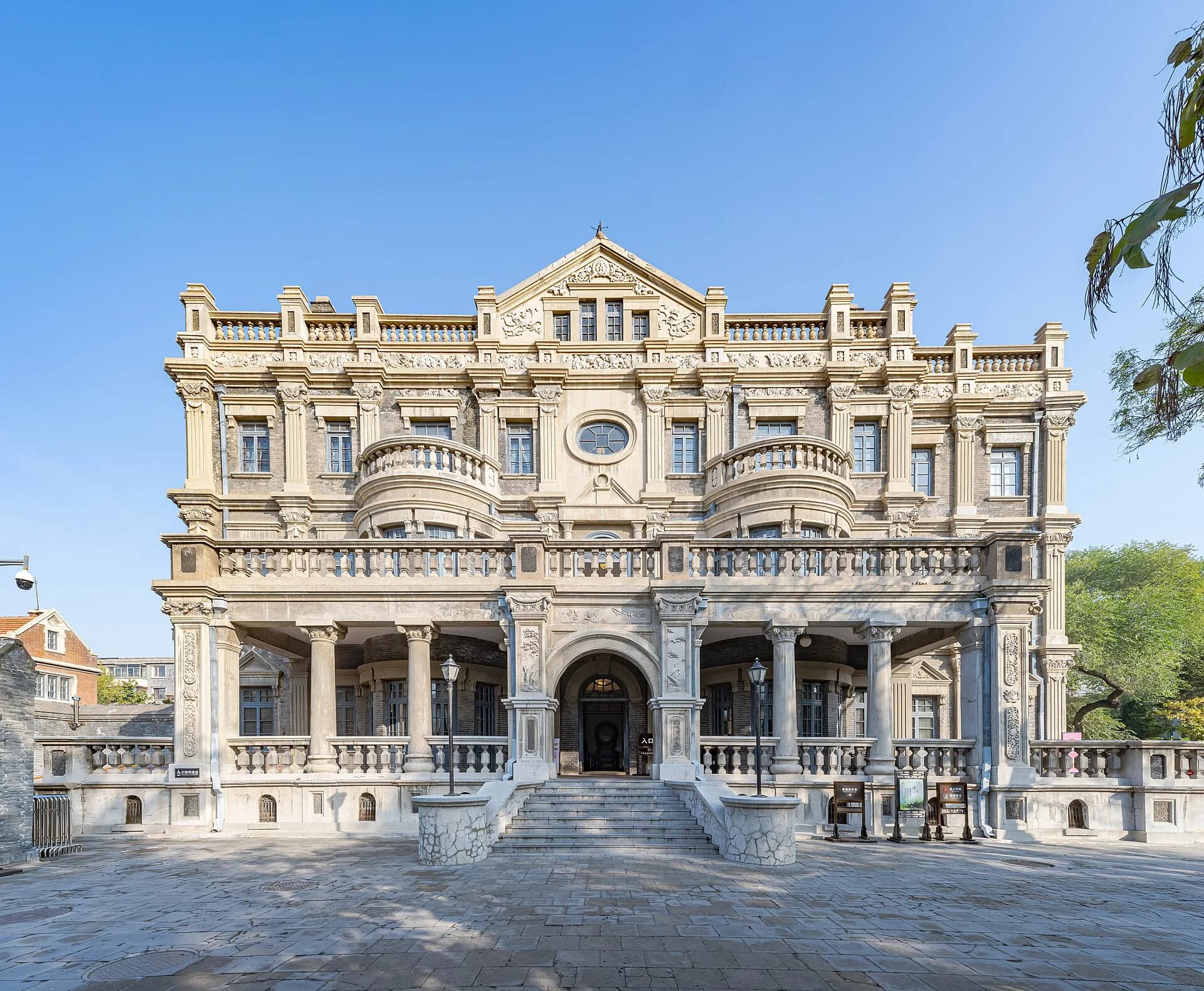
The site commonly called Dashuaifu (大帅府) is a multi-building museum complex tied to Zhang Zuolin, Zhang Xueliang and the political history of Republican-era Northeast China. Courtyards, the Large and Small Green Buildings and Zhao Yidi's residence have different architectural and biographical roles.
The point is not celebrity-room hunting. The compound lets you compare a traditional courtyard power base, imported architectural languages, domestic spaces and a former bank while asking how military government, finance, family life and the changing Northeast met in one urban block.
Use Zhang Xueliang Residence — open in AMap. The palace is about 0.6 km / 8 minutes away on foot.
First choose the product
Recent visitors repeatedly report confusion between base residence admission and bundles that add the Shenyang Finance Museum or other adjacent content. Some valued the banking hall and currency history; others felt the larger bundle added weak value. Read the current inclusion list before paying, and do not assume the highest-priced ticket is required.
Allow 1.5 hours for an architecture-first residence route and 2–3 hours if you read the history or add the Finance Museum. Check current repairs, one-way exits and whether leaving for an adjacent building prevents re-entry.
A building-by-building route
Begin with the courtyard sequence and identify formal reception, work and residential functions. Continue to the Small and Large Green Buildings and compare scale, construction and political use rather than treating them as photo backdrops. Use Zhao Yidi's residence to add a separate life story, not as proof of every romantic anecdote told online. Add the former bank/Finance Museum only if currency, banking architecture and regional finance interest you.
For each room, distinguish original fabric, restored fabric, period furnishings, later reconstruction and exhibition design. A guide or audio can connect events to spaces, but dates and documented roles should control the story.
Summer and interpretation
Visitors describe heavy crowding and rooms without strong cooling. Use the exterior courts first, then slow down only in the buildings most relevant to your interests. A guide can help connect places to events, but romantic anecdotes and simplified hero stories should not replace documented chronology.
The current April 10–October 9, 2026 summer schedule is 08:30–17:30, with last entry at 17:00; Monday is closed except statutory holidays. A June 2026 official promotion still required advance reservation for the residence and Finance Museum. Confirm the ordinary ticket, passport booking path, same-day capacity, included buildings and any later summer extension before travel; a promotional free-ticket rule does not apply to every visitor.
Free hot water, bag storage, wheelchairs and strollers were specifically documented during the 2026 Spring Festival programme, but availability should be reconfirmed for an ordinary day. Historic thresholds, narrow doors and crowded rooms can break an otherwise accessible route; ask which named buildings can be reached step-free.
Combine it well
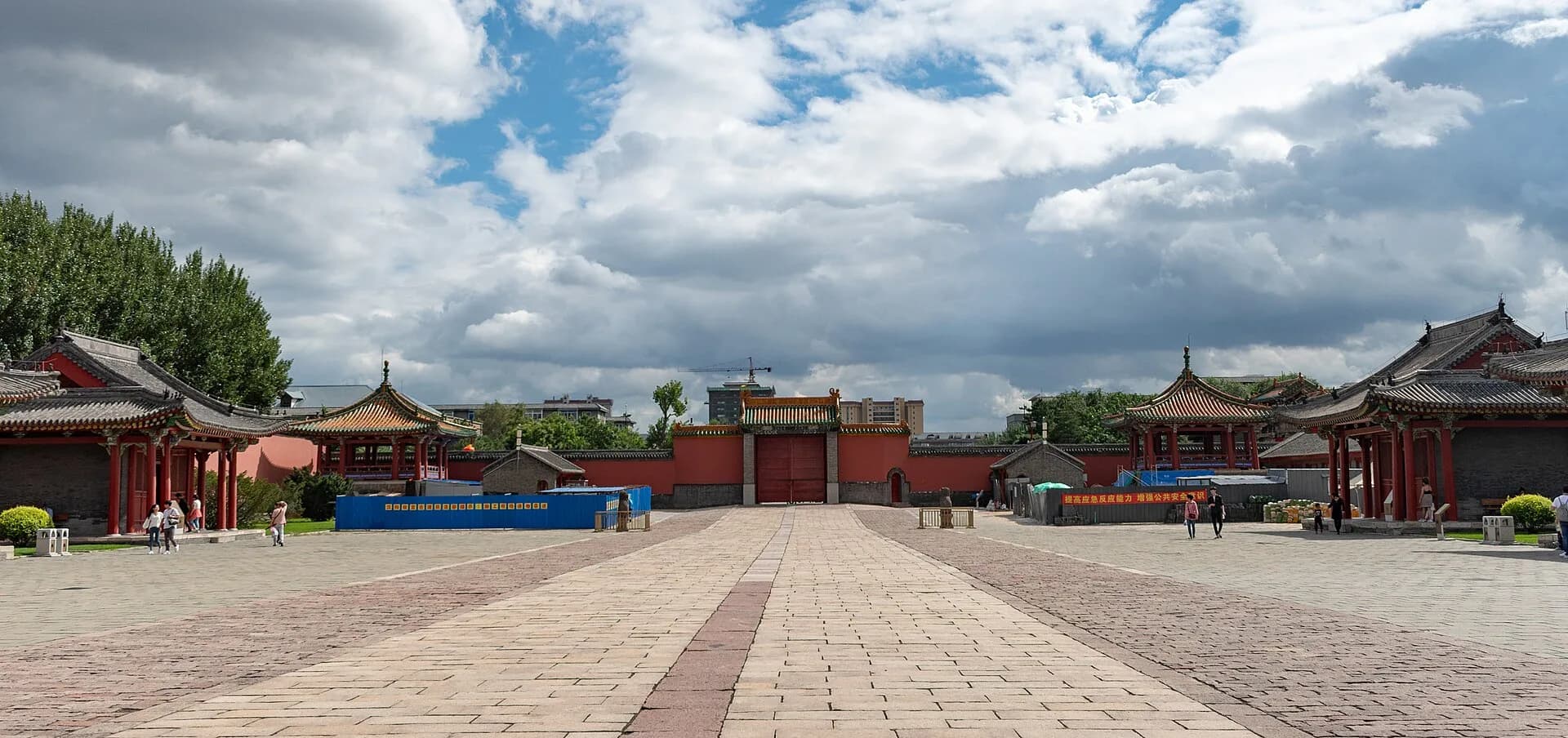
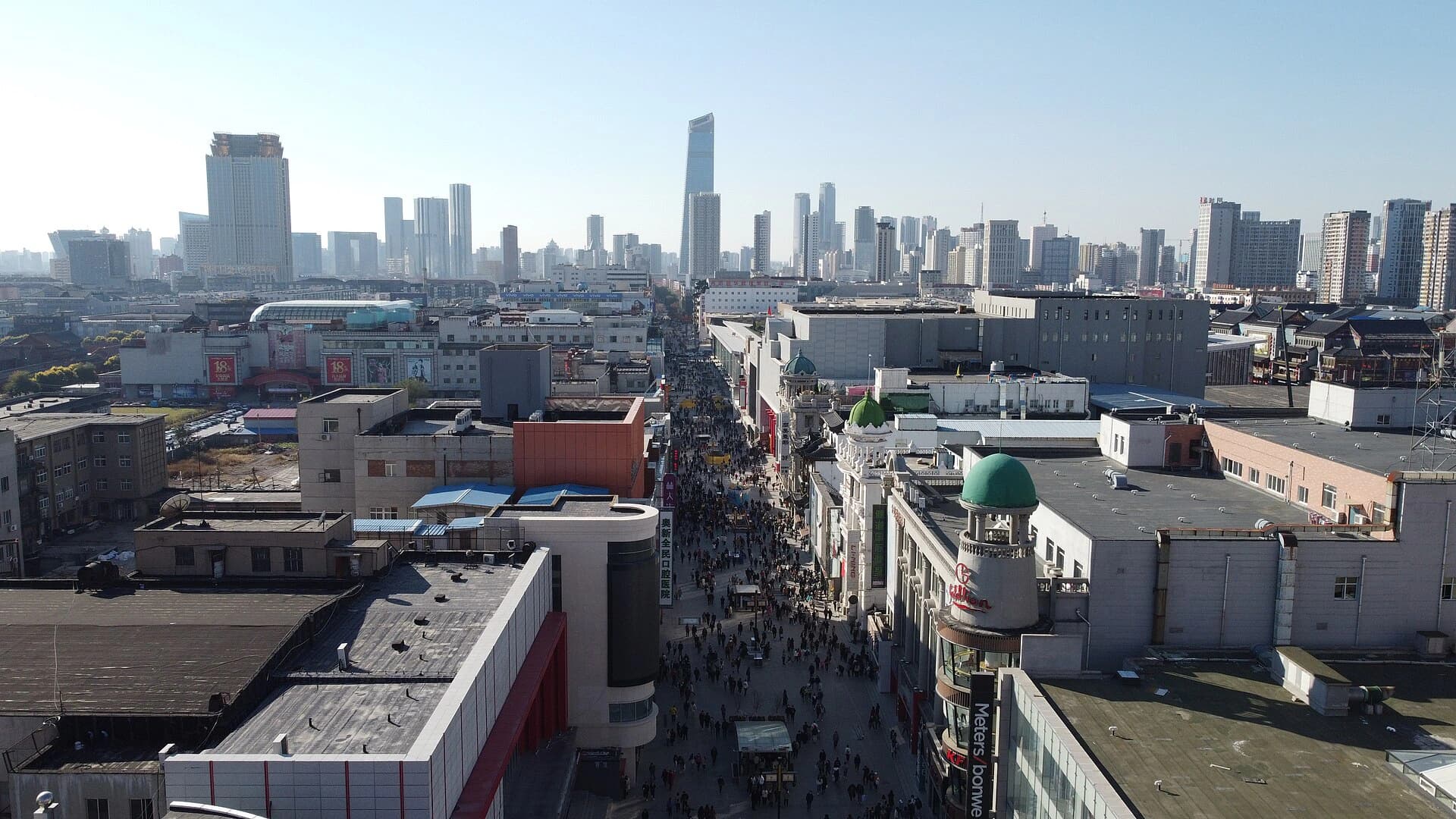
Pair the residence with the Imperial Palace and a bounded Zhongjie visit. Do not add Liaoning Provincial Museum on the same day.
Verdict
Go for architecture and modern history. Buy only the buildings you actually plan to read.