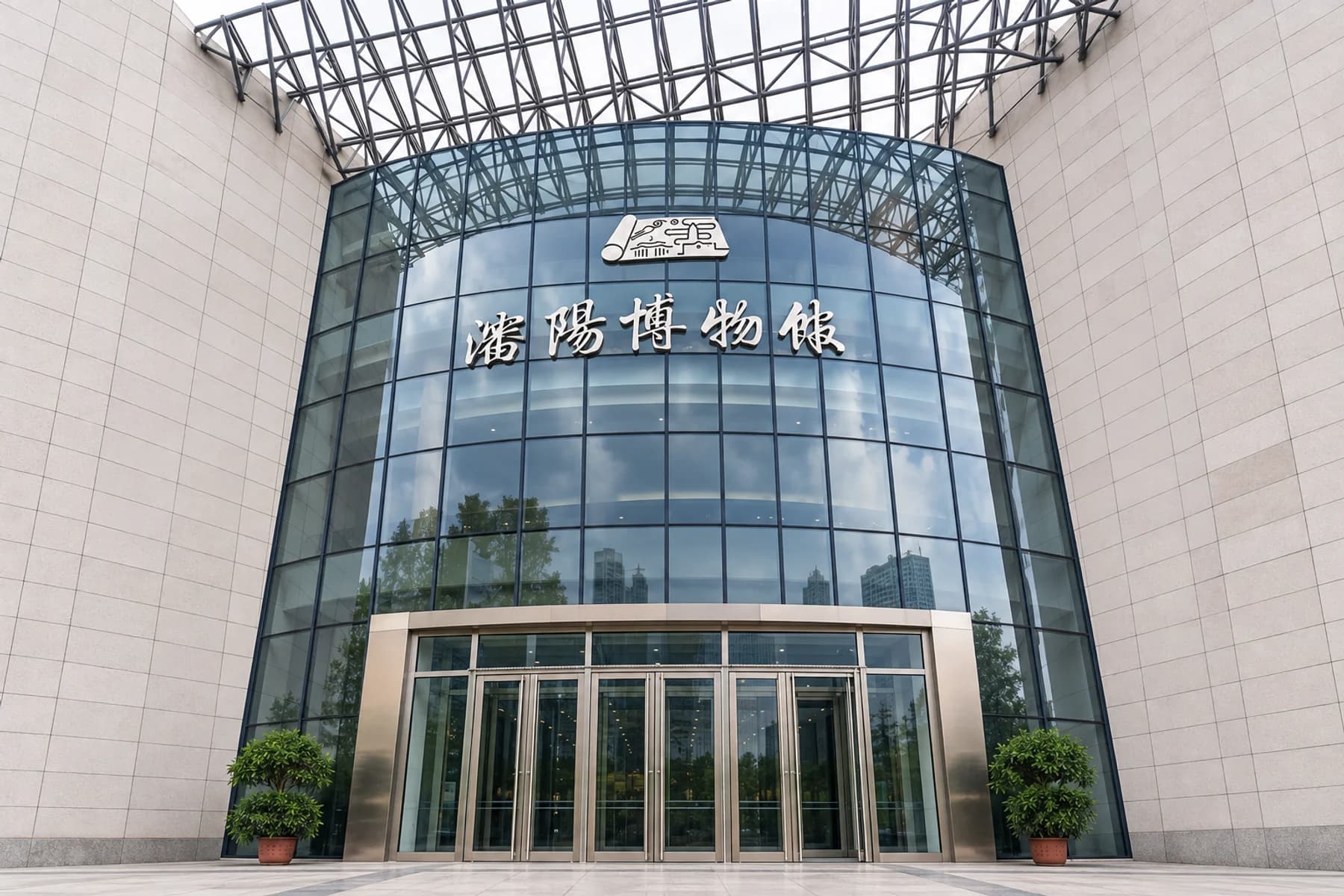
Shenyang Museum
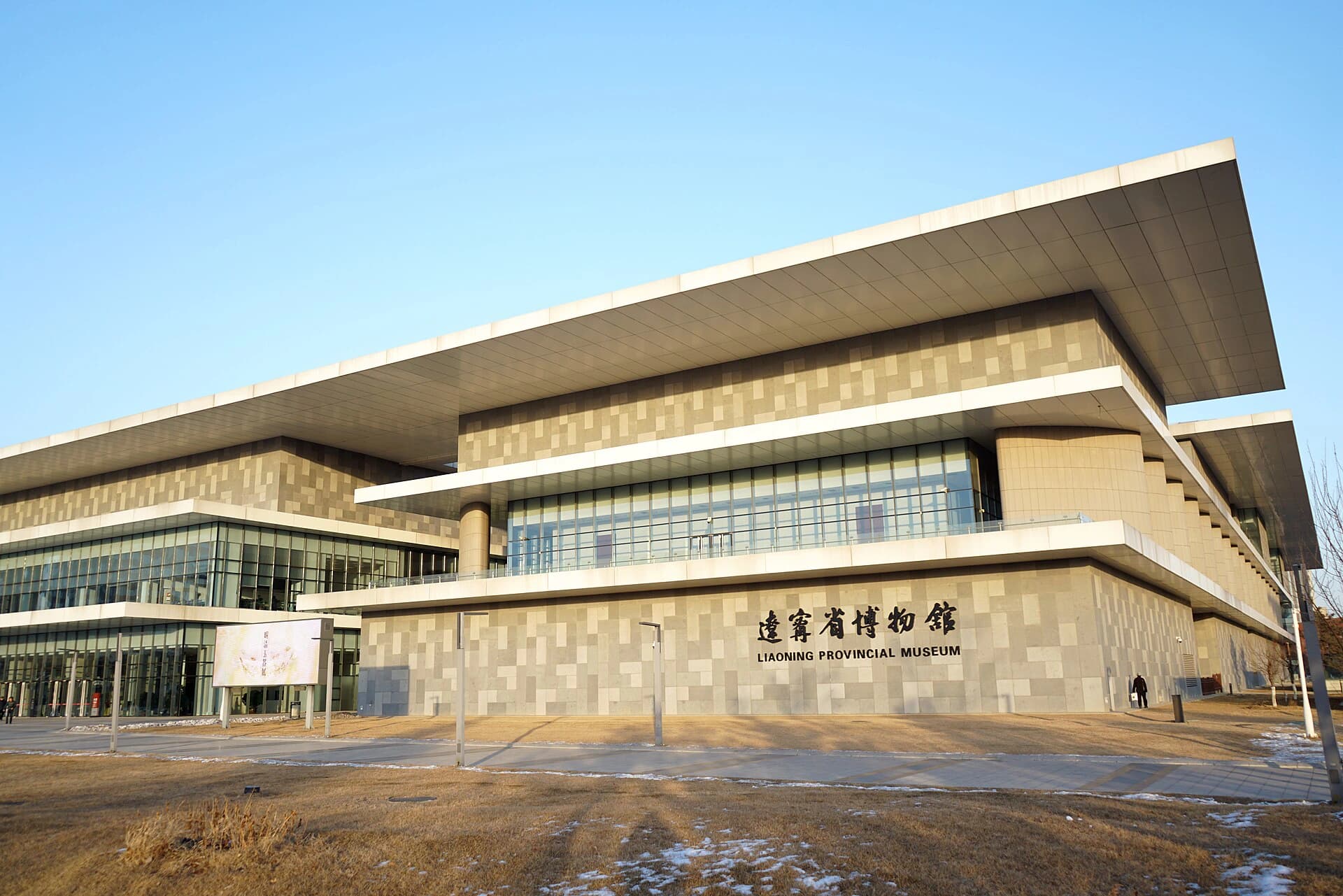
Shenyang Museum at 363 Shifu Road explains the city's own chronology. It is not Liaoning Provincial Museum in Hunnan, the September 18 memorial or Shenyang Imperial Palace.
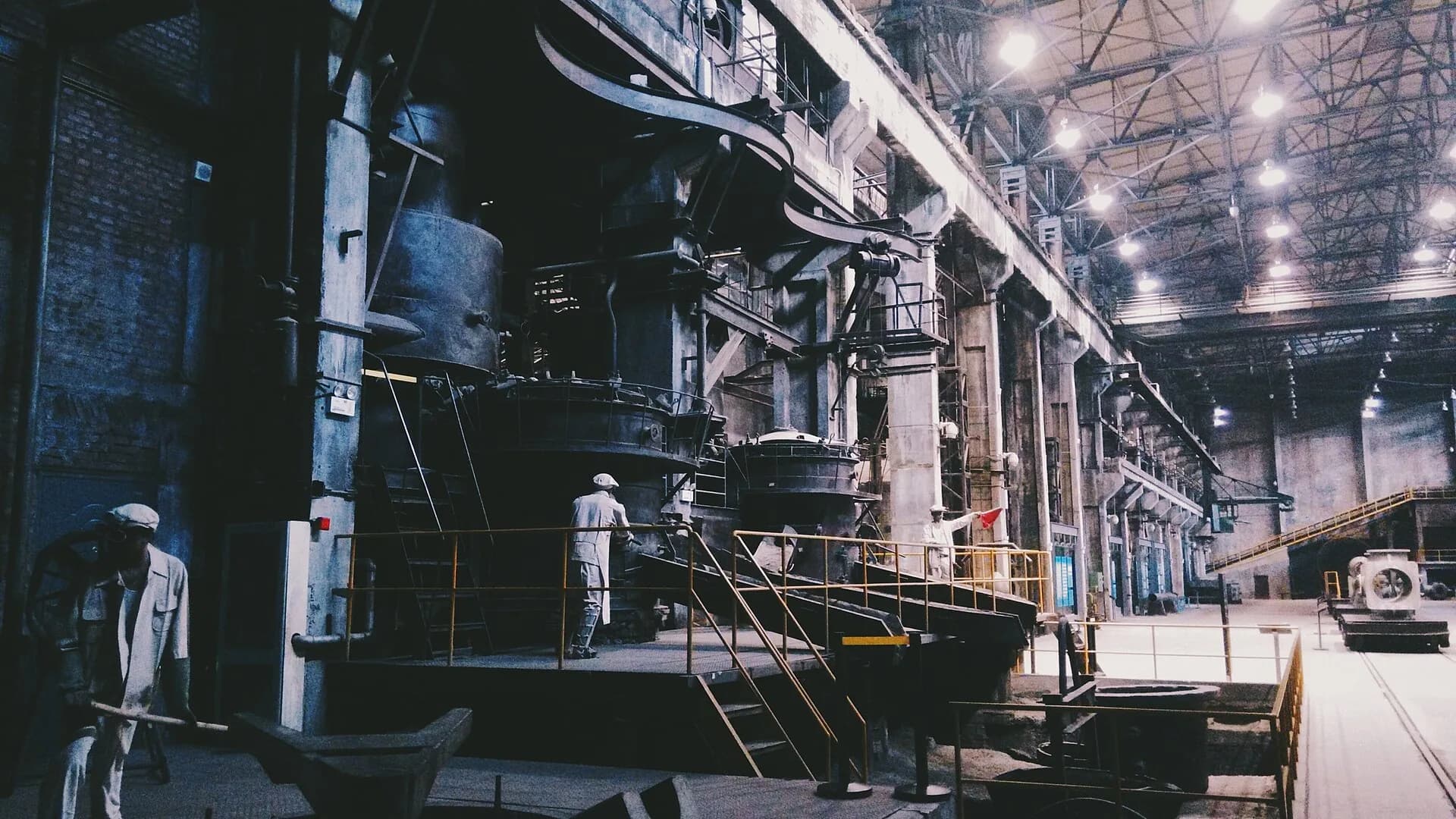
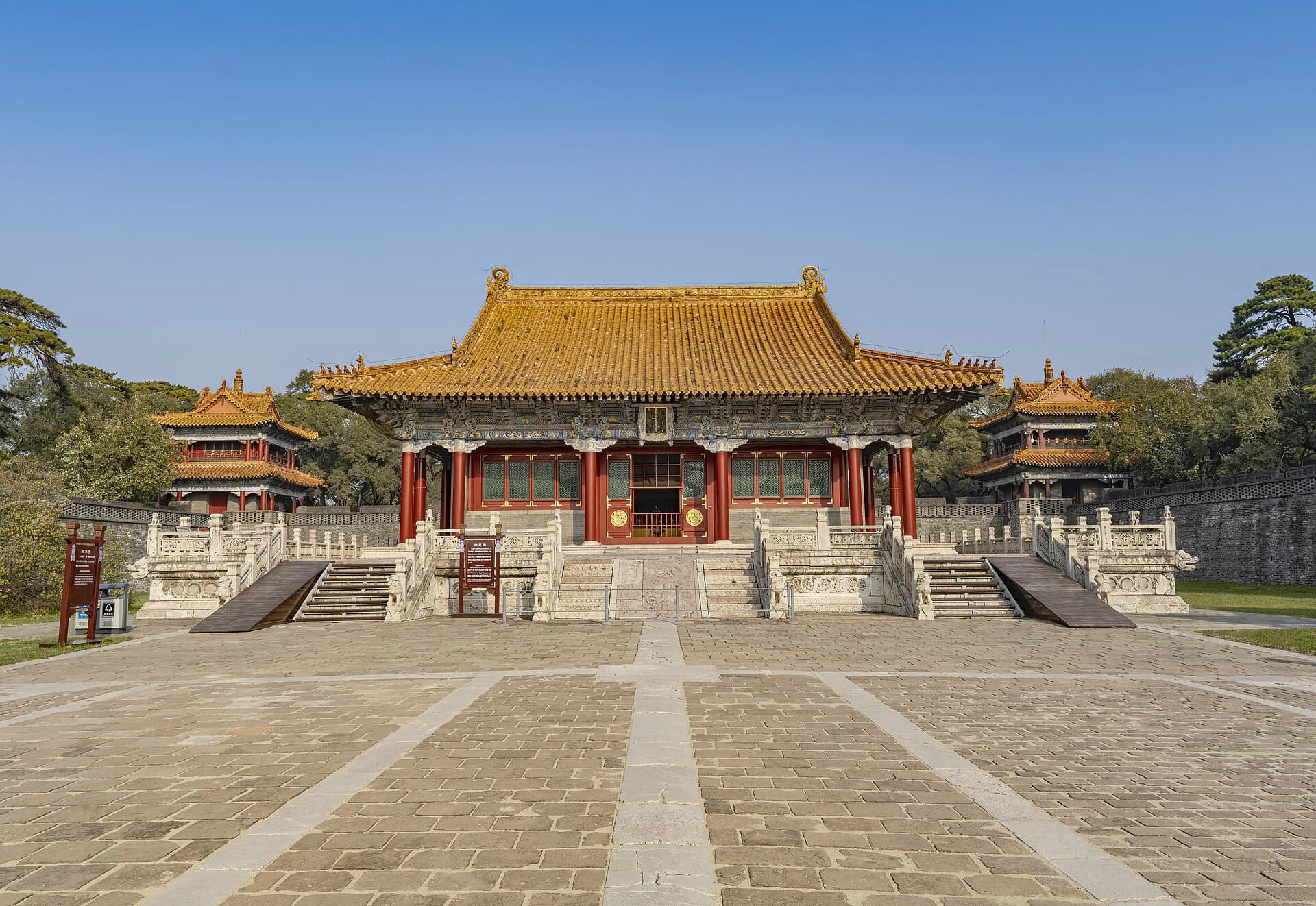
Its value is synthesis. The palace explains one early-Qing court, the Zhang residence one political household and the industrial museum one economic era; this museum connects those episodes to the changing city. That makes it a useful first stop for a history-led trip and a useful rainy- or cold-weather substitute when a long outdoor route is unattractive.
Use Shenyang Museum — open in AMap, beside Renmin Square station. From Shenyang North Station, AMap estimates 1.9 km / 25 minutes on foot or 17 minutes by Line 2; with luggage or winter weather, use the subway.
A focused route
Allow 1.5–2 hours for the main city sequence and up to three hours if a current special exhibition interests you. Visitor reports value the compact progression from early settlement through Shengjing and modern Shenyang. Some also note that not every display object is an original; read labels and distinguish artefact, replica, model and digital interpretation.
Volunteer talks can improve a visit but their times and languages are not guaranteed. Current visitors also disagree about reservation versus direct identity-document entry, so confirm the live rule and passport process before arrival.
Read one city through four questions
Start with geography and early settlement: where did transport, water and defence shape the city? Continue to the rise of Shengjing and ask how the Qing capital function differed from later Shenyang. In the modern section, separate political events, railway and industrial growth rather than compressing everything into a single Republican-era label. Finish by asking which historic street grids, factories and civic buildings still structure the city outside.
This question-led route is more reliable than chasing a saved list of objects. Displays rotate and replicas can be legitimate teaching tools when labelled honestly; the problem is not reproduction but failing to distinguish it from an original.
Find the three-part history display
Look on the current floor plan for 沈阳源流, 天眷盛京 and 近代风云—the museum's three-part city-history display. These names give you concrete anchors for the questions above: early Shenyang, Qing-era Shengjing and the modern city. Ask for the history display first rather than starting with whichever temporary exhibition is closest to the entrance.
Keep your first circuit chronological. In each section, choose one object or model and connect it to the city map or introductory panel. Before moving on, identify what changed from the previous period: the settlement, the capital's role or the city's connections. If a volunteer tour is available in a language you understand, use it for this core sequence; decide on an extra exhibition afterward. A visitor's rewarding long talk is a reason to ask about today's programme, not to expect a fixed departure time.
Current-operation check
The museum hosted city-wide programmes in 2026, but its ordinary passport and reservation process is not clearly established in the available public instructions. Check the current notice rather than assuming a holiday evening schedule. Carry your original passport, allow time for security and ask which permanent galleries are open.
For mobility needs, confirm the step-free entrance, lift, seating, accessible toilet and bag policy. A compact museum can still involve long standing periods.
Choose it over Liaoning Museum when…
Choose this museum when you want a central, lower-energy history introduction or need context before the palace and industrial museum. Choose Liaoning Provincial Museum for a major collections day; AMap places that trip at about 51 minutes by Line 2.
Do not schedule both by default. The city museum rewards chronological reading; the provincial museum rewards selective collection study. Pick the one that answers your day's question.
Verdict
This is the best museum for understanding Shenyang as one continuous city story without committing a full day.