Xita District
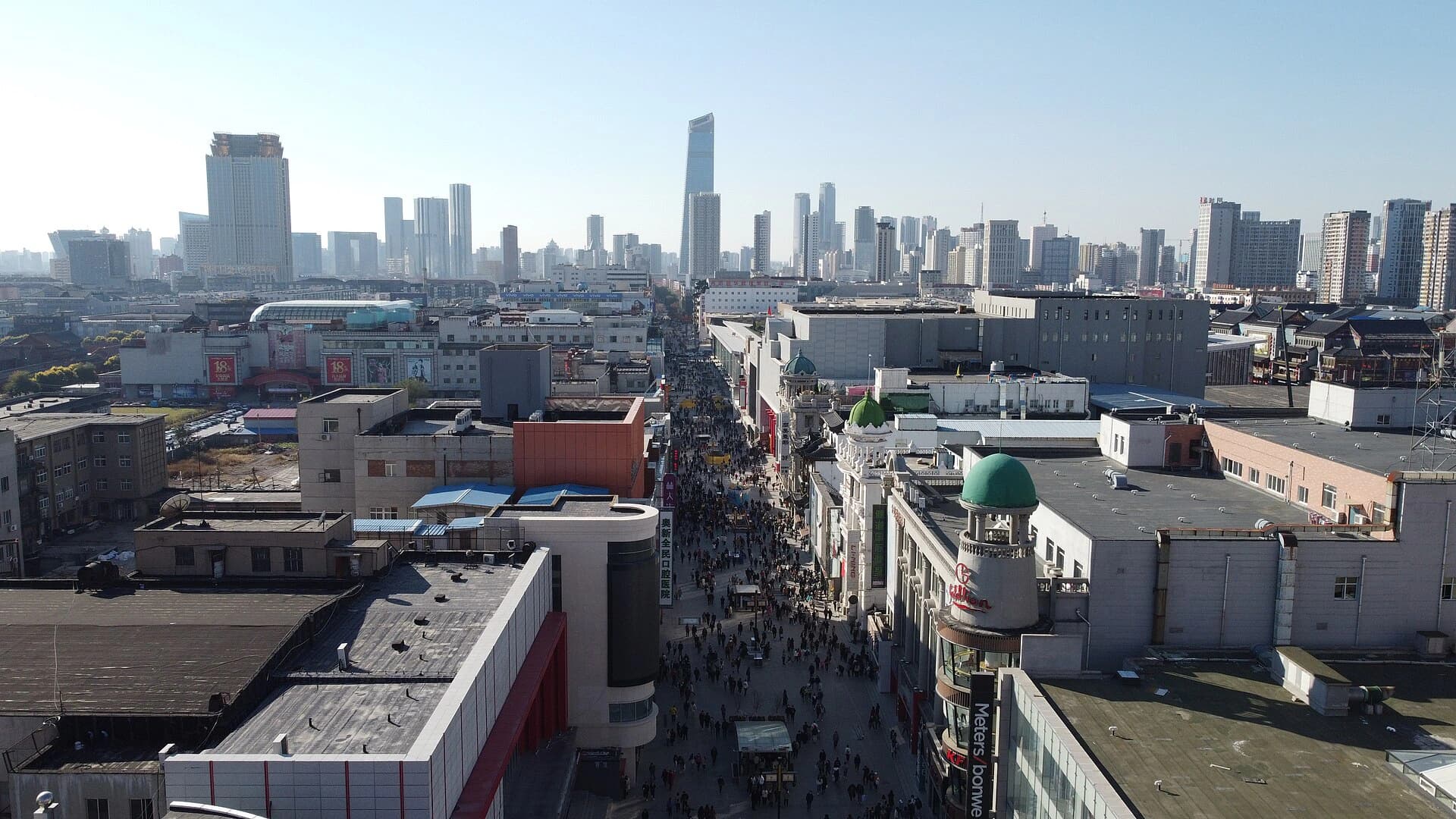
Xita (西塔) is one of Shenyang's most distinctive evening districts: restaurants, grocers, bakeries, bathhouses, cultural venues and everyday neighbourhood services overlap rather than forming a controlled tourist attraction. Municipal planning describes it as an important window onto the city's Korean-Chinese culture and a major food and night-economy area.
That official identity should not become a stereotype. A sign, shop or person does not prove anyone's ethnicity or nationality. Visit to eat, observe the commercial streets and understand one layer of contemporary Shenyang—not to treat residents as part of the scenery.
Allow 2–4 hours from late afternoon into evening. Use Xita Cultural Street in AMap as an area anchor, not as proof that a particular restaurant remains open.
Who will enjoy Xita?
Choose it if you like comparing menus, sharing food and exploring an active city district after museums close. It works especially well after China Industrial Museum or as a low-pressure evening on a longer Shenyang stay.
Skip it if you need guaranteed English menus, a quiet heritage walk or a checklist of permanent “must-eat” shops. Tenants, prices and queues change quickly, and the best-known business is not automatically the best choice for your diet or budget.
A practical 2–4 hour route
1. Survey before buying
Walk the main commercial street once without joining the first queue. Compare visible menus, table turnover, cleanliness, portion size and whether prices are clearly displayed. Then turn into one side street to see how the visitor-facing strip connects with ordinary neighbourhood life.
This first pass prevents the common mistake of filling up on the first snack and then discovering that the sit-down meal was the real priority.
2. Share one street snack
Choose one freshly cooked item that can be divided rather than attempting a ten-stop crawl. Confirm whether the quoted price is per piece, per portion or by weight. Food displayed for a long time, without cover or without clear handling is easy to skip; abundance is not a reason to lower normal hygiene standards.
3. Commit to one proper meal
Korean barbecue, cold noodles or dumplings are stronger anchors than random grazing. For barbecue, ask whether a minimum order or set menu applies and whether staff cook at the table. For cold noodles, expect a chilled, tangy-sweet profile that divides opinion; share a bowl first if you are unsure. Large Northeast or Korean-Chinese dishes are usually better for a group, so order in stages.
4. Finish with a grocery or bakery browse
Packaged foods make a useful final stop because labels allow more deliberate comparison. Check ingredients, refrigeration, seal, expiry date and whether a product can safely travel. Do not buy chilled food for a long rail journey without suitable storage.
How to choose a restaurant without a viral ranking
Treat saved shop names as search leads, not guarantees. Before sitting down, verify the exact branch, current opening, menu, queue, minimum spend and payment method. A recently renovated branch and an older branch can produce different experiences under the same name.
Use three filters:
- Can you understand the order? Prefer a menu with pictures, clear units and prices. Translation software is helpful, but staff confirmation is better for set menus and minimum orders.
- Does the portion match your group? Ask whether half portions exist and order one fewer dish than you think you need. Northeast servings can be large.
- Will the wait replace the evening? Set a maximum queue time before arriving. Nearby alternatives are part of the strength of a food district.
Allergies and dietary rules
Ask explicitly about pork, beef, shellfish, fish stock, peanuts, sesame, egg, wheat and alcohol. Fermented sauces, marinades and cold-noodle broths can contain ingredients that are not obvious from the dish name. “Vegetable” may describe the main ingredient rather than a vegetarian preparation.
For a serious allergy, carry the restriction in written Chinese and show it before ordering. If staff cannot confirm ingredients or cross-contact, choose another restaurant. A busy grill with shared tongs and surfaces may not be appropriate even when the base dish seems safe.
Transport, crowds and respectful behaviour
Avoid driving into the busiest core. Congestion, pickup friction and scarce parking can erase any advantage. Use public transport, a taxi to the district edge or walk from a nearby stop, then save the exact return point before dinner. Recheck the last metro or bus if you stay late.
AMap estimates Xita to China Industrial Museum at about 5.8 km / 14 minutes by car. The mapped bus option takes roughly 37 minutes and includes substantial access walking, so a taxi is the lower-friction pairing for two or more travellers.
Do not photograph diners, workers, worshippers or residents at close range without permission. Avoid filming through restaurant windows or blocking narrow storefronts while reviewing a menu. Commercial signs are public-facing; people's faces and daily routines are not free props.
Final verdict
Go for one shared snack, one considered meal and a walk through a real evening district. The durable experience is choice and neighbourhood energy—not proving that you completed an old list of famous shops.