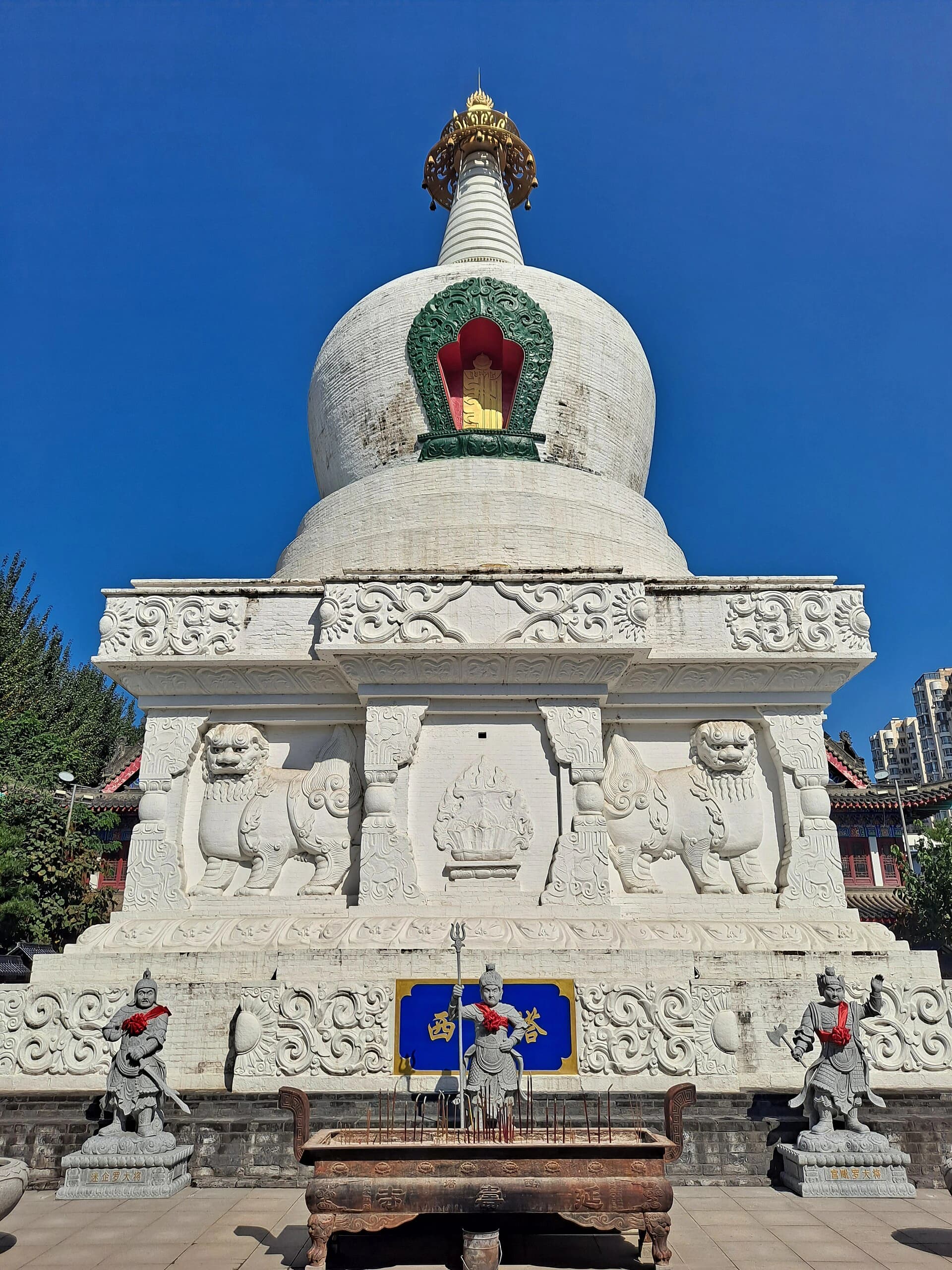
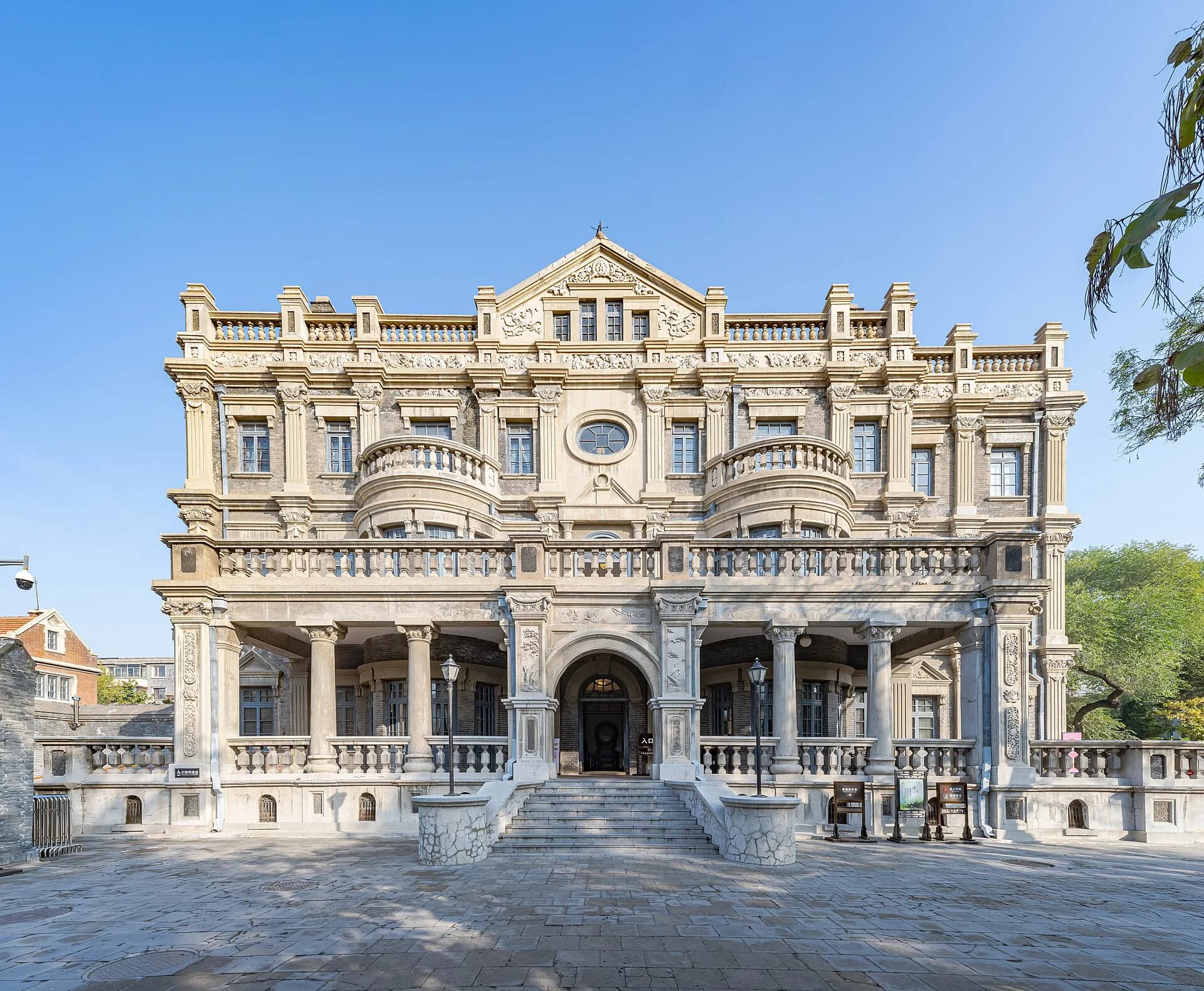
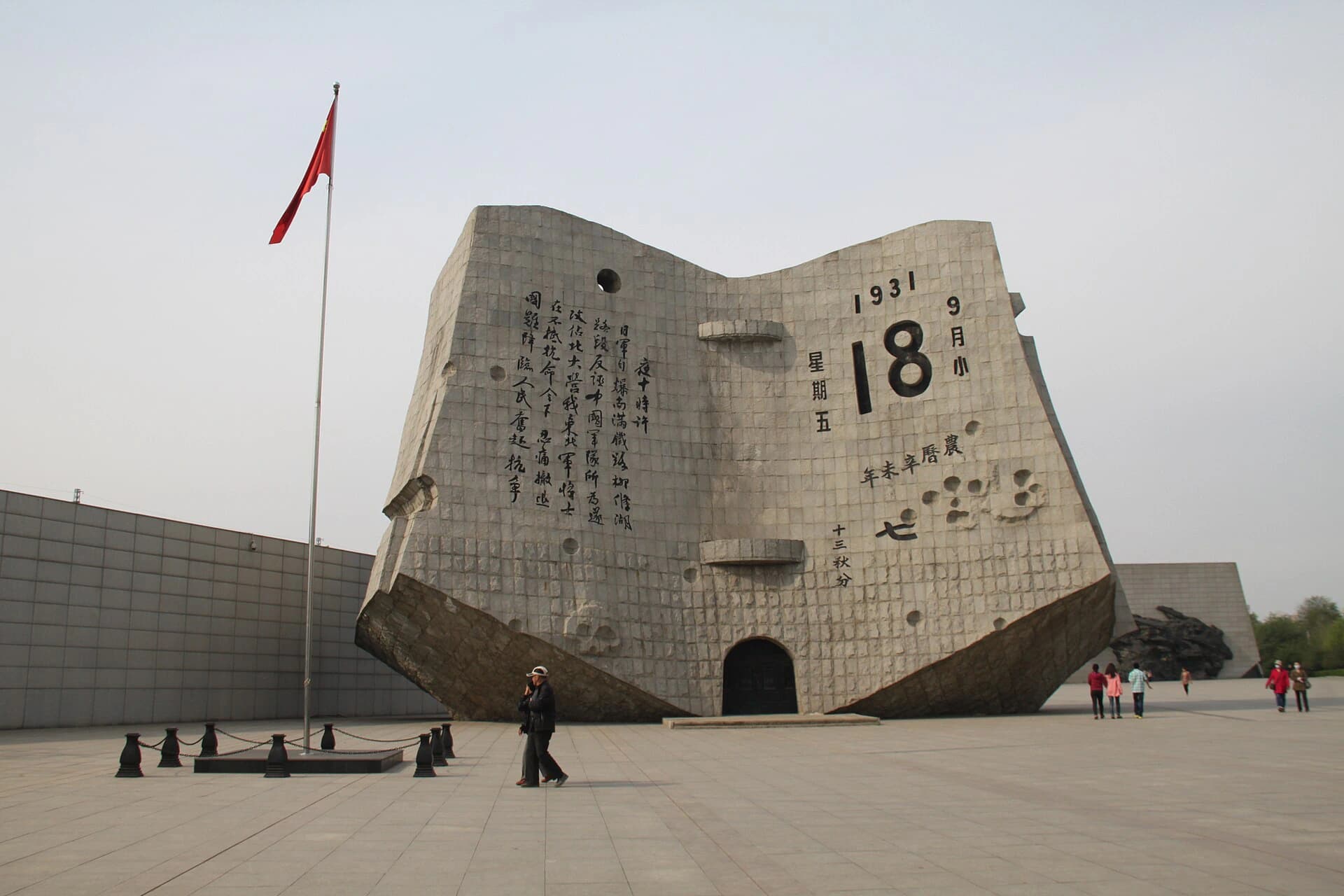
September 18 History Museum
The museum interprets the September 18, 1931 incident, Japanese occupation, resistance and human consequences. It is a memorial-history institution, not an entertainment stop or costume backdrop.
Use September 18 History Museum — open in AMap. Allow 1.5–2 hours for the largely sequential exhibition route. Visitors describe the material as emotionally heavy; leave a quiet buffer afterwards rather than stacking another dense museum immediately.
Entry information conflicts
Recent visitor reports directly disagree: some entered with an identity document and no advance reservation, while others report booked entry and ID scanning. Do not resolve that conflict by counting posts. Check the museum's current official notice on the day, confirm passport handling and carry the original document used to reserve.
For summer 2026, a July 6 provincial notice says the museum extends opening to 20:00 on Friday and Saturday. Treat that as a dated summer arrangement, not a permanent weekly promise; verify the end date, last entry and any August 18 commemoration-related controls before relying on an evening visit.
Conduct and accessibility
Read the chronology, keep voices low and follow photography restrictions. Avoid smiling poses, playful reenactments or treating memorial objects as props. Graphic or distressing content may not suit every child; guardians should preview the current exhibition description.
The route can be long even when physically level. Ask for current lift, seating, accessible toilet and wheelchair information before entry.
Follow the chronology, not only the dramatic objects
Begin with the political and military context before September 18, then follow the incident itself, the expansion of occupation, civilian consequences and different forms of resistance. Finish with the museum's account of remembrance. This sequence prevents the visit from becoming a collection of disconnected atrocity images or military hardware.
Translations and audio services can change. If English interpretation is limited, translate section titles and dates first; do not use an image-recognition summary as a substitute for reading the museum's chronology. Distinguish contemporary documents, later testimony, reconstructed scenes and present-day memorial art.
Who should adjust the visit
Families should preview the current exhibition for graphic content. Visitors with personal or family connections to war may need a shorter route and an exit plan. This is also a poor stop immediately before a celebratory performance or nightlife route; allow food, rest or a quiet park interval afterward.
AMap estimates the museum to Beiling's south visitor centre at 4.8 km / 20 minutes by car. That pairing is historically coherent, but do it only if you still have attention for the tomb.
Verdict
This is essential for understanding modern Shenyang when approached slowly and respectfully.