Pule Temple
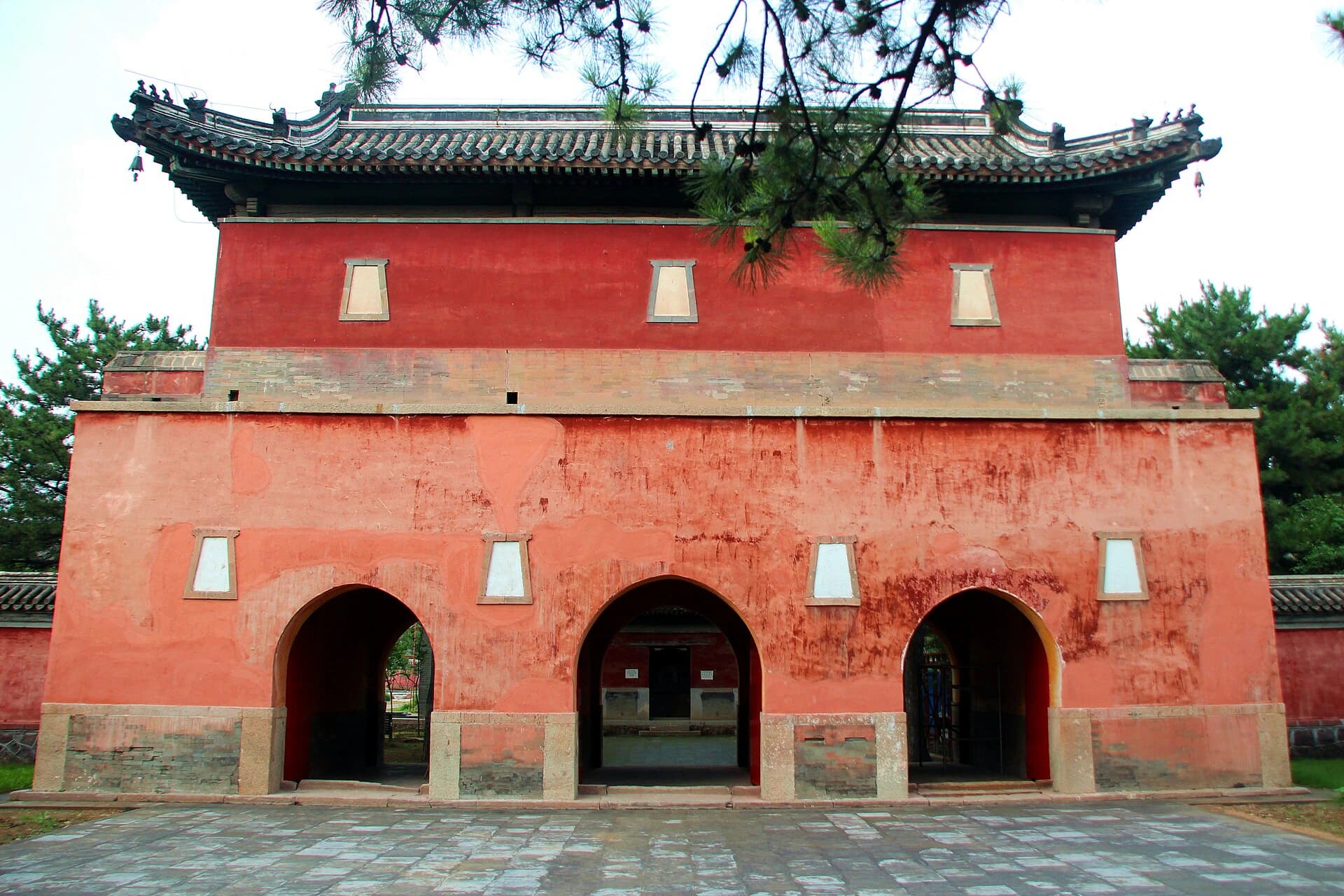
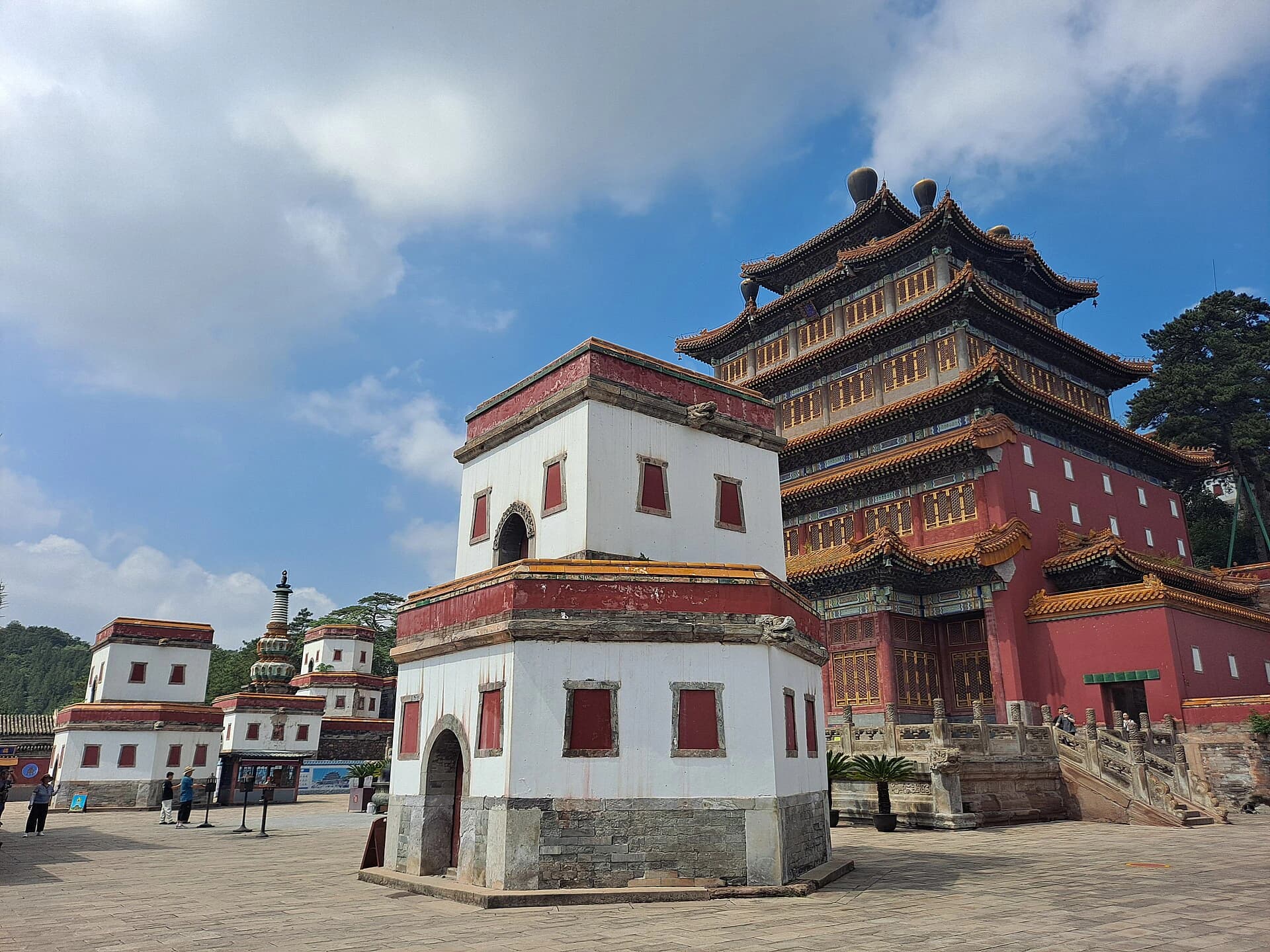
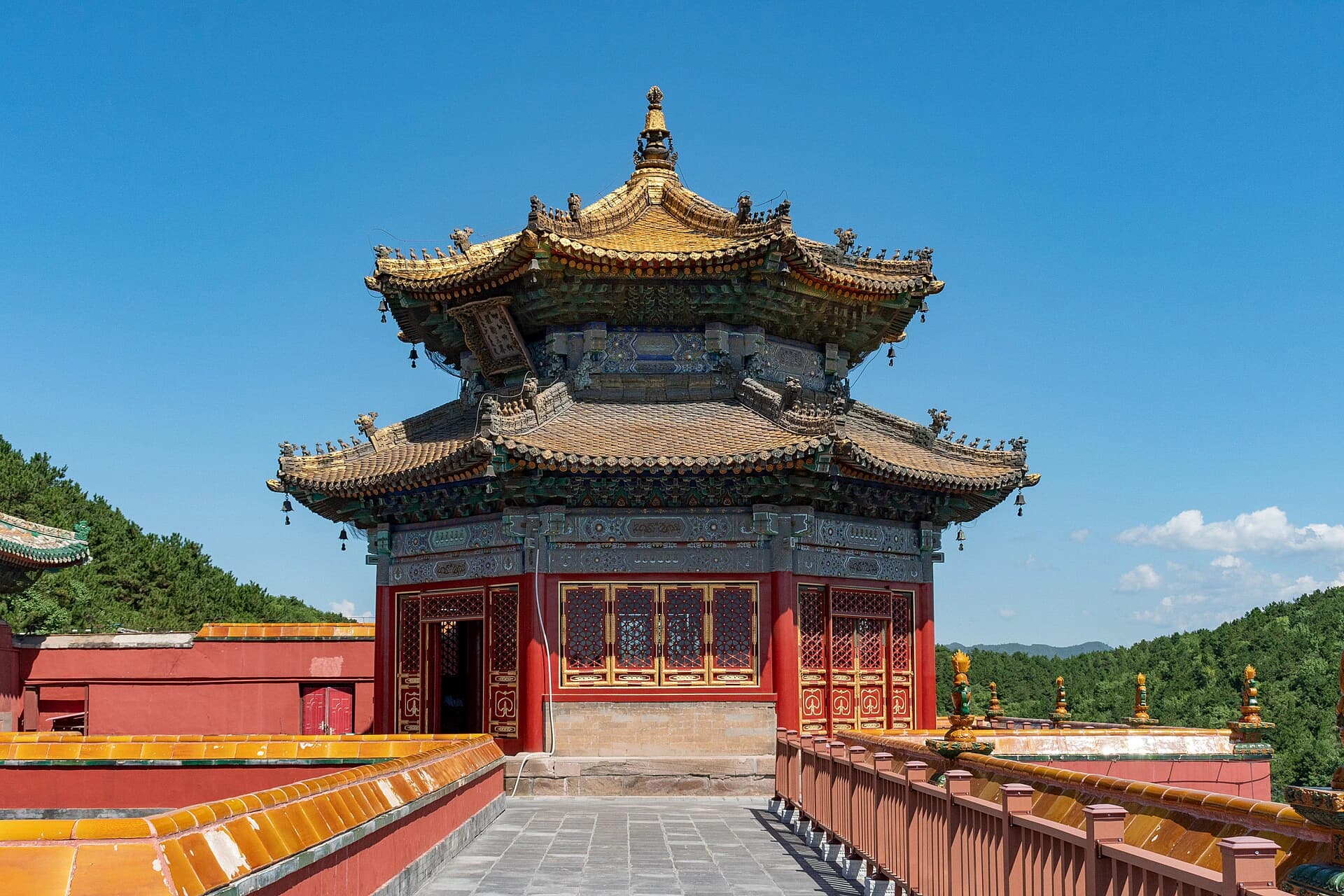
Pule Temple (普乐寺), sometimes called the “Round Pavilion Temple,” is not a miniature version of Puning or Putuo. Its value lies in a clear architectural transition: a Chinese-style front section leads toward a Tibetan Buddhist mandala plan centred on the circular Xuguang Pavilion.
Recent visitors describe a quiet, focused visit and often combine it with the Qingchui sector. That combination works geographically, but admission, worship space, hiking and cableway remain separate decisions.
The temple was built in the Qianlong period for gatherings connected with Inner Asian communities. Treat that historical purpose as a starting question, then let the plan show how an imperial Chinese ceremonial approach and Tibetan Buddhist spatial ideas were combined. Do not reduce the result to a generic “ethnic style” label.
A 60–90 minute route
- Enter at the exact temple Pule Temple — open in AMap and confirm that the signed visitor circuit is open.
- Read the front halls as a sequence rather than rushing to the pavilion.
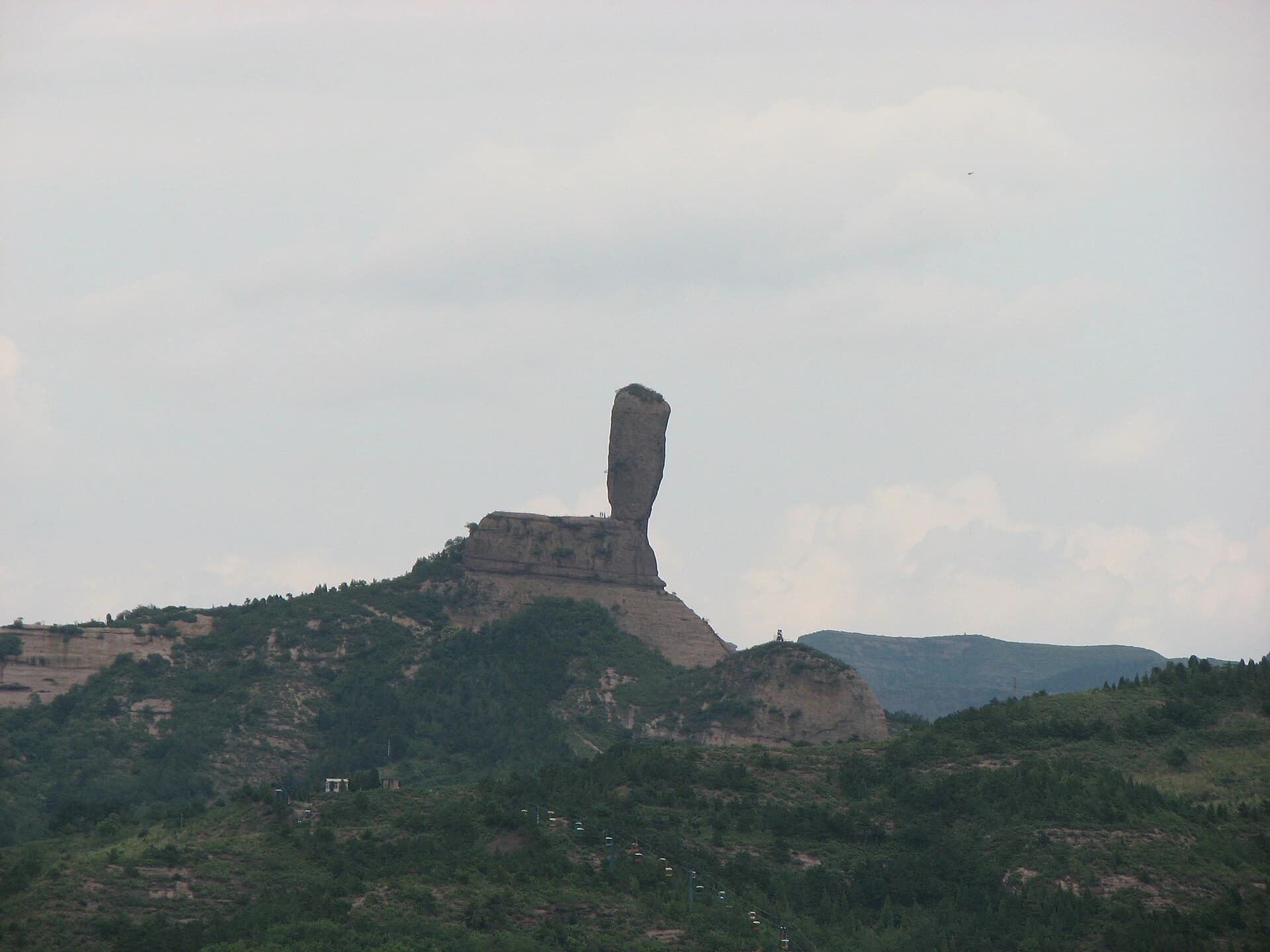
- Notice the unusual east–west orientation and the visual relationship with Qingchui Peak.
- Give Xuguang Pavilion enough time for the roof, interior spatial form and mandala context.
- Leave by the official gate; do not use a hillside viewpoint reported beside graves or a closed path.
At the pavilion, separate the building's circular exterior, the square/mandala organisation around it and the ritual meaning explained by current labels. Roof silhouette and alignment are visible architecture; access to a particular interior image or upper level is an operational fact and must be checked.
What to look for before and inside Xuguang Pavilion
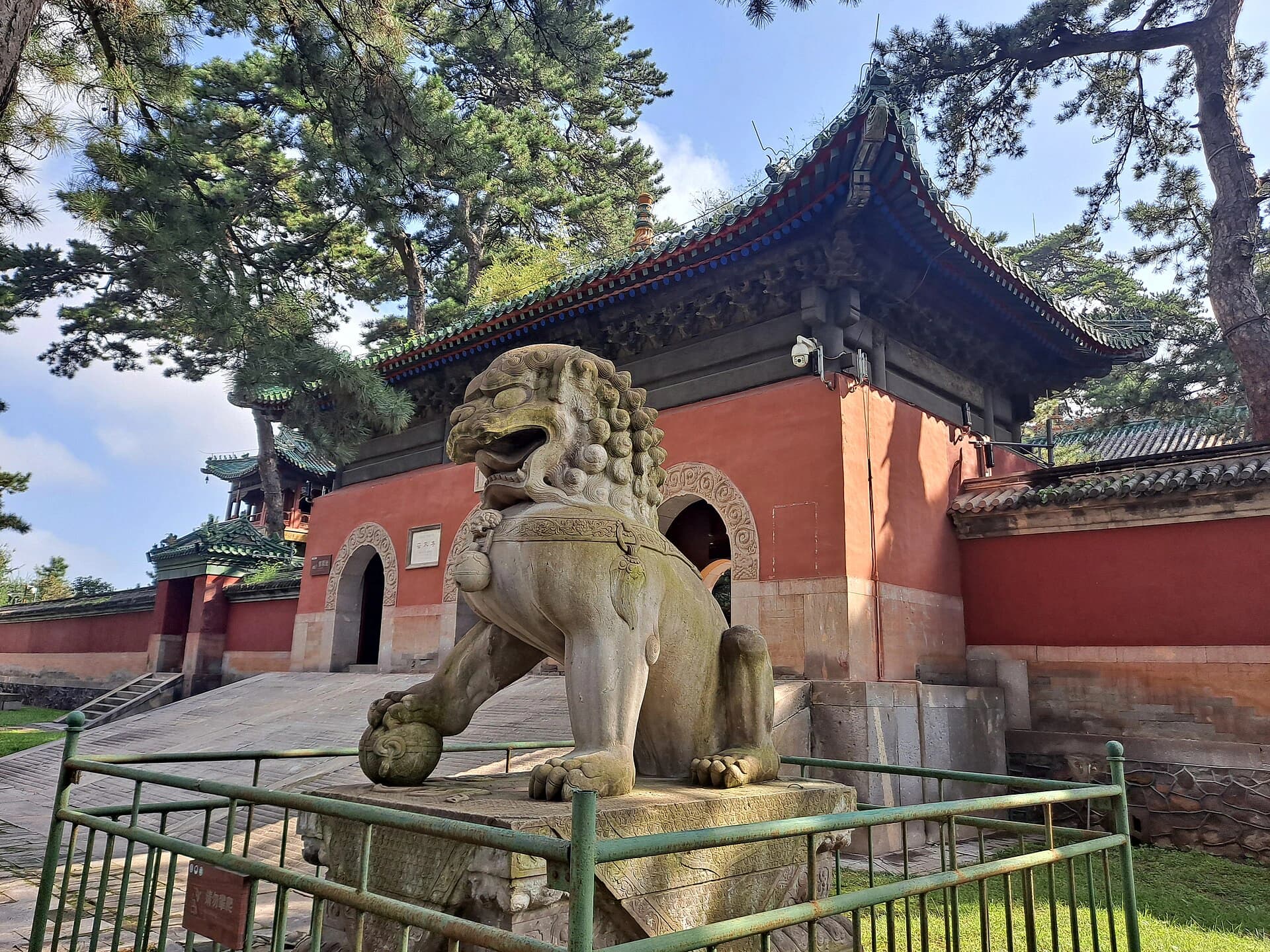
Pause at Zongyin Hall (宗印殿) before continuing to the circular pavilion. This is the transition between the front temple sequence and the rear mandala layout. Look up from the courtyard at the glazed roof decoration; visitor descriptions draw attention to its colour and ridge details. Compare the broad hall roof with the rounded silhouette you will see at Xuguang rather than rushing past this change in form.
If the pavilion interior is open, divide your attention between the central mandala structure and the decorated ceiling, or zaojing (藻井). Look upward from a safe standing position to follow the layers toward the centre, then return your gaze to the arrangement below. The Beijing tourism description identifies the dragon-and-phoenix ceiling and cloud-dragon decoration. An explanation of those relationships is more useful than simply taking a photograph of the roof outside.
Ask the on-site interpretation to explain the mandala and sacred images. The visitor notes contain detailed symbolic claims, but a short visit does not require memorising them. If the interior is closed, use the exterior shape and front-to-rear transition as the core of your visit; do not seek an unofficial rear entrance.
Pairing with Qingchui
AMap estimates Qingchui visitor centre to Pule at about 0.5 km / 7 minutes on foot. This makes a same-half-day plan reasonable: choose the Qingchui hike or cableway, then visit Pule if its last admission leaves enough time.
Do not let the map's short distance hide the physical load. A mountain walk followed by temple thresholds and standing can be demanding, and cableway operation does not prove temple opening.
Conduct and access
Treat any active ritual area respectfully. Never photograph a restricted image because a social post shows one. Historic steps and thresholds can limit wheelchair access; ask for the current step-minimised route. Verify opening, repairs, foreign-passport entry and ticket bundles on the day.
A 2025 city notice proves that Pule had its own seasonal timetable and sales cutoff, separate from Qingchui and the other temples. It does not prove today's 2026 hours. Ask for the temple's own last admission, open halls and exit time; do not rely on a cableway desk or a combined annual-pass notice to answer for it.
Choose a morning temple-first sequence if Xuguang Pavilion is your priority. Choose mountain first only when weather or cableway operation makes Qingchui the fragile part of the day. If either component closes, the other can still be a complete visit.
Verdict
Pule is for architecture-focused travellers and pairs well with Qingchui when both are operating. It is not an obligatory checkbox for visitors already saturated with temples.