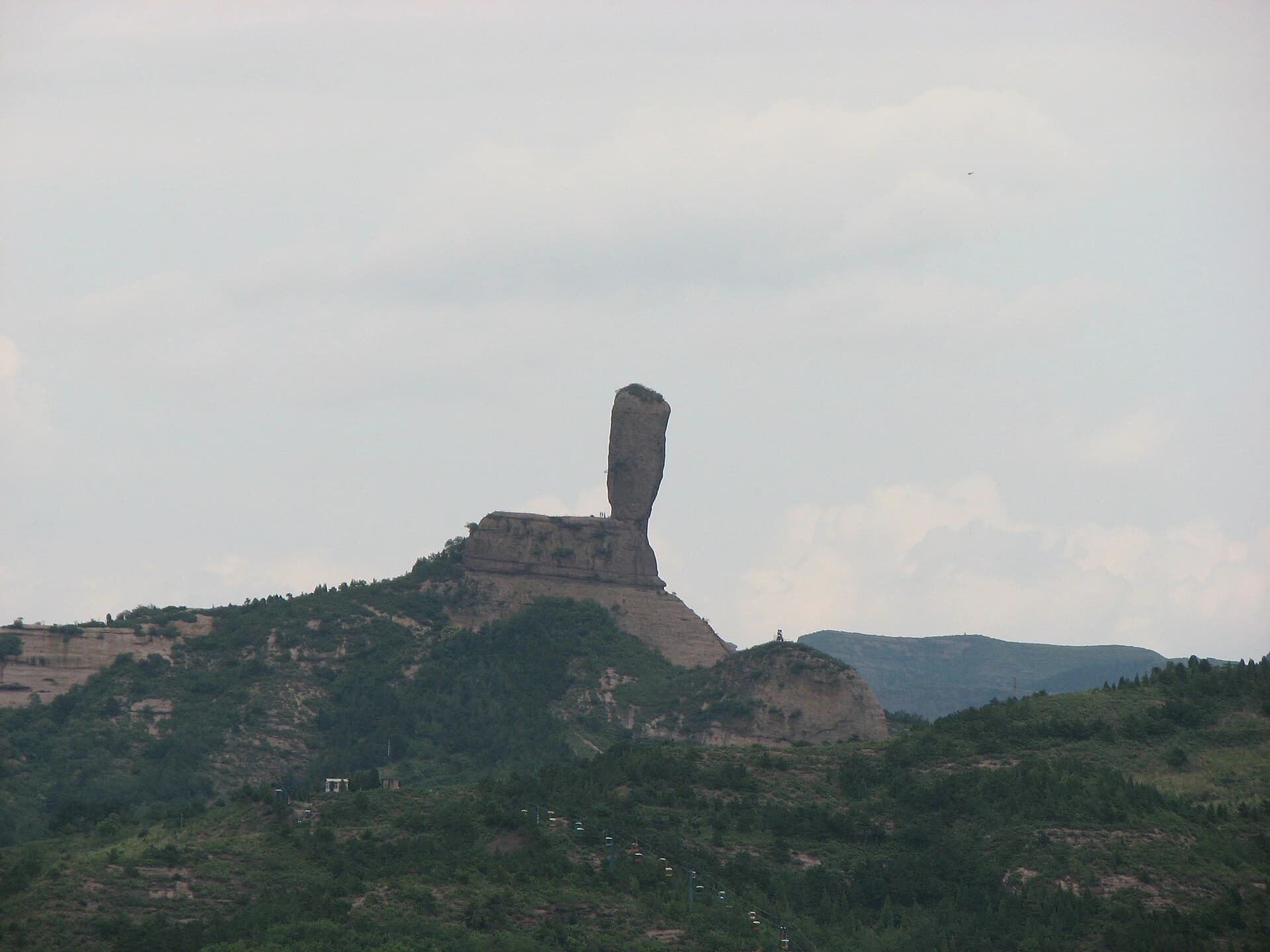
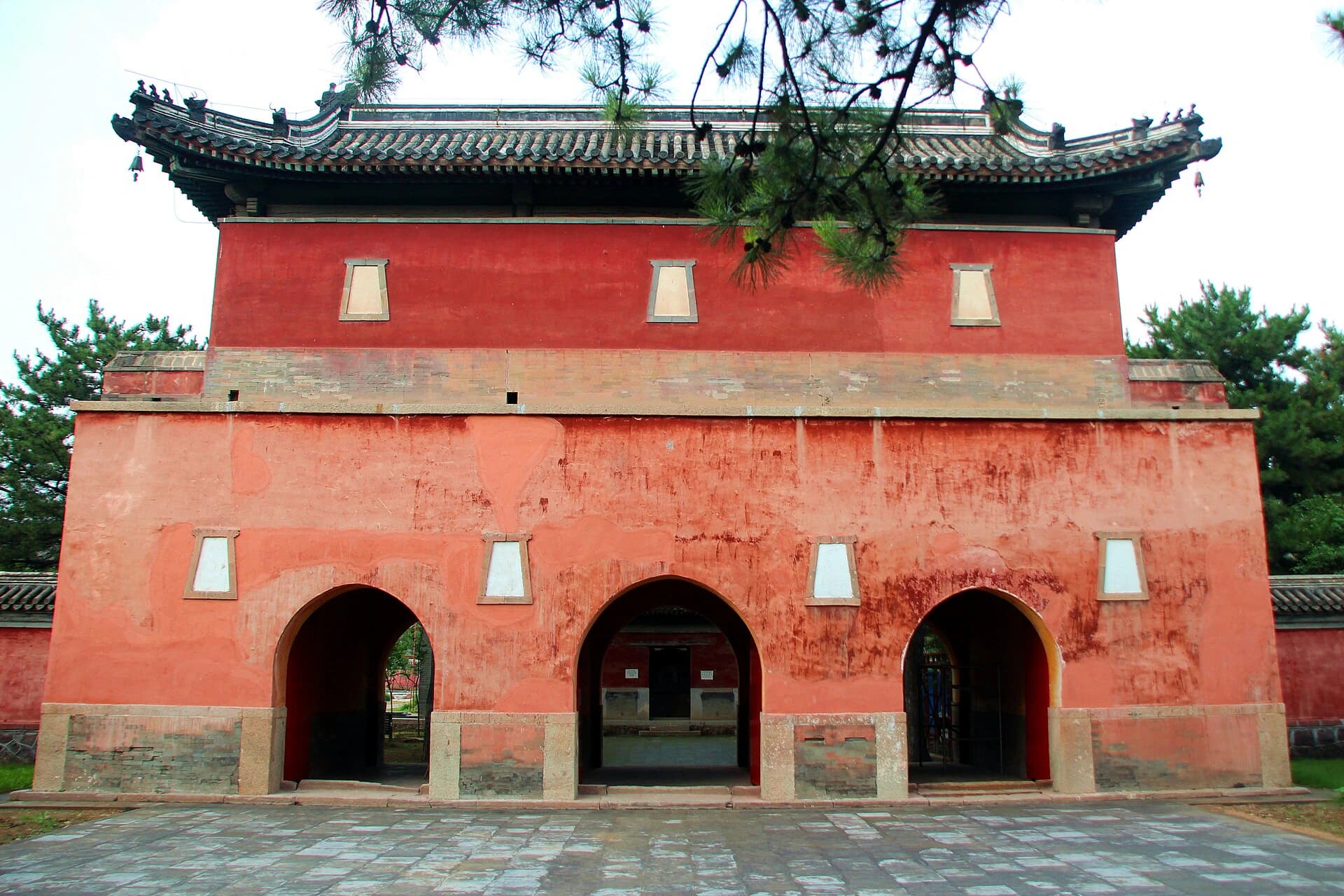
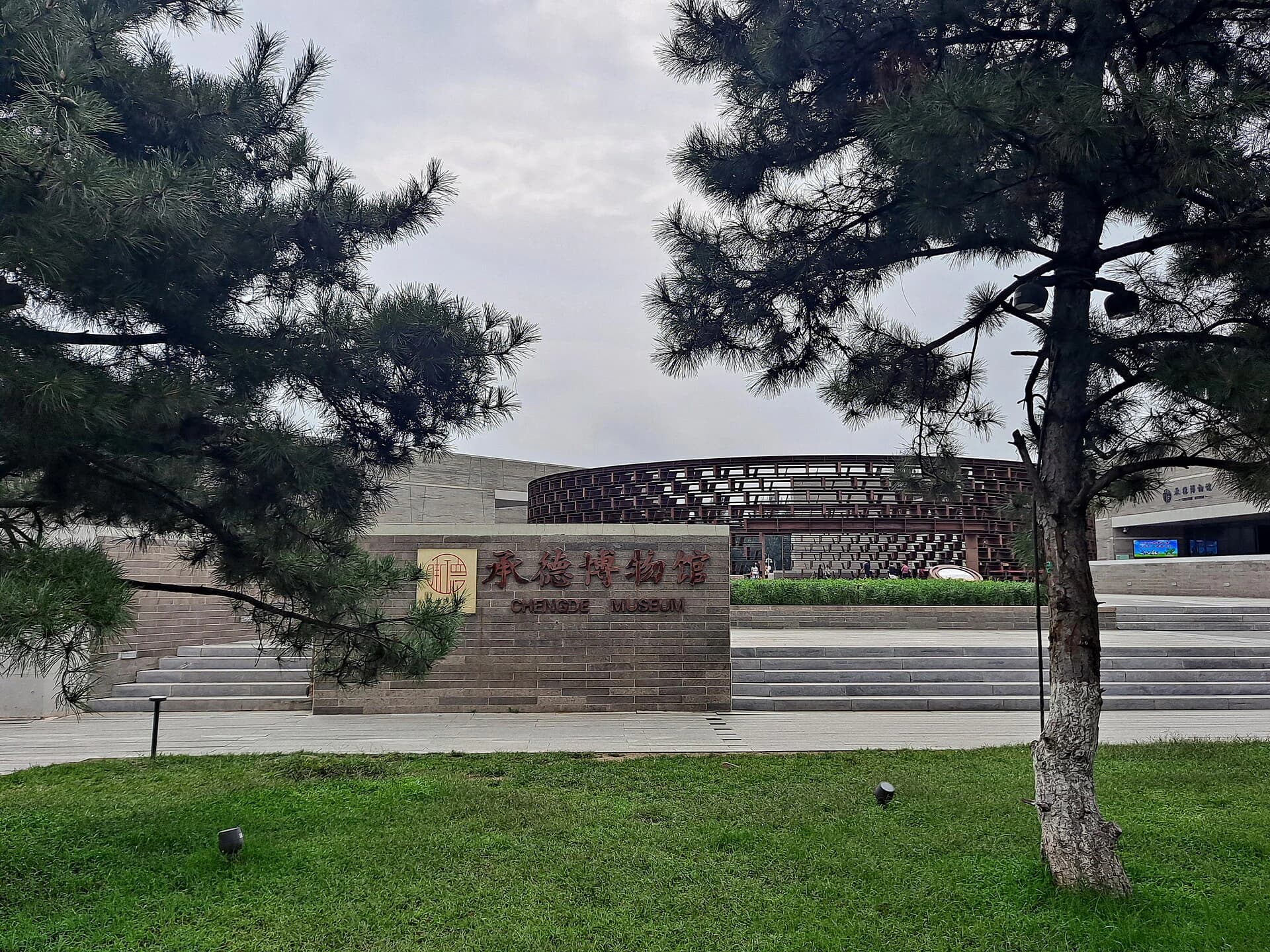
Chengde Museum
Chengde Museum (承德博物馆) is the most useful first stop for travellers who want the Mountain Resort and imperial temples to make sense. It is not part of the UNESCO property and does not replace visiting it; the museum explains the regional history, Qing court, frontier relationships and material culture behind the sites.
Its best use is to replace vague vocabulary with specific questions. Why did the Qing court spend part of the year at Chengde? How did diplomacy, ritual and religion shape the outlying temples? Which objects document those relationships, and which gallery reconstructions merely help visitors visualise them?
A focused two-hour plan
Begin with the regional history sequence, then choose the exhibition that helps explain your next stop. Keep these Chinese titles available when checking the current gallery directory:
- Regional history / “Hehe Chengde” (和合承德): establish the timeline before concentrating on Qing court life. Pick a few objects from different periods and compare their dates and original uses; Chengde's story is longer than the imperial summer residence.
- Mountain Resort (避暑山庄): make this the second stop before visiting the garden. A visitor describes a panoramic model here. Use any model on display to understand how the resort's landscape fits together, then choose one feature to recognize outdoors later.
- “Beyond and Within the Great Wall” (望长城内外): prioritize this before the imperial temples. Follow the displays on Qing-era relationships among communities and distinguish original objects and documents from reconstructed historical scenes. Ask how diplomacy and religious patronage help explain the temples you will visit.
For two hours, choose regional history plus one of the latter two themes. With a longer visit, add a currently open court-life, Buddhist-art or clock display that interests you. One visitor describes those as optional branches; use today's directory rather than expecting every named temporary display or object to remain in the same room.
Recent visitors describe two hours as enough for a focused visit and half a day for careful reading. They especially value seeing the museum before the temples. A volunteer or scheduled talk encountered by one visitor is not a permanent service; verify interpretation on arrival.
In each gallery, distinguish excavated or collected objects, later court gifts, replicas, architectural models and digital scenes. Then choose one temple to test the museum's explanation in real space. This creates a useful museum-to-site loop instead of two disconnected photo stops.
Reservation and foreign passports
A 2026 visitor reported being asked to scan a QR code and reserve at the entrance. That does not prove the screen accepts a foreign passport or that reservation is always compulsory. Check the museum's current notice and call for staffed passport admission before travel. Never enter a false mainland ID.
Also confirm the weekly closed day, temporary galleries, bag policy, photography, accessible entrance and English-language support. Do not expect Spanish interpretation unless specifically announced.
Ask whether a passport can be registered in advance, processed at a staffed desk or shown directly, and save the museum contact offline. Confirm the ordinary opening calendar separately from an event announcement before making this your first stop.
Continue to the temples
Use Chengde Museum (承德博物馆) in AMap. The museum to Putuo Zongcheng's south entrance is about 1.4 km / 19 minutes on foot, making Putuo and Xumi a practical afternoon. Puning Temple is another strong pairing if worship and hall access are confirmed.
Accessibility
The modern building should be easier to navigate than the historic sites, but lifts, accessible toilets and gallery closures still require a live check. Use the museum as a weather fallback only after confirming it is open; a closed Monday can otherwise break the itinerary.
Use seating before fatigue, not after. Bag storage can change with security rules, so arrive without oversized luggage. If English labels are limited, translate section headings and object captions selectively rather than photographing every case and reading nothing on site.
Verdict
For history-minded visitors, Chengde Museum may improve every later stop more than adding one more temple. Give it real time instead of treating it as an air-conditioned waiting room.