Chengde
Chengde is often reduced to a summer palace and a group called the “Outer Eight Temples.” That shortcut hides the real visitor decisions. The Mountain Resort contains palace, lake, plain and mountain sectors; its outlying temples have different histories, architecture and worship boundaries; Jinshanling and Saihanba require separate road plans.
The resort and twelve outlying temples form one UNESCO World Heritage property, but that does not mean one ticket, one entrance or one day covers the system. Recent visitors repeatedly reported summer heat, queues for internal vehicles and disappointment after treating every popular image as a compulsory stop. The best plan is slower and more selective.
A realistic three-day plan
The flagship keeps six real places: one complete resort day; museum, Putuo and Xumi as a coherent context-and-comparison day; then active Puning and one weather-controlled Qingchui product. It does not count meals or transport as places and does not force Jinshanling or Saihanba into the urban route.
Day 1: Mountain Resort by sector
Enter early through Lizheng Gate (Mountain Resort — Lizheng Gate — open in AMap). Start with the palace precinct, then choose either a lake/plain walk or the mountain vehicle—do not automatically buy every vehicle and boat product. Visitor reports describe the mountain circuit as useful for conserving energy, but also describe long high-season queues and exposed waits.
The name “Summer Resort” is historical, not a weather promise. In July and August, carry water, sun protection and a plan to leave during the hottest hours. Re-entry, multi-day passes, last vehicles and exit-gate rules change; verify them before building a split-day route.
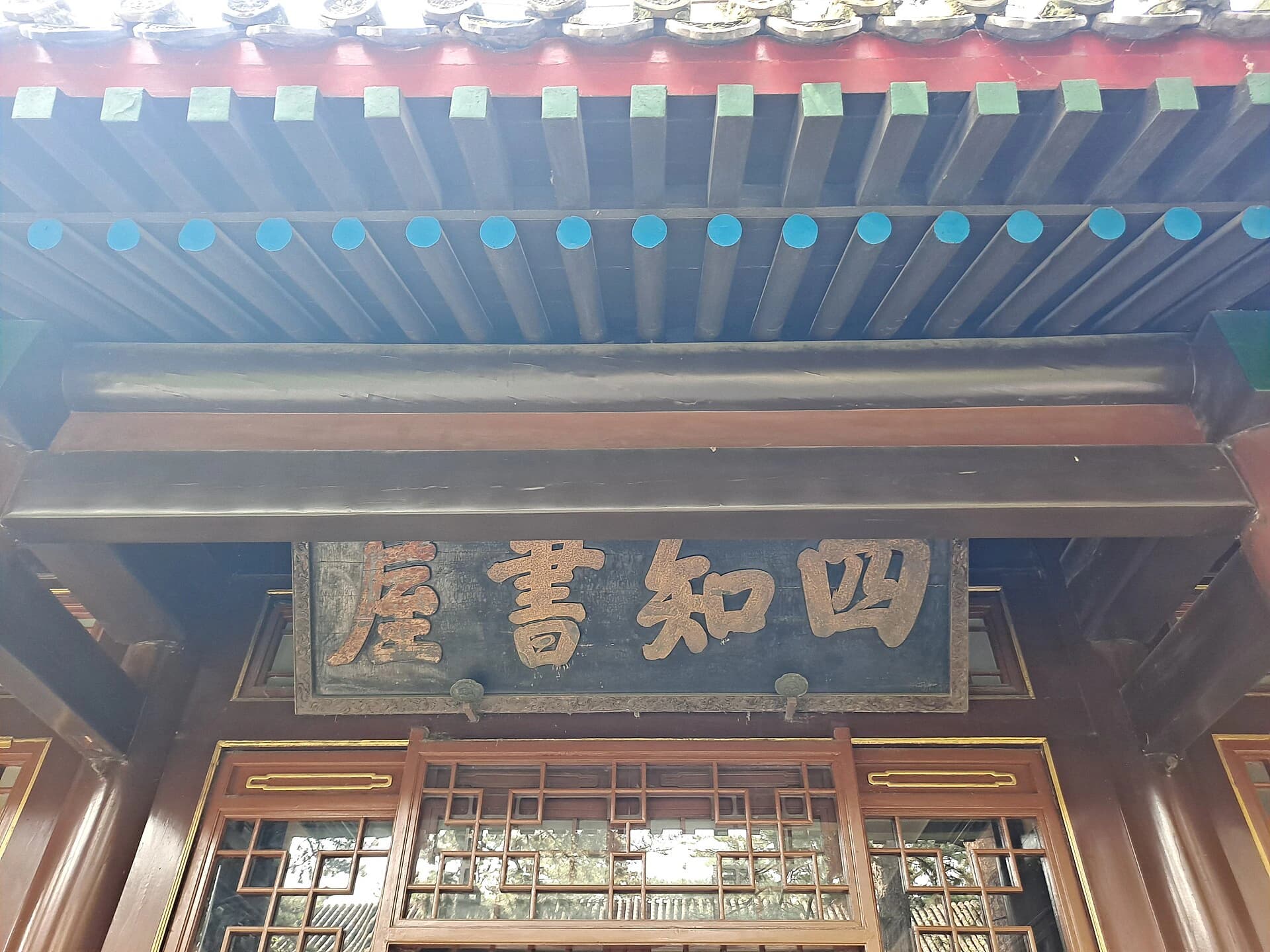
Day 2: museum plus two temple decisions
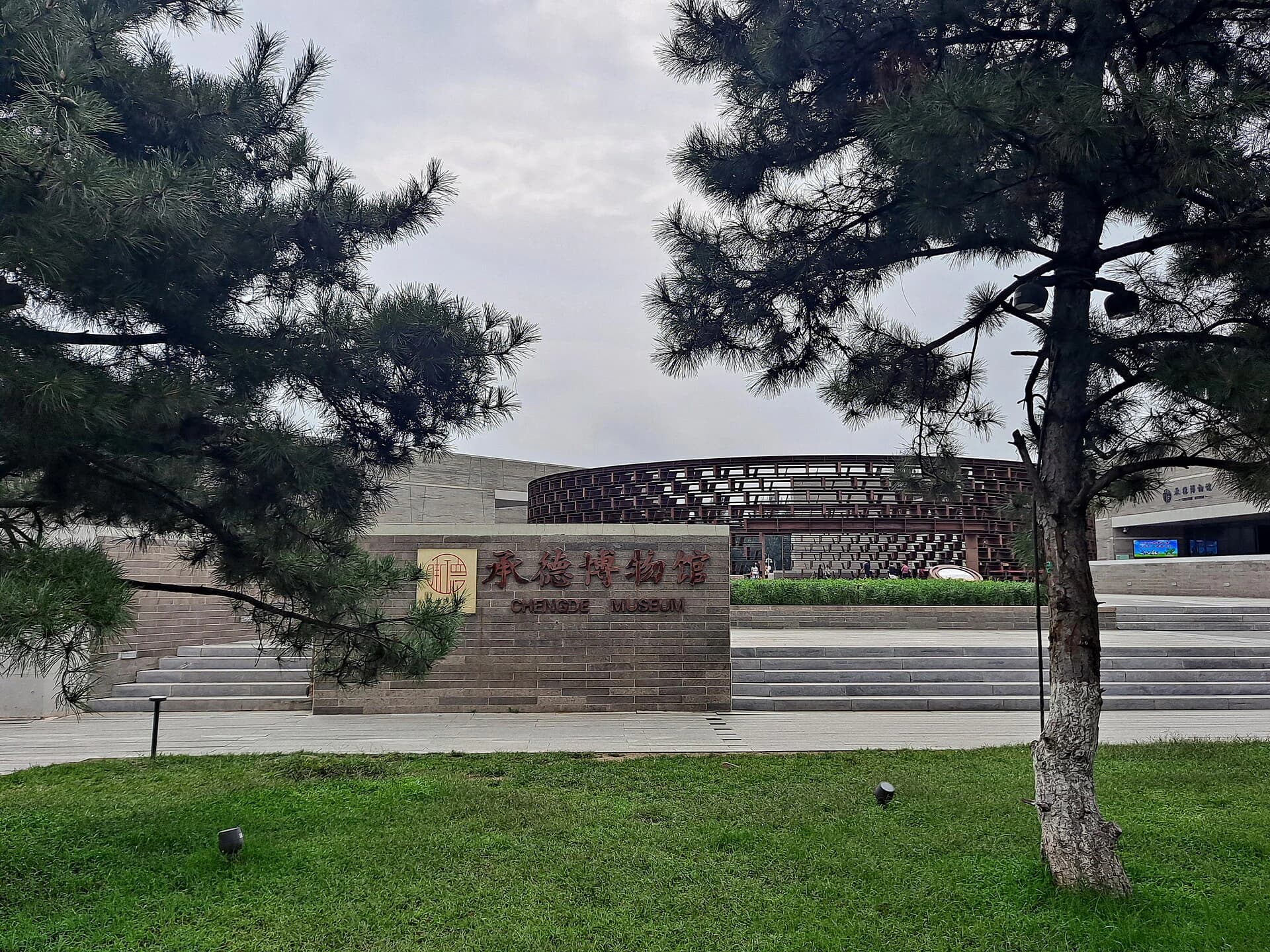
Begin at Chengde Museum. Two focused hours give context for Qing border politics, court culture and the architectural languages used across the temples.
Then choose one pair:
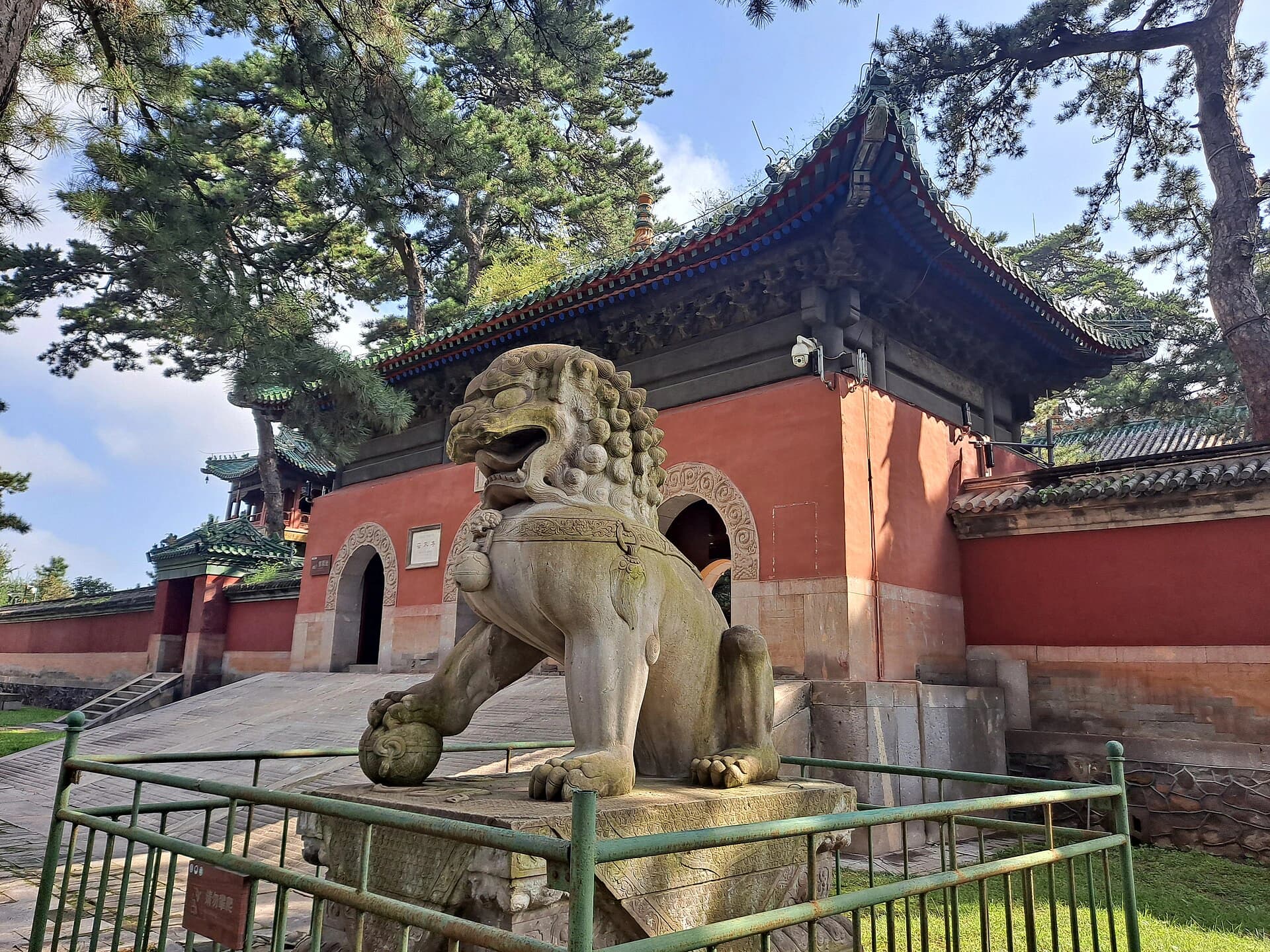
- Putuo + Xumi: Xumi Fushou Temple and Putuo Zongcheng Temple are about 0.7 km / 10 minutes apart on foot, but they remain separate historical visits. Museum to Putuo’s south entrance is about 1.4 km / 19 minutes on foot.
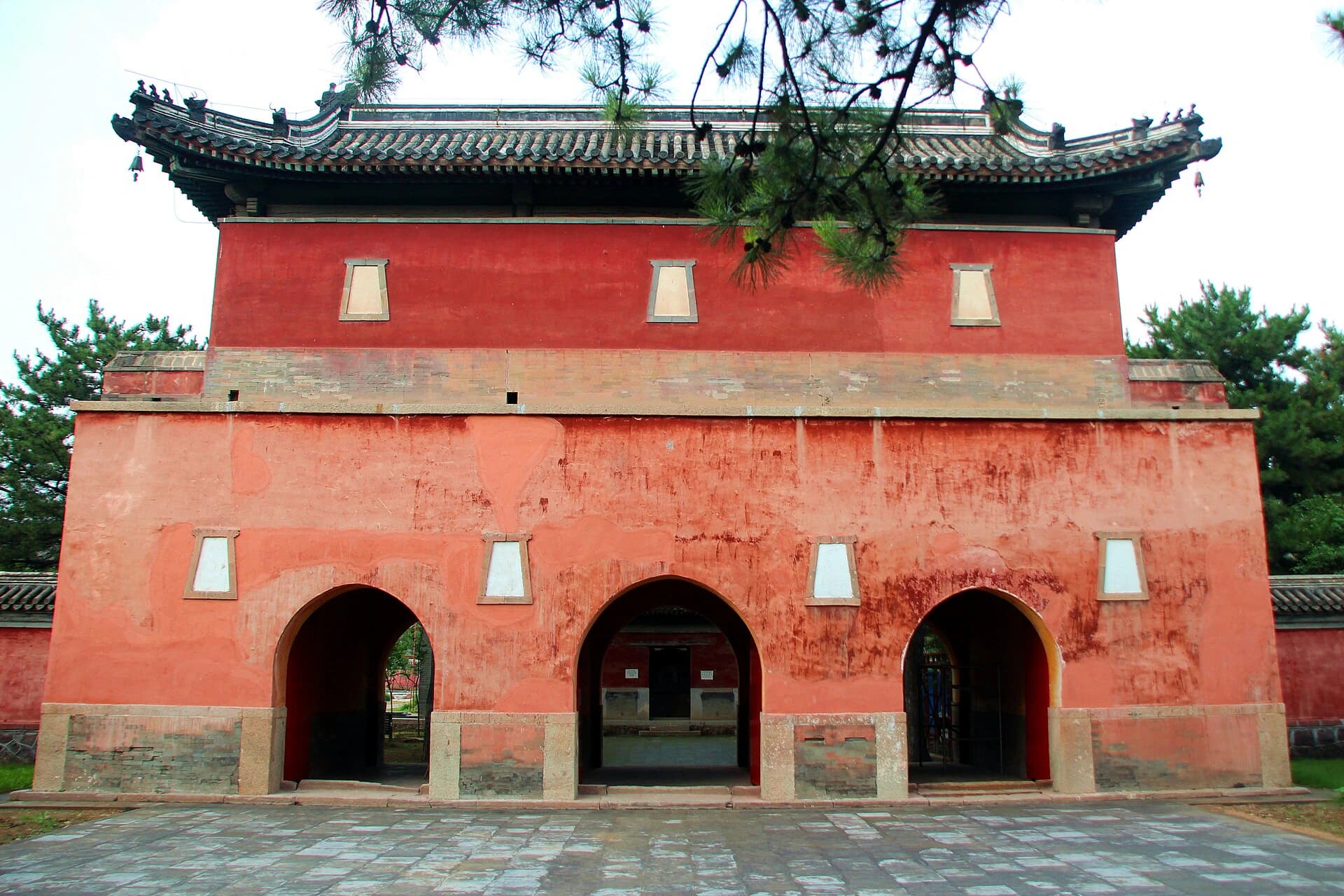
- Puning + one quieter site: Puning Temple is an active Buddhist venue. Pair it with the museum or, after checking openings, choose Pule or Anyuan for a more specialised architecture visit.
Do not try to “collect” every temple. Repairs, hall access, worship and photography rules can change independently.
Day 3: choose your effort
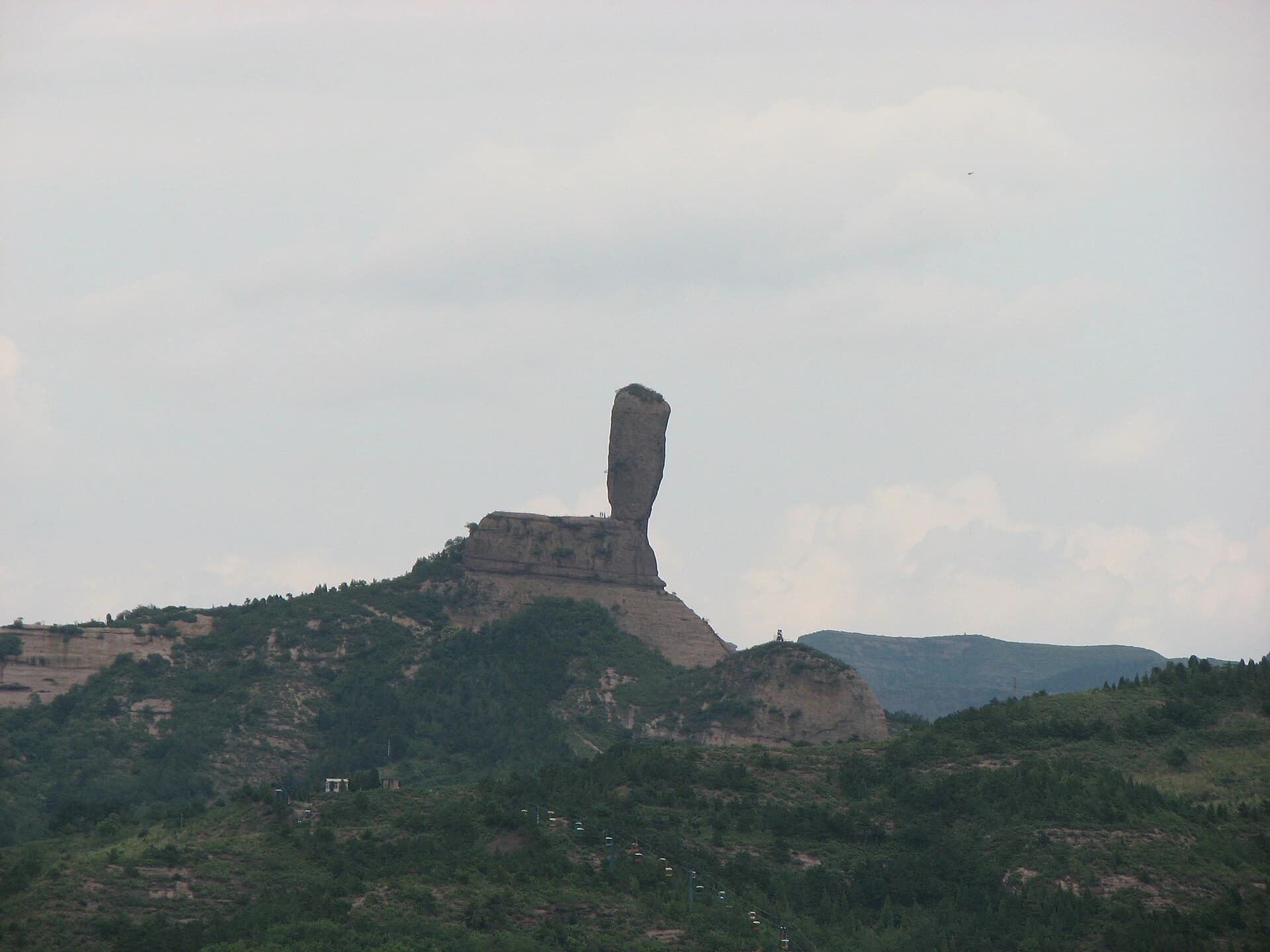
- Low-transfer urban day: compare a signed hike with the cableway at Qingchui Peak, then add Pule or Anyuan only if open. AMap places both roughly 0.5 km / 7 minutes on foot from the Qingchui visitor-centre reference point.
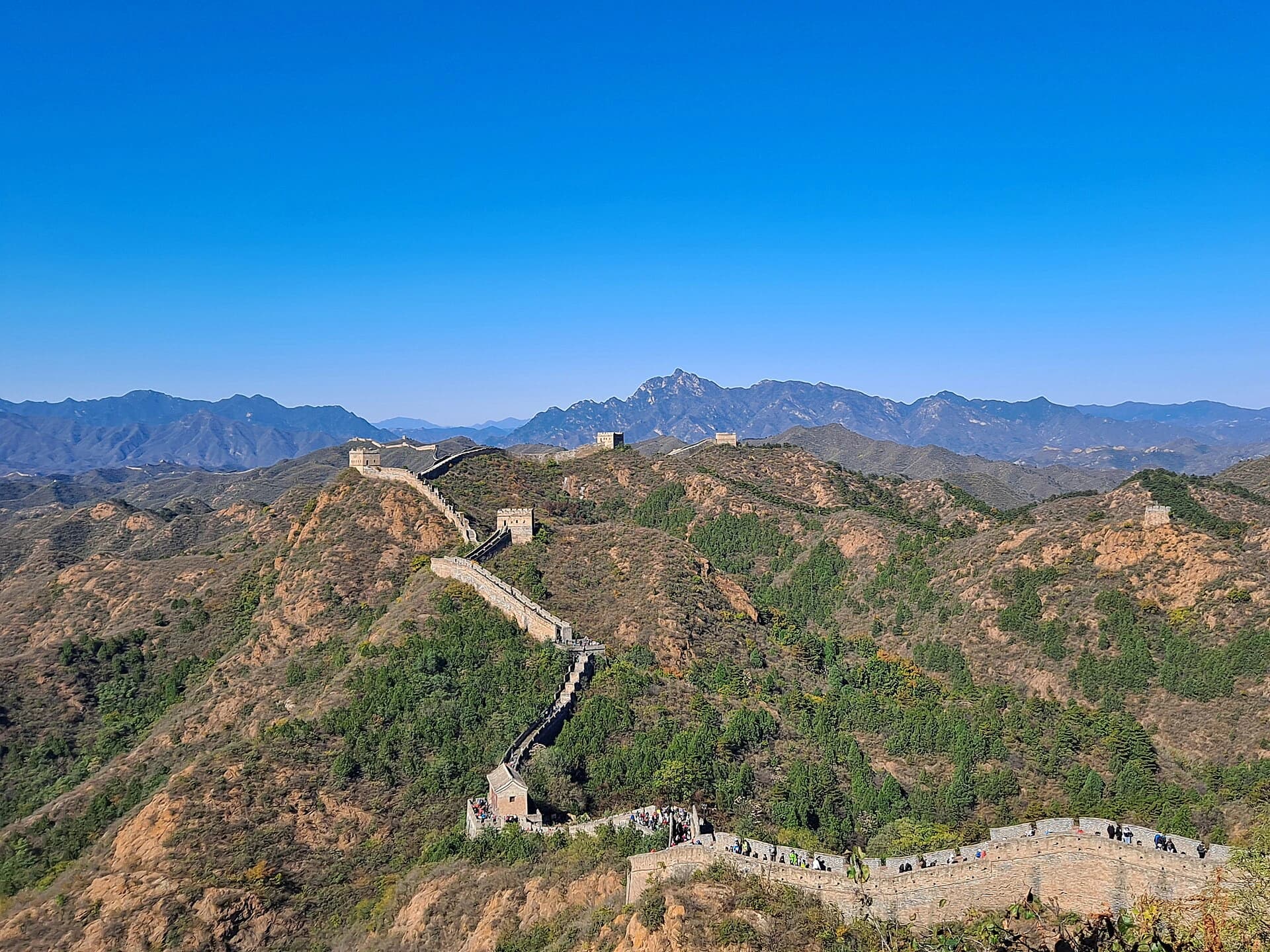
- Great Wall day: Jinshanling’s visitor centre is about 88.3 km / 1 hour 20 minutes by car from Lizheng Gate in planning data. AMap returned no public-transit itinerary, so arrange the return before leaving.
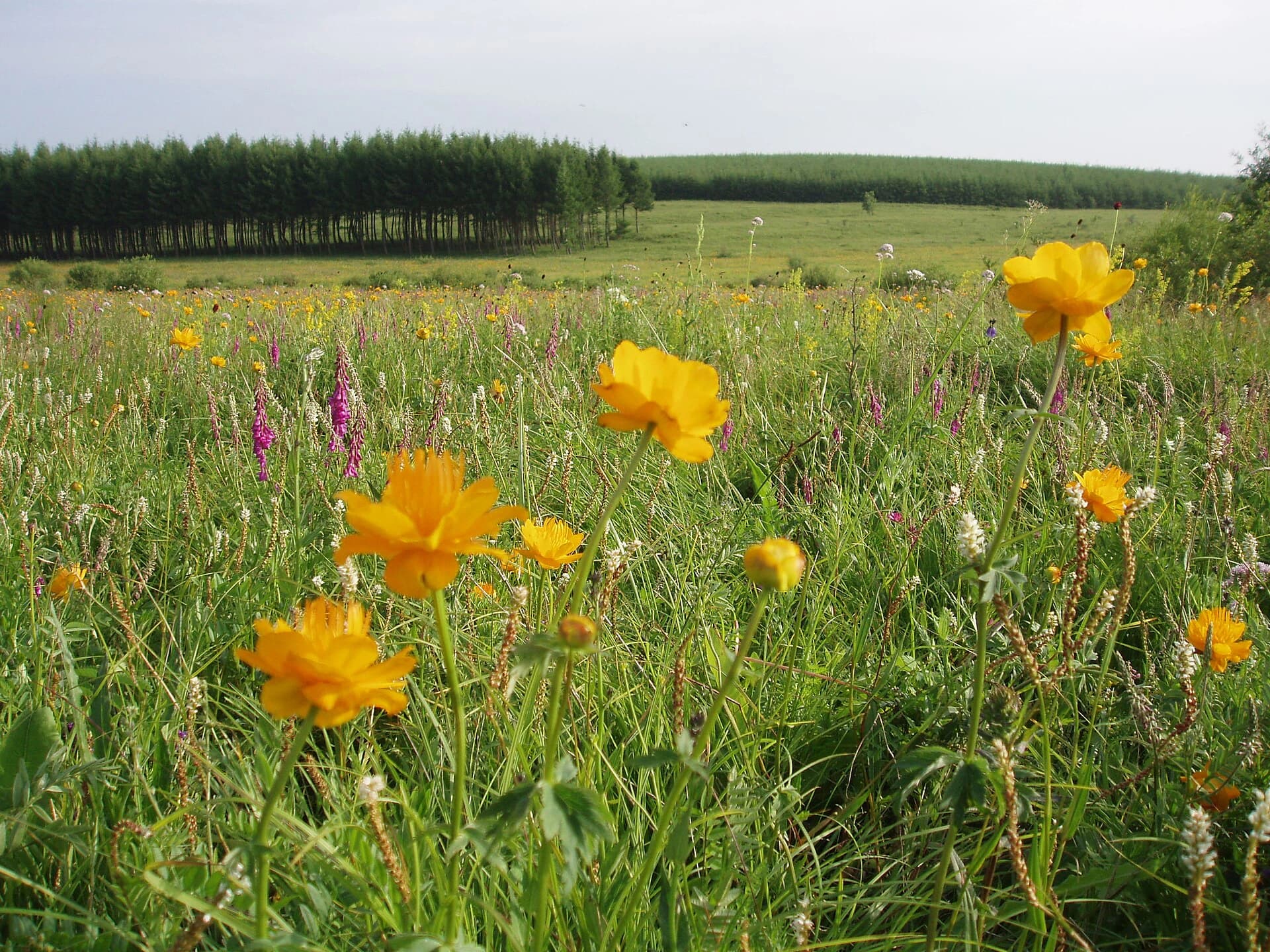
- Forest extension: Saihanba is about 191.7 km / 2 hours 47 minutes by car before internal driving. Make it an overnight road trip, not Day 3 of a central-city weekend.
Where to stay
Stay in central Shuangqiao, around the Mountain Resort’s southern/eastern side, for early access, restaurants and shorter urban transfers. Visitors appreciate the walkability but warn that “near the resort” does not guarantee a spacious room, easy parking or good high-season value. If driving, confirm the hotel’s actual parking arrangement. The 27 August 2026 AMap model placed Chengde South to Lizheng Gate at 13.8 km / 21 minutes by car or 1 hour 6 minutes by bus with 601 metres of walking.
Compare Chengde hotels on Trip.com and check China train tickets. Confirm whether your train uses Chengde South or central Chengde station.
What to eat
Look for categories rather than a permanent viral-shop list: lamb soup with sesame flatbread, buckwheat wantou, almond tea or almond pastries, jian-dao noodles and fried tofu. Recent diners disagree about queues and value even at popular shops. Check the menu and price before sitting down, avoid crossing the city for one snack, and treat heavy Manchu-style banquet dishes as a shared meal rather than a solo checklist.
Illustrated guides
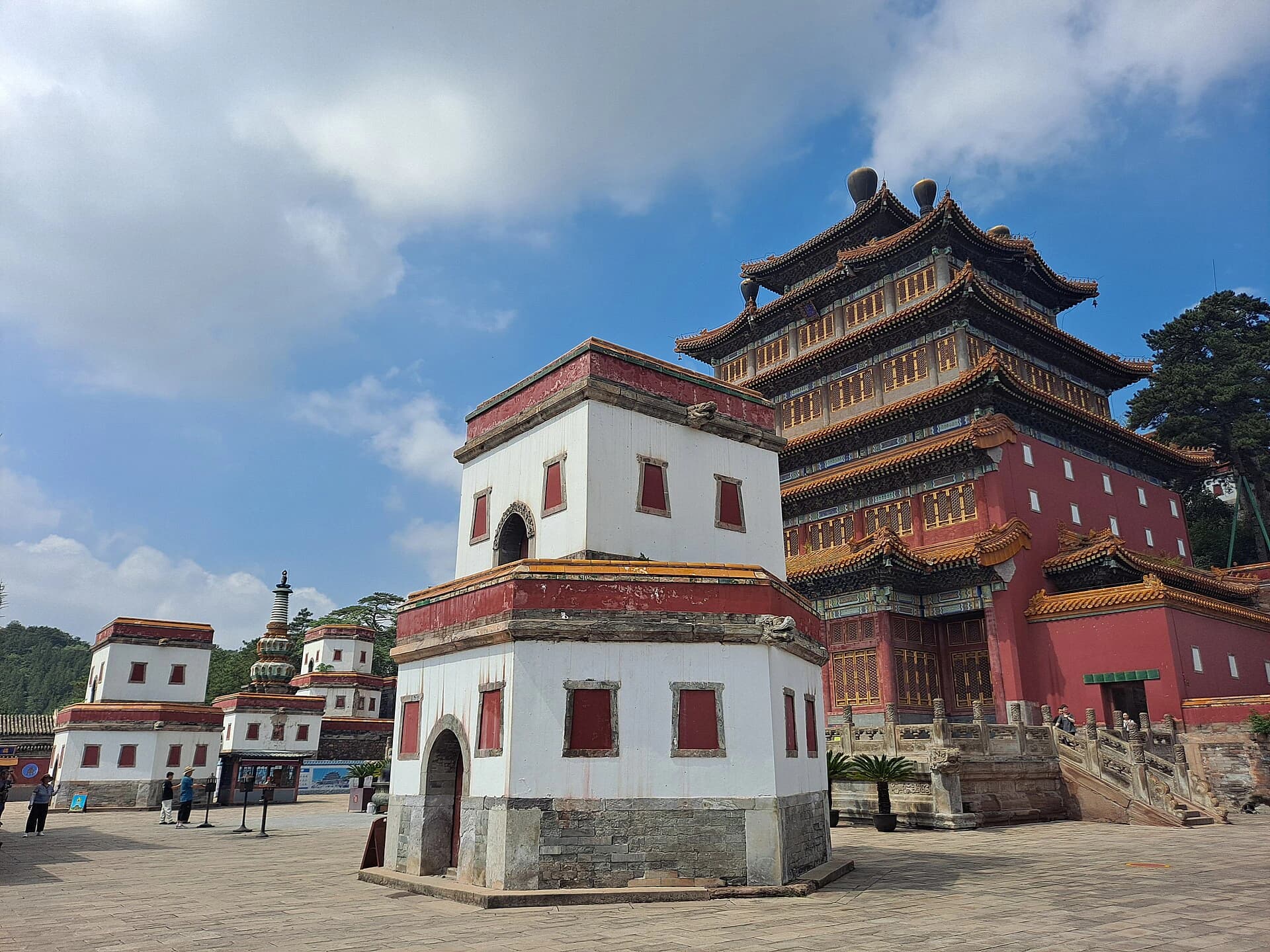
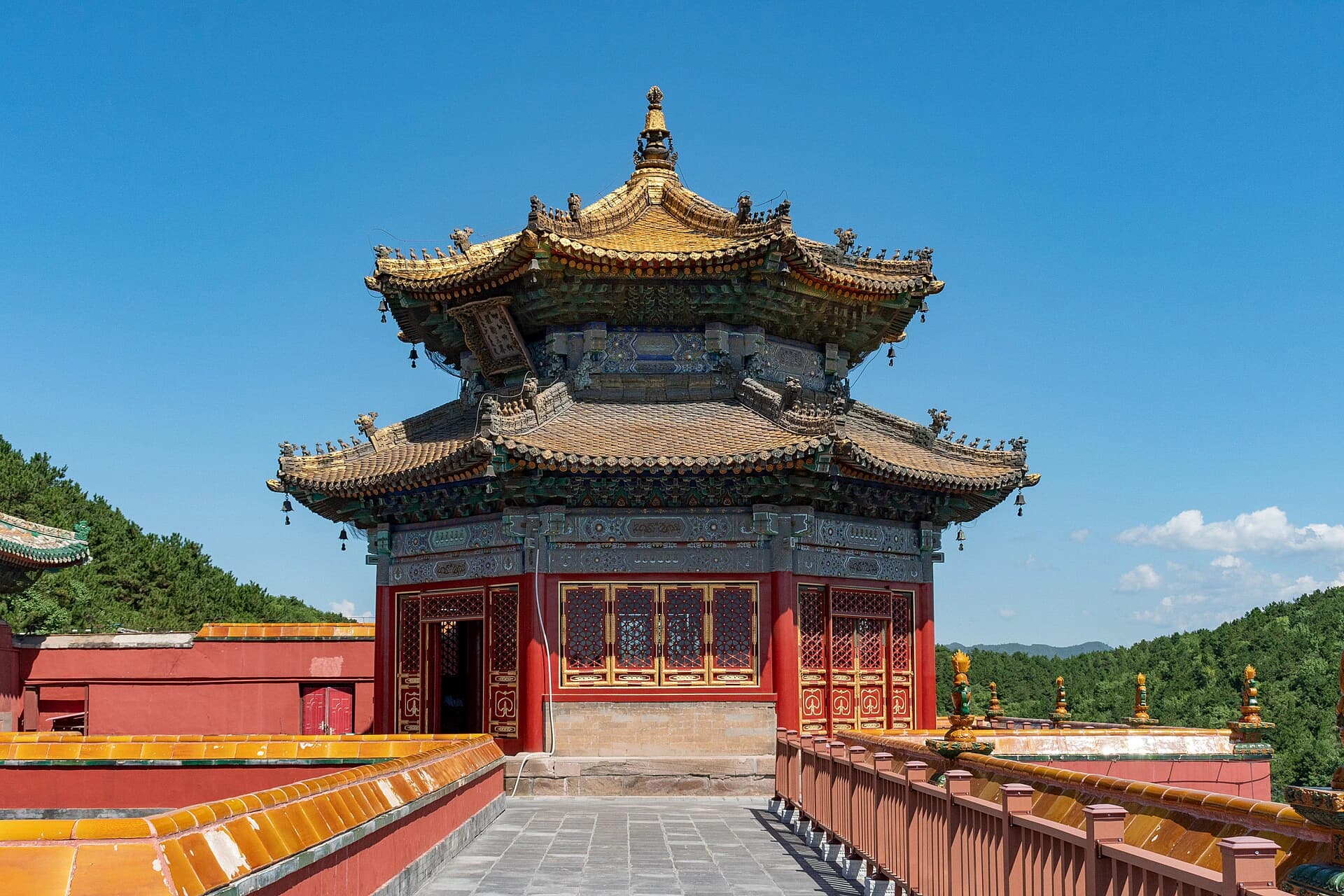
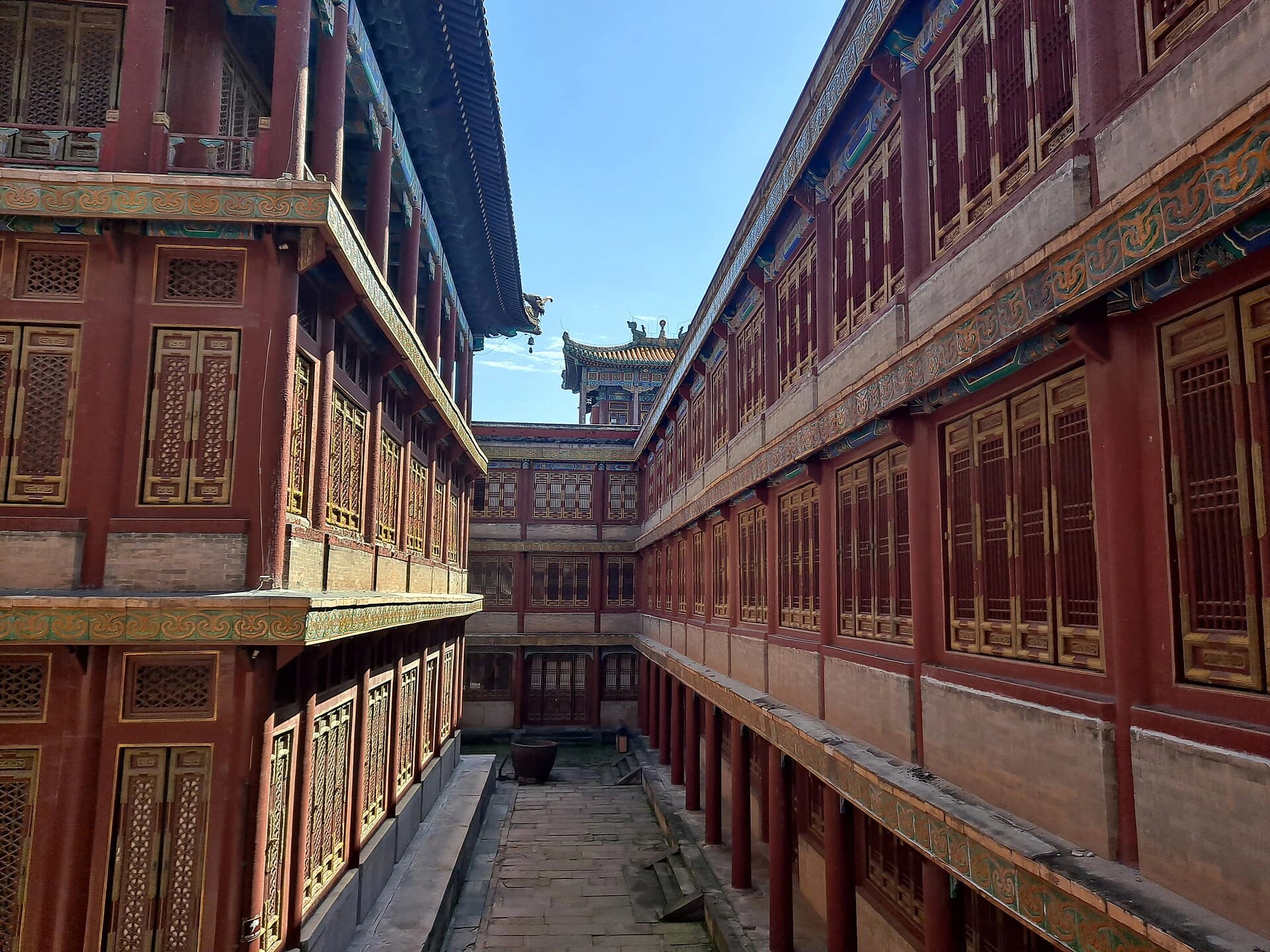
Five rules that improve the trip
- Check the official attraction notice or call on the morning of travel; do not reuse last year's hours or ticket bundle.
- Foreign-passport visitors should confirm reservation and staffed-entry procedures directly whenever a screen appears ID-card-only.
- Treat Puning and any other active religious space as a place of worship before a photo location.
- Fix the entrance, open route and return vehicle before hiking Jinshanling or driving into Saihanba.
- Never use unsigned paths, old “free-entry” gaps, wildfire bypasses or a social-media congestion shortcut.
Check the exact Mountain Resort listing on Trip.com, but let official admission and passport rules control. Resort entry, palace displays, mountain vehicles, boats and evening products may be separate.