Puning Temple
Puning Temple (普宁寺) is both an imperial-era monument and an active Buddhist venue. That makes it different from a museum visit: worshippers, monastics, ceremonies and temporary hall boundaries take priority over a visitor's preferred route.
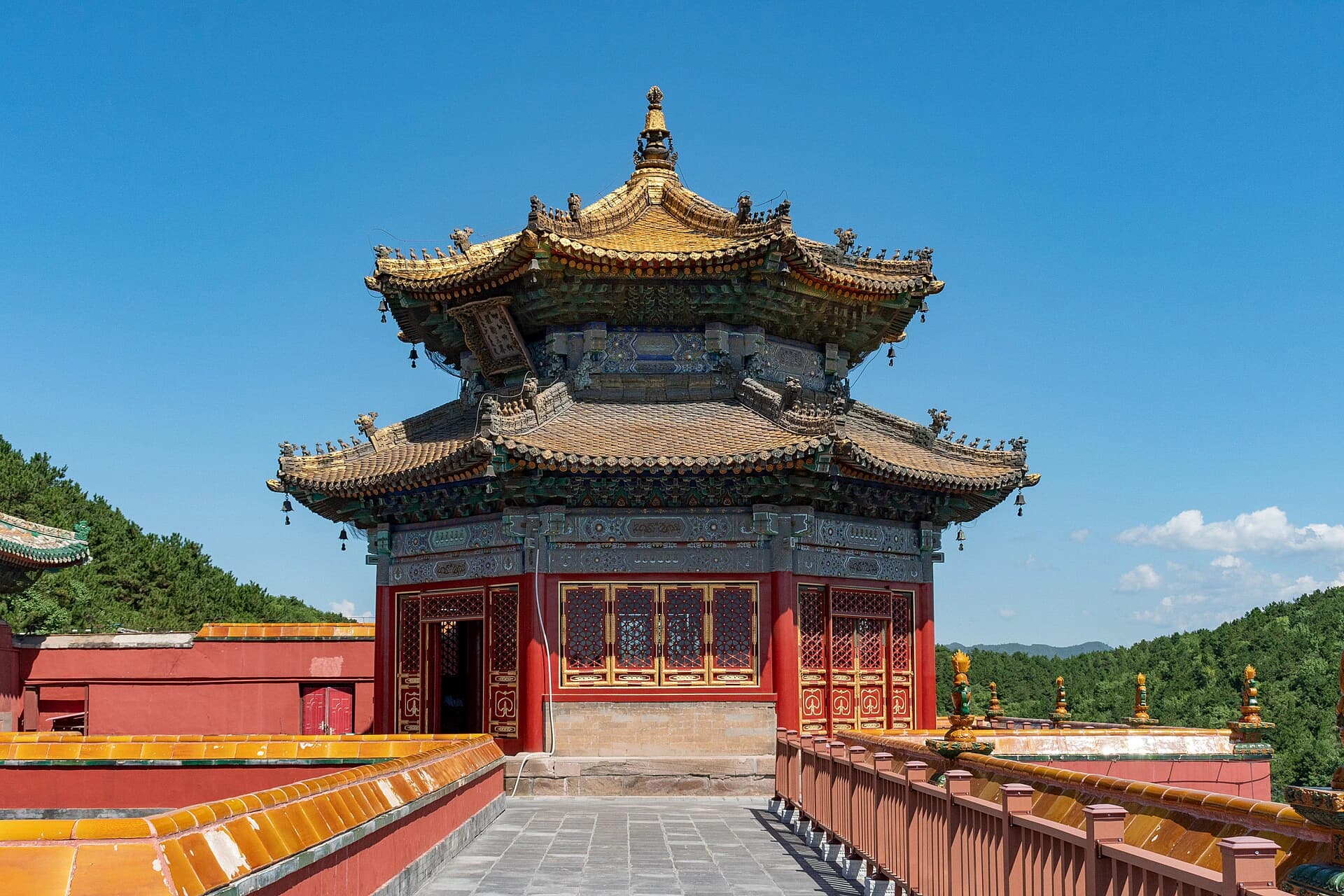
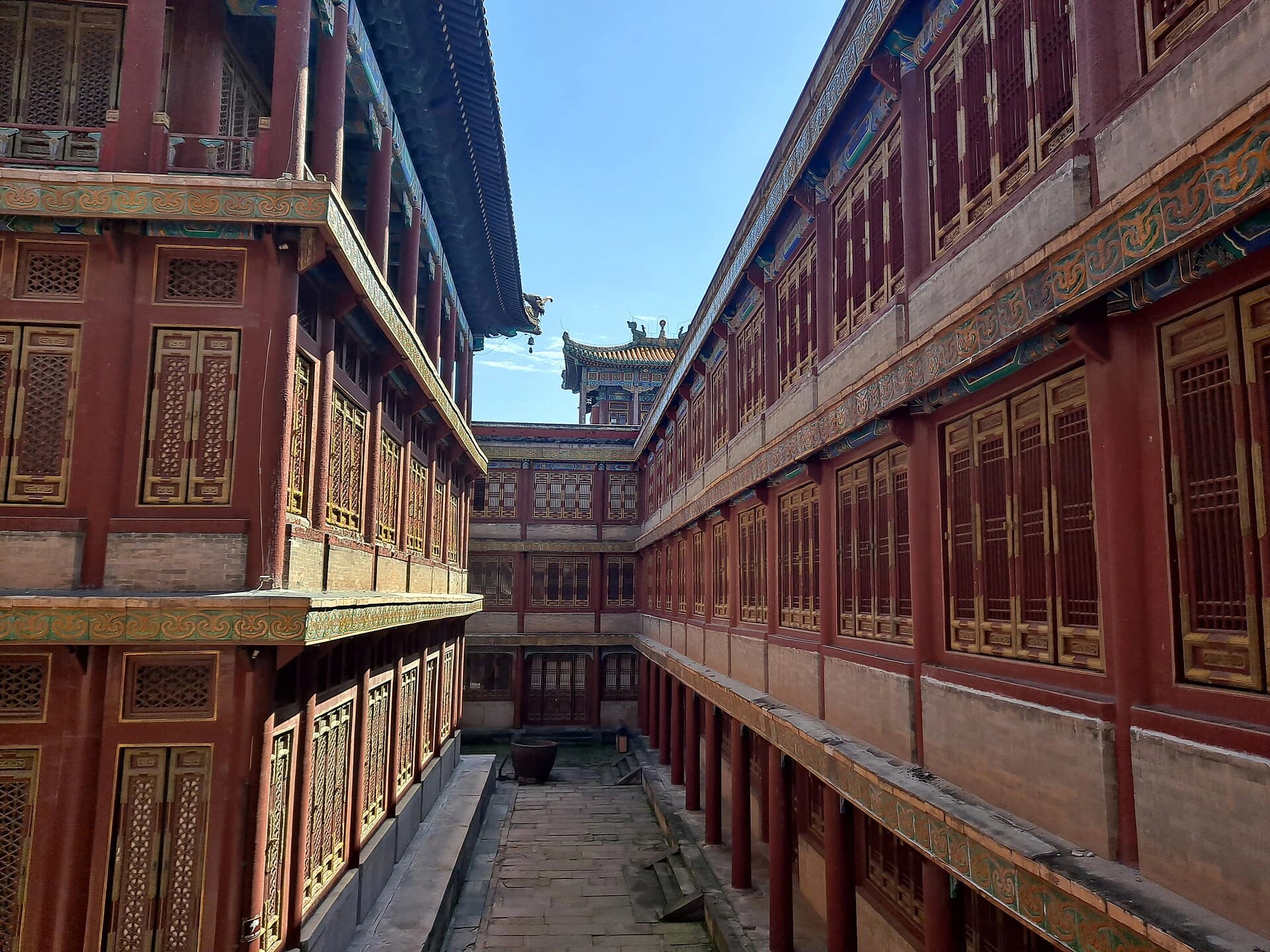
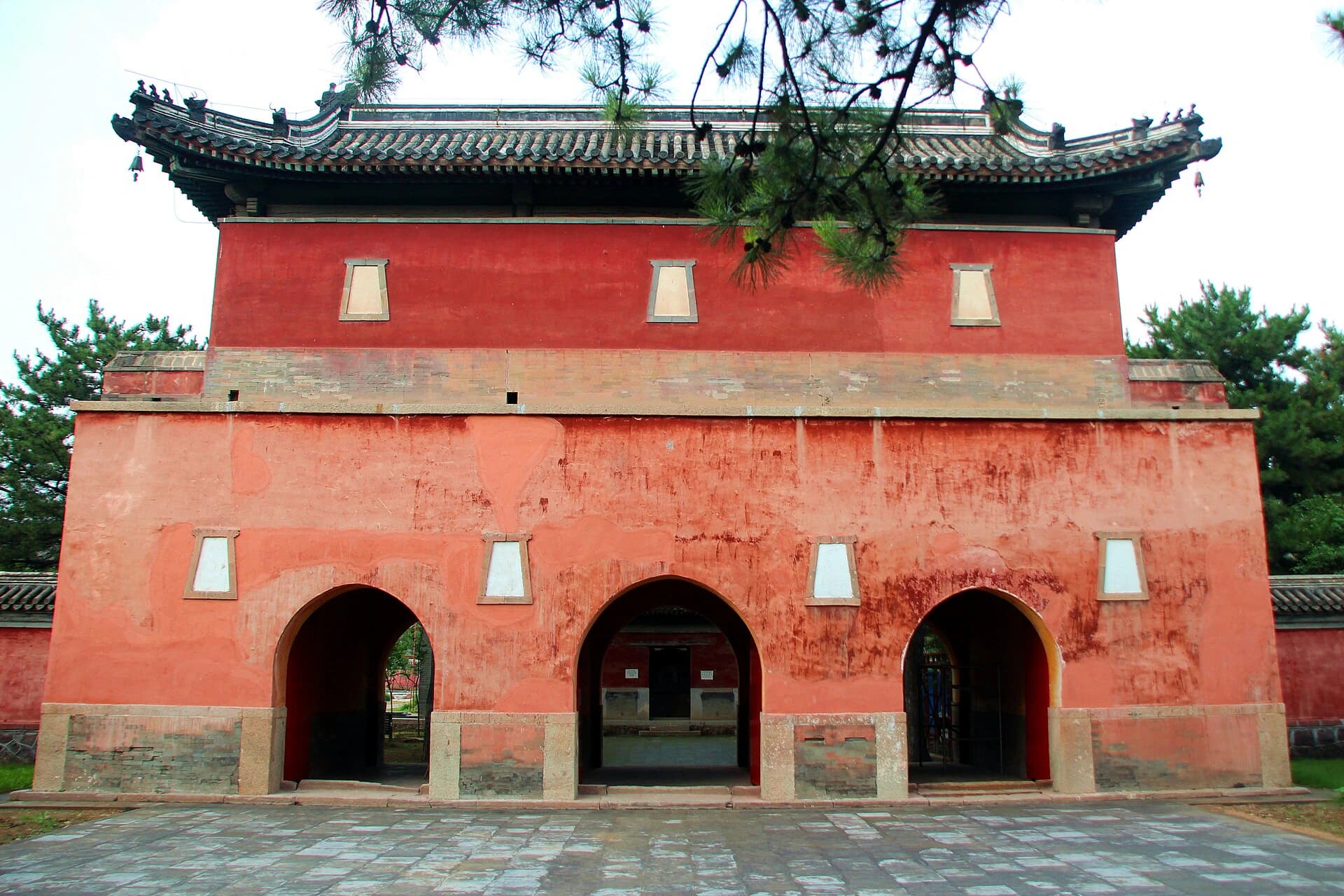
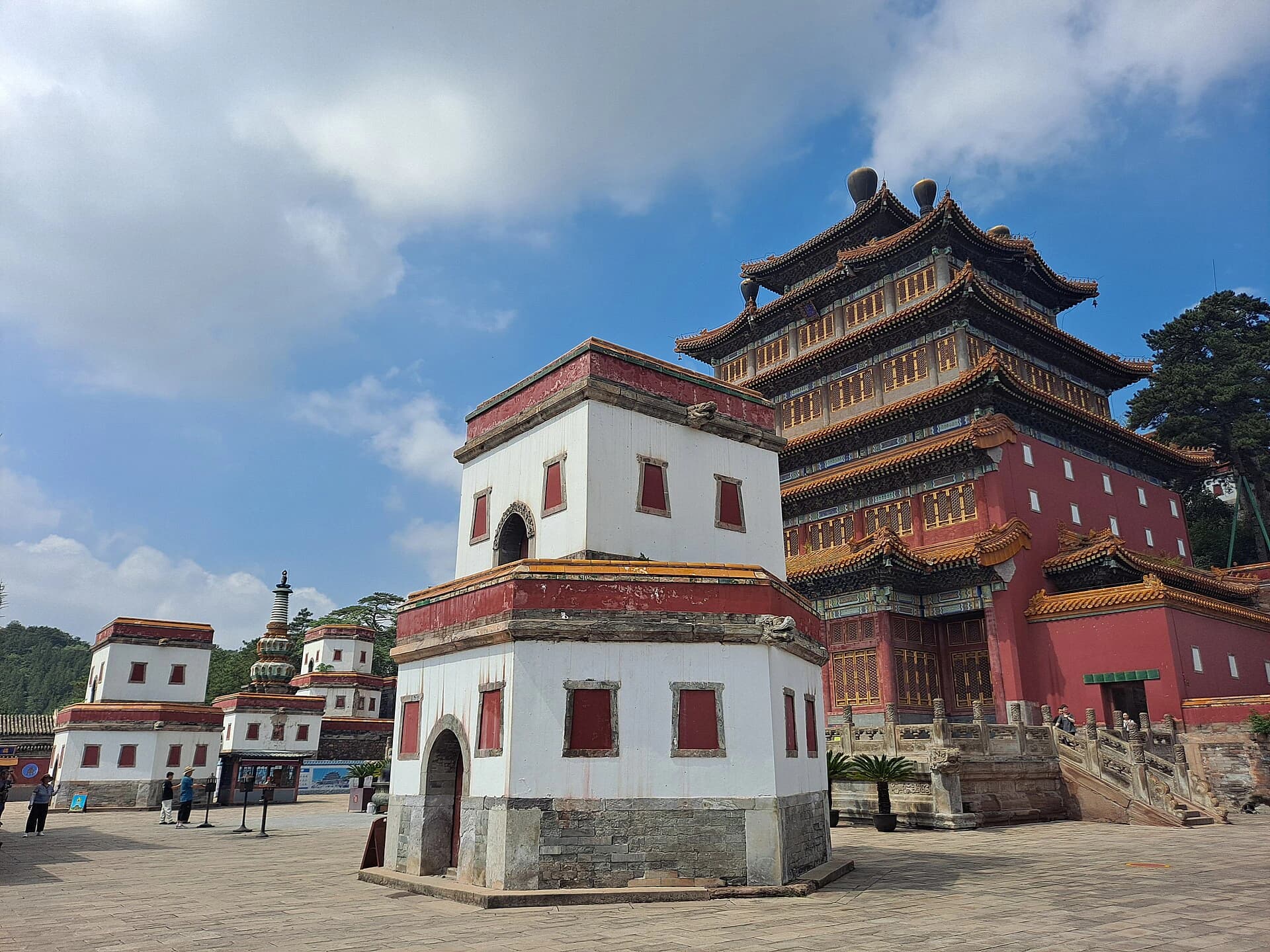
Recent visitors consistently highlight the transition from a Chinese-style front complex to the Tibetan Buddhist architectural world around the Mahayana Pavilion, and the monumental wooden Guanyin image. The best visit follows that sequence slowly instead of rushing between camera positions.
A focused 90-minute route
- Enter at the exact Puning Temple Puning Temple — open in AMap and read current notices before taking photos.
- Move through the front halls quietly, yielding to worship and processions.
- Give the Mahayana Pavilion complex enough time to understand the spatial symbolism.
- View the principal image from the permitted area. Never assume photography is allowed because another visitor posted an interior image.
- Leave space for the adjacent temple context only if the same ticket and route are confirmed that day.
Where to spend your time
Use 90 minutes as a baseline for the main visit, with closer to two hours for reading and architectural pauses. In the front courtyards, notice how the halls organize your approach; at the Mahayana Pavilion, compare that arrangement with the complex surrounding the monumental wooden Guanyin. Give this part the longest pause, looking from the permitted viewing area at both the sculpture and the space containing it.
Decide afterward whether to add a climb to any open upper areas. The elevated view is an extension; the main visit does not require collecting every viewpoint. If arriving late, ask about the exit time and return path before starting uphill.
Etiquette that matters
Wear clothing suitable for a place of worship, keep voices low, do not block people praying and never direct a camera at worshippers. Follow the posted direction around sacred structures. Incense, offerings, blessings and chanting are religious practices, not guaranteed inclusions in admission.
Several online accounts repeat record-size claims and detailed symbolism. Use the site interpretation or museum for those facts; a visitor report is useful for atmosphere and pacing, not doctrinal authority.
Access and timing
The temple sits north of the Mountain Resort. AMap estimates Lizheng Gate to Puning at about 4.8 km / 25 minutes by bus with manageable access walking, or 4.5 km / 23 minutes by car. Avoid treating it as a casual final stop after the last admission time.
Current hall closures, repairs, photography, fire controls and staffed passport entry must be checked directly. If a reservation interface only accepts a mainland ID, call before travelling rather than entering a false number.
Pairing
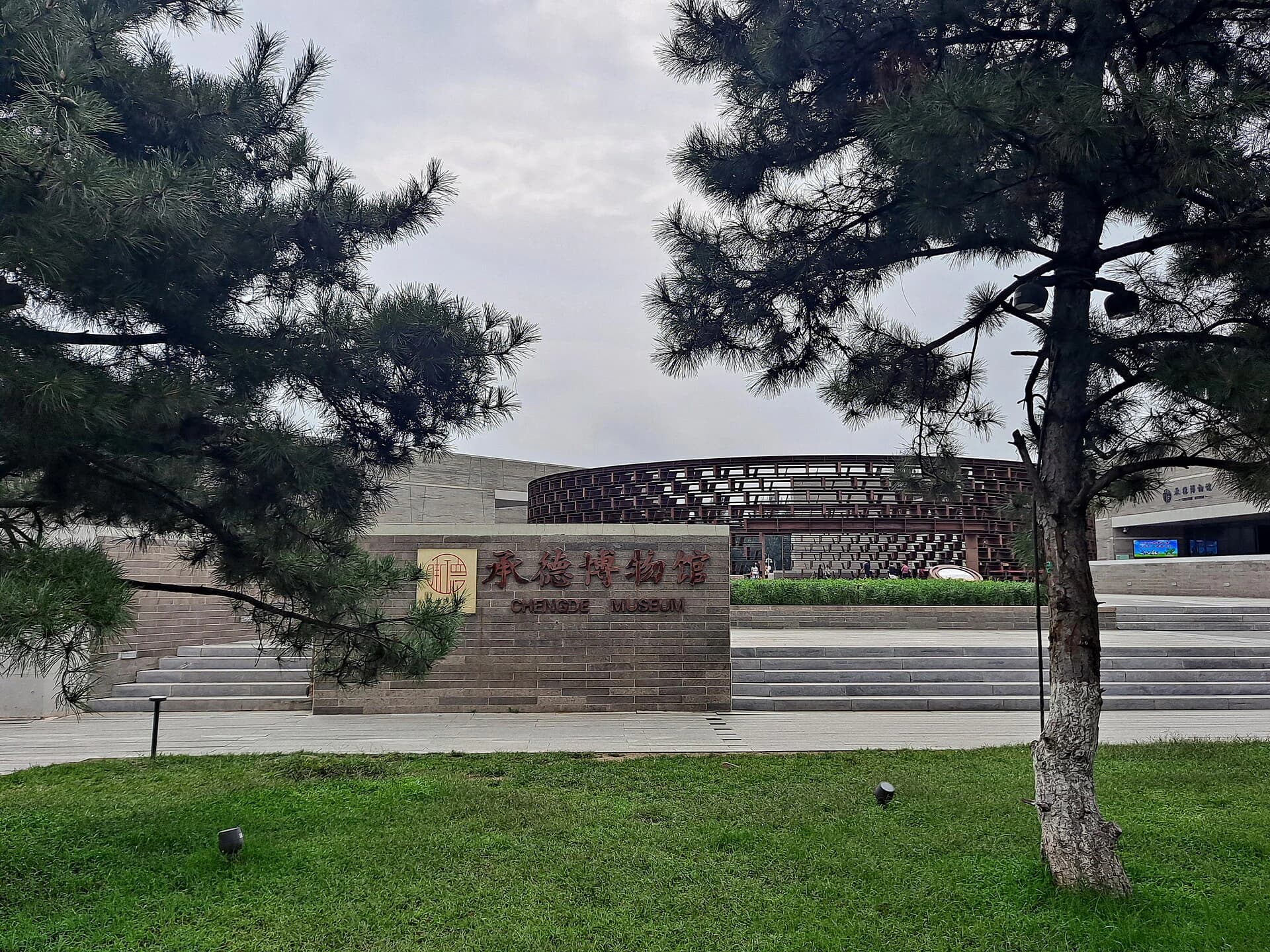
Puning pairs naturally with Chengde Museum, which supplies the political and religious context that quick social-media captions often flatten. It does not need to be combined with every imperial temple.
Verdict
Visit Puning for living religious space, architecture and sculpture. Skip it if you only want an unrestricted portrait backdrop; that expectation conflicts with the place itself.
Ask about the current step-free or reduced-step route before purchase; access to the entrance does not prove access to every upper sacred space.
Carry small cash only for an optional, clearly priced offering; admission never obliges a visitor to buy incense or a blessing.