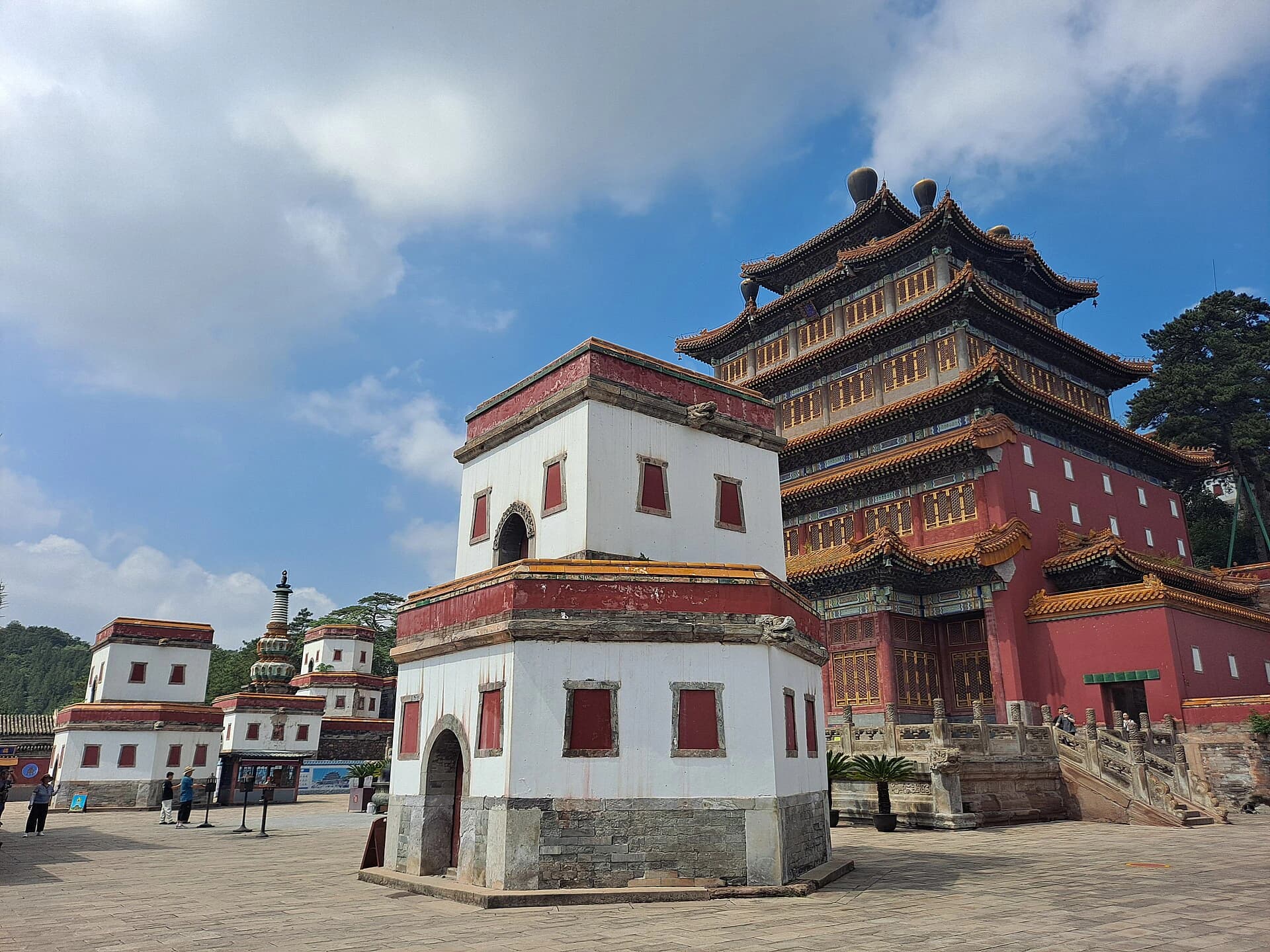
Anyuan Temple
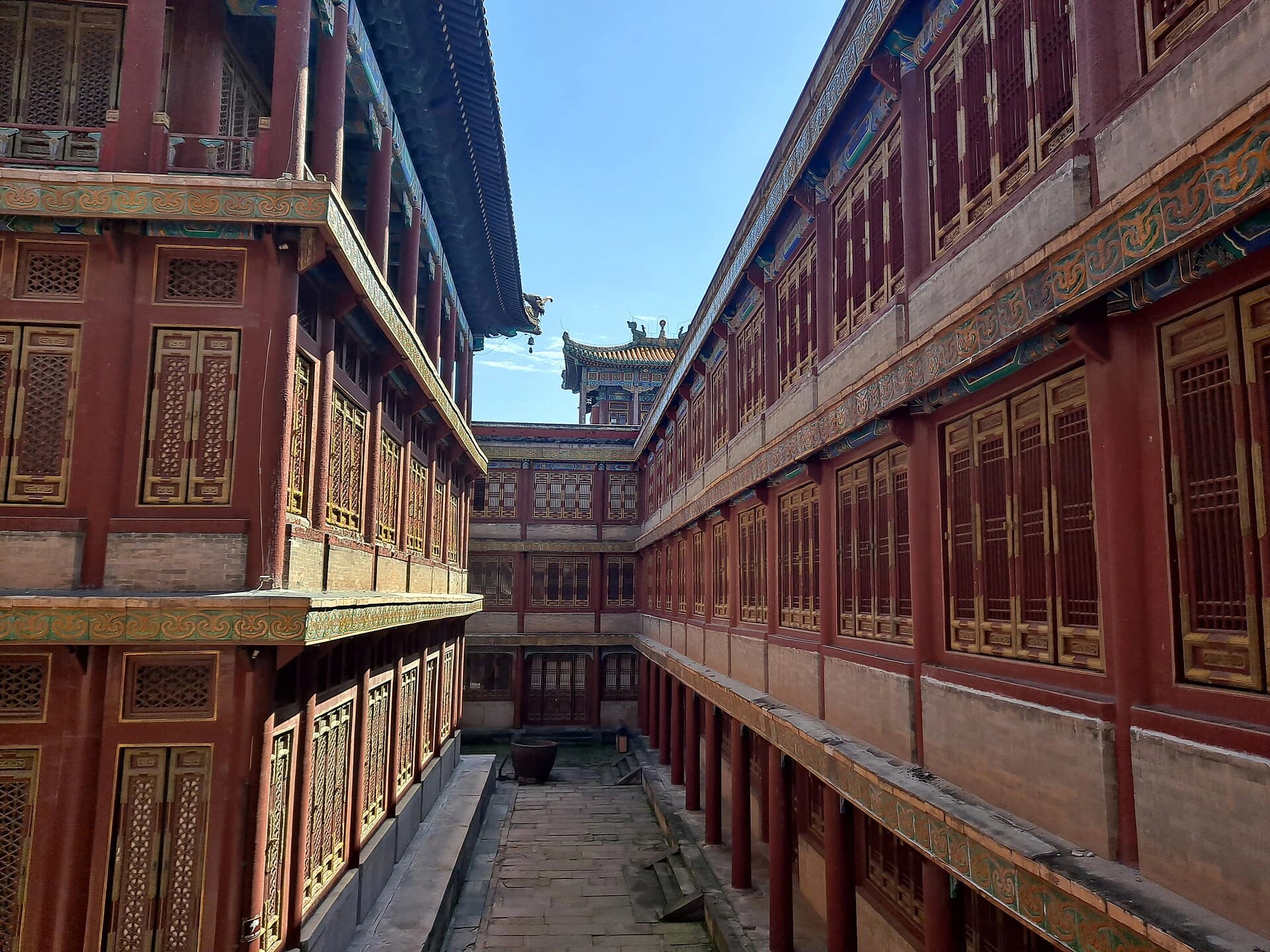
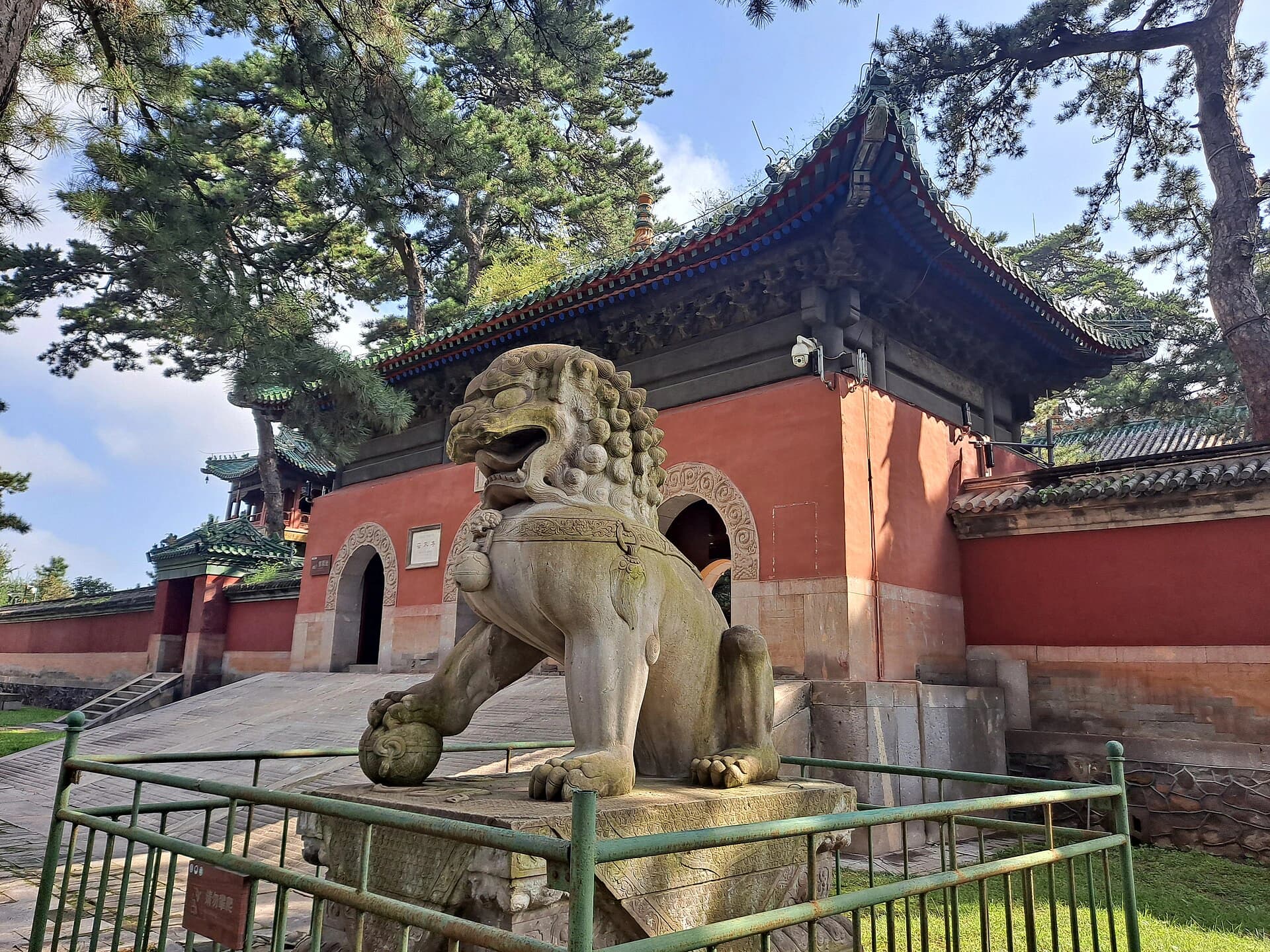
Anyuan Temple (安远庙), also called the Ili Temple, is one of Chengde's quieter imperial temples. Its dark glazed roofs and central hall are visually distinctive, but the strongest reason to visit is the history behind its construction after the Dörbet Mongols' migration from the Ili region.
Social posts often dramatise this story with exact casualty numbers and symbolic explanations. Use the museum or official interpretation for those details. The visitor evidence is most useful in showing that Anyuan feels quiet, under-visited and easy to misunderstand without context.
The useful question is how the Qing court represented relocation, frontier alliance and Buddhist patronage at Chengde—not whether the building is an exact copy of an Ili predecessor. Compare the original reference described by current interpretation with the surviving Chengde fabric, later repairs and modern display.
A focused visit
Use Anyuan Temple — open in AMap, not the nearby bus stop or bridge. Confirm that the temple is open before crossing the Qingchui sector; smaller sites can have independent closures.
Inside, focus on the gate, black-roofed composition and central Pudu Hall. Follow any no-photo rules around paintings and images. A dark interior is a conservation condition, not an invitation to use flash.
Allow 45–75 minutes when the principal halls are open. Read the outer composition first, then use the gate and central axis to understand why the dark roofscape feels different from the red-platform complexes nearby. In Pudu Hall, look for how architecture, wall painting and ritual focus work together; do not promise a named image until staff confirms it is currently visible.
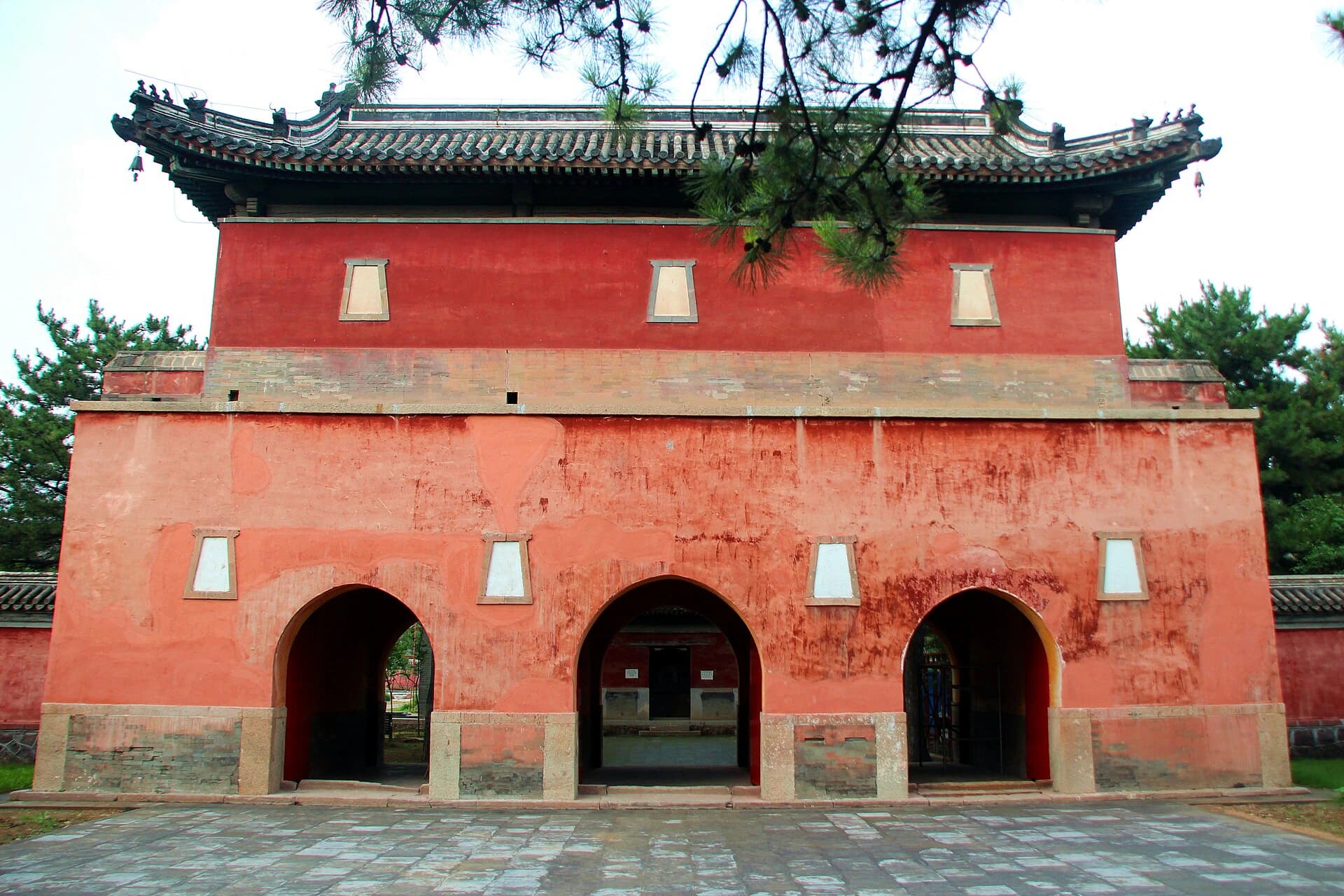
Photo: Fengzinan · Source · CC BY-SA 4.0
Who should go
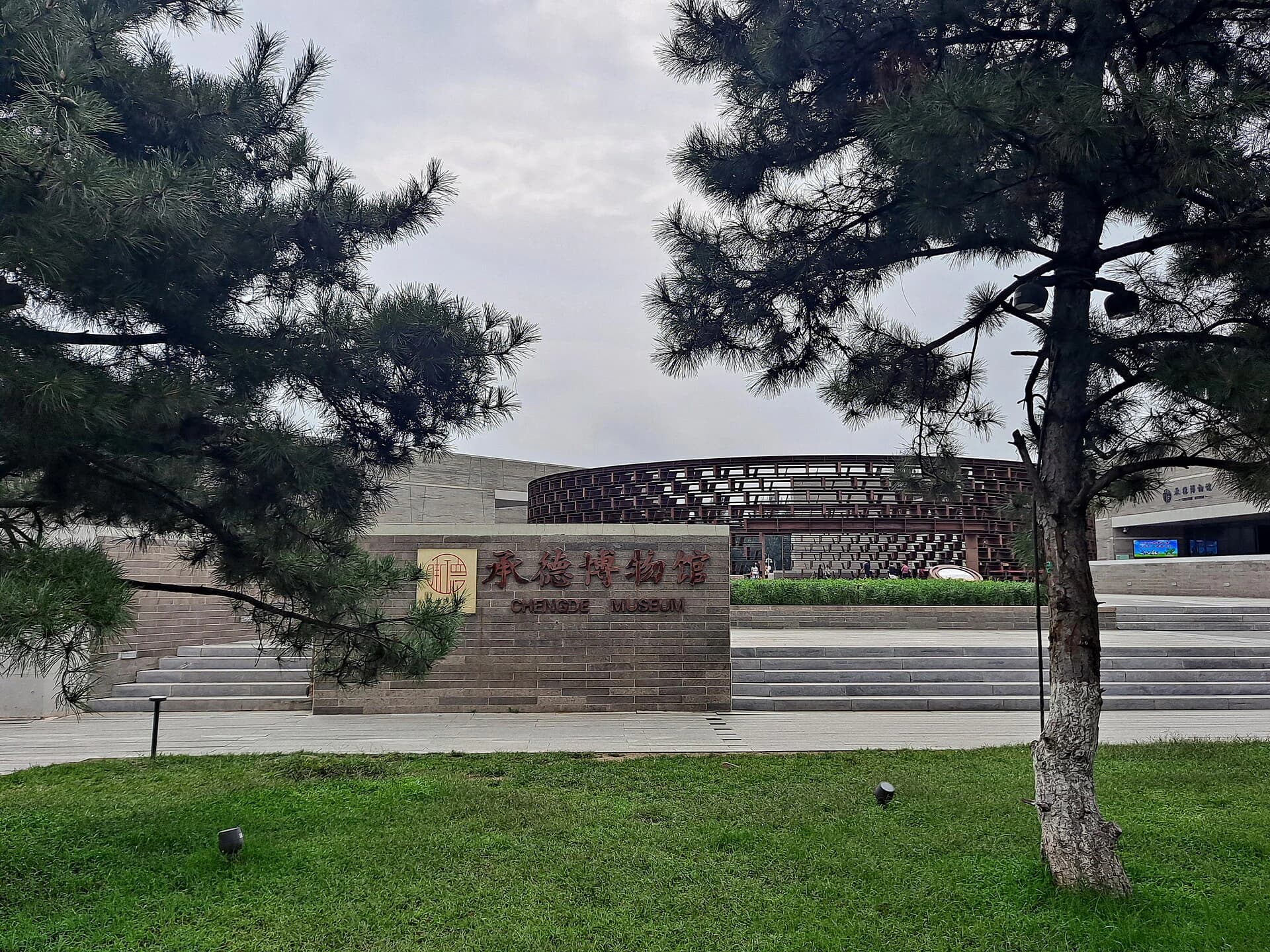
Choose Anyuan if you have already visited Chengde Museum, care about Qing frontier history or want to compare the imperial temples' different political and architectural roles. Skip it if you only have time for one temple and need a more complete first introduction; Puning is usually the stronger standalone visit.
AMap estimates the Qingchui visitor-centre reference point to Anyuan at about 0.5 km / 7 minutes on foot. That makes it physically easy to combine with Qingchui Peak or Pule Temple, but each opening and ticket must be checked separately.
Current checks
Confirm the open halls, admission, foreign-passport procedure, photography, repairs and accessible route. Do not promise a particular statue, viewpoint or museum object based only on a recent visitor post.
Current official material confirms Anyuan as a separate visitor site, but the detailed seasonal timetable available here dates from 2025. Confirm current opening before making the transfer: a quiet site may also be closed independently.
Most of the value comes from context rather than quantity. If there is no English explanation, read Chengde Museum first or prepare a short timeline; do not substitute a dramatic social-media story for documented history.
Verdict
Anyuan is a specialist history stop with a strong architectural identity. Its quietness is a benefit only when the site is actually open and the visitor arrives with context.