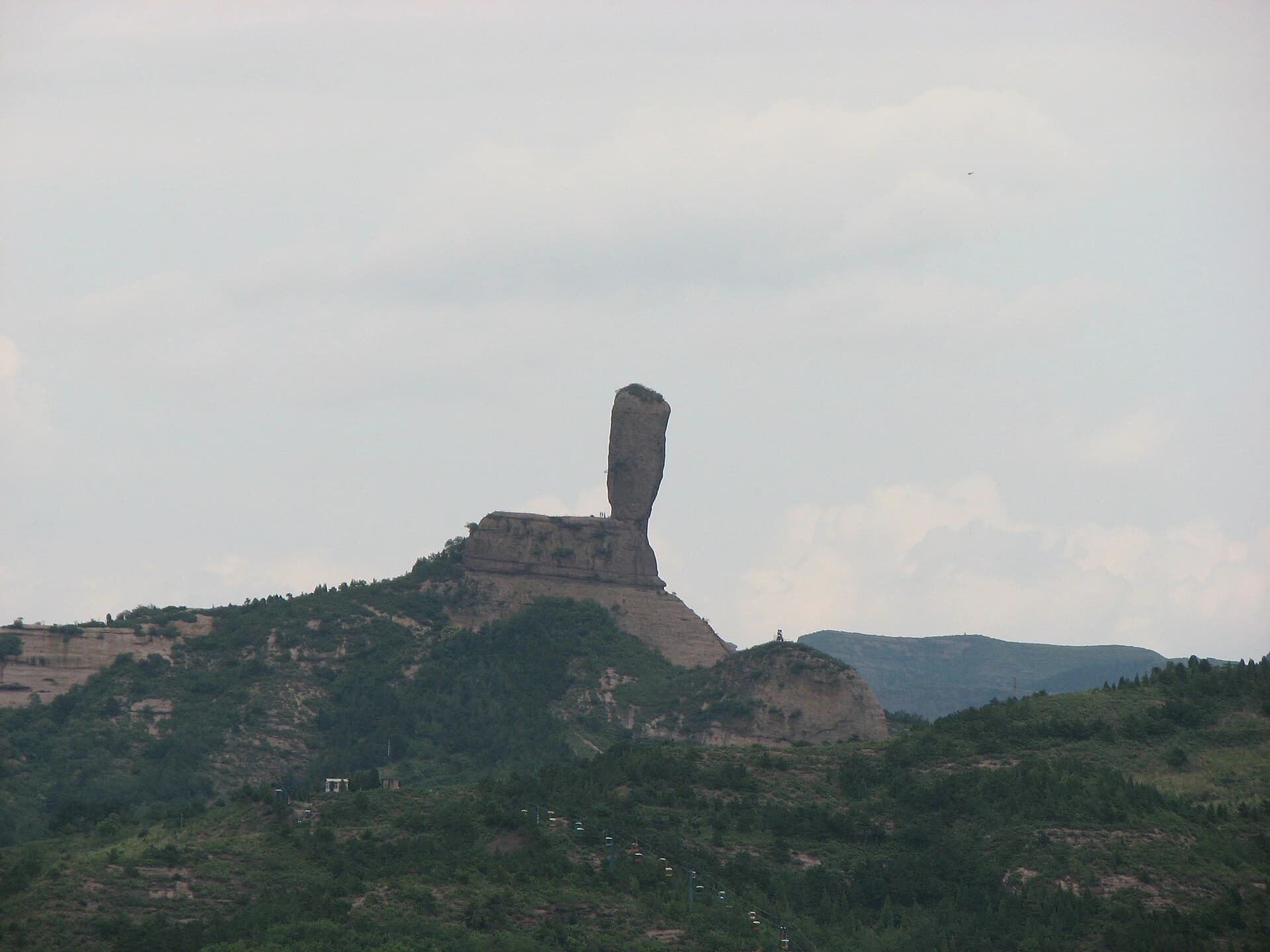
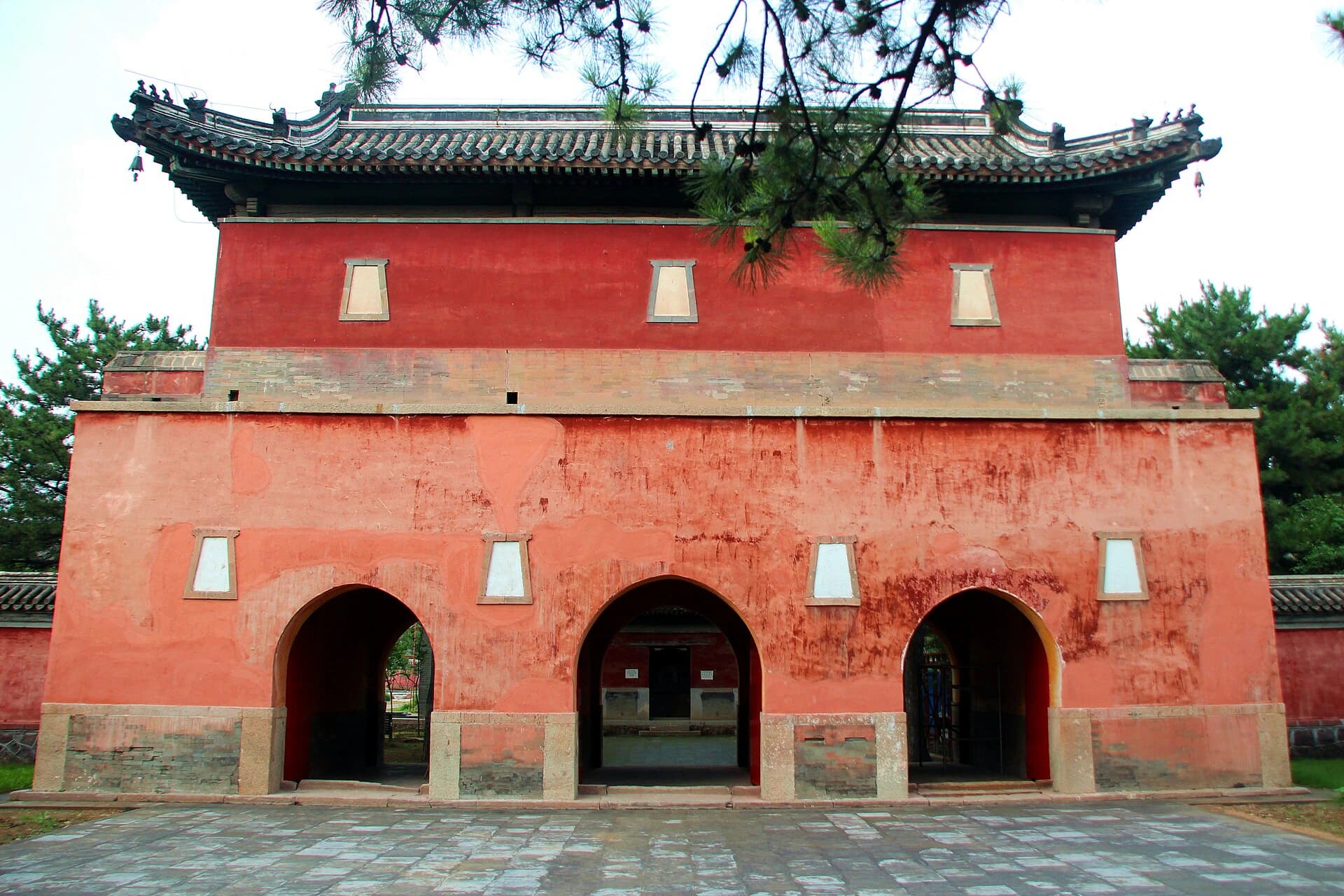
Putuo Zongcheng Temple
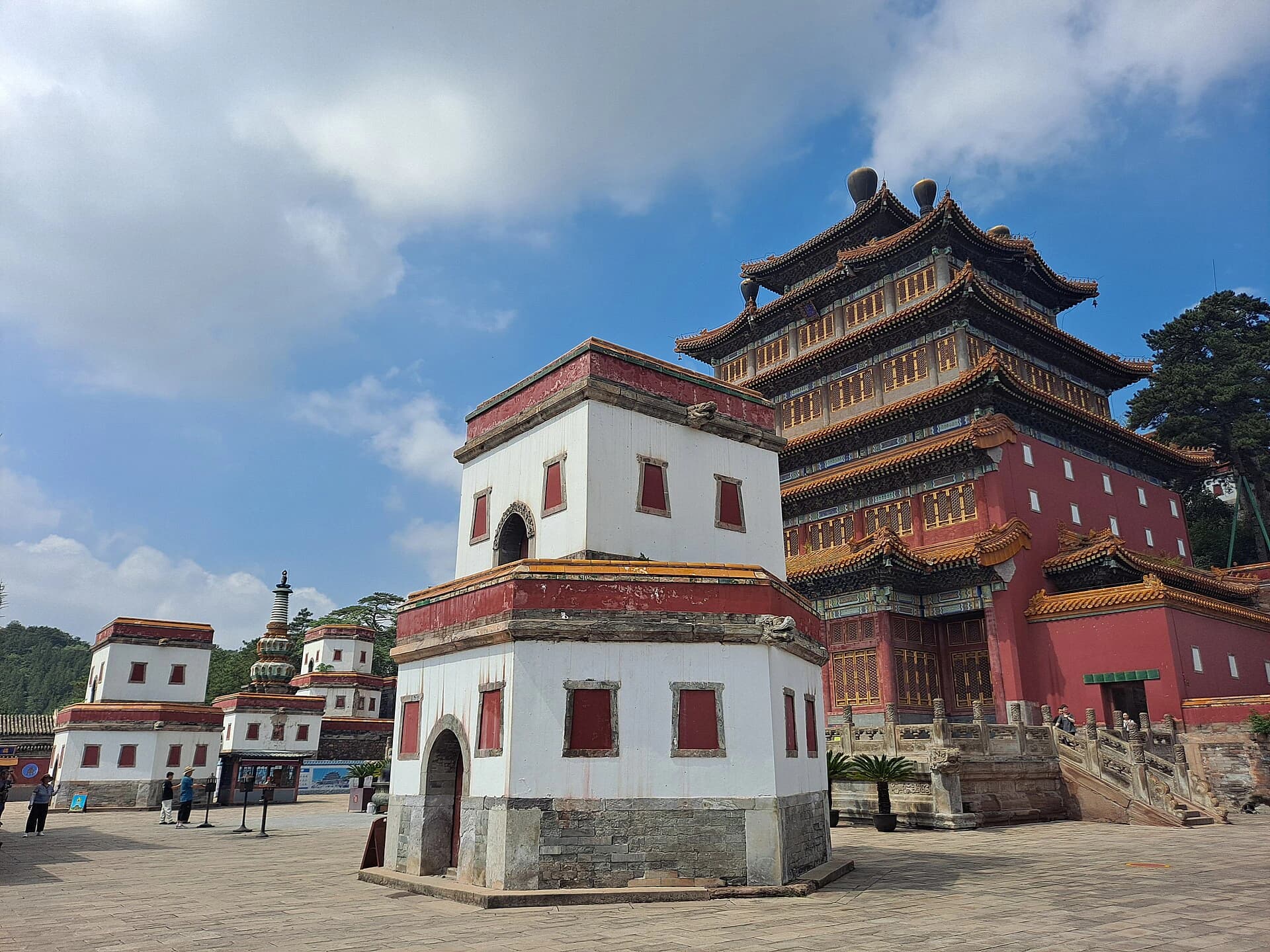
Putuo Zongcheng Temple (普陀宗乘之庙) is widely marketed as Chengde's “Little Potala Palace.” The resemblance helps visitors identify the red-and-white hillside composition, but it can also erase the temple's own Qing purpose and encourage a photo-first sprint.
Treat it as a 90–150 minute uphill architecture route. The climb, stairs and exposed upper spaces matter in summer, while repairs and hall closures can change which circuit is possible.
Route logic
- Use the south entrance/ticket reference Putuo Zongcheng Temple South Entrance — open in AMap, not the central map pin as an assumed gate.
- Read the historical interpretation before climbing. The architectural sequence is the story, not merely the final red terrace.
- Move through the white platforms toward the central red complex at a pace that leaves energy for the descent.
- Visit Wanfaguiyi Hall and roof viewpoints only where the signed route permits.
- Descend by the official path; do not follow a costume-photo shortcut or closed terrace.
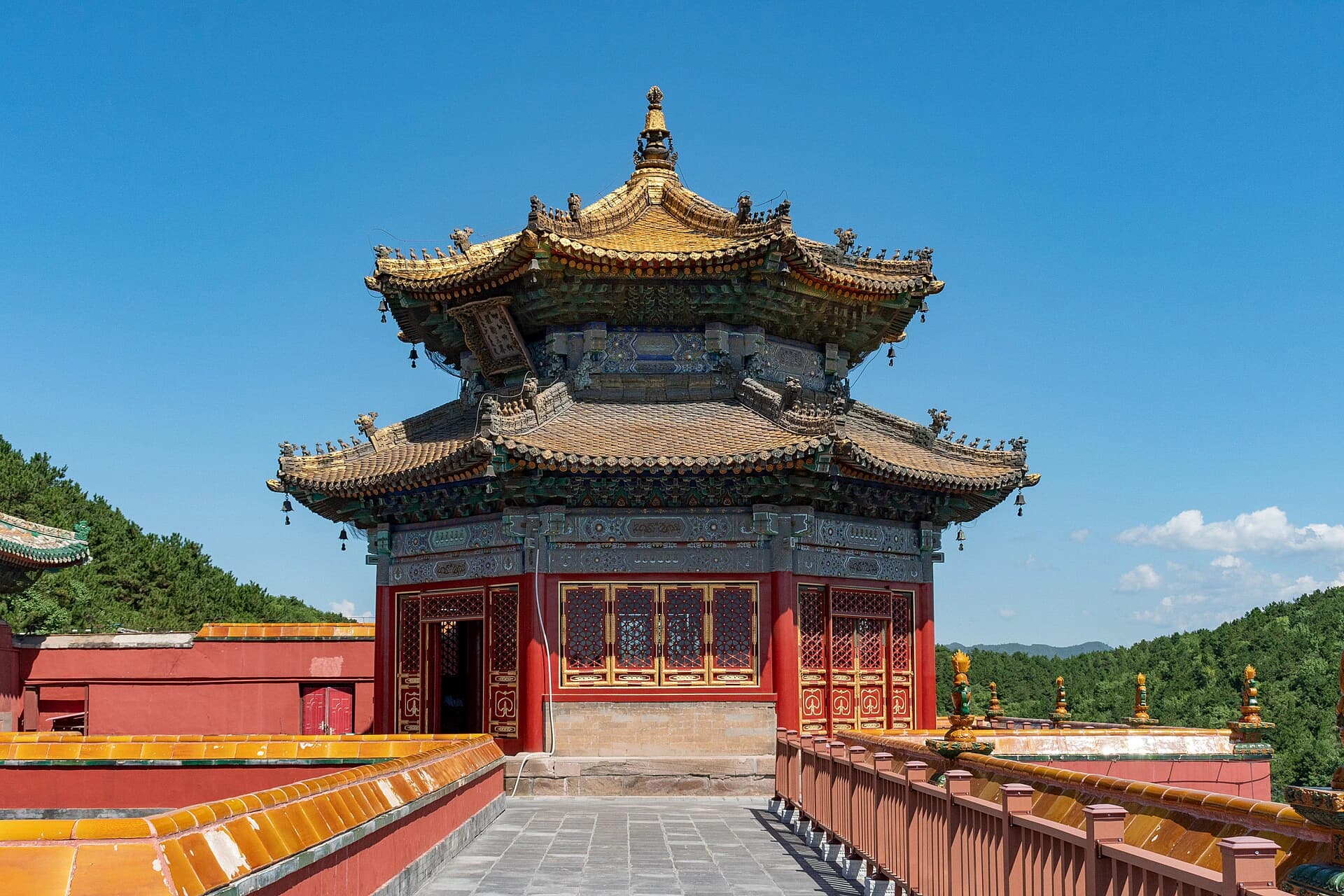
Pair it with Xumi—not by erasing Xumi
Xumi Fushou Temple is about 0.7 km / 10 minutes away on foot between the mapped south entrances. That makes a half-day pair practical, but each temple has a different commission and spatial character. Check whether a current ticket combines admission; proximity does not prove inclusion.
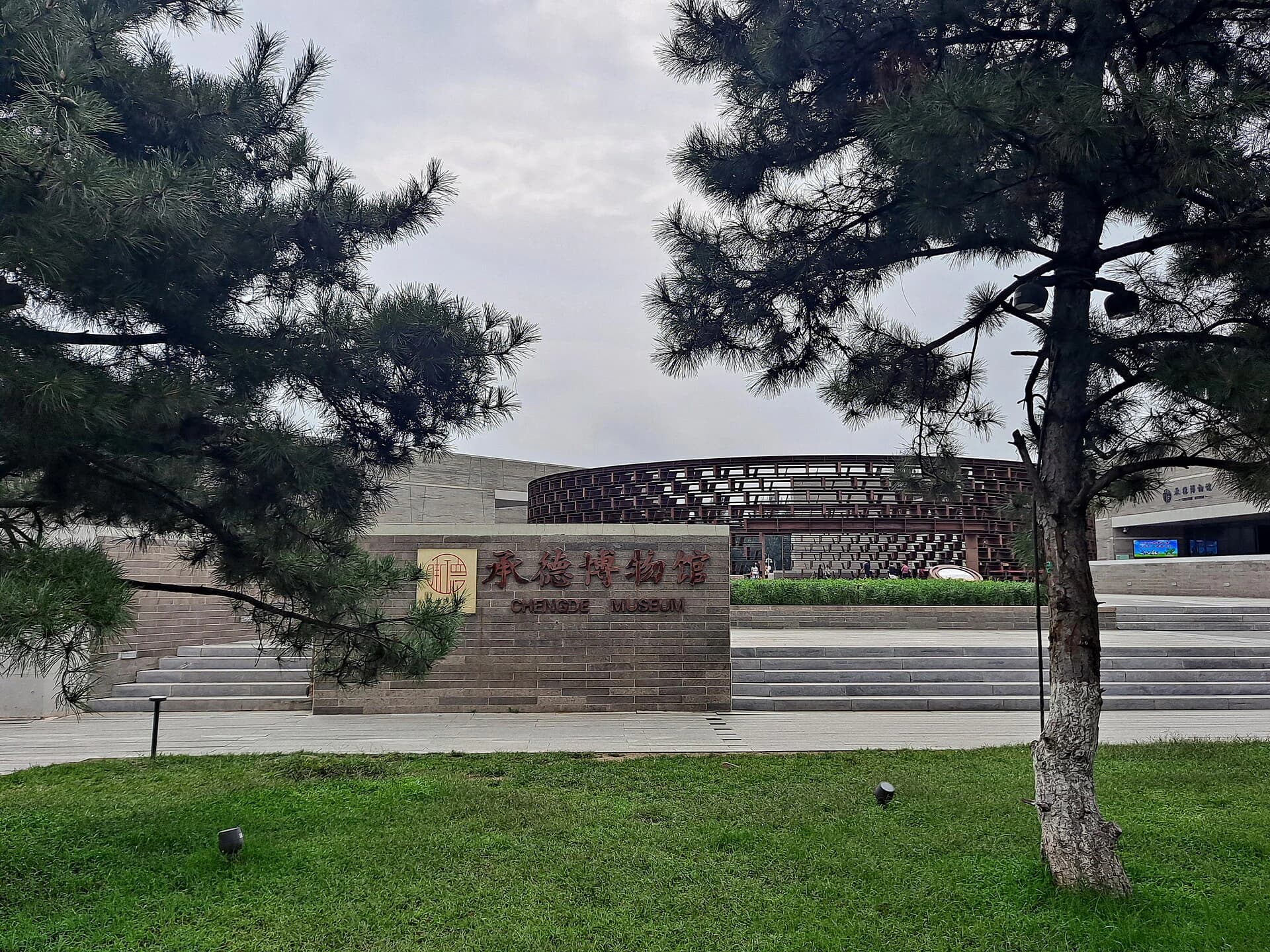
Chengde Museum to Putuo's south entrance is about 1.4 km / 19 minutes on foot. A museum-first plan gives the visit much more meaning than copying a list of “best photo spots.”
Current commercial layer
A 2026 heritage procurement notice shows that commercial services around Putuo and Xumi are changing. It does not prove that proposed dining, performances, costume photography or other products are operating today. Keep heritage admission separate from optional commercial experiences and check the operator directly.
Accessibility and photography
The historic slope and stairs make a full route difficult for some visitors. Ask whether a reduced-step circuit is currently offered. Drones, tripods, interior photography and costume shoots can have separate rules; obey signs and never block worship or protected surfaces.
Verdict
Putuo is worth the climb for its landscape composition and Qing imperial-religious history. It is not a substitute for Lhasa and should not be sold as one.
Choose Putuo when the climb itself helps you read the architecture from lower white terraces to the red central complex. Choose Puning instead when active worship and sculpture matter more, or Xumi when a quieter, more focused commission is preferable. This distinction prevents three temples from becoming one repetitive photo list.
Keep water and a weather layer accessible because the exposed upper terraces can feel very different from the sheltered entrance.